“I’d like to read more, but I don’t have time to read a long, involved story.“
There’s a solution for that. It’s called a short story.

Short stories are those that can be read in under an hour – often not more than 5,000 words (beyond 7,500 is called a novella, and they are often published alone in little books, like Stephen King’s The Shawshank Redemption, J.A. Jance’s The Old Blue Line, or Shirley Goodness and Mercy by Debbie Macomber) and they are often grouped together in anthology volumes, anthology meaning, literally, a collection of stories, the same way a CD album is a collection of individual songs.
Short stories are an art form of their own, still carrying the same structures of their longer novel cousins (plot, themes, metaphors, etc) but in a very short package. Some are complete stories (think of Ray Bradbury’s All Summer in a Day, or Shirley Jackson’s The Lottery) while others might just give you a slice of life, a few hours in the life of an individual with no clear beginning and no clear end, leaving you to wonder what might come next (some stories by Anton Chekhov, or Ernest Hemingway’s Hills Like White Elephants). They can be happy or sad, comic or dramatic, or full of irony (The Necklace, by Guy de Maupassant). Sometimes an anthology might consist of short stories on a single theme (love, loss, westerns, adventure), or they could be a mix of anything. And the beauty of an anthology is you can read one or two stories, or the whole thing, depending on your time and interest.
But short stories don’t carry the same weight as novels.

Of course they do! Many writers are known more for their short stories than for their novels – Alice Munro is considered one of the premier short story writers, having won the 2013 Nobel Prize for Literature in part for her short stories. Ray Bradbury is another prolific short-story writer, not quite horror, not quite science fiction, not quite fantasy, just imaginative. His philosophy was to write one short story a week, because out of 52 short stories, you were bound to have three or four that were really good. Short stories are easier to sell, if not to anthologies then to magazines – many a writer got their start in The New Yorker, Collier’s, or Atlantic, let alone Good Housekeeping and Readers’ Digest. Some of the most popular authors – Isaac Asimov, Dashiell Hammett, and Raymond Chandler – carved their name writing for pulp fiction magazines.
Short stories don’t always stay short, either. Many popular films started out as short stories – The Secret Life of Walter Mitty (published in The New Yorker) (Did you realize this one takes place in Waterbury, Connecticut?), All About Eve, 2001: A Space Odyssey, The Curious Case of Benjamin Button, 3:10 to Yuma, Shawshank Redemption, Minority Report, Brokeback Mountain, Rear Window, Total Recall, and many, many others.
A little story can go a long way. If you’re pressed for time, check out the stories in these collections, and more!







Best Short Stories of Jack London
Ray Bradbury Stories: 100 of His Most Celebrated Tales
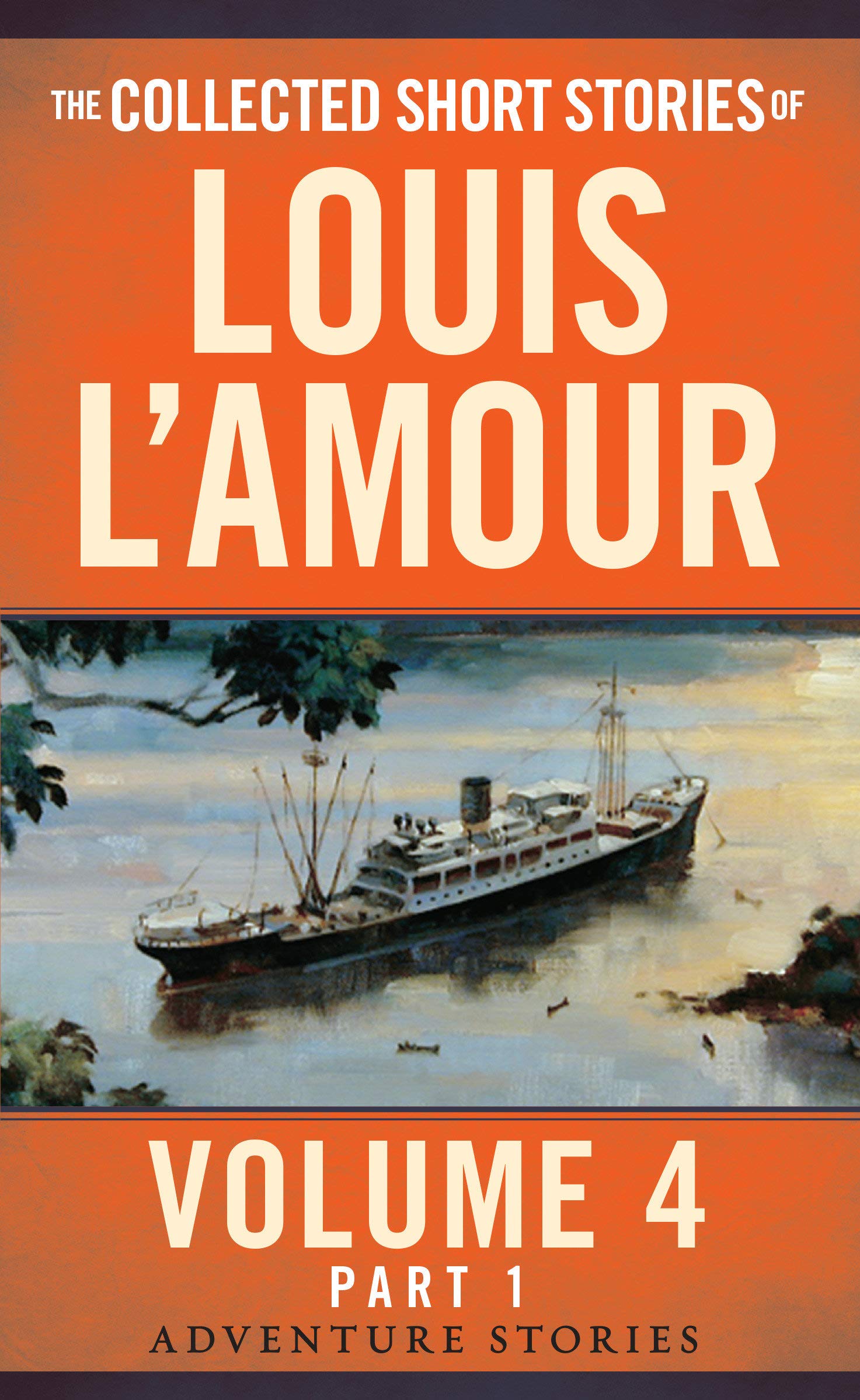
Collected Short Stories of Louis L’Amour, Vol. 4
Children of the Night: Best Short Stories by Black Writers
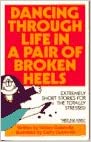
Dancing Through Life in a Pair of Broken Heels
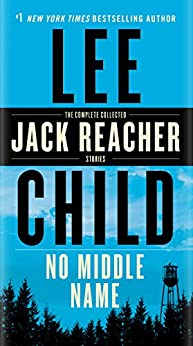
No Middle Name: The Complete Collected Jack Reacher Short Stories
Complete Stories of Edgar Allen Poe
Cutting Edge: New Stories of Mystery and Crime by Women Writers
 Not every book becomes a movie; not every movie started out as a book, but the two feed off each other like peanut butter and chocolate. Many of the top Oscar-winning films started out as books (

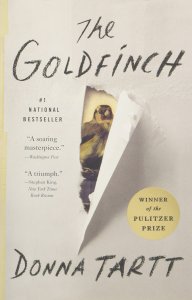


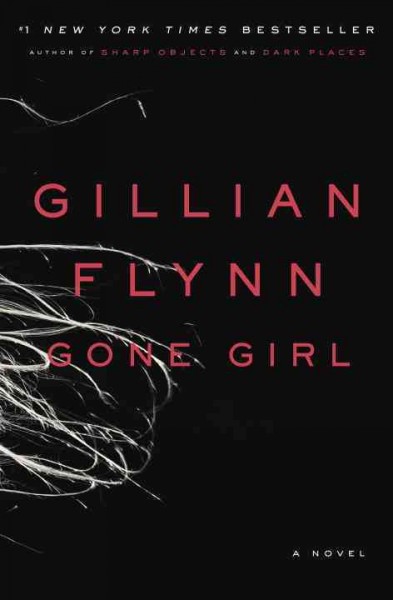
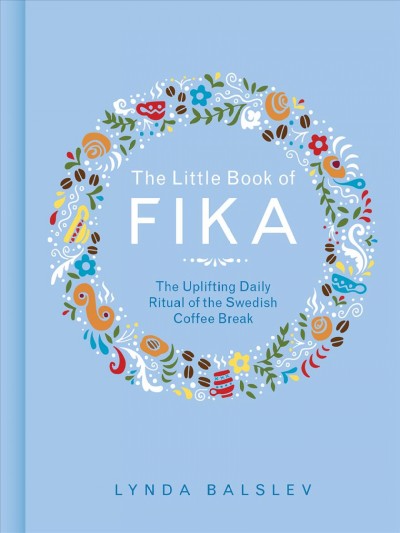
 If you’re looking for coffee in Cheshire, you don’t have to stray far to find a good cup. You can go to one of what seems like fifty Dunkin Donuts (or is it just Dunkin now?) or stop in to Cheshire Coffee for one of their seasonal pumpkin spice blends. But as crafty and creative person, I’ve always wanted to perfect the art of brewing my own cup at home. Usually I just pop a pod in the Keurig, and add some overly sweet creamer. But if you’re looking to learn a bit more about coffee, or add some books to your late night reading list, you’ve come to the right place. I’ve gone through the shelves and picked out a healthy selection of books on the art of brewing, and a few thrillers for library night owls like myself.
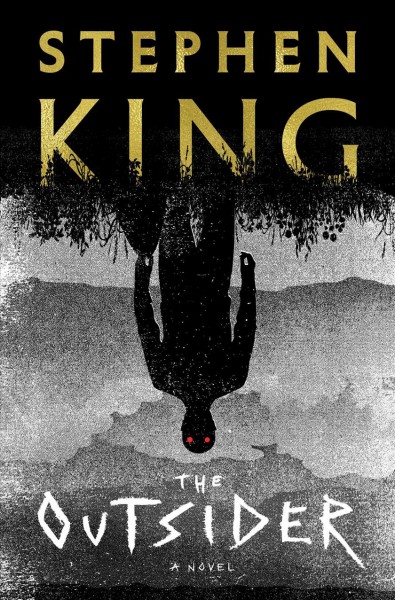

 Some people love winter, love the brisk air, the blinding glare, the crystal-clear night skies, soft fluffy snow and cups of steaming hot chocolate. Other people hate the freezing cold, the knifing winds, the treacherous roads, bare trees, and endless brown mud and slush clinging to shoes, cars, and pet feet tracking through the house.
 drapes (one of my favorite possessions), reading a book in a favorite chair while snow swirls outside the window and an animal lounges at my feet. It means a stew bubbling on the stove, fresh bread in the oven, or perhaps fresh shortbread cookies and a cup of Earl Gray tea by that fire. Perhaps it’s a holiday, with candles and lights and decorations, waiting for company to make it through the snow. Yeah, yeah, there’s no groundsman to shovel the walks when it’s over, I have to do it myself, but for a few hours I’m lost in an old English fantasy, there’s a mystery in the air, a challenge ahead, but love and fortune win in the end (note: I have never achieved this fantasy, but I keep hoping).
 English Tales of Winter
 historical
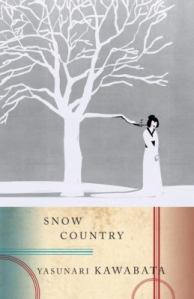
  Just because our snow stories don’t go back to King Wenceslas (ok, Wenceslas was Bohemian/ Czechoslovakian, but the song, 900 years later, is English) doesn’t mean American literature isn’t good, it just means it’s different. Maybe you’ll have to settle for cotton twill drapes and a medium double-latte with a space heater and a Snuggie. If you love gothic literature, delve into a classic or something newer; there are hundreds of books (and films!) to choose from. If you love reading about snowy days while curled in a chair listening to the winds howl, try some of these modern tales (and films):


 The Cheshire Library Blog