Debating global climate change is as useful as debating whether a tomato is a fruit. The climate has changed before, without man’s help, and it is definitely showing signs of a bad mood swing again. The question we need to think on is how will we survive that change, and what can we do to calm the changes as quickly as possible. Here are six excellent books on a variety of ecological issues currently plaguing us. You may not agree with all of them, but they are food for thought and quite worthy of debate.
Silent Spring by Rachel Carson The grandmama of them all, Rachel Carson’s landmark 1962 epic of how chemicals were destroying the planet. Her work led to a banning of DDT, which had nearly wiped out dozens of bird species such as the American Bald Eagle, by making eggs so brittle chicks could not survive. This is the book that started ecology, Earth Day, and so many other great causes. It was required reading in my high school; if you haven’t read it, it’s high time you did.
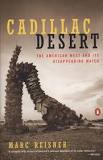 Cadillac Desert: The American West and its Disappearing Water by Marc Reisner The American West has been settled for barely 150 years. It was desert then, and with massive amounts of finite water diverted from rivers and aquifers, we’ve pared back tiny portions to create oases like Phoenix, Reno, Los Angeles, and San Diego. Despite trillions of dollars to build dams, drill wells, and pump water thousands of miles in pipes, the west still remains one of the driest places on Earth.
Plastic: A Toxic Love Story by Susan Freinkel Plastic. It’s everywhere. Not only around us, but inside us as well. Freinkel shows us not only the impact plastic has on our daily lives , but how all that pervasive plastic affects us in ways we don’t realize – such as the soft plastics that leach out of IV lines. Some plastics are more toxic than others: generally the softer the plastic, the more toxic it is. And every time you heat your food in a plastic dish in the microwave, you put yourself at risk. No plastic ever degrades, it just crumbles, which creates hazards of its own. Plastics have their uses, yes, but at what cost to our health and environment?
Six Degrees: Our Future on a Hotter Planet by Mark Lynas In 1816, the climate change from the eruption of Mount Tambora was estimated at seven degrees. For 18 months, global weather patterns were upended, resulting in relentless heat in the wrong areas, extreme drought in others, monumental flooding, and snow and freezing temperatures twelve months out of the year as far south as Georgia. In Six Degrees, Lynas walks the reader through the changes the world can expect to experience with each degree of increase of average daily temperature. The picture is not pretty. If man has difficulty adapting to such major swings in such short times, how can we possibly expect plants and animals to adapt?
The Coming Plague: Newly Emerging Diseases in a World Out of Balance by Laurie Garrett. Bad drinking water, misuse of antibiotics, deforestation, wars, refugees, poverty, and unsanitary living conditions all factor to create superbugs. The diseases have always been with us, but it’s the close proximity to carrier animals that allows the diseases to pass to man. Garrett outlines the path these diseases take, and how it’s not too late to prevent another devastating global plague. This book will scare you in all the right ways.
The Lorax by Dr. Seuss. Ignore the dayglo movie. The Lorax, first published in 1971, is a wonderful way to introduce ecology and respect for nature to children. When the Trufula forests are in danger of extinction from overuse, it brings out the Lorax, who “speaks for the trees, for the trees have no tongues.” The Lorax is a fable about caring for nature, sustainability, and never taking more than we need.
 The Cheshire Library Blog