
Say Science Fiction, and most readers will make a face as images of bad 50’s movies, computers and technobabble, and Star Wars arguments come to mind. “I don’t read Science Fiction,” but chances are, you do. Science Fiction simply means a story that more or less follows the laws of science as we know them, as opposed to fantasy, which drags in magic and elves and things that don’t normally exist on Earth. The material is as broad as anything else in fiction.
Science Fiction has come a long way since 1977, and is almost unrecognizable to the campy 50’s tin-can imagery. Like rock music, science fiction has a hundred sub-categories, and chances are you’ve read – and liked – at least one. Here are some of the newest trends you may not know about.

Soft Science Fiction: “Soft SF” isn’t new, but the definition is newer. Soft SF doesn’t deal with “hard” techno stuff, but concentrates on people, societies, psychology, and intrigue. Cloud Atlas, The Handmaid’s Tale, Flowers for Algernon, Yiddish Policemen’s Union, The Time Traveler’s Wife, and Alas, Babylon all fall under “Soft” SF. Half of Stephen King can be categorized here. You could make an argument for Jason Bourne, too.
Gender-Focused: These stories explore cultures and people who may have a single gender, multiple genders, or are genderless entirely. Check out Ancillary Justice by Ann Leckie, Seveneves by Neal Stephenson, Mask of Shadows by Linsey Miller, or the Grandmama of them all, The Left Hand of Darkness by Ursula K. LeGuin.
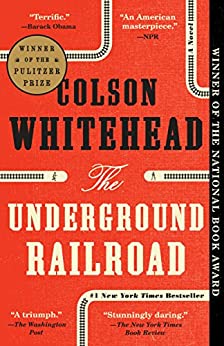
Afrofuturism: Representation of minorities is growing in SF, and with it new ways of seeing inclusion in the future. Check out top authors like N. K. Jemisin, Colson Whitehead, Nnedi Okorafor, P. Djeli Clark, and Octavia Butler.
International: There’s a huge influx of stories being translated from other countries. While America may be stuck on space opera and predictable heroes, other countries aren’t, and offer a refreshing break from the Same Old Thing. Try The Three-Body Problem by Liu Cixin, Master and the Margarita by Mikhail Bulgakov, The Witcher Series (yeah, the TV one) by Andrzej Sapkowski, The Lost Village by Camilla Sten, or Shadow of the Wind by Carlos Ruis Zafon.
Generation Ship fiction: No faster than light ships here, but pressure-cooker stories onboard ships making a long haul. Dangers take on a whole new meaning when you’re dependent on your ship for years on end. Check out Across the Universe by Beth Rivis, Rendezvous with Rama by Arthur C. Clarke, Aurora by Kim Stanley Robinson, or Ship of Fools by Richard Russo.

New Space Opera: Space opera traditionally involves weapons, danger, heroes, and rescued damsels (Star Wars being a perfect example, among many), but newer stories are throwing in more gritty realism. They’re a higher quality of writing, more scientifically plausible, and tend to address more social issues under the guise of “fiction.” Grown-up SF. Try the Leviathan Falls series by James Corey, Hail Mary by Andy Weir, the Thrawn series by Timothy Zahn, The Echo Wife by Sarah Gailey, or Winter’s Orbit, by Everina Maxwell.

Climate SF: With the doomsday clock ticking down the moments to an expected 6th mass extinction, climate SF may be the most relevant wave of stories to hit shelves, and can fully include apocalyptic virus stories. Read them! State of Fear by Michael Crichton, New York 2140 by Kim Stanley Robinson, The Overstory by Richard Powers, Oryx and Crake by Margaret Atwood, The Bone Clocks by David Mitchell, Flight Behavior by Barbara Kingsolver.
Science Fiction isn’t the same old trope you’re used to, but a growing, evolving body of literature with numerous authors, styles, and focus – and guaranteed there’s one right for you!



 The Cheshire Library Blog