Recent Reads for Black History Month

February is a month of opposites. Love (Valentine’s Day) and hatred (New England winters) and apathy (NFL championships). There’s also the forgetting of the very recent past (last month’s resolutions) and the remembrance of our longer past: presidential birthdays and Black History Month. For the latter, we celebrate the contributions of members of the African diaspora to the culture and history of the United States. There’s been a recent flurry of books related to African American history, and I’m excited to share them with you this month.

But first, I’m gonna tell you about something that is 1) not a book 2) not about America. It is the excellent BBC documentary series, A History of Africa, which you can view for free on YouTube. The African continent has a diverse and fascinating history that deserves way more attention than it gets. This documentary is a great starting point to enrich your knowledge of Africa’s diasporic daughters and sons.

If you prefer to start your journey in print, though, first on our list is the book equivalent of the aforementioned documentary.

An African History of Africa: From the Dawn of Humanity to Independence by Zeinab Badawi (2025)

Badawi (the host of A History of Africa) is a Sudanese-British journalist who worked for Channel 4 and the BBC before her current gig as President of the prestigious SOAS University of London. Her sweeping historical survey traces Africa’s rich legacy from prehistory to the present, exploring ancient civilizations, medieval empires and colonialism’s impact, while highlighting African voices and perspectives to offer a long-overdue account of the continent’s global significance.

Somewhere Toward Freedom: Sherman’s March and the Story of America’s Largest Emancipation by Bennett Parten (2025)

A groundbreaking account of Sherman’s March to the Sea—the critical Civil War campaign that destroyed the Confederacy—told for the first time from the perspective of the tens of thousands of enslaved people who fled to the Union lines and transformed Sherman’s march into the biggest liberation event in American history.

Sharks Don’t Sink: Adventures of a Rogue Shark Scientist by Jasmin Graham (2024)

You never forget your first shark. For Jasmin Graham, it was a little bonnethead, a type of hammerhead shark. Jasmin fell in love with sharks and with science, but the traditional academic path wasn’t for her. So, she joined with three other Black women to form Minorities in Shark Sciences (MISS), an organization dedicated to providing support and opportunities for young women of color who were pursuing the fascinating and environmentally essential work of marine studies. Jasmin became an independent researcher: a rogue shark scientist, learning how to keep those endangered but precious sharks swimming free – just like her.

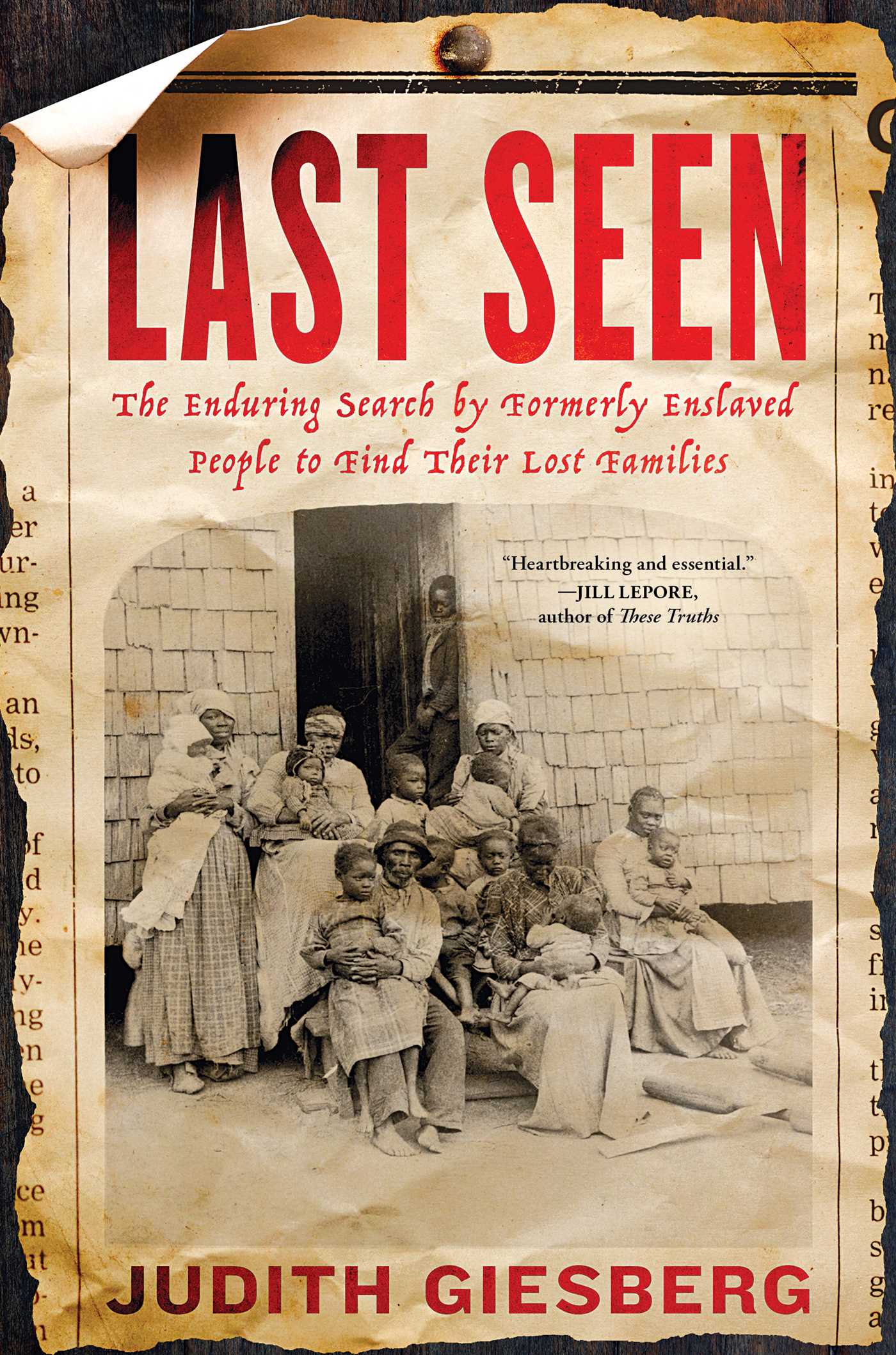
Last Seen: The Enduring Search by Formerly Enslaved People to Find Their Lost Families by Judith Giesberg (2025)

Drawing from an archive of nearly five thousand letters and advertisements, this is the riveting, dramatic story of formerly enslaved people who spent years searching for family members stolen away during slavery.

John Lewis: A Life by David Greenberg (2024)

Born into poverty in rural Alabama, John Lewis rose to prominence in the civil rights movement, becoming second only to Martin Luther King, Jr. in his contributions. Greenberg’s biography, a New York Times Book Review Top 100 Book of 2024, follows Lewis’s journey beyond the civil rights era, highlighting his leadership in the Voter Education Project and his ascent in politics.

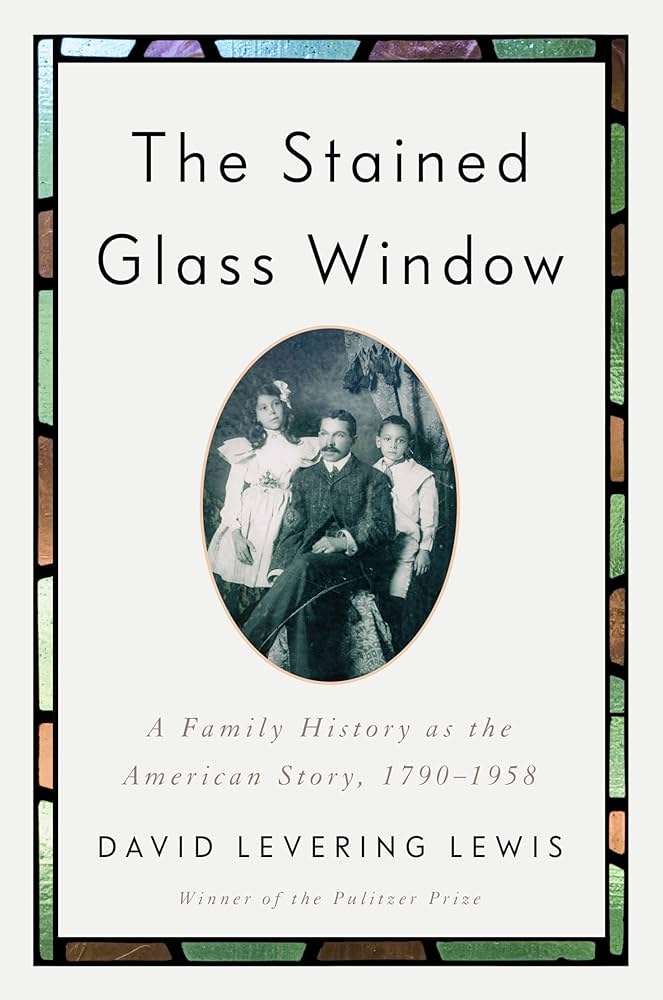
The Stained Glass Window: A Family History As the American Story, 1790-1958 by David Levering Lewis (2025)

Sitting beneath a stained-glass window dedicated to his grandmother in the Atlanta church where his family had prayed for generations, it struck Lewis that he knew very little about those ancestors. And so, in his mid-80s, the esteemed historian began to excavate their past and his own, from white slaveholding families to a mulatto slaveholding family to an up-from-slavery black family. Lewis previously won two Pulitzer Prizes, one for each volume of his biography of W.E.B. DuBois.

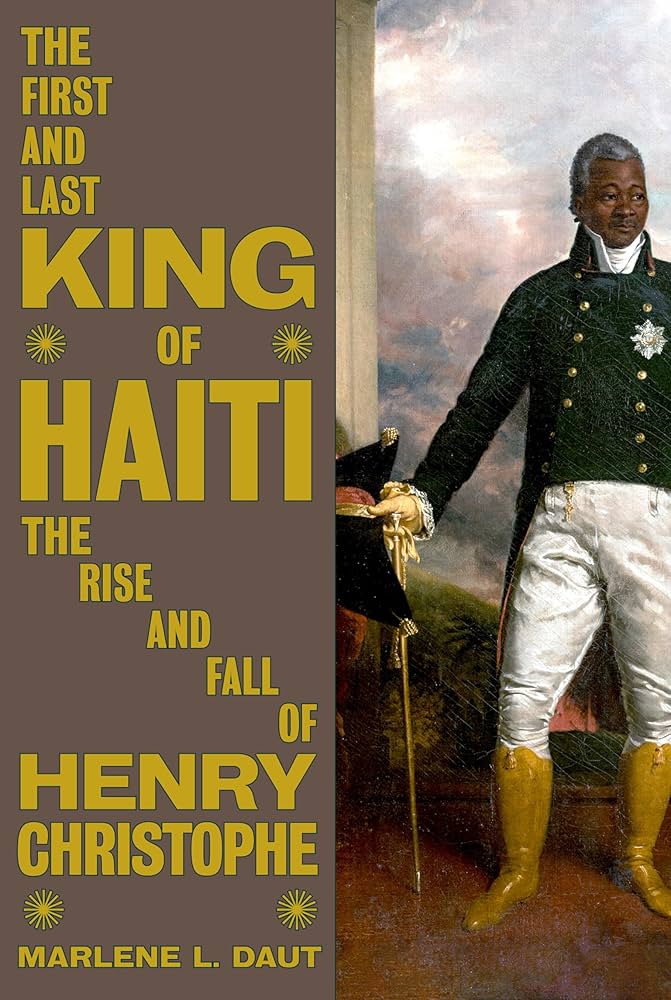
The First and Last King of Haiti: The Rise and Fall of Henry Christophe by Marlene Daut (2025)

Haiti has the amazing distinction of being home to history’s most successful slave revolt, which led to its independence from France in 1804 and its establishment as a sovereign republic. Its significance looms large in the consciousness of African American thinkers and writers, with figures like Langston Hughes spending time on its soil. This book is the essential biography of the controversial rebel, traitor, and only king of Haiti, Henry Christophe (1767-1820).

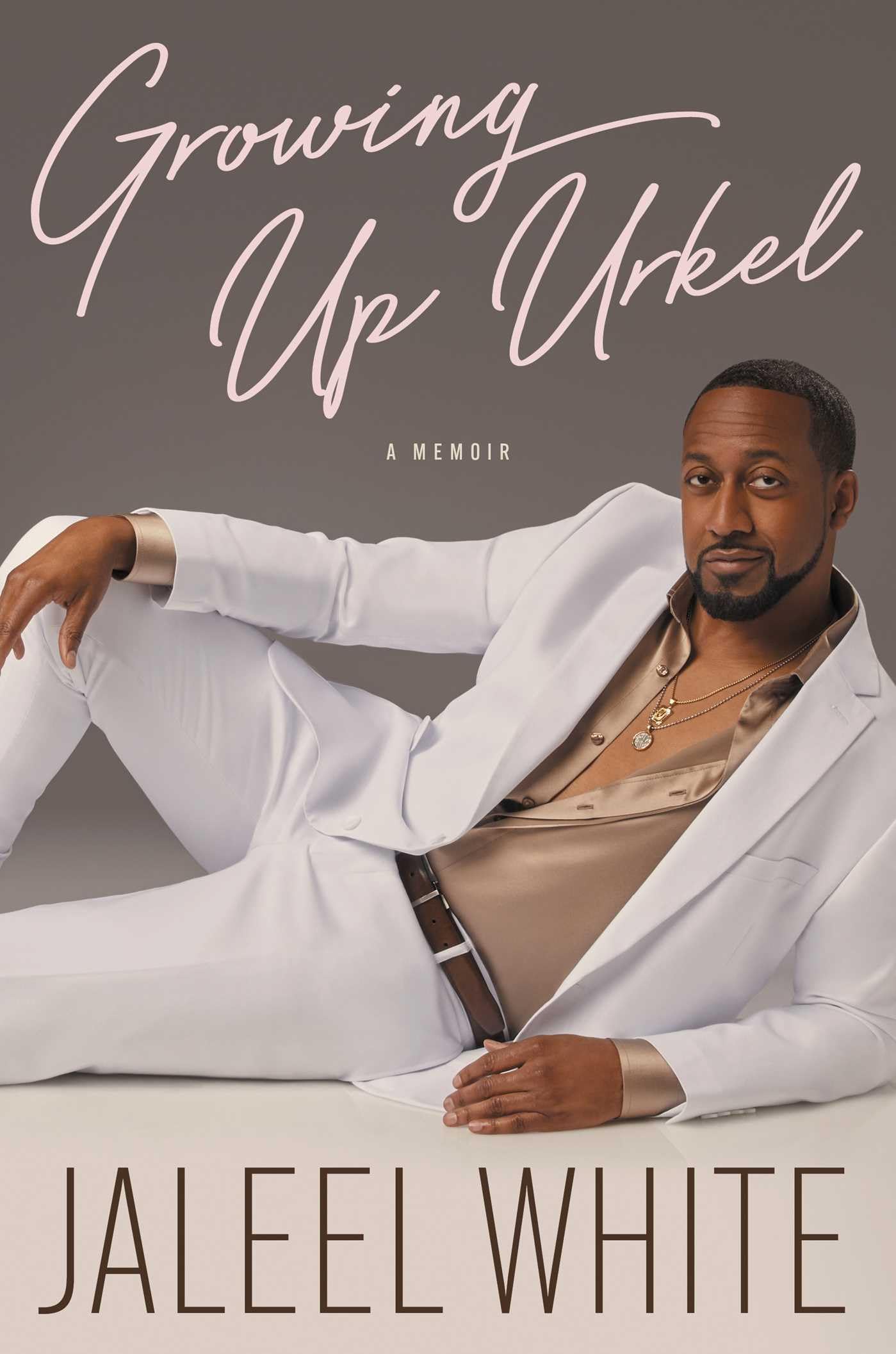
Growing Up Urkel by Jaleel White (2024)

An incisive and insightful memoir by Jaleel White, the actor who portrayed Steve Urkel on the hit sitcom Family Matters. You may wonder what place this has among serious history books, but Family Matters remains one of the longest-running live action sitcoms starring a mostly African American cast. Join Jaleel as he invites you to relive the unforgettable ride of nineties nostalgia, while uncovering the personal growth behind the iconic suspenders and the lasting impact of his journey as one of America’s favorite sitcom stars.

Further Reading

Who Better Than You?: The Art of Healthy Arrogance & Dreaming Big by Will Packer (2025)

In Open Contempt: Confronting White Supremacy in Art and Public Space by Irvin Weathersby Jr (2025)

Talk to Me: Lessons from a Family Forged by History by Rich Benjamin (2025)

Plant Intelligence

For thousands of years, Man considered himself the only sentient being in the universe, the only one capable of higher thought, understanding, and language and communication.

We now know that isn’t true. Higher primates, such as gorillas and chimps, are certainly capable of learning not only their own forms of communication, but American Sign Language as well. Dogs, it turns out, are capable of understanding human language at the level of a three year old human child, with some breeds (like German Shepherds) able to differentiate up to a thousand different words. We know that octopi can perform complex tasks (of their own planning, nonetheless), recognize people, and have a functional IQ of about 40. Dolphins and whales have complex languages and not only communicate, but show empathy.

Hence, many people choose not to eat animals, and dine only on plants.

But what about plants? What about their feelings?

Plants? What does a plant know? Corn has ears, but that doesn’t mean it’s listening.

Turns out, plants know more than you think. Plants have been caught communicating in numerous ways, understand when danger is near, and sympathize with other plants.

Yes, really.

This communication is known as phytosemiotics. One way is through chemical signals. A wounded plant will give off a volatile chemical compound (something you can smell) that other plants can sense. The receiving plant can then roll up its leaves or lean away. That wonderful fresh-cut grass smell we love in the summer? Yeah, that’s a hundred thousand blades of grass screaming in agony and warning other plants to beware that something is damaging them. Plants also communicate through ultrasonics – noises above our hearing range but which can be detected and recorded on audio equipment (ultrasonic vibration of 20–105 kHz). Some of this may be due to tiny air bubbles being released due to chemicals triggered during stress. Trees, it turns out, communicate under the soil as well, using certain types of fungi in the dirt to communicate through their roots. Are they discussing algebra? No. But they can tell each other about dangers, or fresh rain, or the pain of bark beetles, and other plants can ‘arm’ themselves accordingly. Just the sound of insects chewing can cause plants to release chemicals that deter insects (caffeine, by the way, exists in plants as a natural insect repellent).

Perhaps the Druids were on to something, thanking plants for sacrificing their leaves.

If that’s not weird enough, plants – even those without ears – apparently respond to music. Sure, houseplant lovers will tell you they’ve always known this, but numerous studies have turned up actual results. As early as 1962, studies showed that plants exposed to classical music had a 20% growth increase and a 72% increase in biomass over controls. Violins gave the best result. This was repeated by a Canadian researcher, with 66% increase in wheat yields using Bach’s violin sonatas. Duckweed, a water plant, exposed to Bandri’s Purple Butterfly, five hours a day for seven days at 60-70 decibels, showed a 10% increase in leaf growth and a slightly higher protein content compared to silent plants. Roses love violin music. Heavy metal tends to induce stress. Devendra Varol of the Institute of Integrated Study in India found that plants can not only distinguish between genres of music, but also nature sounds and traffic noises.

Oh, those poor weeds on the highway!

And while you laugh and scoff, know that in 2004 the TV show MythBusters attempted similar experiments in seven greenhouses. In their experience, Death Metal produced the best growth, second was classical, and third was positive spoken words. The silent greenhouse had the worst growth.

How can this possibly be?

The best theory is that the vibration of music may aid plants in transporting their nutrients more efficiently, shaking things through faster. 

Next time you pull a carrot, remember those mandrakes in Harry Potter shrieking piteously when pulled from the pot.

In the meantime, check out these books on the wisdom of plants, and be kind to your root-footed friends!

Finding the Mother Tree by Suzanne Simard

The Serviceberry by Robin Wall Kimmerer

Listen to the Language of Trees by Tera Kelley

Aromatherapy Garden by Kathi Keville

Secret Wisdom of Nature by Peter Wohlleben

Flora by Helen Fewster

The Light Eaters by Zoe Schlanger

I Heard There Was a Secret Chord: Music as Medicine by Daniel Levitin

Healing at the Speed of Sound by Don Campbell

How Shostakovich changed my mind by Stephen Johnson

Violin Music:

Shatter Me by Lindsey Stirling

David Garrett by David Garret

Vivaldi for Dummies

The Ultimate Most Relaxing Mozart in the Universe

Unconventional Ghosts

I love ghosts. I’ve never met a ghost myself, so the best I can do is read about them. Why ghosts? Well, they don’t have to follow our rather tiresome rules of gravity and thermodynamics! They could do a loop-de-loop in the air, just for the fun of it. Maybe I’m a bit jealous…

There are many shades of ghost: vengeful ghosts, poltergeists, ghosts with the intent to improve the life of a living person à la A Christmas Carol… These are all fun in their own way, but I find it especially delightful when ghosts are given roles that betray their traditional raisons d’être–ghosts that are not strictly malicious, nor are just around to aid the protagonist. These ghosts are maybe just as complicated and multi-faceted as the humans who begat them.

It’s also interesting to see how authors answer fundamental ghost questions like: Why has the ghost come into existence? What makes the ghost different from a living person? What does the ghost want? The answers to these questions change dramatically from author to author and story to story. They also feel substantial, weighty. Making assumptions and declarations about ghosts is not so different from making assumptions and declarations about life. Like a Rubin vase, where the negative space around a subject becomes its own subject, writing about ghosts and death is a clever way of writing about life.

Anyway, here are some exciting and not-quite-traditional portrayals of ghosts.

Ghostwritten by David Mitchell

David Mitchell’s first novel is ghost-obsessed. “Ghost” is even in the title! But instead of offering a treatise on ghosts and ghostliness, Mitchell’s ghosts, or “noncorpora,” are hard to pin down. They come in many forms, sometimes existing independently and other times hopping from human to human, using bodies as a kind of macabre public transport. For part of the book, we follow one such noncorporum as it travels through rural Mongolia in the body of an American tourist. This particular noncorporum is a self-described “inhuman humanist” and provides some delightfully empathetic insights into the human condition.

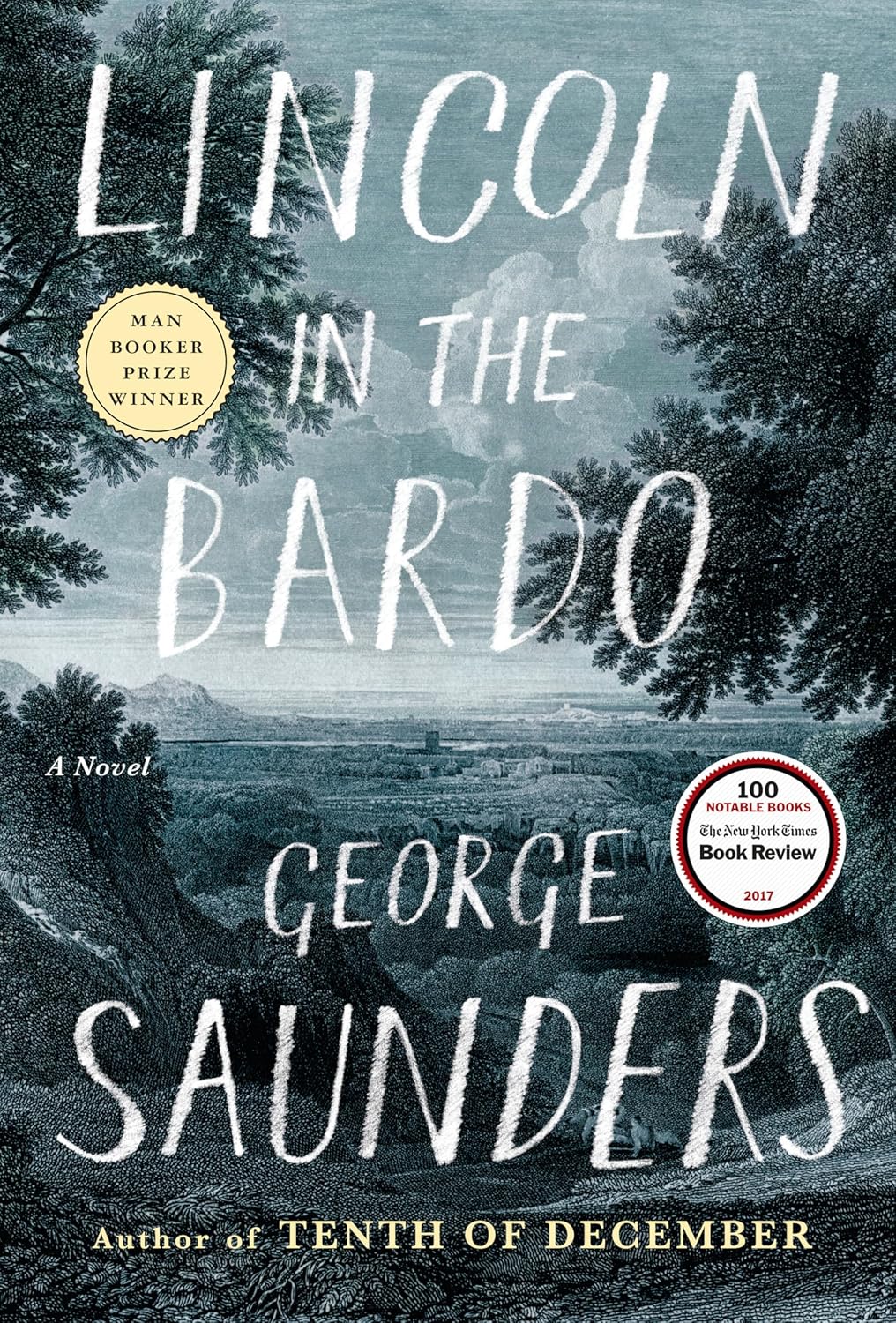
Lincoln in the Bardo by George Saunders

Sometimes when driving home, I’ll hang out in the left lane even if the right lane is moving faster. In my head, I’m thinking, “I know the left lane is faster!” when that’s clearly not the case. People are stubborn, and George Saunders doesn’t see any reason why ghosts wouldn’t be stubborn as well. The ghosts in Lincoln in the Bardo are so stubborn, in fact, they cannot come to terms with the reality of death. Their “sick-forms” (read: corpses) lie in “sick-boxes” (read: coffins) and only need rest. With just a bit more rest, they’ll emerge in tip-top shape and be able to resume their prior lives (read: they won’t). These circumstances may seem hopeless and wretched, but Saunders is able to deliver one of the most affecting and life-affirming conclusions I’ve read. A jewel of a book.

Her Fearful Symmetry by Audrey Niffenegger

Her Fearful Symmetry is a hoot. Unlike some of the other books mentioned here that use the otherworldly to contrast comically with the mundane, Her Fearful Symmetry wholeheartedly commits to flights of fancy. Romance and death intertwine and are taken to their melodramatic extremes. There are envious ghosts, faked deaths, identical twins posing as one another: everything you could possibly want in a story. It’s often absurd and always sublimely entertaining.

100 Years of Solitude by Gabriel García Márquez

In 100 Years of Solitude, characters are haunted by their lineages. Decisions and dispositions repeat from generation to generation, entire lifetimes become ghostly echoes of the past. It is no surprise, then, that actual ghosts occasionally show up to haunt the residents of Macondo. Touchingly (and thematically), isolation is what brings several ghosts back from the dead. They return because they “could not bear the solitude,” or in another case, “the yearning for the living was so intense, the need for company was so pressing.” Human connection is so fundamental a force that not even death can stand in its way.

Welcome to the Monkey House by Kurt Vonnegut

Kurt Vonnegut is a famed humanist, but he has mixed feelings about human bodies. Take Breakfast of Champions for example: the protagonist’s rapidly declining mental health is due to an abundance of “bad chemicals” in the brain. Or both Slaughterhouse-Five and Sirens of Titan, where characters’ cannot even rely upon their bodies to stay rooted in space-time. It’s no surprise then that he was interested in a world where humans are not subservient to their oft-malfunctioning bodies. Such is the conceit of the short story, “Unready to Wear,” found in the collection, Welcome to the Monkey House. A mathematician discovers a technique that allows one’s soul to be separated from their physical being and float about unburdened by corporeal whims.

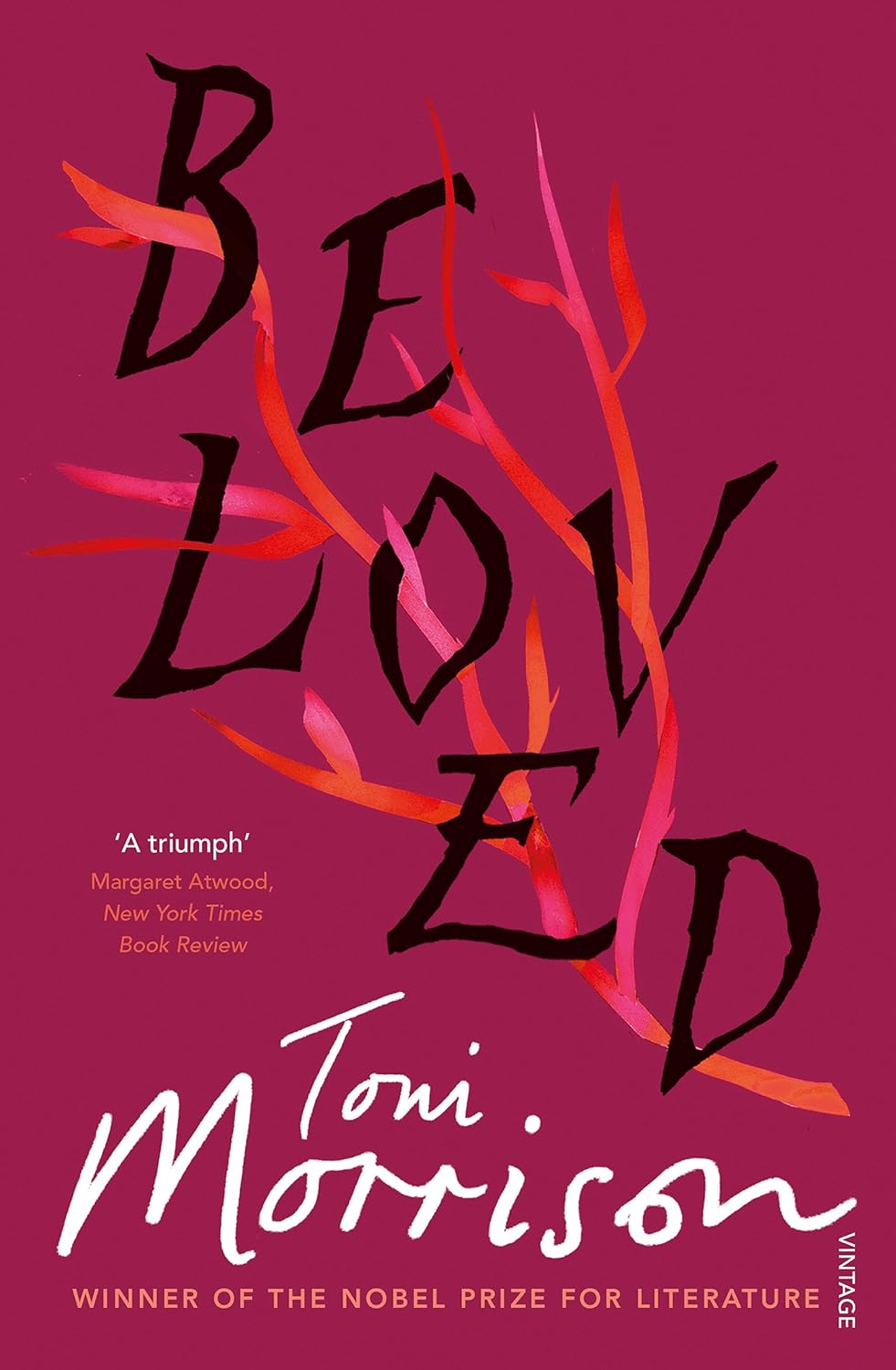
Beloved by Toni Morrison

Ghosts can represent trauma, guilt, love, regret, suffering, anger, dehumanization–really anything if an author can realize their vision. But since ghosts can mean so many things, they have the potential to become unwieldy, or conversely, underbaked. Toni Morrison does not have this problem. The ghost in Beloved is loaded with nuanced meaning, compelling but elusive. This is a literary balancing act and a depiction of ghostliness so unique that it stands alone. Brutal, beautiful, and haunting.

Get Your Kicks with Martial Arts Films

Ever wonder how much of movie fight scenes are staged and faked, and how much is real? Today, so much is done on a green screen, even the locations are unconvincing. You can be sure, however, that martial arts films are very real.

Martial arts films have some of the best action and fight choreography you can find in film, and they often span multiple genres. Some are written specifically for comedy (most American Jackie Chan films, like Rush Hour), while others are mind-bending (The Matrix). Some are more realistic (Enter the Dragon), while others are not (John Wick 4. Thirteen consecutive hits by cars? I think not. Don’t get me wrong – the John Wick series is in my top 20 films, but this pushes credibility.) Foreign films tend to focus more on the art and less on a story line (sorry, subtitles or overdubbing, the dialogue in Jackie Chan’s Police Story is downright painful, even though the action and car chases are superb), while American films tend to have a story line that is stretched to make room for the action scenes (If John Wick can kill three men with a pencil, does that make the Joker, who kills one, also a martial artist?). Some movies are very good (Ip Man 2, which is a lot like Hong Kong Rocky) while others are cringeworthy and forced (American Kickboxer, for one).

Few martial arts movies are “pure” – there are few “karate” or “judo” or “jiu jitsu” films. Most martial arts films use mixed martial arts, as the actors are usually multiply trained. Bruce Lee, the granddaddy of martial arts stars, didn’t hold a black belt in anything, but invented his own school called Jeet Kune Do. Lee studied under the actual Ip Man, Yip Kai-Man, who invented the school of Wing Chun. The incredible Donnie Yen, whose greatest American films have been Star Wars: Rogue One and John Wick 4, has black belts in Wing Chun, Judo, a sixth-level black belt in Tae Kwon Do, and a purple belt in Jiu Jitsu. Keanu Reeves, of John Wick and Matrix fame, holds a black belt in Jiu Jitsu, as well as black belts in Judo and Karate.

What’s the difference between all the different martial arts forms? Generally, they’re very minor. Some use open hand, some used closed. Some are meant to deflect and defend, others to overpower (Krav Maga). Some emphasize hand work over kicks. Aikido deflects the energy of an attacker, rather than responding. Jiu Jitsu is about pinning and dominating an opponent. Wing Chun focuses on the center of the body and rapid-fire punching, similar to boxing. A second difference is the concept of “belts.” The “belt” level concept is Japanese in origin, while the Chinese systems don’t always use it. This is partly why some of the greatest martial artists of film – such as Bruce Lee – don’t have black belts in any denomination.  Traditionally, the forms using belt levels are karate, tae kwon do, judo, and jiu jitsu.

You might be surprised to know there are a number of western action actors who are more than proficient at various martial arts, including Iron Man actor Robert Downey Jr. (Wing Chun), Wesley Snipes (5th level black belt in karate, 2nd level black belt in Hapkido, plus jiujitsu, kickboxing, kung fu, and capoeira), and Steven Seagal, a 7th-level black belt in Aikido. Chuck Norris has a tenth-degree blackbelt in Tang Su Do. Jean-Claude Van Damme has black belts in karate and kickboxing. Sean Connery, the first James Bond, had a black belt in karate. Jason Statham has a brown belt in jiu jitsu. Even Willie Nelson is a fifth-degree black belt in Korean Gongkwon Yusul, which he has studied for more than twenty years.

On the other hand, Michelle Yeoh, who stars in many martial arts-action films, has no formal training at all, but chalks up her moves to dance training. On film, no one can tell.

Don’t skip a movie just because it’s in a foreign language. Movies like Ip Man 2 and Seven Samurai are well-worth reading captions. Whether you like your action cheesy and fun, or serious and deadly, check out these films that feature martial arts or martial artists, and be careful what you kick or punch!

8 Movie Action Pack

Big Trouble in Little China

Art of Self Defense

As Good as Dead

Big Trouble in Little China

Blade

From Russia With Love

Embattled

Everything Everywhere All At Once

Fearless

Forbidden Kingdom

Foreigner

Hero

Jiu Jitsu

John Wick 1-4

Karate Kid

Keeper

Kill Bill

The Matrix

Mulan

Rush Hour

Pistol Whipped

Red Cliff

Rogue One

Rush Hour

Sakra

Seven Samurai

Shang Chi

Spy Next Door

The Assassin

XXX Return of Xander Cage

Unorthodox Aliens

Reading science fiction can be overwhelming — what on earth is a chrono-synclastic infundibulum? Despite the tough jargon and speculative concepts, it’s quite an inward-looking genre. These stories typically loop back around to reflect something about ourselves — an assumption or expectation or fear that could use some interrogation. Aliens are possibly the most overt display of this narrative device. They are funhouse mirror versions of ourselves: the same but different. Aliens carry all the social, cultural, and political baggage we tend to associate with Otherness, but evoke sympathy too. At the end of E.T., are we not puffy-eyed to see that strange creature, who’s been nurtured and accepted, finally return home?

And don’t we all feel like E.T. — an alien, a pariah — in some way?

Here are some novels and stories that feature subtle and unconventional alien characters.


Sirens of Titan by Kurt Vonnegut

Kurt Vonnegut loves his unorthodox aliens. Hand-shaped Tralfamadorians play a significant role in Slaughterhouse-Five, but I’d like to mention a minor alien race from Sirens of Titan. In a slight deviation from his main journey, protagonist Malachi Constant crash-lands on a planet populated by harmoniums: flat, kite-shaped beings that cling to cave walls and only perceive the world through touch. They communicate with limited telepathic abilities and are able to send two possible messages:


The first is an automatic response to the second, and the second is an automatic response to the first.
The first is, “Here I am, here I am, here I am.”
The second is, “So glad you are, so glad you are, so glad you are.”


Hyperion by Dan Simmons

Hyperion borrows its framing device from The Canterbury Tales. Its narrative unfolds as each of six pilgrims tells their portion of the story on their way to the time tombs, where they plan to confront the omnipotent Shrike. The Shrike fits your evil-monster-alien archetype (with some twists along the way), but there are other alien beings that populate the many planets of Hyperion. Most poignant is Simmons’ depiction of a human race that has lost its home: the Earth. They become aliens in their own right, establishing new civilizations around the galaxy but ultimately “alienated” in one way or another.


Stories of Your Life and Others by Ted Chiang

“Story of Your Life,” from the short story collection Stories of Your Life and Others, is about language, specifically the field of science known as linguistic relativity. Researchers in this field try to determine whether the language we use affects the way we think. For example, some languages describe time using distance terms (like “short” and “long”) and others describe time using quantity related terms (like “much” or “little”). A study from 2017 concluded that, under certain circumstances, these language differences result in actual differences in time perception.

Chiang takes this idea to its extreme and introduces an alien race that communicates in a completely circular language. As a result, these aliens perceive time as though it were a circle, living the entirety of their lives simultaneously- past, present, and future.

What if a human were to learn their strange and powerful language? “Story of Your Life” was adapted into the 2016 film Arrival.


The Paper Menagerie by Ken Liu

Some might be familiar with Ken Liu’s translation work. He’s best known for the English translation of The Three-Body Problem, a sci-fi epic by Liu Cixin (now a Netflix Original). He also writes novels and short stories that blend sci-fi, fantasy, and folklore.

His short story collection Paper Menagerie opens with “The Bookmaking Habits of Select Species.” The title says it all — how might alien races create persistent representations of their language and thoughts? I particularly like how he describes the Allatians: they stick their proboscis onto an impressionable surface, and as they speak, their proboscis vibrates and etches a groove into the surface. To read what another Allatian has written, one drags their own proboscis through the groove, and a hollow part of their skull amplifies the sound; the voice of the writer is recreated.


The Book of Strange New Things and Under the Skin by Michel Faber

Aliens are a recurring theme in Michel Faber’s writing. His 2014 novel, The Book of Strange New Things, takes place on a far-away planet that has been introduced to Christianity. Missionary Peter Leigh becomes the new minister of a docile alien congregation but struggles to reconcile his ecclesiastical commitment and the guilt of leaving his wife back on Earth, where climate change and political turmoil conspire to topple civilization.

Under the Skin, Faber’s first novel, paints a darker portrait of humanity (or alienity, ha). It’s the kind of book that holds its cards close and lets the reader marvel (and shudder) as the story progresses.

Faber presents a kaleidoscope of Otherness; themes of exploitation, gender, immigration, class politics, and animal cruelty are woven throughout and explored with satirical levity. The book was loosely adapted into a movie of the same name in 2013 with Scarlett Johansson.


Which “Unorthodox Aliens” am I missing? Let me know in the comments section below.