In 2019, Pew Research found that 55% of American adults said they get their news from social media either “often” or “sometimes” . And while some news on social media may come from reliable sources, plenty more “news” may be from articles reposted or retweeted by friends. So, as you’re scrolling through your newsfeed and seeing articles (or comments on articles) that provoke a reaction in you, how do you know what you’re seeing is legitimate?
We are living in an age of misinformation – just about anyone can become a “publisher” these days with little to no oversight or verification. And many of these publishers aren’t even people! Recently, researchers at Carnegie Melon University studied more than 200 million tweets about the novel coronavirus. Of the top 50 most influential retweeters, 82% of them were bots! What were they retweeting? Dozens of inaccurate stories about things like bogus conspiracy theories and phony cures.
How do we know what’s real and what isn’t nowadays? It takes some digging. And it’s worth doing a little fact-checking of your own before hitting the “share” button. We should also understand that there are different types of unreliable information out there. For instance there’s a difference between deliberately misleading information (propaganda and libel) and unintentional misinformation (mistakes). But we don’t want to spread either kind, so let’s look at how to separate the fact from fiction.

The C.R.A.P. Test, developed by Dominican University Librarian Molly Beestrum, is a helpful tool to use when trying to decide if something is a credible, valid source. When you come across questionable information, run it through these four categories:
Current
- How current is the information?
- How recently was it was posted? Has it been updated?
Reliable
- How reliable is the information?
- Does the author provide references or sources?
- What proof do you have that the information is reliable?
Authority
- Who is the creator or author of the information? What are his or her credentials?
- Who is the publisher or sponsor of the information? Is this a reputable information source?
Purpose/Point ofView
- What is the purpose of this information? Is it intended to inform, entertain, or persuade?
- Does the information sound like fact or opinion? Is it biased?
- Is the creator or author trying to sell you something?

Something else to think about is the emotional response an article or post evokes in you. Content creators are all about the emotional response, and “fake news” stories often use emotionally driven content to push their agenda and compel people to share it. The next time you are outraged or amazed by a story, look a little deeper. Fact checking sites like Snopes.com and FactCheck.org, can help you determine if what you’ve seen is legitimate or not.
Here’s a helpful checklist by ProQuest (a global information-content and technology company that provides applications and products for libraries), which contains a lot of useful tips for vetting online content:

Want to go deeper into the subject of information literacy and “fake news”? Here are a few books to get you started:
 Fake news, Propaganda, and Plain Old Lies : how to find trustworthy information in the digital age by Donald A. Barclay
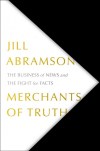 Merchants of Truth : the business of news and the fight for facts by Jill Abramson
 The Smear : how shady political operatives and fake news control what you see, what you think, and how you vote by Sharyl Attkisson
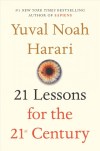 21 Lessons for the 21st Century by Yuval Noah Harari
 What’s Fake News? by Joyce Jeffries
Additional sources::
- https://community.today.com/parentingteam/post/how-to-help-students-spot-fake-news
- https://clark.libguides.com/ld.php?content_id=31034909
- https://www.mcafee.com/blogs/consumer/spot-fake-news-and-misinformation-in-your-social-media
- https://www.factcheck.org/2016/11/how-to-spot-fake-newsck.org/2016/11/how-to-spot-fake-news
- https://www.theverge.com/21276897/fake-news-facebook-twitter-misinformation-lies-fact-check-how-to-internet-guide
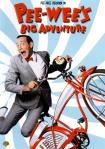
 I don’t know when I first saw
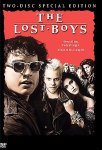
  pronounce. Alex Winter also appeared in The Lost Boys, one of the better vampire movies ever made, but has had a steady career as a director of movies, television, and music videos. Together, along with many of the original cast, they come back to the big (well, Covid-big) screen in


 Book Buzz Teen Book Club – pick up Alice by Heart this month!
 Support Through Meditation – Weekly Zoom Event
 Kids Cook Dinner
 Spirits of the World
 Christine’s Critters
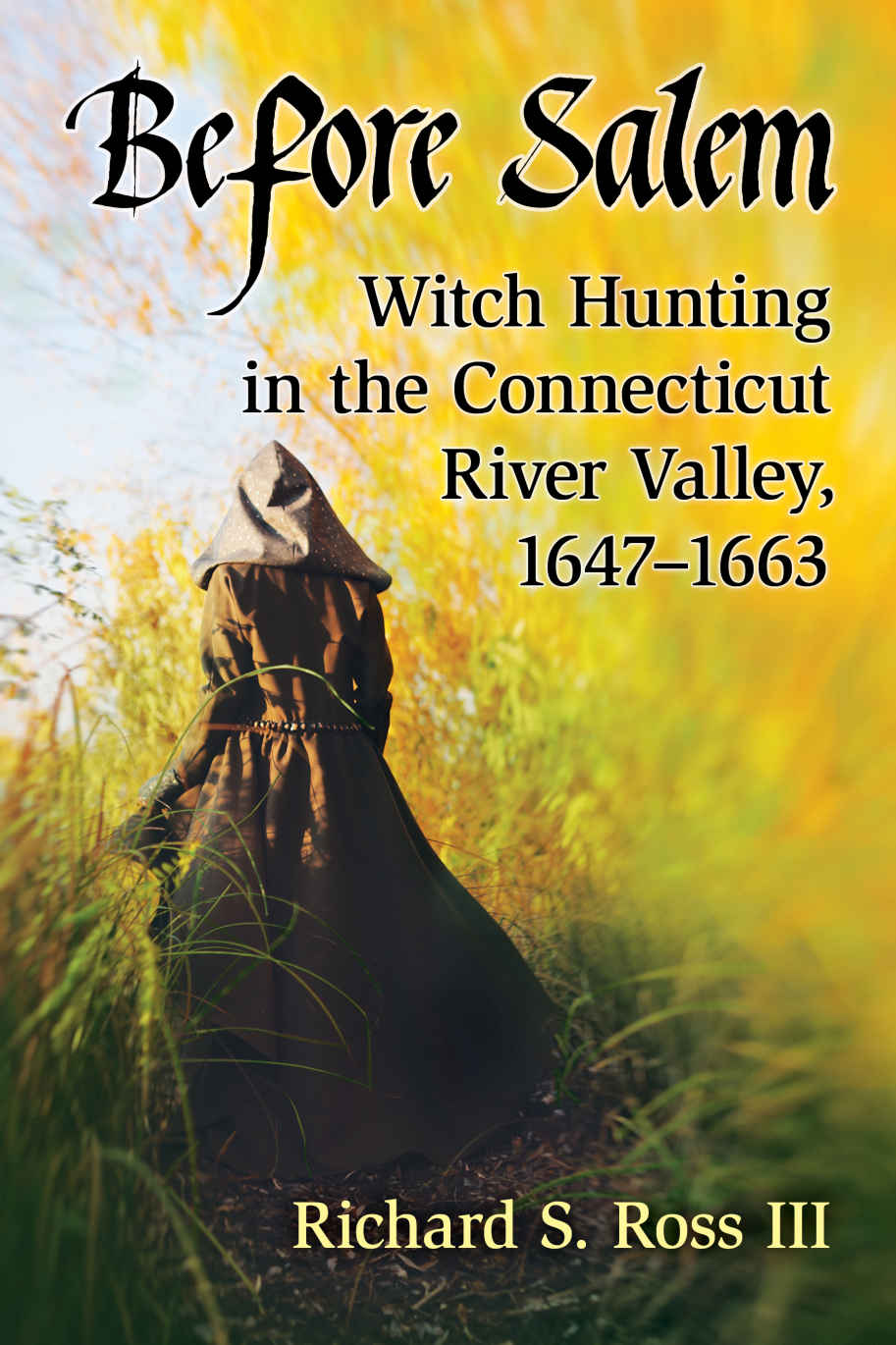 Before Salem: Witch Hunting in CT
 Switch it up at CPL! Super Smash Bros. Ultimate
 Baby Playgroup on Zoom
 Preschool Storytime
 Spooktacular Storytelling (dramatic reading)
 Virtual Books Over Coffee: The Lions of Fifth Avenue
 Witches in CT
 Art Book Discussion: The Lost Painting
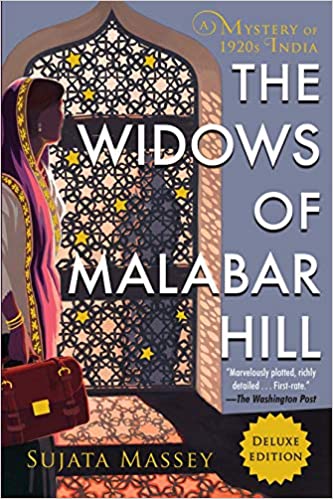 Murder by the Book Mystery Book Club: The Widows of Malabar Hill


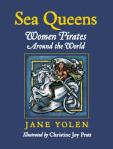
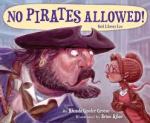
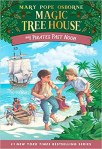
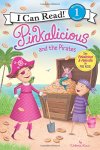
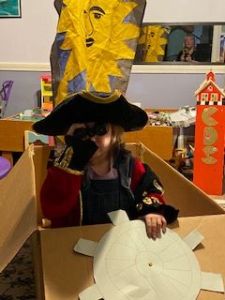 When a new dog-proof garbage can arrived in a box larger than my three year old, it became her favorite toy of the month, and for one of the weeks we turned it into a pirate ship. Anything that keeps a bored three year old busy for a week deserves to be bronzed. We hung a garden flag from a broom handle for a sail, used a brass fastener to make a spinning wheel, dug out costumes from the older kids, watched a lot of preschool pirate videos and read a lot of pirate books. I drew a simple outline map of our living room and taught her to read maps by placing candy in various places as treasure, and marking X on the map. By the third candy, she was proficient on her own. Then we built our finale.
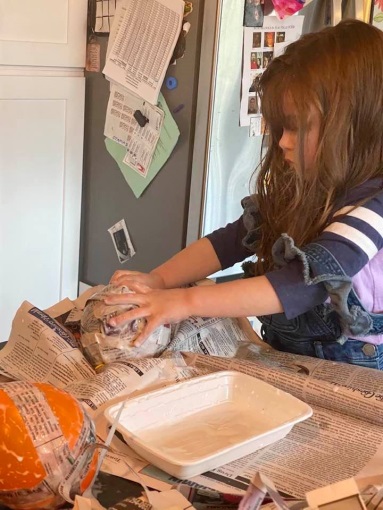 Using balloons, some Cheshire Herald strips, and a little watered down Elmer’s Glue, we made some cannon balls, and then painted them the next day. Then we built our cannon. The cannon balls were about 5 ½ inches, too big for a standard paper tube. But they worked just perfectly for a paint can! So we scavanged a paint can from the garage, which, thankfully, had only an inch of dried paint in the bottom. And these new-fangled plastic paint cans? The paint doesn’t stick! A few taps and peels, and all that dead paint came falling
  right out. A quick rinse, and we were good. I cut the bottom off with my Ginsu knife (a product that has lived up to every claim ever made on it – thirty years later it still cuts fences AND tomatoes, and plastic paint cans). I strung a piece of waistband elastic across the hole, held tight by Gorilla Tape, and we had our cannon. It was tricky getting the right angle, but pull the elastic back far enough with the cannon ball sitting on it, and we could get the ball to shoot four or five feet, which is plenty inside a house.