Behind the Scenes: The Mark Twain American Voice in Literature Award

I never really need an excuse to read. It is my favorite pastime. I typically have an expanding “to be read” list and my nightstand is always covered by an unwieldy pile of books. At the start of this year, however, I was in a reading funk and couldn’t seem to finish any book I started. It was right around that time that I received an email from someone at the Mark Twain House looking for readers to help create the long list for the Mark Twain American Voice in Literature Award. The Mark Twain House has been giving the award out since 2016 to works of fiction that “speak with an American voice about American experiences.” I signed up to be a judge, hoping that this commitment to judging at least three titles on the list would motivate me to start reading again.

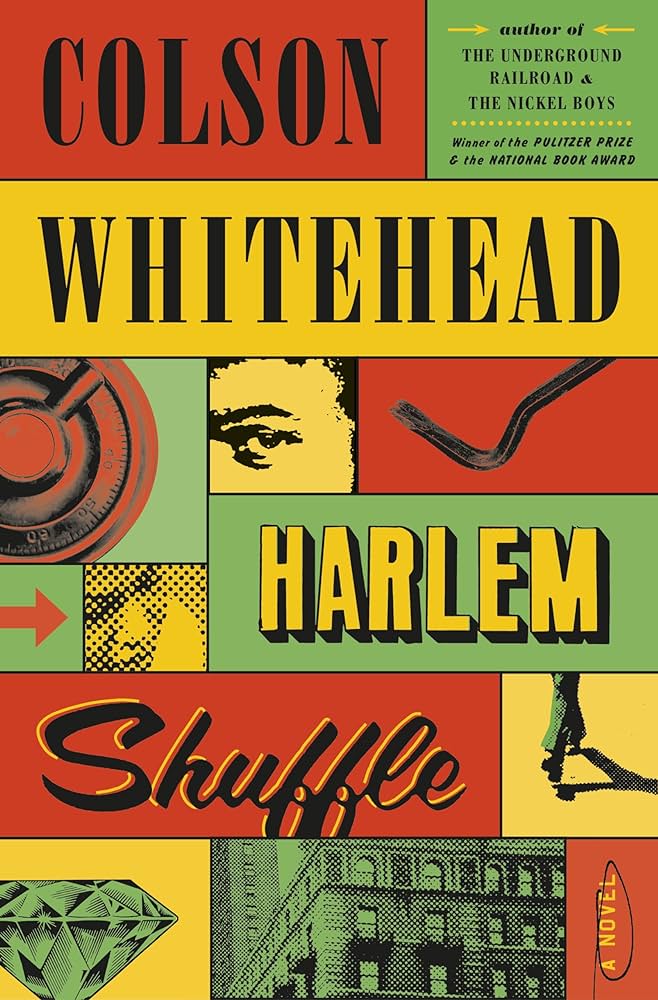
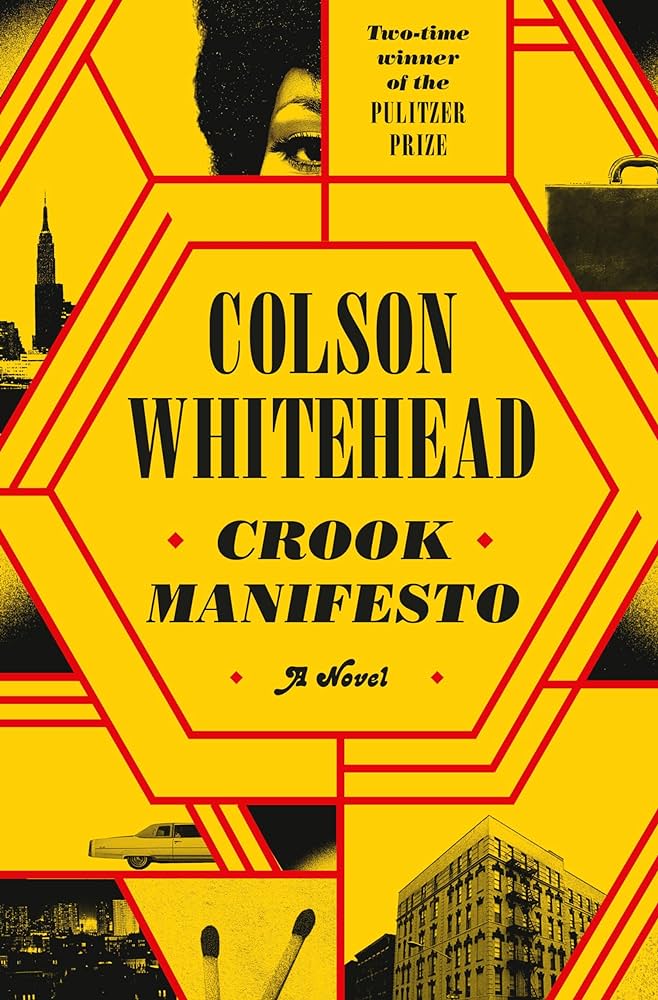
The list of titles to choose from was long and extensive so I decided to pick a variety of different genres. Crook Manifesto by Colson Whitehead was first on my list but to read that book, I needed to read the first in what will eventually be a three-part series, Harlem Shuffle.  Harlem Shuffle is set in Harlem from 1959-1964. For anyone who has read Colson Whitehead, it is a departure from his heavier works like The Nickel Boys. Harlem Shuffle follows the life of Ray Carney, a furniture salesman in Harlem with a dubious past, desperately trying to live a crime-free life. It is a funny, clever, and breezy crime novel, reminiscent of Chester Himes’s Harlem Detective Series.

The second in Whitehead’s series, Crook Manifesto takes place in the early 70s and the plot is centered around the protagonist, Ray Carney trying to score impossible to find Jackson 5 tickets for his daughter. Crime, violence, and comedy ensue. The two books in the series are both fun reads that give a great snapshot of New York City in the 60s and 70s. Whitehead still manages to portray issues of race, class, and police brutality, particularly during his description of the Harlem race riot of 1964 and the tension between the police and those active in the Black Power movement in the 1970s. There is no date set for the publication of the final book in the series, but I am awaiting its release to see if Ray Carney does eventually manage to stay on the straight and narrow.

The next book I read was a debut novel titled A Haunting in Hialeah Gardens, by Cuban American author Raul Palma. I was immediately intrigued by the title having grown up in Miami. The story follows Hugo Contreras who is mourning the sudden death of his wife as well as dealing with mountains of debt. Deeply immersed in the world of Santeria since he is a Babalawo, Hugo agrees to help the debt collector who has been tormenting him, who is in turn being tormented by a ghost, in exchange for clearing his debt. It is an absurd story, but also a very Miami story. The novel is a modern gothic tale, complete with hauntings, demonic possession, and highly accurate descriptions of the oppressive heat in Miami and endless rows of strip malls. It is scary at times with an ending easily left up to interpretation by the reader and a good read for anyone who wants a different kind of supernatural novel.

The last book I chose to read was Dearborn, a collection of short stories, also written by a debut author, Ghassan Zeineddine. I love short stories as a genre, so I was excited to dive into these ten stories chronicling the Arab American experience in Dearborn, Michigan. The stories were funny, sweet, poignant, and at times heartbreaking. Though focused on Arab American life, the stories often told a greater story about the immigrant experience more broadly. This was the book that I most enjoyed out of all the ones that I read and the one I chose to be considered for the prize’s long list. Zeinedine writes beautifully and I hope he chooses to publish more in the future.

The long list for the Mark Twain American Voice in Literature Award is up on their website. Unfortunately, Dearborn didn’t make the list but I am grateful for the experience of being a reader for this prize. I was able to discover novels I might not have read otherwise and it got me reading again.

Solar Punk/Lunar Punk

Blame Cyberpunk.

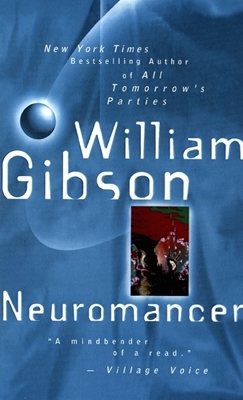
The novel Neuromancer is credited as kicking off the Cyberpunk genre. You may not have heard the term, but you probably know it  – a dark blend of high-tech in a crumbling dystopian world where the poor get poorer and the rich have all the technology – think Bladerunner, Ready Player One, Alita: Battle Angel, Real Steel, Elysium, Guardians of the Galaxy, even Hunger Games and Divergent (you could make a serious argument for Star Wars, as well). They’re gritty, dark, and sometimes disturbing, and paint a not-so-nice view of the future, with emphasis on classism, violence, famine, and a disturbing police state. 

Steampunk is also a well-established fantasy genre, carrying on as if the gasoline engine never materialized and the world was stuck in 1890 and using steam power and copper pipes for everything. They’re wildly imaginative and adventurous – check out Chris Wooding, Boneshaker by Cherie Priest, or Richard Preston Jr., or movies such as Chitty Chitty Bang Bang, League of Extraordinary Gentlemen, or The Golden Compass, among others.  

Since then, just like music has a thousand nitpicky subgenres (Simpsonwave, anyone?), fiction has also fractured into microgenres. Most are so nitpicky they’re pretty much covered under larger categories, but two more are becoming increasingly prominent: Solar Punk and Lunar Punk (Punk seems to be a word thrown in because someone is going against the establishment). Never heard of them? Neither have most people, but the genre is growing and defining itself.

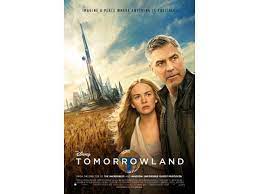
Solar Punk is a backlash against all that dreary doomsday cyberpunk. Solar Punk is full of hope and ecology. Everything is green spaces, clean power, civil rights, encompassing communities, anti-establishment, and personal choice. Renewable energy, harmony with nature, and spirituality are key themes. Solar punk is a view of the future where everything finally does work out, a world where everyone benefits from the progress of mankind, because they’re all in it together. If steampunk is Victorian, Solar Punk is art nouveau. Think Star Trek, The Disposessed by Ursula LeGuin, Ectopia, by Ernest Callenbach, Dune by Frank Herbert, Disney’s Tomorrowland, and Black Panther (is anything more Utopian than Wakanda?).

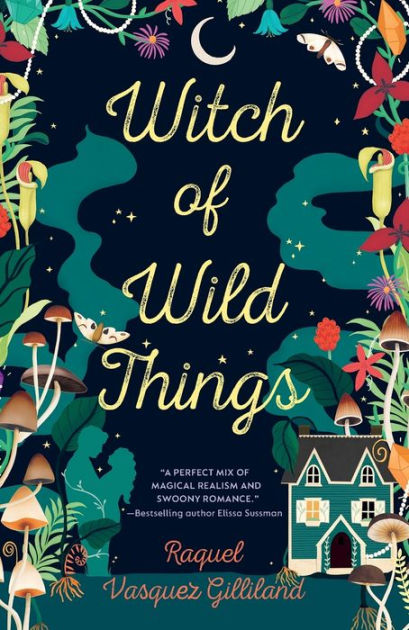
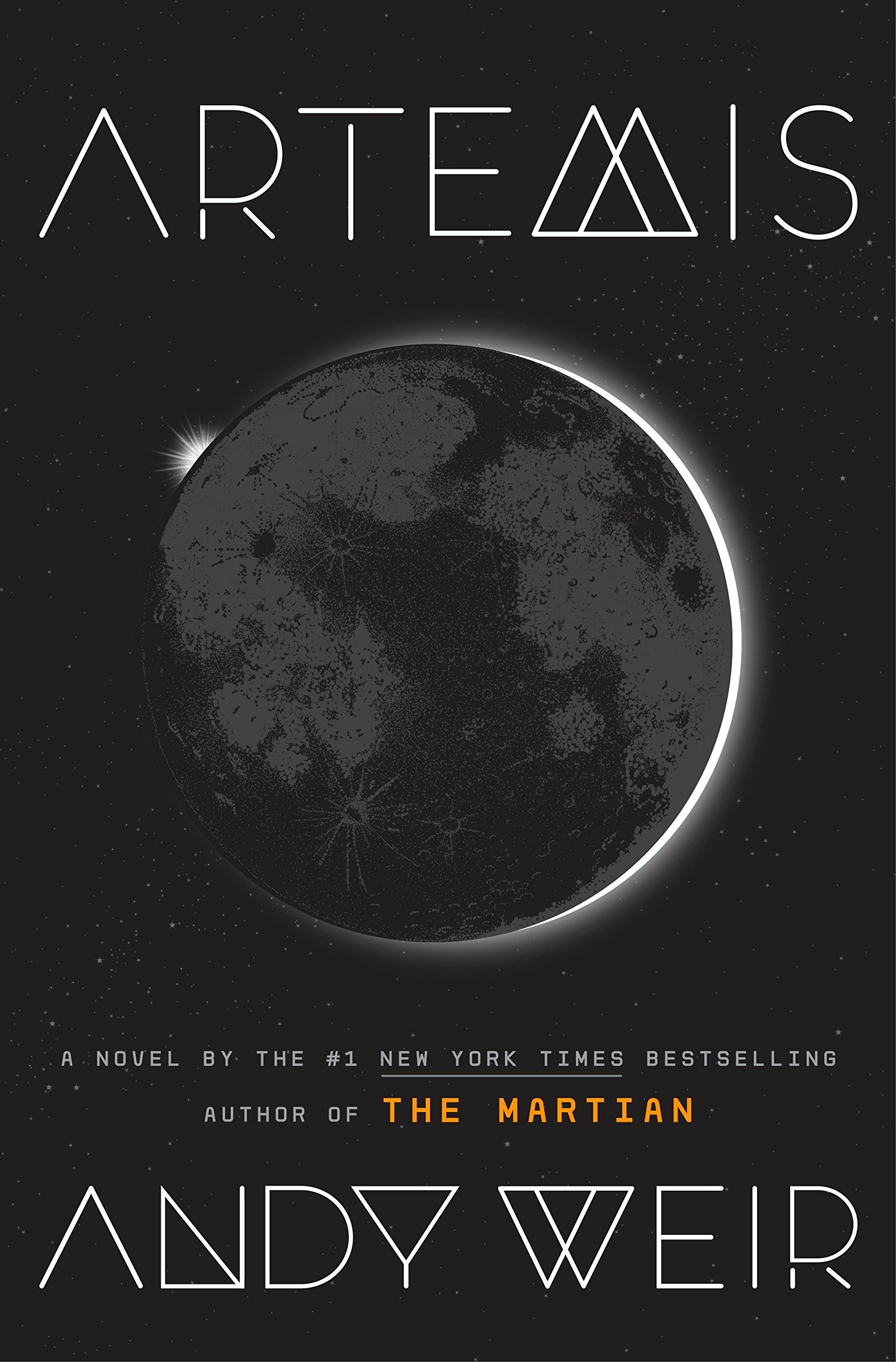
If Solar Punk is all bright lights and butterflies, Lunar Punk is Solar Punk when the sun goes down. It’s moths and the twinkling of fireflies. It’s night-blooming lilies instead of sunflowers. It may be dark but it’s not dreary, like your backyard party at night, with fairy lights everywhere. Lunar Punk often deals more in mysticism, spirituality, magic, and the occult. Their flowers are mushrooms, their light is moonlight, their colors are the blues and purples and silvers of twilight. They have no solar, so they use bioluminescence. Individuals are more important than the communities they live in. The movie Avatar – the world of the Na’vi – exemplifies Lunarpunk. Still utopian, still upbeat ecological fantasy, but out of the bright sunlight. Andy Weir’s Artemis can fall into this category. Many Anime series can fall into these categories.

Solar Punk and Lunar Punk are often categorized together, both supporting the same type of ecologically based, optimistic utopian fantasies, a genre that is growing to match our current promises of renewable energy and inclusive societies. Many of the new teen novels have been exploring the genre. They are the generation who has grown up with recycling, solar chargers, zero-emission footprints and Bald Eagles back in the wild. For them, Solar Punk could very well be the future. Check out some of it today!

Yacht Me On the Water

Yacht Rock? What the daylights is Yacht Rock?

Chances are you’ve heard it, and maybe even liked it. Yacht Rock is a music subgroup (yes, another) that focuses on the soft rock/jazz fusion/easy listening sound that was found on FM stations from around 1975 to 1984. It’s the kind of music you might expect to hear on a yacht as you cruise around the southern California coast, music that often evokes themes of sailing, or escape to somewhere else – songs like Rupert Holmes’s Escape (The Pina Colada Song) or Christopher Cross’s Sailing.

Yacht Rock, of course, can trace its roots back to The Beach Boys and surf rock, but more directly is the result of J.D. Ryznar’s comedy web series Yacht Rock, which ran in L.A. back in 2005. The show imagined the lives of the real yacht rock stars as a group of friends hanging out and writing music as they lounged around Marina del Rey, and it brought back all the music. Yacht rock emphasizes the Southern California sound, and almost all of the musicians were working from California (the exception being Hall and Oates, who stayed in Philadelphia).

Like anything subject to opinion, there’s always an argument to be made if something belongs in a category or not (and there’s “Classic” yacht rock and “Newer” yacht rock, which expands the genre). Myself, I don’t see Foreigner (too heavy) or Billy Joel (too pop) as part of that scene, but they are included under “newer.” Certainly, many artists have at least one song that could be included. Generally speaking, yacht rock is defined by:

  • Strong production and direction
  • Electronic piano
  • Breezy, light lyrics
  • Light emotions – she left you, but that’s okay
  • Emphasis on melody over beat
  • Catchy tunes
  • Too often full of syrupy sincerity
  • Upbeat rhythm (sometimes termed “The Doobie Bounce”)

Often the song is about a heartbroken man, and the words fool or foolish are thrown around (The Doobie’s What a Fool Believes, Steve Perry’s Foolish Hearts, Elvin Bishop’s Fooled Around and Fell in Love). Many of the songs are about sailing (Chris Cross’s Sailing, Crosby Stills and Nash’s Southern Cross) or the thrill of an escape (Little River Band’s Cool Change, Robbie Dupree’s Steal Away, Toto’s Africa).

You can say various resurgences in music are caused by films (Queen’s Bohemian Rhapsody hit the charts four times, twice from the films Wayne’s World and the biopic Bohemian Rhapsody) or television (Kate Bush), or sometimes social media drives a song (Rick Astley’s Never Gonna Give You Up), or Baby Boomer (and now Gen X) nostalgia, but the swelling of yacht rock popularity since 2015 (both IHeart Radio and Sirius XM have Yacht Rock stations, and Amazon Alexa will also tune in) is often attributed to a desire to escape from the negativity and stresses of the last several years. Yacht rock is calm and upbeat, evoking a sunny carefree day of lounging on a yacht gently swaying on the water, a fresh breeze ruffling your hair, not a care to be had. Your girl left you? Your job went sour? Your town on quarantine? Don’t let it get you down. Come on, we can steal away and find something better.

Yacht Rock is the highlighted music feature for July. Check out songs by these and other soft rock/jazz musicians:

Re-Covery

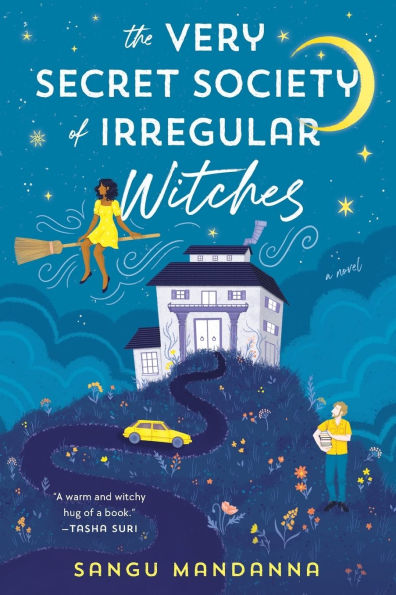
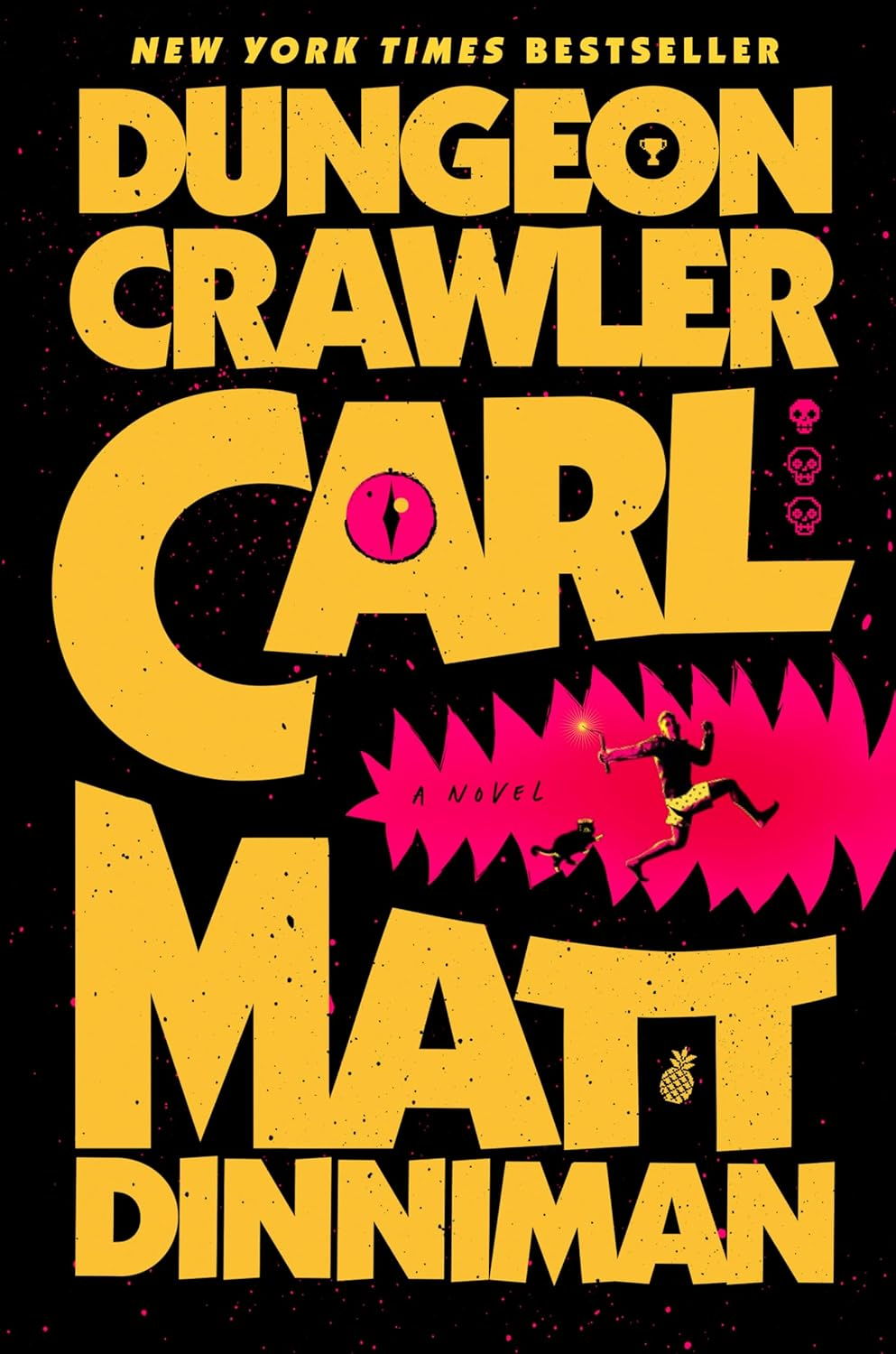
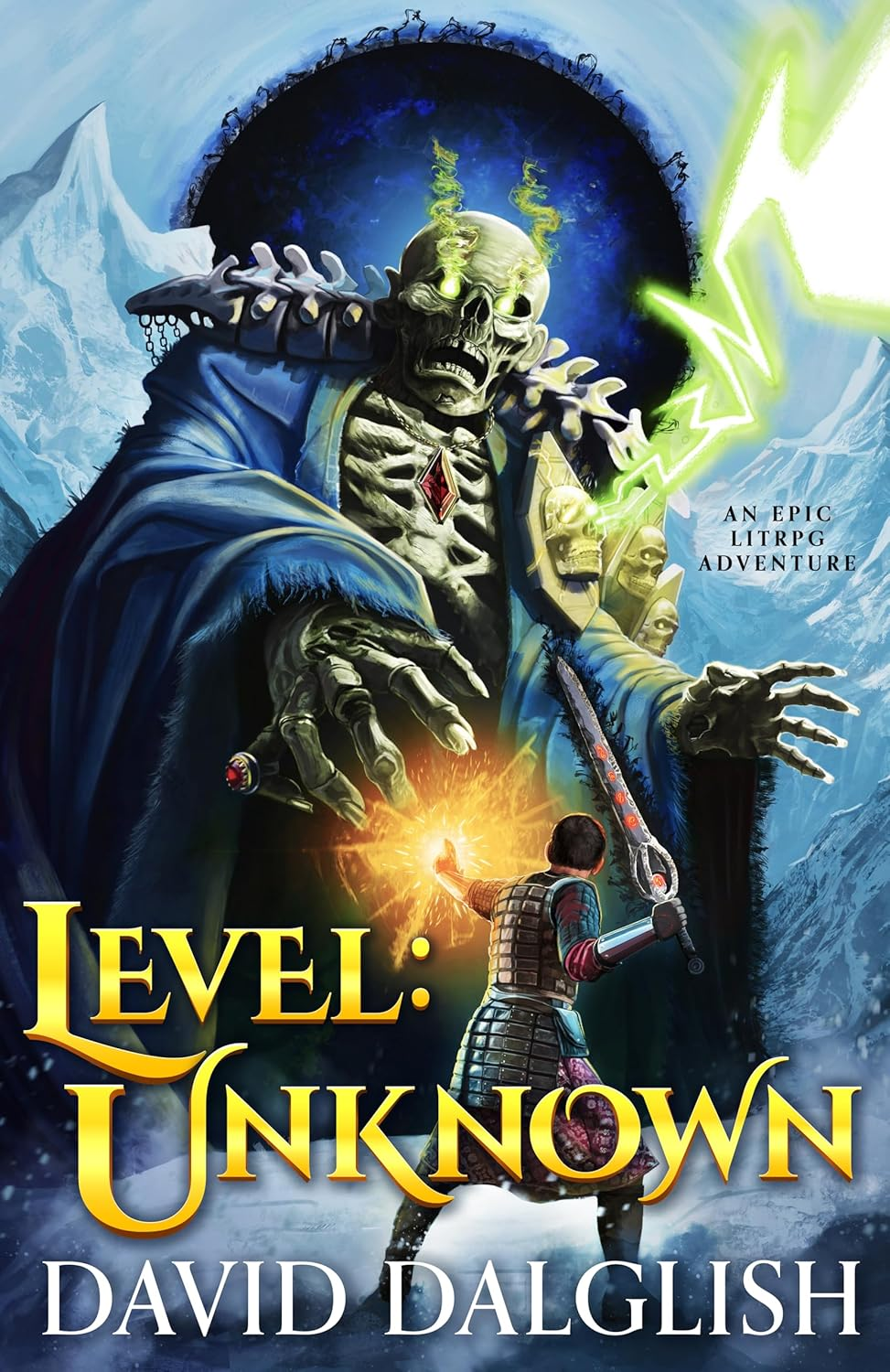
They tell you not to judge a book by its cover, but a book cover can make or break a book’s success. While browsing a used bookstore decades ago, I fell utterly in love with the covers of a book series I’d never heard of before – DragonLance, by Margaret Weiss and Tracy Hickman. I had to buy them, even just to look at the covers. The cover paintings were done by Larry Elmore, one of the premiere fantasy artists of the time. I’d never gotten too much into sword and sorcery books, but I devoured these. The second trilogy was still being written, and it was agony waiting for the next book in the series. I love those books to this day; they influence my own writing and imagination, and all because I had to have that book cover.

And nothing, of course, is more infuriating than when they change that book cover you know and love, and not usually for the better. Have you read this book? The title looks familiar, but not the cover … and then you start to read and find out yes, you’ve read it before, they changed the cover on you. Why?

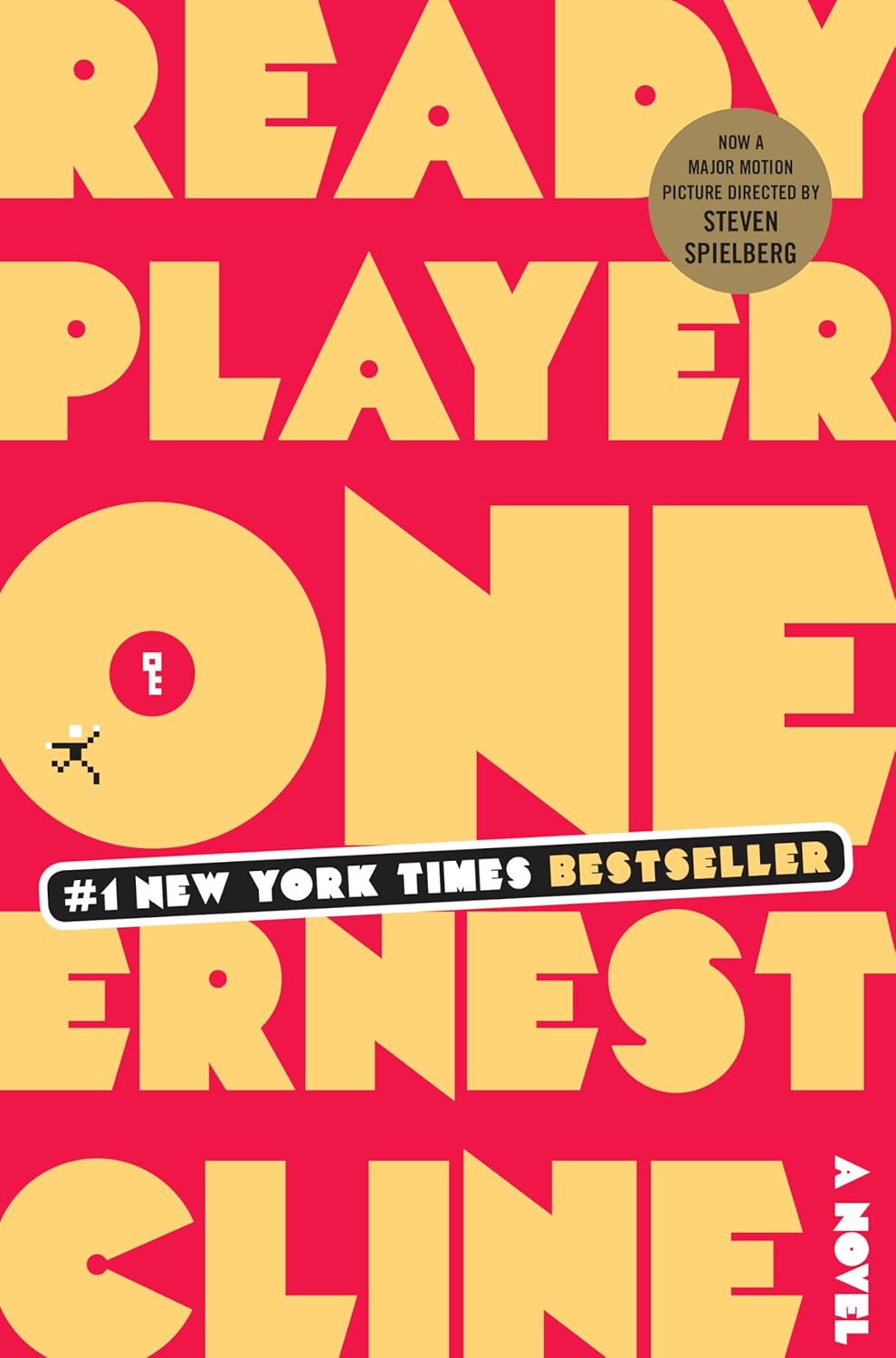
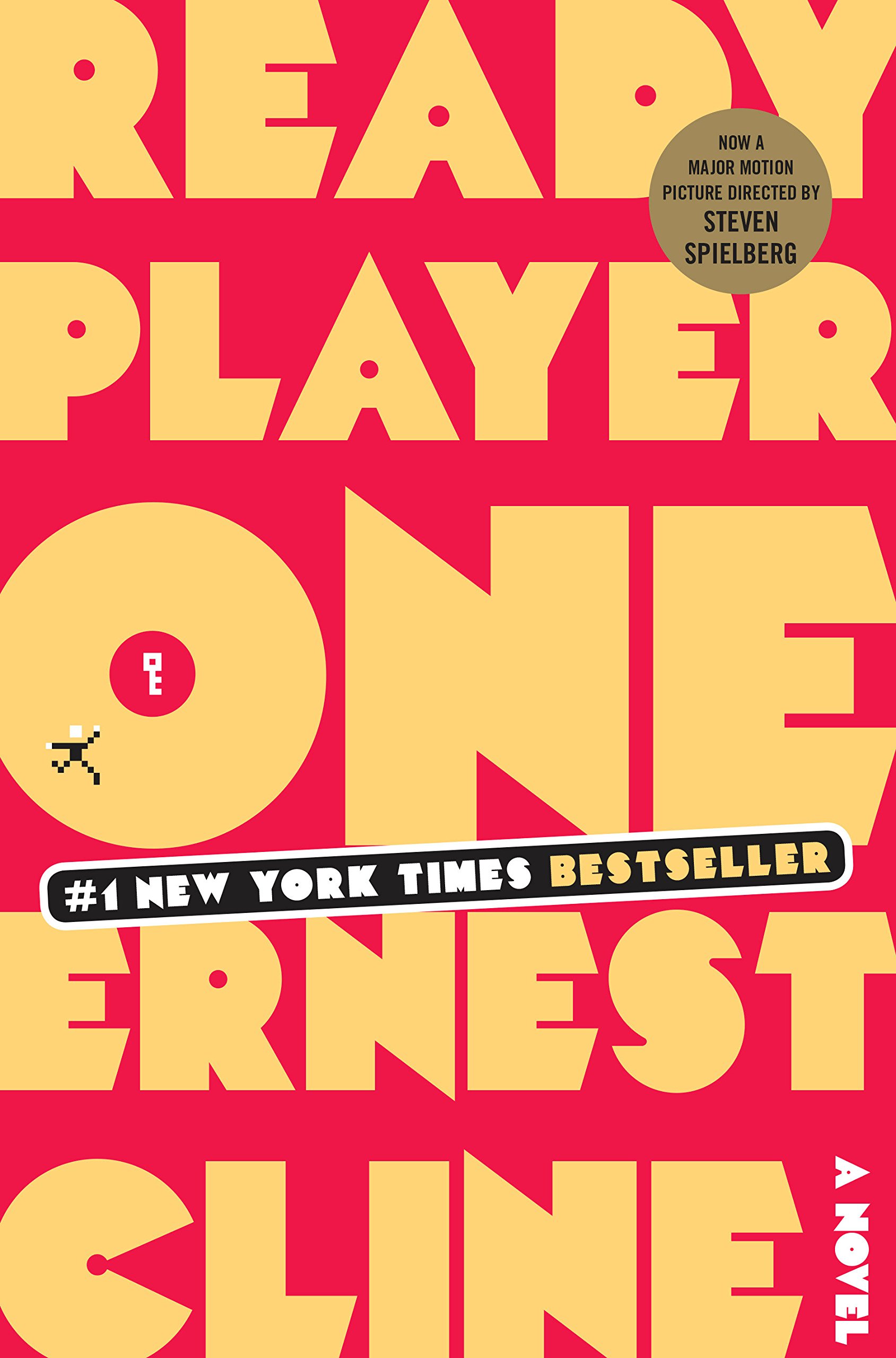
There are many reasons a book gets a new cover. It may have changed publishers. It may be the paperback edition of a hardcover, or a school edition, or an audiobook – and audiobook companies, who often have a middleman, don’t always get permission to use the same cover. It may be a new printing – if a book contract agrees to a run of 5,000 copies, and 6,000 are ordered, the book may get a new distribution run, resulting in a new cover. The book may have been sold to a new publisher – such as Bantam Books being sold to Random House. Random House will then reissue a strong seller with their own brand of cover. If a movie or TV series is made from the book, a new edition will be released with a cover that reflects the new media, as happened with Lord of the Rings and Ready Player One. Sometimes the publisher gets flack because the cover has absolutely nothing to do with the story, and they rework it.

Sometimes, it’s hard to keep up, and sometimes, the cover art makes you scratch your head. Take, for example, the book Alas, Babylon, a 1959 novel of nuclear apocalypse that, if it’s not still my absolute favorite novel, it’s in my top three. First below is the cover I read it with – sensible, with the red/orange color of disaster and warning and nuclear fire, and people walking out of it. Compare that with the many covers it’s had since 1959:

The current one, number two above, a fourth edition by Harper Collins, to me, is puzzling – small font, an empty boardwalk, and a hand? This is not a cover that invites me to read, tells me a single thing about the story. Perhaps, after so many editions, they run out of ideas. Another fact: it’s very rare an author gets to choose the cover of their book – or have any input at all. You may submit your perfect dream cover along with your manuscript, and the publisher will toss it and give the work to one of their contracted artists. This is how you wind up with a blonde, blue-eyed heroine on the cover when the main character has short black hair.

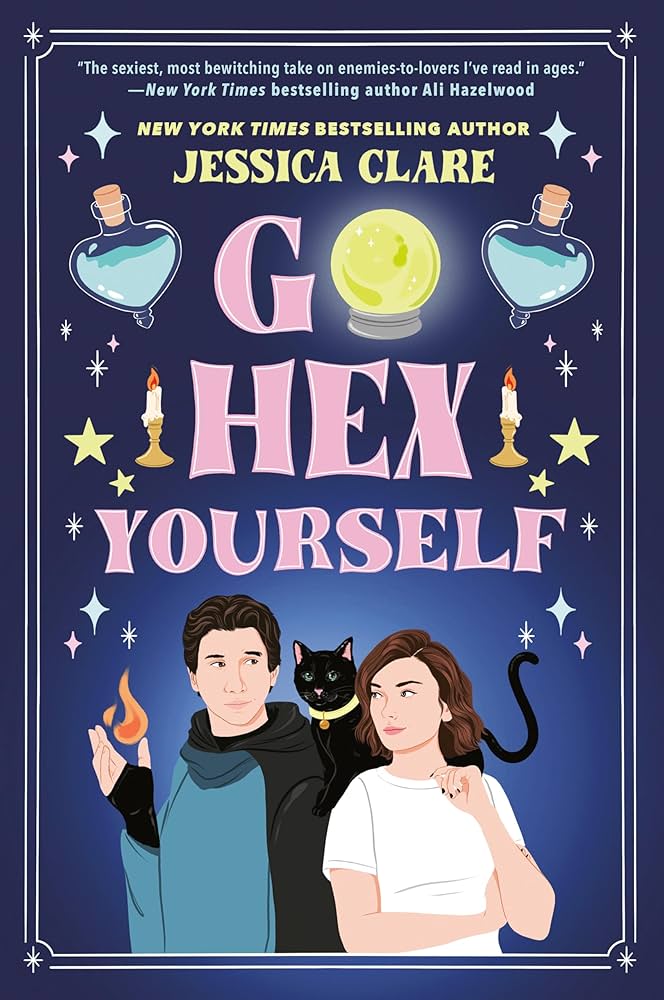
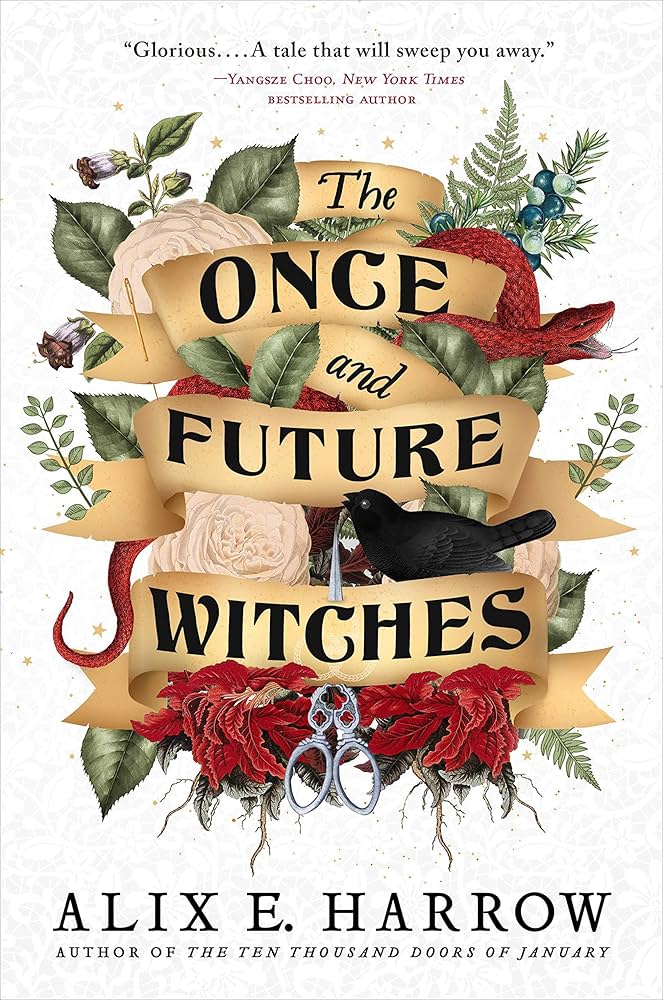
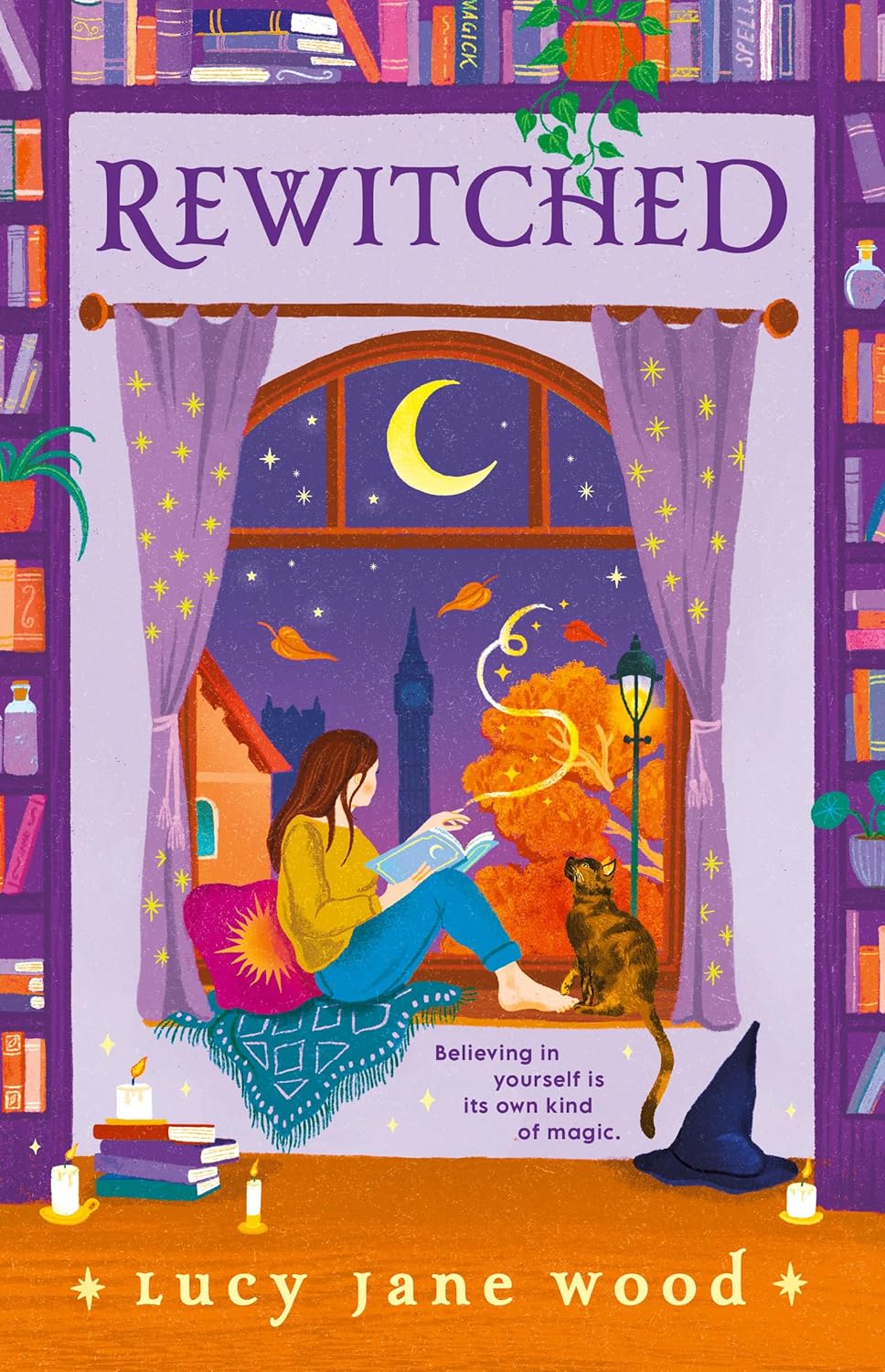
Book covers also reflect what seems to be popular – a few years ago it seemed every book had a girl rolling around on the ground. If one sells, then everyone wants to copy that success. The bottom half of a face? Those are popular. Romance novel covers were almost interchangeable – how many were based on the model Fabio?  This year, pink is supposed to be “in” for covers again, as well as layered graphics and bold lettering.

Don’t like a book cover? Let the publisher know! Editors read the books, not the artists, or the publisher. If they’ve missed the mark, tell them. Authors depend on good covers to grab readers; if the cover isn’t intriguing, it’s wasting money.

What book covers have hit the mark, reached out and grabbed you so you had to read it?

What types of covers make you walk away?

Has a book cover ever made you angry?

Let us know!

The Maus Trap

As long as there have been books, there has been controversy about books. There have been six major book-burnings in the US (yes, America) over Harry Potter, because some people believe a little too much in witches, though, personally, if I believed that strongly in witches, I might just not want to anger them.

But logic doesn’t exist in book burnings, or bannings.

In 1948, in Binghamton, New York , people went door to door gathering and burning comic books, to save youth from their moral depravity. It sparked a nationwide comic-book burning spree, including here in Connecticut.

This year’s book fiasco (and this happened on January 10), has been the McMinn County (Tennessee) School Board voting 10-0 to remove the graphic novel Maus from their curriculum, over the use of 8 curse words (the most objectioned being – forgive me if you will, God damn), and the depiction of a naked mouse in a bathtub, with a breast showing. A mouse-breast. 

Maus is not drawn as graphic realism; with its heavy line style, it could be cut and printed in woodblocks and look the same.

Maus, by Art Spiegelman, is the winner of a 1992 Pulitzer Prize, the only graphic novel ever to do so. In it (sometimes found in two volumes, sometimes as one combined), Spielman interviews his father, a Polish Jew, as to what it was like to survive the Concentration Camps – his father spent time in both Auschwitz and Dachau, and his mother in Auschwitz. Nazis are portrayed by cats, Jews by mice, Americans by dogs, French by frogs, British as fish, and Swedes as deer.  

Spiegelman has a lot of anger toward his father that comes out now and then in the story. His father was, understandably, damaged by the war and not necessarily an empathetic father. Spiegelman’s mother couldn’t rid herself of the experience, and committed suicide when he was 20 (the unfortunate mouse in the bathtub). It’s a true story, an honest story, and Spiegelman’s struggle to make sense of it and his place in the narrative is the struggle we all face trying to understand the Nazi rise to power and the unimaginable atrocities they carried out – atrocities so horrific, the experiences threw open the study of epigenetics on the belief that the DNA of survivors’ children had been altered by the experiences of the parents, though some studies are undecided.

Tennessee withdrew the book from the curriculum just three days before Holocaust remembrance day, citing moral issues that included violence and showing dead mouse children, language, and that naked mouse breast in one panel. 

Maus is now the top-selling book in America, thanks to Tennessee’s decision that thirteen year olds learning about the Holocaust in graphic form and seeing mild curse words in print might damage them. Good thing they never saw the photo novel my father, a historian, has of World War II, which is nothing but photographs of the war, including too many horrific images from the various camps, a book which has haunted me since childhood.

The internet, while not reliable for many things, had the best quote: If it was okay for 13 year old Anne Frank to live through it, why is it too disturbing for 13 year old Tennessee children to learn about it? 

There are many reasons some books may be objectionable, outside of really bad prose, and yes, it is not unreasonable that some books should have an age limit – after all, movies and video games do. I would not recommend reading “The Exorcist” to a ten year old, even a literate one. The thing to remember is that not everyone can agree on what or why something should be limited, or worse, banned. Always, always, read the banned book, find out what information someone is trying to suppress, why, and then talk about it. If you still find the material objectionable, that’s fine, but you don’t have the right to control its availability to others.

Decide for yourself. Maus is currently sold out on Amazon, but you can join the wait list for the library’s copy here. Meanwhile, check out these commonly banned books – most of which the rest of America considers classics (1984 by Orwell is the #1 banned book in America).