Solar Punk/Lunar Punk

Blame Cyberpunk.

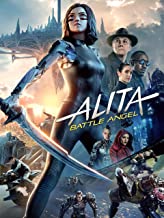
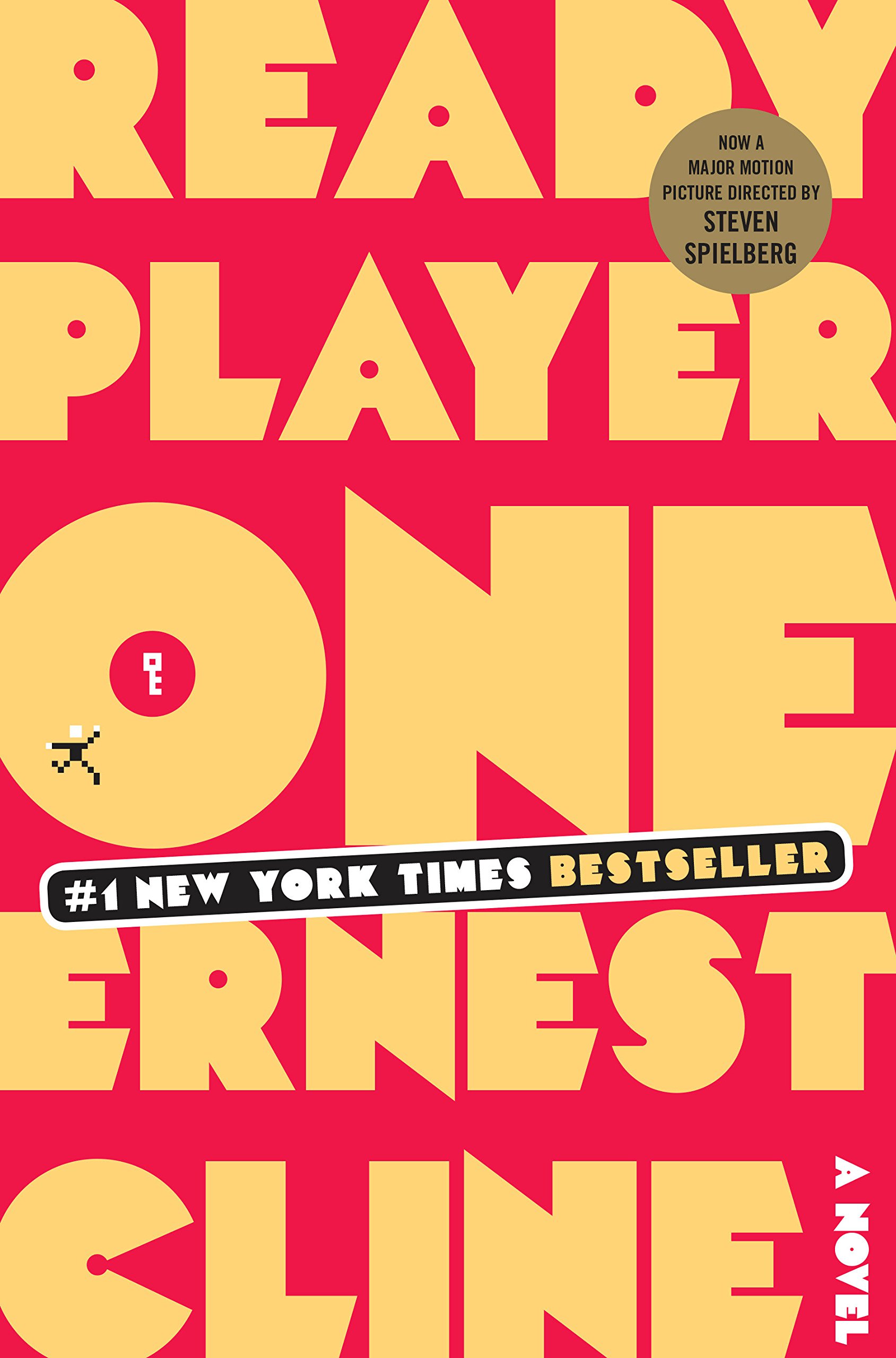
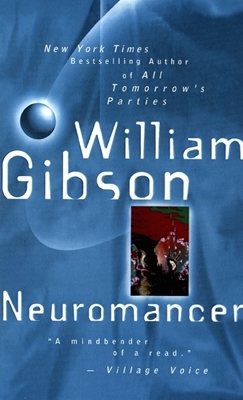
The novel Neuromancer is credited as kicking off the Cyberpunk genre. You may not have heard the term, but you probably know it  – a dark blend of high-tech in a crumbling dystopian world where the poor get poorer and the rich have all the technology – think Bladerunner, Ready Player One, Alita: Battle Angel, Real Steel, Elysium, Guardians of the Galaxy, even Hunger Games and Divergent (you could make a serious argument for Star Wars, as well). They’re gritty, dark, and sometimes disturbing, and paint a not-so-nice view of the future, with emphasis on classism, violence, famine, and a disturbing police state. 

Steampunk is also a well-established fantasy genre, carrying on as if the gasoline engine never materialized and the world was stuck in 1890 and using steam power and copper pipes for everything. They’re wildly imaginative and adventurous – check out Chris Wooding, Boneshaker by Cherie Priest, or Richard Preston Jr., or movies such as Chitty Chitty Bang Bang, League of Extraordinary Gentlemen, or The Golden Compass, among others.  

Since then, just like music has a thousand nitpicky subgenres (Simpsonwave, anyone?), fiction has also fractured into microgenres. Most are so nitpicky they’re pretty much covered under larger categories, but two more are becoming increasingly prominent: Solar Punk and Lunar Punk (Punk seems to be a word thrown in because someone is going against the establishment). Never heard of them? Neither have most people, but the genre is growing and defining itself.

Solar Punk is a backlash against all that dreary doomsday cyberpunk. Solar Punk is full of hope and ecology. Everything is green spaces, clean power, civil rights, encompassing communities, anti-establishment, and personal choice. Renewable energy, harmony with nature, and spirituality are key themes. Solar punk is a view of the future where everything finally does work out, a world where everyone benefits from the progress of mankind, because they’re all in it together. If steampunk is Victorian, Solar Punk is art nouveau. Think Star Trek, The Disposessed by Ursula LeGuin, Ectopia, by Ernest Callenbach, Dune by Frank Herbert, Disney’s Tomorrowland, and Black Panther (is anything more Utopian than Wakanda?).

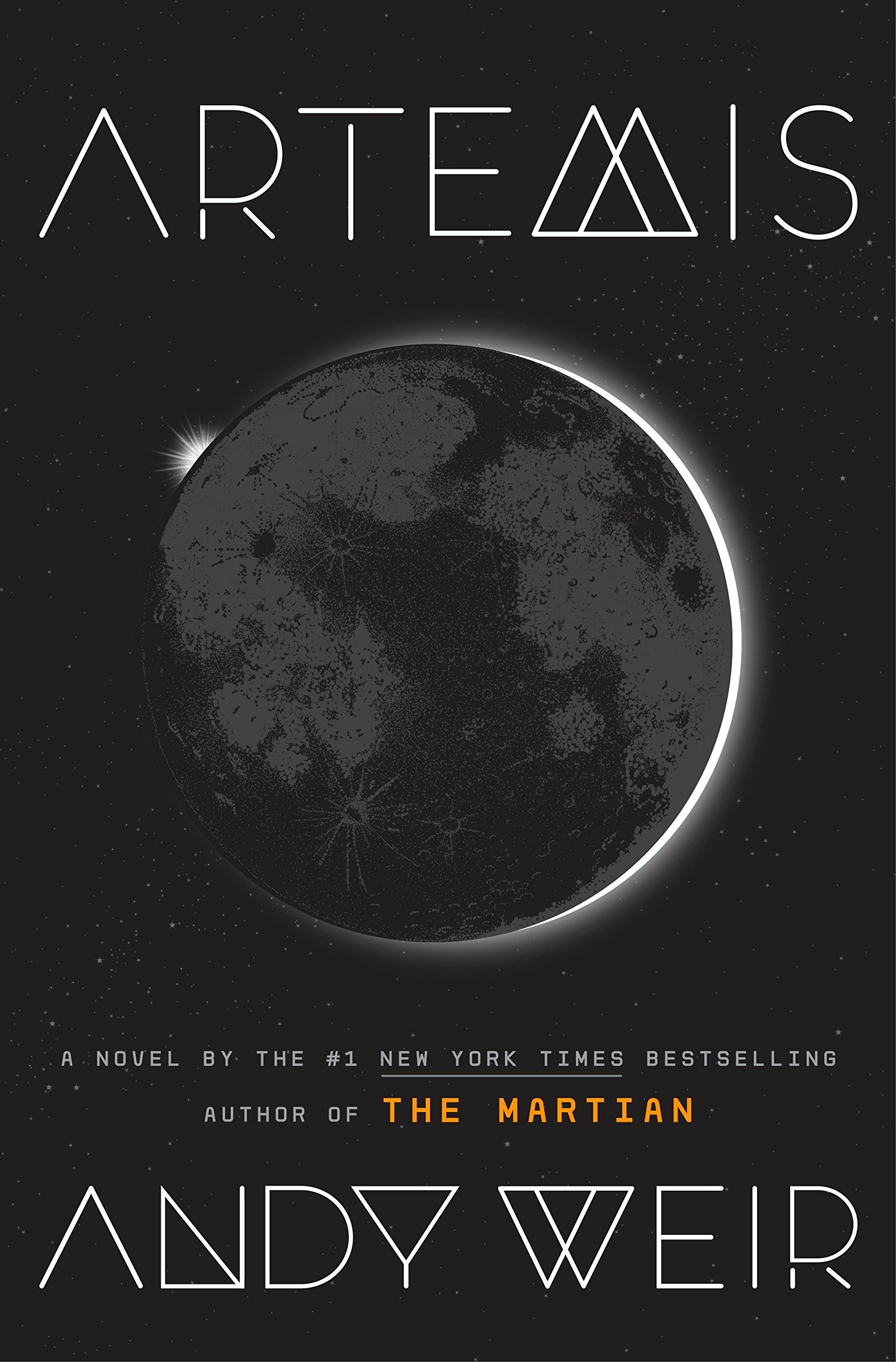
If Solar Punk is all bright lights and butterflies, Lunar Punk is Solar Punk when the sun goes down. It’s moths and the twinkling of fireflies. It’s night-blooming lilies instead of sunflowers. It may be dark but it’s not dreary, like your backyard party at night, with fairy lights everywhere. Lunar Punk often deals more in mysticism, spirituality, magic, and the occult. Their flowers are mushrooms, their light is moonlight, their colors are the blues and purples and silvers of twilight. They have no solar, so they use bioluminescence. Individuals are more important than the communities they live in. The movie Avatar – the world of the Na’vi – exemplifies Lunarpunk. Still utopian, still upbeat ecological fantasy, but out of the bright sunlight. Andy Weir’s Artemis can fall into this category. Many Anime series can fall into these categories.

Solar Punk and Lunar Punk are often categorized together, both supporting the same type of ecologically based, optimistic utopian fantasies, a genre that is growing to match our current promises of renewable energy and inclusive societies. Many of the new teen novels have been exploring the genre. They are the generation who has grown up with recycling, solar chargers, zero-emission footprints and Bald Eagles back in the wild. For them, Solar Punk could very well be the future. Check out some of it today!
Teen Book Reviews: The Unhoneymooners and Eleanor & Park

Teens: did you know that you can earn community service credit for writing a book review and submitting it to us? Today, we’ll hear from someone who did just that. Find out more about how to earn community service hours from home at cheshirelibrary.org/teens/.

The Unhoneymooners by Christina Lauren. Reviewed by Caroline O.

Meet Olive, a nerdy science loving girl who is shy and awkward. Olive has a twin, Ami, and even though they are total opposites, they still have an unbreakable bond. That is, until it is broken. Olive has the worst luck and everything that can go wrong, goes wrong. On the other hand, Ami gets everything to somehow go her way and she may be the luckiest person on Earth. Any contest that Ami has ever entered in, she has won, so it is no surprise when Ami wins a free, non-refundable honeymoon trip to Hawaii. This luck seems to last up until her wedding day when everyone that ate out of the free, buffet style meal that she won, gets food poisoning. Everyone, that is, except for Olive, who has food allergies, and Ethan, who is a germophobe and refuses to eat out of buffets.

Ami and her husband suggest that Olive and Ethan go on the trip together, since it is non-refundable and the newlyweds are too sick to go. This sounds like a great plan, besides the fact that Ethan and Olive hate each other! Not to mention that these two would have to act as if they had just gotten married. Ethan is the groom’s brother, who can come off as being cocky and arrogant. This was exactly Olive’s first impression of him when they met at a family event awhile back. With Ami being the pushy older twin that she is, Olive and Ethan reluctantly board the plane. Bickering of course. The trip is going somewhat smoothly until Ethan realizes he may not hate Olive as much as he thought.

This book is an amazing read, especially during the summertime. The author does an exceptional job at using imagery and emotional appeal to drag the reader further and further into the book. Not to mention that the book never gets old, and is never boring. The book starts and ends with pure chaos, which is unlike a lot of books that I have ever read. I personally like how the Christina Lauren duo writes their books. In their pieces, they tend to write at least an excerpt from every single character in the book, whether it is a small character or a main character.

5 stars.

Eleanor & Park by Rainbow Rowell. Reviewed by Caroline O.

Eleanor & Park is a phenomenal book that captures the life of two characters, Eleanor and Park. Eleanor is someone who is not as comfortable in her body as most of her sixteen year old peers at school. Eleanor also has an unstable home life with an abusive step-father and a mother that has no control. Eleanor’s family is quite large, including her four little siblings, three of which are biological siblings and one step-brother. This does not seem to be an issue except for the fact that they live in a 2 bedroom apartment, meaning that all of the kids have to share a bedroom with one bath. On the nights that Richie, the step-dad, gets extra abusive and wakes up the kids, with the excessive crashing of objects getting thrown outside their bedroom, Eleanor has to sit there and comfort every one of them. To escape her reality, Eleanor loves to read, but this only makes her an outcast at school. Will she ever find somewhere safe where she can be herself?

Park lives down the street from Eleanor which means that they are on the same bus, where he notices and later meets Eleanor. Park finds that he is actually quite similar to Eleanor. Despite the differences in home life, they are both misfits in their school and begin to bond over that. Park begins to look forward to talking with Eleanor on the bus until there is a period of time when Eleanor does not come to school. This raises Park’s curiosity and he asks his parents if they have ever heard of her family since they had to have lived near each other. Both his parents look at each other and tell him how her house is not necessarily the safest place. Park immediately puts the pieces together and is determined to find her. Through this journey he learns that he may like her more than just in a friend way.

I enjoyed this book a lot because of how quickly the audience can feel as if they are there and in the same room as the characters. The book also is not a hard read, I have found that certain books can be hard to get into for the first few chapters, but this book is different. I was able to enjoy the story very early on in the book and it was upsetting to learn that there was not a sequel to go along with it. I highly recommend this book to anyone who wants to read a romance novel that will take you through all of the emotions including guilt, happiness, sadness, and curiosity.

4 stars.

Teen Book Reviews: Warcross & Call Down the Hawk

Teens: did you know that you can earn community service credit for writing a book review and submitting it to us? Today, we’ll hear from two teens who did just that. Find out more about how to earn community service hours from home at cheshirelibrary.org/teens/.

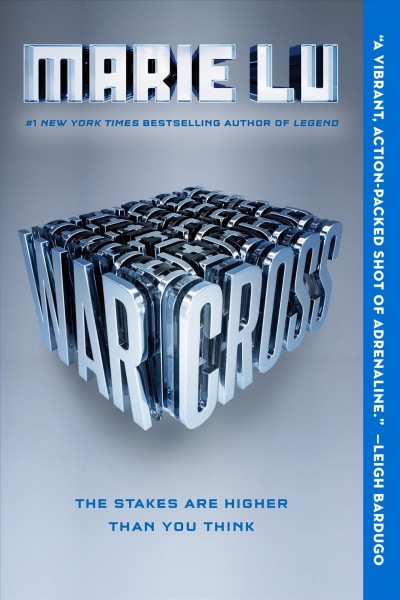
Warcross by Marie Lu. Reviewed by Ella K.

Warcross is a book perfect for teens and young adults who enjoy science fiction and future societies. The story is set in a world where a young fourteen-year-old boy, Hideo Tanaka invents a pair of highly sophisticated virtual reality glasses called the NeuroLink. The glasses work by tricking the brain into thinking what it is seeing is real. In order to market the product, Tanaka also creates a video game that can be played within the virtual reality construct. This game, called Warcross, involves two teams battling to steal the other’s gem, called an Artifact, while avoiding a series of obstacles and the other team.

Emika Chen, a struggling hacker makes money in the only way that she can with her criminal record, as a bounty hunter. After failing to get a $5000 bounty that would have saved her from eviction, Emika turns to that fake reality to escape her problems. In the process, she accidentally hacks her way into the Warcross international tournament and makes the news worldwide. After this display of talent in hacking into one of the world’s most secure systems, Emika is invited by Hideo Tanaka himself to visit his headquarters in Japan. He offers her a ten million dollar reward to discover the identity of a hacker, nicknamed Zero, who he believes is a threat to the entire NeuroLink system. Emika has to use her hacking abilities, wit, and deception skills in order to remain undercover and thwart Zero.

The creation of this science fiction world is a shift away from the dystopian works that most know Marie Lu for, specifically her work in the Legend series. In this story, Lu showcases her writing and world building abilities by creating a world that many video game players dream of. The book’s plot is enticing outside of the new society that the reader gets to experience. While the betrayals and spy work that the reader gets to experience is captivating, the addition of a romance seems cliche in the midst of the situation that Emika finds herself in. It is well written, but Emika has been a powerful and independent person for most of her life. Her troubled childhood ensured it. Her interest in a powerful man takes away from that aspect of her character in a way. Overall, this hardly takes away from the book, and some readers, particularly those interested in romance, will enjoy the addition.

4 stars.

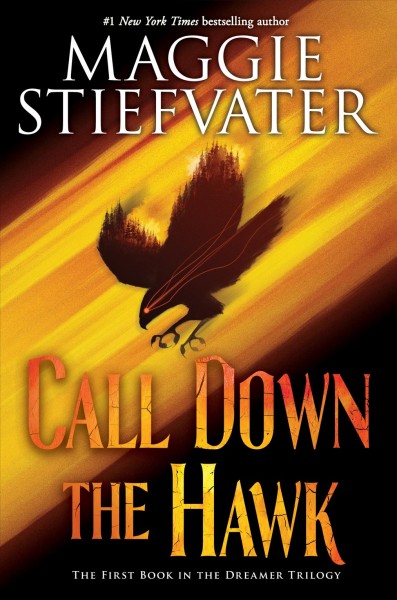
Call Down the Hawk by Maggie Stiefvater. Reviewed by Mia V.

Call Down The Hawk, the first book in the Dreamer Trilogy by Maggie Stiefvater, is a spin-off from the Raven Cycle series, following Ronan Lynch. The original Raven gang has all been split apart due to college, with Adam studying at Harvard, Gansey and Blue taking a gap year to travel and Ronan going off on his own. In the second book of the Raven Cycle, we find out that Ronan can pull objects and creatures (such as his pet raven, Chainsaw) out of his dreams. This power is incredibly rare and powerful, which makes Ronan vulnerable to being killed by those who don’t approve of his power or captured in order to make use of this power.

In Call Down The Hawk, however, Ronan’s power seems to be acting strange. Ronan feels as if he is dying if he is not near the ley lines, or the Barn at all times. Ronan also finds he is being hunted again, as threats loom from all different directions. Ronan meets other people with similar dreaming issues as himself, such as Jordan Henessey, who battles her own fears and nightmares which manifest themselves in real life due to her powers. As Ronan runs from those who want him dead, he also tries to help Hennessey deal with her own issues with her power. Call Down The Hawk takes a break from the search for Glendower and instead dives deeper into Ronan’s power and his own personal struggles both with himself and with his family.

I would definitely recommend this book. I would especially recommend it to someone who has read the Raven Cycle and has loved Ronan. Ronan was one of my favorite characters in the Raven Cycle, so I was very excited when Maggie Steifvater’s new Dreamer Trilogy was released and was set to focus more on Ronan. Although I was expecting the book to take a different direction, I still found the plot interesting and exciting.

4 stars.

One Book, Two Readers – Teens Review “They Both Die at the End”

Teens: did you know that you can earn community service credit for writing a book review and submitting it to us? Today, we’ll hear from two teens who did just that, and get their different takes on the same book. Find out more about how to earn community service hours from home at cheshirelibrary.org/teens/.

They Both Die at the End by Adam Silvera. Reviewed by Jessica N.

They Both Die at the End, the title itself is intriguing and Adam Silvera does a fantastic job creating a book that lives up to its engaging title. He allows us as the readers to think and reflect about our own lives and what we would do if we found out that we would be dying in the next 24 hours.

The book starts off with the two main characters, Mateo and Rufus, getting Death-Cast calls that they will be dying that day. This news changes their lives for the little amount of time they have left. They have to figure out how they are going to spend their last day, also known as their “End Day”, and leave their final mark on Earth. The novel also brings up topics of friendship and relationship. The Death-Cast company provides an app for the people that are going to die and allow them to make a new friend, a Last Friend, for the day.

Through this app and each character in the novel, each person has a significant story and the book itself is told from multiple perspectives. So not only are us the readers tasked with reflecting on how they would spend their last day on Earth, if we knew it was our last day, but, we get to see how people of different ages, ethnicities, and popularities spend their last days. This book is an emotional one that is well worth the read, and even though the readers know what is going to happen at the end (the characters both die), the ending is still very gutting and astonishing. Also, the author, Adam Silvera is expanding the story and coming out with two new further novels. The next one (the second one) is projected to come out later this 2022 year and titled The First to Die at the End, so there is something more to look forward to after reading the beautiful story of They Both Die at the End!

4 stars.

They Both Die at the End by Adam Silvera. Reviewed by Claire J.

Overall, this book covered many intriguing events and evoked a variety of emotions. The “ spoiler” being in the title of the book is what drew me to pick it up, still having hope throughout the book that they would both live despite the title. It is a darker book, with themes of violence such as guns, so I do not recommend it for younger readers. The positive portrayal of LGBTQ relationships is evident throughout the book, which was pleasant to read.

Silvera takes the reader on a rollercoaster of emotions as we follow the two main characters rated to die on their last adventures on Earth. Both boys were also trying to run from their own issues aside from death. From sick fathers to running from the police, they were already struggling with the real world struggles. Although the book showed rather interesting plot points, some felt a bit boring, hence why the rating is not as high as expected. The pacing of the book was also rather slow in my opinion, although this could have been due to the fact that I do not typically read books of this genre. Another criticism of the book is that some characters were underdeveloped. Although the two main characters were well rounded with great writing skills used to make them, some other characters I felt were not as developed. Even though they had smaller roles in the overall story of the book, I thought that they could have their characters elaborated on a bit more.

I still greatly enjoyed the book, however, it was a wonderful book to read in my down time! I recommend this book to middle-schoolers and older. For science fiction and fantasy readers looking out to try realistic fiction novels, this book is a great transition.

3 stars.

Graphic Novel Adaptations: Old Stories with a New Twist

Graphic novel adaptations are not new, comic books based on classic literature could be found as early as the 1940’s and 50’s. Lately, however, there’s been a new crop of adaptations in graphic novel format that deserve some attention. While an adaptation of a book can never take the place of the original, it has value as a companion piece to the original, offering a fresh perspective on a well-established tale. This is particularly true of graphic novel adaptations, where illustrations and a change in pace can breathe new life into an older book. Even when a book isn’t all that old, a graphic novel interpretation allows us to see the story from a different angle.

We have a whole bunch of graphic novel adaptations on our shelves, for all ages. Here are some of our favorites.

FOR ADULTS:

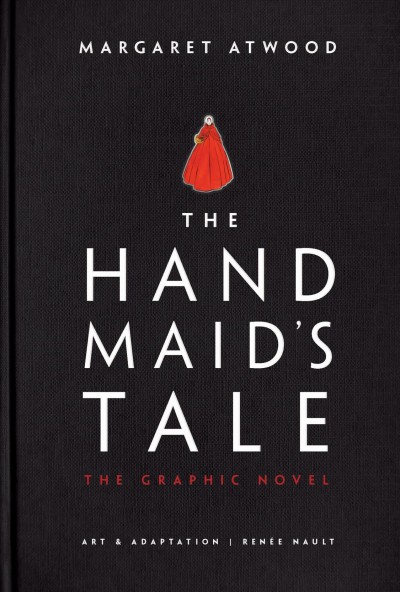
The Handmaid’s Tale, original story by Margaret Atwood ; art & adaptation by Renée Nault.

Animal Farm, original story by George Orwell ; adapted and illustrated by Odyr.

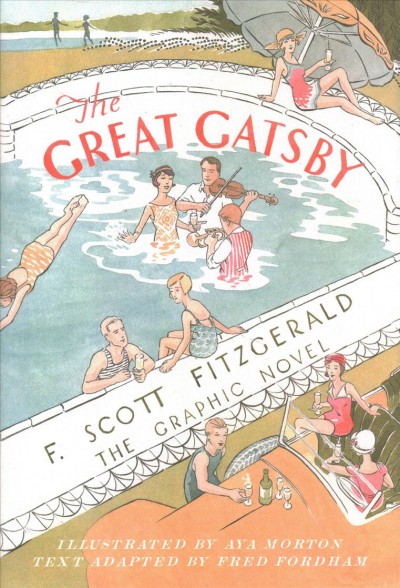
The Great Gatsby, original story by F. Scott Fitzgerald ; illustrated by Aya Morton ; text adapted by Fred Fordham

Small Gods : a Discworld graphic novel, original story by Terry Pratchett ; adaptation by Ray Friesen

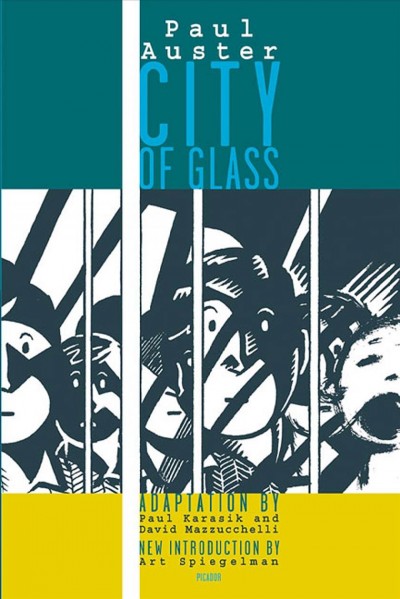
City of Glass, original story by Paul Auster ; adaptation by Paul Karasik and David Mazzucchelli

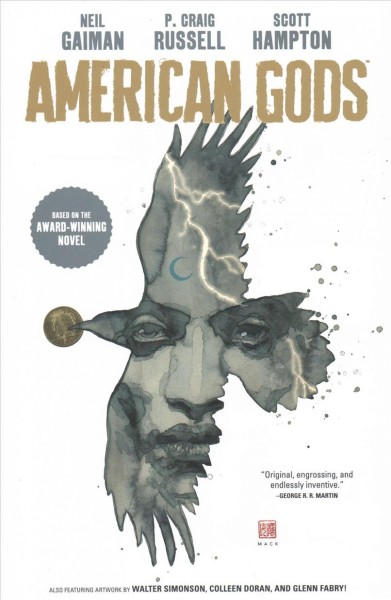
American Gods 1: Shadows, story and words by Neil Gaiman ; art by Scott Hampton 

A Game of Thrones, original story by George R.R. Martin ; adapted by Daniel Abraham ; art by Tommy Patterson

FOR TEENS (and adults, too!):

The Hobbit, original story by J.R.R. Tolkien ; adapted by Charles Dixon with Sean Deming : illustrated by David Wenzel

To Kill a Mockingbird, original story by Harper Lee ; adapted and illustrated by Fred Fordham

Jane (based on Jane Eyre by Charlotte Brontë), written by Aline Brosh McKenna ; illustrated by Ramón K. Pérez 

Poe : Stories and Poems, original content by Edgar Allan Poe ; adapted by Gareth Hinds

A Wrinkle in Time, original story by Madeleine L’Engle ; adapted and illustrated by Hope Larson

The Giver, original story by Lois Lowry ; adapted by P. Craig Russell ; illustrated by P. Craig Russell, Galen Showman, Scott Hampton

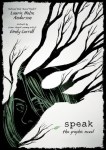
Speak, by Laurie Halse Anderson ; artwork by Emily Carroll

FOR MIDDLE GRADE READERS:

Meg, Jo, Beth, and Amy (based on Little Women by Louisa May Alcott) ; adapted by Rey Terciero ; pencils by Bre Indigo

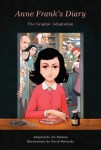
Anne Frank’s Diary ; adapted by Ari Folman ; illustrations by David Polonsky

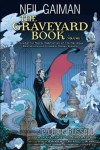
The Graveyard Book, original story by Neil Gaiman ; adapted by: P. Craig Russell ; illustrated by: Kevin Nowlan, P. Craig Russell, Tony Harris, Scott Hampton, Galen Showman, Jill Thompson, Stephen B. Scott

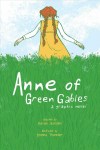
Anne of Green Gables, original story by L. M. Montgomery ; adapted by Mariah Marsden & Brenna Thummler

The Secret Garden on 81st Street (based on The Secret Garden by Frances Hodgson Burnett) ; adapted by Ivy Noelle Weir ; illustrated by Amber Padilla

The Witches, original story by Roald Dahl ; adapted and illustrated by Pénélope Bagieu

Oz : the manga, original story by L. Frank Baum ; adapted by David Hutchison