Recent Reads for Hesitant Historians

I am surrounded by history lovers. My husband is a history professor who uses me as a sounding board when he’s talking through new articles. A good friend does deep dives into English monarchs, and she shares memes that mash current events together with Medieval art. And I have to confess: I have no idea what they’re talking about.

I’m very useful when you want to assemble some IKEA furniture, or if you want to differentiate between an American crow and a common raven, but listening to me explain the American Revolution is like watching an episode of Drunk History (and sadly, without the negronis). I don’t dislike history. It’s just that the kind of history you get in school – politics, wars, rich people – does nothing for me. What I want is an exhibit of decorative arts, a reconstructed peasant house, a display of medical instruments. Maps of migrations laid over topography or ecological changes. A poster. A piece of metal. I want something that’s alive with meaning and has a story to tell.

If a relaxing evening involves hooks, needles, or rippers:

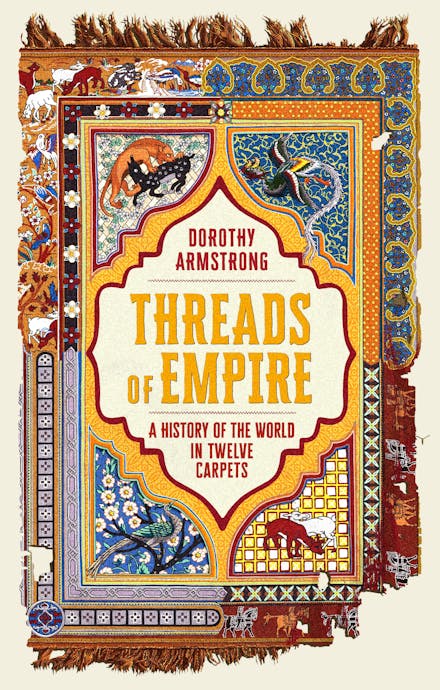
Threads of Empire: A History of the World in Twelve Carpets by Dorothy Armstrong (2025)

I can’t get through biographies of monarchs, but give me a book on how their clothing was constructed and I will drink it up like a chocolate fountain in Versailles. Threads of Empire tickles the same part of me that loves dresses and chain mail at art museums. This isn’t just about who owned history’s beautiful rugs, but the people that made them, the materials and techniques they were working with, and what was going on in their world.

Related read:

Silk: A World History by Aarathi Prasad (2024)

This is another great read that takes a close look at how a prized textile is made, then zooms out to examine its place in time and geography.

If you never got past your childhood fascination with pirates:

The Wager: A Tale of Shipwreck, Mutiny, and Murder by David Grann (2023)

We’re attracted to stories of things gone wrong, whether it’s hikes or music festivals. As you can guess from the subtitle of this book, there are quite a few things that went wrong with the HMS Wager in 1741. This is a true crime novel, a survival tale, and a look into 18th century British naval life – did you know expeditions routinely sailed with dedicated scientists on board? – with a little dusting of world politics. Grann crafts an engaging narrative well worth the hype. 

Related read:

The Wide Wide Sea: Imperial Ambition, First Contact and the Fateful Final Voyage of Captain James Cook by Hampton Sides (2024)

If you can’t get enough of the British Navy, you can circumnavigate again with Hampton Sides’ bestseller from last year. Sides’ narrative doesn’t move with the same momentum as Grann’s book, but it’s a voyage well worth taking.

If you can’t look away from technological disasters:

Challenger: A True Story of Heroism and Disaster on the Edge of Space by Adam Higginbotham (2024)

Nobody synthesizes story and science quite like Adam Higginbotham. Last year he released this book on the Challenger space shuttle, which exploded during liftoff in 1986. He’s on par with the best thriller writers in terms of building suspense, and he’s just as adept at breaking down complex engineering concepts.

This book has haunted me: not only in its emotional impact, but in how amazing it is that we’ve accomplished space travel at all. It compelled me to make a pilgrimage to the Intrepid Museum in Manhattan to get an up-close look at the Enterprise, the very first orbiter NASA made for the space shuttle program.

Related read: 

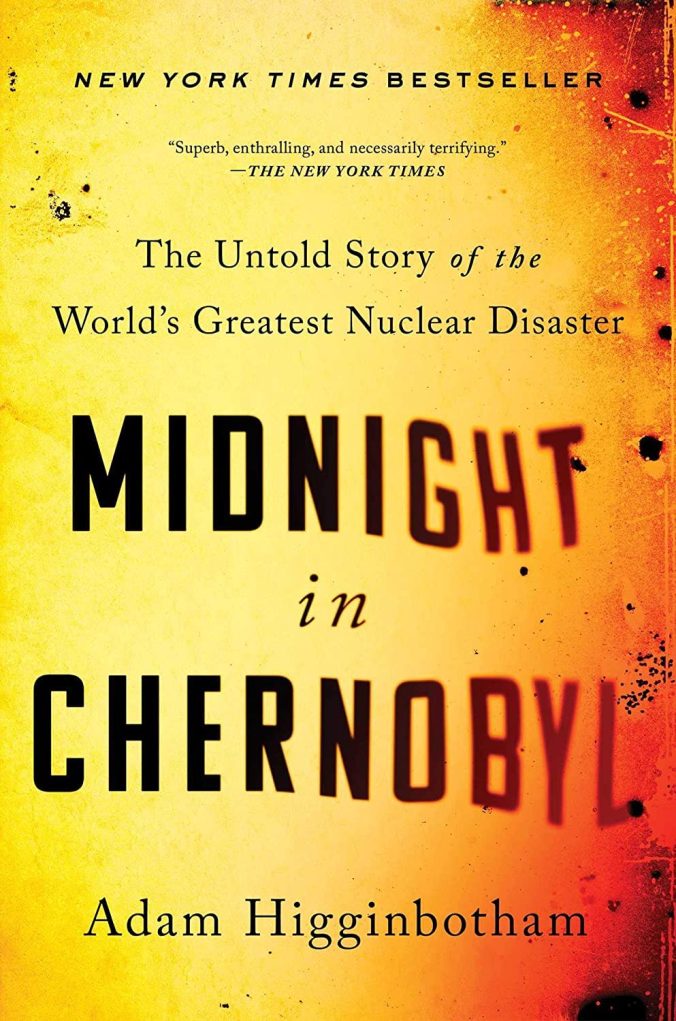
Midnight in Chernobyl: The Untold Story of the World’s Greatest Nuclear Disaster by Adam Higginbotham (2019)

Higginbotham is making quite a name for himself writing about 1980s technological disasters. His award-winning debut focused on the Chernobyl nuclear meltdown, and it’s just as good (and horrifying) as Challenger.

If you’re a news junkie:

Looking at Women Looking at War: A War and Justice Diary by Victoria Amelina (2025)

“I have just bought my first gun in downtown Lviv,” starts the diary of this Ukrainian novelist and mother turned war documenter. Amelina’s diary tells the story of how she and other women – librarians, lawyers, writers – were experiencing the war in Ukraine and participating in the resistance. She was killed by a Russian missile in 2023, and this book collects her unedited and uncompleted notes. It’s a chilling reminder that her life was suddenly cut short at 37 years old.

Related read:

Secondhand Time: The Last of the Soviets by Svetlana Aleksievich (2017)

Alexievich is well-known for her oral histories of the Soviet Union, and this book is an accessible look at how people in Russia experienced the fall of the Soviet period and the emergence of a new Russia. The experiences and viewpoints are as diverse as if you’d selected a random group of Americans and asked them how they viewed the 2024 election. If you’re looking to understand modern Russia, this is a really great place to start.

If David Attenborough narrates your inner thoughts:

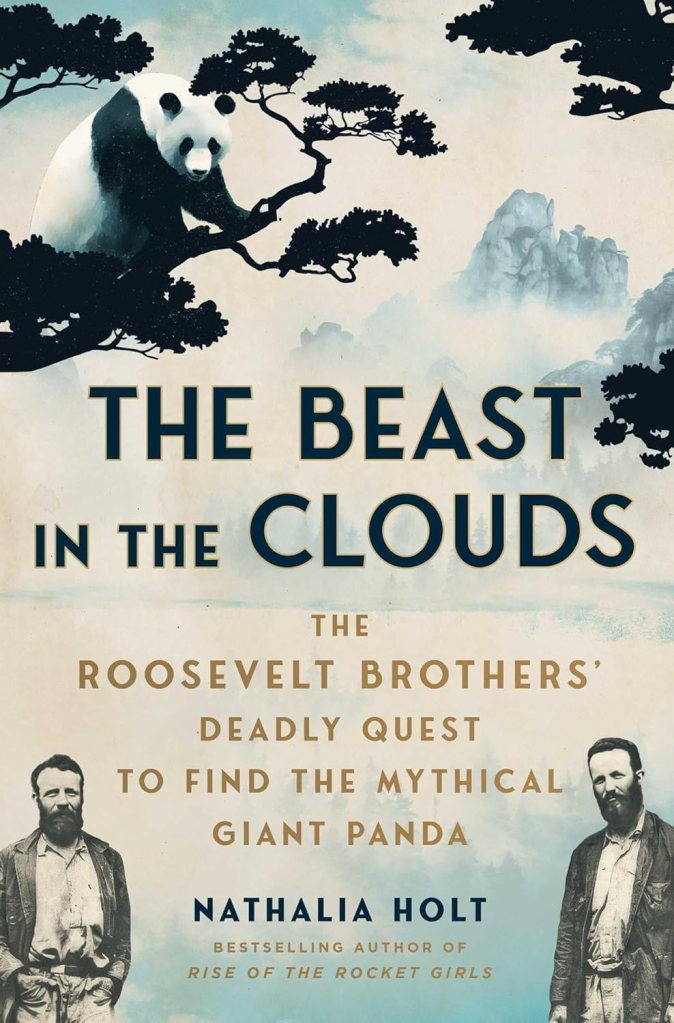
The Beast in the Clouds: The Roosevelt Brothers’ Deadly Quest to Find the Mythical Giant Panda by Nathalia Holt (2025)

Can you imagine a world in which people think pandas are imaginary creatures? Apparently, it was only a century ago. This book chronicles the sons of Teddy Roosevelt (who lent his name to a different type of bear) as they explored the Himalayan mountains in search of this very real animal.

Related read:

Every Living Thing: The Great and Deadly Race to Know All Life by Jason Roberts (2024)

You’ve probably heard of Carl Linnaeus, one of the most famous Enlightenment-era catalogers of the natural world. But have you heard of mathematician and fellow naturalist Georges-Louis Leclerc, Comte de Buffon? There are reasons for one man’s obscurity and the other’s fame, Roberts argues, including the convenience of Linnaeus’ theories of racial hierarchies and Leclerc’s aristocratic status (probably not the best thing to be in 1780s France).

If you’re fascinated by architecture and buildings:

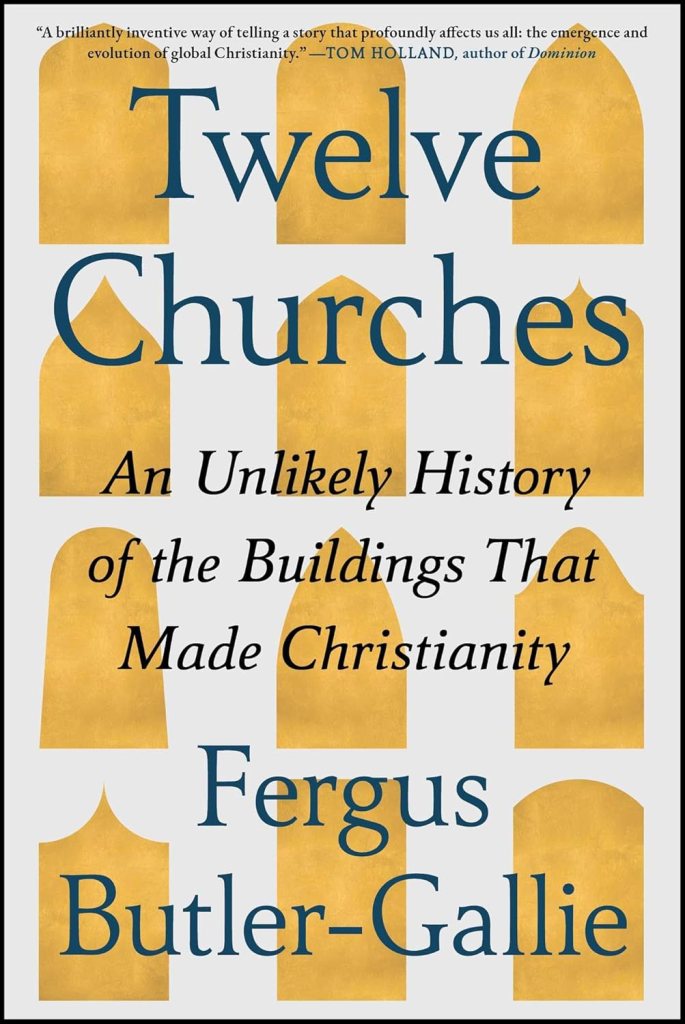
Twelve Churches: An Unlikely History of the Buildings That Made Christianity by Fergus Butler-Gallie (2025)

Butler-Gallie presents a fun and often funny history of the world’s largest religion by focusing on twelve buildings in particular. You’ll visit an amazing church complex in Ethiopia that was carved into volcanic rock with medieval tools, Japan at the cusp of its isolationist Edo period, and the site of a tragic bombing during the Civil Rights movement. Religion is a fascinating way to view world history, and this book has something for everyone regardless of your personal faith.

Related read:

The Bookshop: A History of the American Bookstore by Evan Friss (2024)

From the publisher: “Evan Friss’s history of the bookshop draws on oral histories, archival collections, municipal records, diaries, letters, catalogs, and interviews with leading booksellers to offer a fascinating look at this institution beloved by so many–not just as a merchant, but as a gathering place for like-minded people who cherish books.”

If you held onto your science textbooks from college:

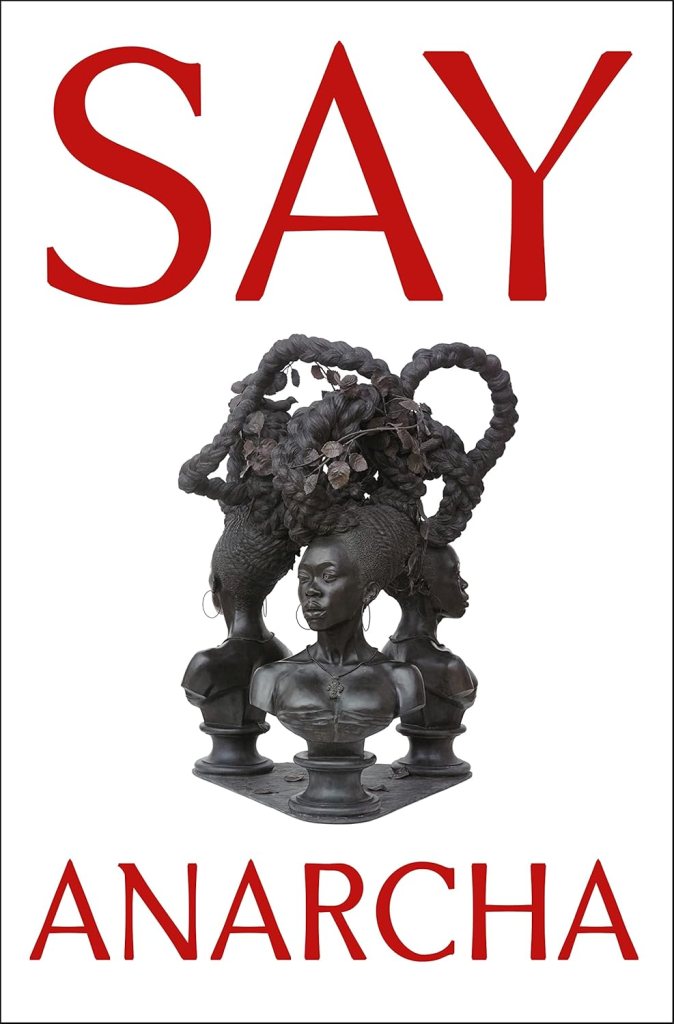
Say Anarcha: A Young Woman, a Devious Surgeon, and the Harrowing Birth of Modern Women’s Health by J. C. Hallman (2023)

If you enjoyed Rebecca Skloot’s The Immortal Life of Henrietta Lacks or the many fistulas in Mary Roach’s Gulp, then this one is for you. Modern gynecology and obstetrics are relatively recent innovations, and their development was due to experimentation on poor and enslaved women, such as Anarcha. This books covers what we know about her, including her life beyond the operating table.

Related read: 

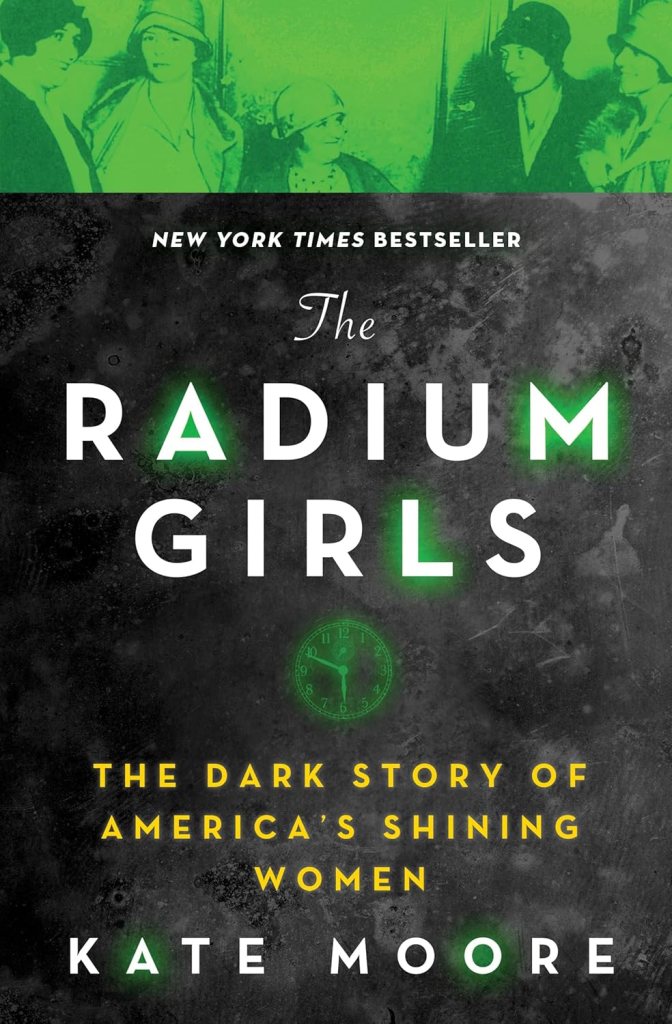
The Radium Girls: The Dark Story of America’s Shining Women by Kate Moore (2017)

Imagine you’re a young woman who just found a great-paying job painting glowing watch faces in Waterbury. Now, imagine you and your coworkers start getting too sick to work – and your employers try to paint you as a promiscuous partier. This is the horrifying true story of the radium girls, factory workers in the early 20th century who were exposed to radioactive material while business owners looked the other way. It’s also the story of the uphill battle for worker protections and safety standards.

And another one just for fun:

A People’s History of the United States by Howard Zinn (1980)

Instead of a triumphant story of great mens’ achievements, Zinn’s history looks at everyday people, such as workers in early factories, immigrants, women, native Americans, slaves, and servants – those whose exploitation arguably fueled the power of those great figures. It’s been republished several times since its release in 1980, and it has influenced hundreds of works (including titles on this list) that take a more critical look at our national narratives.

Serial Solving

I never know what I’ll read next. What ever sparks my interest, either by title, by book cover, or by subject. I have no special direction or particular interest, but if I found one book on a subject interesting, I’m far more likely to read another on the subject, or by the same author.  Hence I’ve read an inordinate amount of books on Ebola, fast fashion, tea, books on the making of various movies, and, well, serial killers.

We know the names. Son of Sam. Ted Bundy. Green River Killer. BTK Killer. Long Island Killer. 

I have no fascination with them, find most of them repellent and frightening beyond description, and did not shed a tear when Jeffery Dahmer died in prison, but I find the psychological processes and forensics involved in tracking them down utterly intriguing. The science end, not the murder end. And there is SO much to be fascinated about. 

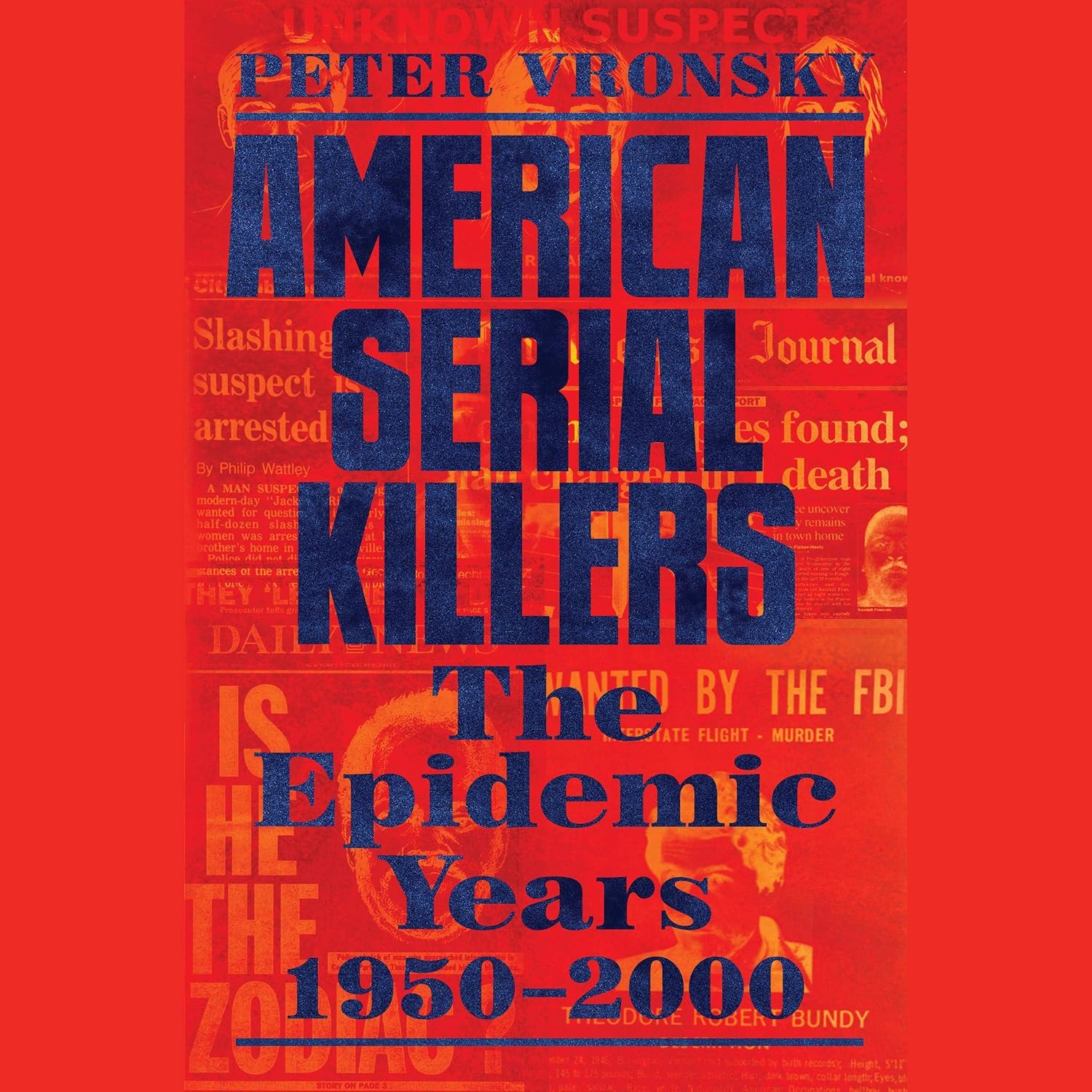
Most recently, I read the book American Serial Killers: The Epidemic Years, by Peter Vronsky, and I was blown away by the premise. America – which has more serial killers than any other country (well, that are reported and connected. Other countries have mass murders by corrupt governments, so maybe we’re better off) – had a major epidemic of serial killers (those that intermittently kill more than three people, as opposed to a spree all at once) from around 1970 to the mid 1990’s – more than 600 a year, and then it tapered off sharply. Why? Why did we have terrible trails of serial murders for 25 or 30 years, and then few?  Vronsky makes a very strong, documented  case for the fact that most of these killers were born in the late 40’s and early 50’s (25 or 30 by 1975) and their fathers fought in World War II. Vronsky documents that many of these fathers came back damaged from the war – PTSD, violent, depressed, alcoholic, received no help, and were unable to nurture their children. These boys – coming of age with violent sex images in men’s magazines, pulp fiction novels, and comics – grew up with attachment issues, poor self-image, and violent fantasies about sex, which they slowly began to work up the nerve to carry out. Why did things taper off? Most of those killers were either dead, in prison for other crimes, or had worn themselves out and were living a quiet life until something might trigger them again, unknown to their neighbors. Vietnam Vets received more services than soldiers in the 40’s, there was more public support, it wasn’t as big a deal to divorce a man, and those children did not have the same issues their grandfathers did. Those children of Vietnam vets would have been 25-30 in 1990-95 – years when serial killers were in decline.

Another utterly fascinating book – one that sent me down a long, long wormhole of research – is Barbara Rae-Venter’s I Know Who You Are: How an Amateur DNA Sleuth Unmasked the Golden State Killer and Changed Crime Fighting Forever. The Golden State Killer was alleged to have killed 13 people and committed more than 50 rapes across California between 1974-1986. Because police departments didn’t talk to each other or share information, no one was ever able to piece together all the information. Enter Rae-Venter. Rae-Venter spent her days helping people trace their genealogy and find their families using her home computer. Asked if she could do the same for a suspect, Rae-Venter needed 63 days and $200 to make a genetic profile of the killer from her dining room – something 30 years and $10 million of taxpayer money had never been able to do, leading directly to the apprehension of the killer. Since Rae-Venter, a huge number of backlogged, dead-end cases have been solved and cleared (like the Long Island Killer) due to the methods she used.

Spurred on by her methods, I fell down a rabbit-hole of genealogical research, aided by ancestry.com (free at the library), and in a week was able to trace my mother’s ancestry back 12 generations, connect some gaps, discover my grandmother had an older sister we never heard of (probably because she died at 5 months), and my grandmother’s younger sister was four when she died, not the two my grandmother remembered. Sometimes books are dangerous!

Through both of these books, several names kept popping up, and I realized I’d already read books by both men. John Douglas was the first real FBI criminal profiler, starting in the 1980’s, creating many of the procedures we use today. His book, Mindhunter, chronicles how he began, in a time where every department wanted the glory of solving the case, and thus no one ever shared information, and no one ever solved the cases. 

Unmasked: My Life Solving America’s Cold Cases by Paul Holes, is another. Holes learned the business under Douglas, pursuing cold-case investigations from the 1990’s into the 2000’s.  Some of the cold cases that perplexed them the most and they were never able to solve were later solved by Barbara Rae-Venter’s methods, like the Long Island Killer and the Golden State Killer.

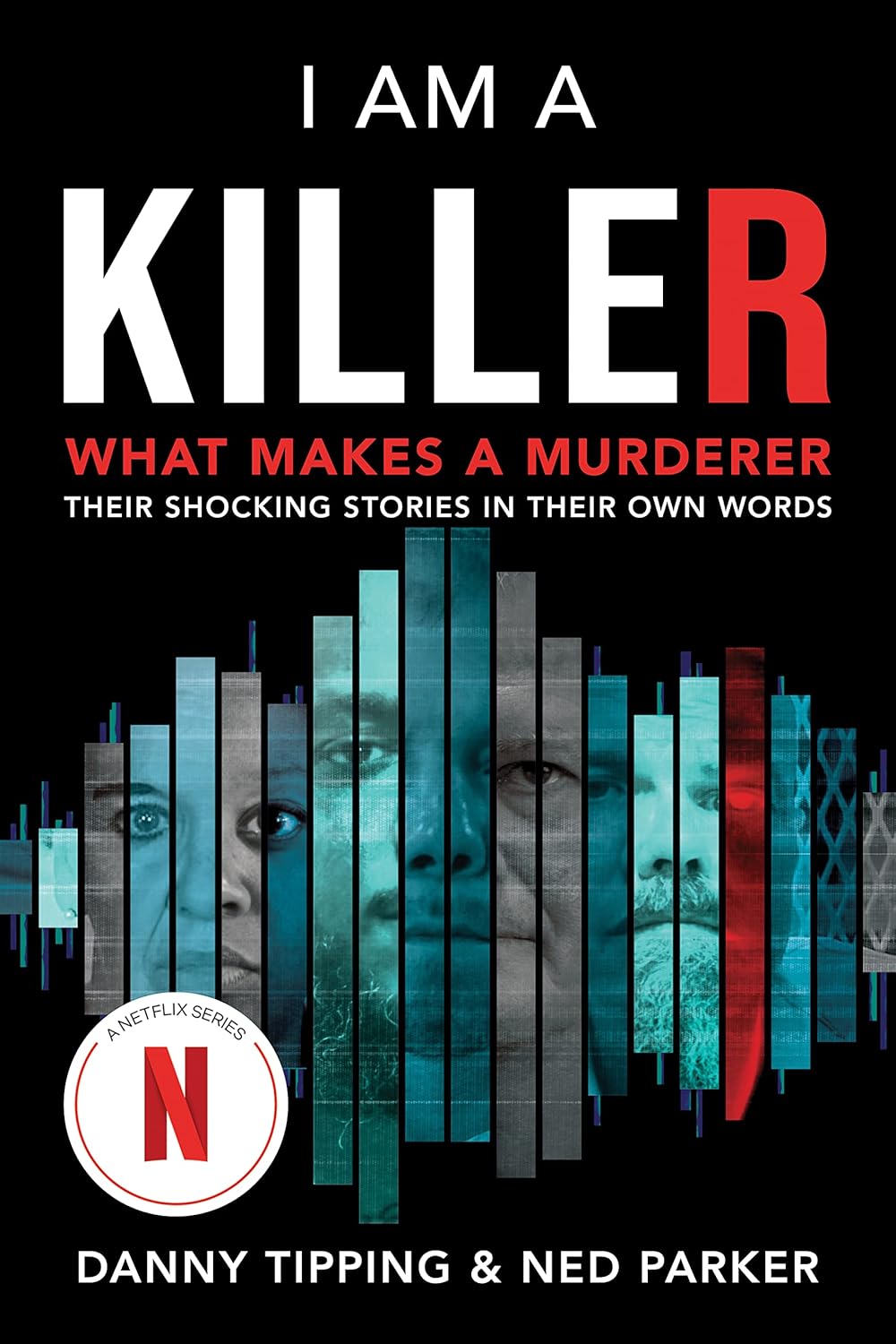
If you don’t care so much about crime but like psychology and sociology, and want to find out why people kill, try I Am a Killer, by Danny Tipping.  It’s a sad book that dwells on the murderers and not so much the crime. Time after time, the horrific backgrounds of these killers are revealed (one father, to hide the bruises and welts on his kid when Social Services was coming, tied him to a mattress, poured lighter fluid on him, and set his back on fire). Many did not deserve the sentences they received, responding to unimaginable abuse. There are no winners in this book. 

Though he technically didn’t kill anyone, if you want local flavor, read Incendiary: The Psychiatrist, The Mad Bomber, and the Invention of Criminal Profiling, by Michael Cannell. Many people claim to have invented criminal profiling, but this was an early case. In the 1940’s, a bomber went around exploding devices all over New York City, then teasing the police through letters. After twenty years, he was determined to be George Metesky – from Waterbury, Connecticut, and the criminal profiling was eerily correct.

If you like crime stories and investigations, these are excellent books. If you like psychology and deviant behavior, these are also excellent books. The difficult part is that they had to be written at all.

Optimism for Earth Day

I’d say I think about death more than your average sub-40-year-old. I could blame my high school English teacher for introducing me to existentialist thinker Albert Camus, or childhood Don Bluth films, but I probably just came out this way. Saying somebody “passed” feels strange in my mouth, inaccurate, as if the total and unequivocal departure from this plane of existence is akin to expelling a kidney stone. When I was pregnant, instead of choosing color palettes for a nursery like many expectant mothers, I went shopping for life insurance and wrote detailed directions for the disposal of my body (with relevant phone numbers).

“This is a great start to a post about optimism,” you might be thinking. But my acute awareness of mortality isn’t a pool I sit and wallow in. Instead, it spurs me to use my brief time to make a positive impact in this world. That’s how I feel about climate change. We’re inundated with data on warming temperatures, declining wildlife populations, more frequent severe weather events. We could collectively sit and wallow in a pool of doom. Or, we can arm ourselves with hope, draw up an imperfect plan of action, and try our best to leave whatever mark we can in the time we have.

If you’re stuck in the doom-pool and need some help, let one of these books be a hand extended to pull you out.

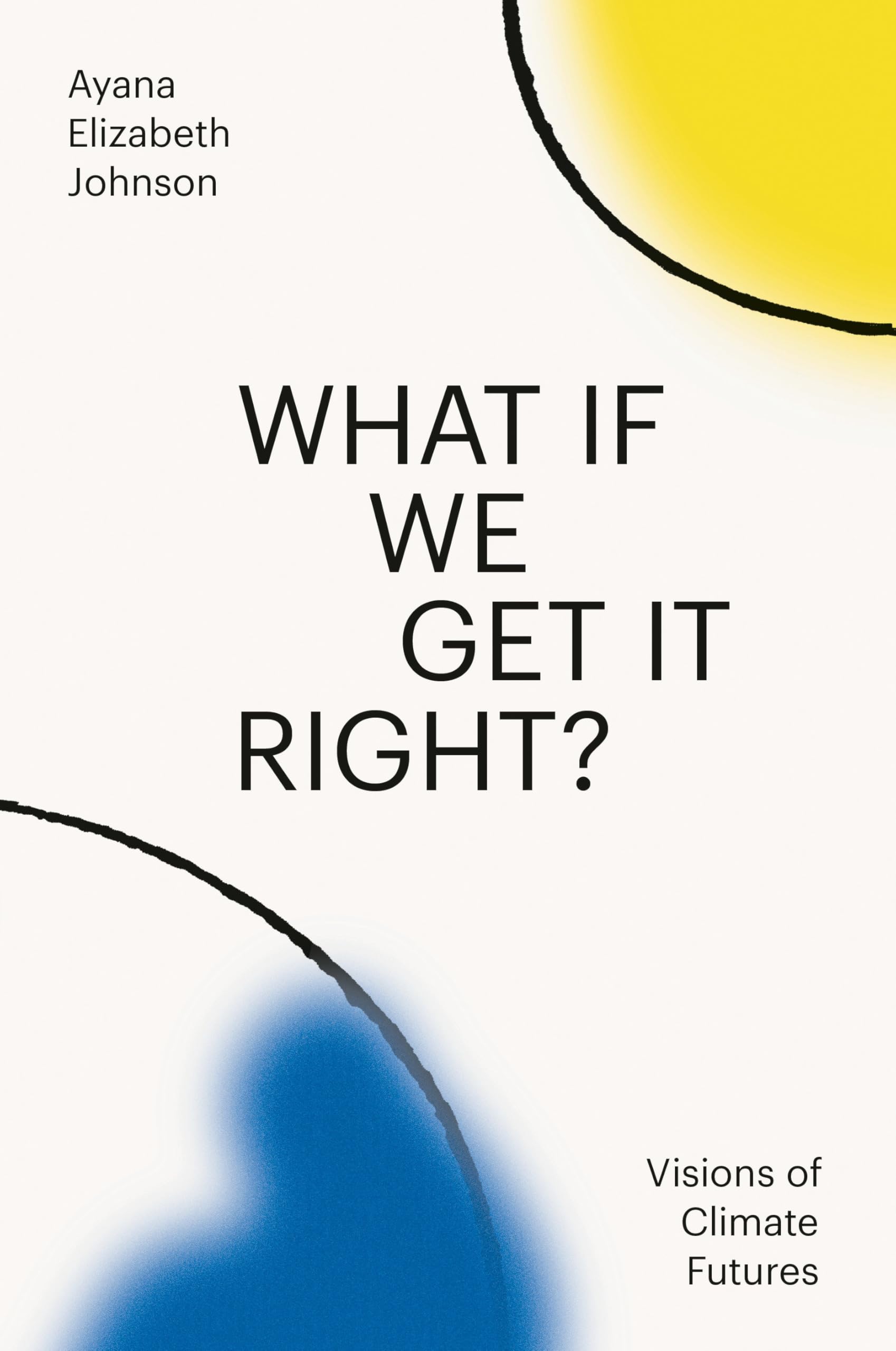
What If We Get It Right?: Visions of Climate Futures by Ayana Elizabeth Johnson (2024)


In the throes of the terrible summer of 2020, a tiny bright spot emerged: How to Save a Planet, a cheery podcast that discussed tangible solutions to the problem of climate change. The podcast and its parent company were swallowed up and digested by Spotify, but biologist and policy wonk Ayana Elizabeth Johnson continues to spread the gospel of actionable solutions, most recently in this book.

Saving Us: A Climate Scientist’s Case for Hope and Healing in a Divided World by Katharine Hayhoe (2021)


We all have a stake in the health of our planet. Instead of assailing you with facts about why you need to act on climate issues, Hayhoe gives you strategies to help you start conversations with almost anyone who isn’t on board (yet).

Cheaper, Faster, Better: How We’ll Win the Climate War by Tom Steyer (2024)


Streyer is excited about the future of clean energy, to the point where he left a lucrative job at an investment fund to start – well, another investment fund, but one dedicated to climate solutions. You’ll learn how investors, inventors, and entrepreneurs are harnessing the power of capitalism for the good of the planet.

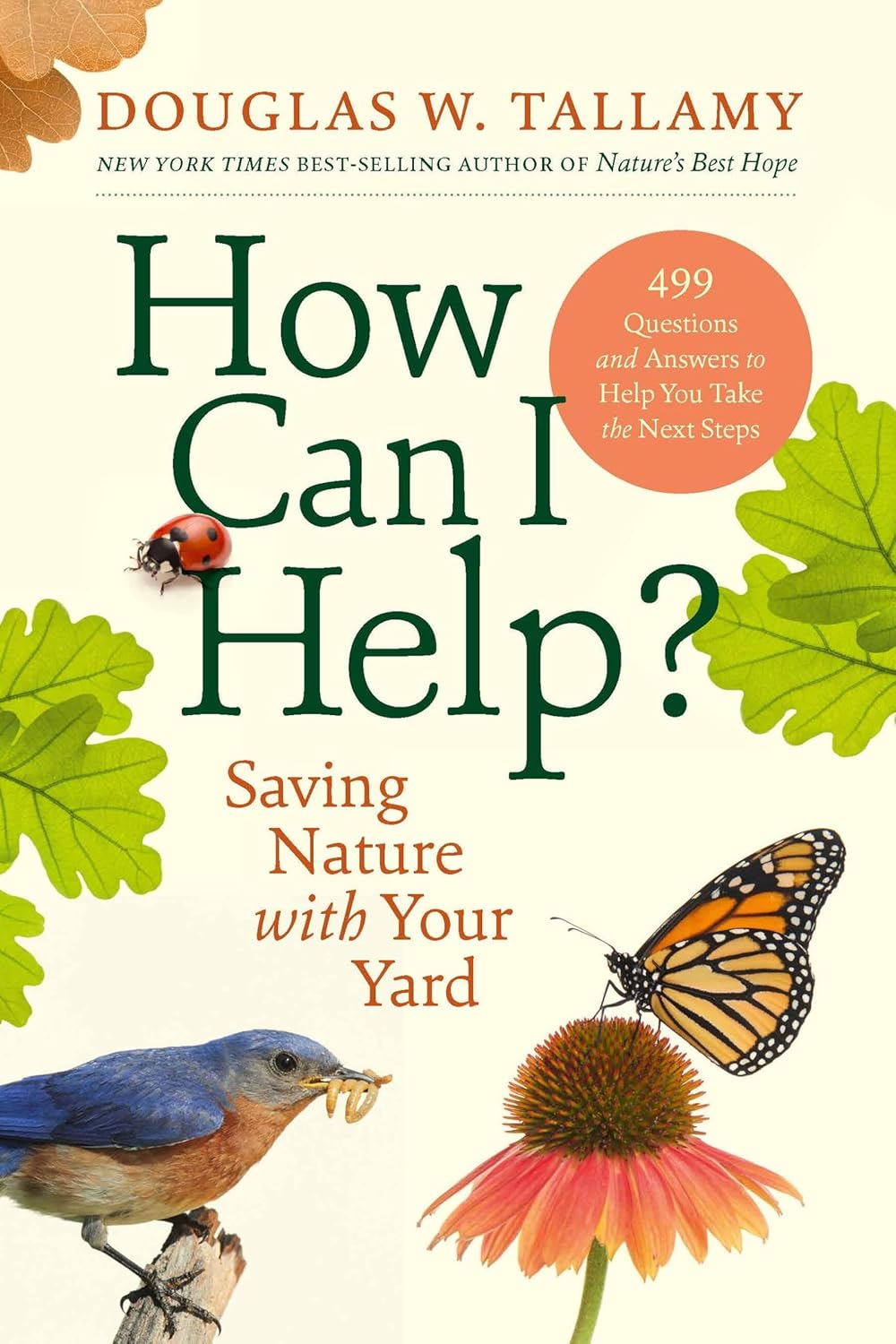
How Can I Help?: Saving Nature with Your Yard by Douglas Tallamy (2025)


Stand on the corner of gardening and conservation long enough, and you’ll run into Doug Tallamy. He’s published on the importance of native plants and the virtues of oak trees. His newest book gives property owners and gardeners a host of actions that they can take in their own yard to help the environment.

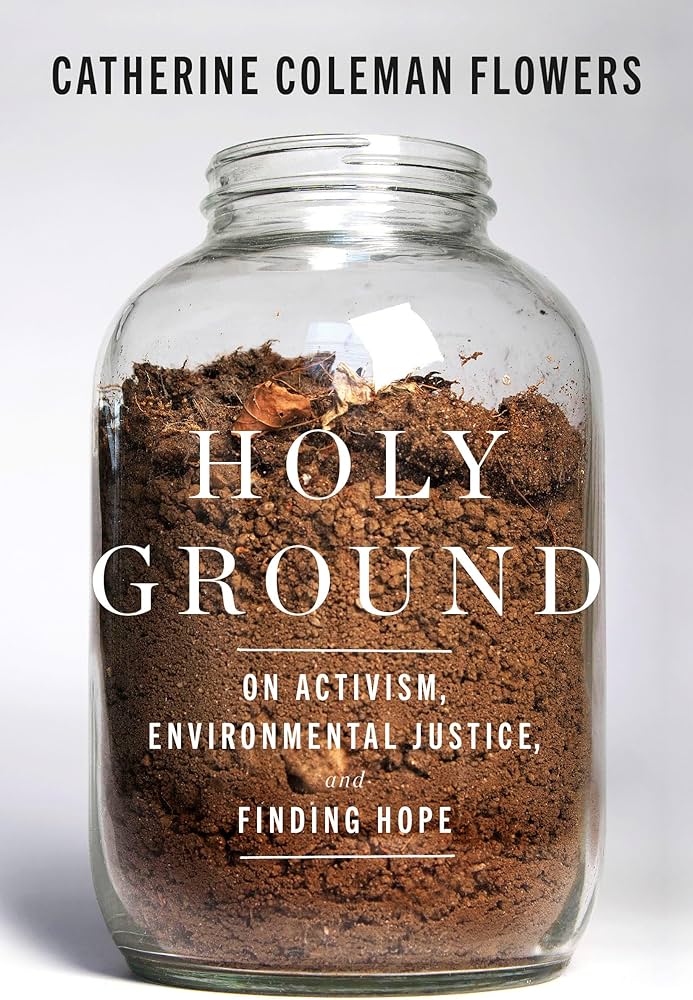
Holy Ground: On Activism, Environmental Justice, and Finding Hope by Catherine Coleman Flowers (2025)


Flowers advocates for the rural poor in areas where a lack of infrastructure, paired with climate change-related flooding, makes it difficult for families to access sanitary water. This book is a series of essays on her work and personal experiences with environmental and racial justice, and it’s an inspiration for others to join in the fight for a safer, healthier future for our neighbors.

Hope Dies Last: Visionary People Across the World, Fighting to Find Us a Future by Alan Weisman (2025)


Previous books in the list have looked at specific solutions and people, but Weisman’s upcoming book (which conveniently comes out right on Earth Day) takes a wider approach to see what the fight against climate change means for us as human beings. He talks with architects, scientists, artists, and religious leaders to ultimately paint a portrait of hope.

Islands of Abandonment: Nature Rebounding in the Post-Human Landscape by Cal Flyn (2021)


Years ago, in the middle of a long hike in the Sierra Nevada mountain range, I looked down at the rocks beneath my feet and realized I would be very happy if, many thousands or millions of years from now, the elements in my body were to become part of a rock underneath a foot as someone or something moved through a beautiful place. Everything alive is going to die. But nature and the processes of the physical world will go on. In Scotland, rare flowers grow on a heap of 19th century waste. Elk and wolves wander the irradiated exclusion zone around Chernobyl. With beautiful prose, this book travels to places ravaged by war, pollution, and human-made disaster to show how life continues in our absence. With or without us, Earth will eventually heal itself, and I find that deeply comforting.

Put Some Alto in Your Voice: New Books About Women Who Wouldn’t Be Quiet

Maybe I should have been a scientist.

I mean, setting aside that my library degree has the word “science” in it, I could have been very happy with the hard stuff like biology and physics. My recent reading of Adam Higginbotham’s Challenger has me considering a parallel life as an engineer designing parts for the aerospace industry. Hope Jahren’s Lab Girl brought me back to college anatomy and physiology, which I took for fun. What self-respecting English major memorizes squamous cells and zygomatic processes for fun? And why didn’t I pursue this thing that obviously called to me?

Answer: literature and the arts simply sat closer and sang louder. We had lots of books at home, but the mystery of a story’s meaning or a certain chord or color called to me more than the mystery of what existed in outer space or beneath the soil. By the time I was thinking about my future, I could more easily conceptualize myself creating worlds than uncovering the world that already existed. But, if I ever change my mind and decide to implode my professional life, it’s easy enough to channel Suzanne Simard and fill out an application for forestry school.

Many women in history never had the benefit of choice that I do, the ability to see a path beyond their sex. Their dreams – if they were even allowed to dream – were crushed because women weren’t supposed to be scientists, or run businesses, or be leaders and advocates. They were supposed to keep quiet. Well, for this Women’s History Month, I’m sharing some brand new books about women that put some alto in their voice and let themselves be heard.

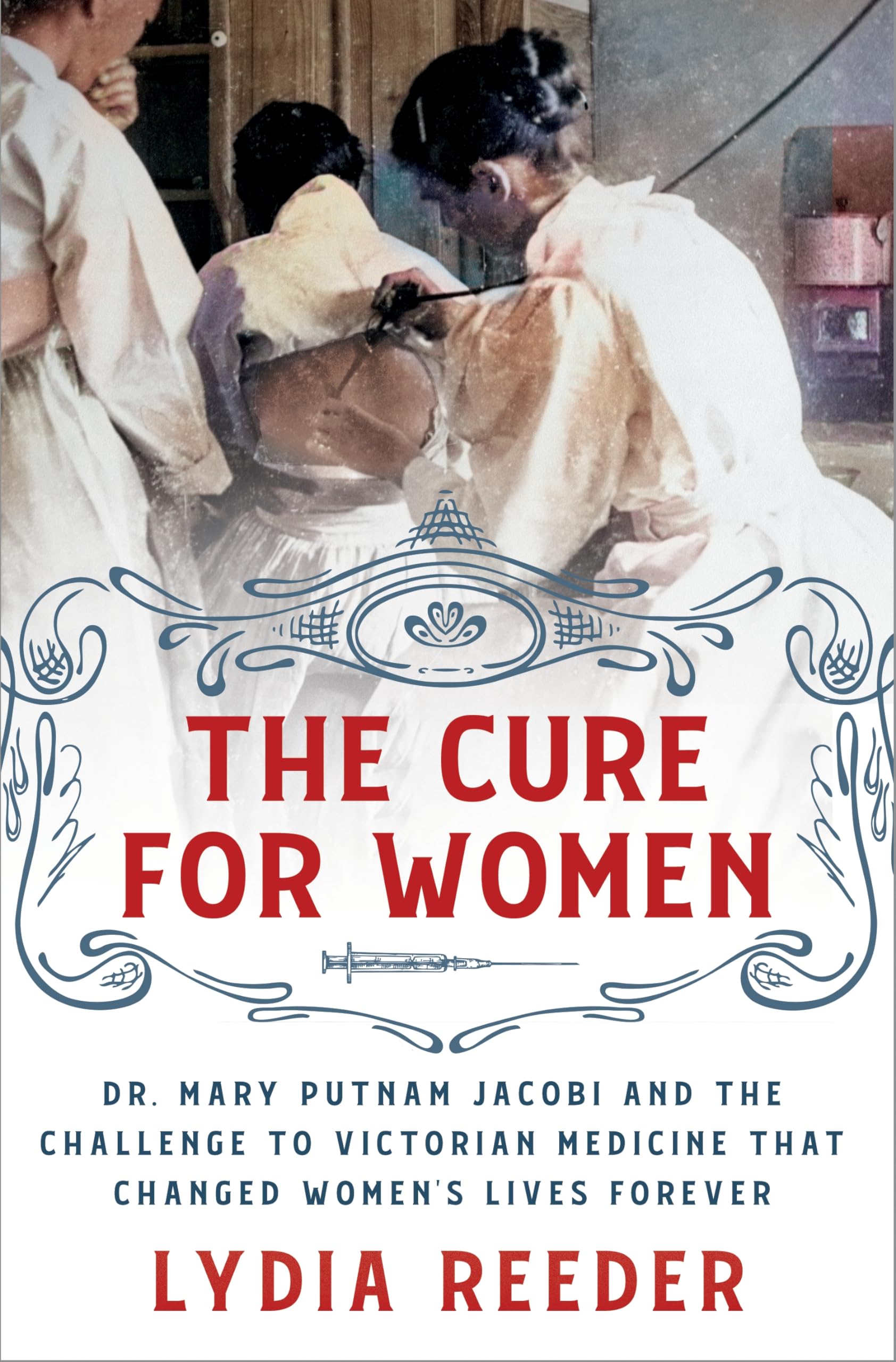
The Cure for Women: Dr. Mary Putnam Jacobi and the Challenge to Victorian Medicine That Changed Women’s Lives Forever by Lydia Reeder (2024)


After Elizabeth Blackwell became the first woman to graduate from medical school, more women demanded a chance to study medicine. Their success spurred a chilling backlash from male physicians who distorted Darwin’s evolution theory and proclaimed that women should never be allowed to attend college or enter a profession because their menstrual cycles made them perpetually sick. Into the midst of this turmoil marched Mary Putnam Jacobi, daughter of a New York publisher and the first woman to be accepted into the world-renowned Sorbonne medical school in Paris. Aided by other prominent women physicians and suffragists, Jacobi conducted the first-ever data-backed, scientific research on women’s reproductive biology. The results of her studies shook the foundations of medical science and higher education.

She-Wolves: The Untold History of Women on Wall Street by Paulina Bren (2024)


Award-winning historian Paulina Bren tells the story of the first generations of women who fought their way into the bad-boy culture and lavish opulence of the finance world. If the wolves of Wall Street made a show of their ferocity, the she-wolves did so with tough-as-nails persistence. Starting at a time when “No Ladies” signs hung across the doors of Wall Street’s clubs and unapologetic sexism and racism were the norm at top firms, Bren chronicles the remarkable women who demanded a seat at the table. She-Wolves is an engaging and enraging look at the collision of women, finance, and New York from the go-go years to ground zero.

American Poison: A Deadly Invention and the Woman Who Battled for Environmental Justice by Daniel Stone (2025)


The untold story of Alice Hamilton, a trailblazing doctor and public health activist who took on the booming auto industry—and the deadly invention of leaded gasoline, which would poison millions of people across America. Hamilton had New England connections, too – she attended Miss Porter’s Finishing School in Farmington, became the first woman faculty member of Harvard, and she retired to live out her days in Hadlyme, CT.

The Dragon from Chicago: The Untold Story of an American Reporter in Nazi Germany by Pamela D. Toler (2024)


Toler draws on extensive archival research to unearth the largely forgotten story of Sigrid Schultz’s years spent courageously reporting the news from Berlin, from the revolts of 1919 through the Nazi rise to power and Allied air raids over Berlin in 1941. At a time when women reporters rarely wrote front-page stories and her male colleagues saw a powerful unmarried woman as a “freak,” Schultz pulled back the curtain on how the Nazis misreported the news to their own people, and how they attempted to control the foreign press through bribery and threats.

Fearless and Free: A Memoir by Josephine Baker (2025)


Published in English for the first time, this is the memoir of the fabulous, rule-breaking, one-of-a-kind Josephine Baker. After stealing the spotlight as a teenaged Broadway performer during the height of the Harlem Renaissance, Josephine then took Paris by storm, dazzling audiences across the Roaring Twenties. When World War II broke out, Josephine became a decorated spy for the French Résistance. Her celebrity worked as her cover, as she hid spies in her entourage and secret messages in her costumes as she traveled. She later joined the Civil Rights movement in the US, boycotting segregated concert venues, and speaking at the March on Washington alongside Martin Luther King Jr.

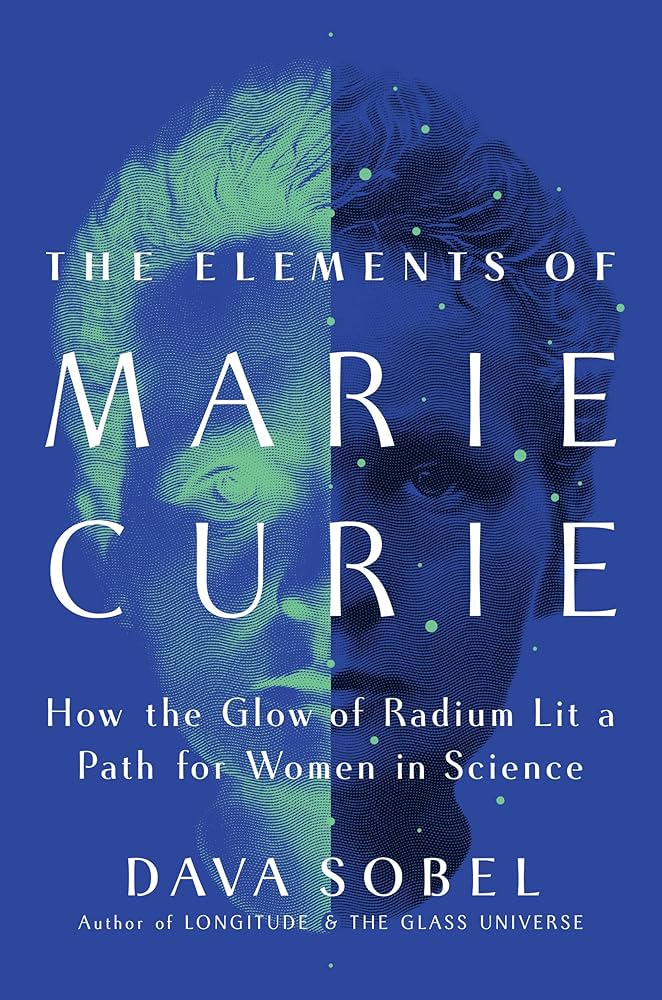
The Elements of Marie Curie: How the Glow of Radium Lit a Path for Women in Science by Dava Sobel (2024)


Dava Sobel approaches Marie Curie from a unique angle, narrating her remarkable life of discovery and fame alongside the women who became her legacy–from France’s Marguerite Perey and Norway’s Ellen Gleditsch to Mme. Curie’s elder daughter, Irène, winner of the 1935 Nobel Prize in Chemistry. For decades the only woman in the room at international scientific gatherings that probed new theories about the interior of the atom, Marie Curie traveled far and wide to share the secrets of radioactivity before her death at 66 from aplastic anemia.

Daughter of Daring: The Trick-riding, Train-leaping, Road-racing Life of Helen Gibson, Hollywood’s First Stuntwoman by Mallory O’Meara (2025)


Helen Gibson was a woman willing to do anything to give audiences a thrill. Advertised as “The Most Daring Actress in Pictures,” Helen emerged in the early days of the twentieth-century silent film scene as a rodeo rider, background actor, stunt double, and eventually one of the era’s biggest action stars. Her exploits on motorcycles, train cars, and horseback were as dangerous as they were glamorous, featured in hundreds of films and serials–yet her legacy was quickly overshadowed by the increasingly hypermasculine and male-dominated evolution of cinema in the decades that would follow her. Through the page-turning story of Helen’s pioneering legacy, Mallory O’Meara gives readers a glimpse of the Golden Age of Hollywood that could have been: an industry where women call the shots.

When Women Ran Fifth Avenue: Glamour and Power at the Dawn of American Fashion by Julie Satow (2024)


The twentieth century American department store: a palace of consumption where every wish could be met under one roof. It was a place where women, shopper and shopgirl alike, could stake out a newfound independence. In the 1930s, Hortense Odlum of Bonwit Teller came to her husband’s department store as a housewife tasked with attracting more shoppers like herself, and wound up running the company. Dorothy Shaver of Lord & Taylor championed American designers during World War II–before which US fashions were almost exclusively Parisian copies–becoming the first businesswoman to earn a $1 million salary. And in the 1960s Geraldine Stutz of Henri Bendel re-invented the look of the modern department store. This stylish account captures the department store in all its glitz, decadence, and fun, and showcases the women who made that beautifully curated world go round.

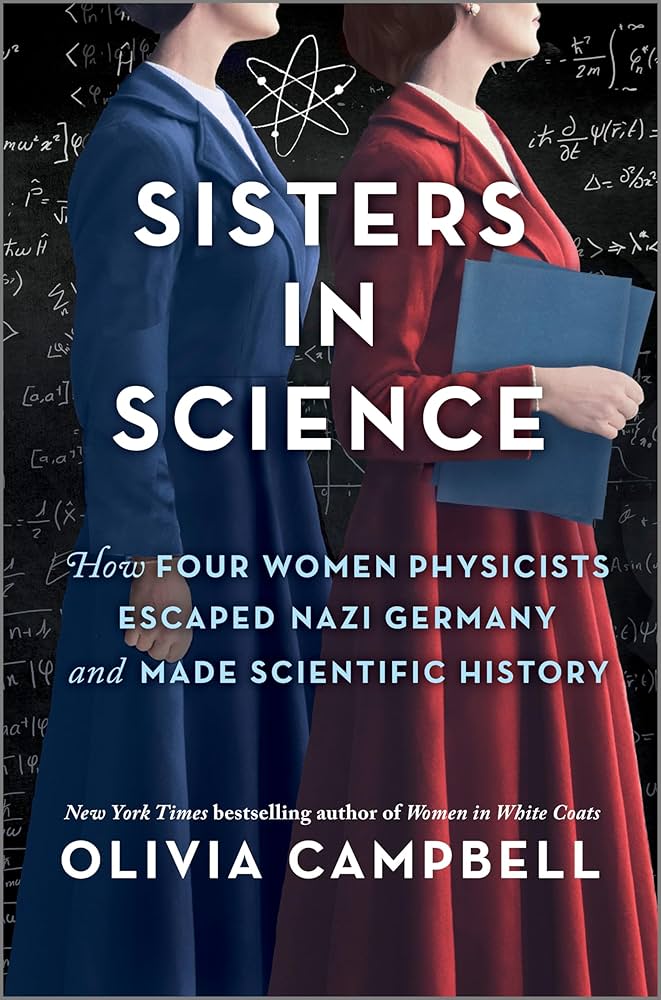
Sisters in Science: How Four Women Physicists Escaped Nazi Germany and Made Scientific History by Olivia Campbell (2024)


In the 1930s, Germany was a hotbed of scientific thought. But after the Nazis took power, physicists like Hedwig Kohn, Lise Meitner, Hertha Sponer, and Hildegard Stücklen had no choice but to flee due to their Jewish ancestry or anti-Nazi sentiments. Their harrowing journey out of Germany became a life-and-death situation that required herculean efforts of friends and other prominent scientists.

Plant Intelligence

For thousands of years, Man considered himself the only sentient being in the universe, the only one capable of higher thought, understanding, and language and communication.

We now know that isn’t true. Higher primates, such as gorillas and chimps, are certainly capable of learning not only their own forms of communication, but American Sign Language as well. Dogs, it turns out, are capable of understanding human language at the level of a three year old human child, with some breeds (like German Shepherds) able to differentiate up to a thousand different words. We know that octopi can perform complex tasks (of their own planning, nonetheless), recognize people, and have a functional IQ of about 40. Dolphins and whales have complex languages and not only communicate, but show empathy.

Hence, many people choose not to eat animals, and dine only on plants.

But what about plants? What about their feelings?

Plants? What does a plant know? Corn has ears, but that doesn’t mean it’s listening.

Turns out, plants know more than you think. Plants have been caught communicating in numerous ways, understand when danger is near, and sympathize with other plants.

Yes, really.

This communication is known as phytosemiotics. One way is through chemical signals. A wounded plant will give off a volatile chemical compound (something you can smell) that other plants can sense. The receiving plant can then roll up its leaves or lean away. That wonderful fresh-cut grass smell we love in the summer? Yeah, that’s a hundred thousand blades of grass screaming in agony and warning other plants to beware that something is damaging them. Plants also communicate through ultrasonics – noises above our hearing range but which can be detected and recorded on audio equipment (ultrasonic vibration of 20–105 kHz). Some of this may be due to tiny air bubbles being released due to chemicals triggered during stress. Trees, it turns out, communicate under the soil as well, using certain types of fungi in the dirt to communicate through their roots. Are they discussing algebra? No. But they can tell each other about dangers, or fresh rain, or the pain of bark beetles, and other plants can ‘arm’ themselves accordingly. Just the sound of insects chewing can cause plants to release chemicals that deter insects (caffeine, by the way, exists in plants as a natural insect repellent).

Perhaps the Druids were on to something, thanking plants for sacrificing their leaves.

If that’s not weird enough, plants – even those without ears – apparently respond to music. Sure, houseplant lovers will tell you they’ve always known this, but numerous studies have turned up actual results. As early as 1962, studies showed that plants exposed to classical music had a 20% growth increase and a 72% increase in biomass over controls. Violins gave the best result. This was repeated by a Canadian researcher, with 66% increase in wheat yields using Bach’s violin sonatas. Duckweed, a water plant, exposed to Bandri’s Purple Butterfly, five hours a day for seven days at 60-70 decibels, showed a 10% increase in leaf growth and a slightly higher protein content compared to silent plants. Roses love violin music. Heavy metal tends to induce stress. Devendra Varol of the Institute of Integrated Study in India found that plants can not only distinguish between genres of music, but also nature sounds and traffic noises.

Oh, those poor weeds on the highway!

And while you laugh and scoff, know that in 2004 the TV show MythBusters attempted similar experiments in seven greenhouses. In their experience, Death Metal produced the best growth, second was classical, and third was positive spoken words. The silent greenhouse had the worst growth.

How can this possibly be?

The best theory is that the vibration of music may aid plants in transporting their nutrients more efficiently, shaking things through faster. 

Next time you pull a carrot, remember those mandrakes in Harry Potter shrieking piteously when pulled from the pot.

In the meantime, check out these books on the wisdom of plants, and be kind to your root-footed friends!

Finding the Mother Tree by Suzanne Simard

The Serviceberry by Robin Wall Kimmerer

Listen to the Language of Trees by Tera Kelley

Aromatherapy Garden by Kathi Keville

Secret Wisdom of Nature by Peter Wohlleben

Flora by Helen Fewster

The Light Eaters by Zoe Schlanger

I Heard There Was a Secret Chord: Music as Medicine by Daniel Levitin

Healing at the Speed of Sound by Don Campbell

How Shostakovich changed my mind by Stephen Johnson

Violin Music:

Shatter Me by Lindsey Stirling

David Garrett by David Garret

Vivaldi for Dummies

The Ultimate Most Relaxing Mozart in the Universe