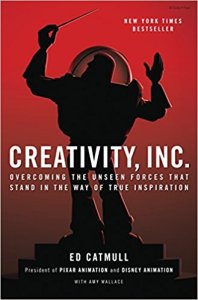
 Every once in a while you come across a book you would never attempt to read but for some stupid reason you do, and you are so thankful you did. This is one of those times.
While researching material on writing, I came across a recommendation for a book, and I kind of scratched my head. This was a book on business, and there was just no way I would read a book on business – my eyes would glaze in the first page, the same way they do if someone is talking actuarial tables or student loan forms. What could such a book have to do with writing? It just so happened the library had a copy I was able to grab. And that book, despite being a couple of years old (2014), is the best book I have read so far this year.
Creativity, Inc. is written by Ed Catmull, who was part of the driving force behind Pixar Studios, the film company known for making ground-breaking and award-winning (and record-breaking, with more than 14 Billion dollars in revenue) animated films, such as Toy Story, Monsters,Inc, A Bug’s Life, and more. When Pixar and Disney merged in 2006, he applied his same priciples to the flagging animation department at Disney, who hadn’t had a hit in 16 years. Disney shot right back up with films like Wall-E, Cars, Incredibles, Coco, Brave, etc. To read this book is to relive the last 30 years of animated film making. If it’s not a walk down memory lane for your childhood, it is a reminder of all the wonderful films you saw with your children. If you haven’t enjoyed any of them, run and grab one today.
 What is Catmull’s secret? Of course a strong bottom line is what investors want, and Catmull agrees, but he refuses to allow the creativity of the artists to be stymied in any way. There are no superstars – not even preferred parking. Everyone from the janitor to the lunch lady to the writer is allowed equal – respected – input. Employees are encouraged to do what it takes to keep happy and relaxed, because happy employees are productive employees. They are encouraged to take time for classes offered at work – art, archery, whatever. If they are producing a film in Africa, a team of writers and artists will take a field trip to Africa and experience what they are trying to portray. Films, from first idea pitch to final cut – are brought up for constant, honest review, where the ensemble team toss ideas off each other about the work, good or bad, and the film may take a twist for the better from it. Every artist is respected every step of the way. Written into the contracts is a proviso that if a film reaches a certain amount of return, a portion of that is given to the employees as a bonus.
Needless to say, Pixar and Disney Animation staff are happy to go to work.
So, how did that all relate to writing?
Remember that movies start as stories. Someone has to write them before they can be filmed. By keeping an atmosphere that encourages creativity, no matter how odd (come on – talking cars? Emotions? Bugs? A rat who likes to cook? ), by immersing yourself in a creative environment, by learning to take constructive criticism without imploding, you become a better writer. A writer needs feedback as they develop ideas, as they write the ideas, as they polish their ideas into a final copy.
This book was a joy to read. Grab it, read it, whether you’re looking for a business model to follow, as a manager looking to improve productivity, as an artist looking for appreciation, as a movie person wanting to know more about Pixar and Disney films. It’s all there.



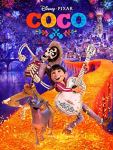
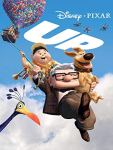
Be amazed at the process, and then check out one of the masterpieces Catmull’s presided over. Wall-E, Coco and Up are perfect for adults!
The Incredibles – Ratatouille – Cars – Shorts – Finding Dory – Wall-E
Inside Out – Brave – Monsters, Inc – Toy Story – Coco – Up
 The world of
  Her novels centered around two main themes
 Le Guin
 Vonda McIntyre
 My final recommendation
 its core,

 the board and keeping track of piles of colorful money never really engaged me. In reality, I spent the next three hours curing diseases in Pandemic, creating train tracks that spread the globe in Ticket to Ride, and trading spices in Century: Spice Roads. I was floored that board games had evolved so much since I had played as a kid, the art was more engaging, the stories richer, and the play more involved. In the months following this revelation I’ve added over thirty board games to my list, and I’ve expanded my idea of what a board game can be.
 resources in a library that encourage community and collaboration. At a time when parents and educators are concerned about the rise in digital media and isolation, board games get people of different backgrounds engaging with each other across a table, solving problems, improving a number of practical skills, and having a good time. When you look at it that way, it’s no surprise that board games are a critical part of a libraries community, and a lifelong pursuit of learning.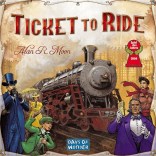

 Westerns are not my bag. They cover a very short piece of history (usually post-Civil War to the early 1900’s), they’re often trite, and too many of them bore me. You can run down a checklist for almost every one: Horse? Check. Damsel? Check. Angry Indian? Check. Sheriff? Check. Big shootout? Check.
 never seen the entire


 The Cheshire Library Blog