Serial Solving

I never know what I’ll read next. What ever sparks my interest, either by title, by book cover, or by subject. I have no special direction or particular interest, but if I found one book on a subject interesting, I’m far more likely to read another on the subject, or by the same author.  Hence I’ve read an inordinate amount of books on Ebola, fast fashion, tea, books on the making of various movies, and, well, serial killers.

We know the names. Son of Sam. Ted Bundy. Green River Killer. BTK Killer. Long Island Killer. 

I have no fascination with them, find most of them repellent and frightening beyond description, and did not shed a tear when Jeffery Dahmer died in prison, but I find the psychological processes and forensics involved in tracking them down utterly intriguing. The science end, not the murder end. And there is SO much to be fascinated about. 

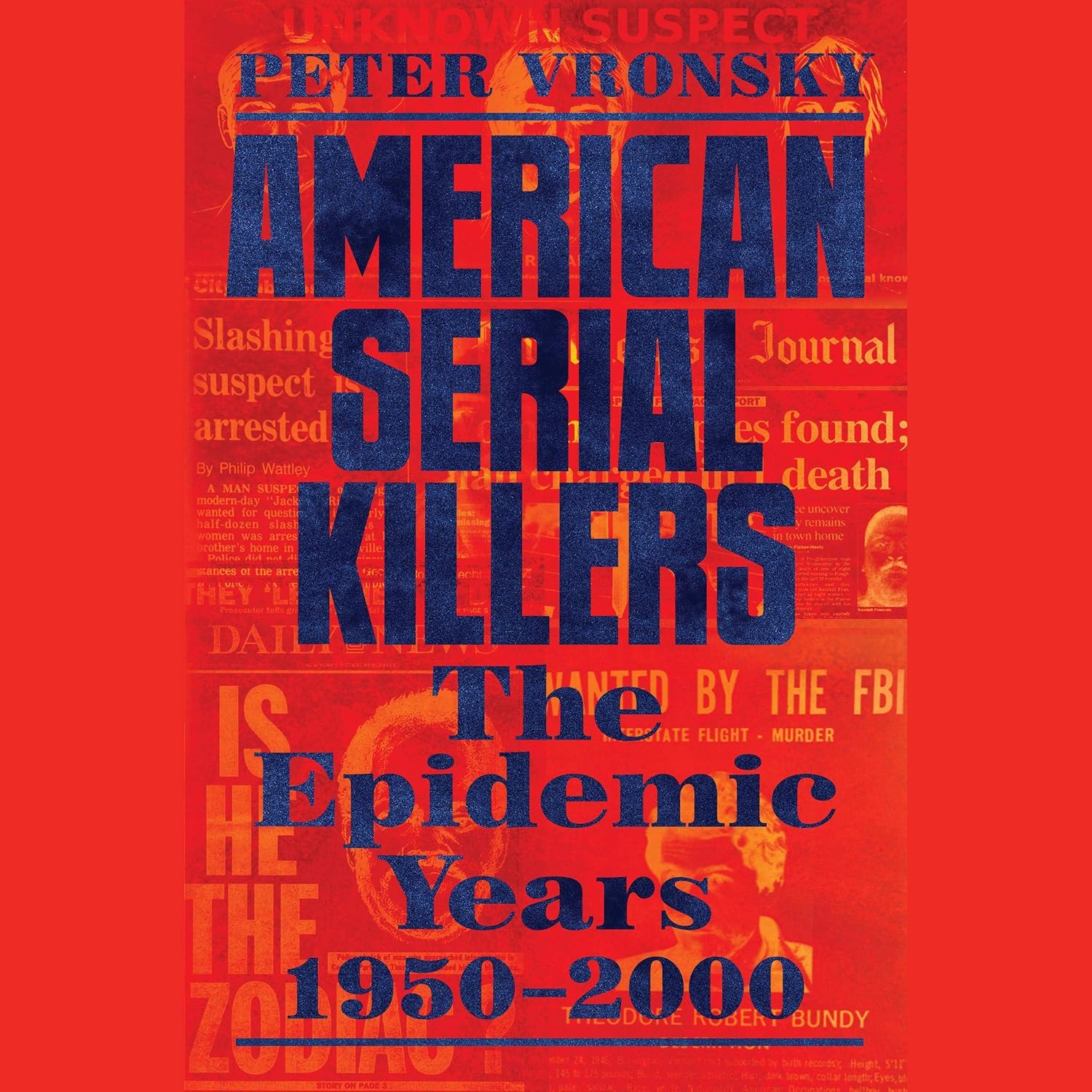
Most recently, I read the book American Serial Killers: The Epidemic Years, by Peter Vronsky, and I was blown away by the premise. America – which has more serial killers than any other country (well, that are reported and connected. Other countries have mass murders by corrupt governments, so maybe we’re better off) – had a major epidemic of serial killers (those that intermittently kill more than three people, as opposed to a spree all at once) from around 1970 to the mid 1990’s – more than 600 a year, and then it tapered off sharply. Why? Why did we have terrible trails of serial murders for 25 or 30 years, and then few?  Vronsky makes a very strong, documented  case for the fact that most of these killers were born in the late 40’s and early 50’s (25 or 30 by 1975) and their fathers fought in World War II. Vronsky documents that many of these fathers came back damaged from the war – PTSD, violent, depressed, alcoholic, received no help, and were unable to nurture their children. These boys – coming of age with violent sex images in men’s magazines, pulp fiction novels, and comics – grew up with attachment issues, poor self-image, and violent fantasies about sex, which they slowly began to work up the nerve to carry out. Why did things taper off? Most of those killers were either dead, in prison for other crimes, or had worn themselves out and were living a quiet life until something might trigger them again, unknown to their neighbors. Vietnam Vets received more services than soldiers in the 40’s, there was more public support, it wasn’t as big a deal to divorce a man, and those children did not have the same issues their grandfathers did. Those children of Vietnam vets would have been 25-30 in 1990-95 – years when serial killers were in decline.

Another utterly fascinating book – one that sent me down a long, long wormhole of research – is Barbara Rae-Venter’s I Know Who You Are: How an Amateur DNA Sleuth Unmasked the Golden State Killer and Changed Crime Fighting Forever. The Golden State Killer was alleged to have killed 13 people and committed more than 50 rapes across California between 1974-1986. Because police departments didn’t talk to each other or share information, no one was ever able to piece together all the information. Enter Rae-Venter. Rae-Venter spent her days helping people trace their genealogy and find their families using her home computer. Asked if she could do the same for a suspect, Rae-Venter needed 63 days and $200 to make a genetic profile of the killer from her dining room – something 30 years and $10 million of taxpayer money had never been able to do, leading directly to the apprehension of the killer. Since Rae-Venter, a huge number of backlogged, dead-end cases have been solved and cleared (like the Long Island Killer) due to the methods she used.

Spurred on by her methods, I fell down a rabbit-hole of genealogical research, aided by ancestry.com (free at the library), and in a week was able to trace my mother’s ancestry back 12 generations, connect some gaps, discover my grandmother had an older sister we never heard of (probably because she died at 5 months), and my grandmother’s younger sister was four when she died, not the two my grandmother remembered. Sometimes books are dangerous!

Through both of these books, several names kept popping up, and I realized I’d already read books by both men. John Douglas was the first real FBI criminal profiler, starting in the 1980’s, creating many of the procedures we use today. His book, Mindhunter, chronicles how he began, in a time where every department wanted the glory of solving the case, and thus no one ever shared information, and no one ever solved the cases. 

Unmasked: My Life Solving America’s Cold Cases by Paul Holes, is another. Holes learned the business under Douglas, pursuing cold-case investigations from the 1990’s into the 2000’s.  Some of the cold cases that perplexed them the most and they were never able to solve were later solved by Barbara Rae-Venter’s methods, like the Long Island Killer and the Golden State Killer.

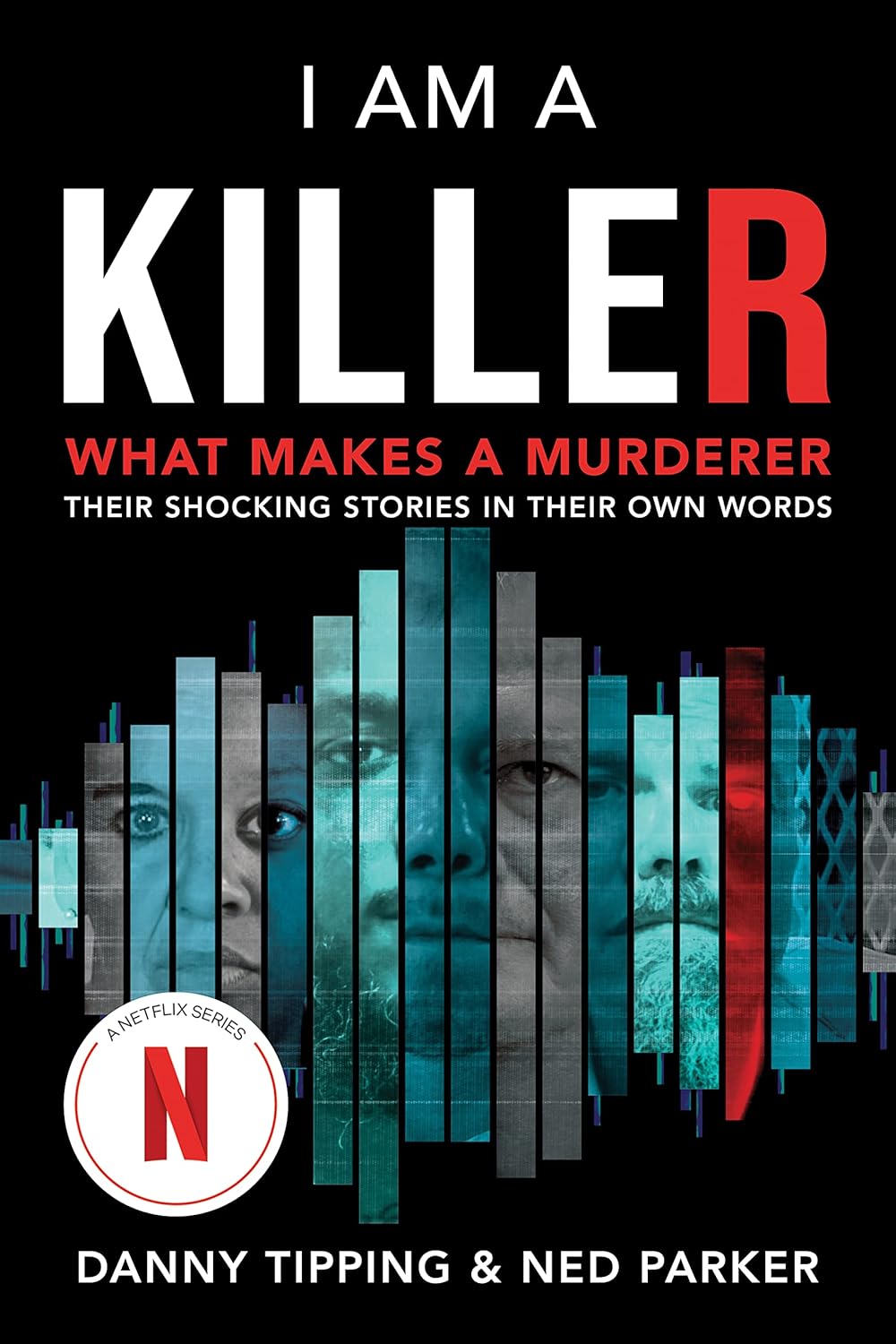
If you don’t care so much about crime but like psychology and sociology, and want to find out why people kill, try I Am a Killer, by Danny Tipping.  It’s a sad book that dwells on the murderers and not so much the crime. Time after time, the horrific backgrounds of these killers are revealed (one father, to hide the bruises and welts on his kid when Social Services was coming, tied him to a mattress, poured lighter fluid on him, and set his back on fire). Many did not deserve the sentences they received, responding to unimaginable abuse. There are no winners in this book. 

Though he technically didn’t kill anyone, if you want local flavor, read Incendiary: The Psychiatrist, The Mad Bomber, and the Invention of Criminal Profiling, by Michael Cannell. Many people claim to have invented criminal profiling, but this was an early case. In the 1940’s, a bomber went around exploding devices all over New York City, then teasing the police through letters. After twenty years, he was determined to be George Metesky – from Waterbury, Connecticut, and the criminal profiling was eerily correct.

If you like crime stories and investigations, these are excellent books. If you like psychology and deviant behavior, these are also excellent books. The difficult part is that they had to be written at all.

Books and Shows to Confirm Your Growing Technological Anxiety

“Have I told you all about the time that I got sucked into a hole through a handheld device?” asks the narrator of a song from the Arctic Monkeys’ 2018 album Tranquility Base Hotel and Casino. Technological ambivalence (or perhaps anxiety?) is a recurring theme. I can relate. I spend too many nights sitting down to unwind for just a few minutes, and somehow two hours pass by, during which I’ve clicked link after link on my phone while the dirty dishes sit neglected in the sink and my toddler’s toys are still strewn across every floor. If you’ve ever lost an evening of your life to Wikipedia or Youtube, or ever looked up from staring at a screen to wonder if you still have long-distance vision, you can relate, too. 

While I can’t give you advice on how to stop the vicious cycle of passive consumption – every time I delete a time-sucking app, I seem to replace it with another one – what I can do is suggest some slightly more cerebral time-killers to add to your queues. 

To Read/Listen to:

The Shallows: What the Internet Is Doing to Our Brains by Nicholas Carr 

As we enjoy the Internet’s bounties, are we sacrificing our ability to read and think deeply? The printed book served to focus our attention, promoting deep and creative thought. In contrast, the Internet encourages rapid, distracted sampling of small bits of information. As we become ever more adept at scanning and skimming, are we losing our capacity for concentration, contemplation, and reflection? 

The Anxious Generation: How the Great Rewiring of Childhood Is Causing an Epidemic of Mental Illness by Jonathan Haidt 

Social psychologist Jonathan Haidt lays out the facts about the epidemic of teen mental illness, then investigates the nature of childhood, including why children need play and independent exploration to mature into competent, thriving adults. Haidt shows how the “play-based childhood” began to decline in the 1980s, and how it was finally wiped out by the arrival of the “phone-based childhood” in the early 2010s. He presents more than a dozen mechanisms by which this “great rewiring of childhood” has interfered with children’s social and neurological development. Most important, he describes steps that parents, teachers, schools, tech companies, and governments can take to end the epidemic of mental illness and restore a more humane childhood. 

Fahrenheit 451 by Ray Bradbury

Many folks would point to Aldous Huxley’s Brave New World as fitting in best with this post’s theme, but those screen-covered parlor walls in front of which Mildred parks herself in Bradbury’s book-burning dystopia come to my mind more often than the Shakespeare-quoting John. Plus, Bradbury’s foretold degradation of the human attention span has supposedly come true. 

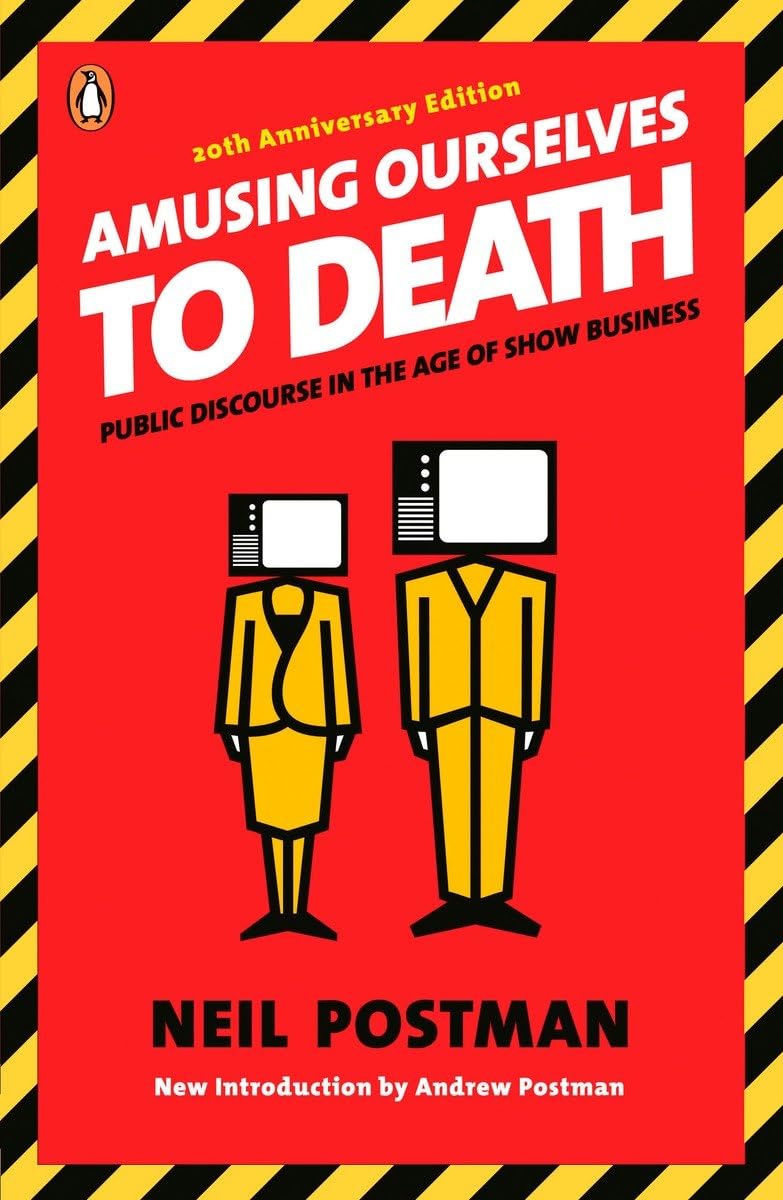
Amusing Ourselves to Death: Public Discourse in the Age of Show Business by Neil Postman 

It’s hard to believe this book is almost 40 years old, but the thesis is just as relevant now as it was back when Family Ties and 60 Minutes were among the top television shows. Postman posits that the visual medium of television has led to the decay of rational discourse by turning information into entertainment. On paper (or screen) it might sound like Postman is a technophobic curmudgeon, but one need only think back to how often misinformation under the guise of “news” has spread like wildfire via social media over the last ten years to see his point. 

Stolen Focus: Why You Can’t Pay Attention – And How to Think Deeply Again by Johann Hari 

Like so many of us, Johann Hari was finding that constantly switching from device to device and tab to tab was a diminishing and depressing way to live. So he went on an epic journey across the world to interview the leading experts on human attention – and he discovered that everything we think we know about this crisis is wrong. He introduces readers to Silicon Valley dissidents who learned to hack human attention, and veterinarians who diagnose dogs with ADHD. Crucially, Hari learned how we can reclaim our focus, if we are determined to fight for it. 

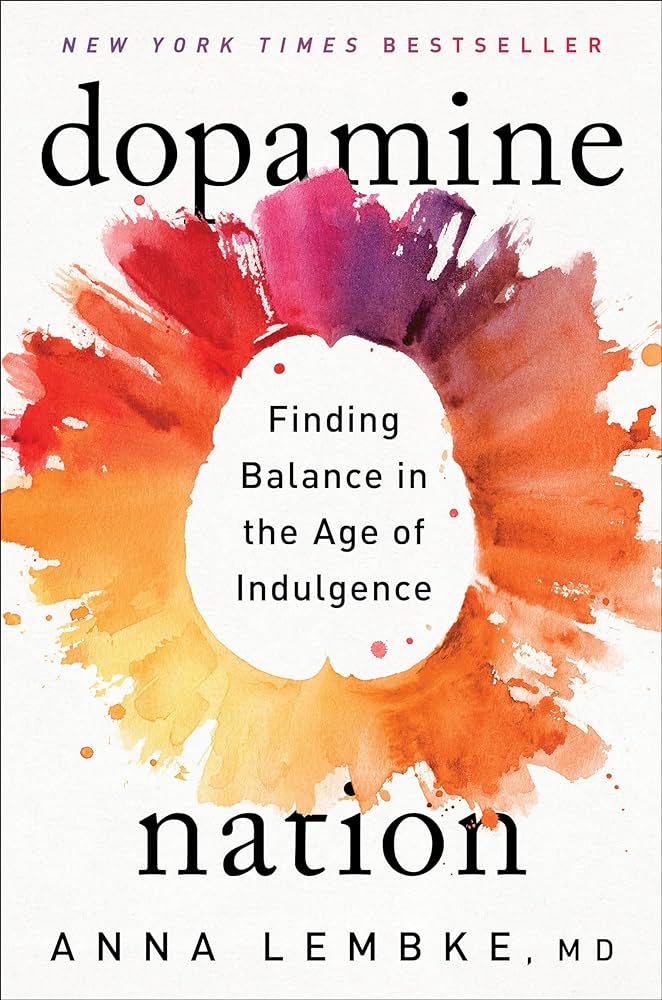
Dopamine Nation: Finding Balance in the Age of Indulgence by Anna Lembke 

This book is about pleasure. It’s also about pain. Most important, it’s about how to find the delicate balance between the two, and why now more than ever finding balance is essential. We’re living in a time of unprecedented access to high-reward, high-dopamine stimuli, and we’ve all become vulnerable to compulsive overconsumption. Dr. Anna Lembke, psychiatrist and author, explores the exciting new scientific discoveries that explain why the relentless pursuit of pleasure leads to pain . . . and what to do about it. 

To Watch:

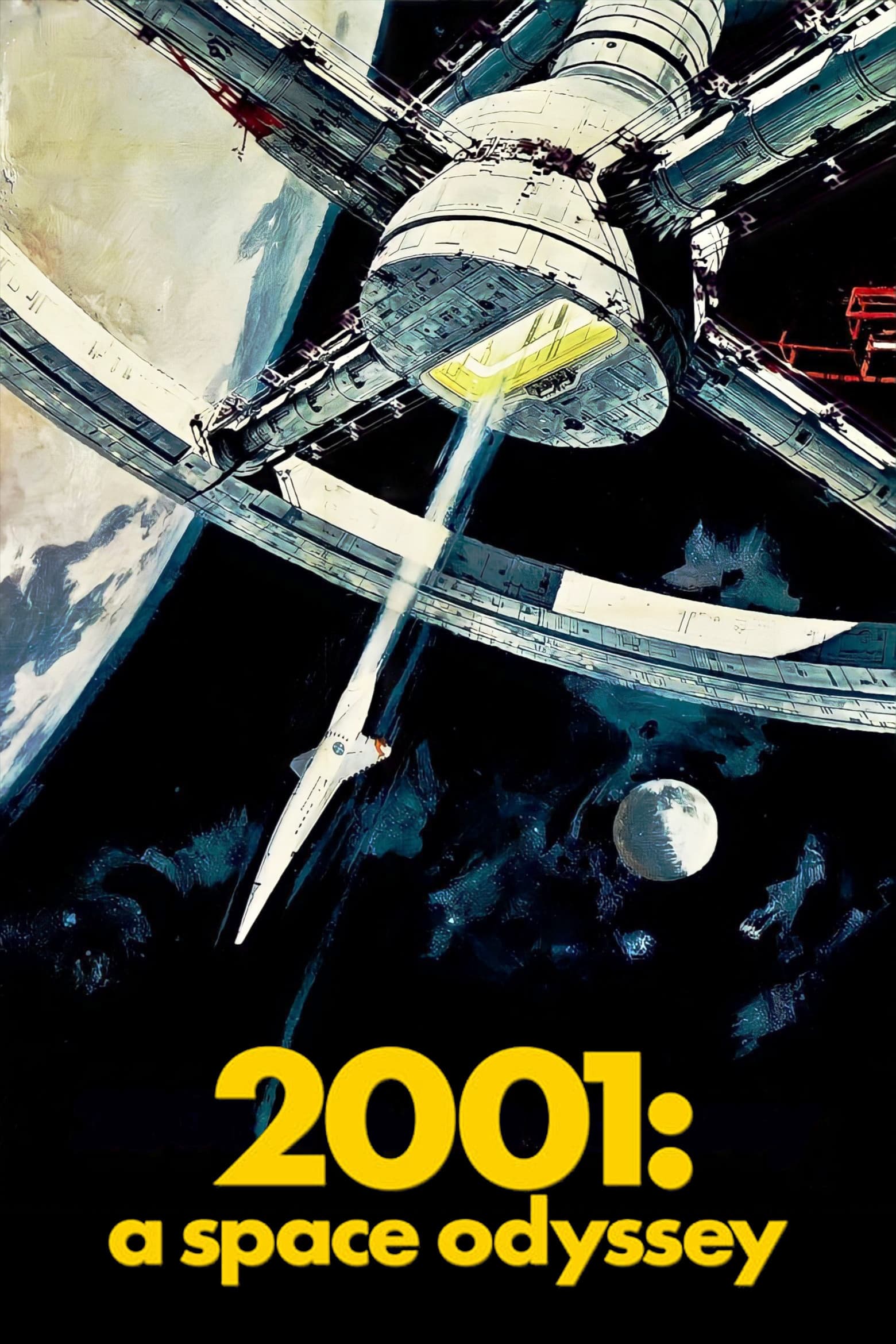
2001: A Space Odyssey 

Stanley Kubrick’s classic film, and its sentient computer that turns murderous, has been so influential that even AI voice assistants will often respond back with a knowing reply if you quote the film at them. This is a film that tells its story mostly through the visual medium with little dialogue, so you’ll have to put aside from time to watch this one without compulsively scrolling on your phone. 

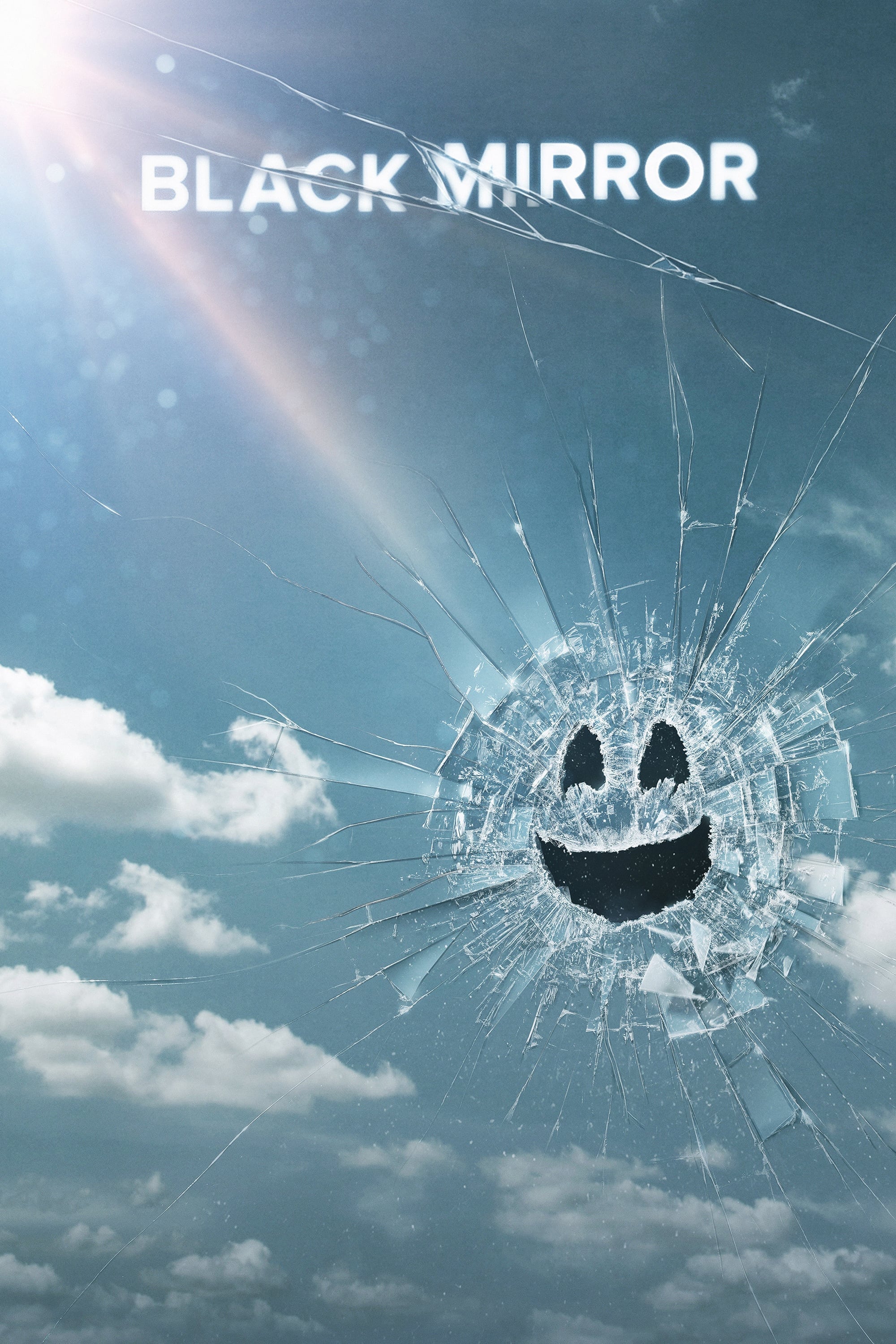
Black Mirror (available on Netflix) 

Twilight Zone for the information age. This Channel 4 / Netflix drama is composed of standalone episodes where technology complicates, or more likely completely destroy, the lives of the characters. In one story they can store, replay, and delete memories via an implanted device in their skin. In another, social interactions are given ratings, and they affect one’s socioeconomic status. Every once in a while you’ll have a happy ending, but you’re usually buckling in for a dystopian take on the computer-based tools we already use. Watch it via Netflix or purchase episodes through Amazon Prime. 

The Social Dilemma (available on Netflix) 

This docu-drama explores the dangerous human impact of social networking, with tech experts sounding the alarm on their own creations. It’s no mistake that Google’s own (former) design ethicist is a key narrator in this Emmy-winning documentary. Watch it via Netflix. 

May is Mental Health Month

One in every five people in the US carry some sort of “mental Illness” diagnosis – 20% – making it almost twice as common as killer heart disease, yet people hear the term “mental illness” and pictures of unshaven, alcohol-soaked homeless men and babbling old women with uncombed hair and too many cats come to mind (Don’t judge me!).

In reality, that’s far from the common truth. The umbrella term of “mental illness” includes everyone from your depressed cousin, your churning anxiety over political situations, and Uncle Louie, who served in Iraq and spends most days with his friend Jack Daniels. It includes the teen with autism who works down at the laundromat (don’t jump on me; a strong majority of autism includes OCD and anxiety, with phobias topping the list at 30%), the hoarder you drive past on your way to work, that girl on the cheerleading team who wears a baggy size 0, and that guy at work who stays four hours later than anyone else and talks so fast you can’t follow him. It includes celebrities, like Robin Williams, Margot Kidder, Robert Downey Jr, Brittney Spears, Carrie Fisher, Brooke Shields, and so many more.

“Mental Illness” is more common than COVID.

While some introverts have fared well through the pandemic and quarantines, many people have not. Rates of depression in adults went from 8% pre-pandemic to 28% – almost one in three – after. For those who lived alone, the rates approach 40%. Isolation, job loss, poverty, loss of loved ones, anxiety, and long-haul COVID symptoms all play their part in feeling crushed by a microbe. Among children, who can’t always understand the details of what’s going on, rates of depression and anxiety straddled 40%.

Unfortunately, our image of “mental illness” is tainted by historic images of schizophrenia, the king of all mental illnesses, and often the most resistant to treatment. We watch movies such as One Flew Over the Cuckoo’s Nest and I Never Promised You a Rose Garden, while not remembering that these movies depict mental illness treatment from as much as 70 years ago, when diagnoses were vague, medications were ineffective and dangerous, people believed in insulin comas and the disaster of lobotomies, and there were no PET or MRI scans to show exactly what the problem was. There was a time not very long ago when the number one treatment for syphilis was mercury. Times have changed, and chances are there’s actual help for that now.

How can something affecting 30% of the population be abnormal? Here’s a fact: it’s not, but our refusal to admit it keeps people feeling ashamed and afraid to seek treatment. If you feel down, if the social distancing and anxieties are getting to you, if your child is fearful and withdrawn and having trouble sleeping, reach out! Help is just a phone call away. No insurance? No worries. There are places to help you get medical coverage, and places that work on a sliding scale. There IS help, for everyone. Don’t be afraid to ask.

If you feel like life is overwhelming you, if you are worried about a loved one, if you are struggling with just getting through your day, CALL the CT ACTION line (Adult Crisis Telephone Intervention and Options Network). It’s available 24 hours a day, because the worst thoughts usually happen during the night.  1-800-467-3135,  or just call 211, which is the general help line for state services.

Don’t want to feel like you’re the only one on the planet feeling down? Check out these popular books and films on people having difficulties. Chances are, yours aren’t that bad.

Tightrope: Americans Reaching for Hope – book review

No matter what you read lately, whether it’s political, economic, or even comedy relief, the concept of a national divide keeps popping up. It seems there is nothing that we’re not crabby about – which song got the Grammy, whether poodles are better than dalmatians, whether corn counts as a vegetable or a starch. Umpteen books have been written on the divide of “liberal” vs. “conservative,” urban vs. rural, prosperity vs. lazy poor, criminal drug abuser vs. victim of Big Pharma, and into that mix Nicholas Kristof throws out an excellent one, called Tightrope: Americans Reaching for Hope.

Kristof grew up in rural Yamhill, Oregon, a White, conservative town of 1100 people. More than a quarter of the kids he went to school with died of drugs, alcohol, suicide, or reckless accidents caused by drugs or alcohol. Why did he make it out in one piece, while his friends died slowly of alcoholism, often homeless most of their lives? Why did families lose 3, 4, 5 kids to drugs and alcohol? Why did some do fine?

To keep it real, Kristof explores people in similar situations in places like South Dakota, Oklahoma, New York City, Baltimore, and more, bastions of poverty and drugs in the U.S. What he finds is the same issues, handled differently – humanely – makes a world of difference. In places like Oklahoma, the entire penal code is stacked against poor people. Indigent and need a free legal defender? You are then arrested for being indigent, and fined for your arrest. Now you’re in debt to the state. So you are sent to prison for being a debtor – even if it’s only ONE dollar! Now you have more fines added. People are released from prison – private, for-profit prisons, of course – with hundreds of thousands of dollars in fines from a mere $25 parking ticket. Can’t make the payments on your fines? Back to jail, and more fines. It’s a gerbil wheel of punishing the poor – even though intervention programs can save $10 of tax money for every dollar spent.

And of course, once you have a felony conviction, you can’t get a job. So people turn to selling meth and heroin. And get convicted, and can’t get hired, and get homeless and depressed and turn to drugs…. Over and over and over. Why are Mexicans taking the jobs from under-educated poor white people? Because the Mexicans can be counted on to show up for work, and aren’t drunk or stoned.

Kristof narrows the biggest issues down to two: One is education. Most of the people he knew didn’t graduate, had parents that barely made it to 8th grade, and grandparents who might not have made it to fifth. If you come from a home where there are no books, no magazines, and no expectations of further education, it’s harder to succeed. He explores one family where the mother had a 5th-grade education, and five children by four different fathers. When the first was expelled from kindergarten twice for behavioral issues, she – with a fifth-grade education – decided to home-school her kids (5 under the age of 6). How much of a chance do those kids have?
The second predictor of success was coming from a two-parent home. If you had two parents – and usually two incomes – you had a much greater chance of being successful. Single mothers with a trail of children left those kids in chaos. More than one child entering Yamhill kindergarten was described as “feral.”

Kristof also explores the programs – often started by those who had had enough – that give people just the right boost, whether it’s paying those $1 legal fees and freeing people from prison or getting them a job or housing or a drug treatment program. Such programs are a lifeline for the people involved, and often get them on the track to permanent success. Unfortunately, many of the government programs to do just that have been eliminated in recent years.

The book is easy to read, informative, and does not preach or even really point fingers. It’s careful to present only facts, though the family situations and the culture of violence surrounding them can be maddening. Despite the grim realities, the book ends up on a positive note. This is one to put on your To Be Read list, and check out these other titles in similar vein:


Hillbilly Elegy
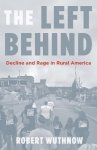
The Left Behind
Evicted
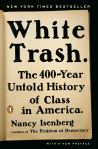
White Trash
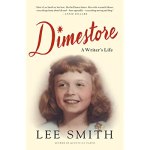
Dimestore
Dreamland
Chasing the Scream
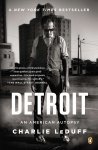
Detroit
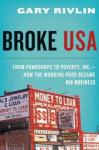
Broke, USA
Dignity: Seeking Respect in Back Row America
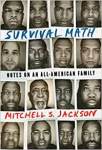
Survival Math
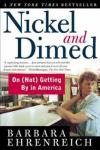
Nickel and Dimed


Why do we like to be scared? – the psychology of horror

As Halloween quickly approaches, I find myself dipping deeper into the pool of horror films, books and media that always seems to be present, any time of year you go looking for them. I didn’t come to love horror organically, as an over anxious child and teen I was somehow drawn to true crime documentaries, sneaking peeks at the coverage of the OJ Simpson trial, and staying up late to watch E! “Murders of Hollywood”. My first experience with horror movies was staying up in my friends living room, her German Shepard was half blocking my view of The Ring on VHS, which was particularly ironic. So why do we seek out things that scare us, instead of those that comfort us?

The easy answer is : We like to be safe. If we expose ourselves to things that scare us in a safe environment, it’s like going on a roller coaster. Your endorphins spike, your heart rate races, but in two minutes it’s over, you’re back on solid ground. I’d rather know how horrible the world can be so I can prepared for what actually goes bump in the night.

The Horror of It All is a memoir from the front lines of the industry that dissects the hugely popular genre of scary movies.

Horror movies and novels are much the same. People chose entertainment because they want to be affected. You choose a romance novel because you want to feel the giddy rush of love, you choose action because you want to feel excitement. Horror is another sensation driven genre. You want to experience the rush with none of the consequences of the situation, which lets you enjoy the sensation and adrenaline spike. Quoted from a 2004 paper in the Journal of Medical Psychology by Dr. Glen Walters “the three primary factors that make horror films alluring are tension (generated by suspense, mystery, terror, shock, and gore), relevance (that may relate to personal relevance, cultural meaningfulness, the fear of death, etc.), and (somewhat paradoxically given the second factor) unreal-ism.”(Walters, 2004)

So if you’re like me and looking for a thrill (while at the same time being wrapped up in a blanket fort for safety) then you’ve come to the right place for some recommendations. All of the things I recommend are available for checkout at the Cheshire Public Library, so let’s tuck in to my favorite genre:

hereditary_xlg.jpgHereditary  – When Ellen, the matriarch of the Graham family, passes away, her daughter’s family begins to unravel cryptic and increasingly terrifying secrets about their ancestry. The more they discover, the more they find themselves trying to outrun the sinister fate they seem to have inherited. Making his feature debut, writer-director Ari Aster unleashes a nightmare vision of a domestic breakdown that exhibits the craft and precision of a nascent auteur, transforming a familial tragedy into something ominous and deeply disquieting, and pushing the horror movie into chilling new terrain with its shattering portrait of heritage gone to hell.

This movie is fantastic, Ari Aster is a master of portraying agony in a way I haven’t seen in any other movie thus far. His characters experience the broadest range of emotion, and each scene is raw and beautifully acted. It’s really a treat to watch, both for the performances, and the scares. Prepare to have expectations subverted with this movie, Ari Aster is one to watch as a newcomer to the horror genre, and A24 is producing some outstanding content as well. If you haven’t seen it yet, treat yourself to Hereditary, as well as his newest film, Midsommar.

The Stand – The Stand takes place in a post-apocalyptic world triggered by the breakdown of society following the release of a biological weapon. The weapon is a virulent strain of influenza that decimates the population. It follows a few key characters across the United States, attempting to survive and make peace with the people they’ve become after the world has ended. It has elements of horror, elements of suspense, and in my opinion it’s one of the best post apocalyptic fiction novels ever written. Above all else though, it’s a thoughtful, well paced book. (One can’t have a list of horror titles and not mention King at least once, if not multiple times – The Tommyknockers, Salem’s Lot, The Shining…) The characters feel real and well flushed out, and the antagonist is ominous without becoming comic. It’s my go-to summer read, and I keep a paperback copy in my car at all times, so I can dip back in whenever the mood strikes, which is often.

I saw Gone Girl  before I had read the book (I know, the cardinal sin) and I had no context going into it. Gone girl? Sounds like a witty comedy about a girl who’s traveling cross country! I was very wrong. I had no idea about the twists (which I will keep to myself) and I had no idea what a treat I’d be in for when I read the book. They both play off each-other beautifully, and the book is written with punch and one liners that stick with you. The cool girl speech (look it up) is worth the price of the paperback alone. You should definitely treat yourself to this book, as well as Gillian Flynn’s two other titles Dark Places and Sharp Objects.

If you’re looking for something with real world ties, look no further than the masterpiece that is I’ll Be Gone in the Dark by the late Michelle McNamara. McNamara devoted a larger part of her life to sitting up in her daughters old playroom, surrounded by stuffed animals and tracking who would be come to known as the Golden State Killer. Sure she had a day job, but she also somehow convinced retired detectives from the case to send over boxes of case files. She went over phone records, emails, connected leads to perps, and made some of the most important headway the case had seen since it’s beginning in 1976. The case had been unsolved for ten years, and just recently closed with the arrest of a 73 year old Joseph Deangelo, a retired policeman. The book is well written, well researched, and fascinating if you want to know more about detective work, but never had the stomach to do it yourself. You feel yourself dissecting the facts along with Michelle, and the fact that she died before the case was solved makes the ending all the more poignant. It’s definitely worth the read, especially if you’re a fan of true crime and cases being solved.

Dipping into horror as a person with a chronically small comfort zone is more than just a little ironic. It’s taken me twenty five years to accept that strange part of myself, as a small portion of a largely complex whole. As an artist, a writer, and a creative, I find the darkness just as interesting as the light. Luckily, there are plenty of people who agree with me, and the horror genre is booming. Last summer, horror films accounted for 10% of cinema visits by moviegoers under 30-years-old. I’ll support any genre that encourages its artists and producers to push boundaries and visuals, and luckily, horror is doing just that.