What is a memoir?
Memoir (from French: mémoire, meaning memory or reminiscence), is a literary subcategory of the autobiography, usually a collection of memories that an individual writes about moments or events that took place in the author’s life. Like most autobiographies, memoirs are written from the first-person point of view. Where an autobiography tells the story of a life, while memoir tells a story from a life, such as touchstone events and turning points from the author’s life.
Memoirs have seen a major surge in popularity in recent years. The old adage “everyone has a book in them” seems to be coming true! Some hypothesize that the growing popularity of social media and reality television shows has increased the public’s appetite for reading memoirs. Whatever the reason, there are more and more published every year. Here are a few of the new and noteworthy memoirs being published in 2014:
 I Forgot to Remember by Su Meck. the story of an amnesia survivor who permanently lost all of her memories after a traumatic brain injury and who endured a more than 25-year effort to relearn basic skills and reclaim her life. In her own indelible voice, Su offers us a view from the inside of a terrible injury, with the hope that her story will help give other brain injury sufferers and their families the resolve and courage to build their lives anew.
 Little Failure by Gary Shteyngart. A candid, witty, deeply poignant account of his life, Shteyngart shares his experience a young Russian immigrant, moving back and forth through time and memory with self-deprecating humor, moving insights, and literary bravado. It is a memoir of a Jewish family leaving Russia and coming to America, as told by a lifelong misfit who forged from his imagination an essential literary voice and, against all odds, a place in the world.
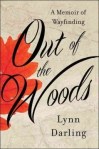 Out of the Woods by Lynn Darling. After her daughter leaves home for college, the author, a widow, embarks on a journey of self-discovery that leads her from New York to Vermont where she, with her dog and a compass, maps out a new direction for her life while adapting to the solitude of her new surroundings. Combining the soul-baring insight of Wild, the profound wisdom of Shop Class as Soulcraft, and the adventurous spirit of Eat, Pray, Love: Lynn Darling’s powerful, lyrical memoir of self-discovery, full of warmth and wry humor.
 Paddle Your Own Canoe by Nick Offerman. The actor known for roles in such productions as Parks and Recreation shares whimsical musings on a range of topics from love and manliness to grooming and eating meat, offering additional discussions of his life before fame and his courtship of his wife, Megan Mullally. A mix of amusing anecdotes, opinionated lessons and rants, sprinkled with offbeat gaiety, Paddle Your Own Canoe will not only tickle readers pink but may also rouse them to put down their smart phones, study a few sycamore leaves, and maybe even hand craft (and paddle) their own canoes.
Glitter and Glue by Kelly Corrigan. The author of the best-selling The Middle Place presents an account of her perspectives on motherhood, which have been shaped by her job as a nanny for a grieving Australian family and her character-testing experiences with her daughters. A book about the difference between travel and life experience, stepping out and stepping up, fathers and mothers; But mostly it’s about who you admire and why, and how that changes over time.
Duty by Robert M. Gates. The former Secretary of Defense and director of the CIA recounts his service under Presidents George W. Bush and Barack Obama during the wars in Iraq and Afghanistan, describing his roles in such major events as the Bin Laden raid, the Guantánamo Bay controversy and the WikiLeaks scandal.
Sous Chef by Michael Gibney. An executive sous chef who has worked alongside cooks from some of the nation’s leading restaurants documents an intense twenty-four-hour period that illuminates the allures and adversities of a professional culinary life. Sous Chef is an immersive, adrenaline-fueled run that offers a fly-on-the-wall perspective on the food service industry, allowing readers to briefly inhabit the hidden world behind the kitchen doors, in real time.
Stronger by Jeff Bauman. Long-distance runner Bauman’s inspiring memoir of his experiences during the terrorist bombing at the 2013 Boston Marathon in which he lost both his legs and his ongoing mission to walk again.
Things a Little Bird Told Me by Biz Stone. Telling personal stories from his early life and careers, the co-founder of Twitter and one of today’s most successful businessmen shares his knowledge about the nature and importance of ingenuity today. Biz also addresses failure, the value of vulnerability, ambition, and corporate culture.
Hard Choices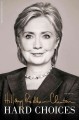 by Hillary Rodham Clinton. The former secretary of state, senator and first lady shares candid reflections about the key moments of her service in the Obama Administration as well as her thoughts about how to navigate the challenges of the 21st century.
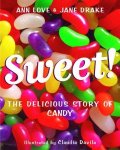
 Americans love their candy! On average, we eat 25 pounds of candy per person, per year. So, where did candy come from?




 big blackness. This is North Korea. It is not black because they block out satellites, or by treaty.

 The Cheshire Library Blog