
On July 30, 1935, a new technology was born that provided knowledge, stories, entertainment (with text and pictures, no less) that was convenient and cheap. It was light enough to carry anywhere and you could tag specific areas to  re-read at a later date. An early e-reader? Nope – the paperback book! Penquin Publishers, in England, was the first to successfully publish respectable, quality writing without a hard cover. (There were earlier paperback books called penny dreadfuls, yellow-backs, and dime novels that generally featured lurid stories and were printed on cheap pulp paper.)
 Partnering with Simon & Schuster, Robert de Graff introduced the first paperbacks in America on June 19, 1939 called Pocket Books. The first American paperback book to be printed in the United States was The Good Earth by Pearl Buck. The cost to purchase these new books – 25 cents versus $2.75 for a hardcover. In order to make a profit on paperbacks, de Graff had to print 100,000 copies at a time. He couldn’t rely on bookstores to sell that many copies so he began using magazine distributors to place Pocket Books in newsstands, subway stations, drugstores and any other outlet to reach suburban and rural populations. He designed bold, colorful, eye-catching book covers to catch people’s eyes. By September 1944, 100 million books were sold in more than 70,000 outlets across the United States. By the end of the 1940’s, the paperback industry began publishing original stories. Previously, the industry only reprinted hardcover titles. There are now more than 20 major publishers producing high quality, original and reprinted paperbacks.
-

- ROMANCE PAPERBACKS
-

- ROMANCE PAPERBACKS
-

- ROMANCE PAPERBACKS
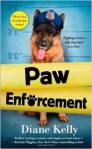
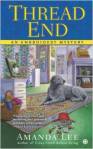
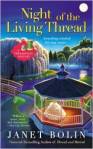
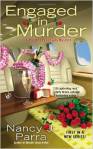
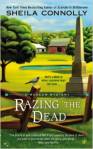
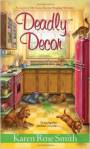
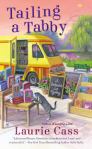
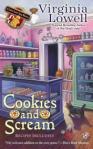
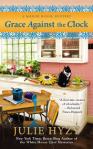
Today, there are many sizes of paperback books and all different prices, but the two major sizes are mass-market and trade. Authors originally wrote stories for publications in magazines, but soon shifted their attention to mass-market paperbacks. They could write longer, more in-depth, entertaining novels that boasted beautiful, bold, color covers and were prominently displayed in all types of venues. They were affordable and easy to carry and proved to be a huge hit. Mass-market paperback readers have a large selection of genres of original stories to choose from, in addition to best-selling hardcovers republished in paperback form. In the beginning, Westerns were the biggest selling genre, followed by Crime and Science Fiction. The most popular genre for mass-market today is Romance. Within this genre you will find many sub-genres including contemporary romance, historical romance, small town romance, and paranormal romance. The Cheshire Library has a separate section dedicated to mass-market Romance Books located towards the front of the library, near the large windows. Another very popular genre for mass-market paperbacks are Cozy Mysteries. The Cheshire Library has a large selection of these interfiled among the hardcovers in the Mystery section of the library. You can also find regular Fiction, Science Fiction and Fantasy paperbacks in the library’s collection.
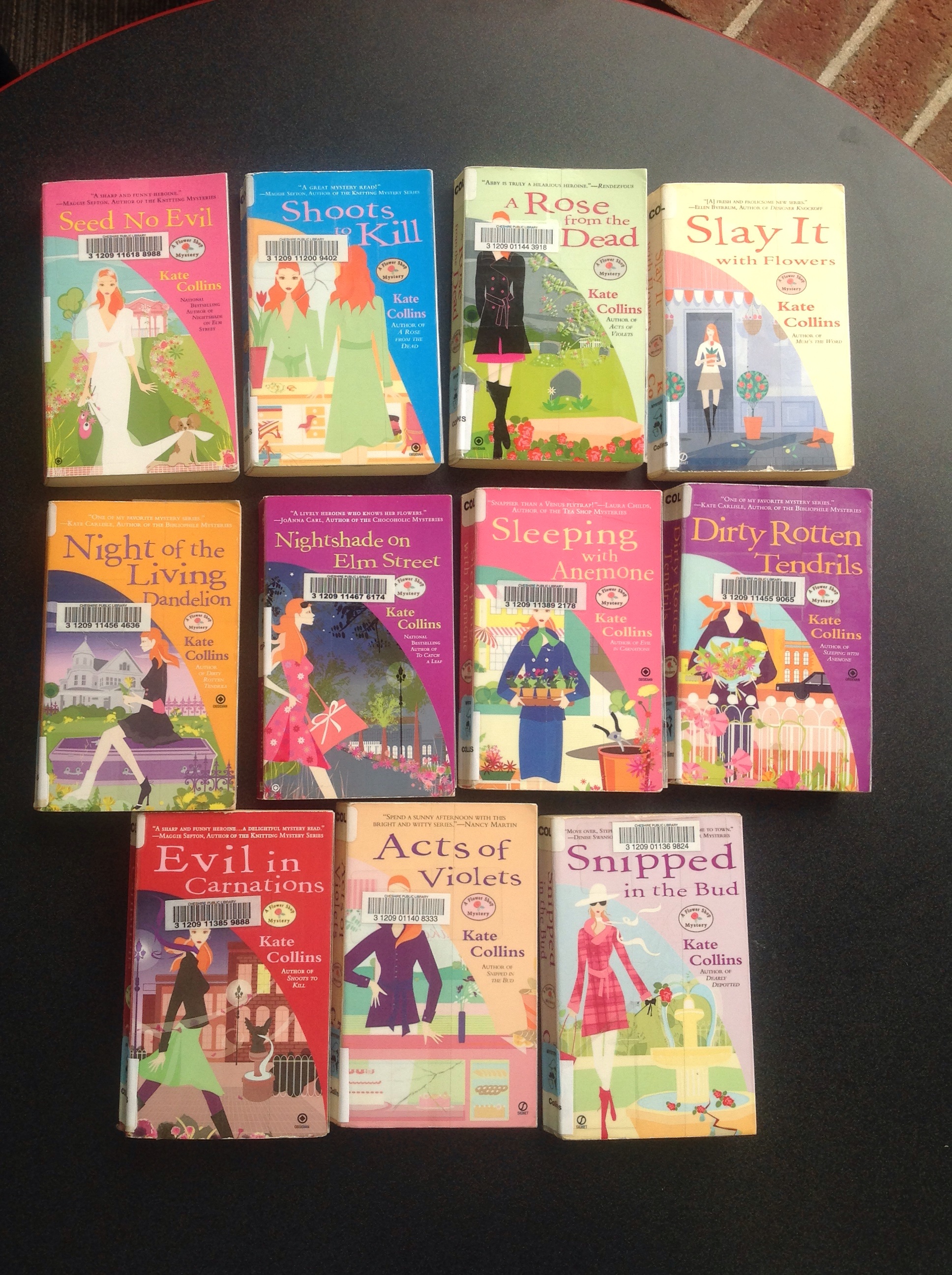
COZY MYSTERIES
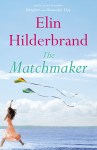
Some literary authors, critics and bookstore owners turned their noses up at mass market paperbacks. When Doubleday’s Jason Epstein was a college student, he lamented the fact that he and his fellow students couldn’t afford hardcover editions and envisioned a line of upscale paperbacks of hardcover bestsellers and classics. By 1953, Trade paperbacks were introduced. These were larger, more durable, with attractive covers illustrated by fine artists with an appeal to a more intellectual market. They sold for 65 cents to $1.25. The library’s selection of Trade paperbacks are filed among the hardcover books. They also come in a variety of genres, with the most popular genres being erotic romance – with Fifty Shades of Grey topping the charts – and Christian-themed books.
-
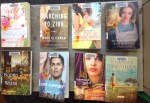
- TRADE PAPERBACKS
-

- ASSORTED PAPERBACK SIZES
There were many who thought paperbacks would kill the publishing industry, but instead, the books proved to be quite the sensation. As recently as 2010, paperbacks outsold hardcover books. Although the ebook has taken some of the market away from paperbacks, they still continue to be a much beloved tool for readers everywhere. The look, feel, texture, smell, size, and portability makes the paperback book very inviting.












 The Cheshire Library Blog