Making Sense of Book Awards

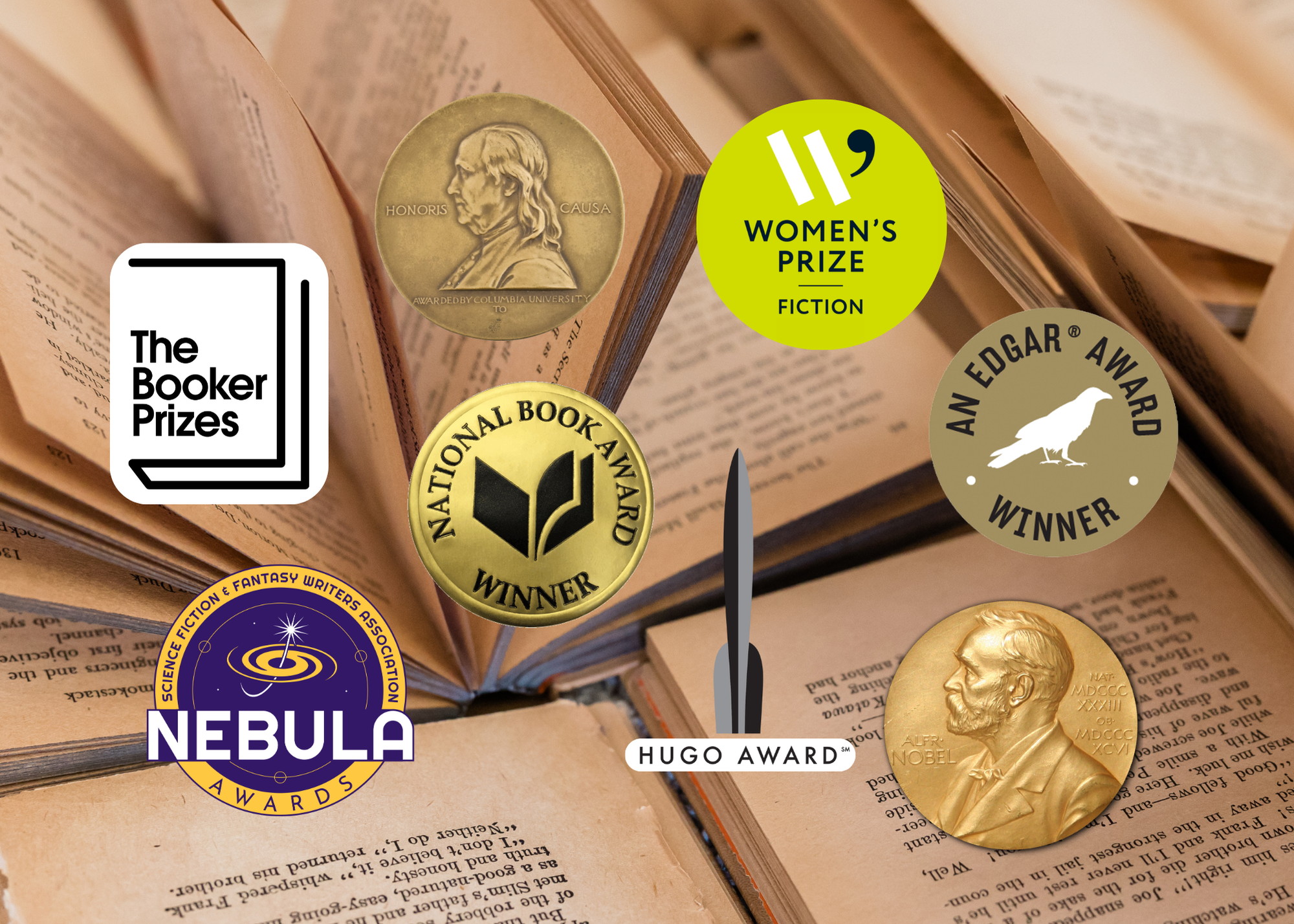
Has this ever happened to you? You’re in a library or book store, minding your own business, when a ray of light blinds you, stopping you in your tracks. You think, “Is this aliens? Is this the rapture? What is going on?” You catch your breath and realize it’s just the gleam of one of those shiny emblems that says, “Booker Prize.” You pick up the book and even more questions flood your mind: “Who’s this Booker fella and what right does he have to tell me what to read?!” I’ve been there, I get it. But there’s no need to dismay. Once you make sense of book awards, they can be helpful tools in the eternal search for your next book.

Booker Prize

The Booker Prize (formerly the Man Booker Prize) is awarded to a book written in English and published in the United Kingdom or Ireland. A panel of five, made up of “creative peers,” choose the winning book. The award skews towards British and Irish authors, but winners hail from around the world, like Sri Lankan author Shehan Karunatilaka or Jamaican author Marlon James. These books land on the literary side side of things, and some recent winners include George Saunders’ Lincoln in the Bardo, Margaret Atwood’s The Testaments, and Bernadine Evaristo’s Girl, Woman, Other.

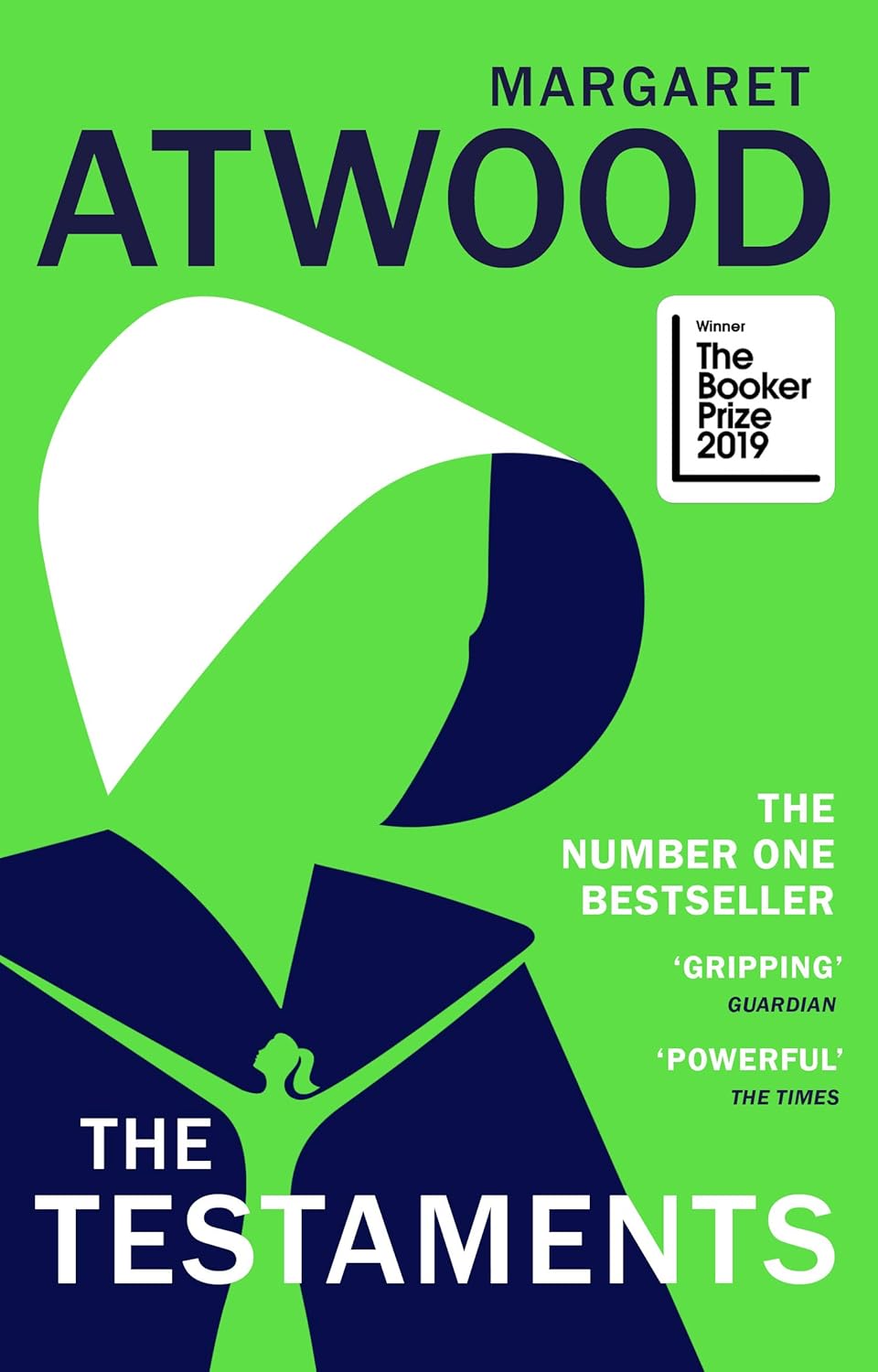
The International Booker Prize is also worth noting. These books are translated into English and must be published in the UK or Ireland. The Vegetarian by Han Kang, Flights by Olga Tokarczuk, and Time Shelter by Georgi Gospodinov won in 2016, 2018, and 2023 respectively.
Nebula and Hugo Awards

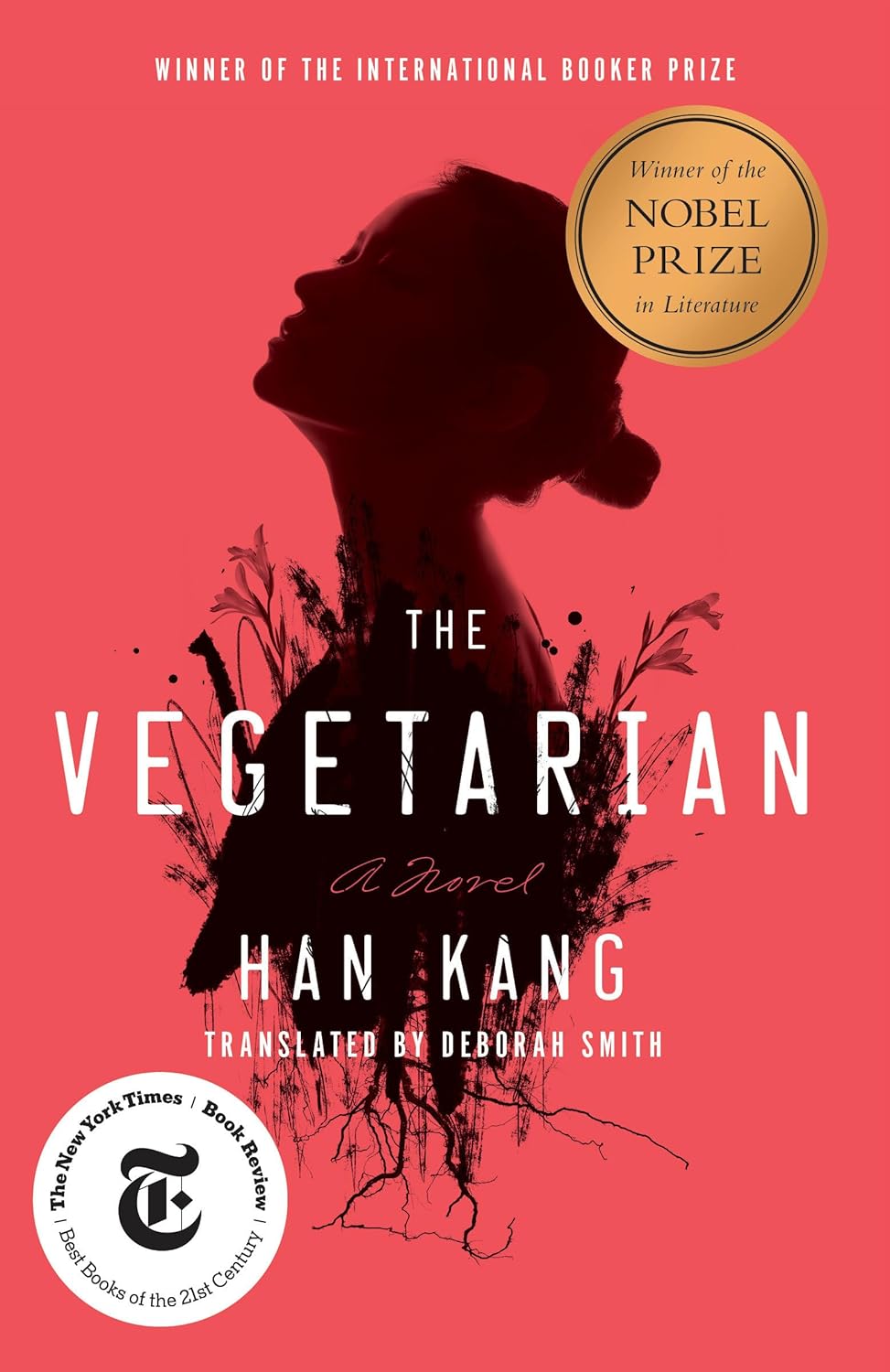
The Nebula and Hugo Awards are the two big names associated with science fiction and fantasy (SF/F) literature. The biggest difference between these awards is the voting body. To vote on the Nebula, you need to belong to the Science Fiction and Fantasy Writers Association. Essentially, you need to be a SF/F writer yourself. For the Hugo Award, all you need is a membership to the World Science Fiction Convention, which costs $50. Despite this difference, it’s not uncommon for a single title to win both awards. Some recent examples of this feat are Network Effect by Martha Wells, The Stone Sky by N. K. Jemisin, and This is How You Lose the Time War by Amal El-Mohtar and Max Gladstone.

Edgar Award

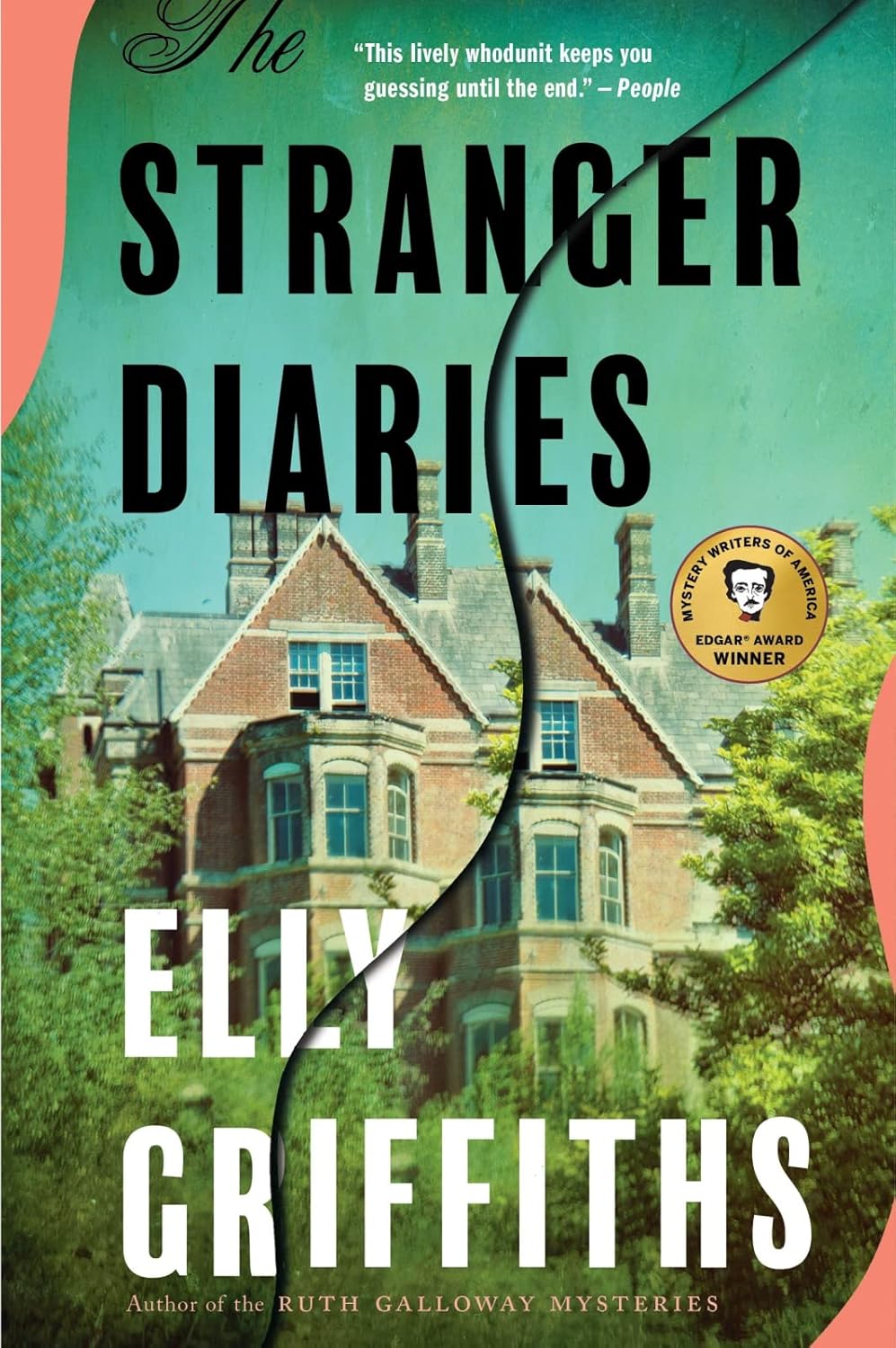
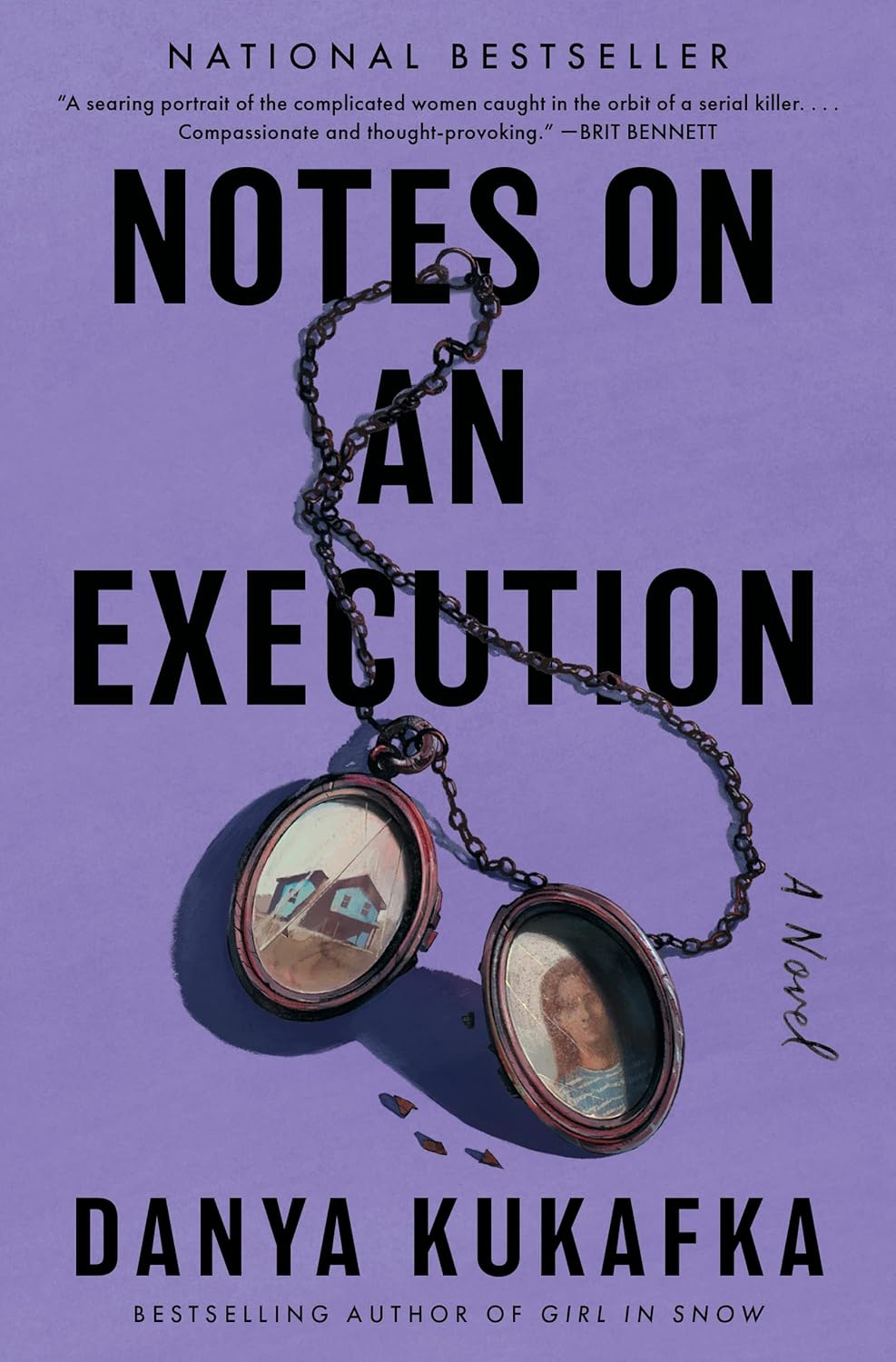
The Edgar Award is named after (who else but) Edgar Allen Poe to honor the best of the mystery genre, and chosen by the Mystery Writers of America. In the past, some familiar names have won: Stephen King for Mr. Mercedes and Noah Hawley (writer of the Fargo television series) for Before the Fall. But overall, The Edgar Award stands out to me because the winning books tend to be less well known; it’s a good way to find underappreciated gems. Some recent winners include Notes on an Execution by Danya Kukafka, Djinn Patrol on the Purple Line by Deepa Anappara, and The Stranger Diaries by Elly Griffiths.
National Book Award and Pulitzer Prize

The National Book Award (courtesy of the National Book Foundation) and the Pulitzer Prize for Fiction (courtesy of Columbia University) are both meant for American authors. The Pulitzer Prize is awarded to novels that “deal with American life” and tend to be fairly popular, often getting the television or movie treatment in the years after its win. The National Book Award has more lofty goals, and is designed to “ensure that books have a prominent place in our culture.” These winners don’t generate as much buzz, but they’re just as profound and moving.

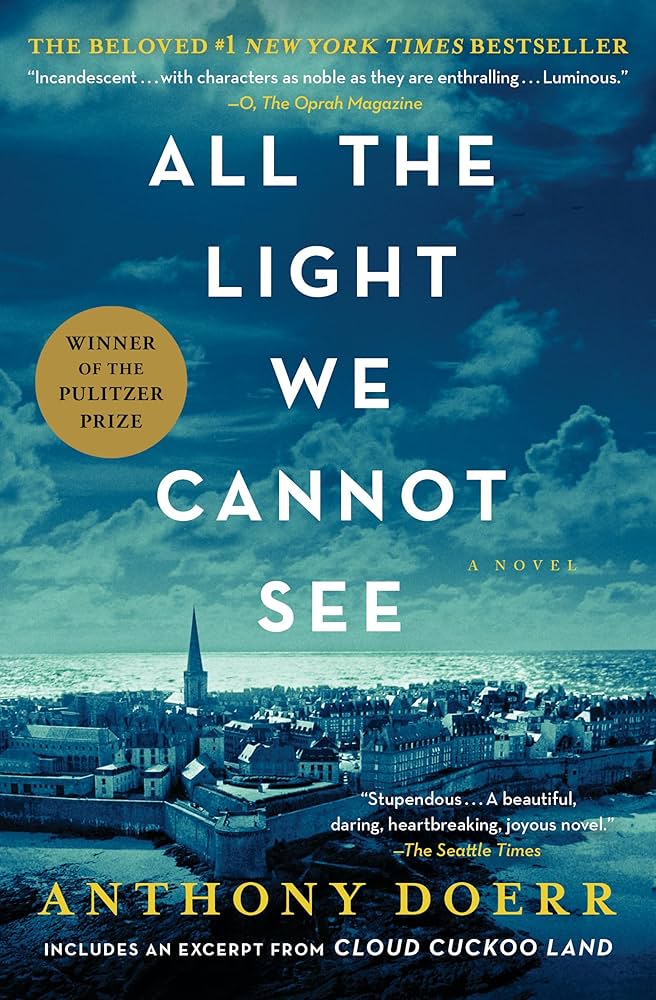
Winners of the Pulitzer Prize for Fiction include The Nickel Boys by Colson Whitehead, All the Light We Cannot See by Anthony Doerr, and The Goldfinch by Donna Tartt.

Winners of the National Book Award include Blackouts by Justin Torres, Sing, Unburied, Sing by Jesmyn Ward, and The Good Lord Bird by James McBride.

Nobel Prize in Literature

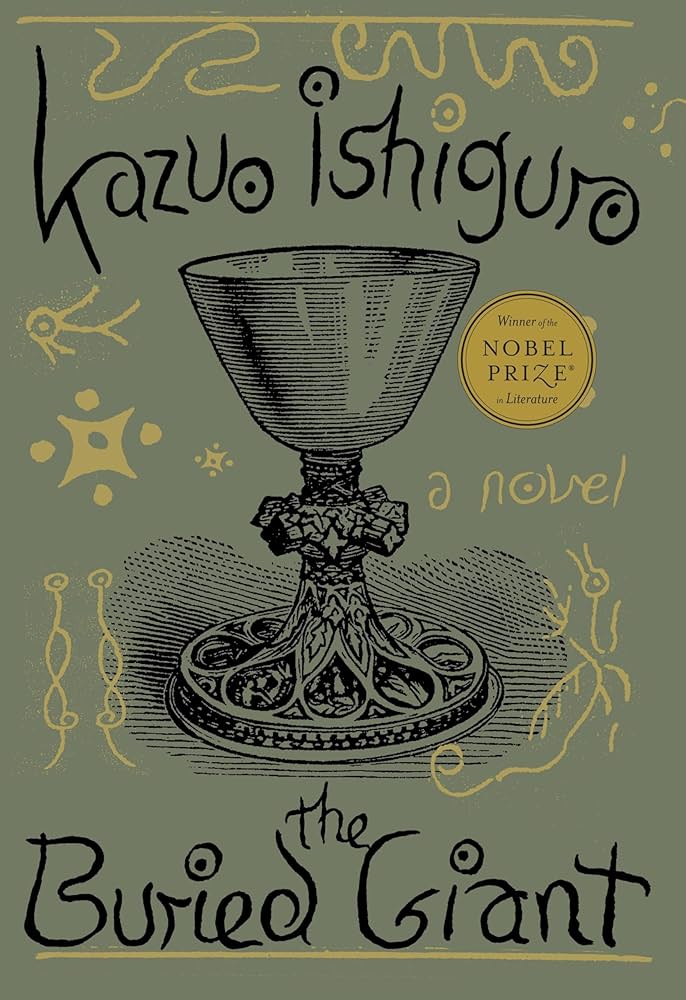
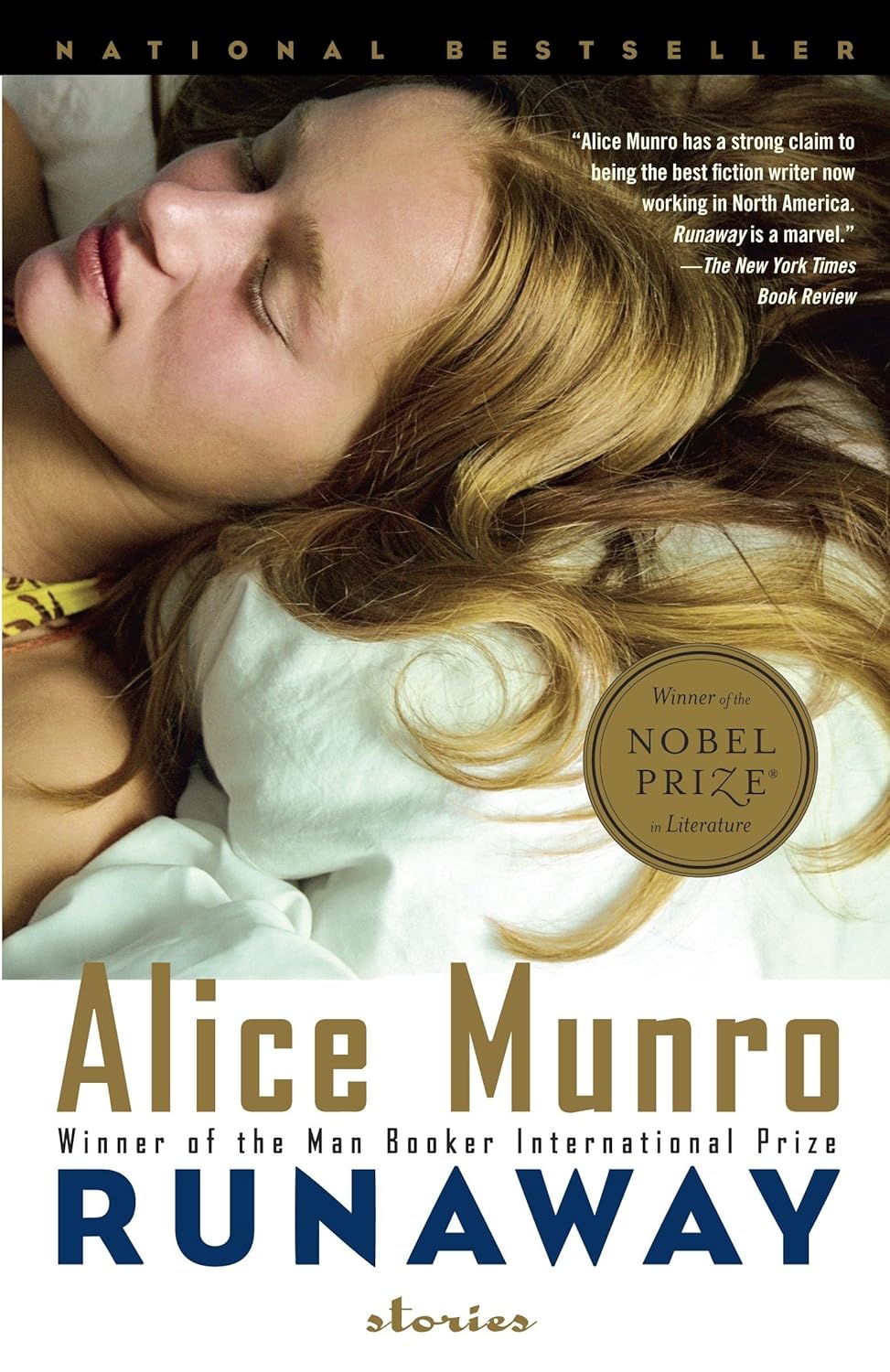
The Nobel Prize in Literature is voted for by the Swedish Academy and stands out in a couple ways: Authors from any country are eligible for the award, and awards are based on an author’s body of work as a whole. This means that the winning author can put the “Winner of the Nobel Prize in Literature” stamp on any book in their back catalogue and any future book they write. Sounds like a good deal to me! Past winners include Kazuo Ishiguro, Alice Munro, and Toni Morrison.
Women’s Prize for Fiction

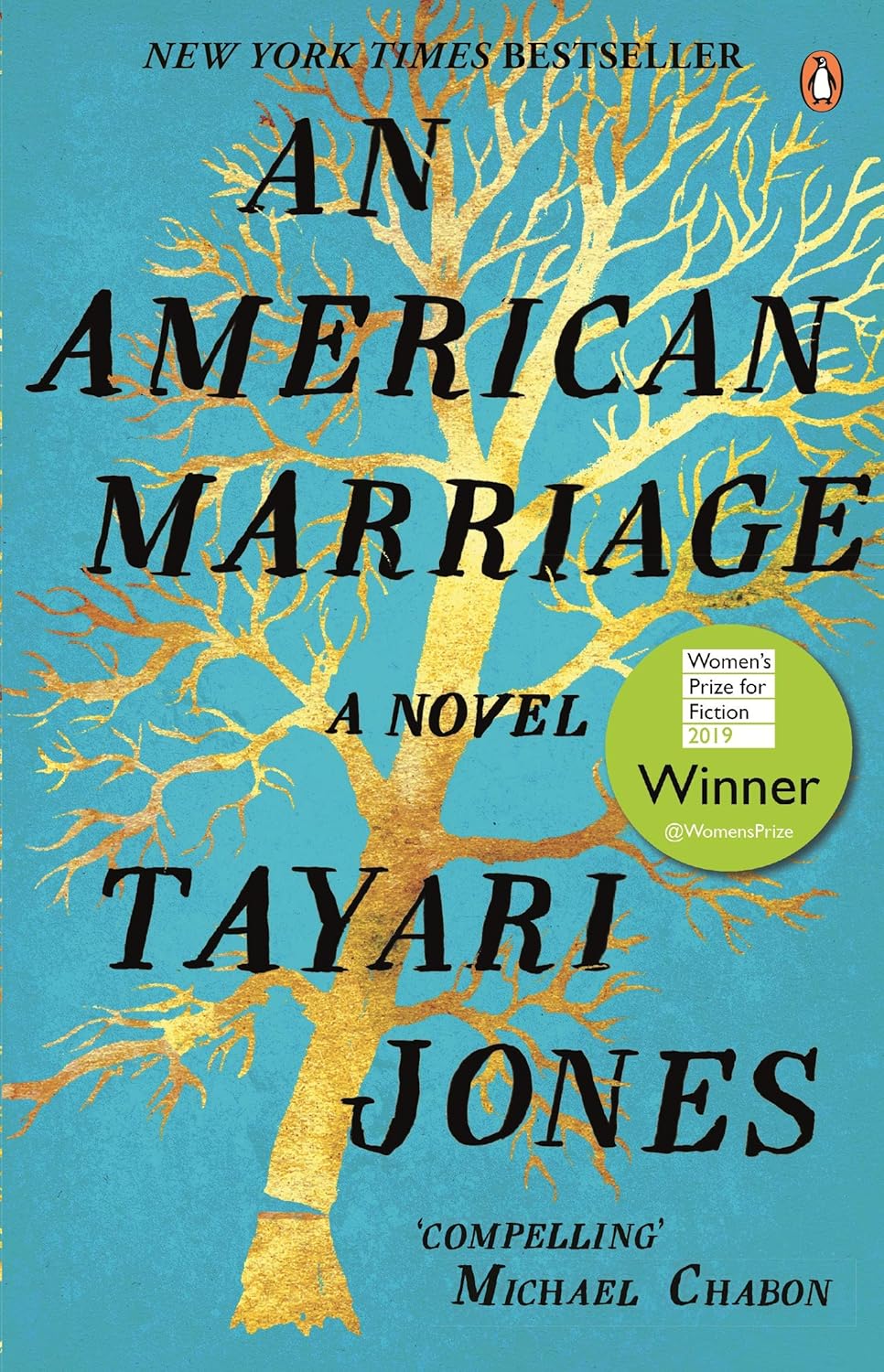
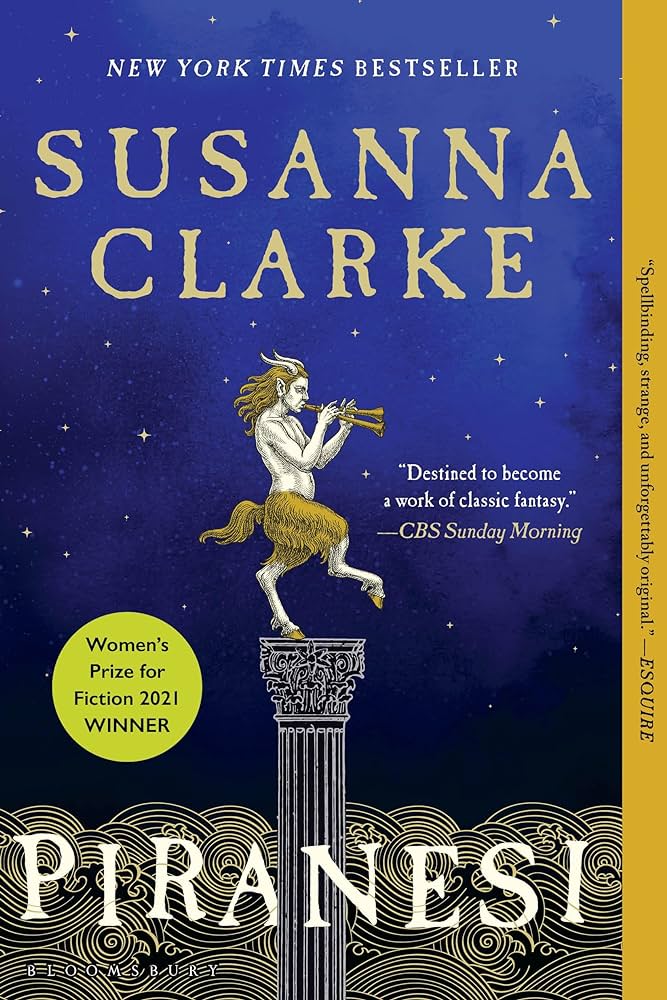
The last award I’ll touch upon is the Women’s Prize for Fiction which is voted on by a panel of five notable women. This award, along with the Booker Prize and the now defunct Costa Book Awards, at one point made up the “trinity” of UK’s literary prizes. Recent winners include Piranesi by Susanna Clarke, Hamnet by Maggie O’Farrell, and An American Marriage by Tayari Jones.
It can also be interesting to look at the notable awards of non-English speaking countries. Winners usually have an English translation available, and their relative obscurity makes it feel like you’ve uncovered some esoteric text. Compass by Mathias Énard was a great find of mine that won the French Prix Goncourt Award in 2015.

At the end of the day, it’s important to remember that these awards are all made up. They were all chosen by people, and people have their own tastes, their own mercurial and indecipherable preferences. There is no trait–not intelligence, success, nor clout–that makes one person a better “book judge” than another. If you find an award that speaks to you, great! But otherwise, take them all with a grain of salt and keep in mind the only book award that truly matters: The (insert your name here) Award.

P.S. If you really want to dive into the dramatic side of the book award world, there is always heated discussion about each year’s Booker Prize shortlist. This year, the six shortlisted books will be announced on September 23rd, and the more bookish parts of the internet will be a-buzz, defending their favorites and attacking the books they deem unworthy. It’s a bit messy, but good fun.
Books With a Twist

You’re going along, innocently reading your novel, when suddenly the earth shifts beneath you – an unexpected plot twist! You thought you were reading one thing, but suddenly everything you thought you knew goes out the window. If you love a book that surprises you, that turns you inside out and upside down, that makes you toss it down and say “what just happened?“, then we have some reading recommendations for you.

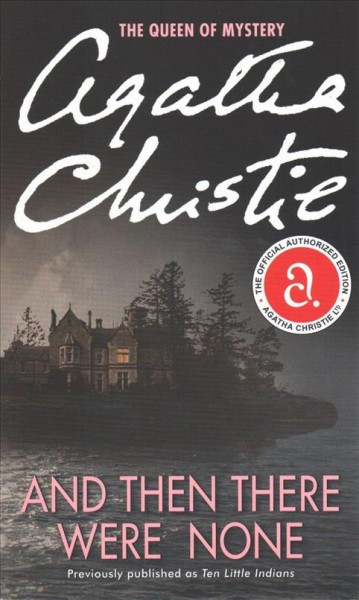
And Then There Were None by Agatha Christie. In this classic with a kick, en people, each with something to hide, are invited to an isolated mansion on Indian Island by a host who, surprisingly, fails to appear. One by one, the guests reveal the darkest secrets of their wicked pasts. And one by one, they die…

The Wife Between Us by Greer Hendricks and Sarah Pekkanen. When you read this book, you will make many assumptions. You will assume you are reading about a jealous ex-wife. You will assume she is obsessed with her replacement – a beautiful, younger woman who is about to marry the man they both love. You will assume you know the anatomy of this tangled love triangle. Assume nothing. 

You Will Know Me by Megan Abbott. When a violent death rocks her close-knit gymnastics community weeks before an important competition, the mother of an Olympic hopeful works frantically to hold her family together in spite of being irresistibly drawn to the crime.

One of the Girls by Lucy Clarke. While on a sun-soaked Greek island for a bachelorette party to celebrate Lexi’s upcoming wedding, six very different women discover that someone is determined to make sure Lexi’s marriage never happens—and that one of them won’t leave the island alive.

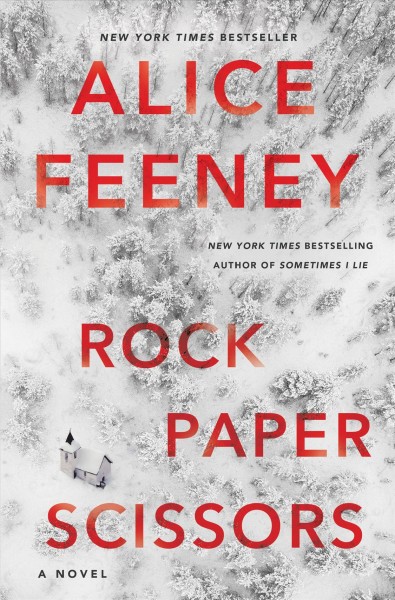
Rock Paper Scissors by Alice Feeney. Every anniversary Adam and Amelia exchange traditional gifts–paper, cotton, pottery, tin–and each year Adam’s wife writes him a letter that she never lets him read. Until now. Ten years of marriage. Ten years of secrets. And an anniversary they will never forget.

The Girl From Widow Hills by Megan Miranda. Rendered famous in childhood for her miraculous survival of a dangerous storm, a young woman changes her name and struggles to hide from the media before waking up one evening to find a corpse at her feet. And then the fun begins.

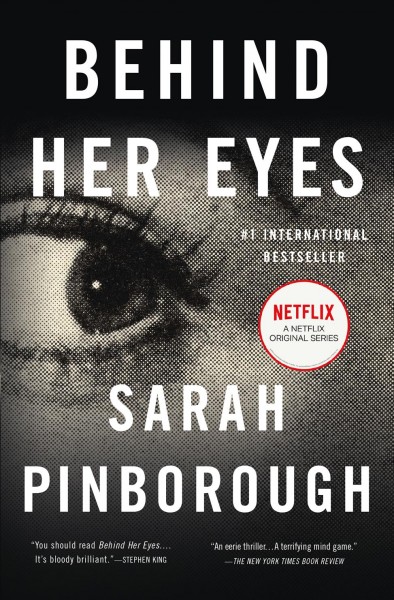
Behind Her Eyes by Sarah Pinborough. The secretary of a successful psychiatrist is drawn into the seemingly picture-perfect life of her boss and his wife before discovering a complex web of controlling behaviors and secrets that gradually reveal profound and dangerous flaws in the couple’s relationship.

Shutter Island by Dennis Lehane. U.S. Marshal Teddy Daniels and his partner, Chuck Aule, come to Shutter Island’s Ashcliffe Hospital in search of an escaped mental patient, but uncover true wickedness as Ashcliffe’s mysterious patient treatments propel them to the brink of insanity. The basis for a motion picture directed by Martin Scorsese and starring Leonardo DiCaprio.

Before I Go to Sleep by S.J. Watson.

Without her husband’s knowledge, Christine, whose memory is damaged by a long-ago accident, is treated by a neurologist who helps her to remember her former self through journal entries until inconsistencies begin to emerge, raising disturbing questions.

Into the Water by Paula Hawkins. When a single mom and a teen girl are found murdered at the bottom of a river in a small town weeks apart, an ensuing investigation dredges up a complicated local history involving human instincts and the damage they can inflict. By the bestselling author or another twisty novel, The Girl on the Train.

When Art Imitates Life

Anne Perry is an accomplished mystery writer with more than forty novels to her name, including the Thomas Pitt series, the Daniel Pitt series, the William Monk series, and more. Many of her novels take place around World War I. 

She’s also a convicted murderer.

A friend from college – who is also a librarian – told me this while I was reading Death with a Double Edge, the fourth of her Daniel Pitt series. And thereby hangs a tale.

Perry (whose birth name was Juliet Hulme) was born in England but spent much of her childhood in the Bahamas, South Africa, and New Zealand. As a teen in New Zealand, she became fast friends with a girl named Pauline Parker. Their friendship was so tight it bordered on obsessive, with the girls creating rich fantasy worlds they pretended to live in, and throwing tantrums if they couldn’t be together.

When Perry was 15, her mother was caught in an affair, and her parents decided to divorce. Perry was going to be sent to South Africa to stay with relatives for a while. This sent the friends into a panic. They asked Pauline’s mother if Pauline could go with Anne/Juliet, and her mother said no. Pauline then, in the short-sighted way children have, decided to kill her mother, freeing Pauline to travel with Anne/Juliet. When Anne hesitated, Pauline threatened to kill herself if Anne didn’t help. Just three days later, while walking with Pauline’s mother, the girls beat her to death with a brick – a deed that took twenty savage blows.

Perry and Hulme were caught quickly. They were too young for the death penalty, and both wound up serving five years in prison. They didn’t speak to each other again. Perry eventually settled in the United Kingdom, where she lived a quiet, penitent life and took up writing mysteries that often had a theme of redemption. It wasn’t until 1994, when no one less than Peter Jackson made a movie about the crime (Heavenly Creatures), that a New Zealand journalist outed her as Juliet Hulme – three days before the release of the film. No one had spoken to her to get any actual facts about the crime, and the film remains highly fictionalized.

Is Perry the only author who has done hard time? Of course not. Mystery writer Dashiell Hammett did six months in jail for contempt of court. Nelson Algren, who wrote Man With the Golden Arm, spent five months in jail for stealing a typewriter. William S. Burroughs, author of The Naked Lunch, first spent time for forging a prescription, but later killed his common-law wife after a drunken argument while in Mexico. He escaped prosecution by fleeing back to the United States. Chester Himes was sent to jail for eight years at the age of 19 for armed robbery, where he began to write such novels as A Rage in Harlem and Cotton Comes to Harlem. In all cases, incarceration, even for a little while, made a huge impact on the writer and their view of the world.

Anne Perry’s latest book, Three Debts Paid, a fifth volume of the Daniel Pitt series, was released in April.

Teen Book Reviews: Six of Crows and One of Us is Lying

Teens: did you know that you can earn community service credit for writing a book review and submitting it to us? Today, we’ll hear from two teens who did just that. Find out more about how to earn community service hours from home at cheshirelibrary.org/teens/.

Six of Crows by Leigh Bardugo, reviewed by Matti L.

Six of Crows is one book that’s part of a much larger fictional universe created by Leigh Bardugo, called the Grishaverse. In chronological order, the Grishaverse is made up of the Shadow & Bone trilogy, the Six of Crows duology, the King of Scars duology, and 3 supplemental books that really focus on fairy tales that only occur inside the Grishaverse. Even though the first book I read in the series was Six of Crows, I didn’t have much trouble understanding the characters even though I skipped the Shadow & Bone trilogy. I originally figured that I would be more confused, as if I had skipped the 5 books in Percy Jackson & the Olympians and started with The Lost Hero, but this didn’t happen.

There was a lot of time to meet the characters, learn their backgrounds and initial interactions with each other when they were all on a ship together, traveling to Fjerda. I did need to be patient about understanding the different types of Grisha and the different countries’ relations with each other. I’d say that there are two main reasons that made this book a great book; the first reason is that the plot picks up very quickly, which I enjoy in a book that is 450+ pages long. The book began with a demonstration of a healer abusing her powers and taking control of a ship, and luckily Bardugo revisited that scene fairly early in the book, to show what Kaz Brekker and his crew need to prevent from happening again. Many books don’t have an exciting plot completely set out until around page 150, but Bardugo had her plot taking off by around page 50.

The second reason that I liked this is because it felt like the author laid the story out very similar to a TV show, so it imitated a lot of the techniques to create interest or suspense. For example, a character might go out by themselves at night, and right then is when Bardugo would explain the backstory for the character. Another example is how she never split the group of 6 into more than 3 groups because it can be hard to follow in shows and literature. Also, Leigh never did any form of filler scenes or chapters, where a character would just describe the environment, or go into vivid description of the plan. A lot of this is because Kaz Brekker, the witty main character doesn’t let others know his plans so it always comes as a surprise. This fosters lots of suspense when Kaz makes unexpected decisions all to support his ‘big picture’ plans. In total, I’d say this book was really great because I never lost interest, there was a lot of suspense, and a satisfying ending that left room for interest in the sequel and other books in the Grishaverse.

5 stars.

One of Us is Lying by Karen M. McManus, reviewed by Hida A.

After a somber year-and-a-half in solitude, there are few things that have excited me. Following the same mundane routing while simultaneously worrying about the lingering public health crisis is no good for the mind. I’ve read my fair share of books over this time, but few are as gripping, as thrilling, as fist-clenching and teeth-grinding, as One of Us is Lying. This, simply put, is one of those books you can’t help but finish in one sitting. If you have the willpower to resist, I commend you for having such an iron-will. But I’m sure there are few people who can actually do so. If you’re looking for a book that excites you, that keeps you rooting for the underdogs, despising the jerks, and predicting the plot like there’s no tomorrow, then look no further: One of Us is Lying is a thriller you can’t miss out on.

From the very beginning, the book captures your attention and proceeds to hold it throughout. It all begins with a seemingly ordinary high school detention. Five students: Simon (The Outcast), Bronwyn (The Brain), Nate (The Criminal), Copper (The Athlete), and Addy (The Beauty), share detention despite their individual protests. Yet, the unthinkable happens–Simon winds up dead. Anaphylaxis. No Epi-Pen. A failed emergency response. From that point forward, the town of Bayview is thrown into chaos as the media swarms and accusations fly. Each student in the room is suspected of murder, of triggering Simon’s allergic reaction by exposing him to his allergen–peanut oil. The police beat down on the “Bayview Four” and try to crack down on the case, but the investigation seems to be leading nowhere. There are so many plot twists and turns as new information is collected, keeping you on the edge of your seat. The fact that Simon prided himself in creating a schoolwide gossip app to expose fellow students made the case even more compelling. Tons of people have a reason to hate Simon. But who had the guts to kill him?

Not only was the plot worthwhile, but the author’s style and perspective were also noteworthy. Chapters alternate between each of the four protagonists, offering the reader great insight into the case as well as any deeper motives. You gain a great new perspective into the plot and realize it’s much more complex than it seems on the surface. That’s what I love about this book, you’re not lulled into a predictable, boring plot. I spent a lot of time thinking Simon’s murder case over and over, and when I reached the end, I was absolutely shocked–in a good way though! The puzzle pieces began to fit perfectly in my head and I realized what a masterpiece One of Us is Lying is! Great read!

The only reason I deducted a star was because it ended so quickly and I wanted to keep reading more and more! Read this carefully–the killer may not be as orthodox as you may initially think…

4 stars.

CPL Staff’s Favorite Reads of 2020

Ask a librarian for some good books, be prepared for a long list! I recently asked our staff members to share some their favorite reads in 2020, and the answers that came back were many and varied. We really do read a lot! Not all the books on this list were published in 2020, (some were older books we just got around to reading in 2020!), but all received a solid thumbs up from a member of our staff:

Children’s Books

Picture Books

Chapter Books

YA Fiction

Adult Fiction

Adult Non-Fiction


( * – this book was recommended by more than one staff member)