The Write Stuff: 9 Books to Make You a Better Writer

Books require readers, but they also require writers. And not just books – writers are required for things you never think of, from greeting cards to the labels on your cough syrup and face cream jars. Writers put words in the comic book superhero’s mouth. Writers help K-Mart ship their pants, the Geico Cavemen get insurance, and made Downton Abbey so intriguing.

For a small town, Cheshire has a large number of published writers, and for every published author, we have at least four who are either dreaming of writing, or struggling with the actual task. Good writing – like acting, like music, like fine art, like athletics – starts with a natural talent. You have an ear for speech. You have a knack for conversation. Grammar was easy for you. This doesn’t mean that if you’re dyslexic, or can’t spell, or have no idea when to use a semicolon, that you can’t be a writer. That’s what an editor is for. What’s important is getting that idea out.

But how? How do you know what you need to do, when you haven’t had an English class in 20 years? You don’t remember a past perfect subjunctive case? And what do you mean by third person unreliable narrator? I just want to write a story – why is this so complicated?

Writing a story your mom loved is a good start, but to reach a larger audience, you will need grit, determination, skill, and a steel spine. But I don’t know any writers! you wail. Workshops are so expensive! I can’t take three weeks off my job for a retreat in Washington State!

Few people can, and that’s why libraries are so important! Ray Bradbury – Pulitzer winner, multiple Hugo-award winner, Emmy winner, and more – told the story of how he was too poor to afford college, so instead he read every book in his hometown library – every one – and got the education he needed that way. There are so many good books out there to help you with writing, depending on what level you’re at, what you want to know, and how you need to do it. Let’s explore a few of the best ones:

Writer’s Digest Magazine

This is a great resource if you’re just starting out. You’ll find helpful hints, articles by authors, agents, publishers, and vague contests (caution: most cost money to enter, which is how they get the prize money. They aren’t exactly a scam, but your chances of winning are low). You’ll learn about genres and what other authors are doing. This is great for a year, but after that, you realize they run the same information over and over again every year.

Sol Stein: Stein on Writing

To this day, my favorite book on writing. If you only have the patience to read one book on writing, read this one. Stein will walk you through every aspect of writing, from making the characters real to creating tension to love scenes, and he does it in everyday language you will understand. This is your college class on writing. If you’re starting out or still in school, this book will turn you into a writing powerhouse.

Ursula LeGuin: Steering the Craft  

This is probably the best book on the practice of writing I’ve ever read. LeGuin states this isn’t for beginners – she’s not going to give you the basics like Stein does; she digs a level deeper. This is your Writer’s Workshop in a box. LeGuin will walk you through the various aspects of writing, from multiple points of view, to tense, to use of adjectives and adverbs, dialogue, and the rest. She will assign you writing exercises, some easy, some not. Find a buddy, even online, and do the exercises. This is a full creative writing class for zero cost . I wound up buying myself a copy (a whopping $7).

Donald Maass: Writing the Breakout Novel 

I went into this one with a swagger, and landed on my butt. Donald Maass, owner of one of the premiere literary agencies in the country, sent me crawling back to my manuscript like it was fit for nothing but lining the litter box. Maass discusses the death of the mid-level writer, and takes you point by point illustrating what makes a novel not just good, but brilliant. I ran right back to my manuscript and dug deeper, and was so pleased with the result. This was far more useful than I’d ever hoped, and I read it with actual interest. This is a must-read, but, published in 2001, some of it is woefully dated: He says The Handmaid’s Tale is not believable, no one can follow more than one subplot (he obviously never read Game of Thrones), and to never submit by email, when that’s all agents and publishers accept today.

Annie Dillard: The Writing Life

Dillard’s another Pulitzer Prize winner, with lofty prose that requires a lot of thinking. If you are a beginner, just starting out, trying to see if this is the career you want, this is not the book for you. You’re not going to get the deeper story. If writing is burning your soul with a searing pain that keeps you awake night and day, if you can think tangentially and in leaps and in metaphors, then you will appreciate this book and take comfort in it. In short, writing is not a straight line, and the story you think you want to write will probably not be the one you wind up with as the story twists out of your control. It’s a book for the writer’s soul. 

Ray Bradbury: Zen in the Art of Writing

Bradbury, as a short story writer more than a novelist (he said the goal is to write one short story a week; going by the law of averages, at least 10 a year should be really good), isn’t going to bore you with “Do This.” Instead, this is a collection of essays delving into how he writes, and his thought processes. It’s painless and inspirational, will boost your creativity, and is one you should be reading.

Anne Lamont: Bird by Bird: Some Instructions on Writing and Life

This is another surprise book I wound up purchasing. Lamont frees you from the guilt of writer’s block by giving you permission to write one word at a time. That’s how books are written: one word at a time. She’ll drag you through all the pitfalls of writing while holding your hand, patting you on the back, and inspiring you all at the same time. 

John Mullan: What Matters in Jane Austen

Okay, this isn’t a book on writing – but if you ignore the fact that it’s Austen, and the fact some of it dates from the late 1700’s, and PBS has ground the stories into the dirt, there is a LOT of writing advice to be found in this book. Mullan picks apart Austen’s stories, discussing how she shows characterization, dialogue, even class in between the lines, describing things without ever coming out and saying them. Whether or not you’re an Austen fan (I’ve only read one, and that was 40 years ago), this is a treasure-trove of writing information if you don’t mind feeling like a total failure in her shadow.

Stephen King: On Writing

This is the first book everyone runs to, and then squeals about. I’m going to commit heresy here: Don’t bother. This book is not going to help you become a writer. It’s going to help you sympathize with King for having all the same highs and lows and writer’s blocks that you do, but primarily, this is a book on King’s journey into writing. It’s not a self-help guide. It’s a biography.

Want to improve your writing? Track down Sol Stein, Ursula LeGuinn, and Donald Maass. They will not fail you. Dean Koontz’s book, How to Write Best Selling Fiction is widely regarded as an excellent book, but is out of print and used copies go as high as $500(?!?). However, you CAN access the material (or other bits on Youtube and such) through a PDF here on Scribd.com (beware of frequent ads).

Learn a Little, Live a Little

Do love learning? Do you dream of taking college classes, but the cost and the time is too much? Are you taking a high school or college class and struggling to understand the material?  Did you cut your cable, and can’t find anything decent to watch anymore?

Fear not! The Great Courses are here!

Cheshire Public Library has always had a handful of these delightful media, but through a generous donation, we’ve been able to greatly expand our holdings to more than 70 titles.

What are the Great Courses?  Professional college-level lectures on audiobook or DVD on a variety of topics, given by actual college professors and experts (like Neil DeGrasse Tyson!), that will give you the equivalent of an entire college class in the comfort of your car or living room. Some come with study guides and questions to think about, but you will never have a test or a grade at the end!

The Great Courses was the brainchild of Thomas M. Rollins, the former Chief Counsel of the US Senate Committee on Labor and Human Resources (1985-89). Inspired by a 10-hour video lecture series he watched as a student at Harvard Law, he set about creating his own video series under the business label The Teaching Company. He recruited professors to record lectures on topics people were interested in learning about. Because the lectures were chosen by customers, they caught on quickly. There are currently more than 900 lectures available in a wide variety of topics. Some are short – four hours – while others (like the Civil War) can run to 14 discs.

Great Courses are expensive – that Civil War set is more than $500 to purchase yourself, but in 2016 the company began a $20/month streaming service, and then in 2021 rebranded itself under the name Wondrium. Wondrium not only offers more than 280 of the Great Courses, but also content from Magellan TV, Craftsy, and Kino Lorber, which carries art films, documentaries, world cinema, and classic films (silent films like Metropolis, Charlie Chaplin, and more).

If you don’t feel like yet another subscription to a streaming service, check out the library’s offerings downstairs in the adult department. We have more than 30 titles on DVD, and more than 35 on audiobook for learning on the go. As Fat Albert used to say, “If you’re not careful, you may learn something!”

Did you know that if you’ve already studied the material, you can often exempt a college class? It’s called the CLEP program – College Level Examination Program.  Basically, if you can pass the exit exam for a class, you can get college credit for that class. Not every school offers it, not every class is covered, but if a Great Courses lecture can help, you can save several hundred dollars!

Check out these great titles and more!

Some of our Audiobook titles:

Ancient Greek Civilization

Beethoven’s Sonatas

Books that Have Made History

Broadway Musicals

The New Testament

Italian Renaissance

Native People of North America

Rise and Fall of the British Empire

Some of our DVD titles:

The American Civil War

Einstein’s Relativity

Monet to Van Gogh

When Rome Ruled

Photography

The Louvre

Geology

Human Language

The Vikings

The Legacy of MLK

It’s hard to live in America and not know who Martin Luther King Jr. was. If you’re reading this from out of the country, MLK was a black Baptist minister who became the driving force in the 1960’s fight for civil rights, and for the equal treatment of black citizens in America. His call was for peaceful protest and non-violence – always non-violence – and he was awarded the Nobel Peace Prize in 1964. For his outstanding efforts, Mr. King was assassinated on April 4, 1968. James Earl Ray was charged with the murder, a white troublemaker with a 7th grade education and a long rap sheet. Ray admitted to the crime, had a strong timeline leading up to the crime, had fingerprints on the weapon, but because he lied numerous times and changed pleas and facts all over the place, conspiracy theories abound.

Kings death no doubt played a major role in the passage of the 1968 Civil Rights Act, just a week later, in an effort to help quell the riots that followed his death. His examples reached into South Africa and Northern Ireland, areas of long hostilities, and a statue of him stands in Westminster Abbey in London.

King’s beliefs and activities created as many conflicts as they tried to solve. While the racially charged South saw him as too progressive, so far as to call him a communist, many in the black community, such as Malcolm X, thought he didn’t go far enough and demanded radical action, not peaceful protests. King alienated himself from the US government by opposing the war in Vietnam. Herbert Hoover, head of the FBI, considered King a radical and sent him threatening letters. It wasn’t until 1986 that Ronald Reagan enacted Martin Luther King Day as a Federally recognized holiday.

Biographies will give the standard information on Martin Luther King, and while White Trash (warning: FaceBook will jail you for discussing this book) and Caste are excellent books which will open your eyes to issues you never considered, they’re heavy on sociology and can be difficult to slog through at times. If you’d rather read about the issues he fought against, and where we stand today on Civil Rights in an easier fashion, check out these non-fiction books that will give you a good perspective of the issues. If non-fiction isn’t your thing, try these novels about modern issues as well, and realize we still have a long way to go. 

The Hate U Give

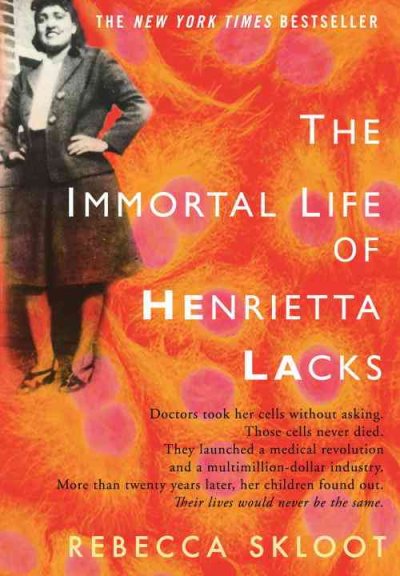
The Immortal Life of Henrietta Lacks

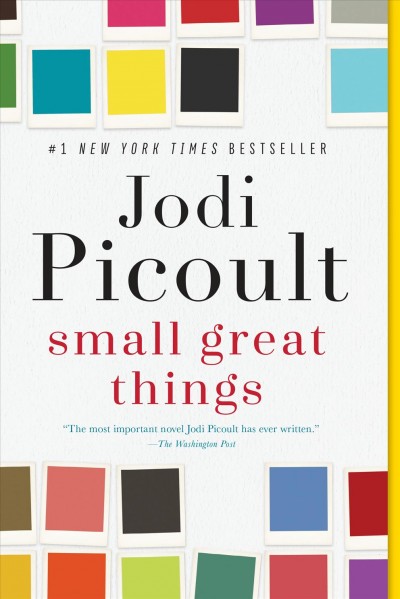
Small Great Things

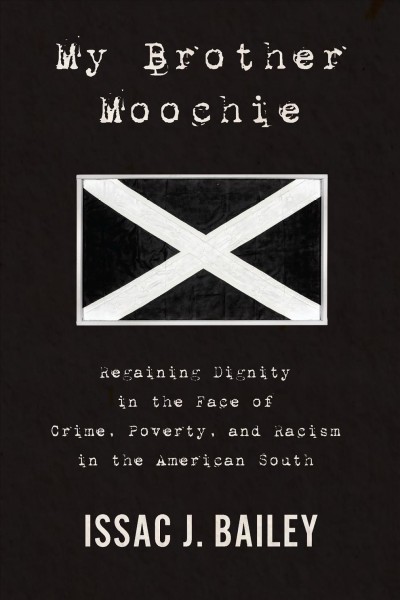
My Brother Moochie

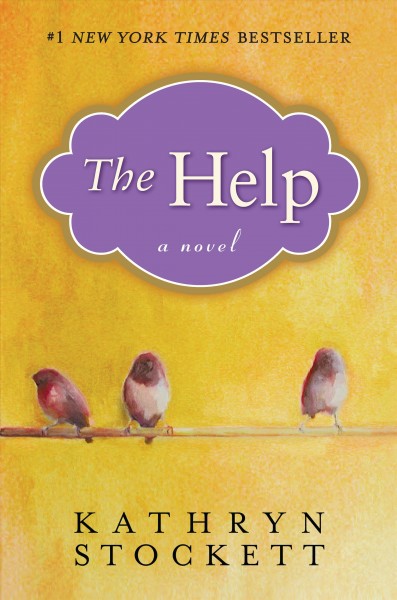
The Help

Evicted

Native Son

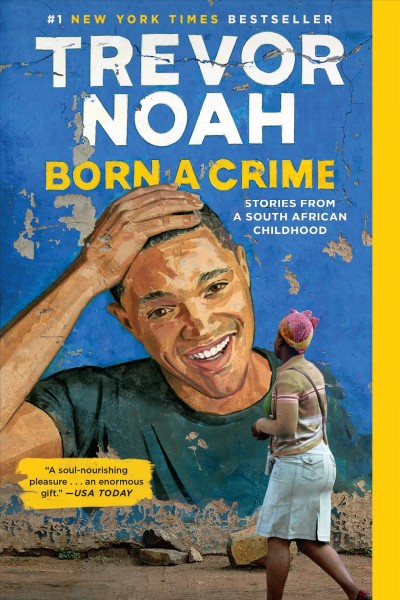
Born a Crime

Sing, Unburied, Sing

A Raisin in the Sun

Long Way Down

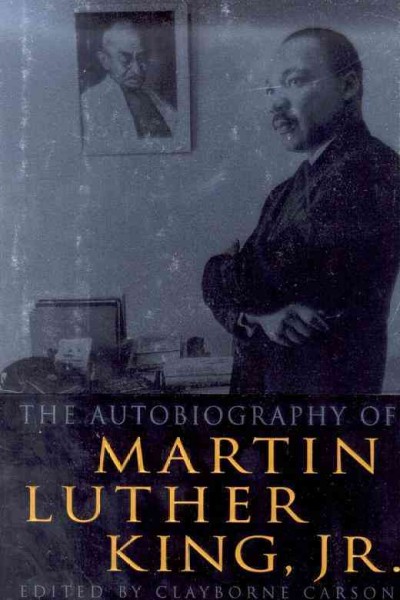
The Autobiography of Martin Luther King Jr.

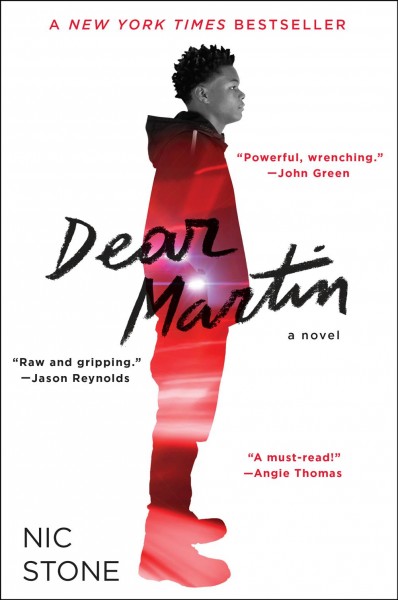
Dear Martin

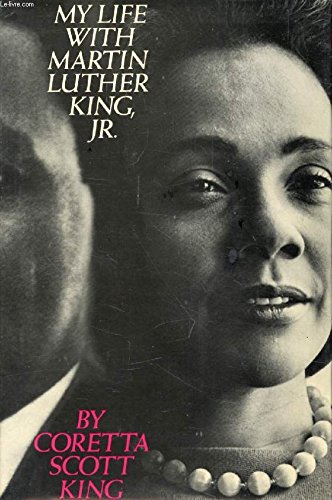
My Life With Martin Luther King Jr

Survival Math

How We Fight for Our Lives

Helping Young Children Deal With Grief

griefp1When a family faces grief due to the loss of a pet, home, or family member it is often hard to help our youngest family members deal with the changes. Sometimes we are so busy trying to deal with our own grief and the practical matters that need to be handled that we don’t have the energy and creative thinking necessary to handle the questions children have. Here are a variety of books that might help you and your kids deal with the emotions and changes.

In Our Parenting Section:griefp2
Tear Soup: a Recipe for Healing After Loss by Pat Schwiebert and Chuck DeKlyen; illustrated by Taylor Bills

Lifetimes: a Beautiful Way to Explain Death to Children by Bryan Mellonie and Robert Ingp

griefp3When Dinosaurs Die: a Guide to Understanding Death by Laurie Krasny Brown and Marc Brown

Guiding Your Child Through Grief by Mary Ann Emswiler and James P. Emswiler

When Children Grieve: For Adults to Help Children Deal GRIEF1with Death, Divorce, Pet Loss, Moving, and Other Losses by John W. James and Russell Friedman with Leslie Landon

With Our Picture Books and Children’s Non Fiction:
Always and Forever by Alan Durant; illustrated by Debi Gliori

Badger’s Parting Gifts by Susan Varleygrief8

When Aunt Mattie Got Her Wings by Petra Math

The Fall of Freddie the Leaf: a Story of Life for All Ages by Leo Buscaglia

I’ll Always Love You by Hans Wilhelmgrief5

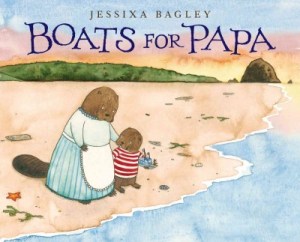
Boats for Papa by Jessixa Bagley

Harry & Hopper by Margaret Wild

When People Die by Pete Sanders and Steve Myersgrief7

Death by Patricia J. Murphy

When a Pet Dies by Fred Rogers

RT Book Reviews Magazine’s Author Career Achievement Awards 2015

rt

Each year, the editors of RT Book Review Magazine and 50 reviewers work together to narrow down a long list of nominees to find the one author who has made a great contribution in his or her genre.   Below are the 2015 winners.  Is your favorite author a winner?

Contemporary Romance – Linda Lael Miller is a #1 New York Times and USA TODAY bestselling author of more than 100 historical and contemporary novels, most of which reflect her love of the West.

Paranormal Romance – Christine Feehan is a #1 New York Times bestselling author of over 40 published novels, including five series; Leopard series, Dark series, Ghostwalker series, Drake Sisters series, & the Sisters of the Heart series.

Historical Romance – Julia Quinn is a #1 New York Times bestselling author and one of only sixteen members of Romance Writers of America’s Hall of Fame.

Erotic Romance – Maya Banks is the #1 New York Times, #1 USA Today and international bestselling author of over 50 novels.

Romantic Suspense – Carla Neggers is a New York Times bestselling author of more than 60 novels, with translations in 24 languages.

Historical Mystery – Rhys Bowen is the New York Times Bestselling author of the Royal Spyness series, Molly Murphy Mysteries, and Constable Evans. She has won the Agatha Best Novel Award and has been nominated for the Edgar Best Novel.

Mystery – Janet Evanovich is the #1 New York Times bestselling author of the Stephanie Plum series, the Lizzy and Diesel series, twelve romance novels, the Alexandra Barnaby novels and Troublemaker graphic novel, How I Write: Secrets of a Bestselling Author, as well as the Fox and O’Hare series with co-author Lee Goldberg.

Urban Fantasy – Laurell K. Hamilton is an American fantasy and romance writer. She is best known as the author of two series of stories, the New York Times-bestselling Anita Blake: Vampire Hunter series and the Merry Gentry series.

Inspirational – Irene Hannon is the author of 50 romantic suspense and contemporary romance/women’s fiction novels. She is a seven-time finalist for and three-time winner of the RITA award—the “Oscar” of romance fiction—and a member of the Romance Writers of America Hall of Fame.

Mainstream – NancyThayer is the author of twenty-three novels about the mysteries and romance of families and relationships: marriage and friendships, divorce and love, custody and step parenting, family secrets and private self-affirmation, the quest for independence and the normal human hunger for personal connections.