10 Books We’re Looking Forward to in August

Thrills, history, fantasy, and a bit of romance are all coming to Cheshire Library shelves in August. Just the thing to get us through the lazy, hazy days of summer!

Every month, librarians from around the country pick the top ten new books they’d most like to share with readers. The results are published on LibraryReads.org. One of the goals of LibraryReads is to highlight the important role public libraries play in building buzz for new books and new authors. Click through to read more about what new and upcoming books librarians consider buzzworthy this month. The top ten titles for August are:

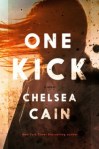
  1. One Kick by Chelsea Cain
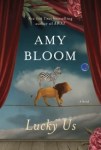
  2. Lucky Us by Amy Bloom
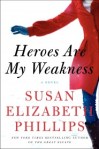
  3. Heroes Are My Weakness by Susan Elizabeth Phillips
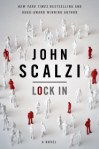
  4. Lock In by John Scalzi
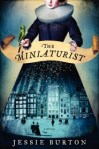
  5. The Miniaturist by Jessie Burton
  6. Big Little Lies by Liane Moriarty
  7. The Truth about Leo by Katie MacAlister
  8. An Unwilling Accomplice by Charles Todd
  9. The Magician’s Land by Lev Grossman
  10. The Story Hour by Thrity Umrigar

Happy Birthday Paperback Books!

birthday

On July 30, 1935, a new technology was born that provided knowledge, stories, entertainment (with text and pictures, no less) that was convenient and cheap.  It was light enough to carry anywhere and you could tag specific areas to penguinre-read at a later date.  An early e-reader?  Nope – the paperback book!  Penquin Publishers, in England, was the first to successfully publish respectable, quality writing without a hard cover.  (There were earlier paperback books called penny dreadfuls, yellow-backs, and dime novels that generally featured lurid stories and were printed on cheap pulp paper.)

pocketPartnering with Simon & Schuster, Robert de Graff introduced the first paperbacks in America on June 19, 1939 called Pocket Books.  The first American paperback book to be printed in the United States was The Good Earth by Pearl Buck.  The cost to purchase these new books – 25 cents versus $2.75 for a hardcover.  In order to make a profit on paperbacks, de Graff had to print 100,000 copies at a time.  He couldn’t rely on bookstores to sell that many copies so he began using magazine distributors to place Pocket Books in newsstands, subway stations, drugstores and any other outlet to reach suburban and rural populations.  He designed bold, colorful, eye-catching book covers to catch people’s eyes.  By September 1944, 100 million books were sold in more than 70,000 outlets across the United States.   By the end of the 1940’s, the paperback industry began publishing original stories.  Previously, the industry only reprinted hardcover titles.  There are now more than 20 major publishers producing high quality, original and reprinted paperbacks.


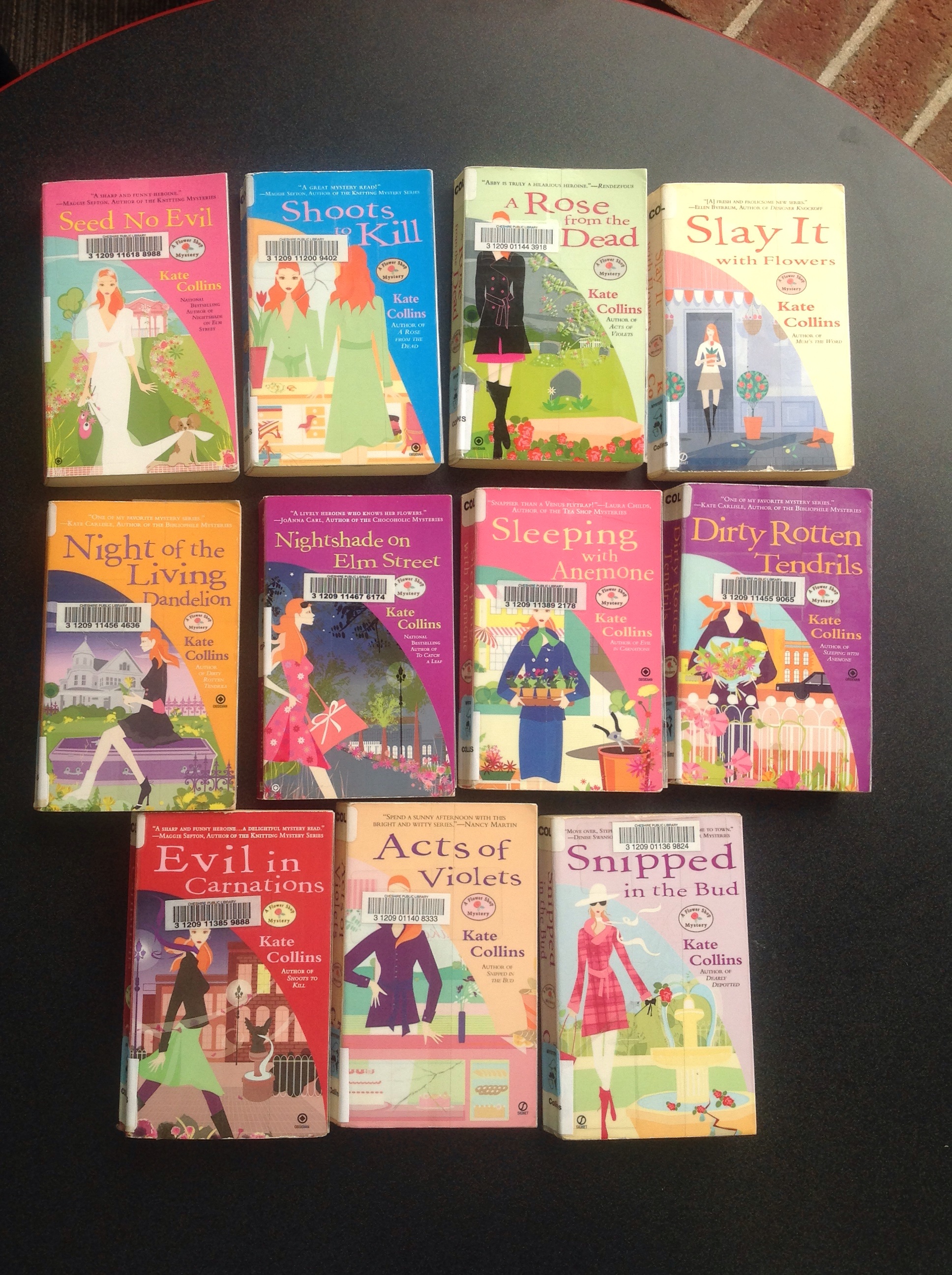
Today, there are many sizes of paperback books and all different prices, but the two major sizes are mass-market and trade.  Authors originally wrote stories for publications in magazines, but soon shifted their attention to mass-market paperbacks.  They could write longer, more in-depth, entertaining novels that boasted beautiful, bold, color covers and were prominently displayed in all types of venues.  They were affordable and easy to carry and proved to be a huge hit.  Mass-market paperback readers have a large selection of genres of original stories to choose from, in addition to best-selling hardcovers republished in paperback form.  In the beginning, Westerns were the biggest selling genre, followed by Crime and Science Fiction.   The most popular genre for mass-market today is Romance.  Within this genre you will find many sub-genres including contemporary romance, historical romance, small town romance, and paranormal romance.  The Cheshire Library has a separate section dedicated to mass-market Romance Books located towards the front of the library, near the large windows.    Another very popular genre for mass-market paperbacks are Cozy Mysteries.  The Cheshire Library has a large selection of these interfiled among the hardcovers in the Mystery section of the library.  You can also find regular Fiction, Science Fiction and Fantasy paperbacks in the library’s collection.
COZY MYSTERIES

COZY MYSTERIES

Some literary authors, critics and bookstore owners turned their noses up at mass market paperbacks.  When Doubleday’s Jason Epstein was a college student, he lamented the fact that he and his fellow students couldn’t afford hardcover editions and envisioned a line of upscale paperbacks of hardcover bestsellers and classics.  By 1953, Trade paperbacks were introduced.  These were larger, more durable, with attractive covers illustrated by fine artists with an appeal to a more intellectual market.  They sold for 65 cents to $1.25.    The library’s selection of Trade paperbacks are filed among the hardcover books.  They also come in a variety of genres, with the most popular genres being erotic romance – with Fifty Shades of Grey topping the charts – and Christian-themed books.


There were many who thought paperbacks would kill the publishing industry, but instead, the books proved to be quite the sensation.  As recently as 2010, paperbacks outsold hardcover books.  Although the ebook has taken some of the market away from paperbacks, they still continue to be a much beloved tool for readers everywhere.  The look, feel, texture, smell, size, and portability makes the paperback book very inviting.
 

Memoirs, Humor, and More About Fatherhood

In honor of Father’s Day, let’s take a look at some dad related humor, memoirs, and related collections of letters that can be great reads for dads new to the wonders of parenthood, those that are not quite as new to its wonders, and just about anyone.

Too Good to be True: a Memoir by Benjamin Anastas. When he was three, Anastas found himself in his mother’s fringe-therapy group in Massachusetts, a sign around his neck: Too Good to Be True. The phrase haunted him through his life. This is his deeply moving memoir of fathers and sons, crushing debt and infidelity– and the first, cautious steps taken toward piecing a life back together.

A Father First: How my Life Became Bigger than Basketball by Dwyane Wade.
NBA star Dwyane Wade discusses the rewarding responsibilities of being a single dad to his two sons, Zaire and Zion and highlights of his basketball career.

The Ticking is the Bomb: a Memoir by Nick Flynn. A dazzling, searing, and inventive memoir about becoming a father in the age of terror.

Fatherhood by Bill Cosby. A collection of ruminations, anecdotes, and vignettes based on Cosby’s experiences as a son and father.

Manhood for Amateurs by Michael Chabon. An entertaining omnibus of opinionated essays previously published mostly in Details magazine spotlights novelist Chabon’s (The Yiddish Policemen’s Union) model of being an attentive, honest father and a fairly observant Jew.

Lamentations of the Father by Ian Frazier. More serious than a “gag” writer and funnier than most essayists, Frazier has a classical originality. This collection, a companion to his previous humor collections “Dating Your Mom” and “Coyote v. Acme,” contains 33 pieces gathered from the last 13 years.

Don’t Make Me Stop this Car!: Adventures in Fatherhood by Al Roker. Al provides an unprecedented, intimate look into his experiences with infertility treatments, adoption, and the normal fears and wonders of an expecting parent. As Al manages the needs of his daughters from two marriages and the demands of a high-profile career, he is like millions of others who fantasize about the newest sport utility vehicle, struggle with a GapKids addiction, and bask in the golden moments of first steps and special Father’s Day meals. Along the way, Al comes to a deeper understanding of his parents’ love for him and a whole new appreciation of them as grandparents.

Raising Cubby: a Father and Son’s Adventures with Asperger’s, Trains, Tractors, and High Explosives  John Elder Robison. The comic memoir of an Aspergian father raising his Aspergian son, by the bestselling author of Look Me in the Eye.

As usual, I found too many great books to stop, so if you are looking for even more you might want to check out; Dad is Fat by Jim Gaffigan, The Council of Dads: My Daughters, My Illness, and the Men Who Could be Me by Bruce S. Feiler, Sh*t My Dad Says by Justin Halpern, Wisdom of our Fathers: Lessons and Letters from Daughters and Sons by Tim Russer, No Wonder my Parents Drank: Tales from a Stand-up Dad by Jay Mohr, A Promise to Ourselves: a Journey Through Fatherhood and Divorce by Alec Baldwin, The Bastard on the Couch: 27 Men Try Really Hard to Explain their Feelings about Love, Loss, Fatherhood, and Freedom edited by Daniel Jones, and Big Russ and Me: Father and Son by Tim Russert.

June is National Bathroom Reading Month

Yes, you read that right. June is actually National Bathroom Reading Month. I never knew a month was dedicated to this, but I guess everything has a special time set aside to celebrate it’s uniqueness these days.

So what kind of list do you think I will offer up here? It took me awhile to decide myself. Should I offer up books about bathroom renovation, dirty jokes, short stories, potty training, or something else completely? There are just so many options! I decided to go with reading material, mostly of a humorous bent including some memoirs, that are portioned out in short tidbits, stories, or facts, best suited for reading in short periods of time. Not that I promote reading library books in that particular room of course, but these books would do well while waiting in the car or for any short reading time spans.

1. The Ten, Make that Nine, Habits of Very Organized people. Make that Ten: the Tweets of Steve Martin

2. Napalm & Silly Putty by George Carlin

3. Our Dumb World: The Onion’s Atlas of the Planet Earth by The Onion

4. Cake Wrecks: When Professional Cakes go Hilariously Wrong by Jen Yates

5. Dave Barry Is Not Making This Up by Dave Barry

6. Squirrel Seeks Chipmunk: A Modest Bestiary by David Sedaris

7. Hyperbole and a Half: Unfortunate Situations, Flawed Coping mechanisms, Mayhem, and Other Things that Happened by Allie Brosh

8. I Didn’t Ask to be Born (But I’m Glad I Was) by Bill Cosby; illustrations by George Booth

9. Beautifully Unique Sparkleponies: on Myths, Morons, Free Speech, Football, and Assorted Absurdities by Chris Kluwe

10. Is Everyone Hanging out Without Me? (and other concerns) by Mindy Kaling

And because I can never leave well enough alone, here are some more options: America again: Re-becoming the Greatness We Never Weren’t by Stephen Colbert, Let’s Explore Diabetes with Owls by David Sedaris, Sometimes I Feel Like a Nut: Essays and Observations by Jill Kargman, Totally Mad: 60 Years of Humor, Satire, Stupidity and Stupidity by John Ficarra, Sh*t My Dad Says by Justin Halpern, The 50 Funniest American Writers*: an Anthology of Humor from Mark Twain to the Onion *according to Andy Borowitz, Humor Me: an Anthology of Funny Contemporary Writing (Plus Some Great Old Stuff Too) edited by Ian Frazier,
Our Front pages: 21 Years of Greatness, Virtue, and Moral Rectitude from America’s Finest News Source, The Onion, and Let’s Pretend this Never Happened: (a Mostly True Memoir) by Jenny Lawson the Bloggess.


Fiction for Young Tech Fiends

Do you have a child that loves the computers and all things internet or computer game related? If you are hoping to get those kids looking at books on paper rather than computer screens, then perhaps some books about computers, the internet, and related games might interest them in  reading a little bit more. Here are some novels that feature computers and related technology in the story.

The Homework Machine by Dan Gutman
Four fifth-grade students–a geek, a class clown, a teacher’s pet, and a slacker–as well as their teacher and mothers, each relate events surrounding a computer programmed to complete homework assignments.

The Boggart by Susan Cooper
After visiting the castle in Scotland which her family has inherited and returning home to Canada, twelve-year-old Emily finds that she has accidentally brought back with her a boggart, an invisible and mischievous spirit with a fondness for practical jokes.

Mousenet by Prudence Breitrose; illustrated by Stephanie Yue.
Sent to live with her chef father and his wife in Oregon after having stayed with her inventor uncle and scientist mother in Cincinnati, ten-year-old misfit Megan is lonely until she starts working with some computer-savvy mice to try to save Mouse Nation–and the planet.

Snail Mail No More by Paula Danziger & Ann M. Martin
Now that they live in different cities, thirteen-year-old Tara and Elizabeth use email to “talk” about everything that is occurring in their lives and to try to maintain their closeness as they face big changes.

Pure Dead Magic by Debi Gliori
When their father is kidnapped and danger looms, the Strega-Borgia children, their mysterious new nanny, and a giant tarantula use magic and actual trips through the Internet to bring peace to their Scottish castle.

Even more great computer, video game, and internet based fiction is out there. Here are some more of the titles I would recommend first; Monsters in Cyberspace by Dian Curtis Regan with illustrations by Melissa Sweet, Gospel According to Larry by Janet Tashjian, Heir Apparent by Vivian Vande Velde, The Softwire: Virus on Orbis 1 by PJ Haarsma, and Curses, Inc., and Other Stories by Vivian Vande Velde. Do you or your children have a favorite I missed? Please let us know so we can spread the word!