Honest Looks at Motherhood for Mother’s Day

I once, briefly, had beautiful hair. In 2019, tired of the constant maintenance required by my standard-issue short bob, I decided to stop visiting the hairstylist. The Covid lockdowns in 2020 were a convenient excuse to continue the experiment. By the time I had my first child in the summer of 2021, my hair was lustrous, thicker and longer than ever (thanks, pregnancy hormones!), and shot through with cinnamon-brown highlights. On the rare occasions that I washed and dried my hair during maternity leave, I could almost pass for a mildly successful TikTok influencer.

Then, on cue, the postpartum hair loss started. Strands fell out at an alarming rate. Bouts with Covid and daycare-transmitted viral infections caused even more hair loss. I saw parts of my scalp I didn’t know existed. By the time I returned to work from having my second child, my hair resembled Albus Dumbledore’s phoenix, sad and ragged, a dark echo of its former glory (except for the new grays, of course). So, I went to the salon and had them take it all off, snipping and shaving me down until I had a pixie cut. I officially had my Mom Hair. I was in the club. I was no longer subverting gendered expectations, but living the reality of the most gendered expectation of them all.

I’ll spare you the other indignities that come with giving birth to another human being, but know, if you haven’t done it yourself, that they are legion. So are the complex social and emotional changes that happen when you transition to parenthood, and specifically to motherhood. Your whole identity changes overnight. That’s harder to talk about than the stupid hair thing. And the longer I’m mired in the day-to-day reality of being Mama / Mom / Mamba to two young kids, the harder it is for me to remember those changes, let alone articulate it to others. Luckily, there are women out there who have been able to do it. It’s not all beautiful, not like the flower arrangements and the precious handprint art that will be exchanged on Mother’s Day. But they provide an illuminating glimpse into motherhood for those on the outside. If you’re a mom like me, these titles might hit you right where you used to have ab muscles.

Honest Motherhood: On Losing My Mind and Finding Myself by Libby Ward (2026)
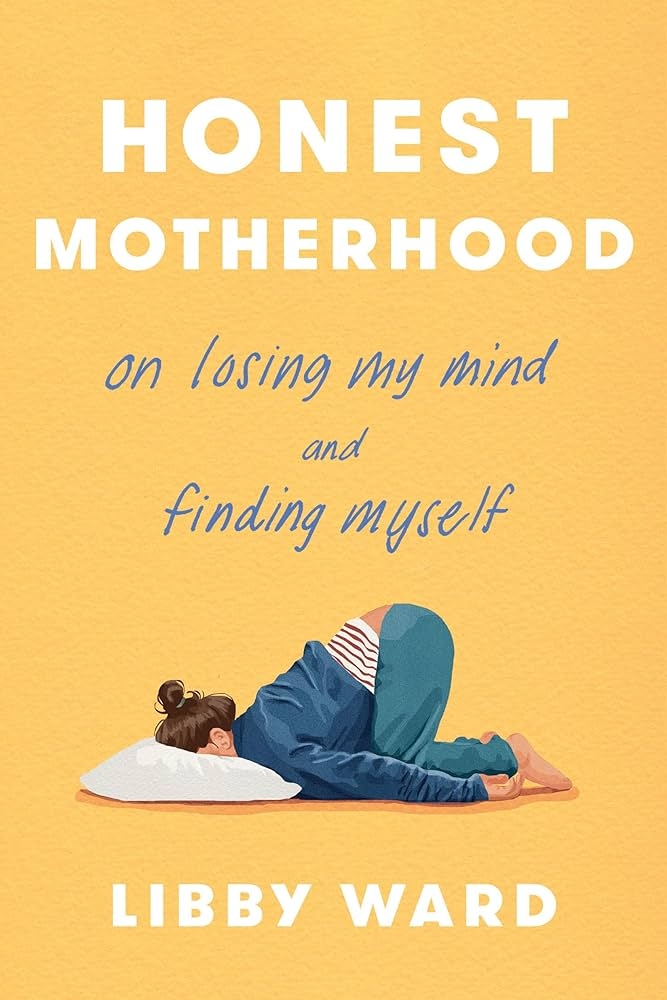
From the publisher: In Honest Motherhood, Libby candidly shares her journey of unlearning the myth of the ideal mother. She dives headfirst into the experiences many mothers have but few feel safe enough to say out loud—the lack of support, the guilt, the invisibility, the cycles they’re breaking, and the fantasies about a hospital stay just to get a flippin’ break. Libby untangles her social conditioning from learned trauma responses and discovers that letting go of unrealistic standards, asking for help, and prioritizing herself aren’t failures—they’re necessities.

I’ll Show Myself Out: Essays on Midlife and Motherhood by Jessi Klein (2022)
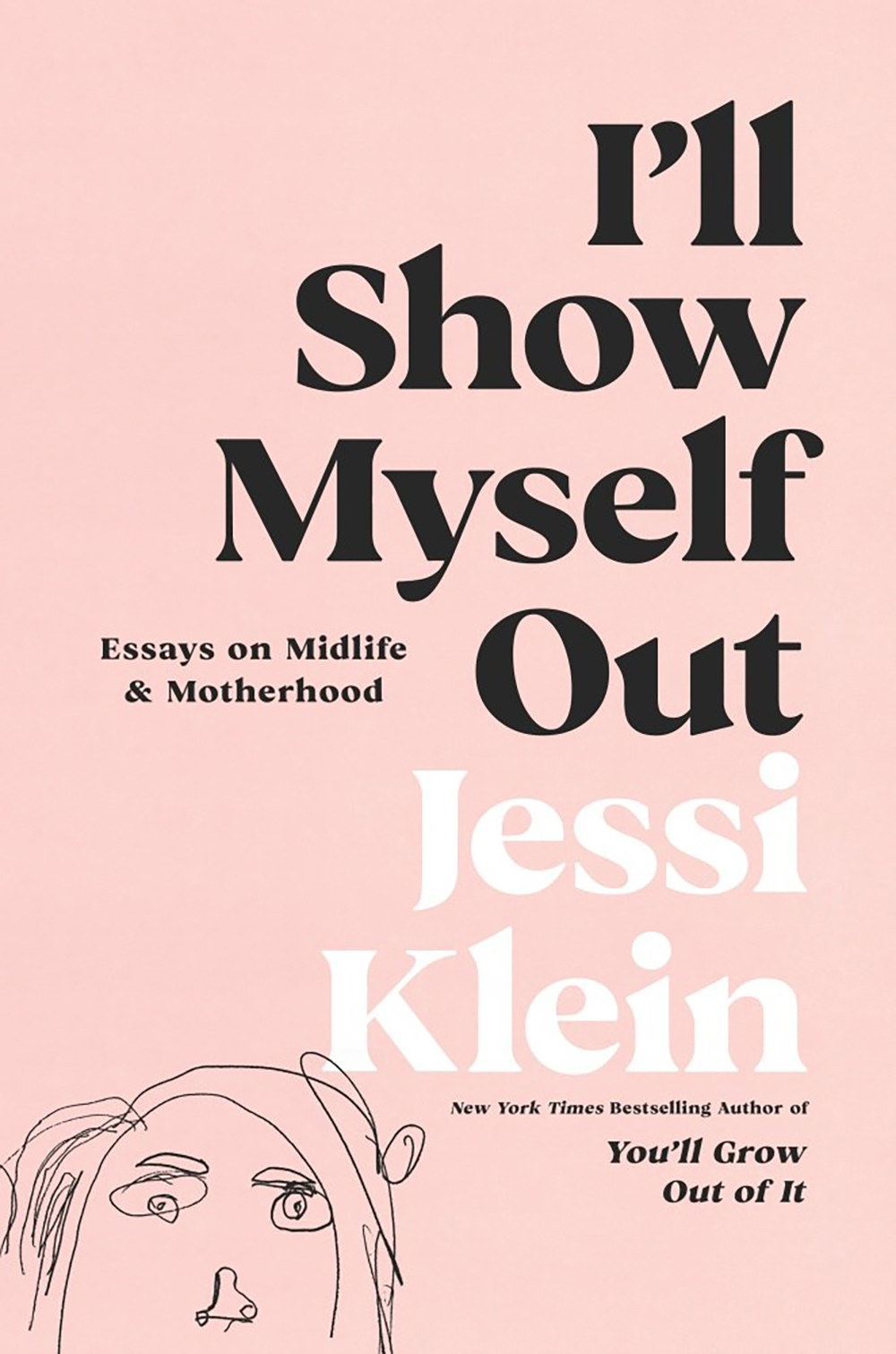
From the publisher: In Emmy Award-winning writer and producer Jessi Klein’s second collection, she hilariously explodes the cultural myths and impossible expectations around motherhood and explores the humiliations, poignancies, and possibilities of midlife. Klein explores this stage of life in all its cruel ironies, joyous moments, and bittersweetness.

Screaming on the Inside: The Unsustainability of American Motherhood by Jessica Grose (2022)
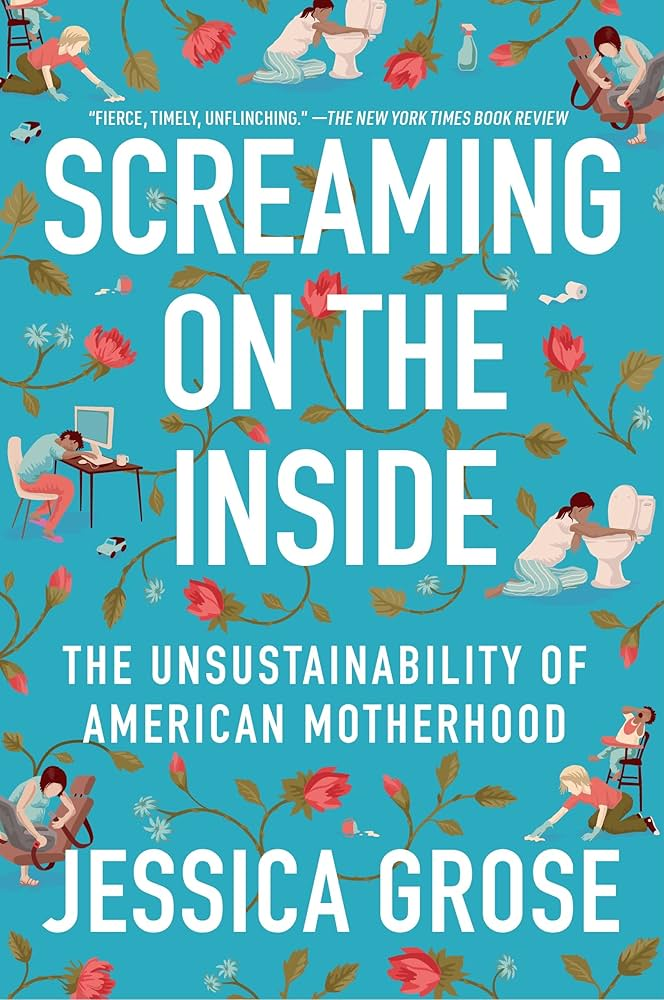
From the publisher: In this timely and necessary book, New York Times opinion writer Jessica Grose dismantles two hundred years of unrealistic parenting expectations and empowers today’s mothers to make choices that actually serve themselves, their children, and their communities.

Nightbitch: A Novel by Rachel Yoder (2021)
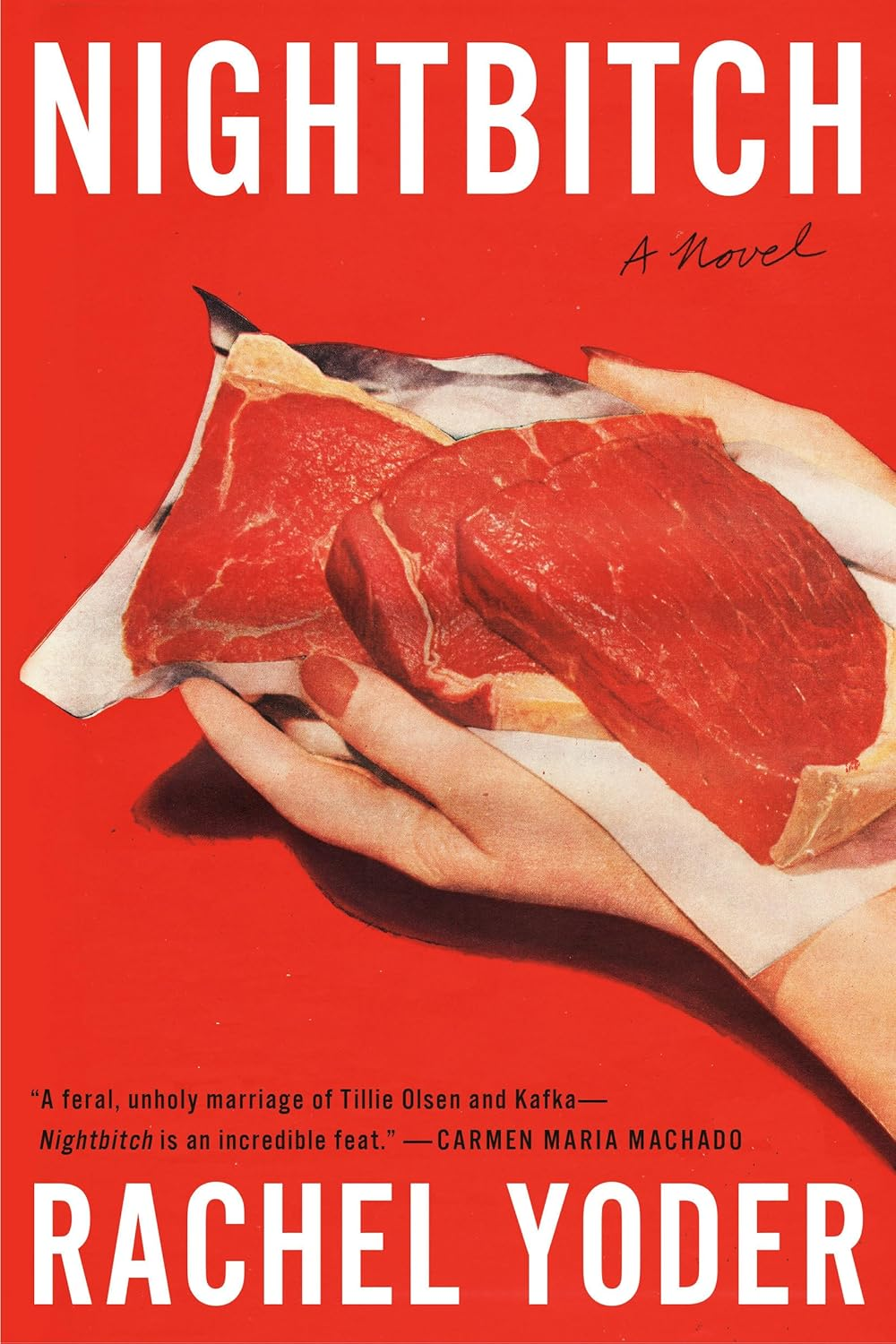
From the publisher: An artist turned stay-at-home mom becomes convinced that she is turning into a dog and, as her symptoms intensify, struggles to keep her alter-canine-identity a secret, until she meets a group of mothers who may also be more than what they seem.

Mama Needs a Minute!: A Candid, Funny, All-Too-Relatable Comic Memoir About Surviving Motherhood by Mary Catherine Starr (2025)
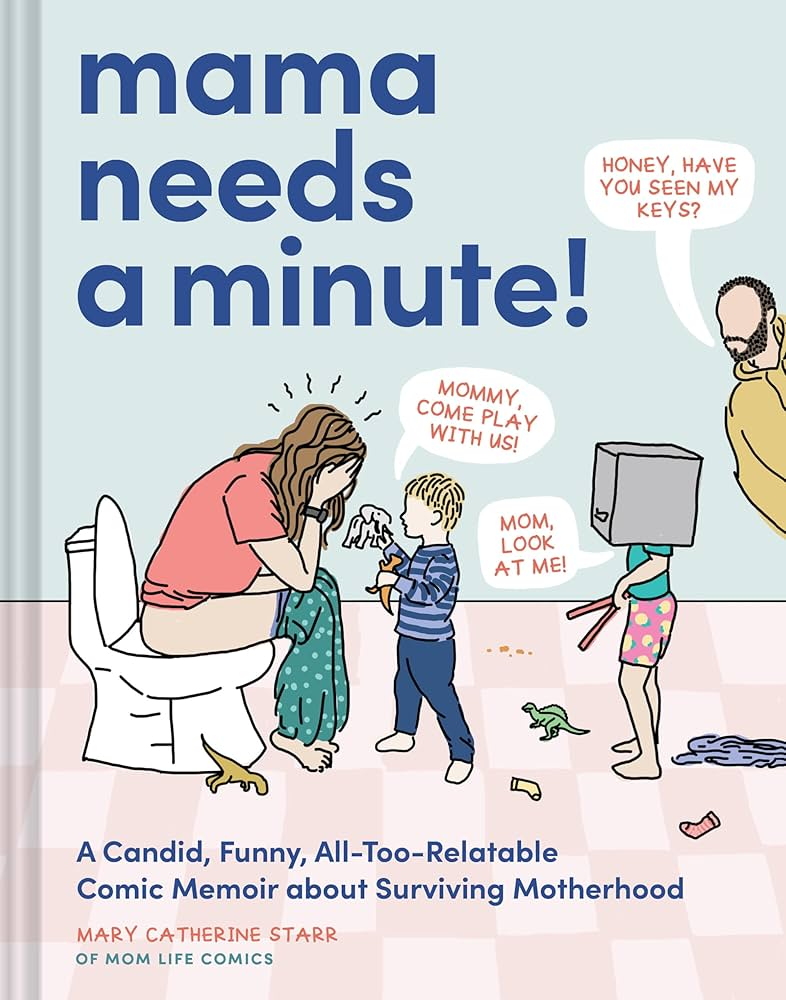
From the publisher: Filled with Starr’s signature wit, warmth, and observational humor, Mama Needs a Minute! tackles all the absurdities of modern motherhood through illuminating anecdotes and delightful illustrations. Whether you’re navigating a hellish sleep regression, wiping sweet potato off the walls, singing your four-thousandth lullaby, or simply hoping to pee without a toddler watching, this honest and irreverent account of motherhood will make you laugh, cry, and feel seen in a way that only a true mom-friend can.

I Was Told There’d Be a Village: Transforming Motherhood Through the Power of Connection by Melissa Wirt (2025)
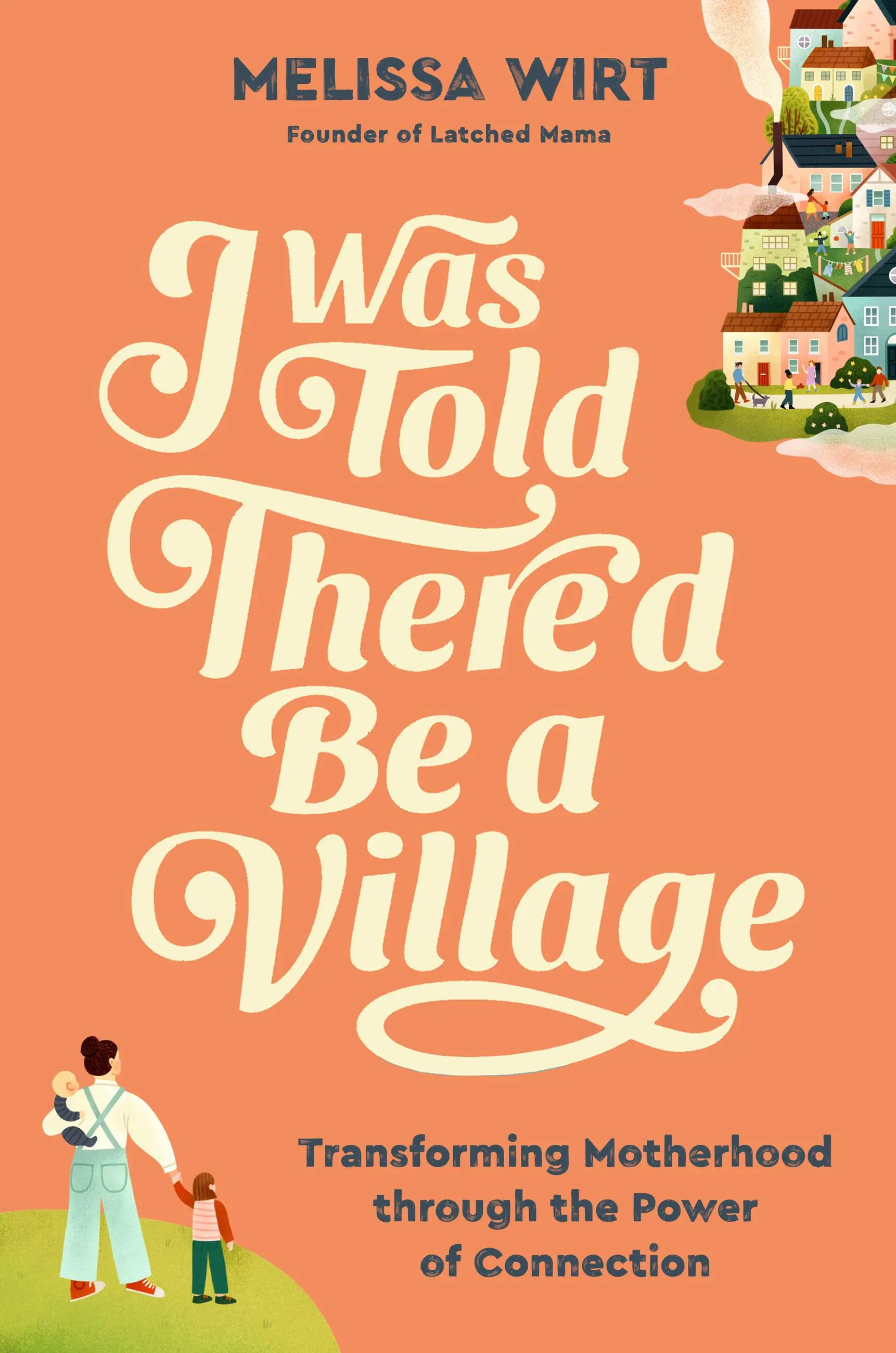
From the publisher: Melissa Wirt thought she had everything-she’d built her own company and moved to a beautiful farm with her family. Then during a personal crisis, she realized: despite having created an online community reaching thousands of moms, she’d also somehow, become utterly isolated. In I Was Told There’d Be a Village, Melissa describes how she began making small changes-leaving behind a damaging Isolation Mindset and developing an advantageous Village Mindset. Using personal anecdotes and stories from moms across the country, this book provides specific, actionable steps to transform oppressive, solitary parenting into a connected, collective (even joyful) endeavor.

The Push: A Novel by Ashley Audrain (2021)
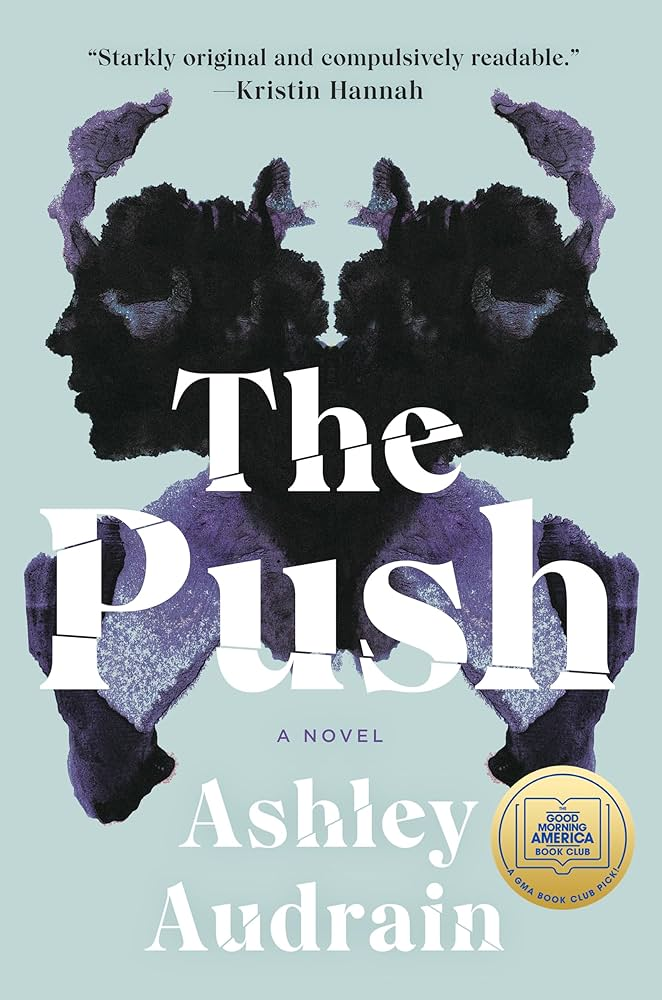
From the publisher: Blythe Connor is determined that she will be the warm, comforting mother to her new baby Violet that she herself never had. But in the thick of motherhood’s exhausting early days, Blythe becomes convinced that something is wrong with her daughter—she doesn’t behave like most children do. Or is it all in Blythe’s head? Her husband, Fox, says she’s imagining things. The more Fox dismisses her fears, the more Blythe begins to question her own sanity, and the more we begin to question what Blythe is telling us about her life as well. Then their son Sam is born—and with him, Blythe has the blissful connection she’d always imagined with her child. Even Violet seems to love her little brother. But when life as they know it is changed in an instant, the devastating fall-out forces Blythe to face the truth.

A Woman’s Work: Reclaiming the Radical History of Mothering by Elinor Cleghorn (2026)
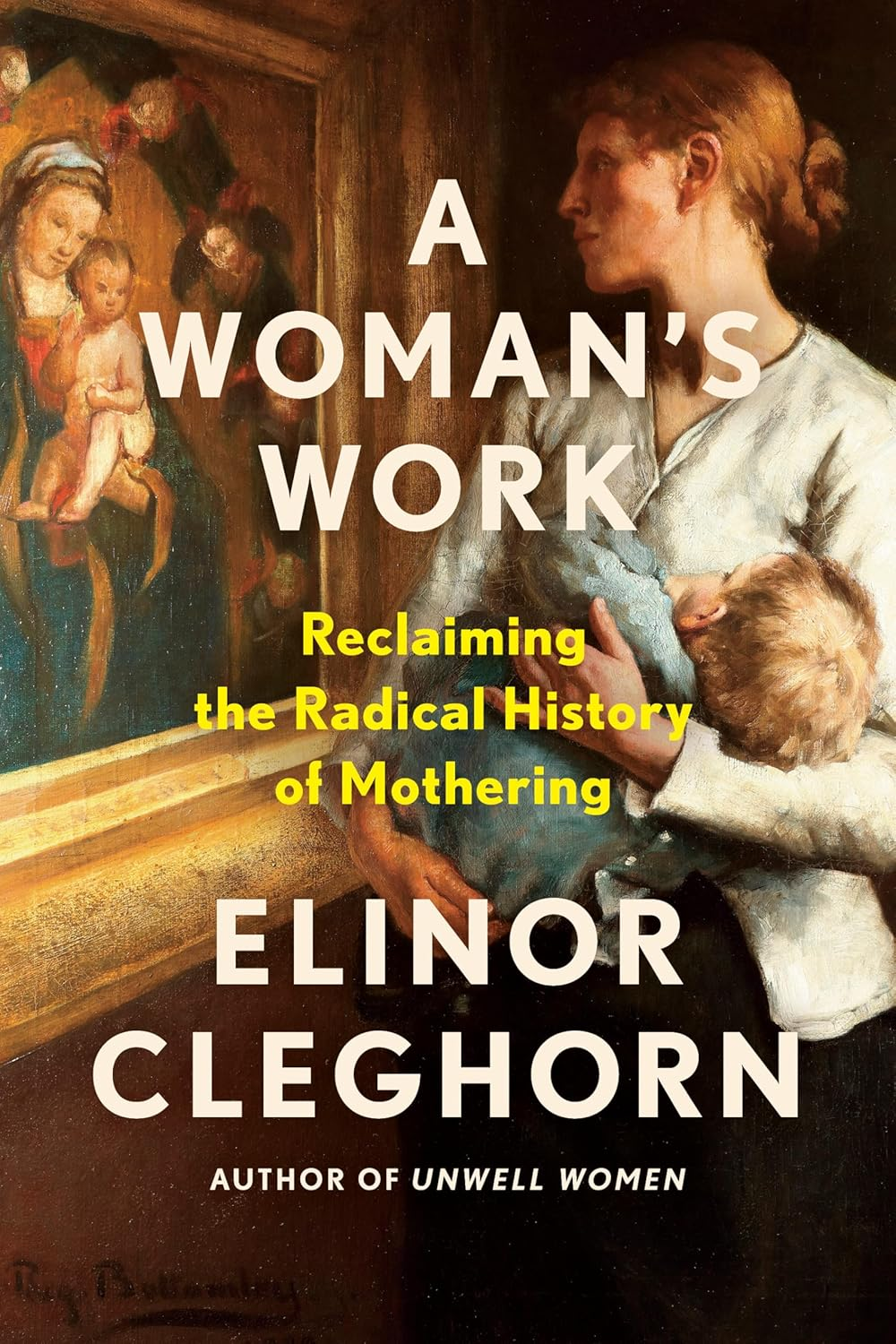
From the publisher: Mothers make history. But what it has meant for mothers to do the physical and emotional work of mothering has, for centuries, been neglected in the stories of the past. Patriarchal control of motherhood has relegated the acts of growing, birthing, nurturing, and loving to the sidelines, and deemed it unimportant, women’s work. Now, through the voices of women themselves, Elinor Cleghorn reclaims and retells the history of motherhood, showcasing the mothers, othermothers, midwives, activists, community leaders, and more who have shaped the course of history.

Motherthing by Ainslie Hogarth (2022)
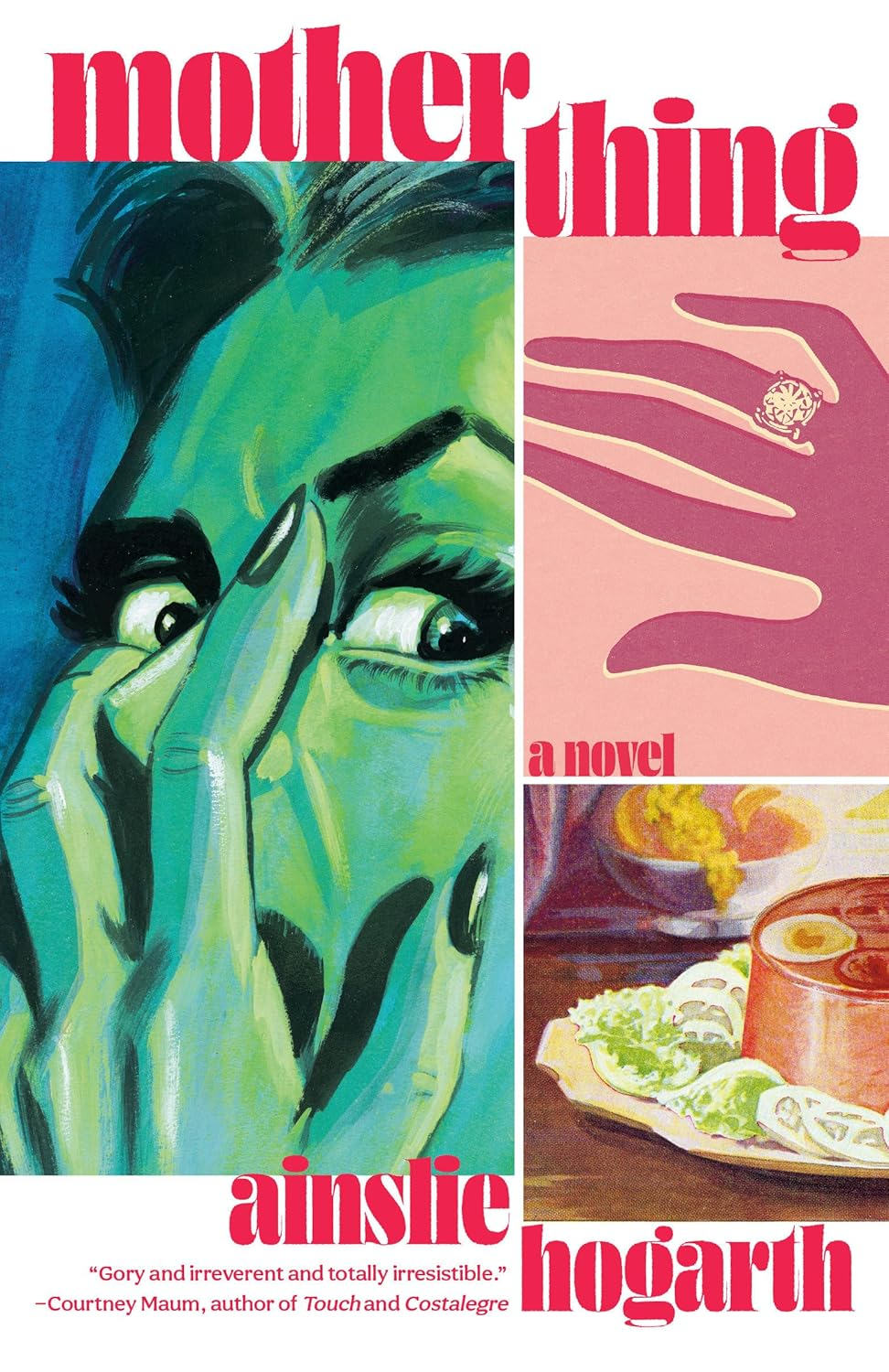
From the publisher: A darkly funny domestic horror novel about a woman who must take drastic measures to save her husband and herself from the vengeful ghost of her mother-in-law. Abby Lamb has done it. She’s found the Great Good in her husband, Ralph, and together they will start a family and put all the darkness in her childhood to rest. But then the Lambs move in with Ralph’s mother, Laura, whose depression has made it impossible for her to live on her own. She’s venomous and cruel, especially to Abby, who has a complicated understanding of motherhood given the way her own, now-estranged, mother raised her. When Laura takes her own life, her ghost starts to haunt Abby and Ralph in very different ways. Ralph is plunged into depression, and Abby is being terrorized by a force intent on taking everything she loves away from her. With everything on the line, Abby must make the ultimate sacrifice in order to prove her adoration to Ralph and break Laura’s hold on the family for good.
Emerging Genre Highlight: LitRPG

LitRPG stands for “literary role-playing game.” These are fantasy or science fiction stories that incorporate elements from tabletop role-playing games (e.g., Dungeons & Dragons) and role-playing video games (e.g., The Elder Scrolls or Fallout series). For those unaware, role playing games (RPGs for short) involve players taking on roles in a fictional environment and developing their character in unique ways as the story progresses. This character development and its associated game mechanics are the common threads you will find in all LitRPG titles.

But haven’t RPG-influenced fantasy and science fiction been around for a while? What makes LitRPG unique? It can be difficult to parse genres because there are already novels that borrow quite a bit from RPGs. Dozens of authors have been writing authorized Dungeons & Dragons stories since the 80s—R. A. Salvatore and Margaret Weis among the most popular of this group. What differentiates LitRPG is that characters are aware of the game mechanics.

In traditional fantasy, a character might defeat an enemy and take their battle-axe. Perhaps the battle-axe emanates warmth and pulses with a red glow. In LitRPG on the other hand, a level 5 character might defeat a level 8 boss and take their Fire-Enchanted Dwarven Battle-Axe. A screen pops up in front of them, floating in mid-air, with text that reads: “This is a unique weapon. Wielder is granted +3 fire damage to melee attacks. When an enemy is slain with this weapon, they erupt in a fiery explosion that deals 5 fire damage to all creatures in a 3 meter radius.”

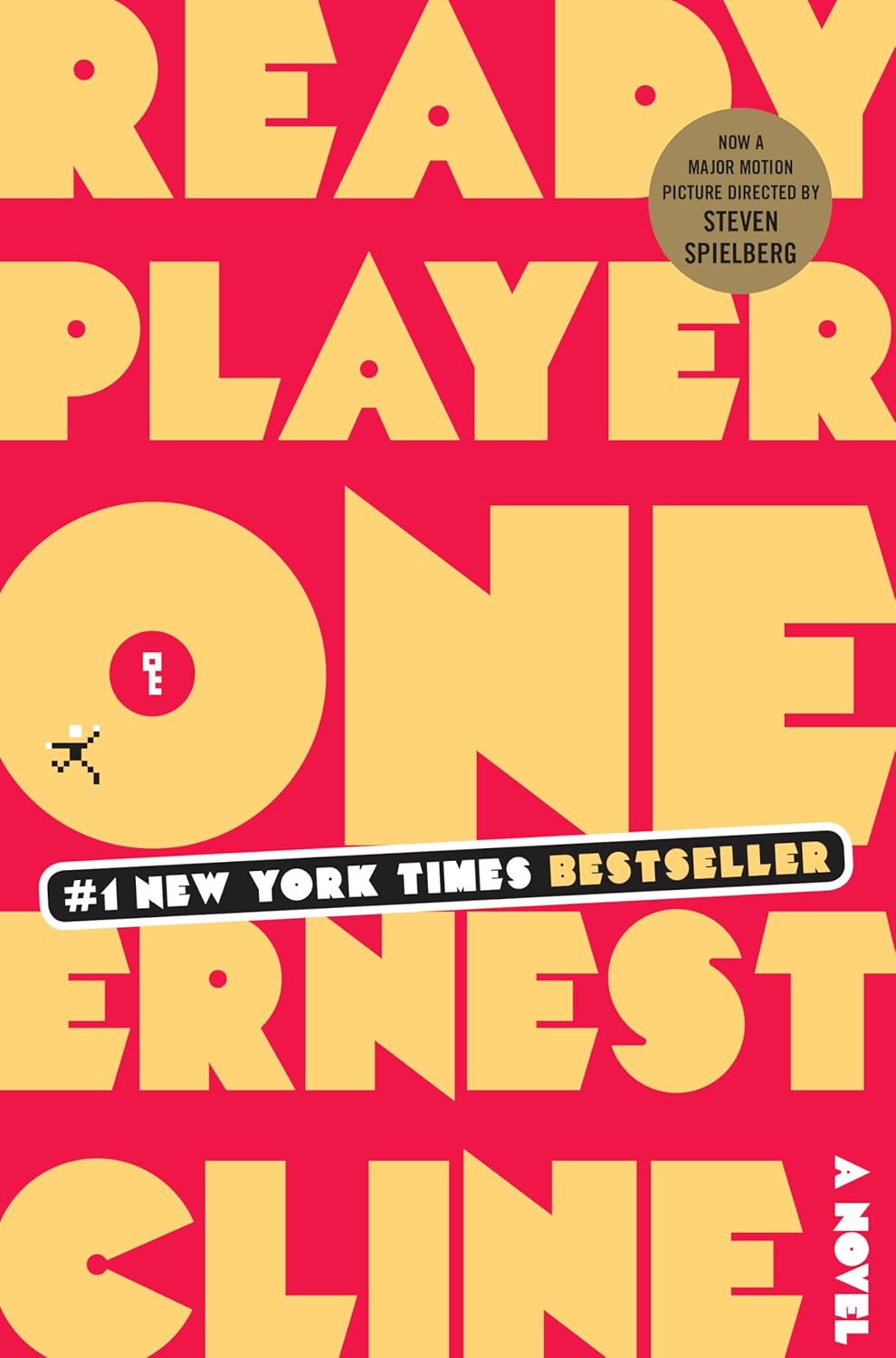
Ready Player One is a good touchstone when approaching this genre from a non-RPG background. Though some don’t consider it to be true LitRPG, it does feature a protagonist interacting in a video-game world and using game mechanics to become more powerful. There are passages like “This particular magic sword could only be used by an avatar who was tenth level or higher,” which is the kind of writing you would find in LitRPG.

Is this all sounding a little too video-gamey? Like Ready Player One, most LitRPG books can be read with no knowledge or interest in RPGs. I can attest that a number of my close friends are big fans and have never played an RPG in their life. As long as you find some thrill in cool loot, cool magic, and over-the-top action, there will be something for you in LitRPG.

“These books sound fun!” you say. “Where can I get my hands on one?” you ask. Well, LitRPG is still a relatively fledgling genre, and most books are self published. As such, you’ll only find a couple in our library system. More are sure to appear in the next year or two, but if you’re interested in diving into this genre now, you will find them online in eBook and eAudiobook formats. It’s also worth noting that, because of their emphasis on progression over time, many LitRPG series can be more than 10 books long. If you prefer short, self-contained stories, LitRPG is not for you.

So where is this genre headed? In May of this year, the author who brought LitRPG closer to the mainstream, Matt Dinniman, is releasing the next book in his Dungeon Crawler Carl series. It’s worth noting this will be the first new entry in the series published by a major publishing house (Ace, an imprint of Penguin Random House). This is a clear indication that there’s money to be found in LitRPG and I expect other publishing houses will follow suit.

Also important to note: In 2024, Universal International Studios announced they were developing a TV adaptation of Dungeon Crawler Carl. As far as I can tell, it’s too early to call this a done deal; projects like this fizzle into nothing all the time. But if the show comes to fruition, expect even more of a spotlight on LitRPG.

In the meantime, here are several books that serve as good introductions to the genre:

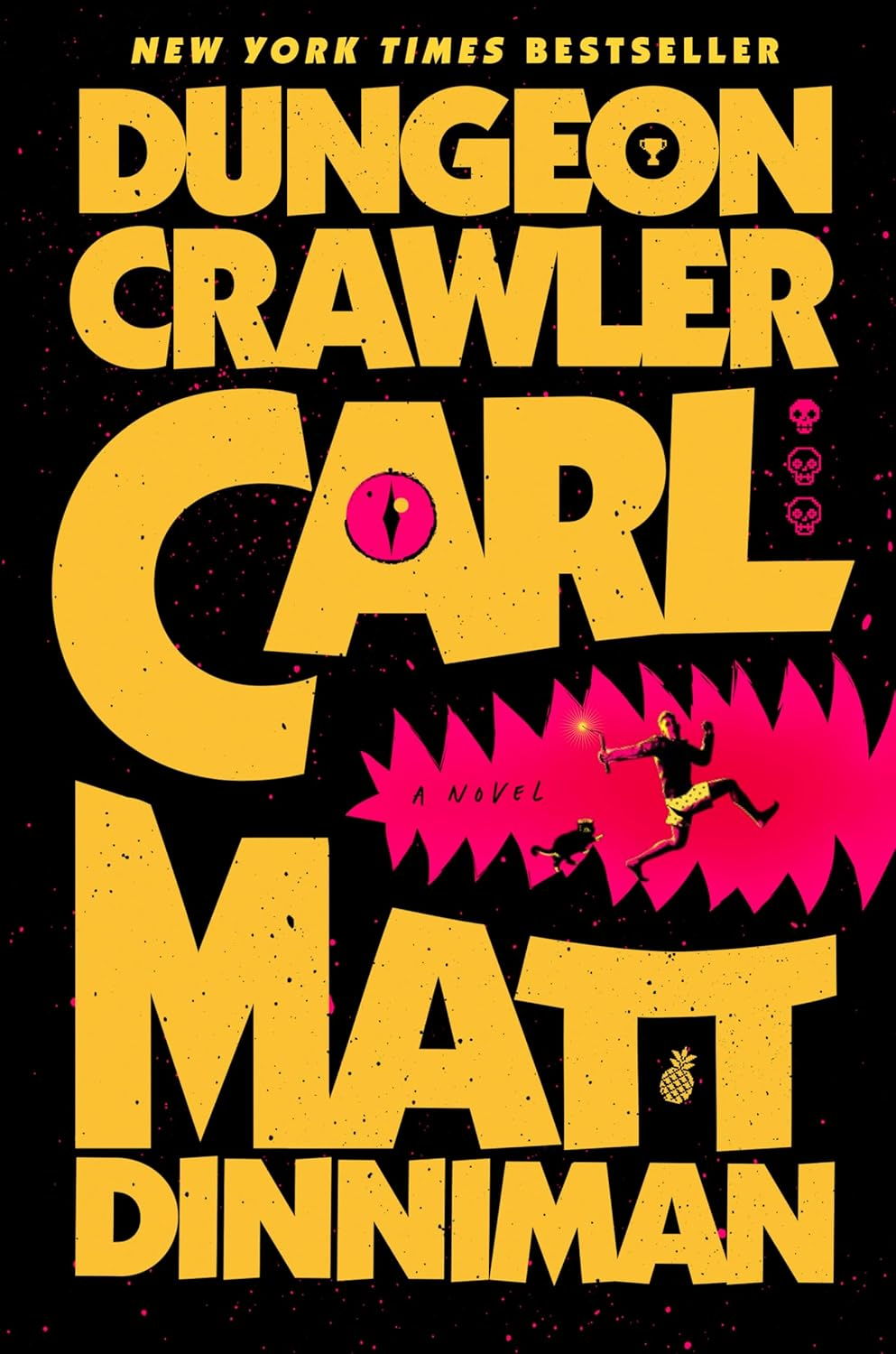
Dungeon Crawler Carl by Matt Dinniman

You know what’s worse than breaking up with your girlfriend? Being stuck with her prize-winning show cat. And you know what’s worse than that? An alien invasion, the destruction of all man-made structures on Earth, and the systematic exploitation of all the survivors for a sadistic intergalactic game show. That’s what.

Join Coast Guard vet Carl and his ex-girlfriend’s cat, Princess Donut, as they try to survive the end of the world—or just get to the next level—in a video game–like, trap-filled fantasy dungeon. A dungeon that’s actually the set of a reality television show with countless viewers across the galaxy. Exploding goblins. Magical potions. Deadly, drug-dealing llamas. This ain’t your ordinary game show.

Welcome, Crawler. Welcome to the Dungeon. Survival is optional. Keeping the viewers entertained is not.

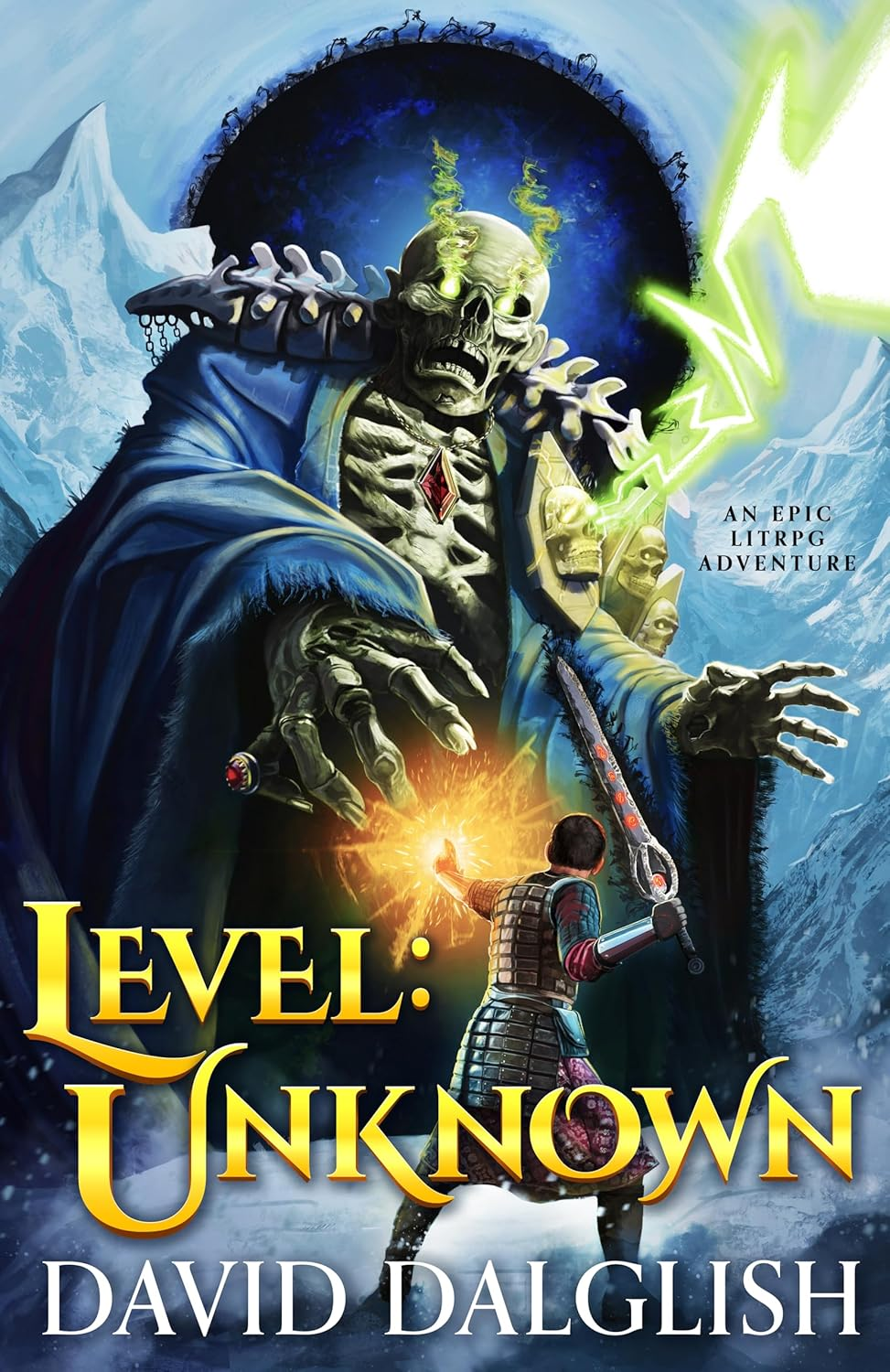
Level: Unknown by David Dalglish

When an ancient alien artifact chooses research cadet Nick to explore the world stored within it—a place full of forgotten empires, heroes with strange powers, and monstrous creatures that he is automatically transported to when he sleeps—he finds he has no choice but to grow stronger within the realm of Yensere to uncover its mysteries. 

But Yensere isn’t all fun exploration. In this land guided by statistics and levels, Nick is seen as a demonic threat by its diseased inhabitants and always killed on-sight. When he dies in Yensere, he awakens in his bed upon the research station, his body in a state of panic; when he sleeps again, Yensere drags him back for another life…and another death. 

Nick can only keep this up for so long before he dies for real. But there’s a good chance Yensere holds the key to saving humanity from a terrible fate, and so he ventures on, getting stronger and stronger with each new enemy defeated. And there are a LOT of enemies to defeat…

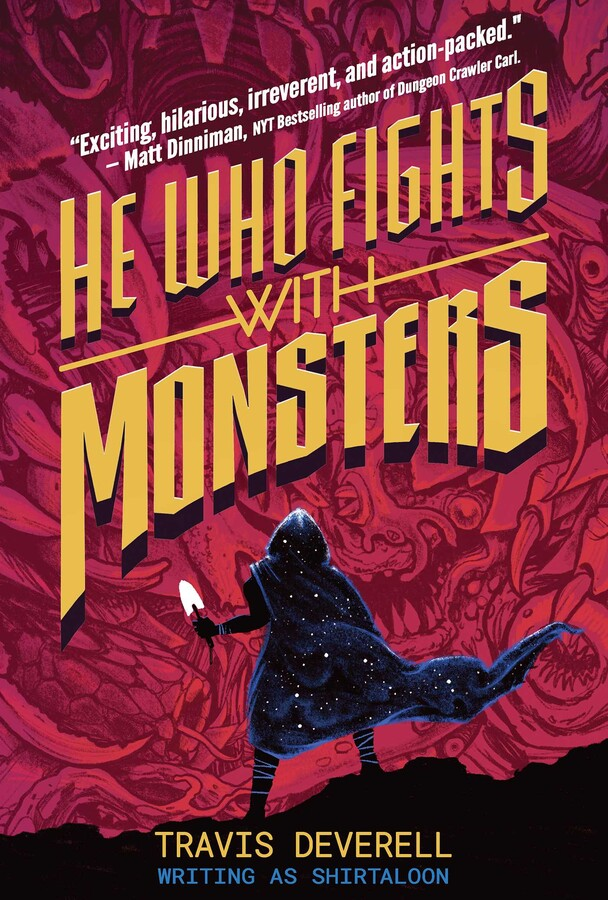
He Who Fights With Monsters by Shirtaloon (a.k.a. Travis Deverell)

It’s not easy making the career jump from office-supplies-store middle manager to heroic interdimensional adventurer. At least, Jason tries to be heroic, but it’s hard to be good when all your powers are evil.

He’ll face off against cannibals, cultists, wizards, monsters…and that’s just on the first day. He’s going to need courage, he’s going to need wit, and he’s going to need some magic powers of his own. But first, he’s going to need pants.

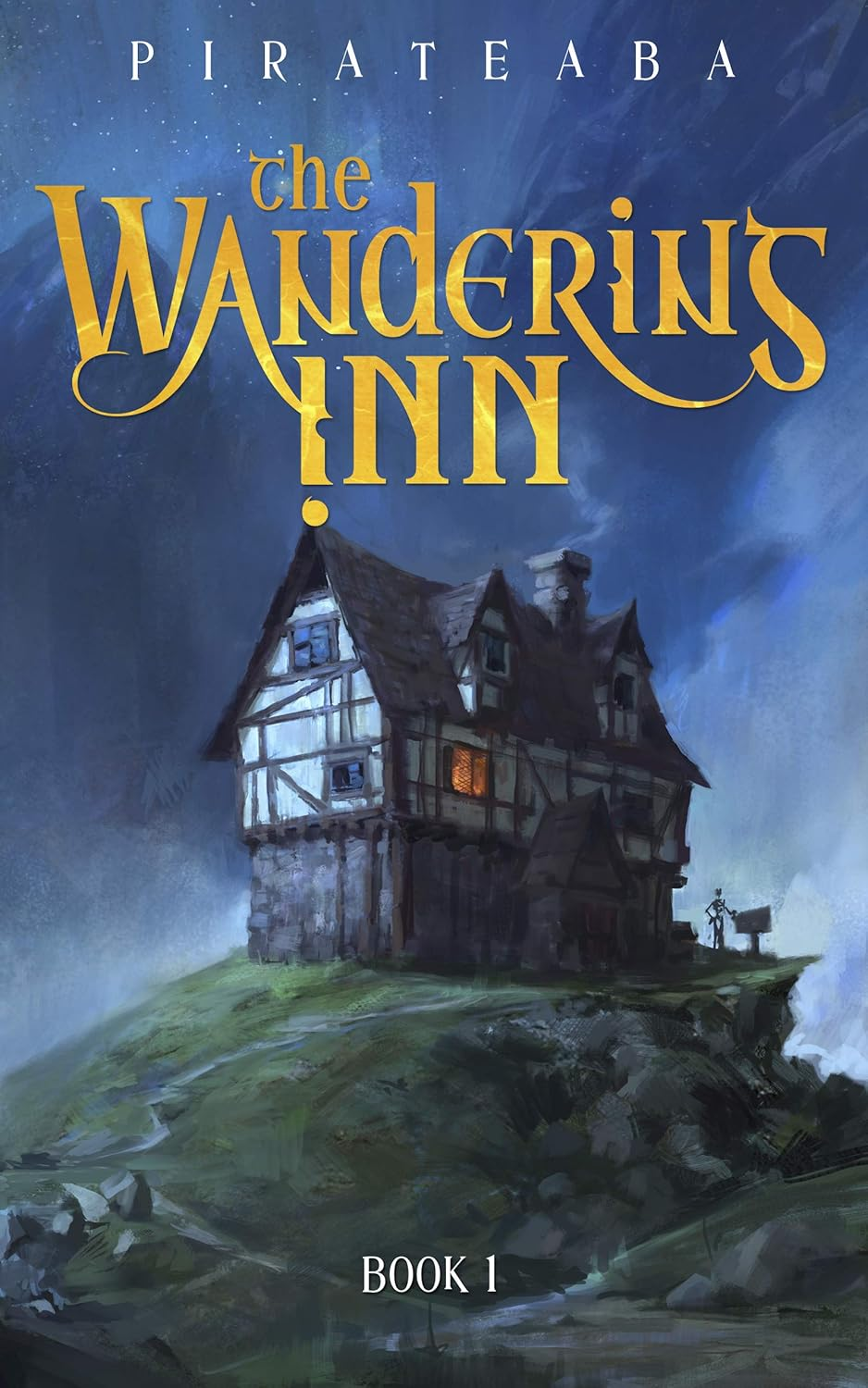
The Wandering Inn by Pirateaba

It’s a bad day when Erin finds herself transported to a fantastical world and nearly gets eaten by a Dragon. She doesn’t belong in a place where monster attacks are a fact of life, and where Humans are one species among many. But she must adapt to her new life. Or die.

In a dangerous world where magic is real and people can level up and gain classes, Erin Solstice must battle somewhat evil Goblins, deadly Rock Crabs, and hungry [Necromancers]. She is no warrior, no mage. Erin Solstice runs an inn.

She’s an [Innkeeper].

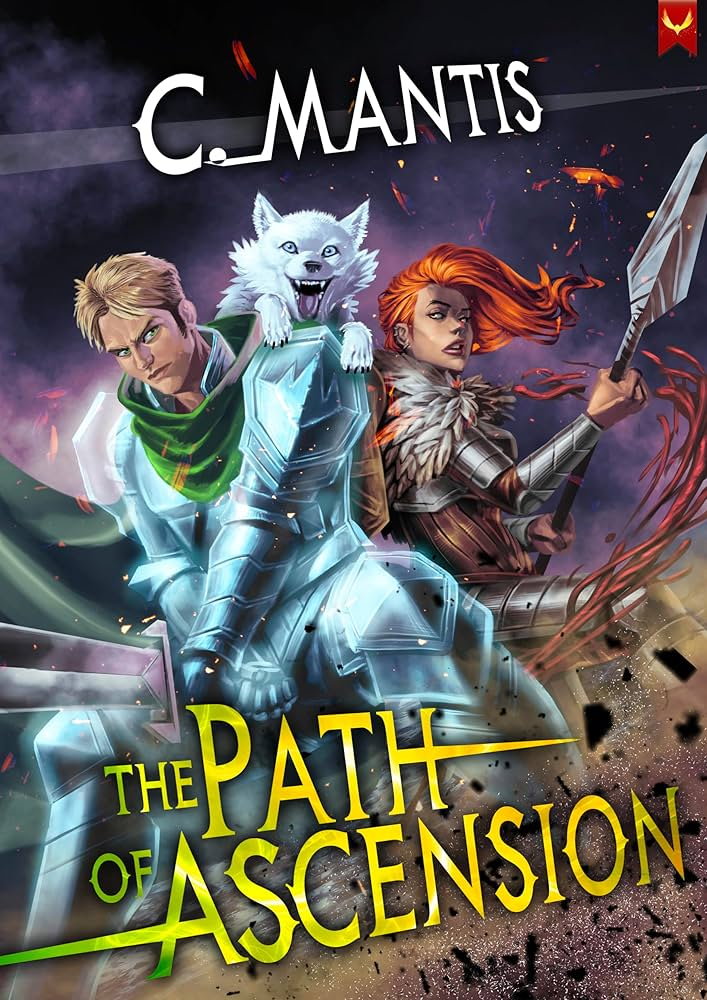
The Path of Ascension by C. Mantis

Matt plans to delve the rifts responsible for the monsters that destroyed his city and murdered his parents. But his dreams are crushed when his Tier 1 Talent is rated as detrimental and no guild or group will take him.

Working at a nearby inn, he meets a mysterious and powerful couple who give him a chance to join the Path of Ascension, an empire-wide race to ascend the Tiers and become living legends.

With their recommendation and a stolen Skill, Matt begins his journey to the peak of power. Maybe then, he can get vengeance he seeks…

Mondegreens

Say What?

We’ve all been there, singing along with Elton John on the radio:

“Hold me closer, Tony Danza. Count the head lice on the highwaaaayyyy….”

Right?

But the song is Tiny Dancer, and they count the head lights on the highway.

Mishearing lyrics is as common as listening to music – and popular music is full of garbled lyrics open to guesswork. Does anyone really know (or understand) Springsteen’s (or Manfred Mann’s cover) Blinded by the Light? For years I swore Dolly Parton said Jolene had Ivorish skin and eyes of Bilbo green. Made no sense, but try as I might, that’s what I heard. Other people swear The Beatles are singing about the girl with colitis going by, Creedence Clearwater Revival wails about being “Stuck with an old diaper pin,” or “There’s a bathroom on the right.”

Mishearing lyrics like that is called a Mondegreen, a term coined by Sylvia Wright in 1954, when she insisted the lyrics to “The Bonnie Earl o’ Moray” were not “laid him on the green” but “Lady Mondegreen.” If you continue to insist your misheard lyrics are correct, even when given the correct ones, it’s called a mumpsimus (in case you needed a new word today). Of course, sometimes the misheard lyrics are just more fun to sing (such as headlice on the highway), and you sing it that way anyway.

Mondegreens aren’t limited to modern music. One of the more common ones is hearing “Gladly the cross-eyed bear” for the line “Gladly the cross I’d bear” in the hymn Keep Thou My Way. Mondegreens are made by our own brains by substituting things that make more sense to us, whether by word or experience. If you don’t know the actual word, your brain substitutes one it already knows that is similar. If you’ve got no experience with something, you might automatically substitute something you do know: the folksong Golden Vanity talks about the lowland, lowland sea, but if you’re from Appalachia, and have no idea what a lowland sea is, the words became lonesome sea. Thankfully more of us are familiar with head lights than head lice.

Some mondegreens were so popular and universal that the bands themselves started singing them that way. ELO’s Don’t Bring Me Down is almost universally sung as “Don’t bring me down. Bruce!” but the word was originally groose, which was a nonsense placeholder word during the writing that was liked so much, it was left in the final song. Eventually they, too, sang it as bruce. Jimi Hendrix and John Fogerty also embraced and sang their own mondegreens.

Mondegreens bleed over into books – Vivian Walsh’s book, Olive, the Other Reindeer plays on misheard lyrics of Rudolph the Red Nosed Reindeer, and A Monk Swimming by Malachy McCourt is taken from the misheard prayer line, amongst women. The Lonely Planet travel guides are taken from the misheard lyric lovely planet from Joe Cocker’s rendition of “Space Captain.” Ed McBain has a mystery novel, Gladly the Cross-Eyed Bear.

Here are some of the more common mondegreens in modern music. Check out the songs, and listen for yourself. Can you hear both versions? What are some lyrics you mishear all the time?

Purple Haze, Jimmy Hendrix: I want to kiss this guy, is really, I want to kiss the sky.

Lodi, Creedence Clearwater Revival: Stuck with an old diaper pin for Stuck in Lodi again.

Bad Moon Rising, Creedence Clearwater Revival: There’s a bathroom on the right/ There’s a bad moon on the rise.

Lucy in the Sky with Diamonds, The Beatles: A girl with colitis goes by/ A girl with kaleidoscope eyes.

Stairway to Heaven, Led Zeppelin: And there’s a wino down the road/ And as we wind on down the road.

Blinded by the Light, Bruce Springsteen: Wrapped up like a douche with a Corona in the night/ Wrapped up like a deuce, another runner in the night.

Higher Love, Steve Winwood: Bake me a pie of love/ Bring me a higher love.

Dancing Queen, ABBA: See that girl, watch her scream, kicking the dancing queen.
/See that girl, watch that scene, digging the dancing queen.

Joy to the World, Three Dog Night:  Joy to the visions that the people see/ Joy to the fishes in the deep blue sea.

The Sidewinder Sleeps Tonite, R.E.M.:  Calling Jamaica/ Call me when you try to wake her (Wait – it’s NOT Jamaica?)

Smells Like Teen Spirit, Nirvana: Here we are now, in containers/ Here we are now, entertain us

Blank Space, Taylor Swift: Got a lot of Starbucks lovers/Got a long list of ex-lovers

THIS is a deuce coupe, running in the night

Save Your Memories

In December of 1983, we didn’t have internet. We barely had personal computers – a 256k machine cost $500, and you had to program it yourself. You couldn’t just save to disk, you had to format the darned thing before you could even use it. Video tape machines cost $600, and DVDs were still a dream. We were on the cusp of the CD player, but the real world still ran on cassette tapes. 

I was no different, with a cassette tape built into my stereo, eagerly recording songs and programs off the radio as they played live. Yes, we still listened to live radio programs back then, whether Casey Kasem’s American Top 40 Countdown, or Radio Mystery Theater, or, on Sunday nights, Dr. Demento, the leading program for off the wall parody and novelty music.

What’s novelty music? Novelty music is a humorous song that doesn’t fit in any other category but entertainment. You know it well. Alvin and the Chipmunks is novelty music. Barnes and Barnes’ Fish Heads. The Purple People Eater. The Monster Mash. Itsy Bitsy Teeny Weeny Yellow Polka Dot Bikini. Steve Martin’s King Tut. Anything by Tom Lehrer or Weird Al Yankovic. While it’s a serious industry with all the requirements of mainstream music, and such songs can hit high on the pop charts (The Monster Mash hit #1), novelty music isn’t considered “serious” music. 

On that Sunday, it was the Christmas edition of Dr. Demento, and I threw a cassette in the player and hit record, because, back then, Grandma Got Run Over by A Reindeer was just a basement tape on Dr. Demento, it hadn’t gotten a contract yet. Weird Al wasn’t mainstream, and hadn’t gotten permission from the Kinks yet to record his Lola parody Yoda. On that tape, I happened, by luck, to record a song that in the history of radio may only have been played one time. It was a “bonus” track to fill space, and it was the only time it ever appeared on Dr. Demento. It hasn’t even been uploaded to his website. And it is one of my absolute favorites of underground tapes. In the era of the cold war, that song scared the living daylights out of me.

Cylent Night, by the Scrooge Brothers, tells a short story of the start of World War 3 to the tune of Silent Night, while air raid sirens start in the background and grow slowly louder. Off went the bomb at a quarter to three/ It’s the end of you and the end of me….  Have that hit you out of nowhere when you’re listening to the radio at 10 at night in your basement. In 40 years, I’ve never forgotten a line. And I just happen to have that song on tape. 

But cassette tapes are fragile things. They demagnetize. They fade. They tangle. My very rare basement tape has been bouncing around drawers and basements for 40 years. So what did I do? With the equipment at the Cheshire Public Library AV Studio, I very easily threw that cassette into the player and transferred that song to digital Media. Now I can store it digitally, share it with other Dementoids and Dementites who have never heard it (if you didn’t hear it live, you truly never heard it), even send it back to Dr. Demento. 

We all have those things kicking around our homes. Media changes so rapidly, from reel to reel tapes to 8 Track to cassette to CD to memory stick. We all have Grandma’s vacation slides of the Old Country, with relatives no one ever met. Dad’s wedding videos. That old LP you have that’s never been released on CD (or singles, like Rolf Harris’s Two Buffalos, which Bob Steele used to play on WTIC-AM). Your personal video of MTV’s top 100 countdown of 1985, when music videos were short stories of their own. You can transfer all of them to digital media, right here.

Beware, though – transfers occur in real-time. If you’re planning on transferring that 12-hour MTV countdown, it’s going to take 12 hours to put it onto digital. You might want to do it over a few weeks. But that LP? 40 minutes, you’ll be done.

Call (203) 272-2245 ext. 61245 to schedule an appointment at the AV Studio!

CPL Staff’s Favorite Reads of 2020

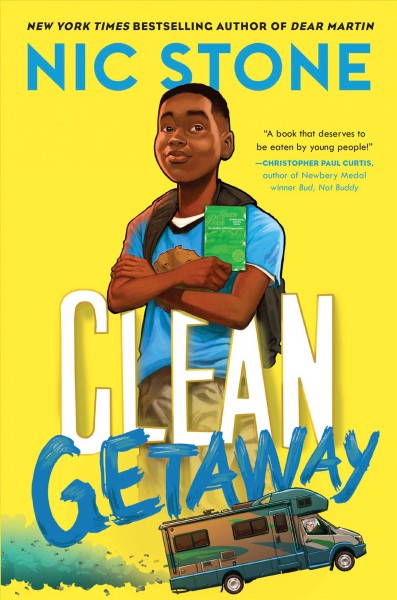
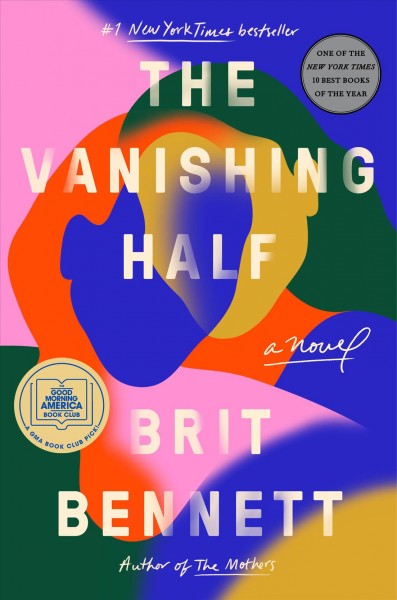
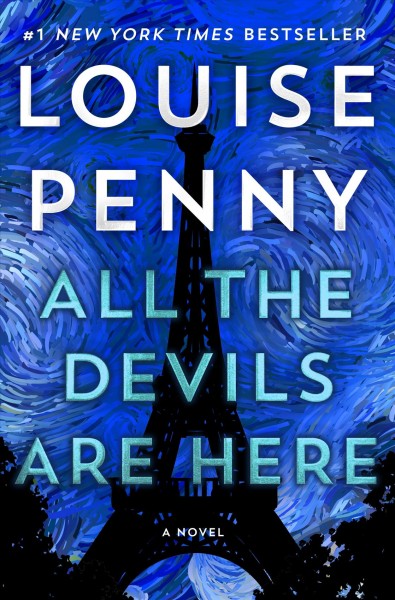
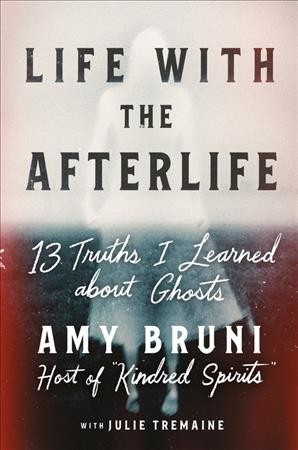
Ask a librarian for some good books, be prepared for a long list! I recently asked our staff members to share some their favorite reads in 2020, and the answers that came back were many and varied. We really do read a lot! Not all the books on this list were published in 2020, (some were older books we just got around to reading in 2020!), but all received a solid thumbs up from a member of our staff:

Children’s Books

Picture Books

Chapter Books

YA Fiction

Adult Fiction

Adult Non-Fiction


( * – this book was recommended by more than one staff member)