Not-So-Scary Halloween Reads for Kids

Now that the temperatures have dropped, I’m kicking my horror obsession into high gear. I’m going through my Audible audiobook purchases and listening to anything remotely paranormal, and I’m watching as many delightfully flawed 1970s horror films as I can find on my streaming services. The rest of my household, though, isn’t quite on board with my level of horror. My four-year-old gets up and starts to leave the room during particularly tense moments of Sofia the First. My two-year-old cries when he wakes up at 6:30am and it’s still dark.

Even though they’re not ready for it, my kids are still drawn to the spooky stuff. They’re fascinated by ghosts and skeletons. We’re a long way off from listening to the Spooked podcast together, but they can handle the horror equivalent of a balance bike and a sturdy helmet. These are some of the not-so-scary titles we’ve been enjoying this fall, in no particular order.

Leo: A Ghost Story written by Mac Barnett, illustrated by Christian Robinson (2015)

Leo is a little ghost who finds himself unwanted and unappreciated by his house’s new (living) residents, so he decides to wander the city and discovers a lasting friendship. Mac Barnett is one of my favorite authors to read out loud, and Robinson’s signature cutout-style illustrations are adorable with just the barest hint of spookiness from the blue color palette.

The Skull: A Tyrolean Folktale by Jon Klassen (2023)
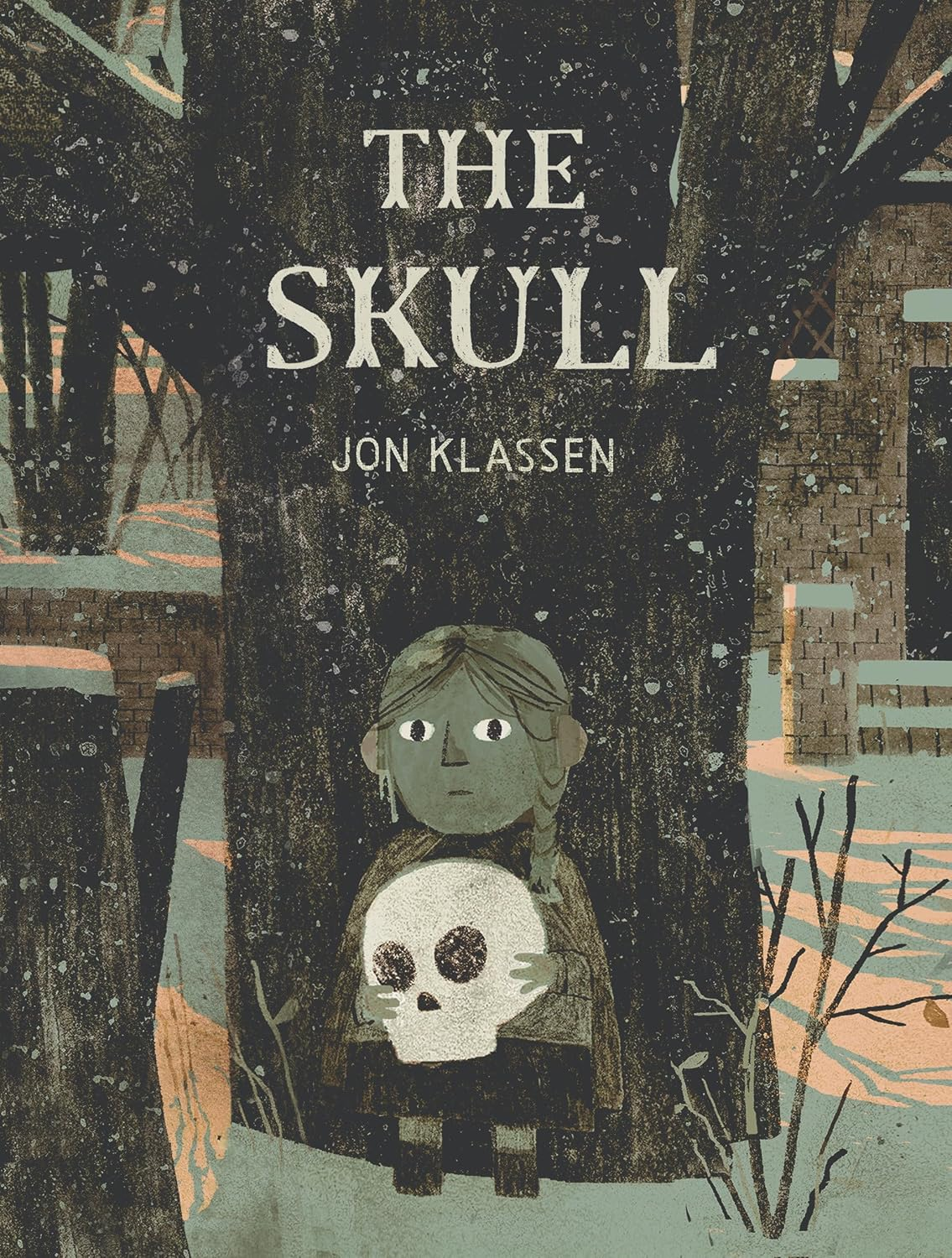
You’ll recognize Klassen’s signature monochromatic palette and impactfully sparse prose from picture books like I Want My Hat Back. The Skull is a more substantial chapter book about a girl who runs away from home and befriends – you guessed it – a skull. Both my kids adore this book, which has a creepy-not-scary vibe and takes 15 to 20 minutes to read out loud. Even my two-year-old will sit for the whole thing. As for me, I have been haunted by the story’s unanswered questions that don’t seem to cross the kids’ minds. (If you’ve read Sam and Dave Dig a Hole, you know what I mean.)

There’s a Ghost in This House by Oliver Jeffers (2021)
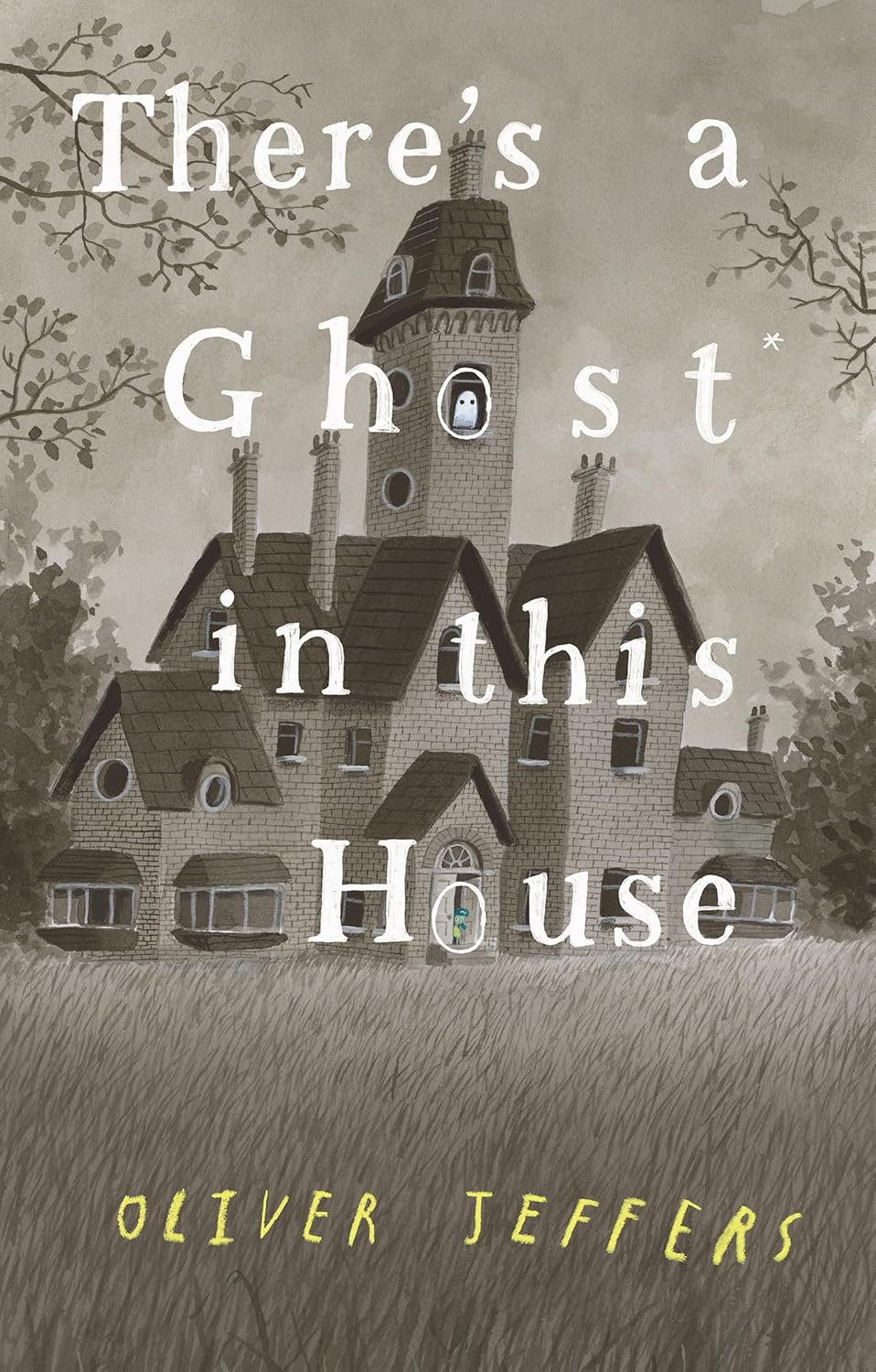
Here’s another picture book for kids obsessed with ghosts. This one follows a girl around her house as she looks for the ghosts that supposedly live in her house. She can’t seem to see them – but the reader can, with help from transparent pages that overlay the old-fashioned photographs of rooms. It’s a clever and entertaining book that we’ve been re-reading from cover to cover. (I mean it. You only get the full story if you look at the endpapers.)

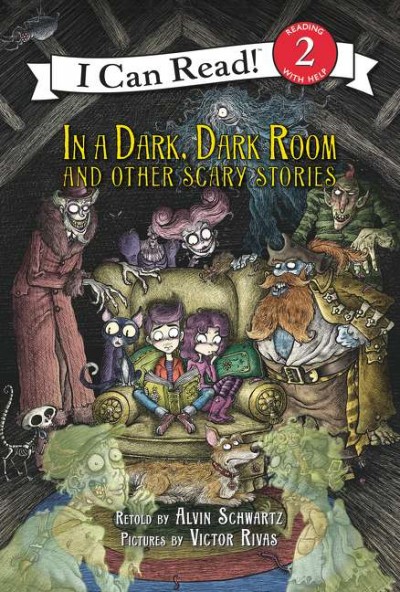
In a Dark, Dark Room: And Other Scary Stories retold by Alvin Schwartz, illustrated by Dirk Zimmer (1984)’

You probably read this classic book yourself as a kid, or had somebody read it to you. Are the stories as satisfying as Schwartz’s Scary Stories to Tell in the Dark? No, but this smaller tome won’t accidentally give your kids nightmares if you pick the wrong story. (Not that I know from experience or anything. Cough cough.) My two-year-old lights up with anticipation of the jump scare I insert at the end of the title story.

A Christmas Carol by Charles Dickens, illustrated by Brett Helquist (2009)
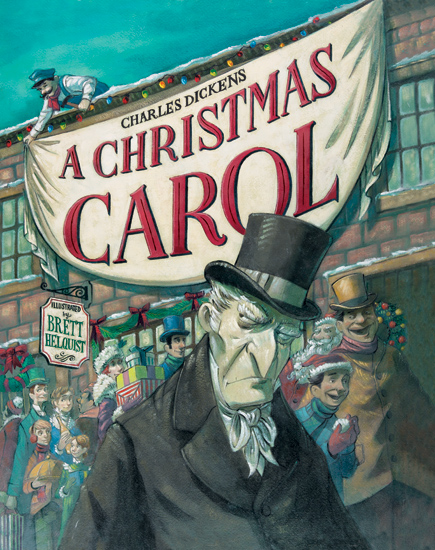
There’s a tradition in the UK of telling ghost stories at Christmas, and what better story to turn to than the GOAT of Christmas ghost stories? The illustrations are what make this book work. You’ll recognize the style of Brett Helquist from the gloomy covers of A Series of Unfortunate Events by Lemony Snicket. The prose seems to go over my kids’ heads, but as an adult it’s loads of fun to read Scrooge’s dialogue aloud and give it the weight of King Lear mourning the dead Cordelia.

Gustavo, the Shy Ghost by Flavia Z. Drago (2020)

If you thought Leo was cute, then Gustavo might take the cake – or rather, pan de muerto. Gustavo is too shy to talk to the other monster kids, so he decides to put on a violin concert instead. It’s a relatable story in beautiful colors inspired by Mexico’s Day of the Dead celebration. Fans of the movie Coco will enjoy the color palette and musical theme, but this sweet picture book thankfully won’t require adults to grab a tissue. (Not that I know from experience or anything. Cough cough.) 

Scary Stories for Young Foxes by Christian McKay Heidicker (2019)

My four-year-old knows the creepy stuff is out there. To scratch the itch that the cute ghost stories can’t satisfy, we’ve been dabbling in some middle-grade books like Scary Stories for Young Foxes. It’s a series of interconnected stories about two juvenile foxes and the horrors they endure as they try to get back to their families. There’s a beloved teacher who turns rabid, a murderous father, and a terrifying take on a classic children’s author. Nothing is gratuitous, though, and it all builds to a satisfying ending. If you’ve been reading Hansel and Gretel with nary a nightmare, it might be worth a try.

The Graveyard Book by Neil Gaiman (2008)

We’re also giving a try to this middle-grade book authored by dark fantasy master Neil Gaiman. It’s the story of Bod, a boy who is raised from infancy by the inhabitants of a graveyard after his family is killed. Despite the gloomy premise, the fantasy elements outweigh the horror parts; readers of Gaiman’s adult works like Norse Mythology will be familiar with the tone. And each chapter is episodic like Scary Stories for Young Foxes, making it a good match for younger attention spans.

Haunting Fiction: 10 Dark Tales to Chill You This Fall

My backyard is full of fallen leaves, and the home improvement stores are full of animatronic skeletons. It’s the time of year when I can unabashedly indulge in my love of horror. Gothic horror. Psychological horror. Cosmic horror. Anything that lets me experience tension and dread, at least within the safe little confines of fiction. Gore and gross-out horror doesn’t really do it for me. I prefer the supernatural, the otherworldly, stories that tap into the basic human fear of the unknown. There’s nothing like the existential terror that comes when you dare to look into the void – and you see it looking back at you. But it’s still fiction. You still get to put it back on the shelf and go about your life after you read that last page.

Or do you?

Here are the stories that have haunted me the most: tense and dark tales that unfurl like a beautiful piece of black silk.

The Turn of the Screw by Henry James (1898)

A governess is sent to an isolated country manor to care for a pair of young orphans, and she begins to believe that the children are being visited by spirits with malevolent intent. This is a classic ghost story whose ambiguity has provided more than a century’s worth of analysis and adaptation, most recently in the form of Netflix’s The Haunting of Bly Manor in 2020.

The Haunting of Hill House by Shirley Jackson (1959)

You may know Shirley Jackson from your 11th grade reading assignment of her short story The Lottery, but this novel set the bar for modern gothic horror. It’s a classic haunted house story that has influenced writers like Carmen Maria Machado, Stephen King, and Neil Gaiman.

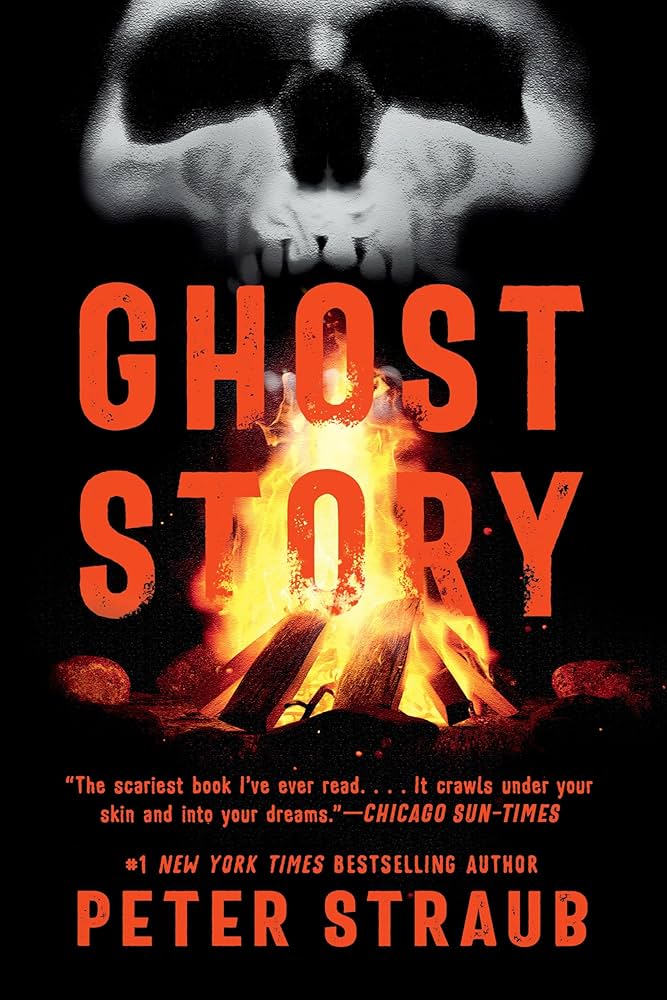
Ghost Story by Peter Straub (1979)

A group of aging men gathers once a week to tell ghost stories – but one ghost from their shared past seems to be coming back for revenge. Straub hooks you in from the first scene and builds masterfully in one of the best-written horror stories you’ll ever read.

Everything’s Eventual by Stephen King (2002)

Some point to The Shining and The Stand as King’s best works, but I have always been a fan of his shorter fiction, such as the terrifying novella The Mist. Everything’s Eventual is a strong contender for my favorite of his short story collections. Its best tales are about a boy who meets the devil, a painting that keeps changing in disturbing ways, and a skeptic’s night in a supposedly haunted hotel room.

House of Leaves by Mark Z. Danielewski (2005)

The core story of House of Leaves involves a family who moves into their new house and discovers it’s bigger than they think. Their story is told in a documentary video, which is described and analyzed in an unfinished academic manuscript by another person, which itself is transcribed and footnoted by yet another person. It’s a structurally weird book that’s just as disorienting as the house itself.

The Hollow Places by T. Kingfisher (2020)

It’s no coincidence that the horror genre – that safe box of fiction where you can explore fear without real-life consequences – exploded in the wake of the very real global pandemic, and the last few years have borne plenty of new and terrible places to explore. This story revolves around a recently-divorced woman who discovers a hidden door in her uncle’s museum of curiosities. The door leads to an alternate reality that is not quite right. It’s thoroughly creepy in a Lovecraftian way, and the quirky characters inject some humor into this otherwise unsettling read.

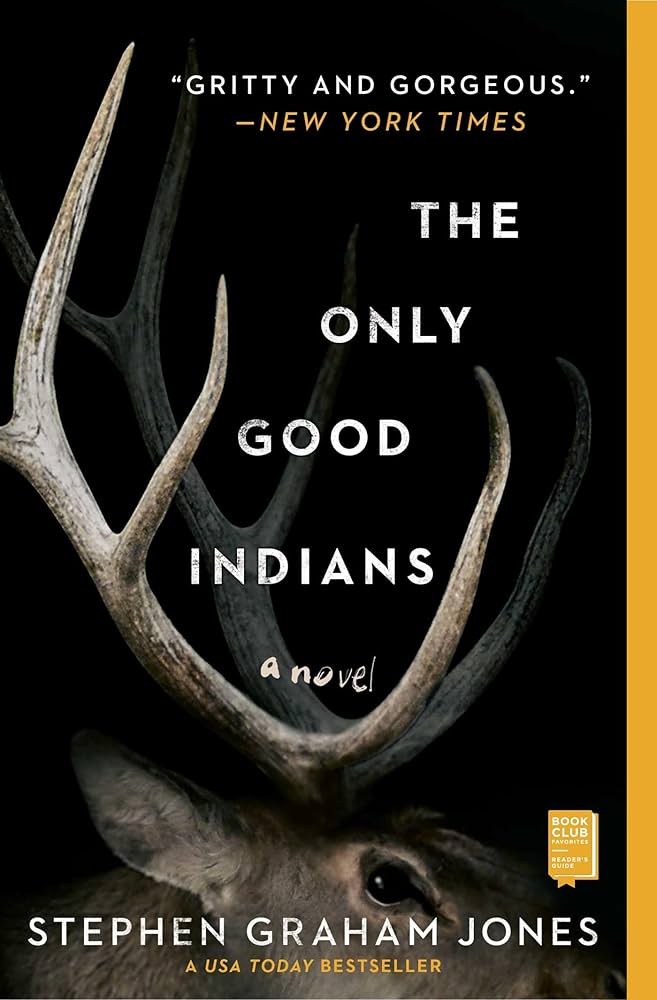
The Only Good Indians by Stephen Graham Jones (2021)

Four Blackfeet men break a promise during elk hunting season, and now that promise is coming back to haunt them in a very real way, picking them off one by one. It’s pretty gory, but not gratuitously so, and the supernatural elements, the nuanced treatment of Native culture, and the quality of writing were compelling enough for me to overlook the more graphic parts. It’s also one of those stories that surprises you by ending with love and unexpected tears. (Yes – it’s okay to cry at horror.)

Summer Sons by Lee Mandelo (2021)

Andrew is haunted by the revenant of his best friend Eddie, who suddenly died right before Andrew was about to join him in Nashville. Andrew takes Eddie’s place in his house, his graduate program, and his circle of fast-living friends as he tries to uncover the truth of what happened. There’s a Southern gothic setting, romantic tension so thick you could slice it up and eat it, and a host of queer characters who are not punished for their queerness, but whose acceptance of themselves leads them to happiness. This slow burn is more moody than scary, and it’s a refreshing and thoroughly enjoyable read.

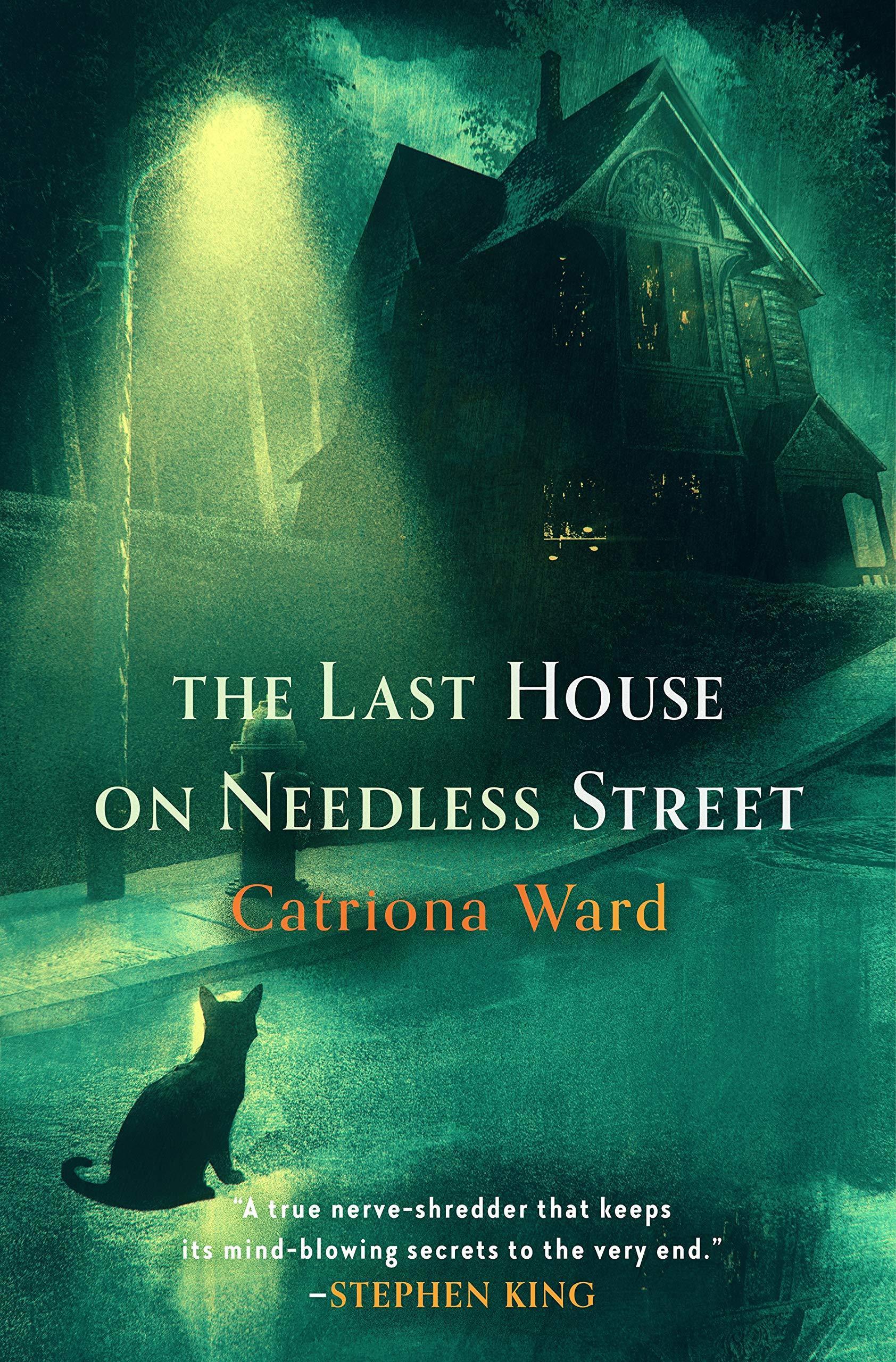
The Last House on Needless Street by Catriona Ward (2021)

In a boarded-up house on a dead-end street lives a family of three. A teenage girl who isn’t allowed outside, not after last time. A man who drinks alone in front of his TV, trying to ignore the gaps in his memory. And a house cat who loves napping and reading the Bible. An unspeakable secret binds them together, but when a new neighbor moves in next door, what is buried out among the birch trees may come back to haunt them all. The parent in me found some parts difficult to read, but I needed to keep going and find out what was going on – and the ending completely turned it upside-down.

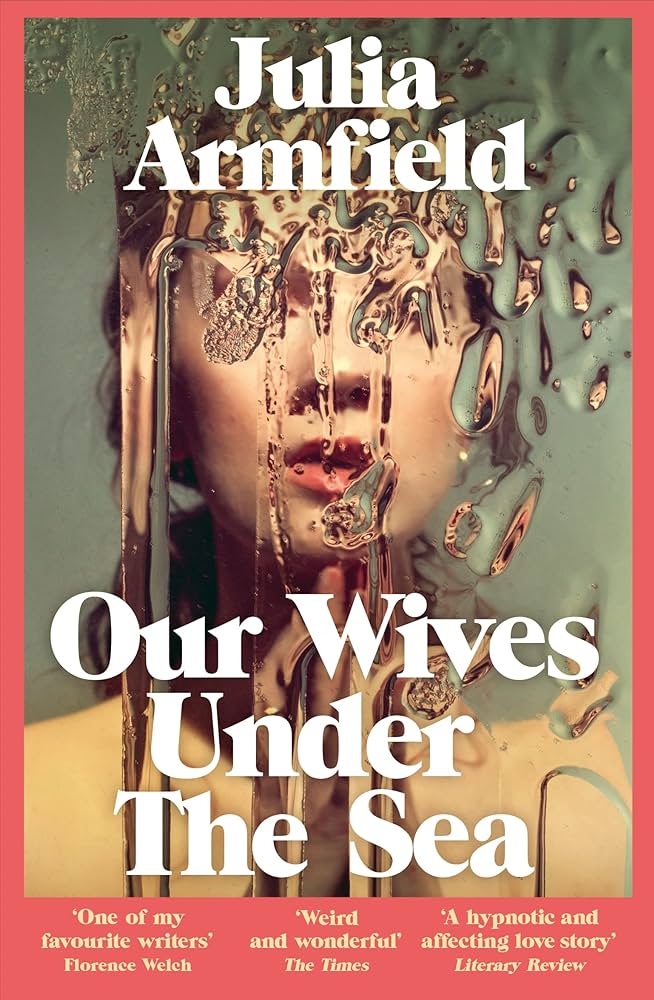
Our Wives Under the Sea by Julia Armfield (2022)

Miri thinks she has got her wife back, when Leah finally returns after a deep sea mission that ended in catastrophe. It soon becomes clear, though, that Leah may have come back wrong. Whatever happened in that vessel, whatever it was they were supposed to be studying before they were stranded on the ocean floor, Leah has carried part of it with her, onto dry land and into their home. Remember how I said it’s okay to cry at horror? Get your tissues ready, because this is also a heartbreaking story about love and grief.

Delightfully Creepy Chronicles for Kids

Ah, it’s October. We’re all reaching for our big thick cardigans (at least, that’s what we librarians are doing), admiring the mums and pumpkins at the local nurseries, and wondering why pie spices keep showing up in places they don’t belong. But if you’re anything like me, you’re more intent on finding something more than that chilly evening wind to send a shiver down your spine. Yep. I’m talking horror stories.

You know the hard stuff you can find in the adult section of the library: Stephen King, H.P. Lovecraft, Shirley Jackson, Paul Tremblay. But what about spooky stories that are just right for your young ghouls and goblins? You can’t just plop the Necronomicon into the hands of your third-grader and leave her to her own devices while you go heat up the centaur’s blood apple cider or rake the leaves off the ancient graveyard lawn. No, you need to start them off with little scares. And have I got the scares for you. Hold on a sec while I light a candle and look around this dark bookshelf of mine. This one, this one… and this one. Now just let me dust the spiderwebs off the covers of these books. Those whispers you hear swirling around the room? Nothing. Nothing you need to worry about, anyway. Here’s your books. You better take them and go. Quickly. Back out to the light. You never know what might emerge from the darkness if you stare into it for too long.


Scary Stories to Tell in the DarkWhen kids are more interested scary tales than fairy tales, this classic title delivers. With stories derived from folktales, they range from terrifying to creepy to humorous at times. And if you can’t get enough of them, don’t miss More Scary Stories to Tell in the Dark and Scary Stories 3: More Tales to Chill Your Bones!

In a Dark, Dark Room. Need scary stories that still have some training wheels? Step into the dark spaces of In a Dark, Dark Room, a collection of seven scary stories that are perfect for budding readers. This book includes that story – you know, that story – with the girl who always wore a ribbon around her neck.


Eerie ElementaryThey say that horror is a safe way to explore real fears, and what better way to channel the anxieties of school than by reading a series of books where the school itself is out to get its students? Sam Graves and his friends take on science fairs, recess, substitute teachers, and maybe some mad scientists in their efforts to keep themselves and their fellow students safe in this series just for early chapter book readers.

The Jumbies. In a spine-tingling tale that is rooted in Caribbean folklore, 11-year-old Corinne must call on her courage and an ancient magic to stop an evil spirit and save her island home. Look for the second and third books at the library too!

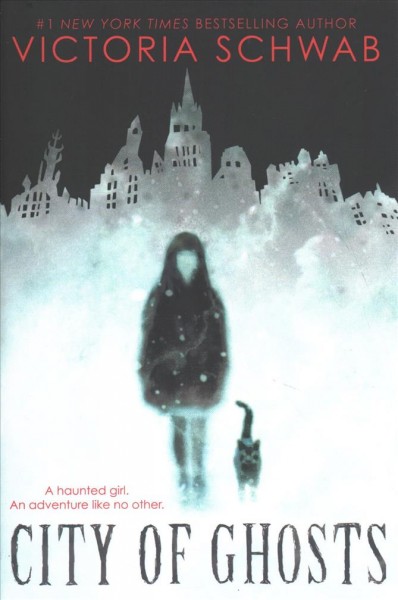
City of Ghosts. After surviving a near-fatal drowning that gives her the ability to enter the spirit world, Cassidy, the daughter of television ghost-hunters, visits Edinburgh where the encounters with the city’s old ghosts reveals the dangers that come with her powers.

The Girl in the Locked Room. Mary Downing Hahn is a veteran author of ghost stories for elementary school kids, and her latest book is sure to scratch that phantom itch. Told in two voices, Jules, whose father is restoring an abandoned house, and a girl who lived there a century before begin to communicate and slowly, the girl’s tragic story is revealed.

The Peculiar Incident on Shady Street. When lights start flickering and temperatures suddenly drop, twelve-year-old Tessa Woodward, sensing her new house may be haunted, recruits some new friends to help her unravel the mystery of who or what is trying to communicate with her and why.

Scary Stories for Young Foxes. When Mia and Uly are separated from their litters, they discover a dangerous world full of monsters. In order to find a den to call home, they must venture through field and forest, facing unspeakable things that dwell in the darkness: a zombie who hungers for their flesh, a witch who tries to steal their skins, a ghost who hunts them through the snow . . . and other things too scary to mention.

Ghosts. Catrina and her family are moving to the coast of Northern California because her little sister, Maya, is sick. Cat isn’t happy about leaving her friends for Bahía de la Luna, but Maya has cystic fibrosis and will benefit from the cool, salty air that blows in from the sea. As the girls explore their new home, a neighbor lets them in on a secret: There are ghosts in Bahía de la Luna. Maya is determined to meet one, but Cat wants nothing to do with them. As the time of year when ghosts reunite with their loved ones approaches, Cat must figure out how to put aside her fears for her sister’s sake — and her own.

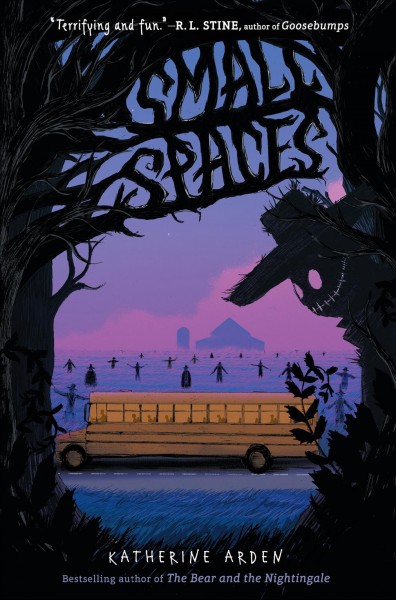
Small Spaces. After eleven-year-old Ollie’s school bus mysteriously breaks down on a field trip, she has to take a trip through scary woods, and must use all of her wits to survive. She must stick to small spaces.

The Song from Somewhere ElseFrank thought her summer couldn’t get any worse–until big, weird, smelly Nick Underbridge rescues her from a bully, and she winds up at his house. Frank quickly realizes there’s more to Nick than meets the eye. When she’s at his house, she hears the strangest, most beautiful music, music which leads her to a mysterious, hidden door. Beyond the door are amazing creatures that she never even dreamed could be real. For the first time in forever, Frank feels happy . . . and she and Nick start to become friends. But Nick’s incredible secrets are also accompanied by great danger. Frank must figure out how to help her new friend, the same way that he has helped her.

CPL Staff’s Favorite Reads of 2019

As you might imagine, our library staff reads a lot of books! I recently asked CPL staffers what their favorite reads of the last year were, and the list was varied and long, a mix of fiction and nonfiction, older titles and new releases. If you’re looking for some “librarian-approved” reading, we’ve got quite a few suggestions for you!

Print Fiction:

Audiobook:

Graphic Novel:

Print Nonfiction:

Why do we like to be scared? – the psychology of horror

As Halloween quickly approaches, I find myself dipping deeper into the pool of horror films, books and media that always seems to be present, any time of year you go looking for them. I didn’t come to love horror organically, as an over anxious child and teen I was somehow drawn to true crime documentaries, sneaking peeks at the coverage of the OJ Simpson trial, and staying up late to watch E! “Murders of Hollywood”. My first experience with horror movies was staying up in my friends living room, her German Shepard was half blocking my view of The Ring on VHS, which was particularly ironic. So why do we seek out things that scare us, instead of those that comfort us?
The easy answer is : We like to be safe. If we expose ourselves to things that scare us in a safe environment, it’s like going on a roller coaster. Your endorphins spike, your heart rate races, but in two minutes it’s over, you’re back on solid ground. I’d rather know how horrible the world can be so I can prepared for what actually goes bump in the night.

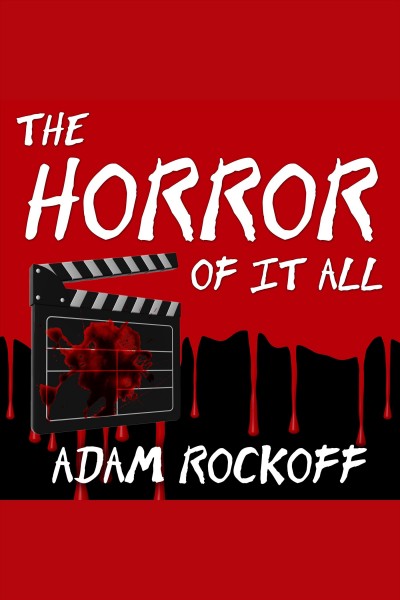
The Horror of It All is a memoir from the front lines of the industry that dissects the hugely popular genre of scary movies.

Horror movies and novels are much the same. People chose entertainment because they want to be affected. You choose a romance novel because you want to feel the giddy rush of love, you choose action because you want to feel excitement. Horror is another sensation driven genre. You want to experience the rush with none of the consequences of the situation, which lets you enjoy the sensation and adrenaline spike. Quoted from a 2004 paper in the Journal of Medical Psychology by Dr. Glen Walters “the three primary factors that make horror films alluring are tension (generated by suspense, mystery, terror, shock, and gore), relevance (that may relate to personal relevance, cultural meaningfulness, the fear of death, etc.), and (somewhat paradoxically given the second factor) unreal-ism.”(Walters, 2004)

So if you’re like me and looking for a thrill (while at the same time being wrapped up in a blanket fort for safety) then you’ve come to the right place for some recommendations. All of the things I recommend are available for checkout at the Cheshire Public Library, so let’s tuck in to my favorite genre:

hereditary_xlg.jpgHereditary  – When Ellen, the matriarch of the Graham family, passes away, her daughter’s family begins to unravel cryptic and increasingly terrifying secrets about their ancestry. The more they discover, the more they find themselves trying to outrun the sinister fate they seem to have inherited. Making his feature debut, writer-director Ari Aster unleashes a nightmare vision of a domestic breakdown that exhibits the craft and precision of a nascent auteur, transforming a familial tragedy into something ominous and deeply disquieting, and pushing the horror movie into chilling new terrain with its shattering portrait of heritage gone to hell.

This movie is fantastic, Ari Aster is a master of portraying agony in a way I haven’t seen in any other movie thus far. His characters experience the broadest range of emotion, and each scene is raw and beautifully acted. It’s really a treat to watch, both for the performances, and the scares. Prepare to have expectations subverted with this movie, Ari Aster is one to watch as a newcomer to the horror genre, and A24 is producing some outstanding content as well. If you haven’t seen it yet, treat yourself to Hereditary, as well as his newest film, Midsommar.

The Stand – The Stand takes place in a post-apocalyptic world triggered by the breakdown of society following the release of a biological weapon. The weapon is a virulent strain of influenza that decimates the population. It follows a few key characters across the United States, attempting to survive and make peace with the people they’ve become after the world has ended. It has elements of horror, elements of suspense, and in my opinion it’s one of the best post apocalyptic fiction novels ever written. Above all else though, it’s a thoughtful, well paced book. (One can’t have a list of horror titles and not mention King at least once, if not multiple times – The Tommyknockers, Salem’s Lot, The Shining…) The characters feel real and well flushed out, and the antagonist is ominous without becoming comic. It’s my go-to summer read, and I keep a paperback copy in my car at all times, so I can dip back in whenever the mood strikes, which is often.

I saw Gone Girl  before I had read the book (I know, the cardinal sin) and I had no context going into it. Gone girl? Sounds like a witty comedy about a girl who’s traveling cross country! I was very wrong. I had no idea about the twists (which I will keep to myself) and I had no idea what a treat I’d be in for when I read the book. They both play off each-other beautifully, and the book is written with punch and one liners that stick with you. The cool girl speech (look it up) is worth the price of the paperback alone. You should definitely treat yourself to this book, as well as Gillian Flynn’s two other titles Dark Places and Sharp Objects.

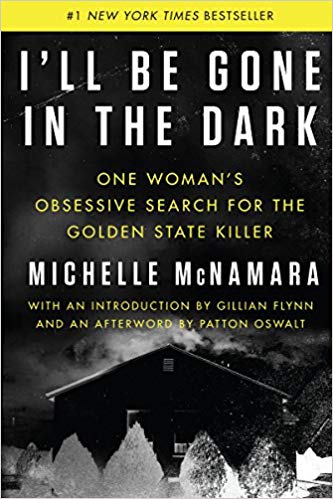
If you’re looking for something with real world ties, look no further than the masterpiece that is I’ll Be Gone in the Dark by the late Michelle McNamara. McNamara devoted a larger part of her life to sitting up in her daughters old playroom, surrounded by stuffed animals and tracking who would be come to known as the Golden State Killer. Sure she had a day job, but she also somehow convinced retired detectives from the case to send over boxes of case files. She went over phone records, emails, connected leads to perps, and made some of the most important headway the case had seen since it’s beginning in 1976. The case had been unsolved for ten years, and just recently closed with the arrest of a 73 year old Joseph Deangelo, a retired policeman. The book is well written, well researched, and fascinating if you want to know more about detective work, but never had the stomach to do it yourself. You feel yourself dissecting the facts along with Michelle, and the fact that she died before the case was solved makes the ending all the more poignant. It’s definitely worth the read, especially if you’re a fan of true crime and cases being solved.

Dipping into horror as a person with a chronically small comfort zone is more than just a little ironic. It’s taken me twenty five years to accept that strange part of myself, as a small portion of a largely complex whole. As an artist, a writer, and a creative, I find the darkness just as interesting as the light. Luckily, there are plenty of people who agree with me, and the horror genre is booming. Last summer, horror films accounted for 10% of cinema visits by moviegoers under 30-years-old. I’ll support any genre that encourages its artists and producers to push boundaries and visuals, and luckily, horror is doing just that.