Context for Conflict: The Iran War

I took four college courses in Russian, and “Ya ne panimayu pa-Russki” – translated, “I don’t understand Russian” – is about all I have to show for it. It’s not surprising. It was the late 2000s, and the U.S. was neither in active competition nor actively antagonistic toward Russia. Enrollment in Russian was so low at my university that my professor, a Ukrainian by birth, padded out most of his semesters by teaching basic Spanish courses. Even the writers of the textbook seemed apathetic; they included vocabulary referring to Soviet-era stores, even though the Soviet state had dissolved 15 years prior to the edition’s publication.

For anyone who can remember all those case declensions, Russian language media must be a fascinating read these days.

Russia and Ukraine have been at war since 2014, with February 24, 2022 marking the invasion of Ukraine by Russia and a new phase of the war. It’s not the only war in the headlines. Israel has been at war with Hamas in Gaza since October 7, 2023. And now, with the assassination of Ayatollah Khamenei mere days ago on February 28, it appears that the U.S. and Israel are actively at war with Iran. I can’t say what could or should happen in any of these conflicts. I am a terrible student of history and I’m even worse at geopolitics. However, I am a librarian who can present you with works by experts to contextualize these conflicts, and I can find narratives by reporters and memoirists who are documenting their experiences as they happen. From there, you can read and draw your own conclusions.

I can’t do justice to these three conflicts in one blog post, so I’m going to break this down into parts, starting with today’s biggest headline dominator: the Iran War. If you know of an informative resource that’s not on the list, please feel free to leave a comment so other readers can find it!

Iran: A Modern History by Abbas Amanat (2017)
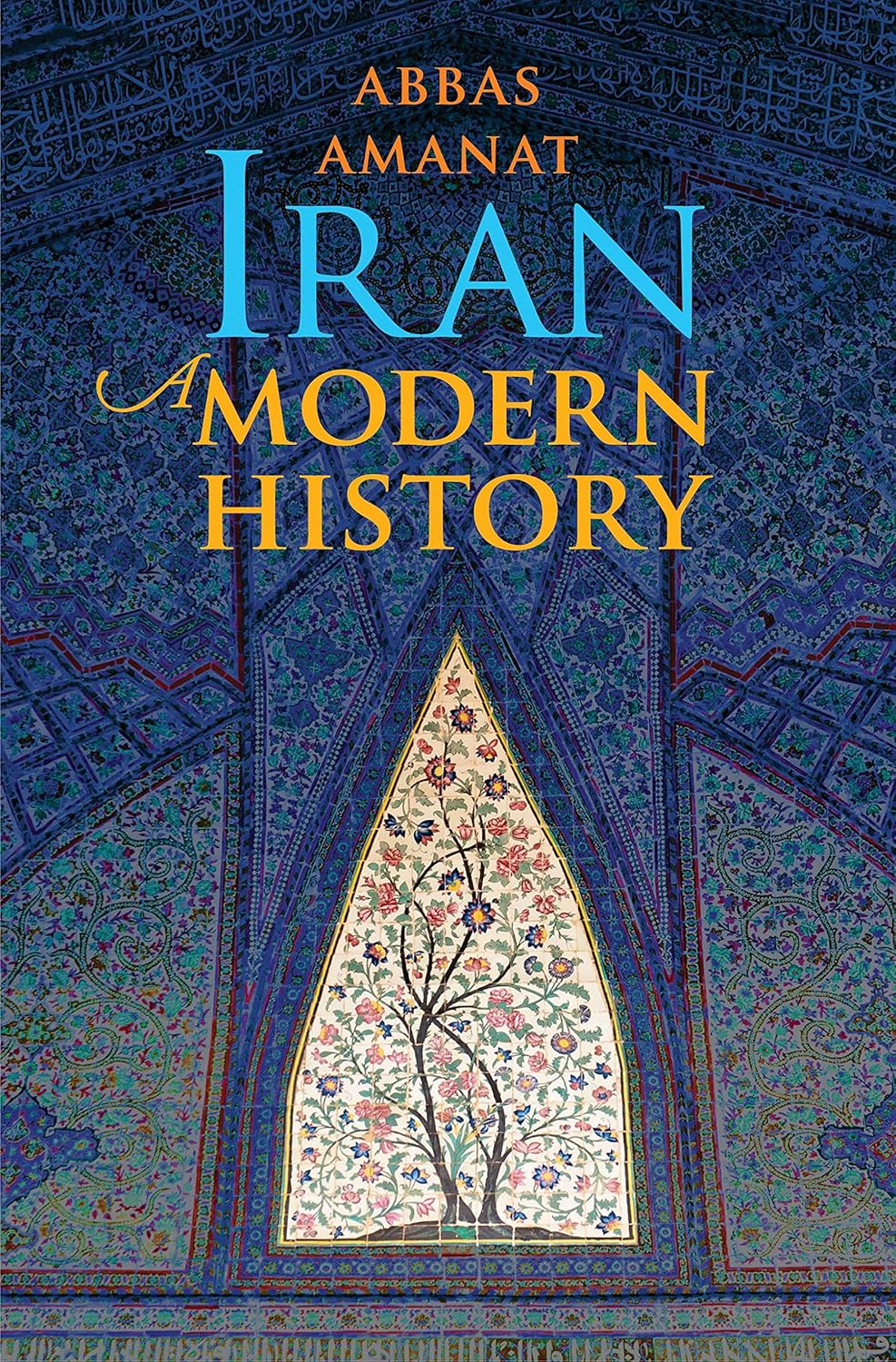
A comprehensive treatment of Iran’s history written by a top scholar. From the publisher: “Amanat combines chronological and thematic approaches, exploring events with lasting implications for modern Iran and the world. Drawing on diverse historical scholarship and emphasizing the twentieth century, he addresses debates about Iran’s culture and politics. Political history is the driving narrative force, given impetus by Amanat’s decades of research and study. He layers the book with discussions of literature, music, and the arts; ideology and religion; economy and society; and cultural identity and heritage.”

A History of Iran: Empire of the Mind by Michael Axworthy (2008)
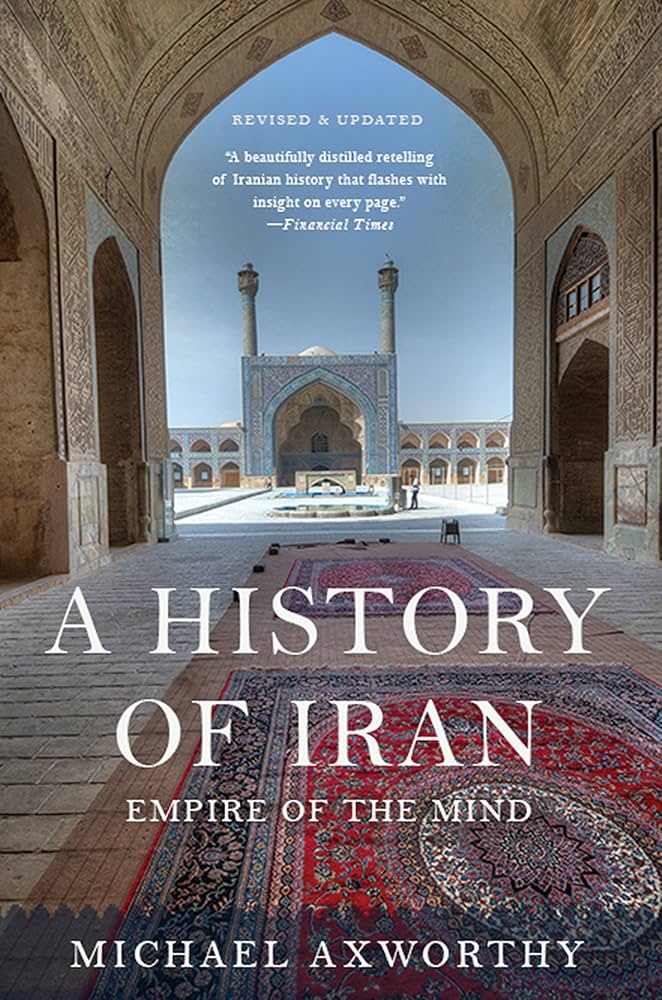
If you’re looking for a quicker read, try this book by another excellent Iran historian. From the publisher: “Although frequently vilified, Iran is a nation of great intellectual variety and depth, and one of the oldest continuing civilizations in the world. Its political impact has been tremendous, not only on its neighbors in the Middle East but also throughout the world. From the time of the prophet Zoroaster, to the powerful ancient Persian Empires, to the revolution of 1979, the hostage crisis, and the current standoff over Iran’s nuclear ambitions, Michael Axworthy vividly narrates the nation’s rich history.”

America and Iran: A History, 1720 to the Present by John Ghazvinian (2021)
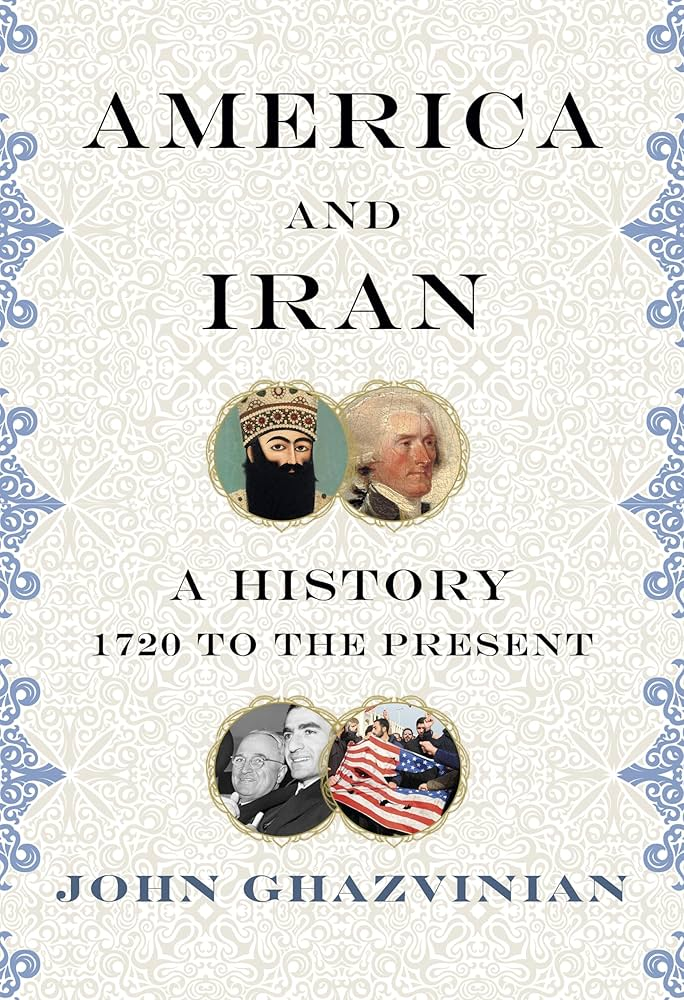
From the publisher: “In this rich, fascinating history, John Ghazvinian traces the complex story of the relations between these two nations back to the Persian Empire of the eighteenth century—the subject of great admiration by Thomas Jefferson and John Quincy Adams—and an America seen by Iranians as an ideal to emulate for their own government. Drawing on years of archival research both in the United States and Iran—including access to Iranian government archives rarely available to Western scholars—the Iranian-born, Oxford-educated historian… makes clear where, how, and when it all went wrong. America and Iran shows why two countries that once had such heartfelt admiration for each other became such committed enemies—and why it didn’t have to turn out this way.”

The Coup: 1953, the CIA, and the Roots of Modern U.S.-Iranian Relations by Ervand Abrahamian (2013)
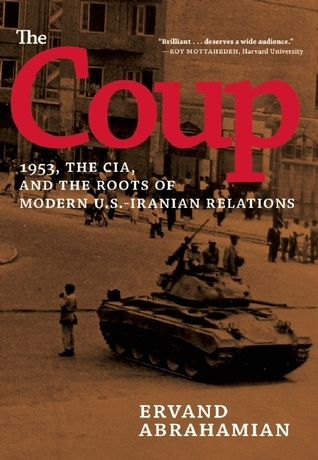
From the publisher: “In this authoritative new history of the coup and its aftermath, noted Iran scholar Ervand Abrahamian uncovers little-known documents that challenge conventional interpretations and sheds new light on how the American role in the coup influenced diplomatic relations between the two countries, past and present. Drawing from the hitherto closed archives of British Petroleum, the Foreign Office, and the US State Department, as well as from Iranian memoirs and published interviews, Abrahamian’s riveting account of this key historical event will change America’s understanding of a crucial turning point in modern United States-Iranian relations.”

All the Shah’s Men: An American Coup and the Roots of Middle East Terror by Stephen Kinzer (2003)
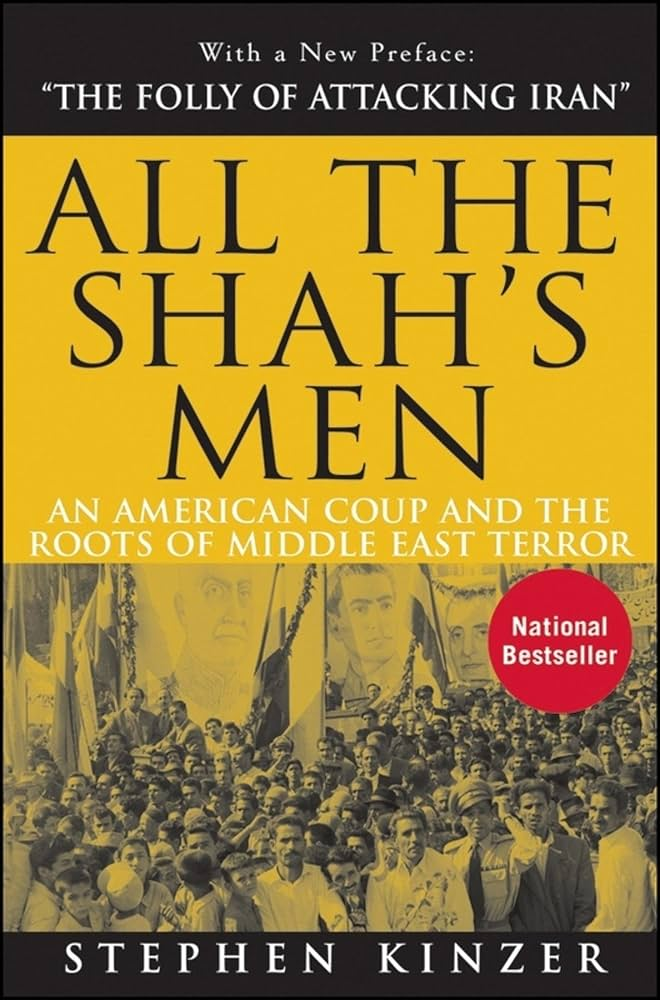
Kinzer is a former journalist who knows how to craft a compelling and factual story. From the publisher: “This national bestseller brings to life the 1953 CIA coup in Iran that ousted the country’s elected prime minister, ushered in a quarter-century of brutal rule under the Shah, and stimulated the rise of Islamic fundamentalism and anti-Americanism in the Middle East.”

Black Wave: Saudi Arabia, Iran, and the Forty-Year Rivalry That Unraveled Culture, Religion and Collective Memory in the Middle East by Kim Ghattas (2020)
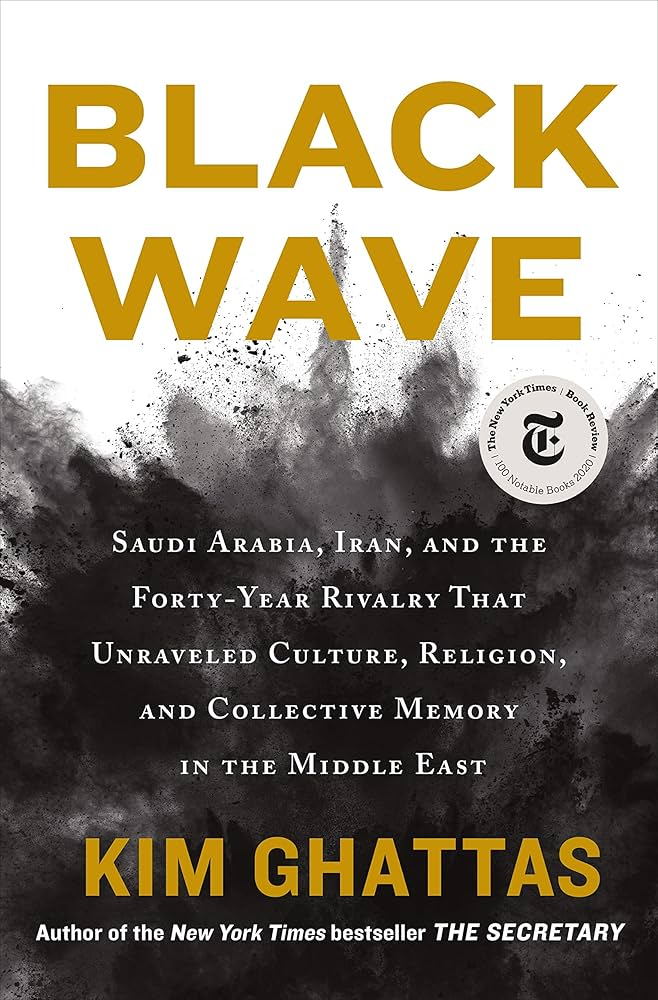
A fresh perspective on Iran’s place in the Middle East, from a Beirut-based journalist. From the publisher: “Kim Ghattas seamlessly weaves together history, geopolitics, and culture to deliver a gripping read of the largely unexplored story of the rivalry between Saudi Arabia and Iran, born from the sparks of the 1979 Iranian revolution and fueled by American policy.”

The Mantle of the Prophet: Religion and Politics in Iran by Roy Mottahedeh (1985)
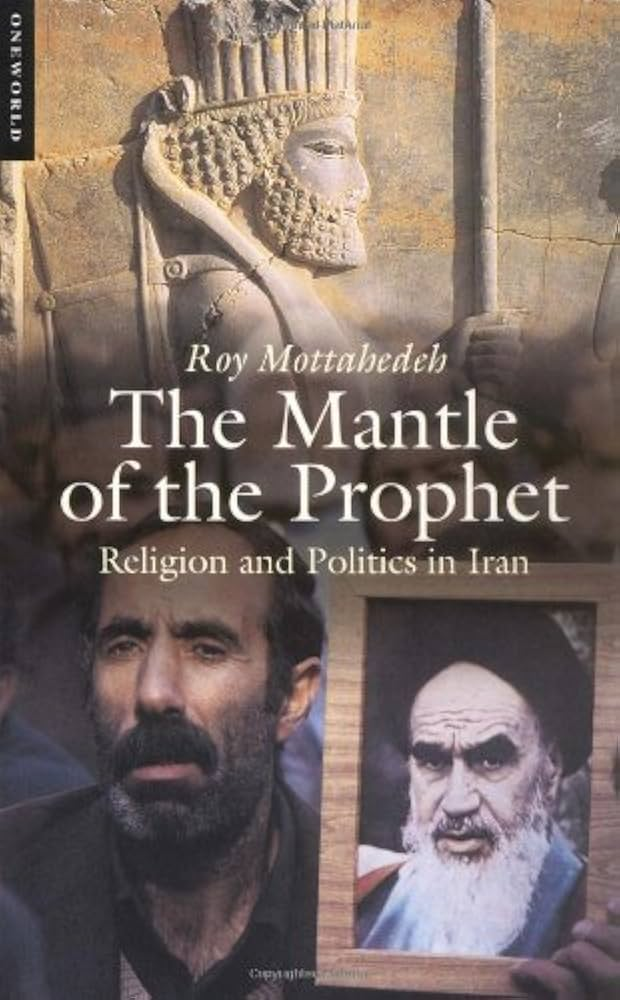
From the publisher: “Drawn from the first-hand accounts of eyewitnesses, Roy Mottahedeh’s absorbing tale of Islam and Politics in revolutionary Iran is widely regarded as one of the best records of that turbulent time ever written.” Forty years after its initial publication, it’s still a great book to help one understand the 1979 revolution – especially the role that clerics and religion played.

Persepolis by Marjane Satrapi (2003)
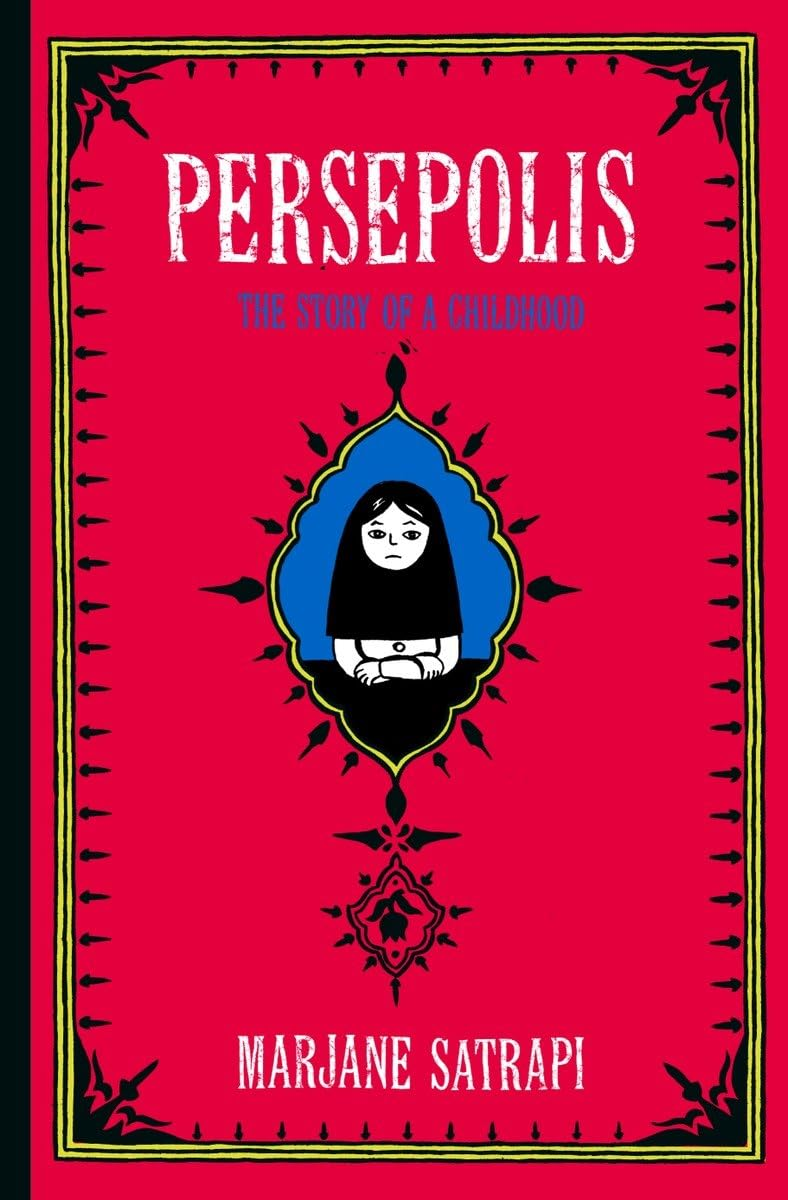
There’s little I can say that hasn’t already been said about Persepolis. This graphic novel is a personal account of a girl living through the revolution and the social restrictions that followed, then her young adulthood as she goes between Europe and Iran. It’s wonderfully accessible, even for those who aren’t usually graphic novel readers.

King of Kings: The Iranian Revolution: A Story of Hubris, Delusion and Catastrophic Miscalculation by Scott Anderson (2025)
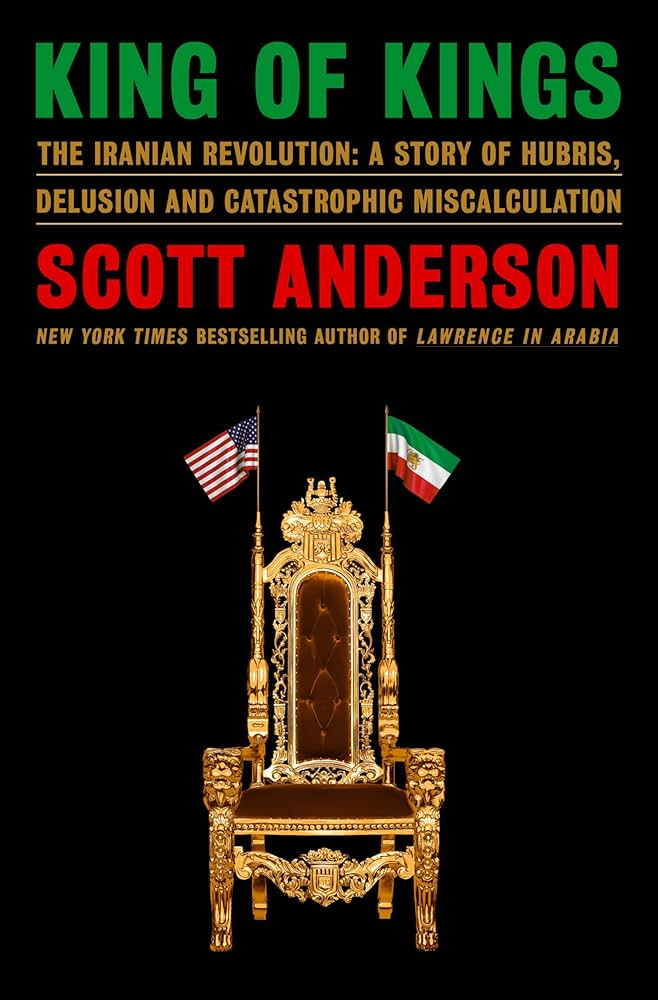
From the publisher: “From the author of the landmark bestseller Lawrence in Arabia comes a stunningly revelatory narrative history of the Iranian Revolution, one of the most momentous events in modern times. This groundbreaking work exposes the jaw-dropping stupidity of the American government and traces the rise of religious nationalism, offering essential insights into today’s global unrest.”

For the Sun After Long Nights: The Story of Iran’s Women-Led Uprising by Fatemeh Jamalpour and Nilo Tabrizy (2025)
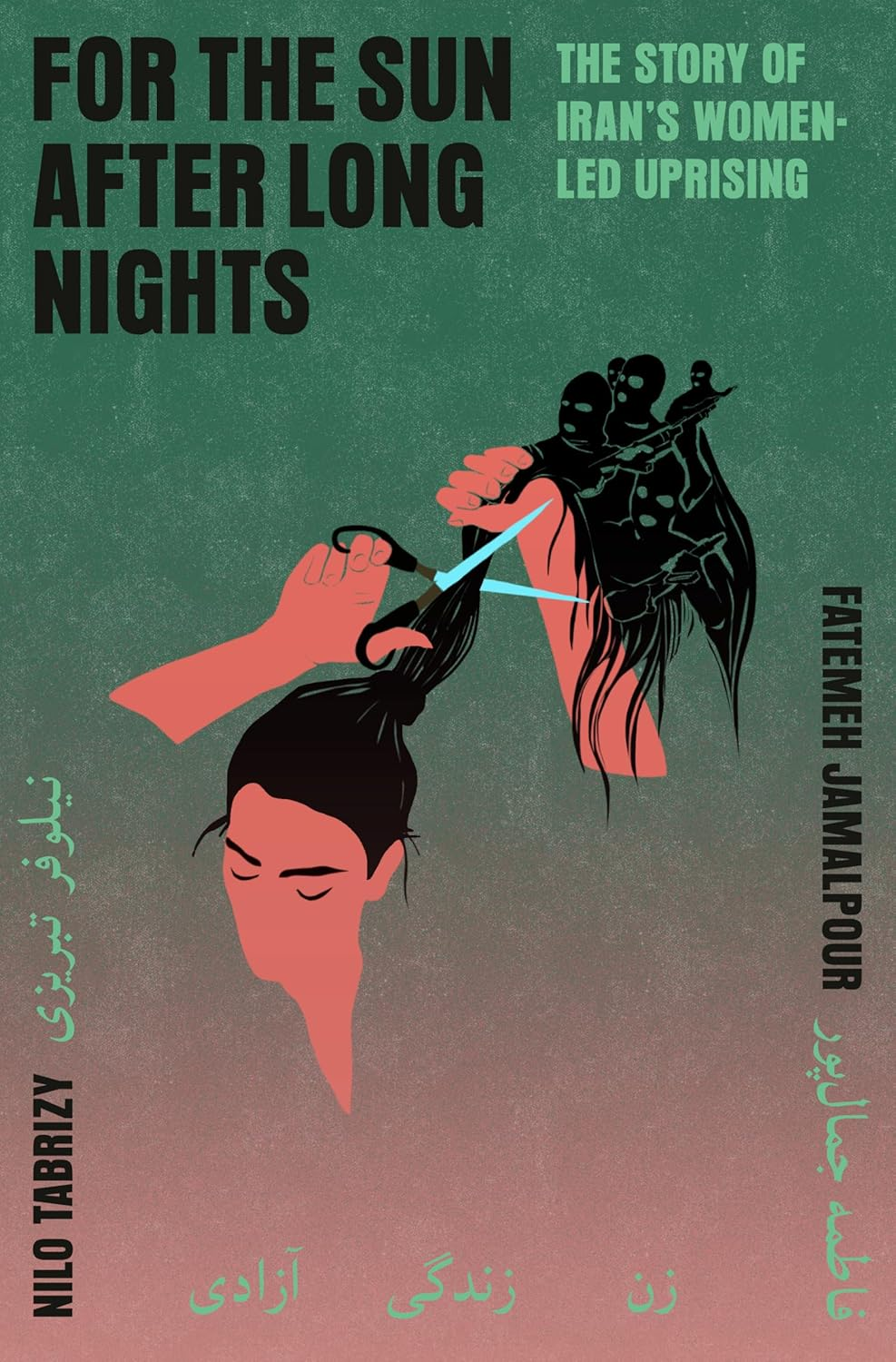
From the publisher: “A moving exploration of the 2022 women-led protests in Iran, as told through the interwoven stories of two Iranian journalists.”

As a millennial whose male friends all wanted to be Anthony Bourdain, I have to give a shout-out to Bourdain’s CNN documentary travel show Parts Unknown. The late chef-turned-travel-host had a gift for finding connections with people across the world, and it was on display during his visit to Iran in 2014. You can watch it in season 4 episode 6. Parts Unknown is available through multiple free and paid streaming services.

And if you’re interested in Iran’s contributions to art, please check out our Islamic Art program on Tuesday, March 17. Wadsworth curator Hamid Hemat will take us on an art journey through the Islamic world, including Iran’s famous Nastaliq calligraphy. You’ll also get to try writing Persian script yourself! Register here: https://cheshirelibrary.libcal.com/event/15030026

Solar Punk/Lunar Punk

Blame Cyberpunk.

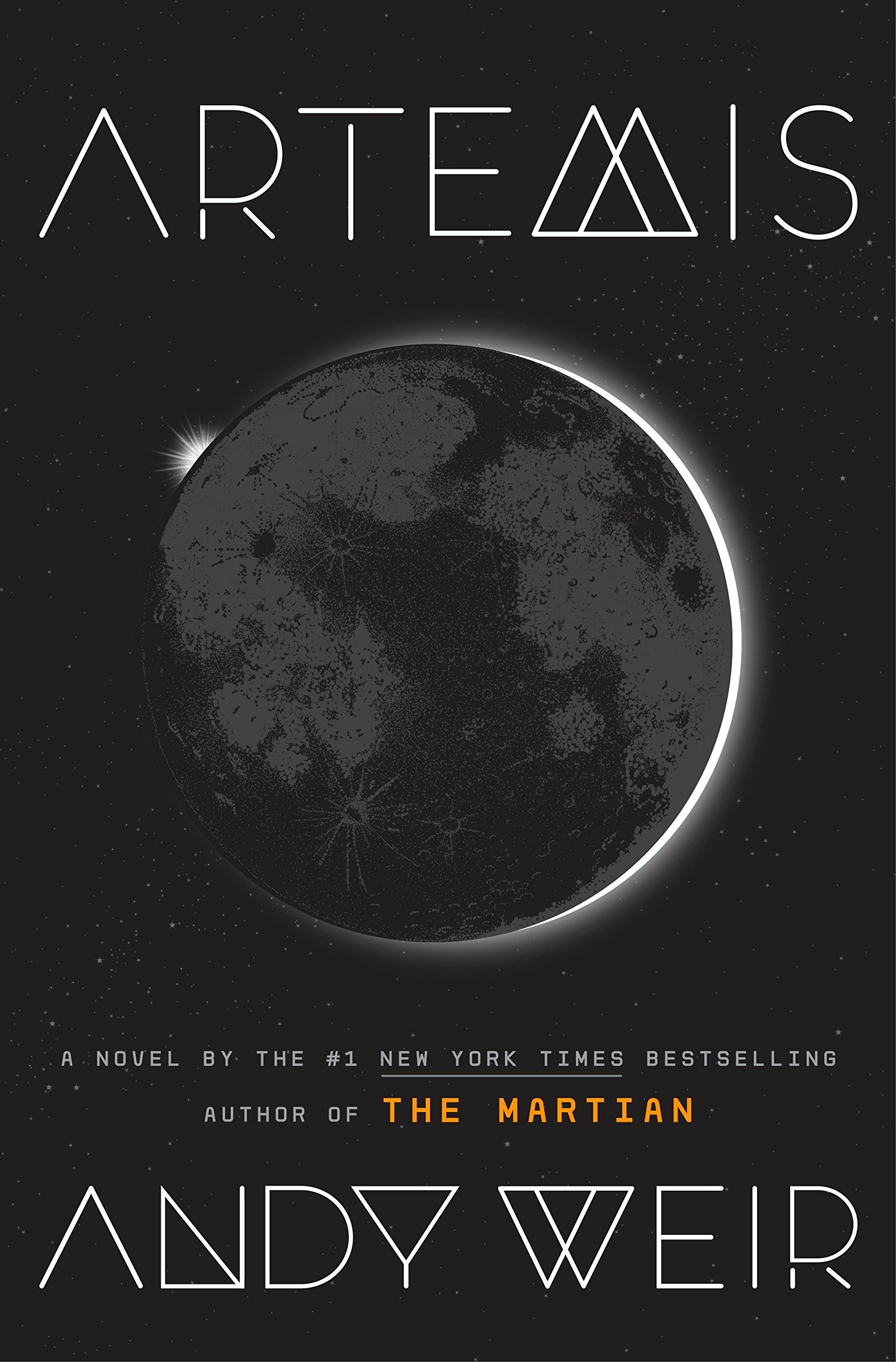
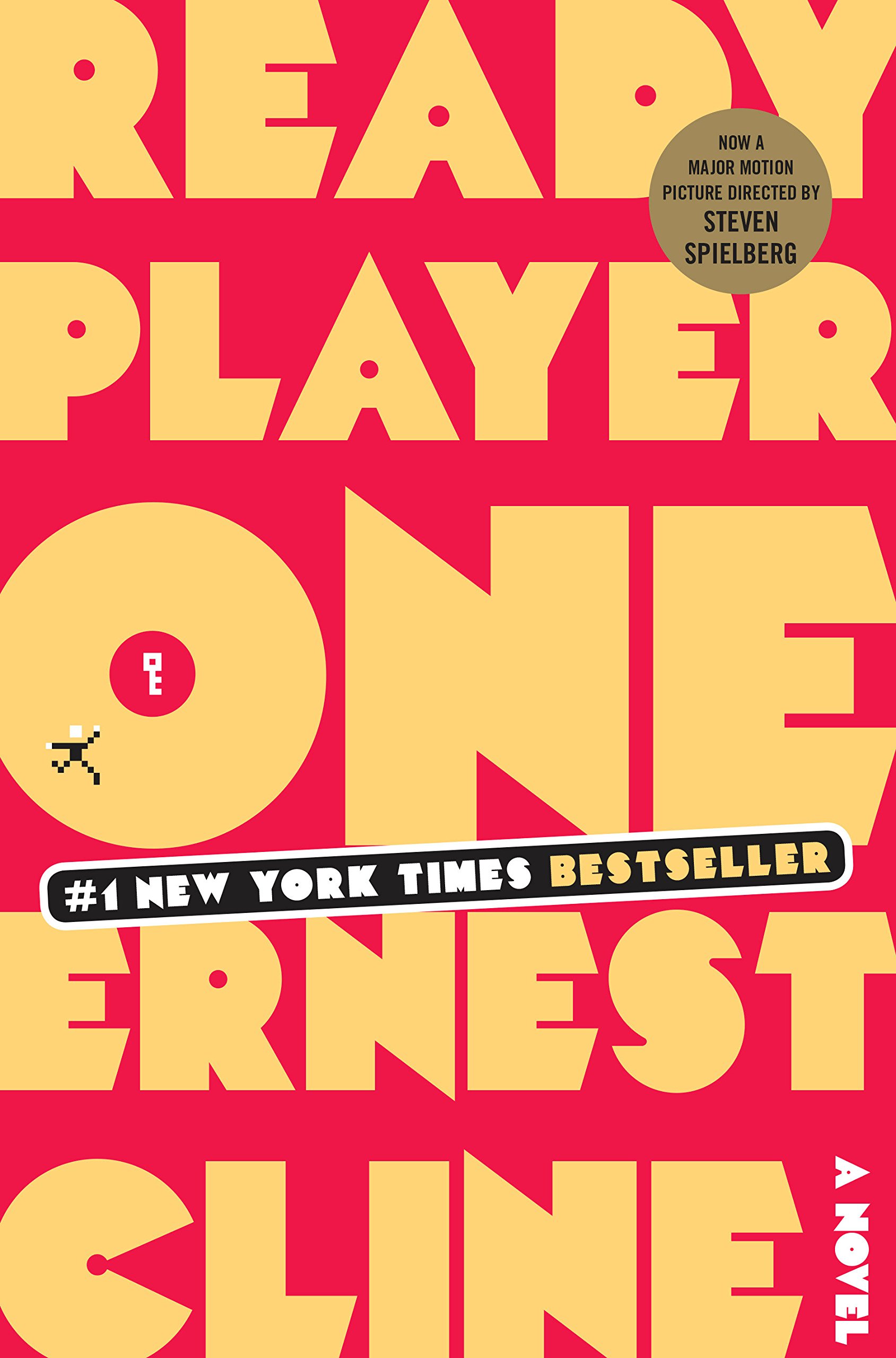
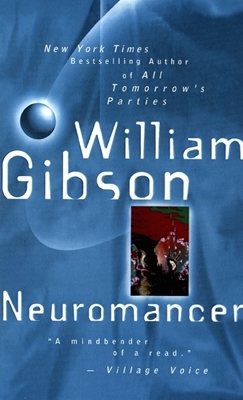
The novel Neuromancer is credited as kicking off the Cyberpunk genre. You may not have heard the term, but you probably know it  – a dark blend of high-tech in a crumbling dystopian world where the poor get poorer and the rich have all the technology – think Bladerunner, Ready Player One, Alita: Battle Angel, Real Steel, Elysium, Guardians of the Galaxy, even Hunger Games and Divergent (you could make a serious argument for Star Wars, as well). They’re gritty, dark, and sometimes disturbing, and paint a not-so-nice view of the future, with emphasis on classism, violence, famine, and a disturbing police state. 

Steampunk is also a well-established fantasy genre, carrying on as if the gasoline engine never materialized and the world was stuck in 1890 and using steam power and copper pipes for everything. They’re wildly imaginative and adventurous – check out Chris Wooding, Boneshaker by Cherie Priest, or Richard Preston Jr., or movies such as Chitty Chitty Bang Bang, League of Extraordinary Gentlemen, or The Golden Compass, among others.  

Since then, just like music has a thousand nitpicky subgenres (Simpsonwave, anyone?), fiction has also fractured into microgenres. Most are so nitpicky they’re pretty much covered under larger categories, but two more are becoming increasingly prominent: Solar Punk and Lunar Punk (Punk seems to be a word thrown in because someone is going against the establishment). Never heard of them? Neither have most people, but the genre is growing and defining itself.

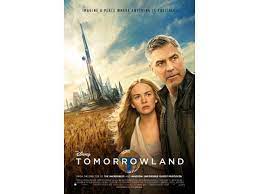
Solar Punk is a backlash against all that dreary doomsday cyberpunk. Solar Punk is full of hope and ecology. Everything is green spaces, clean power, civil rights, encompassing communities, anti-establishment, and personal choice. Renewable energy, harmony with nature, and spirituality are key themes. Solar punk is a view of the future where everything finally does work out, a world where everyone benefits from the progress of mankind, because they’re all in it together. If steampunk is Victorian, Solar Punk is art nouveau. Think Star Trek, The Disposessed by Ursula LeGuin, Ectopia, by Ernest Callenbach, Dune by Frank Herbert, Disney’s Tomorrowland, and Black Panther (is anything more Utopian than Wakanda?).

If Solar Punk is all bright lights and butterflies, Lunar Punk is Solar Punk when the sun goes down. It’s moths and the twinkling of fireflies. It’s night-blooming lilies instead of sunflowers. It may be dark but it’s not dreary, like your backyard party at night, with fairy lights everywhere. Lunar Punk often deals more in mysticism, spirituality, magic, and the occult. Their flowers are mushrooms, their light is moonlight, their colors are the blues and purples and silvers of twilight. They have no solar, so they use bioluminescence. Individuals are more important than the communities they live in. The movie Avatar – the world of the Na’vi – exemplifies Lunarpunk. Still utopian, still upbeat ecological fantasy, but out of the bright sunlight. Andy Weir’s Artemis can fall into this category. Many Anime series can fall into these categories.

Solar Punk and Lunar Punk are often categorized together, both supporting the same type of ecologically based, optimistic utopian fantasies, a genre that is growing to match our current promises of renewable energy and inclusive societies. Many of the new teen novels have been exploring the genre. They are the generation who has grown up with recycling, solar chargers, zero-emission footprints and Bald Eagles back in the wild. For them, Solar Punk could very well be the future. Check out some of it today!

Graphic Novel Adaptations: Old Stories with a New Twist

Graphic novel adaptations are not new, comic books based on classic literature could be found as early as the 1940’s and 50’s. Lately, however, there’s been a new crop of adaptations in graphic novel format that deserve some attention. While an adaptation of a book can never take the place of the original, it has value as a companion piece to the original, offering a fresh perspective on a well-established tale. This is particularly true of graphic novel adaptations, where illustrations and a change in pace can breathe new life into an older book. Even when a book isn’t all that old, a graphic novel interpretation allows us to see the story from a different angle.

We have a whole bunch of graphic novel adaptations on our shelves, for all ages. Here are some of our favorites.

FOR ADULTS:

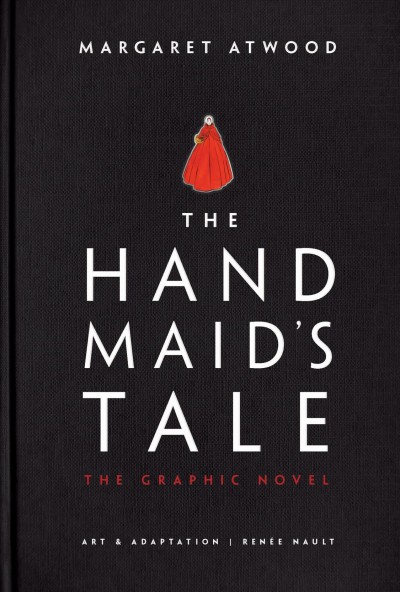
The Handmaid’s Tale, original story by Margaret Atwood ; art & adaptation by Renée Nault.

Animal Farm, original story by George Orwell ; adapted and illustrated by Odyr.

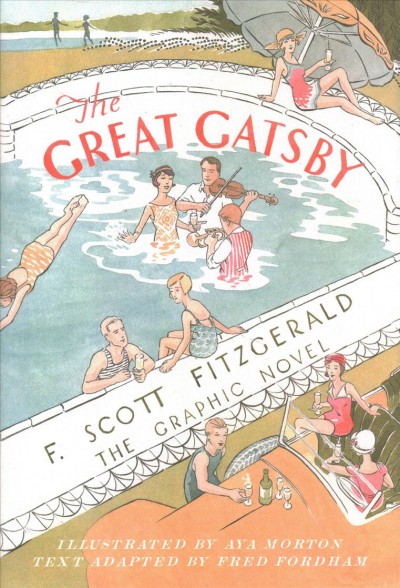
The Great Gatsby, original story by F. Scott Fitzgerald ; illustrated by Aya Morton ; text adapted by Fred Fordham

Small Gods : a Discworld graphic novel, original story by Terry Pratchett ; adaptation by Ray Friesen

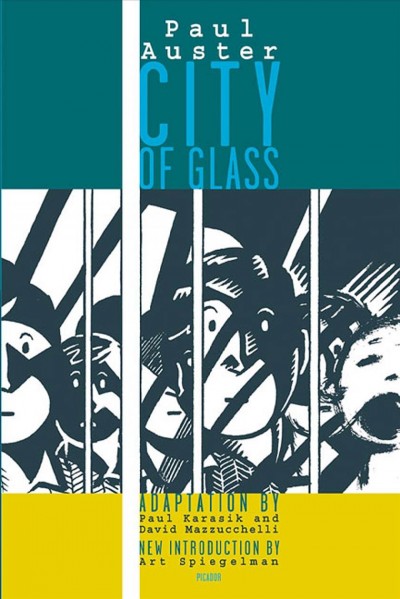
City of Glass, original story by Paul Auster ; adaptation by Paul Karasik and David Mazzucchelli

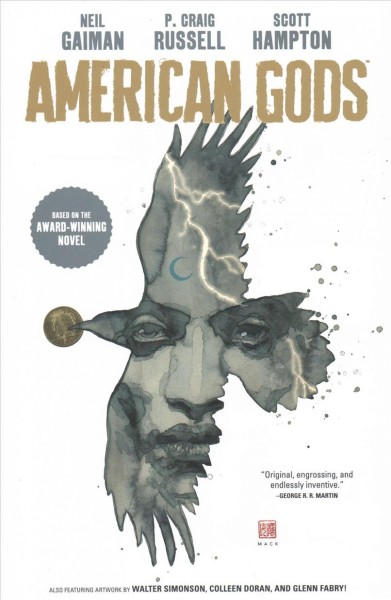
American Gods 1: Shadows, story and words by Neil Gaiman ; art by Scott Hampton 

A Game of Thrones, original story by George R.R. Martin ; adapted by Daniel Abraham ; art by Tommy Patterson

FOR TEENS (and adults, too!):

The Hobbit, original story by J.R.R. Tolkien ; adapted by Charles Dixon with Sean Deming : illustrated by David Wenzel

To Kill a Mockingbird, original story by Harper Lee ; adapted and illustrated by Fred Fordham

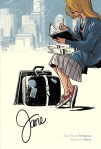
Jane (based on Jane Eyre by Charlotte Brontë), written by Aline Brosh McKenna ; illustrated by Ramón K. Pérez 

Poe : Stories and Poems, original content by Edgar Allan Poe ; adapted by Gareth Hinds

A Wrinkle in Time, original story by Madeleine L’Engle ; adapted and illustrated by Hope Larson

The Giver, original story by Lois Lowry ; adapted by P. Craig Russell ; illustrated by P. Craig Russell, Galen Showman, Scott Hampton

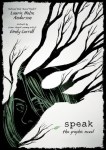
Speak, by Laurie Halse Anderson ; artwork by Emily Carroll

FOR MIDDLE GRADE READERS:

Meg, Jo, Beth, and Amy (based on Little Women by Louisa May Alcott) ; adapted by Rey Terciero ; pencils by Bre Indigo

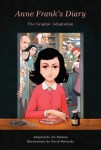
Anne Frank’s Diary ; adapted by Ari Folman ; illustrations by David Polonsky

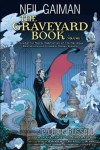
The Graveyard Book, original story by Neil Gaiman ; adapted by: P. Craig Russell ; illustrated by: Kevin Nowlan, P. Craig Russell, Tony Harris, Scott Hampton, Galen Showman, Jill Thompson, Stephen B. Scott

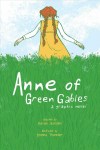
Anne of Green Gables, original story by L. M. Montgomery ; adapted by Mariah Marsden & Brenna Thummler

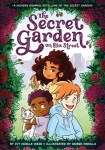
The Secret Garden on 81st Street (based on The Secret Garden by Frances Hodgson Burnett) ; adapted by Ivy Noelle Weir ; illustrated by Amber Padilla

The Witches, original story by Roald Dahl ; adapted and illustrated by Pénélope Bagieu

Oz : the manga, original story by L. Frank Baum ; adapted by David Hutchison

New to Graphic Novels and wondering where to start? Here are 10 to try!

Comics and graphic novels (long-form comics) aren’t just about superheroes, and they aren’t just for teenagers. They are published in as many genres as traditional print books – you’ll find humor, horror, science fiction, history, classics, and memoirs, to name but a few. With so many movies and television shows using graphic novels as their source material, you may be curious about graphic novels, but unsure about where to start when it comes to reading them. It can be intimidating, so here’s a list of 10 terrific graphic novels for adults, a good way to get your feet wet!

The March series by John Lewis, Andrew Aydin, and Nate Powell. This 3-part series is the first-hand account of the late Congressman John Lewis’s lifelong struggle for civil and human rights. It spans his youth in rural Alabama, his life-changing meeting with Martin Luther King, Jr., and the 1963 March on Washington.

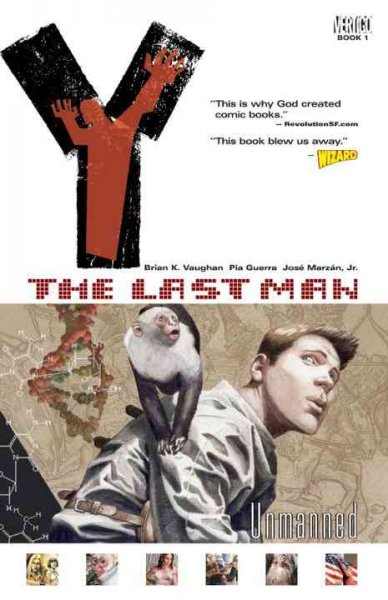
Y, the Last Man by Brian K. Vaughan and Pia Guerra. The saga of Yorick Brown—the only human survivor of a planet-wide plague that instantly kills every mammal possessing a Y chromosome. Accompanied by his pet monkey, a mysterious government agent, and a brilliant young geneticist, Yorick travels the world in search of his lost love and the answer to why he’s the last man on earth.

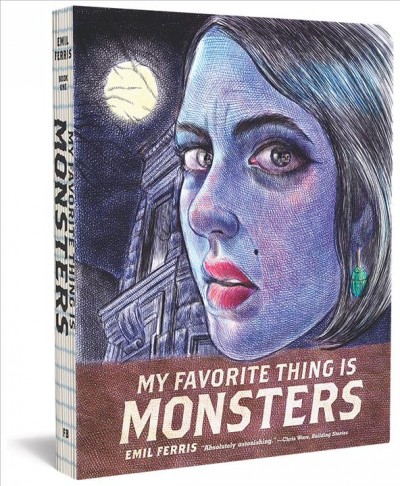
My Favorite Thing is Monsters by Emil Ferris. Told in the form of a ten-year-old’s diary entries in the 1960s, this gripping story has a B-horror-movie feel to it. Karen tries to solve the murder of her upstairs neighbor, a survivor of the holocaust, while the interconnected stories of those around her unfold.

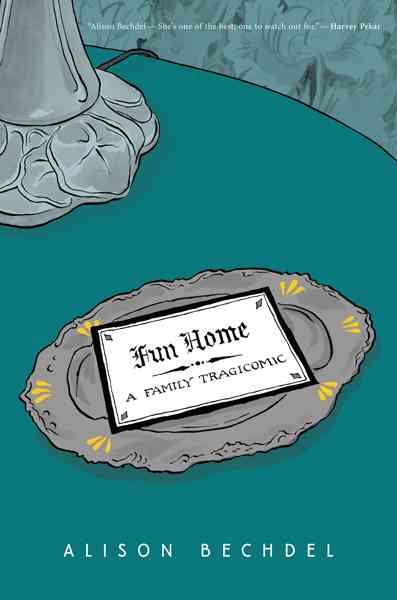
Fun Home: A Family Tragicomic by Alison Bechdel. An unusual memoir done in the form of a graphic novel by a cult favorite comic artist offers a darkly funny family portrait that details her relationship with her father, a historic preservation expert dedicated to restoring the family’s Victorian home, funeral home director, high-school English teacher, and closeted homosexual.

The Sandman series by Neil Gaiman. A rich blend of modern myth and dark fantasy, The Sandman follows the people and places affected by Morpheus, the Dream King, as he mends the cosmic — and human — mistakes he’s made during his vast existence. The Sandman was one of the first few graphic novels ever to be on The New York Times Best Seller list (along with Maus, Watchmen and The Dark Knight Returns).

Kindred : a graphic novel adaptation  by Damian Duffy and John Jennings. This searing graphic-novel adaptation of Octavia E. Butler’s science fiction classic is a powerfully moving, unflinching look at the violent, disturbing effects of slavery on the people it chained together, both black and white – and made kindred in the deepest sense of the word. 

Alice’s Story : based on the novel The Magicians by Lev Grossman ; by Lilah Sturges and Pius Bak. An all new chapter set in the world of The Magicians trilogy of novels by Lev Grossman that retells the events of the first novel through fan-favorite character Alice Quinn.

The Fade Out by Ed Brubaker and Sean Phillips. An epic graphic novel of Hollywood in the early days of the Blacklist. The story goes from the murder of an up-and-coming starlet from studio backlots to the gutters of downtown Los Angeles. Contains behind-the-scenes art and stories, sketches and layouts, and several historical essays.

Here by Richard McGuire. This innovative graphic novel presents the story of a corner of a room and of the events that have occurred in that space over the course of hundreds of thousands of years. The book experiments with formal properties of comics, moving forward and backward in time, using multiple panels to convey the different moments in time.

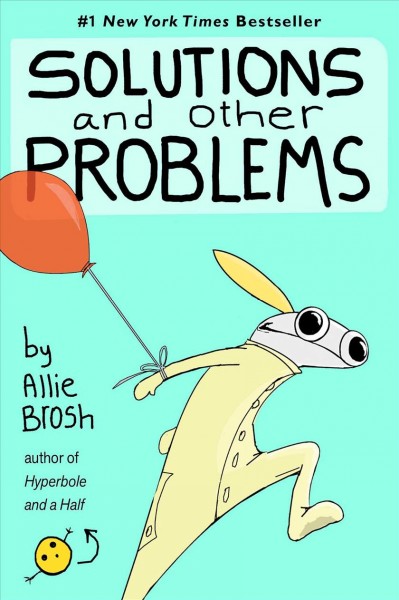
Solutions and Other Problems by Allie Brosh. A collection of comedic, autobiographical and deceptively illustrated essays on topics ranging from childhood and very bad pets to grief, loneliness and powerlessness in modern life.

Read it Before You See it: Book-to-Screen Adaptations Coming in 2022

So many screen adaptations, so little time! There are so many books coming to big and small screens this year, it’s easy to lose track or what’s coming out when. We’ve put together a list of some adaptations that we’re really looking forward to this year – some have release dates, some do not, but the list will give us time to read as many books as we can before their adaptations come out! Which books are you most looking forward to seeing on the screen this year?


MOVIES


The Black Phone Release date: Feb. 4, 2022

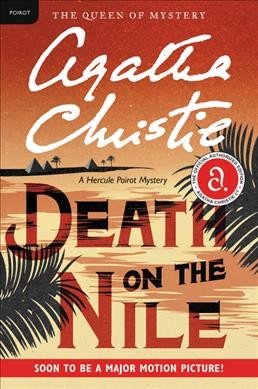
Death on the Nile Release date: Feb. 11, 2022

Mothering Sunday Release date: Feb. 25, 2022

Where the Crawdads Sing Release Date: July 22, 2022 (Netflix)

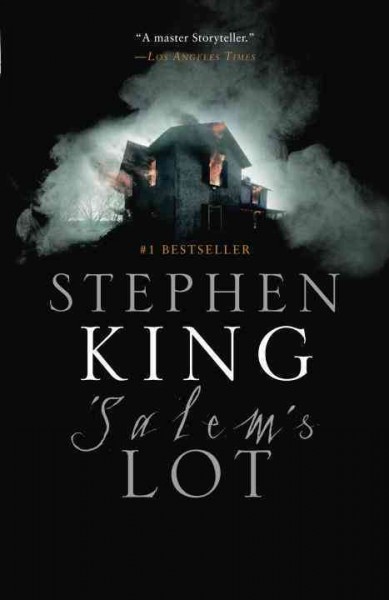
Salem’s Lot Release Date: September 9, 2022

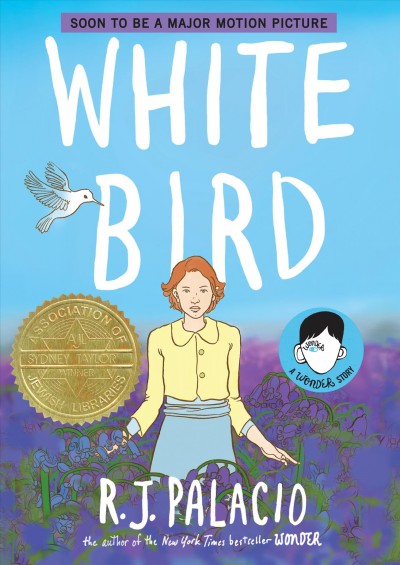
White Bird: A Wonder Story Release Date: October 14, 2022

She Said Release date: Nov. 28, 2022

The Nightingale Release Date: December 23, 2022

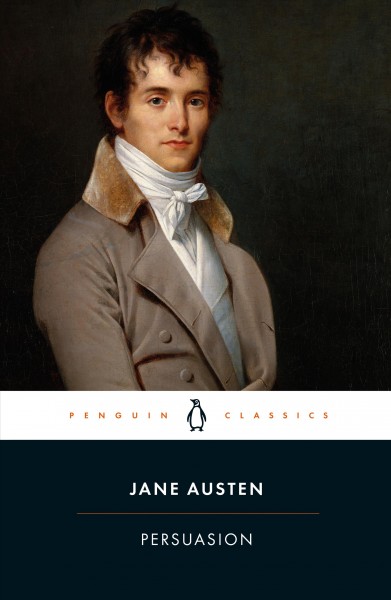
Persuasion Release date: TBD 2022

The School for Good and Evil Release Date: TBD 2022 (Netflix)

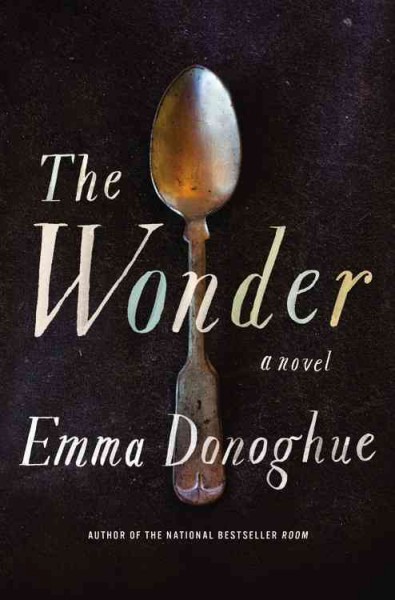
The Wonder Release Date: TBD 2022 (Netflix)


TV SERIES


Outlander Season 6 (Starz) Premiere Date: March 6, 2022
Based on the book: A Breath of Snow and Ashes by Diana Gabaldon 

Bridgerton Season 2 (Netflix) Premiere Date: March 25, 2022

Based on the book: The Viscount Who Loved Me by Julia Quinn

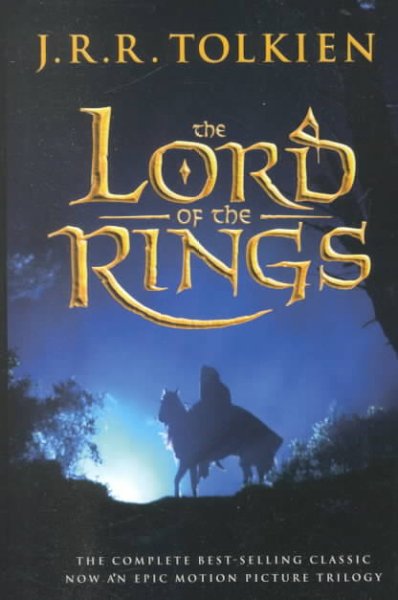
Lord of the Rings (Amazon Prime Video) Premiere Date: Sept. 2, 2022

Based on the books: The Lord of the Rings trilogy by J.R.R. Tolkein 

The Sandman (Netflix) Premiere Date: TBD 2022

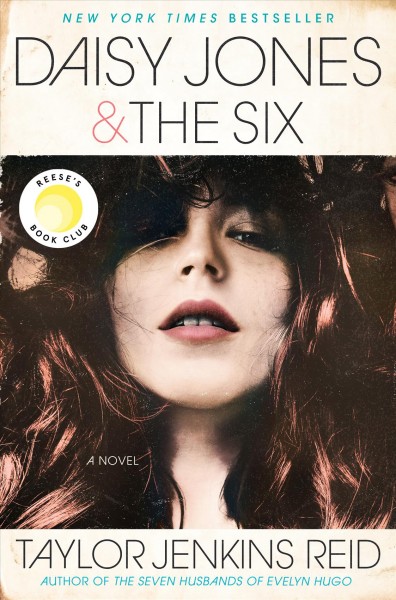
Daisy Jones & the Six (Amazon Prime Video) Premiere Date: TBD 2022

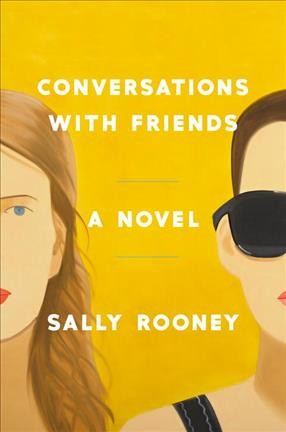
Conversations with Friends (Hulu) Premiere Date: Spring 2022