I’d say I think about death more than your average sub-40-year-old. I could blame my high school English teacher for introducing me to existentialist thinker Albert Camus, or childhood Don Bluth films, but I probably just came out this way. Saying somebody “passed” feels strange in my mouth, inaccurate, as if the total and unequivocal departure from this plane of existence is akin to expelling a kidney stone. When I was pregnant, instead of choosing color palettes for a nursery like many expectant mothers, I went shopping for life insurance and wrote detailed directions for the disposal of my body (with relevant phone numbers).
“This is a great start to a post about optimism,” you might be thinking. But my acute awareness of mortality isn’t a pool I sit and wallow in. Instead, it spurs me to use my brief time to make a positive impact in this world. That’s how I feel about climate change. We’re inundated with data on warming temperatures, declining wildlife populations, more frequent severe weather events. We could collectively sit and wallow in a pool of doom. Or, we can arm ourselves with hope, draw up an imperfect plan of action, and try our best to leave whatever mark we can in the time we have.
If you’re stuck in the doom-pool and need some help, let one of these books be a hand extended to pull you out.
What If We Get It Right?: Visions of Climate Futures by Ayana Elizabeth Johnson (2024)
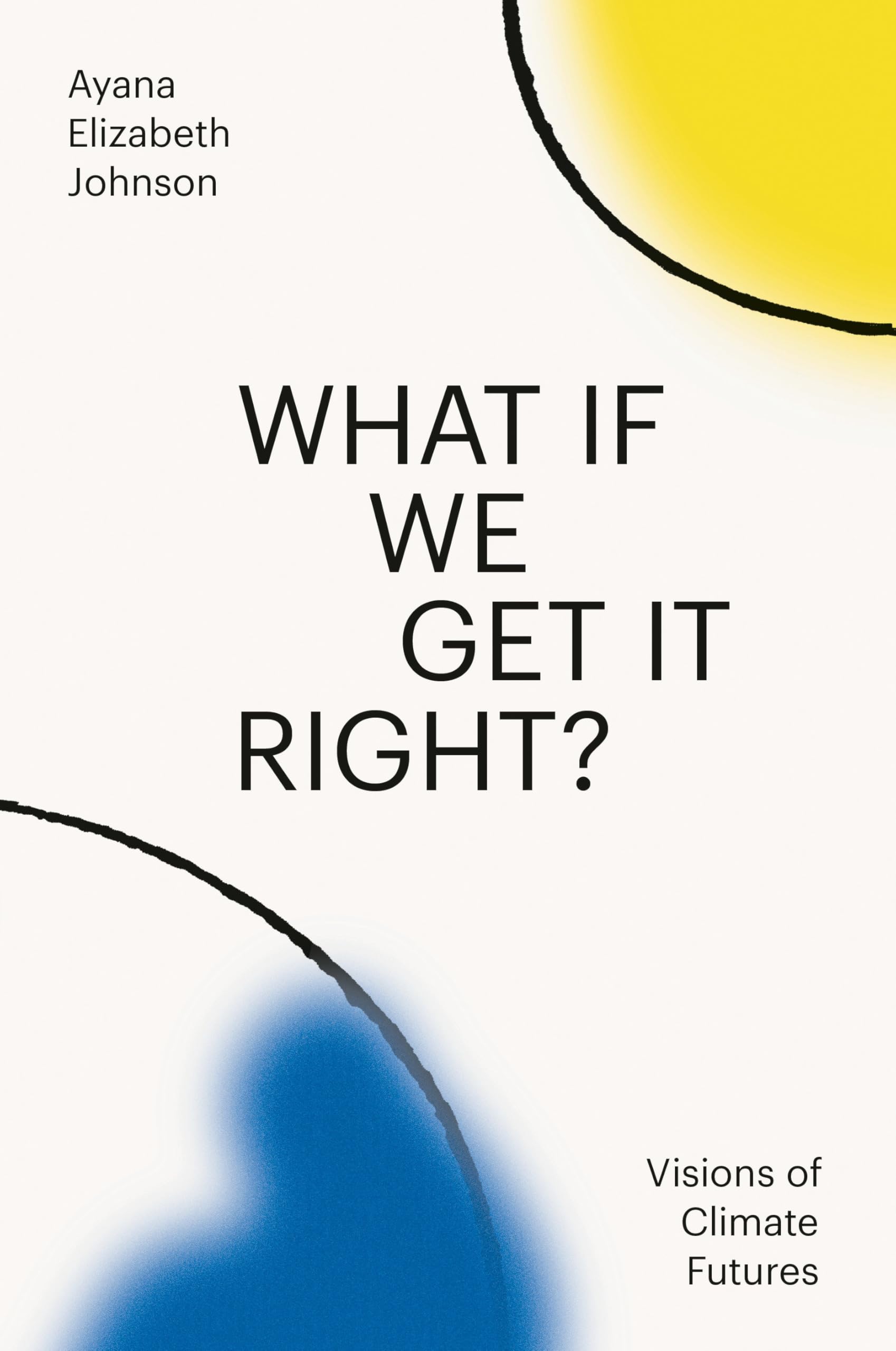
In the throes of the terrible summer of 2020, a tiny bright spot emerged: How to Save a Planet, a cheery podcast that discussed tangible solutions to the problem of climate change. The podcast and its parent company were swallowed up and digested by Spotify, but biologist and policy wonk Ayana Elizabeth Johnson continues to spread the gospel of actionable solutions, most recently in this book.
Saving Us: A Climate Scientist’s Case for Hope and Healing in a Divided World by Katharine Hayhoe (2021)

We all have a stake in the health of our planet. Instead of assailing you with facts about why you need to act on climate issues, Hayhoe gives you strategies to help you start conversations with almost anyone who isn’t on board (yet).
Cheaper, Faster, Better: How We’ll Win the Climate War by Tom Steyer (2024)

Streyer is excited about the future of clean energy, to the point where he left a lucrative job at an investment fund to start – well, another investment fund, but one dedicated to climate solutions. You’ll learn how investors, inventors, and entrepreneurs are harnessing the power of capitalism for the good of the planet.
How Can I Help?: Saving Nature with Your Yard by Douglas Tallamy (2025)
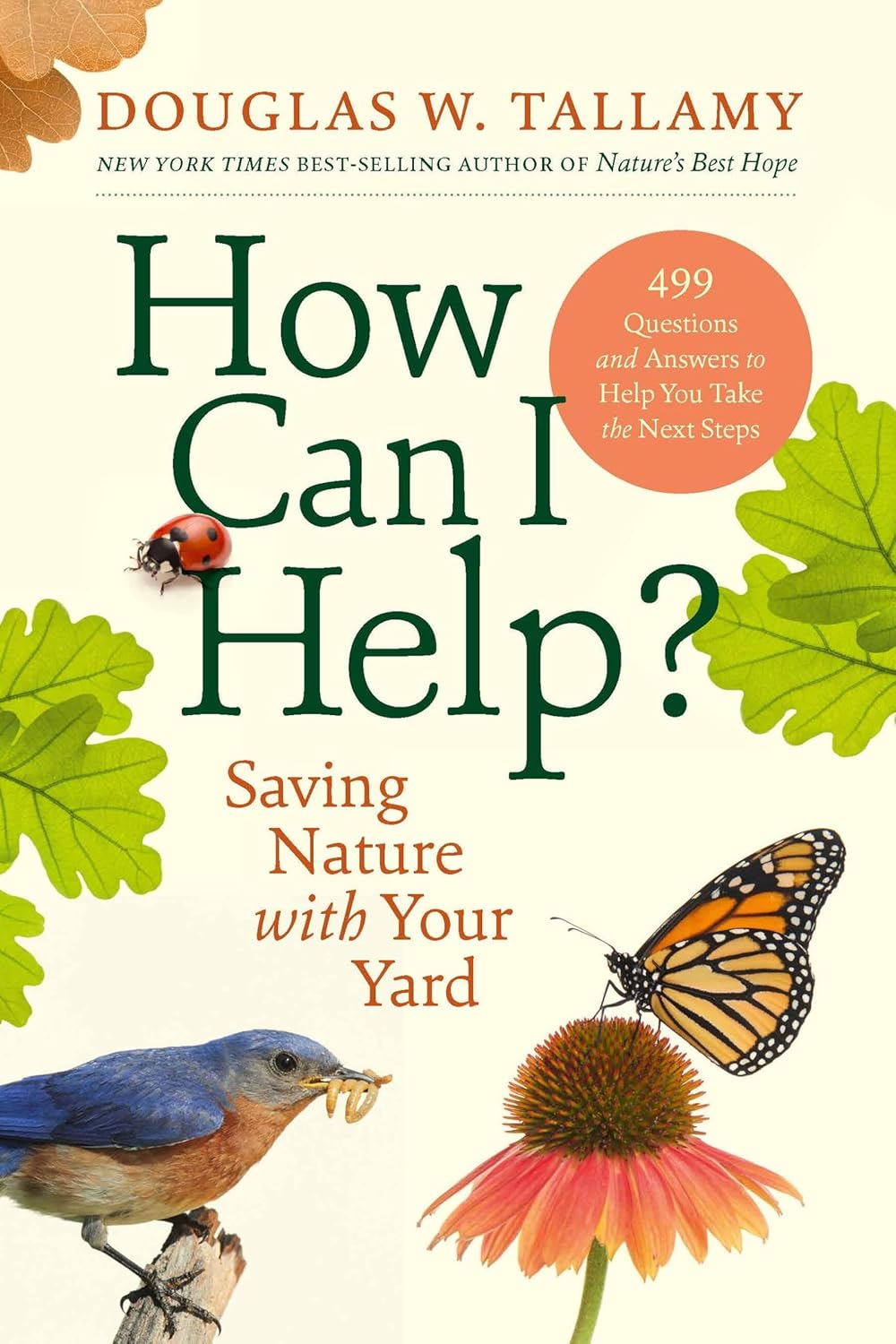
Stand on the corner of gardening and conservation long enough, and you’ll run into Doug Tallamy. He’s published on the importance of native plants and the virtues of oak trees. His newest book gives property owners and gardeners a host of actions that they can take in their own yard to help the environment.
Holy Ground: On Activism, Environmental Justice, and Finding Hope by Catherine Coleman Flowers (2025)
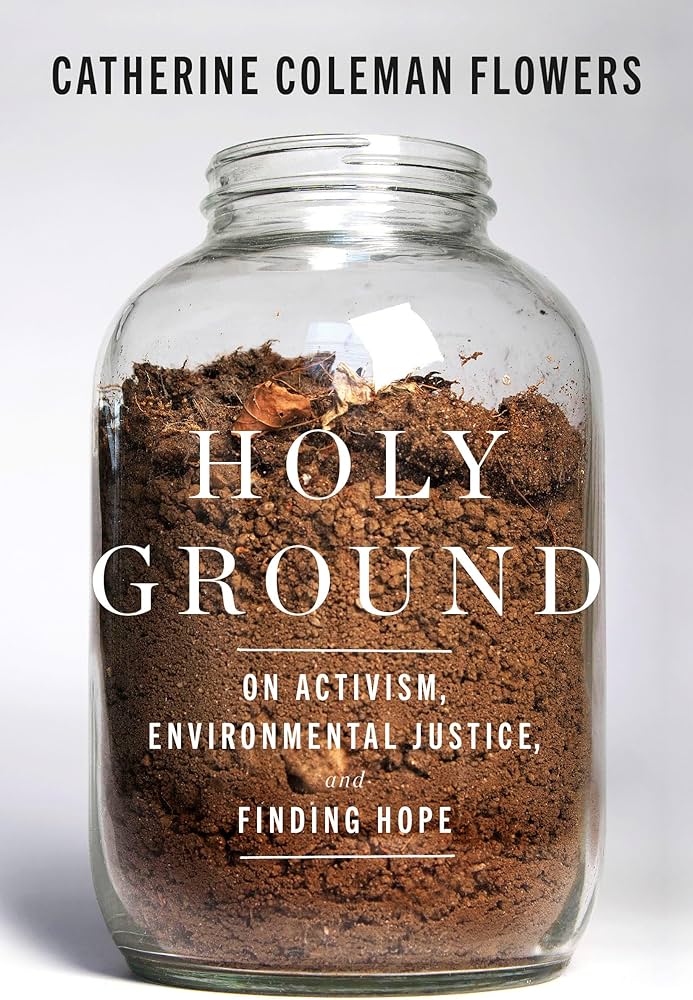
Flowers advocates for the rural poor in areas where a lack of infrastructure, paired with climate change-related flooding, makes it difficult for families to access sanitary water. This book is a series of essays on her work and personal experiences with environmental and racial justice, and it’s an inspiration for others to join in the fight for a safer, healthier future for our neighbors.
Hope Dies Last: Visionary People Across the World, Fighting to Find Us a Future by Alan Weisman (2025)

Previous books in the list have looked at specific solutions and people, but Weisman’s upcoming book (which conveniently comes out right on Earth Day) takes a wider approach to see what the fight against climate change means for us as human beings. He talks with architects, scientists, artists, and religious leaders to ultimately paint a portrait of hope.
Islands of Abandonment: Nature Rebounding in the Post-Human Landscape by Cal Flyn (2021)

Years ago, in the middle of a long hike in the Sierra Nevada mountain range, I looked down at the rocks beneath my feet and realized I would be very happy if, many thousands or millions of years from now, the elements in my body were to become part of a rock underneath a foot as someone or something moved through a beautiful place. Everything alive is going to die. But nature and the processes of the physical world will go on. In Scotland, rare flowers grow on a heap of 19th century waste. Elk and wolves wander the irradiated exclusion zone around Chernobyl. With beautiful prose, this book travels to places ravaged by war, pollution, and human-made disaster to show how life continues in our absence. With or without us, Earth will eventually heal itself, and I find that deeply comforting.



 I’m no gardener. Sure, I have flowers all over my yard, I grow enough vegetables to bother canning, but I consider that a miracle of nature, not anything I do. I throw some plants in the ground, and if they’re lucky I remember to water them in the heat of summer. If they’re REALLY lucky, I may actually fertilize them. The only thing I try hard to remember to keep fertilized is my tulips, because my soil is two steps shy of toxic, and tulips like sunlight and fertilizer, and my tulips are spectacular (my soil is so bad that the only reason my flowers look good is because in our second year, we scraped away all the soil and replaced it with 5 cubic yards of new soil. Move away from the new soil, and the plants don’t do well).
 gardens will outdo themselves (Not likely. I planted 150 croci, and 8 survived). I pour over the catalogs and dream of a yard landscaped out of a high-end advertisement, wanting to buy 50 of those beautiful flowering plants, only to sigh when the ad says they cost $30. A plant.
 I prefer to purchase my seedlings from local nurseries – they have a much better shot at living – but I dutifully fill a tray or two of seeds with the kids in late winter, hoping to inspire a love of nature, and maybe a greener thumb. It doesn’t take much – a $2 packet of carrot seeds, a glass container, and you can watch roots grow as well as green leaves. Sadly, planting seeds and watching them grow doesn’t always inspire kids to eat that vegetable. Plants can be started in egg cartons, yogurt cups, red Solo cups, even eggshells – seeds, as you can tell from the cracks of pavement, aren’t fussy on where they sprout, though you may have to move them to a bigger cup if you’re using eggshells. If nothing else, it gives the kids something to do on a dreary day.
 cheapskate in me says plant seeds for the most expensive plants you want to grow, but that doesn’t mean the seeds will take. I’ve planted enough catnip seeds for a jungle, and just five plants finally grew – outside, not in a pot. I could mention morning glories, but morning glories are a lifetime commitment; they can be invasive, and even if you plant them only once, you might be yanking up sprouts for the next 10 years. These are some of the best seeds to grow with kids, and some books to help you once they’re past their leafy infancy. Give it a try!
 High-Yield Vegetable Gardening
 atoes
atoes March Teen Volunteering Challenges
 Book Buzz Teen Book Club: The Radium Girls
 Take + Make Kits
 Food Explorers
 Preschool Storytime
 Connecticut in Motion
 College Admissions in the Time of COVID-19
 Toddler Storytime
 Cat Tales Writers Group
 Family Trivia Night
 Jammin’ with Jeffrey
 Ten Trends in Landscape and Land Care
 What to Grow in My Medicinal Herb Garden?
 Clear Lip Gloss with Gemstones (Teen Take & Make tutorial)
 Comics Club: Stargazing
 Books Over Coffee: The Woman Who Stole Vermeer
 The Cheshire Library Blog