Film adaptations of books have hit the ground running in 2018, with bestsellers Horse Soldiers, The Death Cure, and Fifty Shades Freed released in theaters already, and we’re barely into the year. Here’s some of what’s in store for the rest of 2018 (release dates may be subject to change), if you want to read them before you see them:
- Every Day by David Levithan (release date Feb. 23). A 16-year-old girl falls in love with a spirit named “A”, a traveling soul who wakes each morning in a different body.
- Annihilation by Jeff Vandermeer (release date Feb. 23). A group of female scientists undertakes an expedition to “Area X”, a portion of land in the United States that has been secretly quarantined due to abnormal activity.
- Red Sparrow by Jason Matthews (release date Mar. 2). Ballerina Dominika Egorova (Jennifer Lawrence) is recruited to ‘Sparrow School’ a Russian intelligence service where she is forced to use her body as a weapon.
- A Wrinkle in Time by Madeleine L’Engle (release date Mar. 9). After the disappearance of her scientist father, three peculiar beings send Meg, her brother, and her friend across the barriers of space and time to find him. The all-star cast includes Oprah Winfrey, Reese Witherspoon, Mindy Kaling, and Chris Pine.
- The Leisure Seeker by Michael Zadoorian (release date Mar. 9). An elderly couple suffering from cancer and Alzheimer’s decide to sneak away from their doctors for one last hurrah and escape on a cross-country trip.
- Simon vs. the Homo Sapiens Agenda by Becky Albertelli (release date Mar. 16). Everyone deserves a great love story, but for 17-year-old Simon Spier, it’s a little more complicated. He hasn’t told his family or friends that he’s gay, and he doesn’t know the identity of the anonymous classmate that he’s fallen for online.
- Ready Player One by Ernest Cline (release date Mar. 30). The buzz about this film adaptation began almost before the book was even published. Directed by Steven Spielberg, this dystopian thriller takes place in a future where more and more people are escaping into a virtual reality world that’s more bearable than the real one. Expect a kind of Matrix-y vibe with a bunch of 80’s pop culture references.
- The Guernsey Literary and Potato Peel Pie Society by Annie Barrows (release date Apr. 19). A writer doing research learns about a unique book club that the residents of Guernsey formed as a front during German occupation in WWII.
- Where’d You Go, Bernadette by Maria Semple (release date May 11). after her eccentric, agoraphobic mother disappears, 15-year-old Bee does everything she can to track her down, discovering her troubled past in the process. Starring Cate Blanchett in the title role.
- Crazy Rich Asians by Kevin Kwan (release date Aug. 17). American-born Chinese economics professor Rachel Chu accompanies her boyfriend to Singapore for his best friend’s wedding only to get thrust into the lives of Asia’s rich and famous.
- The Little Stranger by Sarah Waters (release date Aug. 31). After being summoned to treat a patient at dilapidated Hundreds Hall, Dr. Faraday finds himself becoming entangled in the lives of the owners, and the supernatural presences in the house in this horror-thriller.
- The Darkest Minds by Alexandra Bracken (release date Sep. 14). In this sci-fi thriller, sixteen-year-old Ruby breaks out of a government-run “rehabilitation camp” for teens who acquired dangerous powers after surviving a virus that wiped out most American children.
- The House With a Clock in Its Walls by John Bellairs (release date Sep. 21). A young orphan aids his magical uncle in locating a clock with the power to bring about the end of the world. Starring Cate Blanchett (again), Jack Black, and Kyle MacLachlan.
- Boy Erased by Garrard Conley (release date Sep. 28). In the film adaptation of thie memoir, the son of a baptist preacher is forced to participate in a church-supported gay conversion program. Starring Lucas Hedges in the title role, with Russell Crowe and Nicole Kidman as his parents.
- First Man: The Life of Neil A. Armstrong by James R. Hansen (release date Oct. 12). Ryan Gosling stars in the title role in this true story of NASA’s mission to land a man on the moon, focusing on Neil Armstrong and the years 1961–1969.
- The Girl in the Spider’s Web by David Lagercrantz (release date Oct. 19). Young computer hacker Lisbeth Salander and journalist Mikael Blomkvist find themselves caught in a web of spies, cybercriminals and corrupt government officials.
- The Jungle Book by Rudyard Kipling (release date Oct. 19). Young and adventurous Mowgli meets Bagheera (Christian Bale), Shere Khan (Benedict Cumberbatch), and other animals while growing up in the jungle.
- Mortal Engines by Philip Reeve (release date Dec. 14). Millennia after much of the world was destroyed in a cataclysmic event, cities survive a now desolate Earth by moving around on giant wheels attacking and devouring smaller towns to replenish their resources.
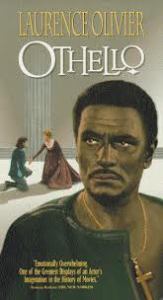 One of the more controversial topics in Hollywood is the concept of whitewashing – casting a white actor in a role meant to be Black, Asian, Native American, Latin, or other ethnic group. Some of the more egregious examples are Laurence Olivier (and Orson Welles) playing Othello – in blackface, Ralph Fiennes playing Michael Jackson; Mickey Rooney (
 grossing black-lead films are comedies (Eddie Murphy has 5 of the top 7, not including
  Now, Hollywood may be on the verge of a true black superhero blockbuster with the release of February’s
  warm reviews. As the
  Some people love winter, love the brisk air, the blinding glare, the crystal-clear night skies, soft fluffy snow and cups of steaming hot chocolate. Other people hate the freezing cold, the knifing winds, the treacherous roads, bare trees, and endless brown mud and slush clinging to shoes, cars, and pet feet tracking through the house.
 drapes (one of my favorite possessions), reading a book in a favorite chair while snow swirls outside the window and an animal lounges at my feet. It means a stew bubbling on the stove, fresh bread in the oven, or perhaps fresh shortbread cookies and a cup of Earl Gray tea by that fire. Perhaps it’s a holiday, with candles and lights and decorations, waiting for company to make it through the snow. Yeah, yeah, there’s no groundsman to shovel the walks when it’s over, I have to do it myself, but for a few hours I’m lost in an old English fantasy, there’s a mystery in the air, a challenge ahead, but love and fortune win in the end (note: I have never achieved this fantasy, but I keep hoping).
 English Tales of Winter
 historical
  Just because our snow stories don’t go back to King Wenceslas (ok, Wenceslas was Bohemian/ Czechoslovakian, but the song, 900 years later, is English) doesn’t mean American literature isn’t good, it just means it’s different. Maybe you’ll have to settle for cotton twill drapes and a medium double-latte with a space heater and a Snuggie. If you love gothic literature, delve into a classic or something newer; there are hundreds of books (and films!) to choose from. If you love reading about snowy days while curled in a chair listening to the winds howl, try some of these modern tales (and films):







 The Cheshire Library Blog