Making Sense of Book Awards

Has this ever happened to you? You’re in a library or book store, minding your own business, when a ray of light blinds you, stopping you in your tracks. You think, “Is this aliens? Is this the rapture? What is going on?” You catch your breath and realize it’s just the gleam of one of those shiny emblems that says, “Booker Prize.” You pick up the book and even more questions flood your mind: “Who’s this Booker fella and what right does he have to tell me what to read?!” I’ve been there, I get it. But there’s no need to dismay. Once you make sense of book awards, they can be helpful tools in the eternal search for your next book.

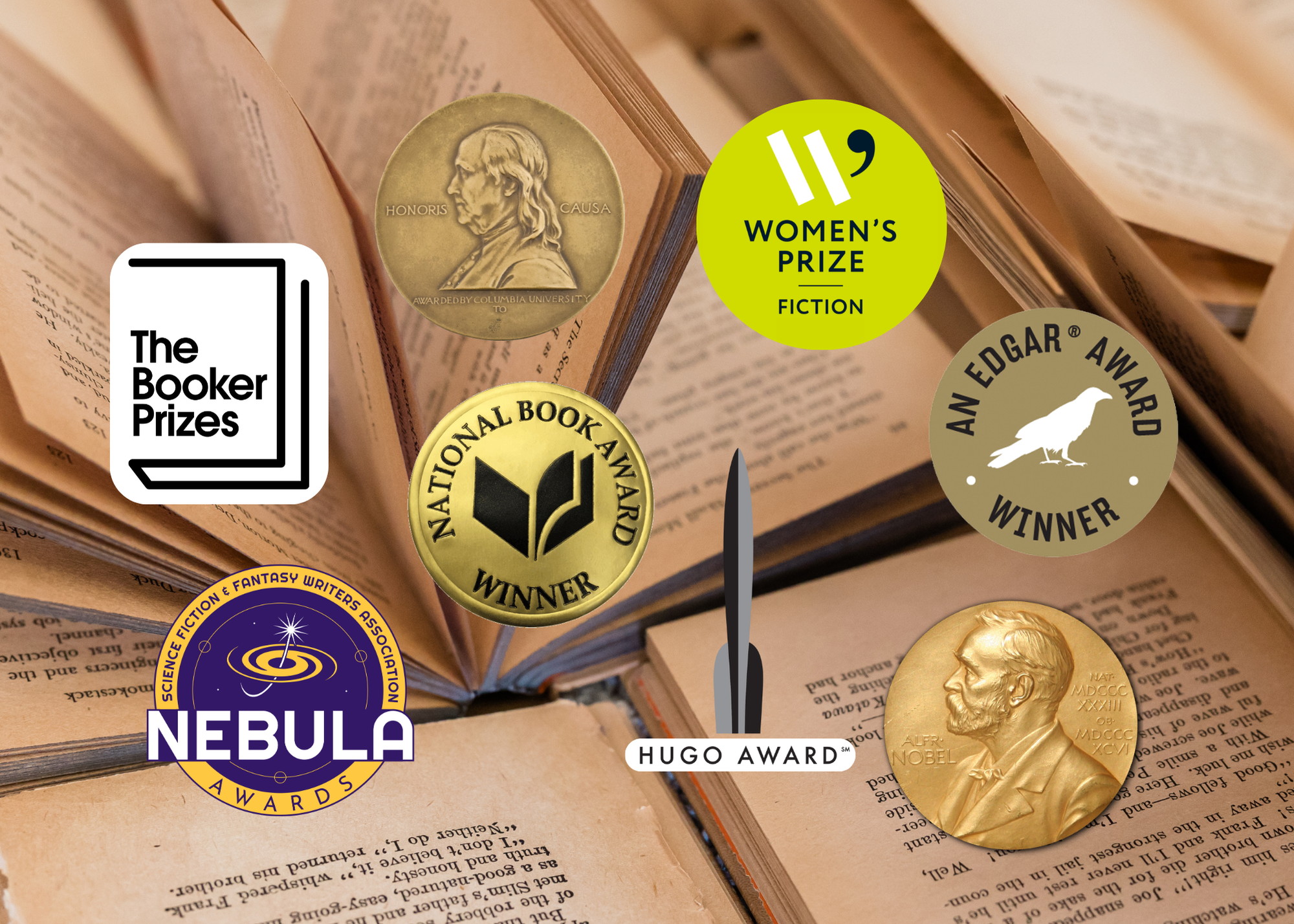
Booker Prize

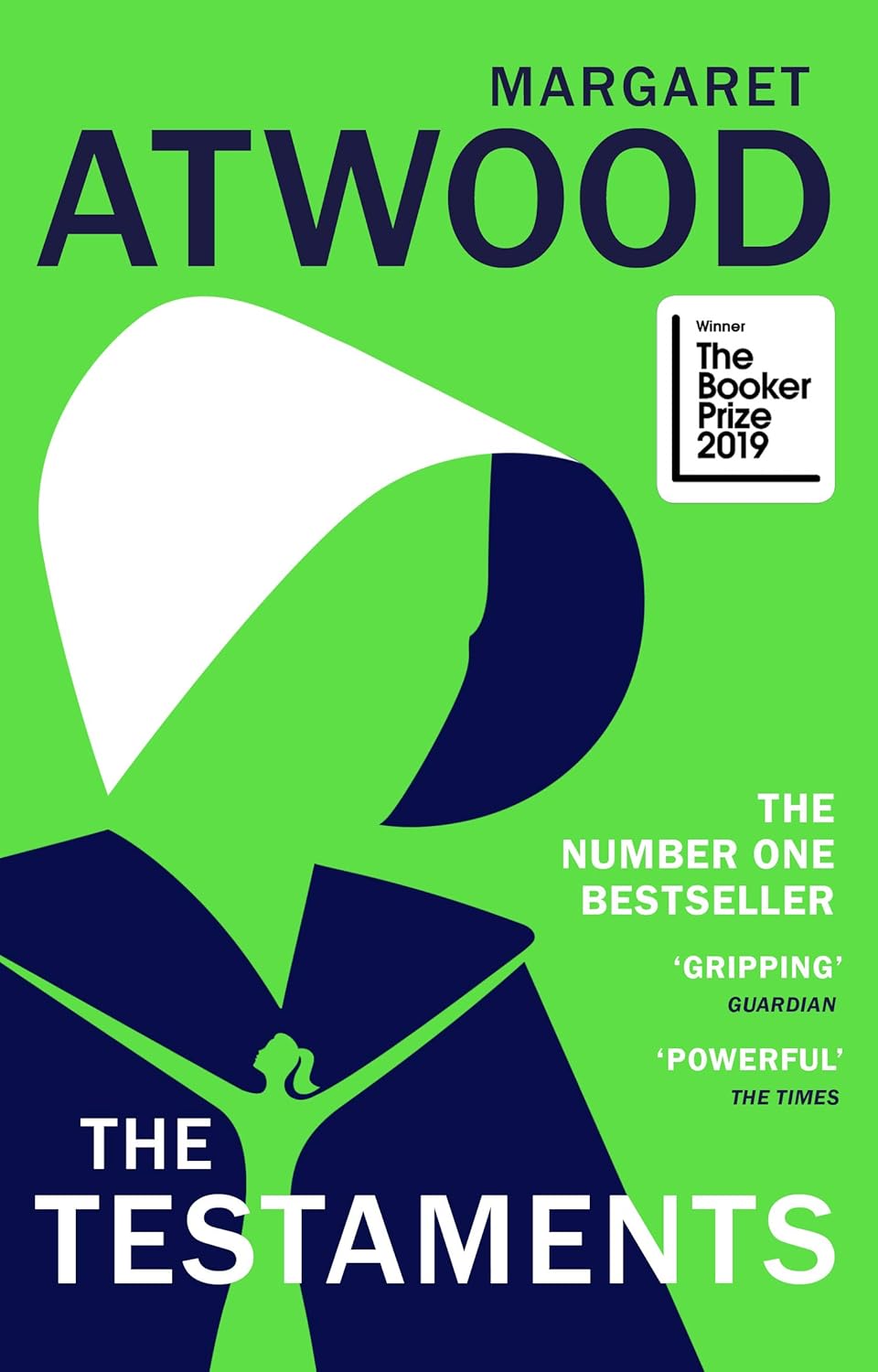
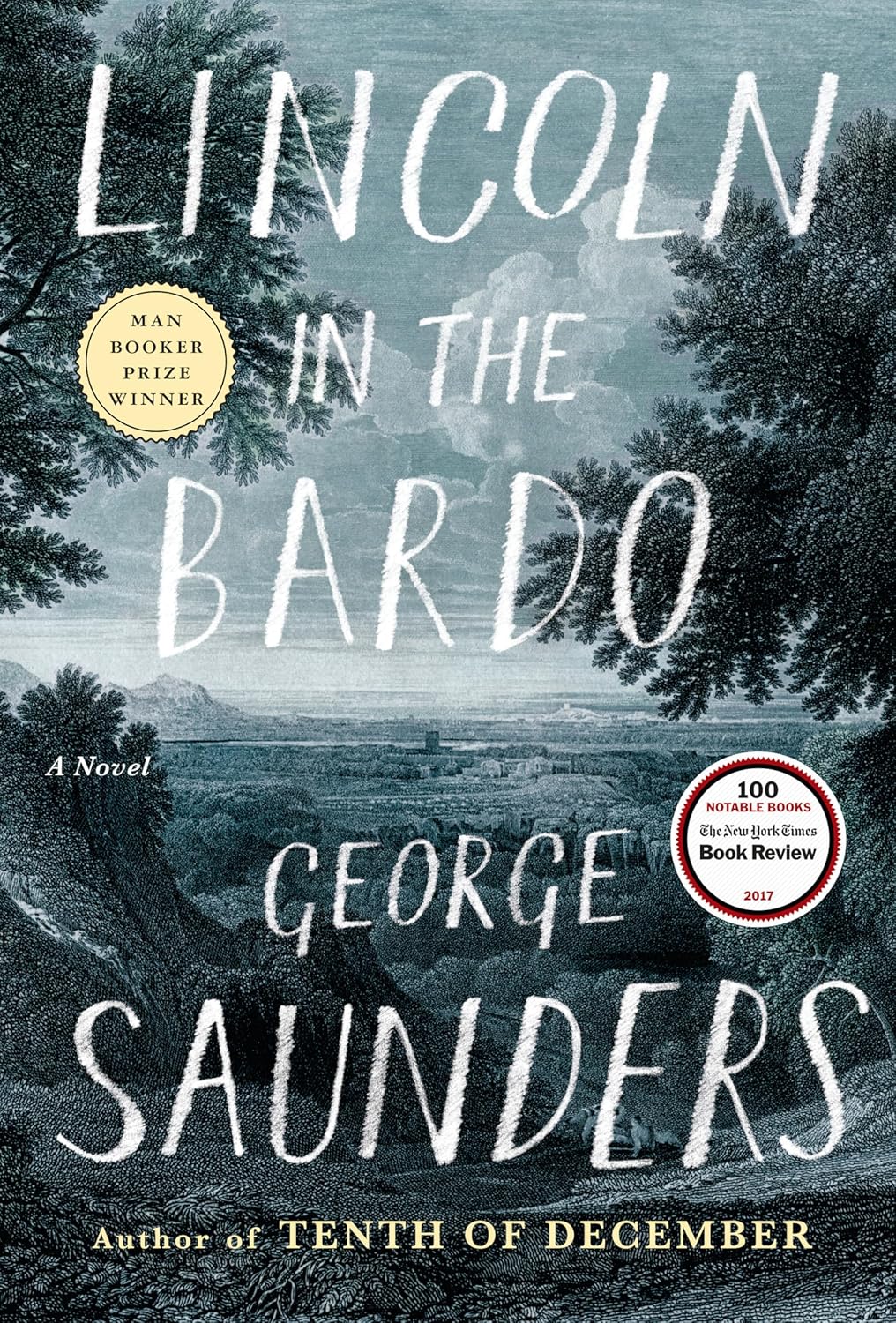
The Booker Prize (formerly the Man Booker Prize) is awarded to a book written in English and published in the United Kingdom or Ireland. A panel of five, made up of “creative peers,” choose the winning book. The award skews towards British and Irish authors, but winners hail from around the world, like Sri Lankan author Shehan Karunatilaka or Jamaican author Marlon James. These books land on the literary side side of things, and some recent winners include George Saunders’ Lincoln in the Bardo, Margaret Atwood’s The Testaments, and Bernadine Evaristo’s Girl, Woman, Other.

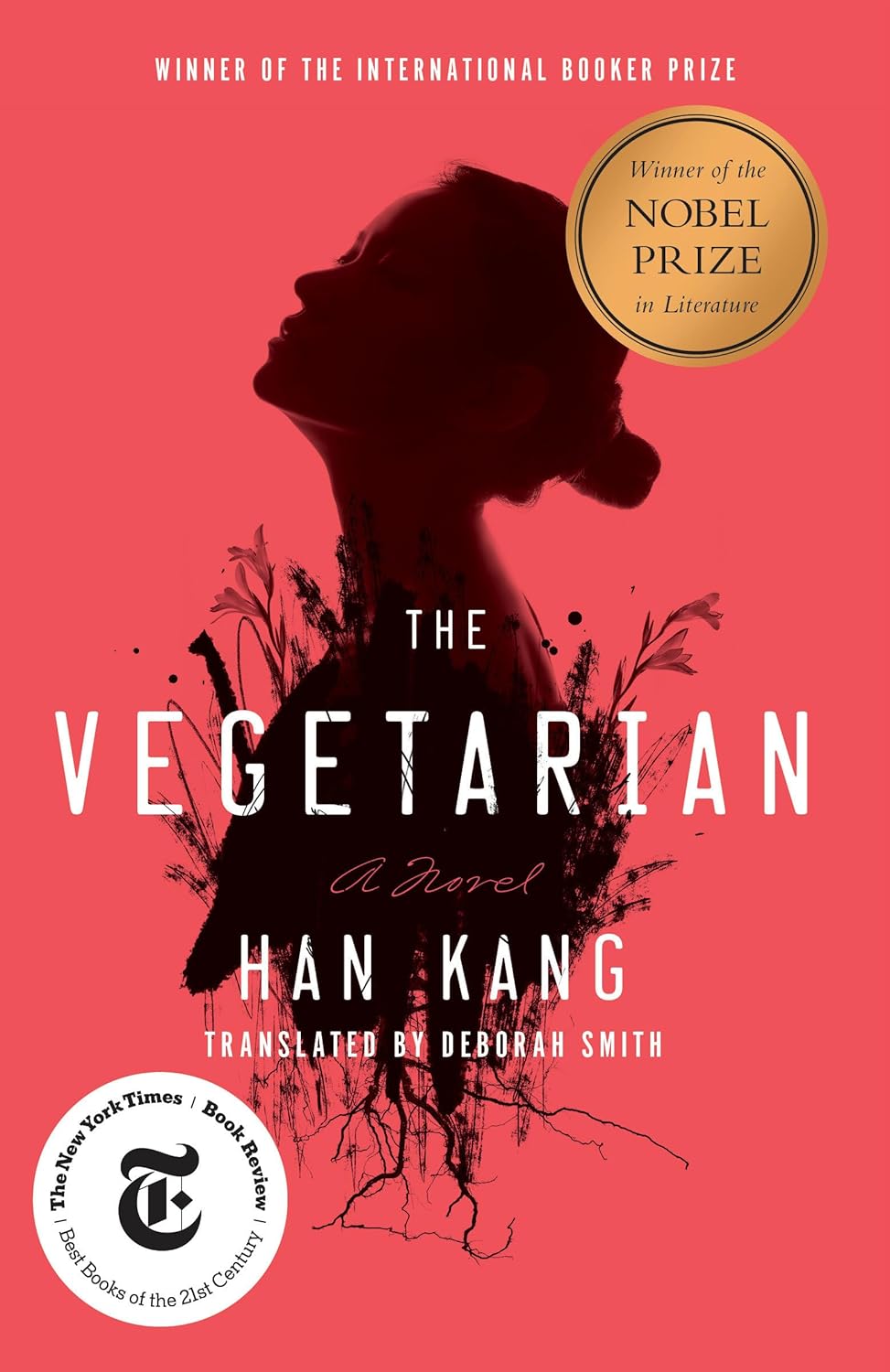
The International Booker Prize is also worth noting. These books are translated into English and must be published in the UK or Ireland. The Vegetarian by Han Kang, Flights by Olga Tokarczuk, and Time Shelter by Georgi Gospodinov won in 2016, 2018, and 2023 respectively.

Nebula and Hugo Awards

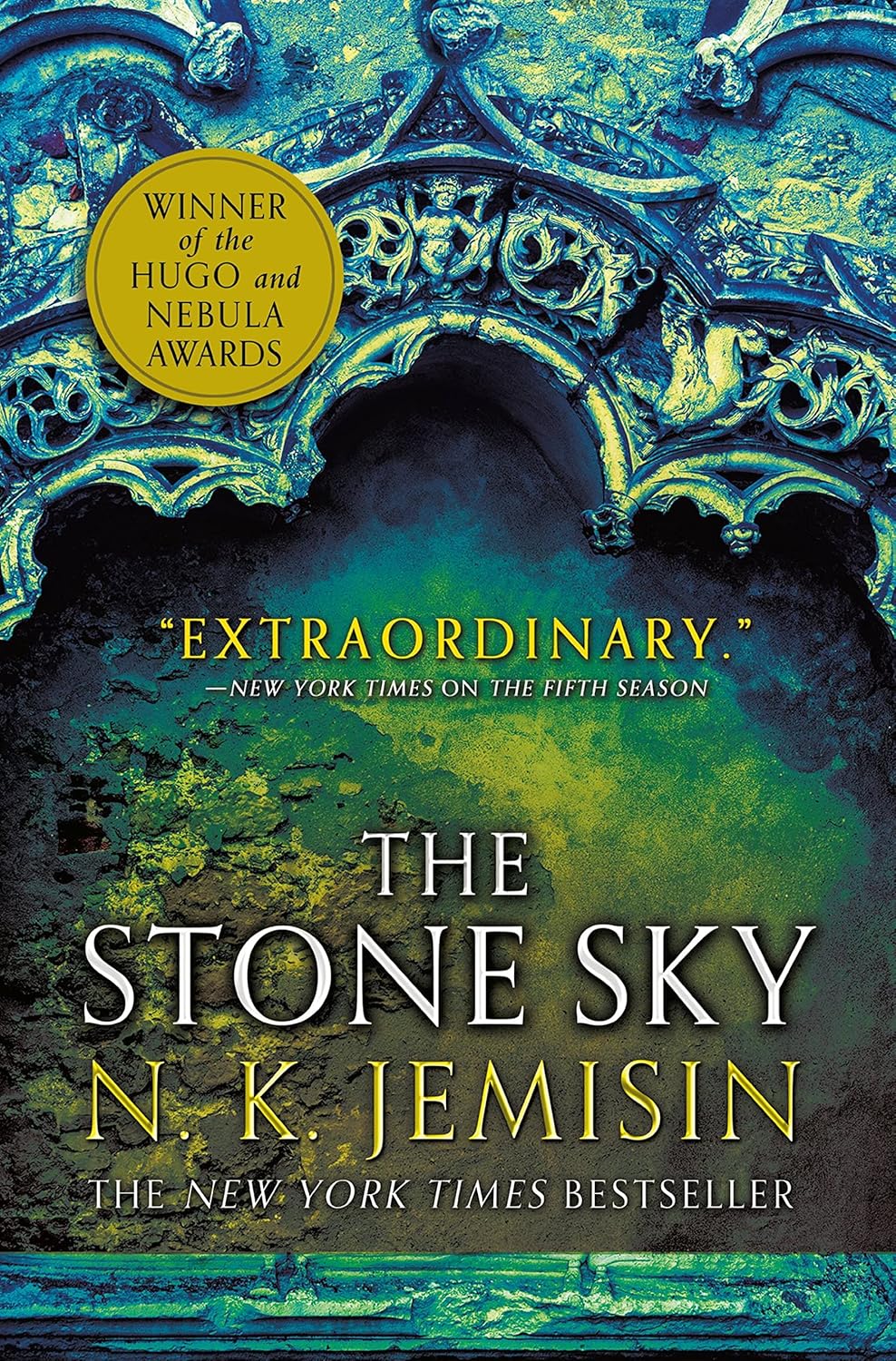
The Nebula and Hugo Awards are the two big names associated with science fiction and fantasy (SF/F) literature. The biggest difference between these awards is the voting body. To vote on the Nebula, you need to belong to the Science Fiction and Fantasy Writers Association. Essentially, you need to be a SF/F writer yourself. For the Hugo Award, all you need is a membership to the World Science Fiction Convention, which costs $50. Despite this difference, it’s not uncommon for a single title to win both awards. Some recent examples of this feat are Network Effect by Martha Wells, The Stone Sky by N. K. Jemisin, and This is How You Lose the Time War by Amal El-Mohtar and Max Gladstone.

Edgar Award

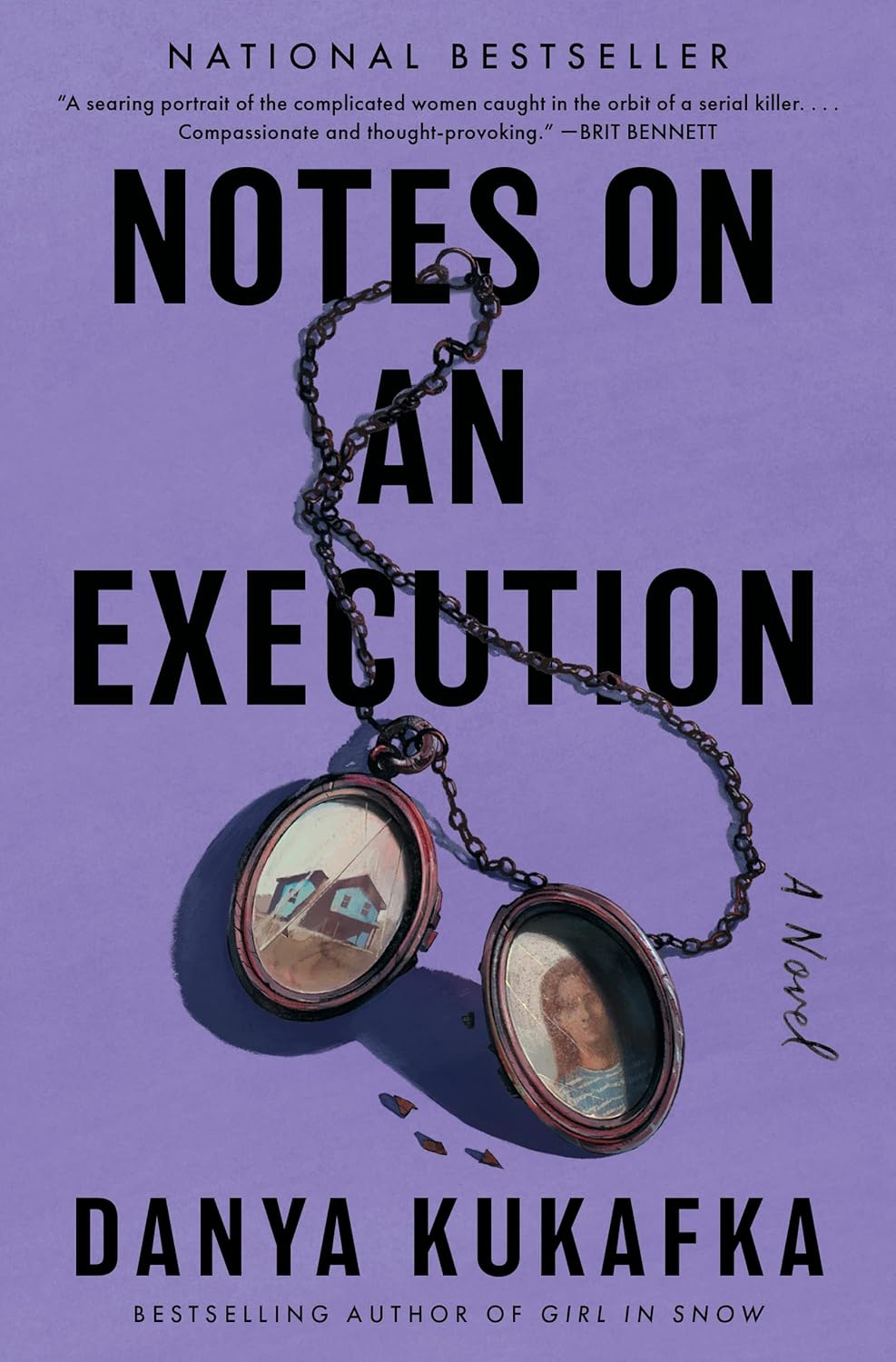
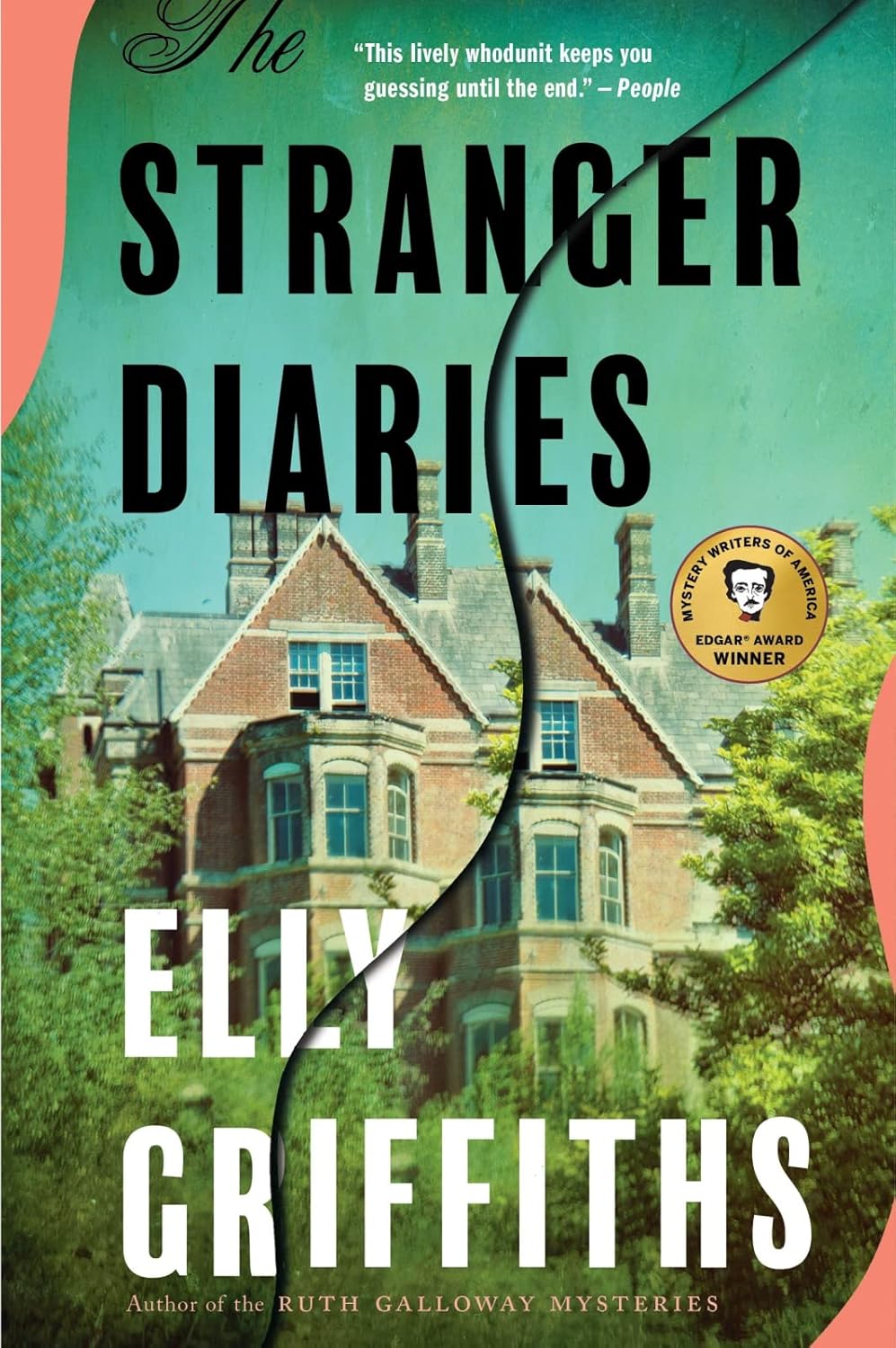
The Edgar Award is named after (who else but) Edgar Allen Poe to honor the best of the mystery genre, and chosen by the Mystery Writers of America. In the past, some familiar names have won: Stephen King for Mr. Mercedes and Noah Hawley (writer of the Fargo television series) for Before the Fall. But overall, The Edgar Award stands out to me because the winning books tend to be less well known; it’s a good way to find underappreciated gems. Some recent winners include Notes on an Execution by Danya Kukafka, Djinn Patrol on the Purple Line by Deepa Anappara, and The Stranger Diaries by Elly Griffiths.

National Book Award and Pulitzer Prize

The National Book Award (courtesy of the National Book Foundation) and the Pulitzer Prize for Fiction (courtesy of Columbia University) are both meant for American authors. The Pulitzer Prize is awarded to novels that “deal with American life” and tend to be fairly popular, often getting the television or movie treatment in the years after its win. The National Book Award has more lofty goals, and is designed to “ensure that books have a prominent place in our culture.” These winners don’t generate as much buzz, but they’re just as profound and moving.

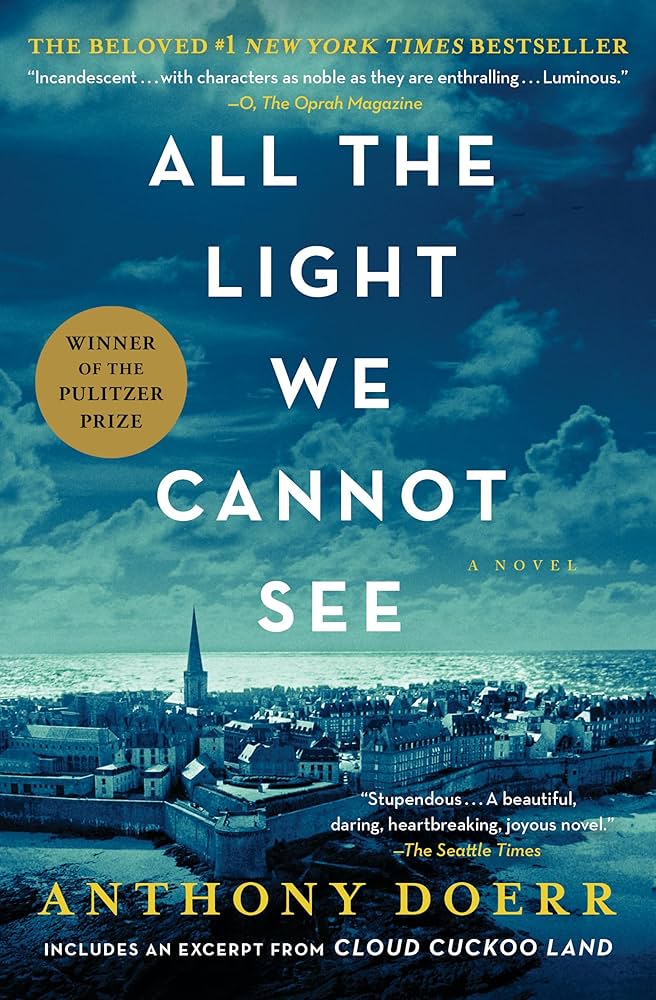
Winners of the Pulitzer Prize for Fiction include The Nickel Boys by Colson Whitehead, All the Light We Cannot See by Anthony Doerr, and The Goldfinch by Donna Tartt.

Winners of the National Book Award include Blackouts by Justin Torres, Sing, Unburied, Sing by Jesmyn Ward, and The Good Lord Bird by James McBride.

Nobel Prize in Literature

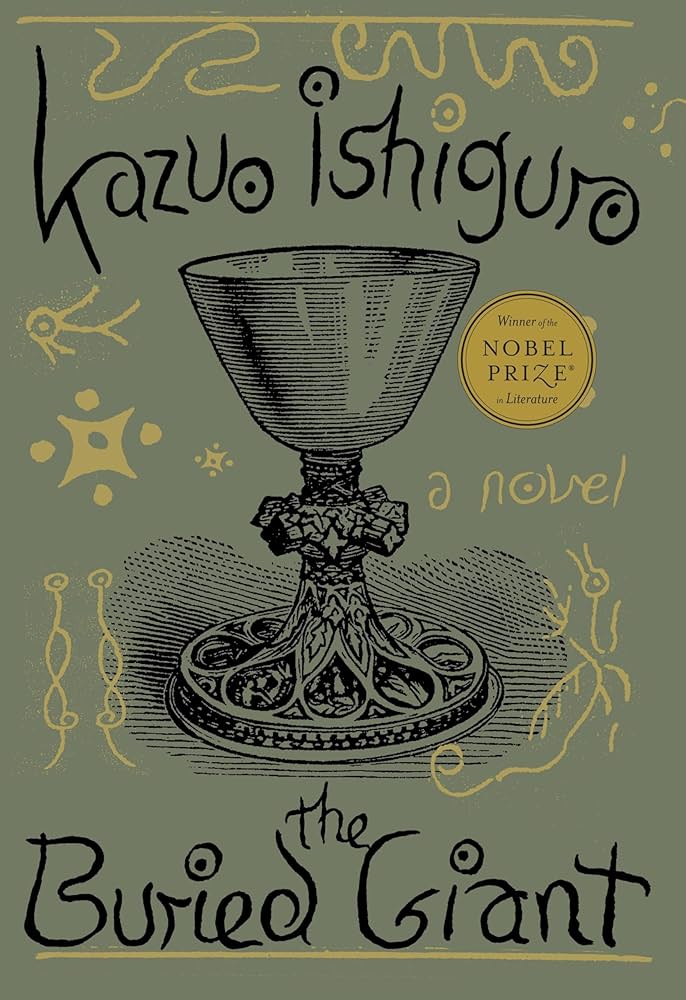
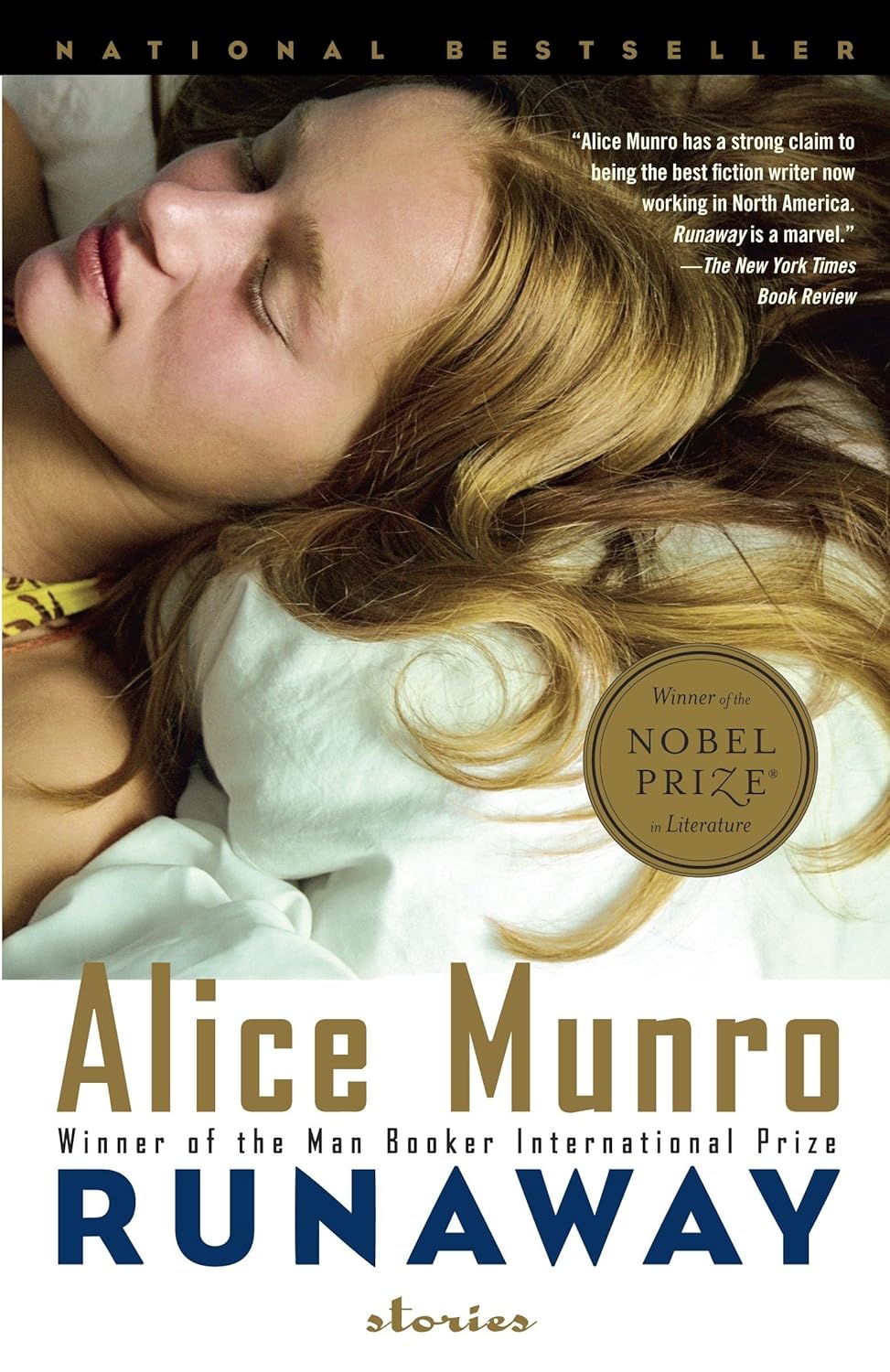
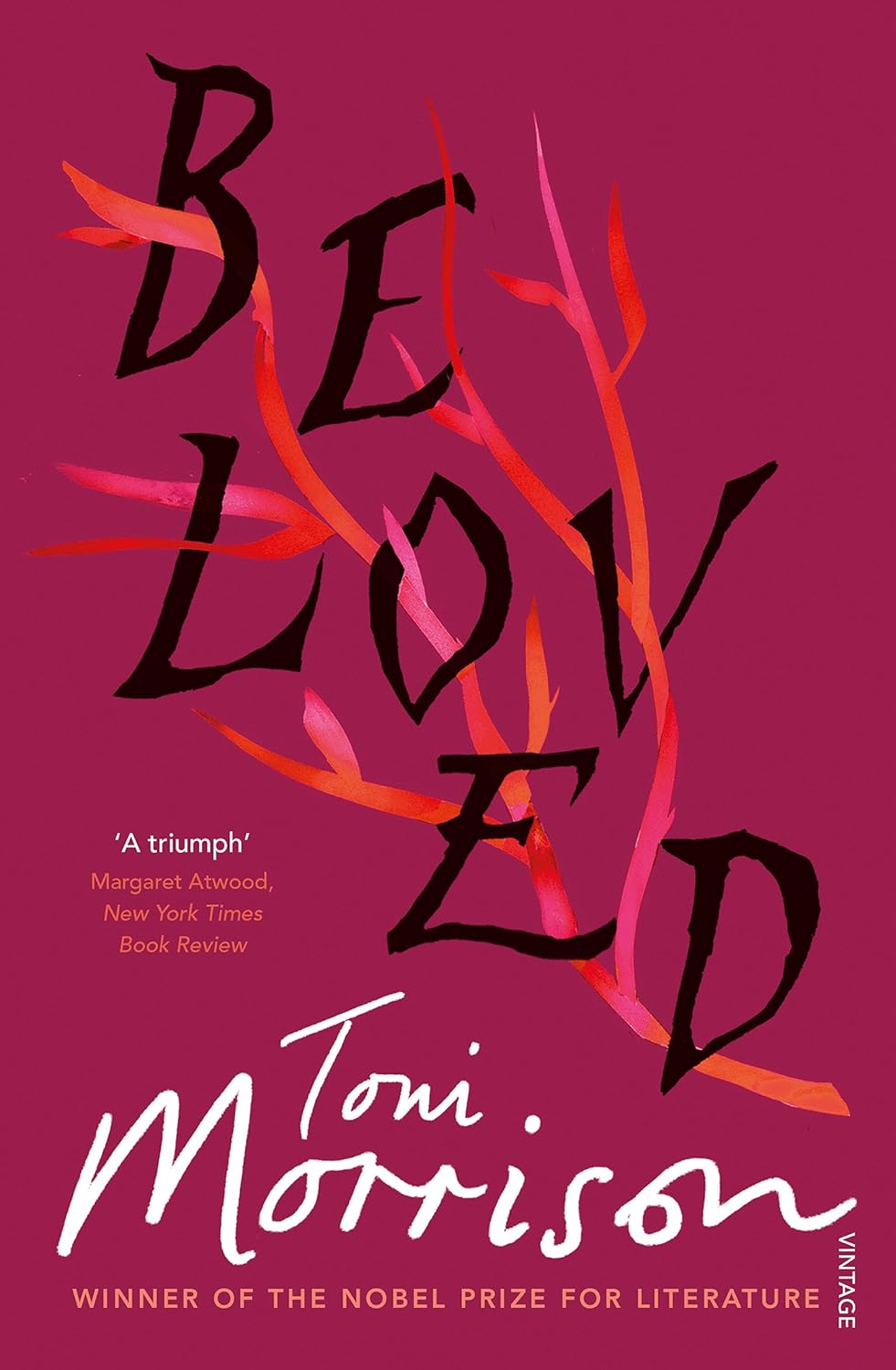
The Nobel Prize in Literature is voted for by the Swedish Academy and stands out in a couple ways: Authors from any country are eligible for the award, and awards are based on an author’s body of work as a whole. This means that the winning author can put the “Winner of the Nobel Prize in Literature” stamp on any book in their back catalogue and any future book they write. Sounds like a good deal to me! Past winners include Kazuo Ishiguro, Alice Munro, and Toni Morrison.

Women’s Prize for Fiction

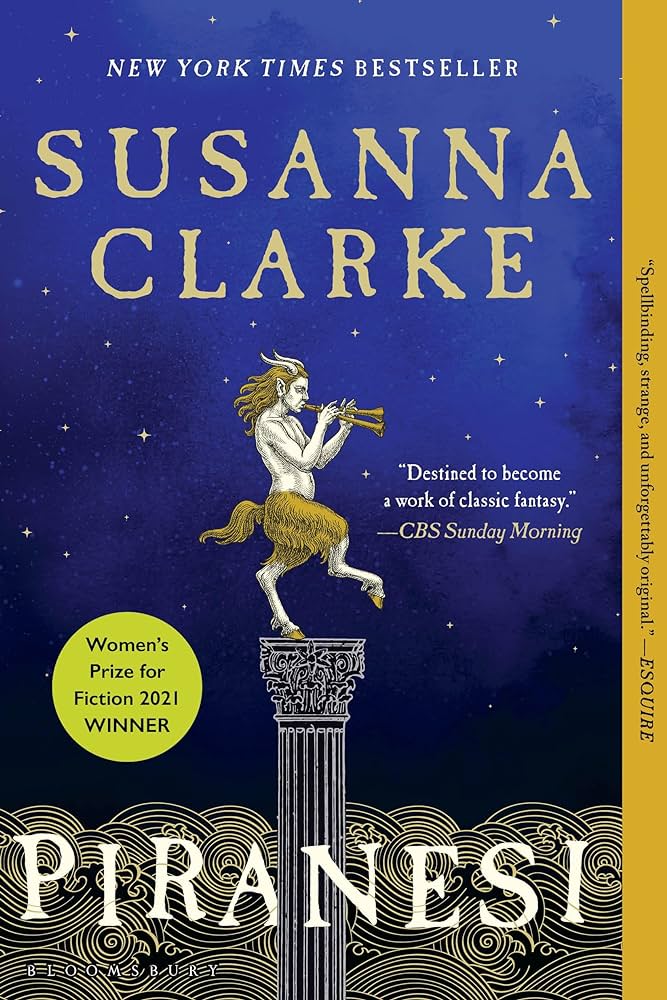
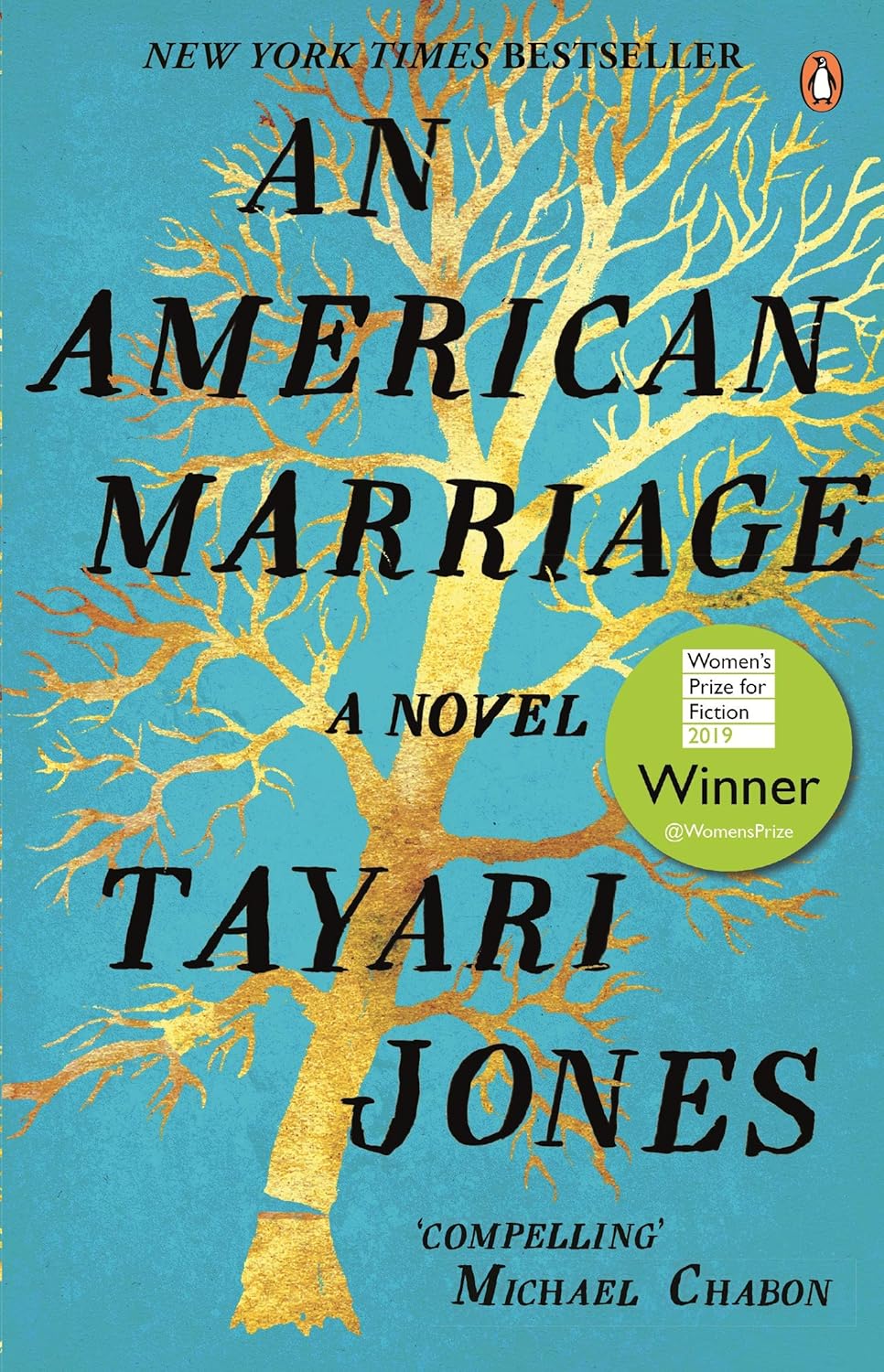
The last award I’ll touch upon is the Women’s Prize for Fiction which is voted on by a panel of five notable women. This award, along with the Booker Prize and the now defunct Costa Book Awards, at one point made up the “trinity” of UK’s literary prizes. Recent winners include Piranesi by Susanna Clarke, Hamnet by Maggie O’Farrell, and An American Marriage by Tayari Jones.

It can also be interesting to look at the notable awards of non-English speaking countries. Winners usually have an English translation available, and their relative obscurity makes it feel like you’ve uncovered some esoteric text. Compass by Mathias Énard was a great find of mine that won the French Prix Goncourt Award in 2015.

At the end of the day, it’s important to remember that these awards are all made up. They were all chosen by people, and people have their own tastes, their own mercurial and indecipherable preferences. There is no trait–not intelligence, success, nor clout–that makes one person a better “book judge” than another. If you find an award that speaks to you, great! But otherwise, take them all with a grain of salt and keep in mind the only book award that truly matters: The (insert your name here) Award.

P.S. If you really want to dive into the dramatic side of the book award world, there is always heated discussion about each year’s Booker Prize shortlist. This year, the six shortlisted books will be announced on September 23rd, and the more bookish parts of the internet will be a-buzz, defending their favorites and attacking the books they deem unworthy. It’s a bit messy, but good fun.

Unconventional Ghosts

I love ghosts. I’ve never met a ghost myself, so the best I can do is read about them. Why ghosts? Well, they don’t have to follow our rather tiresome rules of gravity and thermodynamics! They could do a loop-de-loop in the air, just for the fun of it. Maybe I’m a bit jealous…

There are many shades of ghost: vengeful ghosts, poltergeists, ghosts with the intent to improve the life of a living person à la A Christmas Carol… These are all fun in their own way, but I find it especially delightful when ghosts are given roles that betray their traditional raisons d’être–ghosts that are not strictly malicious, nor are just around to aid the protagonist. These ghosts are maybe just as complicated and multi-faceted as the humans who begat them.

It’s also interesting to see how authors answer fundamental ghost questions like: Why has the ghost come into existence? What makes the ghost different from a living person? What does the ghost want? The answers to these questions change dramatically from author to author and story to story. They also feel substantial, weighty. Making assumptions and declarations about ghosts is not so different from making assumptions and declarations about life. Like a Rubin vase, where the negative space around a subject becomes its own subject, writing about ghosts and death is a clever way of writing about life.

Anyway, here are some exciting and not-quite-traditional portrayals of ghosts.

Ghostwritten by David Mitchell

David Mitchell’s first novel is ghost-obsessed. “Ghost” is even in the title! But instead of offering a treatise on ghosts and ghostliness, Mitchell’s ghosts, or “noncorpora,” are hard to pin down. They come in many forms, sometimes existing independently and other times hopping from human to human, using bodies as a kind of macabre public transport. For part of the book, we follow one such noncorporum as it travels through rural Mongolia in the body of an American tourist. This particular noncorporum is a self-described “inhuman humanist” and provides some delightfully empathetic insights into the human condition.

Lincoln in the Bardo by George Saunders

Sometimes when driving home, I’ll hang out in the left lane even if the right lane is moving faster. In my head, I’m thinking, “I know the left lane is faster!” when that’s clearly not the case. People are stubborn, and George Saunders doesn’t see any reason why ghosts wouldn’t be stubborn as well. The ghosts in Lincoln in the Bardo are so stubborn, in fact, they cannot come to terms with the reality of death. Their “sick-forms” (read: corpses) lie in “sick-boxes” (read: coffins) and only need rest. With just a bit more rest, they’ll emerge in tip-top shape and be able to resume their prior lives (read: they won’t). These circumstances may seem hopeless and wretched, but Saunders is able to deliver one of the most affecting and life-affirming conclusions I’ve read. A jewel of a book.

Her Fearful Symmetry by Audrey Niffenegger

Her Fearful Symmetry is a hoot. Unlike some of the other books mentioned here that use the otherworldly to contrast comically with the mundane, Her Fearful Symmetry wholeheartedly commits to flights of fancy. Romance and death intertwine and are taken to their melodramatic extremes. There are envious ghosts, faked deaths, identical twins posing as one another: everything you could possibly want in a story. It’s often absurd and always sublimely entertaining.

100 Years of Solitude by Gabriel García Márquez

In 100 Years of Solitude, characters are haunted by their lineages. Decisions and dispositions repeat from generation to generation, entire lifetimes become ghostly echoes of the past. It is no surprise, then, that actual ghosts occasionally show up to haunt the residents of Macondo. Touchingly (and thematically), isolation is what brings several ghosts back from the dead. They return because they “could not bear the solitude,” or in another case, “the yearning for the living was so intense, the need for company was so pressing.” Human connection is so fundamental a force that not even death can stand in its way.

Welcome to the Monkey House by Kurt Vonnegut

Kurt Vonnegut is a famed humanist, but he has mixed feelings about human bodies. Take Breakfast of Champions for example: the protagonist’s rapidly declining mental health is due to an abundance of “bad chemicals” in the brain. Or both Slaughterhouse-Five and Sirens of Titan, where characters’ cannot even rely upon their bodies to stay rooted in space-time. It’s no surprise then that he was interested in a world where humans are not subservient to their oft-malfunctioning bodies. Such is the conceit of the short story, “Unready to Wear,” found in the collection, Welcome to the Monkey House. A mathematician discovers a technique that allows one’s soul to be separated from their physical being and float about unburdened by corporeal whims.

Beloved by Toni Morrison

Ghosts can represent trauma, guilt, love, regret, suffering, anger, dehumanization–really anything if an author can realize their vision. But since ghosts can mean so many things, they have the potential to become unwieldy, or conversely, underbaked. Toni Morrison does not have this problem. The ghost in Beloved is loaded with nuanced meaning, compelling but elusive. This is a literary balancing act and a depiction of ghostliness so unique that it stands alone. Brutal, beautiful, and haunting.

Teen Volunteer Reviews: “Serpent & Dove” and “Powerless”

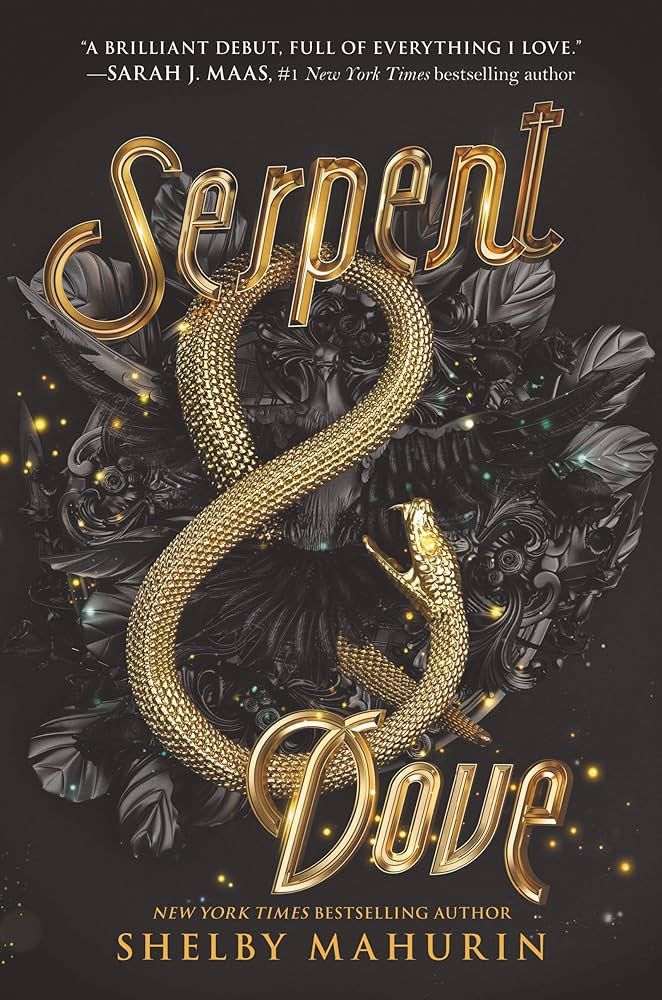
Serpent & Dove by Shelby Mahurin. Reviewed by SS ⭐⭐⭐⭐

Serpent & Dove is a fantasy romance novel following Louise Le Blanc and Reid Diggory. A few years ago, Louise ran away from her witch coven and tried to survive in Cesarine by forsaking magic and stealing. In Cesarine, witches are hunted, feared, and burned. On the other hand, Reid Diggory is Chausser, sworn to the Church to protect the people from witches. He’s only ever lived by the principle “thou shalt not suffer a witch to live”. When a chase gone wrong forces Louise and Reid to become tied together in marriage, the situation becomes much more dangerous. The war between the Church and witches has an ancient past, but when the pair’s feelings for each other grow, Louise realizes she must make a choice. And love might change everything.

I’ve been searching for a good romance novel in a fantasy setting. Recently, I’ve been reading a lot of realistic fiction romance, which is excellent, but sometimes the books just get a bit too real, which isn’t great. Hence the great search for a well-thought-out fantasy romance novel. When I read Serpent & Dove, I really loved it. I liked how the romance wasn’t immediate but rather a transition from hatred to tolerance to supporters and finally to lovers. It made the romance a lot more profound and more connected. I loved Louise’s character – the opposite of a “demure woman” – who Reid has always been surrounded by. She cusses like an old sailor, which I find quite funny, and Reid’s reactions to her actions are often quite comical. The only negative I have for this story is the beginning. The beginning was kind of abrupt, I had no context for what was happening, or why. However, once Reid and Louise got married, the story got into the swing of things. It’s also important to note that while this book is part of a trilogy, please stop reading after the Serpent & Dove. As many other readers have claimed, the other two books make you lose connections with the characters, and there is a lot of talking and no action. So while this book is truly unique, be aware that the next two will not live up to expectations. On that note, I think I would give this story four stars.

Powerless by Lauren Roberts. Reviewed by MP ⭐⭐⭐⭐⭐

“Powerless” by Lauren Roberts is the perfect romantic fantasy. Powerless follows Paedyn, a girl without powers, and Kai, a boy who hunts the powerless. Paedyn has to take part in a dangerous competition held at the castle. Kai is the prince. A romance starts to bloom. Expect enemies to lovers, pretty ball gowns, knife to the throat, dual points of view, and witty bantering!

Plot: While the plot is pretty simple and similar to the Hunger Games, it still manages to engage readers.

Characters: This book is primarily character-driven. Where the plot could be seen as bland, the characters make up for it. Being in Kai’s head was amazing. He’s amazing. I loved it. Paedyn was excellent, too. Dual point of view can be hit or miss, but I loved the use of it in this book. These characters are both grumpy and pretty morally grey. I love that combo. They both can be ruthless, but deep down, they are softies. Their romance is so sweet and extremely slow burn. It’s also full of tension as Kai kills people like Paedyn. They have many cute moments, such as a rock paper scissors game! Both characters are deep and compelling. They are not simply one-dimensional. Due to the first-person point of view, you get to understand their personality and get to know them well.

World-building: It’s quite simple, actually—think superheroes. The world is not one bit confusing (at least for me). If you’re new to fantasy, this book would be a great choice because it won’t overwhelm you. The world-building was minimal and simple.

Writing: The writing was gorgeous. I loved the pretty words, the metaphors, and the dialogue. Its poetic while being easy to understand. This book is highly quotable because of its beautiful sentences. The author is extremely talented.

Whether new to fantasy or not, this book is fresh and fun. You’ll adore the characters, root for them, and be at the edge of your seat for our girl, Paedyn. I know I was kicking my feet, smiling, and swooning. I read it twice because that’s how great it is!

10 Recent Favorites From Our Staff

What was the best book you read in 2022? I recently asked staff members this question and have compiled their answers here. Interestingly, there were no duplications, everyone had a different favorite. Some books were published in 2022, some were many years older, some were fiction, some were nonfiction. Without further ado, here’s a selection of 10 recent favorites from our library staff.

Lessons in Chemistry by Bonnie Garmus. In the early 1960s, chemist and single mother Elizabeth Zott, the reluctant star of America’s most beloved cooking show due to her revolutionary skills in the kitchen, uses this opportunity to dare women to change the status quo.

Neopolitan series by Elena Ferrante. Beginning in the 1950s in a poor but vibrant neighborhood on the outskirts of Naples, Ferrante’s four-volume story spans almost sixty years, as its protagonists, Lila and Elena, become women, wives, mothers, and leaders, all the while maintaining a complex and at times conflictual friendship.

Boneshaker by Cherie Priest. Commissioned to build a machine that will promote gold-rush land-breaking efforts between Civil War-era Seattle and Alaska, inventor Leviticus Blue inadvertently triggers the release of a deadly gas that transforms people into the living dead, a situation that prompts his teenage son to restore the family reputation years later.

Summer Sons by Lee Mandelo. When his best friend dies of an apparent suicide, Andrew uncovers lies and secrets left behind by the person he trusted most, discovering a family history soaked in blood and death.

What We Wish Were True by Tallu Schuyler Quinn. A non-profit leader, humanitarian and minister, after being diagnosed with an aggressive form of terminal brain cancer, pens profound essays on what it means to live with a terminal diagnoses and still find meaning and how to discover beauty in life’s ordinary moments.

Foundryside by Robert Jackson Bennett. A thief in a city controlled by industrialized magic joins forces with a rare honest police officer to stop an ancient evil ritual that endangers thousands of lives.

Piranesi by Susanna Clarke. Living in a labyrinthine house of endless corridors, flooded staircases and thousands of statues, Piranesi assists the dreamlike dwelling’s only other resident throughout a mysterious research project before evidence emerges of an astonishing alternate world

The Book Woman of Troublesome Creek by Kim Michele Richardson. During Kentucky’s Great Depression, Pack Horse Library Project member Cussy Mary Carter, a young outcast, delivers books to the hillfolk of Troublesome Creek, hoping to spread learning in these desperate times, but not everyone is keen on her or the Library Project.

Tomorrow and Tomorrow and Tomorrow by Gabrielle Zevin. A modern love story about two childhood friends, Sam, raised by an actress mother in LA’s Koreatown, and Sadie, from the wealthy Jewish enclave of Beverly Hills, who reunite as adults to create video games, finding an intimacy in digital worlds that eludes them in their real lives.

Finding the Mother Tree by Suzanne Simard. The world’s leading forest ecologist, in her first book, draws us into the intimate world of trees where she brilliantly illuminates the fascinating and vital truth — that trees are a complex, interdependent circle of life.

Teen Book Reviews: the “Raven Cycle” series

Teens: did you know that you can earn community service credit for writing a book review and submitting it to us? Today, we’ll hear from someone who did just that. Find out more about how to earn community service hours from home at cheshirelibrary.org/teens/.

The Raven Cycle consists of four books, all reviewed below. WARNING: Possible spoilers exist.

The Raven Boys by Maggie Stiefvater. Reviewed by Mia V.

The Raven Boys is the first book in the Raven Cycle, and is the story of four prep school boys, Adam, Ronan, Gansey and Noah, who embark on a journey to find the deceased Welsh king, Glendower. Adam is a poor farm boy with an abusive father, while Ronan is a somewhat scary and viciously protective friend, and Gansey is an extremely passionate and extremely wealthy boy who simply wants to find Glendower. And Noah… well we don’t know a lot about Noah other than that he is friends with the other Raven Boys.

Blue, the daughter of a psychic, also finds herself swept up in the quest to find Glendower, while she tries to make sense of the prophecy her mother has given her; that she will cause her true love to die. Despite coming from a family of clairvoyants, Blue does not possess the ability to see into the future. Although she initially dislikes the snobby, prep-school boys, she later becomes close friends with all of them.

The four boys spend practically all of their time together, at their school Aglionby Academy, and at their own place, Monmouth Manufacturing. Gansey leads Adam, Ronan, Noah and Blue, on the quest to find Glendower which proves to be both frustrating and dangerous. Gansey and his friends find themselves competing with Mr. Whelk, their high school Latin teacher. Mr. Whelk has his own reasons for finding Glendower, which are revealed later as the race to Glendower commences. Blue and the Raven Boys uncover shocking secrets and supernatural powers as they try to find Gansey’s king.

The Raven Boys is a beautifully adventurous novel with many supernatural elements and crazy occurrences. I also enjoyed the witty humor of many of the characters as well as their unique personalities and hobbies (and their secrets). Overall I would definitely recommend this book. But get ready to read the next three Raven Cycle books (which are just as good or maybe even better than the first,) because this book ends on a cliffhanger.

4 stars.

The Dream Thieves by Maggie Stiefvater. Reviewed by Mia V.

The second book in the Raven Cycle focuses more on Ronan rather than Gansey. The Dream Thieves focuses on Ronan’s ability to bring items from his dreams to the real world and his struggle with controlling this power. Ronan tells his friends Gansey, Blue, Adam and Noah, about this skill early in the novel. Ronan and his friends had already been on a supernatural quest to find “Gansey’s king”, Glendower, who is a deceased Welsh king. At Aglionby Academy, the private school that Ronan, Adam and Gansey attend, Ronan’s brother, Declan is badly beaten by a sinister man who calls himself the Gray Man. The Gray Man was hired by a powerful man who wants to find the Greywaren, an object that can bring items back from dreams. Even though Declan knows his brother is the Greywaren and that it is not a physical object, he keeps his mouth shut to keep his brother safe.

Meanwhile, in the hunt for Glendower, Ronan finds himself accidentally bringing horrifying and powerful creatures back from his dreams. Ronan and his friends have to battle Ronan’s uncontrollable dream-nightmare creatures while continuing the quest to find Glendower. Simultaneously, Ronan is being hunted down by the Gray Man, who is out to kill Ronan because of his ability to bring things back from his dreams. This book is fantastic, and possibly my favorite out of all four of the Raven Cycle books.

The stakes have definitely been raised since the last book, with all of the characters experiencing more risks in the quest to find Glendower. Meanwhile, Ronan battles some deep internal issues which manifest in the things he brings back from his dreams, which can sometimes be dangerous. This book is great and I highly recommend it!

5 stars.

Blue Lily, Lily Blue by Maggie Stiefvater. Reviewed by Mia V.

Blue Lily, Lily Blue is the third book in the Raven Cycle, which continues the tale of Gansey, Ronan, Adam, Noah and Blue, and their quest to find Glendower, a dead Welsh king, whom Gansey feels a strange connection with. This connection has led him to embark on a quest to find Glendower, a quest that he drags his friends on as well.

After the friends discover Ronan’s ability to bring items and creatures back from his dreams in the previous novel, it is discovered that Adam also has a unique power. Henrietta, Virginia, the town where the book takes place, has a large ley line running directly through the town. Blue’s family of psychics are very familiar with ley lines, which emit energies that psychics are able to harness to help see the future. These energies are also responsible for the various supernatural occurrences in Henrietta. Adam discovers that he can harness the power of the ley lines with the help of Peresphone.

Meanwhile, the Raven Boys and Blue discover a new threat in an artifact collector, Colin Greenmantle who targets Blue’s mom, Maura. As the group continues their search for Glendower they discover many strange and supernatural occurrences. The Raven Boys and Blue navigate new territories, and encounter unexpected surprises in their quest to find Glendower. Blue and her family unveil new prophecies that tell terrible fates for some of the characters, and reveal hidden secrets. I really enjoyed this book.

Although I feel like the other Raven Cycle books are better, I still really enjoyed this book, and I know that the Raven Cycle would not be complete without Blue Lily, Lily Blue. This book sets the reader up perfectly for the last book in the series, The Raven King.

4 stars.

The Raven King by Maggie Stiefvater. Reviewed by Mia V.

The Raven King is the final book in the Raven Cycle series, which completes the story of the Raven Boys and Blue, as well as their search for Glendower. Noah, the friendly ghost-friend, Ronan, with his powers in pulling objects from his dreams, Adam with his power to harness the energy of the ley lines, Blue the psychic’s daughter and Gansey, their fearless leader, face many challenges in finding Glendower.

Their quest has stretched out for a very lengthy period of time, and has taken a toll on many of the characters. However this quest for Glendower seems it may finally come to a close, though not without many obstacles and near-death experiences. One of which occurs when Gansey and his friends make a major blunder by awakening a demon which is set upon “unmaking” the world. Meanwhile, Cabeswater is in danger of dying due to a strange sickness. As black ooze drips out of the beloved trees of Cabeswater, Gansey and his friends become increasingly more concerned about the health of Cabeswater. Perhaps more terrifying, Adam, with his deep connection to Cabeswater, finds himself falling apart along with Cabeswater.

The quest to find Glendower becomes increasingly complex as new threats rear their ugly heads and time begins to run out. The final book closes the series with a dramatic flare as prophecies are tragically fulfilled and demons are fought. Additionally, during The Raven King, romantic relationships that were hinted at during the previous books are finally made official.

I would definitely recommend this book to anyone who enjoys adventurous books that involve the supernatural. The Raven King closes off the Raven Cycle with a fantastic ending that helps finish the Raven Boys’ story, while leaving an opening to other related books in the future (like Call Down the Hawk). All in all, highly recommended.

5 stars.