We recently highlighted some services & resources offered by Cheshire Library that may have been new to you. From a book-matching service to streaming video and online courses, the library has an abundance of free resources. Today we’ll highlight a few more you may not be aware of, that you don’t even need to have a library card to use.
Cheshire Library is constantly reviewing and adjusting our online services to bring patrons what they need. The library is still here for you, even though how you use it these days might look a little different.
 A Page Full of Freebies
When the shutdown happened in March 2020, our intrepid librarians started assembling a list of useful free resources that people could access from home. This expanded from Local (links to the CT Covid Response Page, 211 Directory, Cheshire School Meal Distribution) and National (links to the CDC, NIH, WHO) Health Information to other resources that might help take the sting out of being isolated. Sites to access free online activities like virtual museum tours, webcams of animals and nature, interactive learning, and even armchair travel!
 Community Service in a Virtual World
Many high school student are required to complete a set number of community service hours as part of their curriculum, but COVID-19 has made it difficult to volunteer in-person. We’ve designed a program (info on our Teen Page and monthly Event Calendars) where teens can earn community service hours by submitting a photo, video, or other content for us to add to CPL’s social media pages. Ideas for submissions include book reviews, artwork, poetry, short stories, personal essays, photos or video of food you’ve cooked or baked, or any other creative idea you have for content. (Not all submissions will be used on our social media, and submissions including photos of people are not allowed.) Each submission will be awarded 2 community service hours.
 Get WOWed by Our Newest Books and Dvds
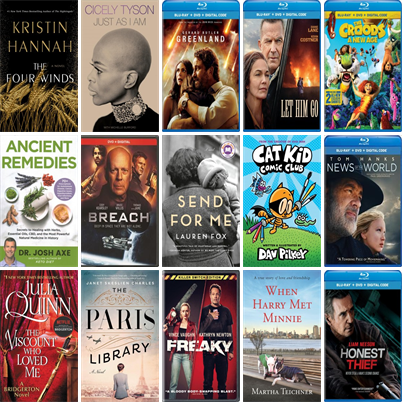
If you’re not able to get into the library as often to check out what’s new, we’ve got a resource you’re going to love. We’ve teamed up with Wowbrary to deliver a list of the latest additions to our catalog straight to your inbox. The New Item Newsletter lets you know everything that’s new, digital items as well as physical items. In fact, you’ll learn about the physical books and dvds the minute we order them, before they even hit the shelf, and can place holds on them right away (you will need a library card for this part)!
 No Printer? No Problem!
Many people have used our public printers in the past to print up important documents. Now you can do so without ever stepping foot inside the building. Our Mobile Printing Portal (accessed through the “Visit” tab on our website) allows you to send print jobs to us right from your computer or mobile device. We’ll let you know when your printouts are ready, and you can pick them up at the Grab ‘n Go station by the parking lot entrance.
 Something Fun for Our Youngest Patrons
Our Baby Bop music & movement classes for infants 0-12 months and their caregivers has been on hiatus during the pandemic, but we’ve created a dozen free printable guides (find them on our Kids Page) of fun lap-sit songs, rhymes, and activities of music and movement to help develop motor and language skills. But mostly it’s just plain fun – playing is learning! We will add new guides periodically, so check back often!
 Entertainment and Information in the Video Age
Finally, we encourage you to subscribe to our YouTube Channel. We’ve really stepped up our video content creation during this pandemic, and the results are on YouTube. From DIY tutorials, to lit tips, to silly skits, to full length programs, we’ve got something for everyone to enjoy and learn from. You can even sit in on a Library Board meeting, if that’s your jam! Subscribe to be notified when we post something new.


 Lit Kits
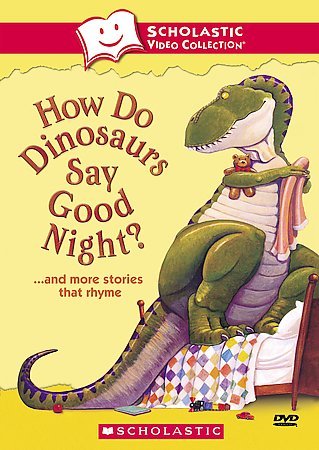 Books on DVD
 media tablet contains interactive storybooks, videos, and apps that help kids learn to read, progress through reading levels, and fall in love with reading. This 5-level guided reading system helps kids master verbal, reading, and writing skills — starting at any level. Every app, storybook, and video has been hand-selected to help kids gain the knowledge they need to transition from learning-to-read to reading-to-learn.
 Mango
Mango

 More than a quarter of the kids he went to school with died of drugs, alcohol, suicide, or reckless accidents caused by drugs or alcohol. Why did he make it out in one piece, while his friends died slowly of alcoholism, often homeless most of their lives? Why did families lose 3, 4, 5 kids to drugs and alcohol? Why did some do fine?
 Kristof narrows the biggest issues down to two: One is education. Most of the people he knew didn’t graduate, had parents that barely made it to 8th grade, and grandparents who might not have made it to fifth. If you come from a home where there are no books, no magazines, and no expectations of further education, it’s harder to succeed. He explores one family where the mother had a 5th-grade education, and five children by four different fathers. When the first was expelled from kindergarten twice for behavioral issues, she – with a fifth-grade education – decided to home-school her kids (5 under the age of 6). How much of a chance do those kids have?






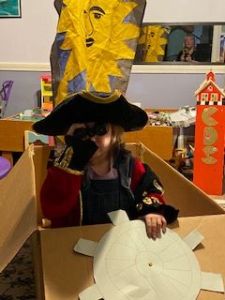 When a new dog-proof garbage can arrived in a box larger than my three year old, it became her favorite toy of the month, and for one of the weeks we turned it into a pirate ship. Anything that keeps a bored three year old busy for a week deserves to be bronzed. We hung a garden flag from a broom handle for a sail, used a brass fastener to make a spinning wheel, dug out costumes from the older kids, watched a lot of preschool pirate videos and read a lot of pirate books. I drew a simple outline map of our living room and taught her to read maps by placing candy in various places as treasure, and marking X on the map. By the third candy, she was proficient on her own. Then we built our finale.
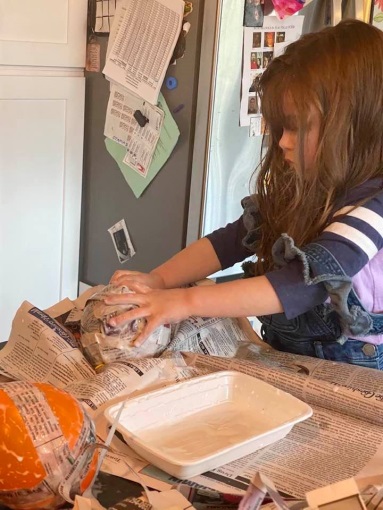 Using balloons, some Cheshire Herald strips, and a little watered down Elmer’s Glue, we made some cannon balls, and then painted them the next day. Then we built our cannon. The cannon balls were about 5 ½ inches, too big for a standard paper tube. But they worked just perfectly for a paint can! So we scavanged a paint can from the garage, which, thankfully, had only an inch of dried paint in the bottom. And these new-fangled plastic paint cans? The paint doesn’t stick! A few taps and peels, and all that dead paint came falling
  right out. A quick rinse, and we were good. I cut the bottom off with my Ginsu knife (a product that has lived up to every claim ever made on it – thirty years later it still cuts fences AND tomatoes, and plastic paint cans). I strung a piece of waistband elastic across the hole, held tight by Gorilla Tape, and we had our cannon. It was tricky getting the right angle, but pull the elastic back far enough with the cannon ball sitting on it, and we could get the ball to shoot four or five feet, which is plenty inside a house.





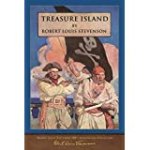
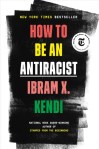
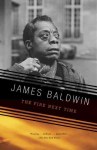
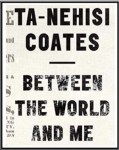
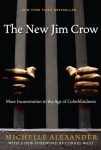
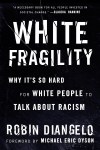
 Right now, many are wondering how to come to a better understanding of racism (particularly against Black Americans) in our culture and what they can do to support anti-racist initiatives. With something so deeply ingrained in our society that some don’t even recognize it, education is a good starting point. There are hundreds of books on the subject, many available at your local library. We’ve put together a “primer” of titles available at Cheshire Library that many consider essential reading on the subject: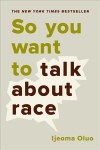




 The Cheshire Library Blog