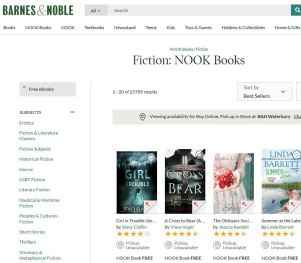
There are somewhere between 600,000 and 1,000,000 books published every year in the US alone. Even if I do work in the library, that number can be pretty daunting to even the most seasoned reader. If you’re like me, and you have more books than bookshelf, you know what an expensive hobby reading can be. I have to pull myself away from the draw of big box bookstores like Barnes and Noble, and often find myself shocked at the prices of flashy new hardcover titles, or that fancy art print book I’ve had my eye on. Luckily for you and your wallet, there are plenty of ways to get the books you’re after, save some money in the process, as well as still supporting the authors and creators you love.

1. The Library
Of course I’m going to say the library, but you really can’t beat this system! Libraries are built to support readers and authors alike, its free to join the library, and you can request virtually any book. Through our holds system, you can request an obscure book from your childhood, or the newest thriller. There are 30 libraries in our consortium, meaning that if we don’t have what you’re looking for, we can request the book from the thirty other libraries connected to us. You can take out as many as you’d like, and return them when you’re done, saving you from buying a book you may not love (libraries are also good places to donate books when thinning out your bookshelves – most libraries gladly accept gently used books for their collection or book sales). 359,026 items were checked out at the Cheshire Public Library when library statistics were last taken; we have a collection of over 100,000 items in our library alone, and that’s just in the physical building. Which brings me to my next resource, the digital world of reading…
2. Ebooks
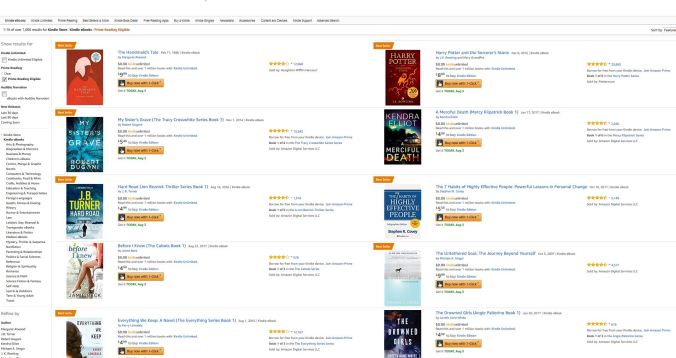
 If you have a kindle, Ipad, or smartphone, you have access to a world of books, movies and magazines from the comfort of your own home. Our library alone has access to several apps including OverDrive/Libby and RB Digital, that let you download materials for free with your library card. You can also look into Amazon’s Daily or Monthly deals, each day you receive an email letting you know about kindle books that are on sale, some for as little as 99 cents. Have a look at the free classics that Amazon offers, too. There are hundreds of great books, so if you’re a lover of classics you can build your digital library for free!
- Looking for children’s books? Try the ICDL Foundation’s library. This program has evolved into the world’s largest digital collection of children’s books. Currently its digital library collection includes 4,619 books in 59 languages. The compete ICDL collection is also available as a free iPad app.
- There’s also Project Gutenberg. Project Gutenberg is the largest single collection of free electronic books. With more than 40,000 free books in the Project Gutenberg Online Book Collection, there are plenty of options across different genres. The Project Gutenberg site offers download formats suitable for eBook readers, mobile phones, and other devices.
3. Used Books and Thrift Books
My favorite smell in the world is an old book (stereotypical I know) and the best place to find used books can be thrift stores and used book shops. These used bookstores can beat Amazon and other online booksellers on price, offering shoppers both a browsing experience and a money-saving one. Also, profit margins on used books are better than new ones, an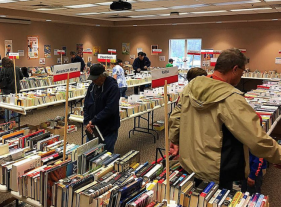 d the product they carry is built on the community around it. This creates a unique experience in every bookstore you frequent, you’ll never find the same selection twice. Used bookstores are also the place to go if you’re looking to bulk up your classics collection (I’ve been known to walk out with a stack of mass market Stephen King books for less than five dollars.) Putting your money into these small businesses ensure that a staple in our communities and our culture remains alive. I for one would be sad to live in a world without used book stores. Another place to find books, often a only a few months old, is library book sales. These books can be from the libraries own collection that have been donated or weeded due to lack of circulation (a fancy way of saying they aren’t being checked out as frequently as they were). The Friends of Cheshire Library host two book sales every year, one in the spring and one in the fall, and even includes days where you can fill a shopping bag of books for only five dollars! This is a fantastic way to fill your bookshelves, all while supporting your local library in the process. The funds from these sales go directly to the funding of the library programs and projects.
4. Trade/Swap Books
 Have friends who are just as into reading as you are? Start a book swap between friends! This is a fantastic way to read new titles, and share books that you’ve loved with friends. That way, you both get to read them, and talk about your favorite titles and characters. After all, what’s a better gift to give and receive than a new book. I’ve been trading books with friends for years, and I find it’s a fantastic way to read things I normally never would have picked up, and learn more about my friends taste in books. It’s like having an informal book club, without all the pressure of meetings and who’s bringing the snacks.
Luckily there are plenty of ways to find information in our day and age, and plenty of ways to satisfy your book craving. Through clever shopping, or clever borrowing, you can fill you time and your bookshelves with titles you’ve been meaning to read, or meaning to go back to reading. By practicing book “recycling” you can build your collection for a fraction of the price, and feel good about where your collection is coming from. With your support, small town libraries, book stores and independent sellers can continue to thrive and enrich their communities.
 The first Earth Day was celebrated on April 22, 1970, with the intention of bringing awareness to environmental issues. The first Earth Day events drew millions of participants across the U.S. and around the world. This was the scene in New York City. Since 1970, celebrations have grown, with Earth Day becoming a global event in 1990.
 The library is a vital place for citizens to become educated and informed about environmental issues, from fracking, to plastic bags and straws, to carbon emissions, so that that they may approach their elected representatives with their concerns. The environmental impact of plastic straws is a topic that has been in the news a lot recently: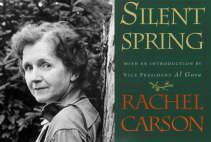













 January began as one of the last months of year, not the first. The start of the Roman calendar (and the astrological one) was March. Back then there were only ten months to the year, totaling 304 days. Between was a miasmic 66 monthless days of “winter.” According to legend, Numa Pompilius, the second King of Rome (after Romulus himself), added January and February to codify that winter term (along with a catch-up month every other year of 22 days).
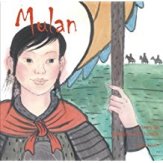
 to have lived somewhere between 386 CE and 620 CE (if you’re not up on your history, Common Era has replaced the Anno Domini). She takes her aging father’s place in the army, and serves for twelve years without her fellow soldiers realizing she’s a woman. Depending on the source, her name might be
 The steel-driving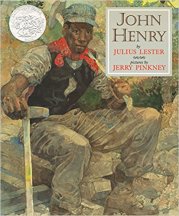

 under control of the Habsburgs, a magistrate put his hat on a pole and demanded all citizens bow before it, or be imprisoned. While in town with his son, Tell refused to bow, was arrested and sentenced to death – though, since he was such a marksman, the Magistrate would let him go if he could shoot an apple off his son’s head. Tell did so, was arrested anyway, escaped, and the people rose up in rebellion, in an act considered the founding of the Swiss Confederacy, around 1307. Some historians believe Tell is merely a new twist on an old Danish fable.






 2. Check out Open Library and Librivox.
 The Cheshire Library Blog