This Must Be the Place: New Books and Documentaries to Stoke Your Musical Nostalgia

There’s this article from The Onion that my husband and I keep chuckling over. The joke headline is “Cool Dad Raising Daughter on Media That Will Put Her Entirely Out of Touch with Her Generation,” and it’s followed by a photo of a middle-aged man presenting a girl with a vinyl copy of the Talking Heads Remain in Light as she regards the album in her hands with utter skepticism. We may or may not have played that very album for our kids before heading to New Haven to watch former Talking Heads members—now septuagenarians—perform it live. That joke article is about us.

Anyone who’s interrupted a Disney playlist to subject their progeny to a few excruciating minutes of A Very Important Music Thing can relate. We want to share the things we love with the people we love. We want them to know who we are. It could be music or movies, hobbies, sports teams, longtime vacation spots. For me, it’s reggae and Joni Mitchell’s Blue and Neil Young’s Harvest, all of which I heard as a kid on weekend mornings. It’s hurtling down the interstate in a car full of teenagers scream-singing along to Jimmy Eat World’s “Sweetness” or Jay-Z’s “Dirt Off Your Shoulder” or Underworld’s “Born Slippy.” It’s the first two Decemberists albums, played as my future husband and I aimlessly wandered the backroads near the town we were so very desperate to leave. This music is as much me as the cells in my body. So now I sing “Heart of Gold” and “The Crane Wife” to my kids as bedtime lullabies, and for background noise I play Bob Marley and classic R&B songs that were sampled by rappers.

Until the kids are old enough for evening concerts, I’m passing my limited free time by reading and watching documentaries about music, especially the scenes and artists that have dimmed the stage lights for the last time. Did you know that emo was a product of the suburbs? (Thanks, Andy Greenwald!) Or that Carrie Brownstein, half of the hilarious duo on Portlandia, was part of Olympia’s feminist Riot Grrrl movement in the early 90’s? Here’s some recent media if you’re feeling nostalgic for the sounds of the past.

Night People: How to be a DJ in ’90s NYC by Mark Ronson (2025)

From the publisher: Organized around the venues that defined his experience of the downtown scene, Ronson evokes the specific rush of that decade and those spaces—where fashion folks and rappers on the rise danced alongside club kids and 9-to-5’ers—and invites us into the tribe of creatives and partiers who came alive when the sun went down. A heartfelt coming-of-age tale, Night People is the definitive account of ’90s New York nightlife and the making of a musical mastermind.

Tonight in Jungleland: The Making of Born to Run by Peter Ames Carlin (2025)

From the publisher: From the opening piano notes of “Thunder Road,” to the final outro of “Jungleland”—with American anthems like “Born to Run” and “Tenth Avenue Freeze Out” in between—Bruce Springsteen’s seminal album, Born to Run, established Springsteen as a creative force in rock and roll. With his back against the wall, he wrote what has been hailed as a perfect album, a defining moment, and a roadmap for what would become a legendary career. Peter Ames Carlin, whose bestselling biography, Bruce, gave him rare access to Springsteen’s inner circle, now returns with the full story of the making of this epic album. Released in August, 1975, Born to Run now celebrates its 50th anniversary.

Hip-Hop Is History by Questlove (2024)

From the publisher: Questlove traces the creative and cultural forces that made and shaped hip-hop, highlighting both the forgotten but influential gems and the undeniable chart-topping hits-and weaves it all together with the stories no one else knows. It is at once an intimate, sharply observed story and a sweeping theory of the evolution of the great artistic movement of our time. Questlove approaches it with both the encyclopedic fluency of an obsessive fan and the unique expertise of an innovative participant. Hip-hop is history, and also his history.

Psst: If you prefer to watch a documentary, Questlove’s Hip-Hop Evolution (2016) runs along similar lines. It’s available on Netflix.

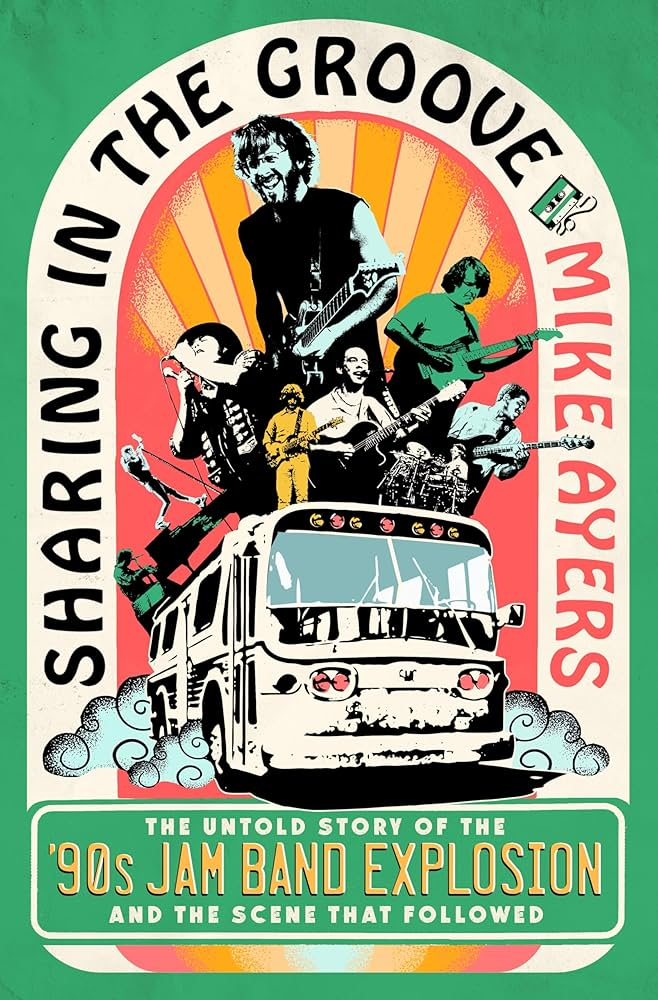
Sharing in the Groove: The Untold Story of the ’90s Jam Band Explosion and the Scene that Followed by Mike Ayers (2025) 

From the publisher: Sharing in the Groove is a rich examination of an underdog genre that helped define the 1990s musical landscape―a scene that paved the way for modern-day cultural institutions such as the Bonnaroo Music Festival and kept the Grateful Dead ethos alive. It was also a world with its own values and its own unique interactions with fame, record labels, MTV, drugs, and success.

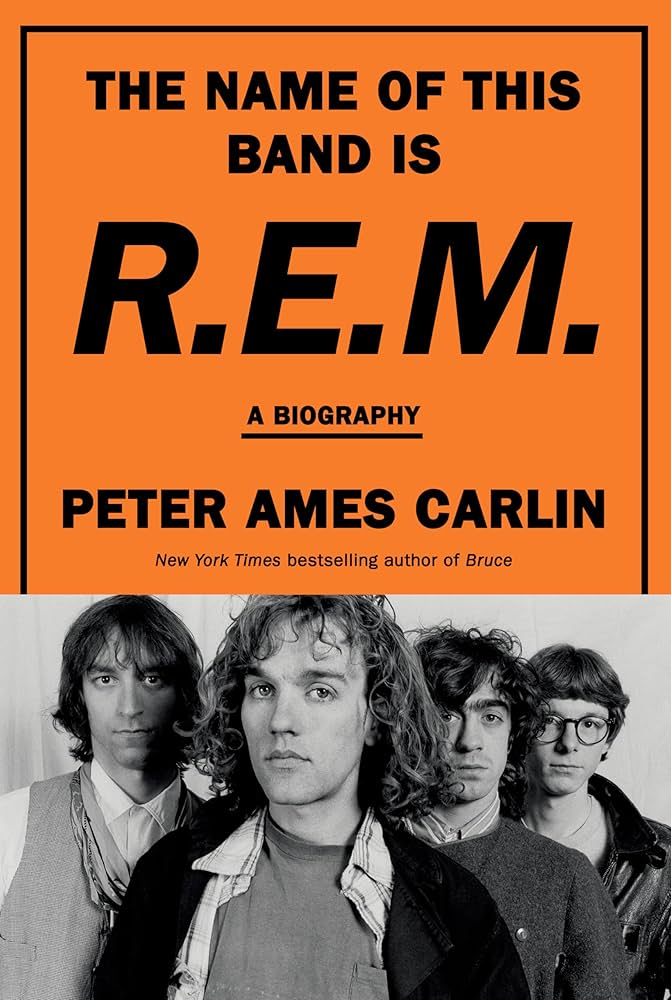
The Name of This band is R.E.M.: A Biography by Peter James Carlin (2024)

From the publisher: Deeply descriptive and remarkably poetic, steeped in 80s and 90s nostalgia, The Name of This Band is R.E.M. paints a cultural history of the commercial peak and near-total collapse of a great music era, and the story of the generation that came of age at the apotheosis of rock.

The Harder I Fight the More I Love You by Neko Case (2025)

From the publisher: Case brings her trademark candor and precision to a memoir that traces her evolution from an invisible girl “raised by two dogs and a space heater” in rural Washington state to her improbable emergence as an internationally-acclaimed talent. In luminous, sharp-edged prose, Case shows readers what it’s like to be left alone for hours and hours as a child, to take refuge in the woods around her home, and to channel the monotony and loneliness and joy that comes from music, camaraderie, and shared experience into art.

How Women Made Music: A Revolutionary History from NPR Music edited by Alison Fensterstock (2024)

From the publisher: Drawn from NPR Music’s acclaimed, groundbreaking series Turning the Tables, the definitive book on the vital role of Women in Music—from Beyoncé to Odetta, Taylor Swift to Joan Baez, Joan Jett to Dolly Parton—featuring archival interviews, essays, photographs, and illustrations.

The Jazzmen: How Duke Ellington, Louis Armstrong, and Count Basie Transformed America by Larry Tye (2024)

From the publisher: This is the story of three revolutionary American musicians, the maestro jazzmen who orchestrated the chords that throb at the soul of twentieth-century America… What is far less known about these groundbreakers is that they were bound not just by their music or even the discrimination that they, like nearly all Black performers of their day, routinely encountered. Each defied and ultimately overcame racial boundaries by opening America’s eyes and souls to the magnificence of their music. In the process they wrote the soundtrack for the civil rights movement.

Rebel Girl: My Life as a Feminist Punk by Kathleen Hanna (2024)

From the publisher: An electric, searing memoir by the original rebel girl and legendary front woman of Bikini Kill and Le Tigre… As Hanna makes clear, being in a “girl band,” especially a punk girl band, in those years was not a simple or safe prospect. Male violence and antagonism threatened at every turn, and surviving as a singer who was a lightning rod for controversy took limitless amounts of determination. But the relationships she developed during those years buoyed her–including with her bandmates, Tobi Vail, Kathi Wilcox, and Johanna Fateman; her friendships with Kurt Cobain and Ian MacKaye; and her introduction to Joan Jett- were all a testament to how the punk world could nurture and care for its own.

Music by John Williams (2024) Produced and directed by Laurent Bouzereau

My favorite music documentaries fill me to the brim with joy (see: Twenty Feet from Stardom)  and this journey through the most iconic music in cinema history does just that. Williams wrote the scores for Star Wars, Jurassic Park, Indiana Jones, E.T., Harry Potter, Jaws, and lots of other movies that are memorable in part due to Williams’ mastery. It’s only available on Disney+, but it’s worth a trial if you aren’t already a subscriber.

Summer of Soul: (…Or, When the Revolution Could Not Be Televised) (2022) Directed by Questlove

I’m cheating a little here when it comes to “recent” releases, but this is another piece of joy. It follows the 1969 Harlem Cultural Festival, which was overshadowed by Woodstock and hardly made a blip on the radar. You’ll get the context of the almost-forgotten festival, along with footage of Stevie Wonder, Nina Simone, the 5th Dimension, and Sly and the Family Stone (rest in peace) doing what they do best. If you don’t start moving to Gladys Knight and the Pips’ upbeat rendition of “I Heard It Through the Grapevine,” then I can’t help you. Borrow the DVD from the library or stream it from your preferred service.

Books and Shows to Confirm Your Growing Technological Anxiety

“Have I told you all about the time that I got sucked into a hole through a handheld device?” asks the narrator of a song from the Arctic Monkeys’ 2018 album Tranquility Base Hotel and Casino. Technological ambivalence (or perhaps anxiety?) is a recurring theme. I can relate. I spend too many nights sitting down to unwind for just a few minutes, and somehow two hours pass by, during which I’ve clicked link after link on my phone while the dirty dishes sit neglected in the sink and my toddler’s toys are still strewn across every floor. If you’ve ever lost an evening of your life to Wikipedia or Youtube, or ever looked up from staring at a screen to wonder if you still have long-distance vision, you can relate, too. 

While I can’t give you advice on how to stop the vicious cycle of passive consumption – every time I delete a time-sucking app, I seem to replace it with another one – what I can do is suggest some slightly more cerebral time-killers to add to your queues. 

To Read/Listen to:

The Shallows: What the Internet Is Doing to Our Brains by Nicholas Carr 

As we enjoy the Internet’s bounties, are we sacrificing our ability to read and think deeply? The printed book served to focus our attention, promoting deep and creative thought. In contrast, the Internet encourages rapid, distracted sampling of small bits of information. As we become ever more adept at scanning and skimming, are we losing our capacity for concentration, contemplation, and reflection? 

The Anxious Generation: How the Great Rewiring of Childhood Is Causing an Epidemic of Mental Illness by Jonathan Haidt 

Social psychologist Jonathan Haidt lays out the facts about the epidemic of teen mental illness, then investigates the nature of childhood, including why children need play and independent exploration to mature into competent, thriving adults. Haidt shows how the “play-based childhood” began to decline in the 1980s, and how it was finally wiped out by the arrival of the “phone-based childhood” in the early 2010s. He presents more than a dozen mechanisms by which this “great rewiring of childhood” has interfered with children’s social and neurological development. Most important, he describes steps that parents, teachers, schools, tech companies, and governments can take to end the epidemic of mental illness and restore a more humane childhood. 

Fahrenheit 451 by Ray Bradbury

Many folks would point to Aldous Huxley’s Brave New World as fitting in best with this post’s theme, but those screen-covered parlor walls in front of which Mildred parks herself in Bradbury’s book-burning dystopia come to my mind more often than the Shakespeare-quoting John. Plus, Bradbury’s foretold degradation of the human attention span has supposedly come true. 

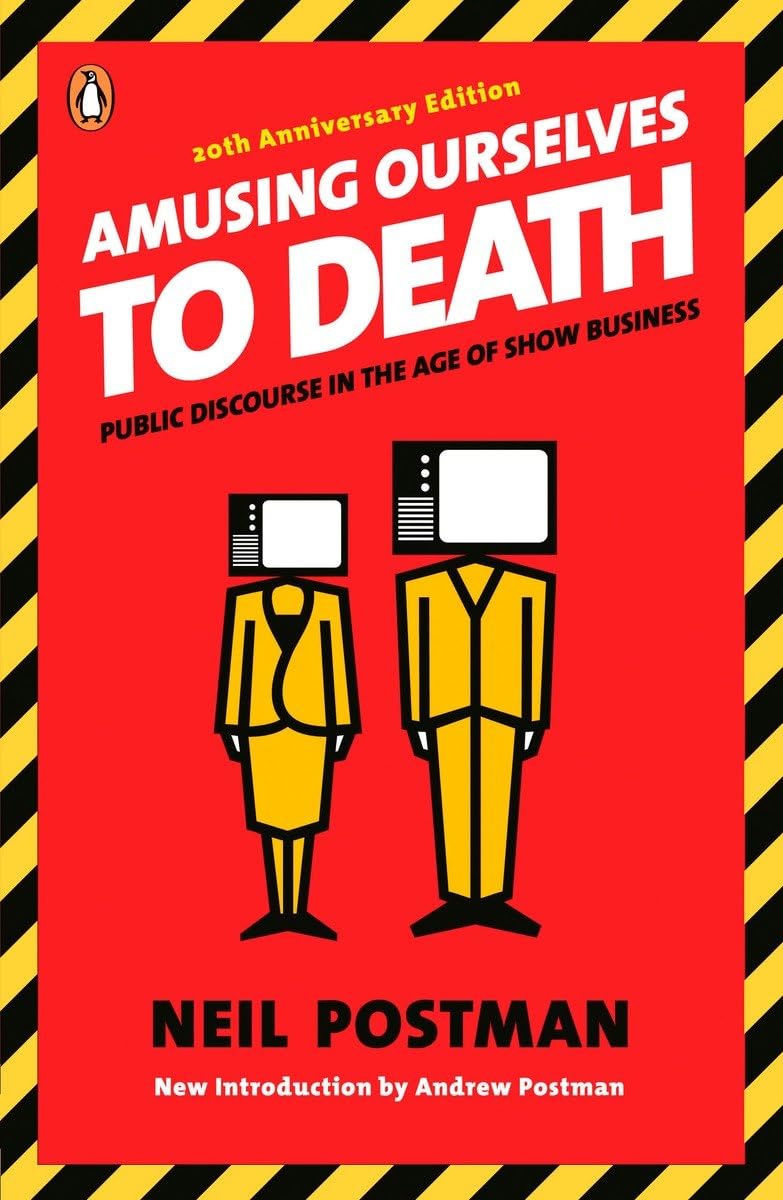
Amusing Ourselves to Death: Public Discourse in the Age of Show Business by Neil Postman 

It’s hard to believe this book is almost 40 years old, but the thesis is just as relevant now as it was back when Family Ties and 60 Minutes were among the top television shows. Postman posits that the visual medium of television has led to the decay of rational discourse by turning information into entertainment. On paper (or screen) it might sound like Postman is a technophobic curmudgeon, but one need only think back to how often misinformation under the guise of “news” has spread like wildfire via social media over the last ten years to see his point. 

Stolen Focus: Why You Can’t Pay Attention – And How to Think Deeply Again by Johann Hari 

Like so many of us, Johann Hari was finding that constantly switching from device to device and tab to tab was a diminishing and depressing way to live. So he went on an epic journey across the world to interview the leading experts on human attention – and he discovered that everything we think we know about this crisis is wrong. He introduces readers to Silicon Valley dissidents who learned to hack human attention, and veterinarians who diagnose dogs with ADHD. Crucially, Hari learned how we can reclaim our focus, if we are determined to fight for it. 

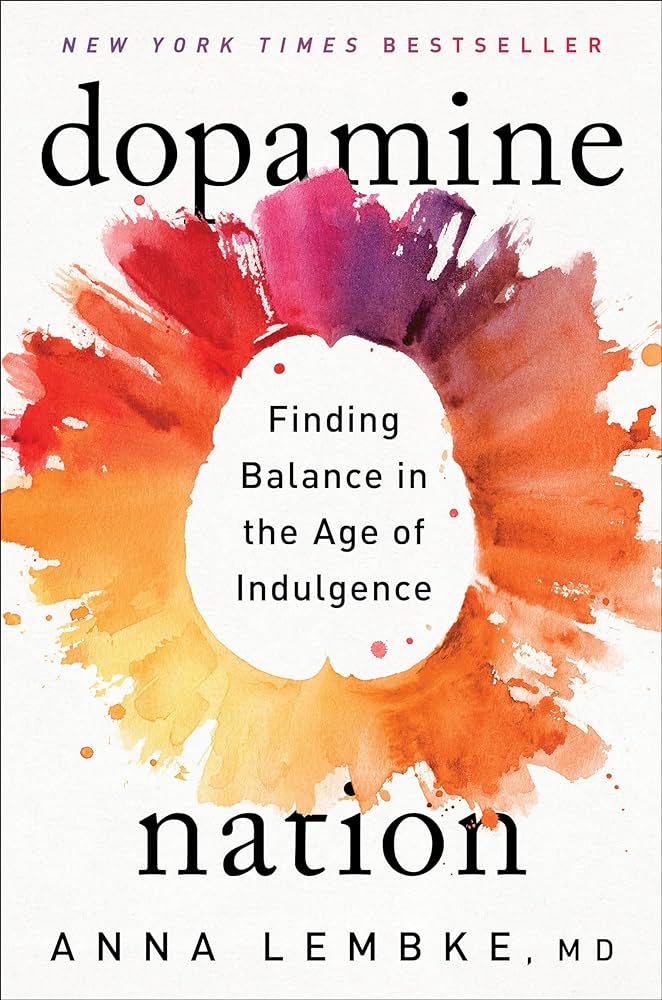
Dopamine Nation: Finding Balance in the Age of Indulgence by Anna Lembke 

This book is about pleasure. It’s also about pain. Most important, it’s about how to find the delicate balance between the two, and why now more than ever finding balance is essential. We’re living in a time of unprecedented access to high-reward, high-dopamine stimuli, and we’ve all become vulnerable to compulsive overconsumption. Dr. Anna Lembke, psychiatrist and author, explores the exciting new scientific discoveries that explain why the relentless pursuit of pleasure leads to pain . . . and what to do about it. 

To Watch:

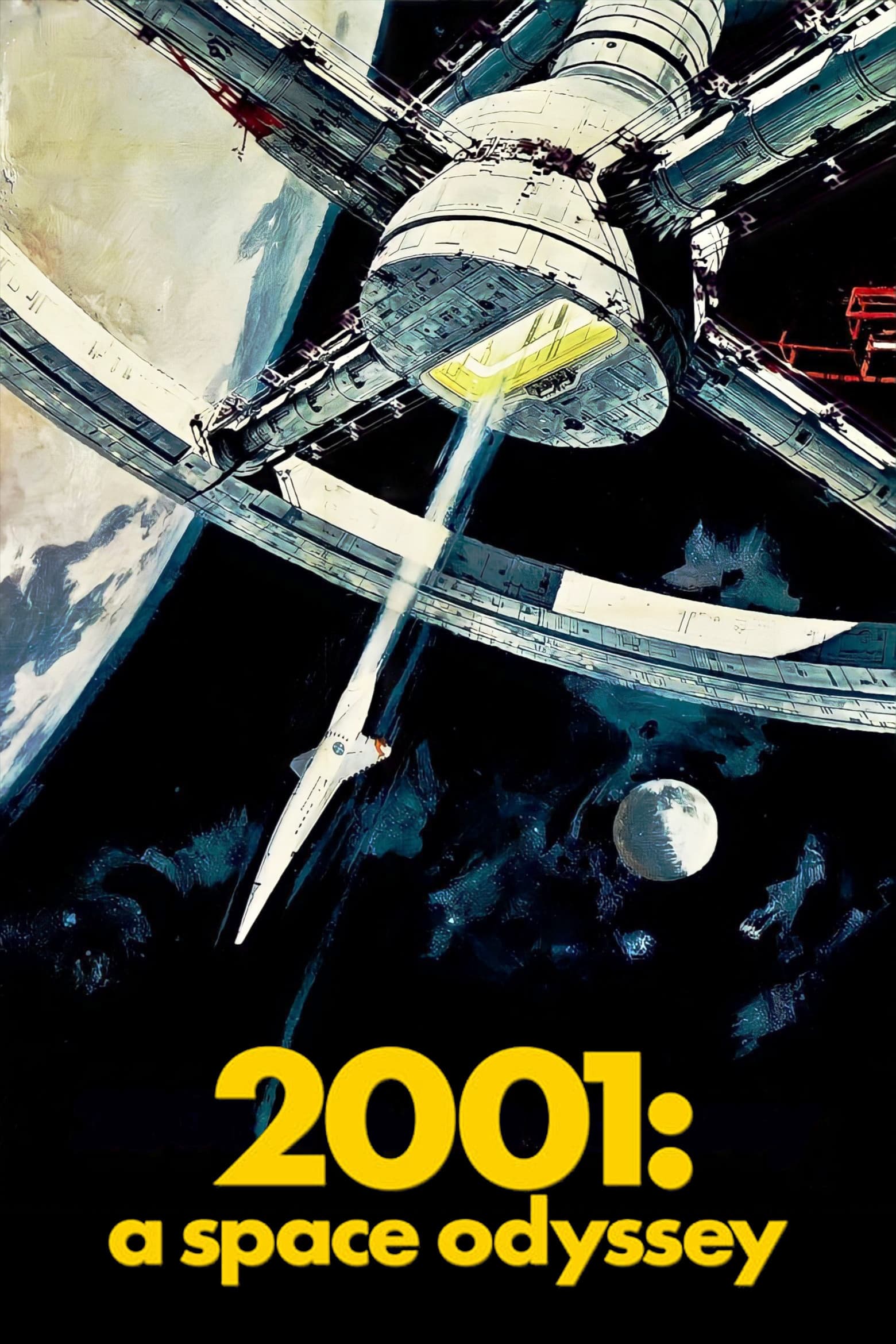
2001: A Space Odyssey 

Stanley Kubrick’s classic film, and its sentient computer that turns murderous, has been so influential that even AI voice assistants will often respond back with a knowing reply if you quote the film at them. This is a film that tells its story mostly through the visual medium with little dialogue, so you’ll have to put aside from time to watch this one without compulsively scrolling on your phone. 

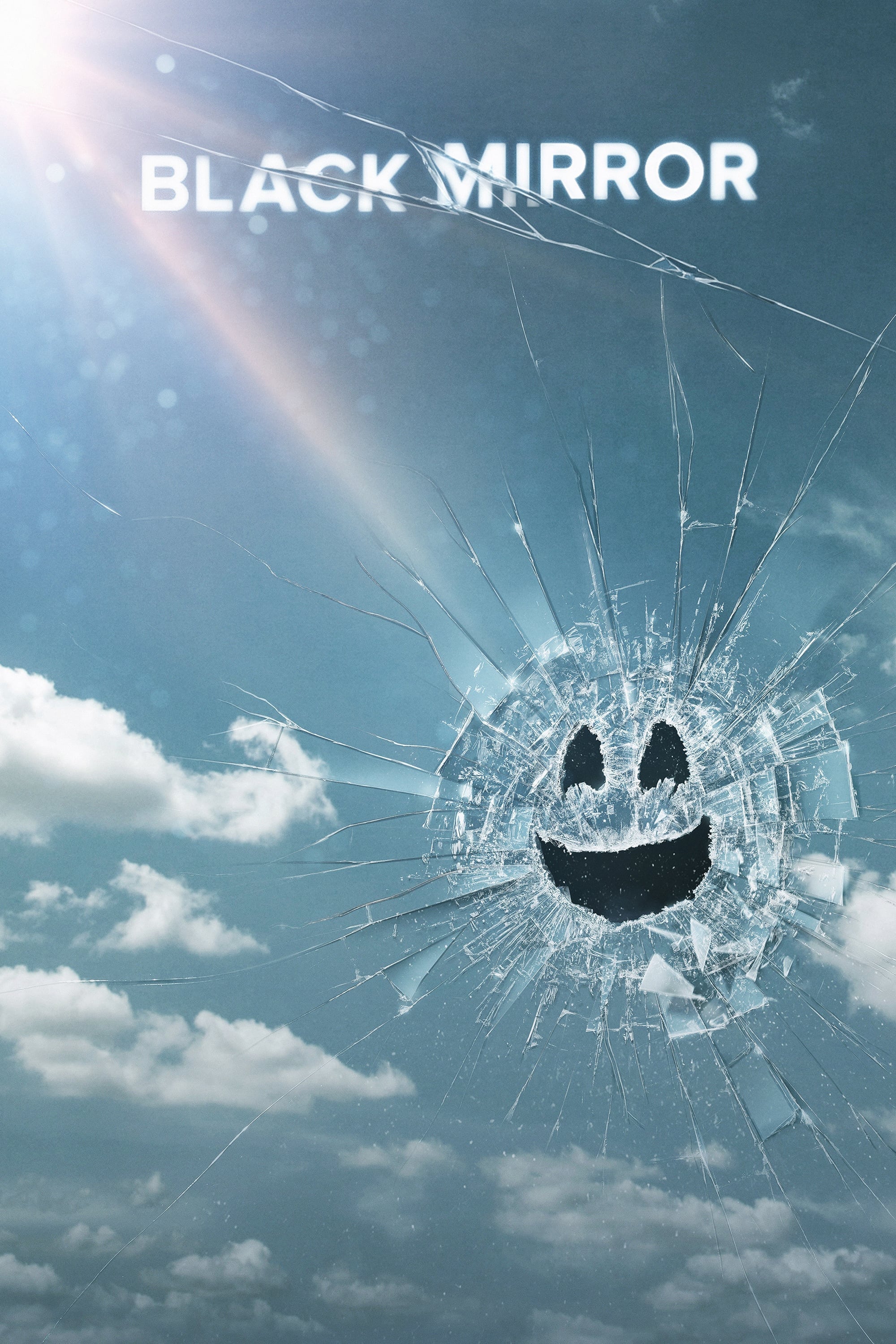
Black Mirror (available on Netflix) 

Twilight Zone for the information age. This Channel 4 / Netflix drama is composed of standalone episodes where technology complicates, or more likely completely destroy, the lives of the characters. In one story they can store, replay, and delete memories via an implanted device in their skin. In another, social interactions are given ratings, and they affect one’s socioeconomic status. Every once in a while you’ll have a happy ending, but you’re usually buckling in for a dystopian take on the computer-based tools we already use. Watch it via Netflix or purchase episodes through Amazon Prime. 

The Social Dilemma (available on Netflix) 

This docu-drama explores the dangerous human impact of social networking, with tech experts sounding the alarm on their own creations. It’s no mistake that Google’s own (former) design ethicist is a key narrator in this Emmy-winning documentary. Watch it via Netflix. 

Learn a Little, Live a Little

Do love learning? Do you dream of taking college classes, but the cost and the time is too much? Are you taking a high school or college class and struggling to understand the material?  Did you cut your cable, and can’t find anything decent to watch anymore?

Fear not! The Great Courses are here!

Cheshire Public Library has always had a handful of these delightful media, but through a generous donation, we’ve been able to greatly expand our holdings to more than 70 titles.

What are the Great Courses?  Professional college-level lectures on audiobook or DVD on a variety of topics, given by actual college professors and experts (like Neil DeGrasse Tyson!), that will give you the equivalent of an entire college class in the comfort of your car or living room. Some come with study guides and questions to think about, but you will never have a test or a grade at the end!

The Great Courses was the brainchild of Thomas M. Rollins, the former Chief Counsel of the US Senate Committee on Labor and Human Resources (1985-89). Inspired by a 10-hour video lecture series he watched as a student at Harvard Law, he set about creating his own video series under the business label The Teaching Company. He recruited professors to record lectures on topics people were interested in learning about. Because the lectures were chosen by customers, they caught on quickly. There are currently more than 900 lectures available in a wide variety of topics. Some are short – four hours – while others (like the Civil War) can run to 14 discs.

Great Courses are expensive – that Civil War set is more than $500 to purchase yourself, but in 2016 the company began a $20/month streaming service, and then in 2021 rebranded itself under the name Wondrium. Wondrium not only offers more than 280 of the Great Courses, but also content from Magellan TV, Craftsy, and Kino Lorber, which carries art films, documentaries, world cinema, and classic films (silent films like Metropolis, Charlie Chaplin, and more).

If you don’t feel like yet another subscription to a streaming service, check out the library’s offerings downstairs in the adult department. We have more than 30 titles on DVD, and more than 35 on audiobook for learning on the go. As Fat Albert used to say, “If you’re not careful, you may learn something!”

Did you know that if you’ve already studied the material, you can often exempt a college class? It’s called the CLEP program – College Level Examination Program.  Basically, if you can pass the exit exam for a class, you can get college credit for that class. Not every school offers it, not every class is covered, but if a Great Courses lecture can help, you can save several hundred dollars!

Check out these great titles and more!

Some of our Audiobook titles:

Ancient Greek Civilization

Beethoven’s Sonatas

Books that Have Made History

Broadway Musicals

The New Testament

Italian Renaissance

Native People of North America

Rise and Fall of the British Empire

Some of our DVD titles:

The American Civil War

Einstein’s Relativity

Monet to Van Gogh

When Rome Ruled

Photography

The Louvre

Geology

Human Language

The Vikings

9/11 – Twenty Years Later

There are several points in US history that are “fixed points,” dates and events which become so embedded in the minds and hearts of the people that they become part of our universal consciousness, whether or not we experienced them ourselves. July 4, 1776, the signing of the Declaration of Independence. April 15, 1865, Abraham Lincoln is assassinated. December 7, 1941, the Bombing of Pearl Harbor, “The Day That Will Live in Infamy.” November 22, 1963, the assassination of President John F. Kennedy.

And September 11, 2001, known simply as 9/11, when foreign nationals who had trained here in America, who bypassed airline “security,” hijacked four American jetliners and crashed them into the Twin Towers in New York City, the Pentagon in Washington, DC, and a field in Pennsylvania. The entire world stopped. On that day 2,983 Americans died, including 343 Firemen, 60 police officers, and 8 medical personnel – not counting the people who died from breathing in all the toxins released from the burning rubble. If you remember the day, you remember exactly where you were when you heard about it. People stayed glued to their TVs for days, hoping beyond hope that someone had survived the horror. So many people knew someone, or had ties to someone, who died that day. A friend of mine at Morgan Stanley by chance happened to be sent to a meeting at a different office that morning. Every one of his coworkers died. My husband’s cousin was just blocks away on her way to work when it hit, and wound up having to evacuate her apartment.

This year is the 20th anniversary of 9/11, a somber day for reflection. An entire generation has now grown up in a post-9/11 world, knowing the date as something only in a history book, no emotional ties to the day at all. Millions of New Yorkers are new to the city, with no experience of the unity the catastrophe created. Perhaps this is the most important memorial yet. 

The 9/11 Memorial and Museum at 180 Greenwich St. in New York City will be holding a ceremony for the families of the victims on that day. There will be six moments of silence, one for each of the tragedies that happened. Churches are encouraged to toll bells. The ceremony is private, but the museum will be open to the public from 1 pm until midnight. At sundown, the annual tribute in lights will commence. 

9/11 is a day that is going to be with us for a very long time, whether you remember it or not, whether you had any connection to it or not, whether you care about it or not. It’s still hanging over us, a Damoclean Sword we cannot take our eyes from. 

To honor the date, Cheshire Public Library invites you to share your 9/11 memories through our 9/11 Reflections project. As we approach the anniversary date, we are compiling the stories of local residents – where they were, what they remember, how they were affected that day. You can click on the link here, or pick up a paper form at the library. Select stories and photos will be displayed on our website on September 10. The deadline for submissions is September 3.

Be considerate about the date, even if you feel it doesn’t affect you. Hold that moment of silence, if not for the past, but for the future, that we – or anyone else – won’t have to suffer such an attack again. 

To learn more, check out some of these books and films:

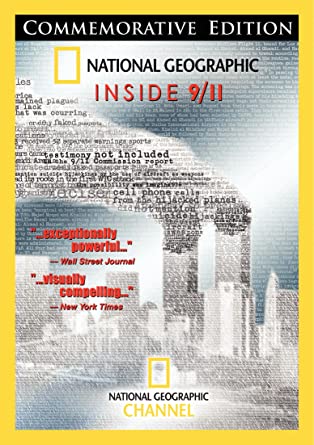
Inside 9/11

Fahrenheit 9/11

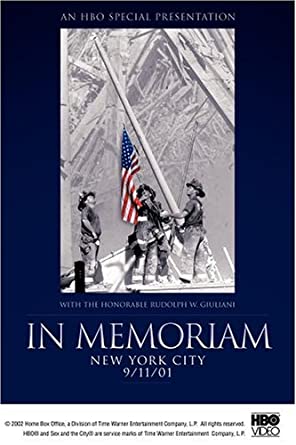
In Memoriam: NYC 9/11/01

Zero Dark Thirty

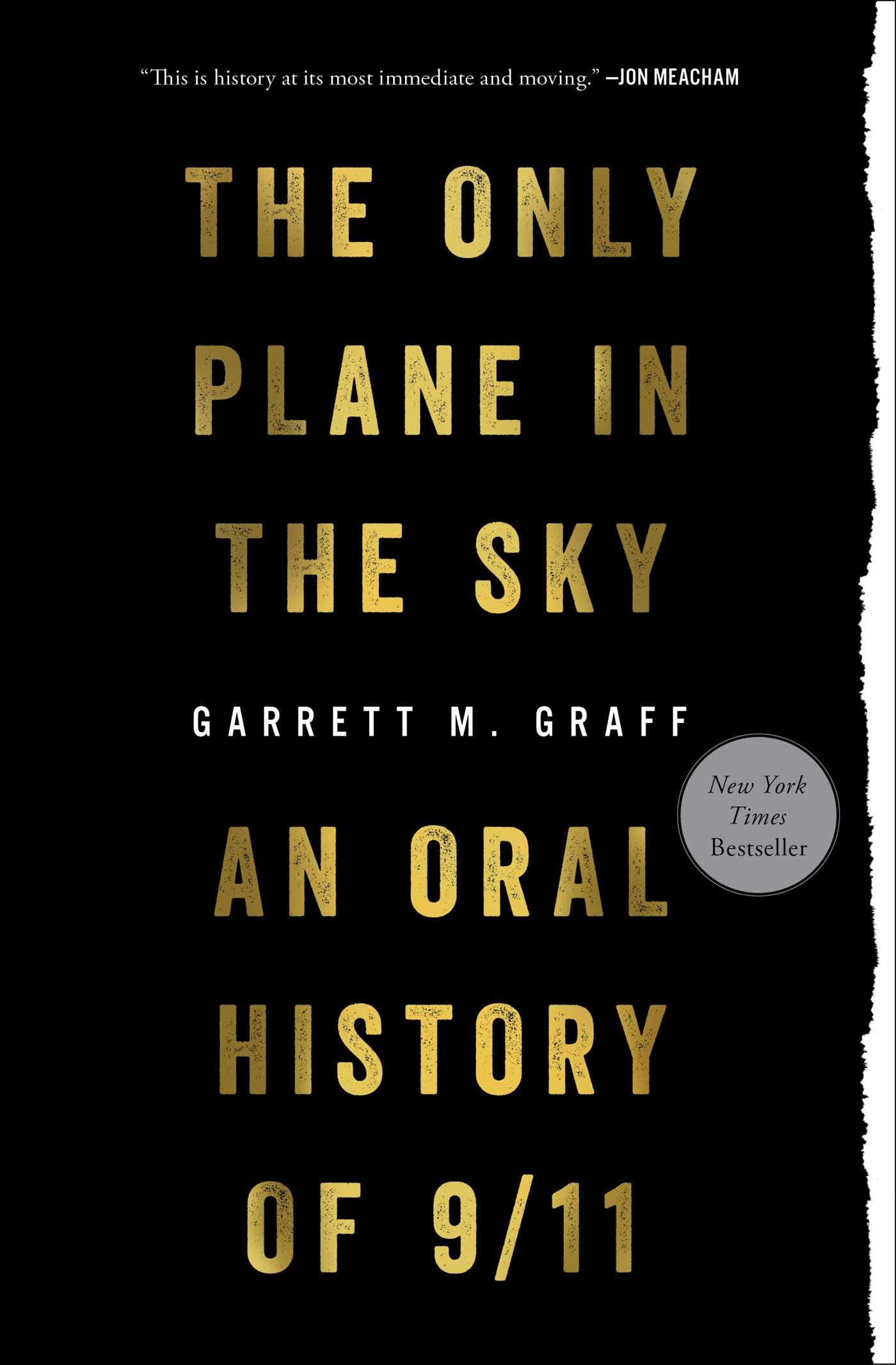
The Only Plane in the Sky

Fall and Rise: The Story of 9/11

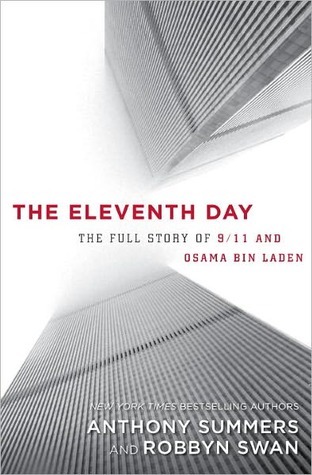
The 11th Day

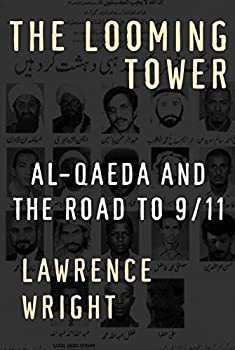
The Looming Tower

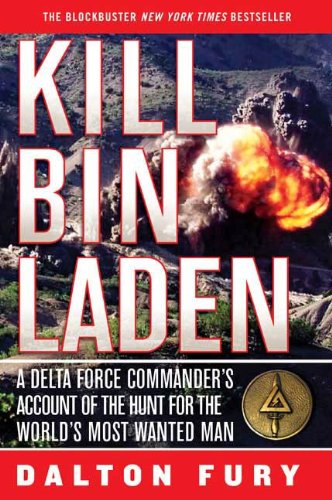
Kill Bin Laden

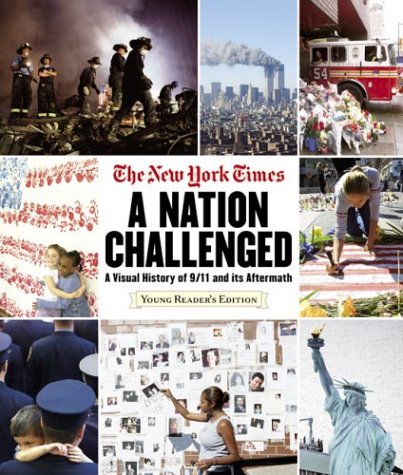
A Nation Challenged

Tightrope: Americans Reaching for Hope – book review

No matter what you read lately, whether it’s political, economic, or even comedy relief, the concept of a national divide keeps popping up. It seems there is nothing that we’re not crabby about – which song got the Grammy, whether poodles are better than dalmatians, whether corn counts as a vegetable or a starch. Umpteen books have been written on the divide of “liberal” vs. “conservative,” urban vs. rural, prosperity vs. lazy poor, criminal drug abuser vs. victim of Big Pharma, and into that mix Nicholas Kristof throws out an excellent one, called Tightrope: Americans Reaching for Hope.

Kristof grew up in rural Yamhill, Oregon, a White, conservative town of 1100 people. More than a quarter of the kids he went to school with died of drugs, alcohol, suicide, or reckless accidents caused by drugs or alcohol. Why did he make it out in one piece, while his friends died slowly of alcoholism, often homeless most of their lives? Why did families lose 3, 4, 5 kids to drugs and alcohol? Why did some do fine?

To keep it real, Kristof explores people in similar situations in places like South Dakota, Oklahoma, New York City, Baltimore, and more, bastions of poverty and drugs in the U.S. What he finds is the same issues, handled differently – humanely – makes a world of difference. In places like Oklahoma, the entire penal code is stacked against poor people. Indigent and need a free legal defender? You are then arrested for being indigent, and fined for your arrest. Now you’re in debt to the state. So you are sent to prison for being a debtor – even if it’s only ONE dollar! Now you have more fines added. People are released from prison – private, for-profit prisons, of course – with hundreds of thousands of dollars in fines from a mere $25 parking ticket. Can’t make the payments on your fines? Back to jail, and more fines. It’s a gerbil wheel of punishing the poor – even though intervention programs can save $10 of tax money for every dollar spent.

And of course, once you have a felony conviction, you can’t get a job. So people turn to selling meth and heroin. And get convicted, and can’t get hired, and get homeless and depressed and turn to drugs…. Over and over and over. Why are Mexicans taking the jobs from under-educated poor white people? Because the Mexicans can be counted on to show up for work, and aren’t drunk or stoned.

Kristof narrows the biggest issues down to two: One is education. Most of the people he knew didn’t graduate, had parents that barely made it to 8th grade, and grandparents who might not have made it to fifth. If you come from a home where there are no books, no magazines, and no expectations of further education, it’s harder to succeed. He explores one family where the mother had a 5th-grade education, and five children by four different fathers. When the first was expelled from kindergarten twice for behavioral issues, she – with a fifth-grade education – decided to home-school her kids (5 under the age of 6). How much of a chance do those kids have?

The second predictor of success was coming from a two-parent home. If you had two parents – and usually two incomes – you had a much greater chance of being successful. Single mothers with a trail of children left those kids in chaos. More than one child entering Yamhill kindergarten was described as “feral.”

Kristof also explores the programs – often started by those who had had enough – that give people just the right boost, whether it’s paying those $1 legal fees and freeing people from prison or getting them a job or housing or a drug treatment program. Such programs are a lifeline for the people involved, and often get them on the track to permanent success. Unfortunately, many of the government programs to do just that have been eliminated in recent years.

The book is easy to read, informative, and does not preach or even really point fingers. It’s careful to present only facts, though the family situations and the culture of violence surrounding them can be maddening. Despite the grim realities, the book ends up on a positive note. This is one to put on your To Be Read list, and check out these other titles in similar vein:


Hillbilly Elegy
The Left Behind
Evicted
White Trash
Dimestore
Dreamland
Chasing the Scream
Detroit
Broke, USA
Dignity: Seeking Respect in Back Row America
Survival Math
Nickel and Dimed