 It does not seem so long ago that schools in the area were depending on DRA and other reading level guidelines where reading levels and age appropriate materials go hand in hand. However, more and more schools and teachers are requiring students to read books that match their current Lexile level, which is problematic for parents and librarians alike, because the subject matter of the book and Lexile level do not always come together as nicely as they do in other reading measurement models.
How it Works
First, lets look at how Lexile scores for books are tabulated. First the text of a book is split into 125-word chunks. Each chunk is then compared to the nearly 600-million word Lexile corpus and words in each sentence are counted. The length and difficulty of the sentences and vocabulary is examined. These calculations are put into the Lexile equation. Then, each of the chunk’s resulting Lexile measure is applied to a model to determine the Lexile measure for the entire text. The problem is that the resulting measurement does not take into account the age-appropriateness, book quality, subject-matter, theme, or other such important factors. It only measures the technical difficulty of the text. For a more in depth look at all the details, I suggest checking the frequently ask questions page on the Lexile website.
 The Lexile scores that students come home with are calculated through assessments done through schools or educational programs. If you want to see which companies and schools are officially working with Lexile to calculate these scores, I would suggest looking at the list of partners on the Lexile website. There are no sample tests available, so there is no measuring your own Lexile or figuring out your child’s level quickly. However, you can look at the books your child is reading, talk about the books with them to gauge their comprehension, and then look up the books via any of the tools I will share with you below to figure out what level they are comfortably reading at now.
According to Lexile‘s website the average correlation between grade level and Lexile level can be seen in the chart below. Keep in mind that these are the average; the levels vary in different studies, every child is different, and not all children perform well when it comes to assessment time. So do not feel bound by the Lexile levels or grade levels.
| 1 |
Up to 300L |
| 2 |
140L to 500L |
| 3 |
330L to 700L |
| 4 |
445L to 810L |
| 5 |
565L to 910L |
| 6 |
665L to 1000L |
| 7 |
735L to 1065L |
| 8 |
805L to 1100L |
| 9 |
855L to 1165L |
| 10 |
905L to 1195L |
| 11 and 12 |
940L to 1210L |
In Search of the Right Book
The major flaw with the Lexile system is that it scores books or vocabulary and sentence length rather than anything to do with the actual content, and the reading levels the readers are given only takes reading comprehension into account. This means an advanced reader who is young or gentle-hearted is likely to run across book suggestions that are inappropriate or uninteresting if judged only by the Lexile numbers. Finding the right book, at the right level, that interests and is appropriate for the reader can be challenging.
 Lexile is very much aware of the limitations of their system and offers a Find a Book tool that offers book suggestions by Lexile score or grade level (including how difficult the reader finds assigned school reading). The tool then allows the search to be narrowed down by subject matter, genre, and more. It can be a good tool when you are first starting the search for reading material. They also offer tool to find the Lexile level of books and articles.
NoveList also offers book finding help in its advanced search (enter the NoveList site via the Reading Resources toggle on the Cheshire Library website). Grade level, Lexile range, intended audience, and other options are available to help narrow down the books that fit the Lexile level, interests, and age appropriateness for your reader. Scholastic’s Book Wizard also offers some search tools to help find an appropriate book, or the Lexile level of a particular book. Even Amazon is getting onto the Lexile bandwagon and offers Lexile and Age range as limiters in their book searches.
Unfortunately, our catalog does not allow for search by Lexile level, although some catalog records do include Lexile level. However, if you use one of the tools listed you can easily use that list of suggested books to find or place holds on materials in our catalog. Also, do not be afraid to stop in the Children’s Room for help finding books, or placing holds. We are always happy to help!
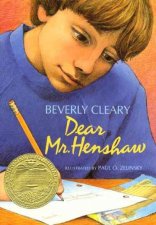 there is something serious going on in the home life of a young child in your life, here are some books they might relate to that could help them know they are not alone. They can also see someone else come to terms with and learn to cope with the same issues with which they are currently dealing. Most of these novels deal with the characters coming to terms with family issues such as separation or divorce, but some also include other family changes or conflicts.
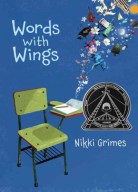 Shelved in Childrens:
 What Would Joey Do? by Jack Gantos
 Unbecoming by Jenny Downham
 Zipped by Laura and Tom McNeal








 The Cheshire Library Blog