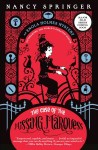
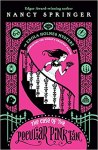
 When the Enola Holmes movie was recently released on Netflix, I decided to read the book that it was based on (The Case of the Missing Marquess by Nancy Springer) before watching the movie. As I read the book, I was struck by two things. #1, though this book series is found in the Children’s Room, it has surprisingly sophisticated themes and I found it very appealing as an adult reader. #2, the protagonist, Enola Holmes, precociously adept at solving mysteries, reminded me of another young sleuth I loved, the delightfully quirky Flavia de Luce from Alan Bradley’s series.
I quickly devoured The Case of the Missing Marquess, and immediately checked out the rest of the series. I’m happy to report that all six books are wonderful, quick reads that will appeal the fans of dear Flavia, or cozy mysteries in general. Let’s take a look at the young protagonists from each series.
 Enola Holmes is the much younger sister of Mycroft and Sherlock Holmes, whom she admires but rarely sees. Raised by her mother in a very unconventional way, and often left to her own devices for extended periods of time, Enola has a skill set not normally found in young ladies of her era, with a particular talent for cryptology. In 1900, on her 14th birthday, her mother mysteriously disappears, leaving coded clues behind. Enola sets out to solve the mystery of her disappearance, much to the consternation of her brothers, who want to put her into boarding school and make a proper lady out of her. She is in hiding from them for most of the series, and it’s fun to watch Enola outsmart the brothers who think themselves so much smarter than her.
 Flavia de Luce is an 11-year-old girl in 1950 who lost her mother when she was a baby. She lives with her largely-absent father and two annoying older sisters on an English country estate that’s seen better days. Flavia’s upbringing is also quite unconventional, and she spends much of her time indulging her passion for chemistry, becoming quite an expert in poisons through the many experiments she conducts in her laboratory. Flavia’s obsession with the gruesome and deadly along with her need to get to figure out why things happen is a by-product of losing her mother at such an early age; indeed Harriet de Luce remains a presence in the sad little family throughout the series. While this could be maudlin, it is never overdone, and Flavia’s determination to make sense of events in the world around her drives everything she does. She is the definition of “pluck”.
Both girls are motherless and do not follow the social norms of their times. Both have older siblings who are the banes of their existence. Both are whip-smart and often underestimated by the adults around them. And both have the uncanny knack for landing in the middle of trouble, over and over again, and are able to survive largely by their wits.
The Flavia de Luce stories are longer and a bit more complex than the Enola Holmes stories, but watching both of these unconventional sleuths get to the bottom of each mystery they land into is pure delight. I’ll add an additional plug for the audiobooks, the narrators of each series are pitch-perfect in their portrayals, and really bring the characters to life.
It’s recommended to read the books in both series in order, as each book builds off the previous one. Get a double dose of girl power with these terrific mysteries!
Flavia de Luce Mysteries:


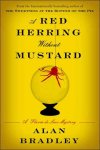
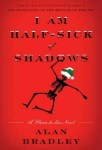


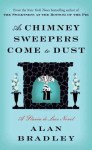


- The Sweetness at the Bottom of the Pie
- The Weed That Strings the Hangman’s Bag
- A Red Herring Without Mustard
- I Am Half-Sick of Shadows
- Speaking from Among the Bones
- The Dead in Their Vaulted Arches
- As Chimney Sweepers Come to Dust
- Thrice the Brinded Cat Hath Mew’d
- The Grave’s a Fine and Private Place
- The Golden Tresses of the Dead




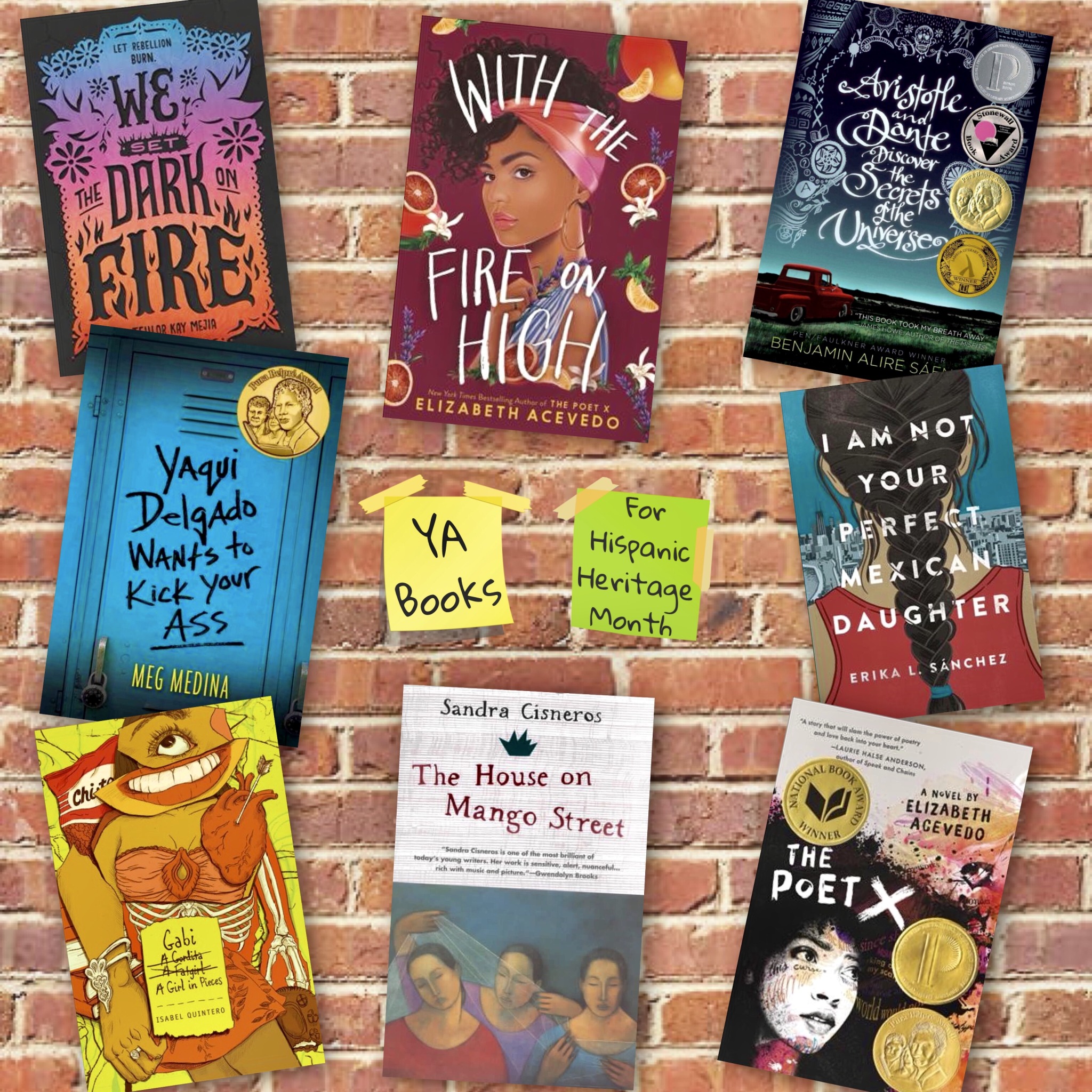
 Ah, it’s October. We’re all reaching for our big thick cardigans (at least, that’s what we librarians are doing), admiring the mums and pumpkins at the local nurseries, and wondering why pie spices keep showing up in places they don’t belong. But if you’re anything like me, you’re more intent on finding something more than that chilly evening wind to send a shiver down your spine. Yep. I’m talking horror stories.
 Scary Stories to Tell in the Dark
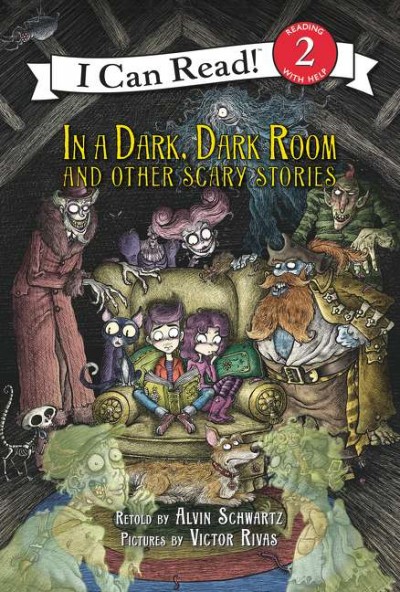 In a Dark, Dark Room
 Eerie Elementary
 The Jumbies
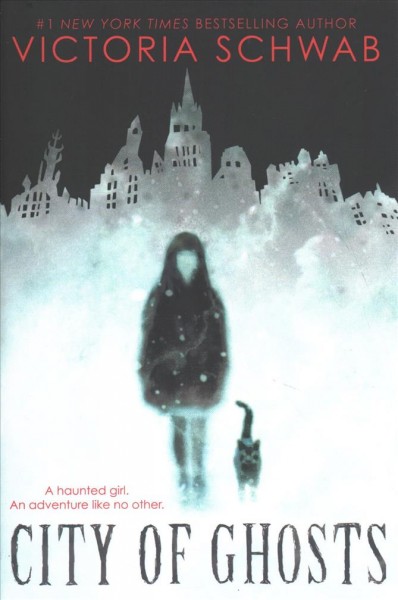 City of Ghosts
 The Girl in the Locked Room
 The Peculiar Incident on Shady Street
 Scary Stories for Young Foxes
 Ghosts
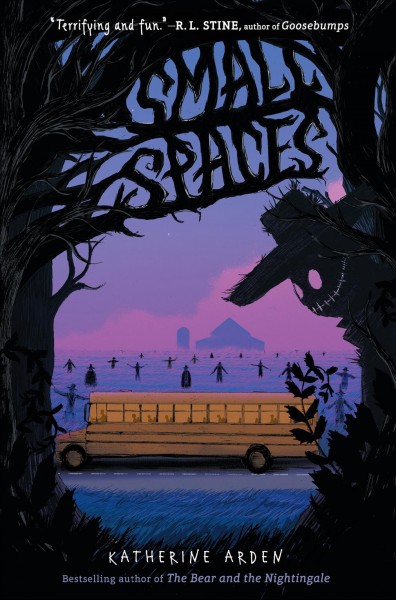 Small Spaces
 The Song from Somewhere Else


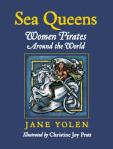
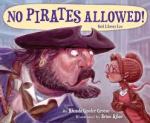
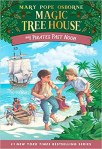
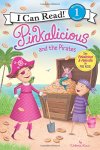
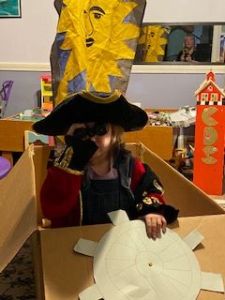 When a new dog-proof garbage can arrived in a box larger than my three year old, it became her favorite toy of the month, and for one of the weeks we turned it into a pirate ship. Anything that keeps a bored three year old busy for a week deserves to be bronzed. We hung a garden flag from a broom handle for a sail, used a brass fastener to make a spinning wheel, dug out costumes from the older kids, watched a lot of preschool pirate videos and read a lot of pirate books. I drew a simple outline map of our living room and taught her to read maps by placing candy in various places as treasure, and marking X on the map. By the third candy, she was proficient on her own. Then we built our finale.
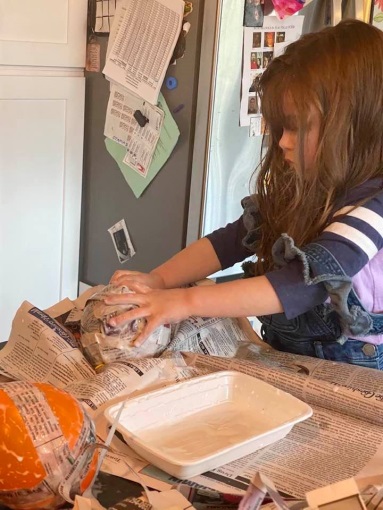 Using balloons, some Cheshire Herald strips, and a little watered down Elmer’s Glue, we made some cannon balls, and then painted them the next day. Then we built our cannon. The cannon balls were about 5 ½ inches, too big for a standard paper tube. But they worked just perfectly for a paint can! So we scavanged a paint can from the garage, which, thankfully, had only an inch of dried paint in the bottom. And these new-fangled plastic paint cans? The paint doesn’t stick! A few taps and peels, and all that dead paint came falling
  right out. A quick rinse, and we were good. I cut the bottom off with my Ginsu knife (a product that has lived up to every claim ever made on it – thirty years later it still cuts fences AND tomatoes, and plastic paint cans). I strung a piece of waistband elastic across the hole, held tight by Gorilla Tape, and we had our cannon. It was tricky getting the right angle, but pull the elastic back far enough with the cannon ball sitting on it, and we could get the ball to shoot four or five feet, which is plenty inside a house.





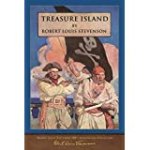
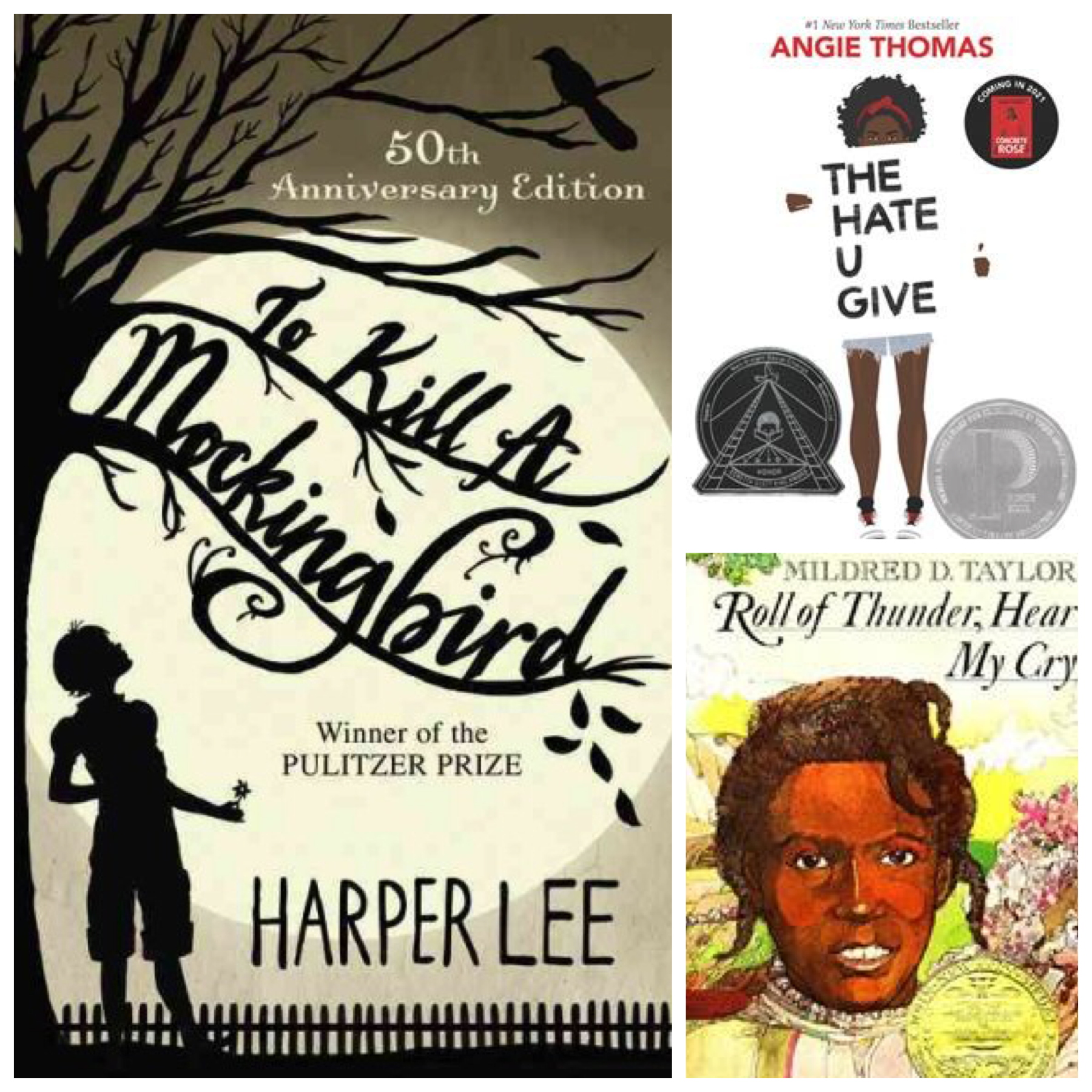
 Many of us have warm fuzzy feelings associated with classics that are deeply problematic. And listen: that is fine. Every reader has the right to read and enjoy the books of their choosing. And I’m certainly not advocating that we should ditch these items from our home collections or our public shelves. That would be censorship, and librarians aren’t cool with that. However, once we as readers become aware that something is potentially harmful, we then have the responsibility to remove or mitigate that harm. That’s why we have big bold warnings on cigarette packaging, and why our normal lives ground to a halt a few months ago in the face of a deadly pandemic. So, how do we handle problematic books? To read, or not to read? There are


 The Cheshire Library Blog