Celebrate Martin Luther King, Jr. Day with Knowledge and Service

January 19, 2015 is Martin Luther King, Jr. Day. In 1994 Congress designated MLK day as a day of service. The MLK Day of Service is the only federal holiday observed as a national day of service. It calls for Americans to work together in order to provide solutions to our most pressing national problems. To learn more about the day check out the official website here.

The titles below include children’s books about Dr. King, fiction and nonfiction books about ordinary people who stand up for what’s right, and stories about helping others and giving back. Then there is a list of books about volunteering, to help choose what avenues we each might want to take in volunteering or service. No matter the day, helping out in the community is rewarding for the volunteer and those it helps. So even if you cannot participate on the designated day, maybe a book can help in finding something you can be passionate about or enjoy while serving the community.

People Who Made a Difference:

1. Child of the Civil Rights Movement by  Paula Young Shelton. A daughter of civil rights activist Andrew Young describes her experiences of growing up in the Deep South at the height of the movement, sharing her witness to the efforts of her father, family friend Martin Luther King, Jr. and thousands of others who participated in the historic march from Selma to Montgomery.


2. March On!: The Day My Brother Martin Changed the World by Christine King Farris.Having led thousands in a march for civil rights to the foot of the Lincoln Memorial on August 28, 1963, Martin Luther King, Jr. made the most of the historical moment by giving a speech that would forever inspire people to continue to fight for change in the years ahead.

3. Through My Eyes by Ruby Bridges. Provides the first-hand factual account of the six-year-old student who made history by having been one of the first black children to attend an all-white, segregated school in the 1960s.

4.Sit-in: How Four Friends Stood Up by Sitting Down by Andrea Davis Pinkney. A picture book celebration of the
50th anniversary of the momentous Woolworth’s lunch counter sit-in, when four college students staged a peaceful protest that became a defining moment in the struggle for racial equality and the growing Civil Rights Movement.

More books on civil rights and how individuals affect change include:The Story of Ruby Bridges by Robert Coles,  I Am Rosa Parks by Rosa Parks, Heroes for Civil Rightsby David A. Adler, Ida B. Wells: Mother of the Civil Rights Movement by Dennis Brindell Fradin and Judith Bloom Fradin, Freedom Riders: John Lewis and Jim Zwerg on the Front Lines of the Civil Rights Movementby Ann Bausum, My Country, ’tis of Thee: How One Song Reveals the History of Civil Rights by Claire Rudolf Murphy, Miles to Go for Freedom: Segregation and Civil Rights in the Jim Crow Yearsby Linda Barrett, The Girl From the Tar Paper School: Barbara Rose Johns and the Advent of the Civil Rights Movement by Teri Kanefield, and Free at Last?: The Civil Rights Movement and the People Who Made Itby Fred Powledge. 

Inspiration to Serve:

1. 50 Ways to Save our Children: Small, Medium & Big Ways You Can Change a Child’s Lifeby Cheryl Saban.Describes how to make a difference in a child’s life, including collecting toys for homeless shelters, donating books to schools and libraries, volunteer work, charitable donations, and starting a scholarship fund.

2. Teens With The Courage to Give: Young People who Triumphed over Tragedy and Volunteered to Make a Difference by Jackie Waldman. Thirty young people tell their stories of overcoming hardship to become volunteers in this inspiring look at a national trend among teenagers.

3. Our Day to End Poverty: 24 Ways You Can Make a Difference by Shannon Daley-Harris and Jeffrey Keenan, with Karen Speerstra.Imagine ending poverty at home and around the globe in our own lifetimes. Imagine your actions combining with others; actions to make poverty history. With originality and imagination, this book invites us to look at our very ordinary days, from waking up in the morning to going to bed in the evening, and to begin to think about poverty in new and creative ways. “Our Day to End Poverty” is organized into 24 “hour/chapter” segments.  Each chapter connects with your day, from breakfast to bedtime, relating these steps to ending poverty to our daily routines. Some times a problem gets to be so big, we feel there is nothing we can do about it. “Our Day to End Poverty” reminds us that if we all do just a little, a lot can get done.

  4. Giving: How Each of us Can Change the World by Bill Clinton. Compiling anecdotes about the diverse charitable efforts of the famous and non-so-famous, the former president looks at the positive influence of such work in every corner of the world and examines the profound benefits of working for the good of others for all humankind.
Looking for more inspiration? Try checking out The Promise of a Pencil: How an Ordinary Person Can Create Extraordinary Change by Adam Braun, Give a Little: How Your Small Donations Can Transform Our World by Wendy Smith, Immersion Travel USA: The Best and Most Meaningful Volunteering, Living, and Learning Excursions by Sheryl Kayne, Green Volunteers: The World Guide to Voluntary Work in Nature Conservation edited by Fabio Asuneda, Volunteering: The Ultimate Teen Guide by Kathlyn Gay, In a Heartbeat: Sharing the Power of Cheerful Giving by Leigh Anne and Sean Tuohy with Sally Jenkins, The Busy Family’s Guide to Volunteering: Do Good, Have Fun, Make a Difference as a Family! by Jenny Friedman, Volunteer Vacations: Short-term Adventures that will Benefit You and Others by Bill McMillon, Doug Cutchins, and Anne Geissinger, or Volunteering: A How-to Guide by Audrey Borus.

Children’s Nonfiction Books about Pets

Do you have a children begging for a new pet, or one that needs to learn a little bit more about the responsibility that comes with the joys of having a pet? Perhaps your youngster just loves all things cute and pet-like and would like to learn a little bit more about them, including some history and wacky facts. Well, which ever inspires you and your child to search for non fiction books about pets, here are some books that you can enjoy together.

1.Presidential Pets: the Weird, Wacky, Little, Big, Scary, Strange Animals that have Lived in the White House by Julia Moberg

2. Pets in America: a History by Katherine C. Grier

3. Oh the Pets You Can Get!: All About our Animal Friends by Tish Rabe

4. Adopting Pets: How to Choose Your New Best Friend by Bill Gutman

5. Pocket Pets by Alvin Silverstein, Virginia Silverstein, and Laura Silverstein Nunn

6. The Royal Treatment: a Natural Approach to Wildly Healthy Pets by Barbara Royal, with Anastasia Royal

7. Underwater Dogs: Kids Edition by Seth Casteel

8. Sneed B. Collard III’s Most Fun Book Ever About Lizards by Sneed B. Collard III

9. 125 True Stories of Amazing Pets: Inspiring Tales of Animal Friendship & Four-legged Heroes, Plus Crazy Animal Antics

10. Why Rabbits Eat Poop and other Gross Facts about Pets by Jody Sullivan Rake

Looking for even more pet fun? Here are a few more books that might fit the bill; My First Guinea Pig and Other Small Pets by Linda Bozzo, Love Your Hamster by Judith Heneghan, Orangutans are Ticklish: fun facts from an Animal Photographer by Steve Grubman with Jill Davis, Do Fishes Get Thirsty? questions answered by Dr. Les Kaufman and staff of the New England Aquarium, How Dogs Really Work!  by Alan Snow, Silkies and other Guinea Pigs, My First Pets Board Book, Safety: with Pets illustrated by Sue Wilkinson, When a Pet Dies by Fred Rogers,  or May I Pet Your Dog?: the How-to Guide for Kids Meeting Dogs (and Dogs Meeting Kids) by Stephanie Calmenson.


Do You Love a Great Tear-Jerker?

Do you love a book that just tears down all your walls and makes you cry? Some weekends or holidays set people in the mood for a book that they need to read alone because books that sad do not make for good company. These are books that just might leave you curled up in a ball, eating too much ice cream, and all out of tissues. Books that make your eyes well up just thinking about them. these are books that make you really cry, not just the token two or three tears or sniffles, I am talking full blown ugly crying. Sounds like torture, I know, but sometimes you just need a good cry. If you find yourself needing that kind of read, these books are sure to deliver.
1. The Fault in our Stars by John Green
2. Hopeless by Colleen Hoover
3. Before I Fall by Lauren Oliver
4. The Lovely Bones by Alice Sebold
5. The Book Thief by Markus Zusak
6. Me Before You by Jojo Moyes
7. If I Stay by Gayle Forman
8. Sarah’s Key by Tatiana de Rosnay
9. The Road by Cormac McCarthy
10. Thirteen Reasons Why by Jay Asher
For more sob worthy reads that stick with you check out: Night by Elie Wiesel, Where the red Fern Grows by Wilson Rawls,  Room by Emma Donoghue, The Sea of Tranquility by Katja Millay, The Sparrow by Mary Doria Russell, See You at Harry’s by Jo Knowles, Islands in the Stream by Ernest Hemingway,  My Sister’s Keeper by Jodi Picoult, Never Let Me Go by Kazuo Ishiguro, A Widow’s Story: a Memoir by Joyce Carol Oates, Bridge to Terabithia by Katherine Paterson, The Giver by Lois Lowry, or Where She Went by Gayle Forman. This is far from a comprehensive list, so if you have a book that you love that also happened to make you cry ugly tears please share it in the comments!

Goodreads Best Book Award Winners Announced!

Every year Goodreads allows its registered members to vote on the best books of the year in a variety of genres and categories. The votes are done in three rounds, each round lasting about a week. This years voting for the final round ended on November 24th. The winners in each category are:

This slideshow requires JavaScript.

Fiction: Landline by Rainbow Rowell
Mystery & Thriller: Mr. Mercedes by Stephen King
Historical Fiction: All the Light We Cannot See by Anthony Doerr
Fantasy: The Book of Life by Deborah Harkness
Romance: Written Down in My Own Heart’s Blood by Diana Gabaldon
Science Fiction: The Martian by Andy Weir
Horror: Prince Lestat by Anne Rice
Humor: Yes Please by Amy Poehler
Nonfiction: The Opposite of Loneliness by Marina Keegan
Memoir & Autobiography: This Star Won’t Go Out by Esther Earl
History & Biography: The Romanov Sisters by Helen Rappaport
Business Books:#Girlboss by Sophia Amoruso
Food & Cookbooks: Make it Ahead by Ina Garten
Graphic Novels & Comics: Serenity: Leaves on the Wind by Zack Whedon
Poetry: Lullabies by Lang Leav
Debut Goodreads Author: Red Rising by Pierce Brown
Young Adult Fiction: We Were Liars by E. Lockhart
Young Adult Fantasy: City of Heavenly Fire by Cassandra Clare
Middle Grade & Children’s: The Blood of Olympus by Rick Riordan
Picturebooks: The Pigeon Needs a Bath! by Mo Willems

Three Holidays to Celebrate, Three Shows to Binge Watch

There are sparkly decorations everywhere, peppermint mochas are appearing at the coffee shop, and your mailbox is crammed with ads for door-buster sales. Yep, it’s the season for the gift-giving celebrations of Christmas and Hanukkah! But you don’t have to belong to any religion to have some fun this season. Here are a few cultural holidays that anyone can enjoy, along with television series to watch for hours on end while you’re off from work and school.

December 23

Festivus

Way back in December of 1997, millions of Seinfeld fans tuned in to watch the episode “The Strike” and were introduced to Festivus, a made-up holiday celebrated by Frank Costanza as a rebellion against the commercialism of Christmas. Fast forward to the present, and lots of people have taken to celebrating Festivus in their homes, dorms, and workplaces. The common rituals of Festivus are as follows:

1) Displaying the Festivus Pole – an unadorned aluminum pole. (You can actually buy these online!)
2) A celebratory Dinner – make anything you like, as long as it’s celebratory.
3) Airing of Grievances – this takes place immediately after dinner is served. Participants take turns complaining about how everyone has disappointed them in the past year.
4) Feats of Strength – after dinner, the head of the household selects a person to challenge to a wrestling match. Festivus officially ends when the head of the household is pinned.

Fun fact: Festivus actually goes back to 1966 when Seinfeld writer Dan O’Keefe’s father first instituted the tradition to celebrate an anniversary, and the family continued to celebrate it whenever Papa O’Keefe felt like it. Instead of an aluminum pole they had a clock in a bag, and they shared a Pepperidge Farm cake decorated with M&Ms

Binge Watch: Seinfeld. What else?

December 26

Boxing Day

Maybe you’ve seen Boxing Day on your wall calendar and had no idea what it was. Let’s Return Unwanted Gifts Day? A fisticuffs tournament over the last piece of pie? Nope! It’s a holiday in Great Britain and almost every place the British settled, except for the U.S. Nobody is sure where the name originated, though some believe it comes from the alms boxes set up in churches during the Advent season (which were then broken open and distributed on the 26th), or from the gift boxes presented to servants who had to work on Christmas but had the following day off.

Whatever purpose it once had, Boxing Day is now a relaxing day off to visit relatives, sit around and eat leftovers, and watch soccer. Among the wealthy, fox hunting used to be a popular Boxing Day activity before the practice was banned in 2004. Those with disposable income now hunt for bargains instead – it has become a huge shopping day, comparable to our Black Friday.

Binge Watch: If you’re not going to tune in to one of 10 Premier League games, pick up a Blu-Ray of The Paradise, a BBC series following a shop girl in Britain’s first department store.

December 26-January 1

Kwanzaa

Born out of the Black nationalist movement, Kwanzaa is a relatively young holiday, created in 1966 by Black Studies professor and activist Maulana Karenga as a way for African American to celebrate their heritage and connect to their community. It fuses elements from numerous African cultures – the term Kwanzaa derives from the Swahili phrase “matunda ya Kwanza” or “first fruits of the harvest,” and draws from the harvest celebrations of the Ashanti, Yoruba, Ibo, and other West African tribes (from which most African Americans have descended). There’s feasting and singing, of course, but the most important part of Kwanzaa is celebration of the seven principles – things like creativity and self-determination – that are represented by lighting one candle each night of the holiday.

Kwanzaa reached its height in the 1980s and 1990s, and about 2% of the U.S. population celebrates the holiday today. However, Americans of any heritage can set out a kinara on the mantle and celebrate our country’s diverse history.

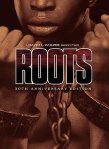
Binge Watch: Roots, Alex Haley’s award-winning exploration of his family’s background.


Which holidays are you celebrating this year?