Guiding Reading What? (What Kind of Reader is my Child, Part Deux)

So, if you read What Kind of Reader is my Child? you will have a  understanding of the general terminology about reading development and where your child might be in the process.  But what about all those crazy level letters and numbers at the end of each definition? Well, here is some of the basic information and resources that can help you get a handle on that part as well. I am going to toss in an extra one, which I know some local schools are assigning to advanced readers.Screen Shot 2014-01-09 at 4.49.43 PMWhich systems you need to pay the most attention to will vary by school. Most schools do use the DRA testing system. However I know that Cheshire, Southington, and Wallingford also use the Fountas & Pinnell Guided Reading Leveling (GRL) system for classroom use. You can use this chart on the Scholastic website to help understand how the levels correspond. You will note that there are even more leveling systems included on the chart, but I am going to focus on the most used systems in our area.

Fountas & Pinnell Guided Reading Leveling system (GRL) starts with level A, being the easiest, and goes up to Z. These levels are based on benchmark assessments or other systematic observations are used to determine the instructional reading level of each student.  Our library offers a variety of fiction and non fiction books from level A through G labeled and sorted by level for check out. Feel free to browse the collection or help finding books, but if you would like help, please stop by the children’s desk for assistance.

Developmental Reading Assessment system (DRA) also starts with level A for the easiest books, but  switches to numeric levels which run from 1 to 80. A child’s DRA reading level is based on is a standardized reading test.  During the test students read a selection (or selections) and then retell what they have read to the examiner. Most of our area schools use this standardized testing system to help gauge reading skills and comprehension, but many combine the information they get from this system with the GRL system.

A Lexile text measure is based on the semantic and syntactic elements of a text. A Lexile reader measure can range from below 200L for emergent readers to above 1600L for advanced readers.  This system tends to be the hardest translate from skill level and rating to book recommendations, at least for me. Most of the focus on these numbers come into play after children are fluent readers. For charts that break down which Lexile ratings are average by grade and further details, I highly recommend exploring their website. The site offers a search tool that allows you to find books based on Lexile level and then limit by age and interests so that you can find reading material for just about any fluent reader.


For more information on the stages of reading development and encouraging reading check out: Early Literacy by Joan Brooks McLane, Gillian Dowley McNamee, Straight Talk about Reading: How Parents Can Make a Difference During the Early Years by Susan L. Hall and Louisa C. Moats,  Matching Books to Readers: Using Leveled Books in Guided Reading, K-3 by Irene C. Fountas and Gay Su Pinnell (reference book that cannot leave the library), The Book Whisperer: Awakening the Inner Reader in Every Child by Donalyn Miller, Games With Books: 28 of the Best Children’s Books and How to Use Them to Help your Child Learn  by Peggy Kaye, Raising a Reader: Make Your Child a Reader for Life by Paul Kropp, and The Between the Lions Book for Parents: Everything you Need to Know to Help your Child Learn to Read by Linda K. Rath and Louise Kennedy.
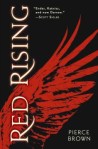
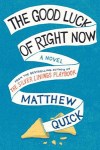
10 Books We’re Looking Forward to in February

Every month, librarians from around the country pick the top ten new books they’d most like to share with readers. The results are published on LibraryReads.org. One of the goals of LibraryReads is to highlight the important role public libraries play in building buzz for new books and new authors. Click through to read more about what new and upcoming books librarians consider buzzworthy this month. The top ten titles are:

  1. Red Rising by Pierce Brown.
  2. The Good Luck of Right Now by Matthew Quick.
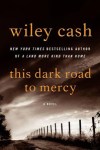
  3. This Dark Road to Mercy by Wiley Cash.
  4. The Martian by Andy Weir.
  5. After I’m Gone by Laura Lippman.
  6. Ripper by Isabel Allende.
  7. The Ghost of the Mary Celeste by Valerie Martin.
  8. The Wife, the Maid, and the Mistress by Ariel Lawhon.
  9. The Winter People by Jennifer McMahon.
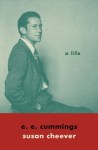
  10. E.E. Cummings by Susan Cheever.

Sports Romance Books

sports heartSports romance books are becoming increasingly more and more popular.   These athletes are generally at the top of their game, rich, and famous.  They are confident, stubborn,  dedicated, focused, passionate, and have a soft side  – which makes them strong, interesting characters.  All of them eventually realize that the love of a woman is what they need to make their life complete.  These stories are not overloaded with sports scenes or terminology.  There is just enough to give you a realistic insight into the sport and the challenges these athletes and the women in their lives face.
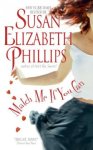
(On a side note:  Model Jed Hill seems the most popular choice for the many “naked chest” covers of sport romance books.  See his “stats” here and his facebook page here.  Enjoy!)

With the  cold days and nights ahead, turn up the heat with a Sport Romance!  Here’s a sampling of some titles available at the Cheshire Library.  Some are series where the first title is listed to get you started, although you don’t need to read them in order.

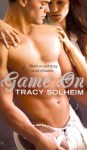
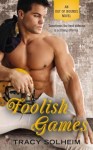
Tracy Solheim’s  Out of Bounds footballseries.  Book one – Game On.  Book two – Foolish Games. The funny, sexy and heartwarming exploits of the Blaze football stars and the women in their lives.

Susan Elizabeth Phillips has a sports series centering around football called Chicago Stars.  The first title is It Had to be You. A sexy, outrageous New York woman inherits a football team.

Let’s Misbehave by Lisa Plumley is a football story centering around Quarterback Cash Connelly and his need to find a nanny.

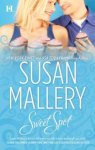
Another football themed title is Sweet Spot (book two of the Bakery Sisters trilogy)by Susan Mallery.  A touching, heartwarming story of a youth football coach and a bakery owner going through hard times.

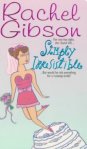
Rachel Gibson has a hockey series, Chinooks Hockey Team.  The first title is Simply Irresistible.  Realisticstory about a hockey jock tamed by an irresistible woman.

Deirdre Martin also has a hockey series, Blades with the first title being Body Check.  Fun, sexy, withwonderful characters and story line.

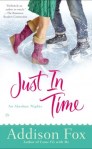
Just In Time (Alaskan Night series) by Addison Fox about an injured hockey star returning to Alaska to heal and try to make things right with the girl back home.

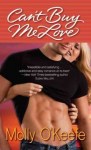
Molly O’Keefe – two of her best poignant and deeply sensual books are hockey stories – Crazy Thing Called Love and Can’t Buy Me Love.

Jill Shalvis offers two baseball theme books – Double Play and Slow Heat. Jill’s books are humorous,sexy and fast reads.

Stealing Home is part of Sherryl Woods’ series Sweet Magnolias.  It’s about a single mom and her son’s baseball coach.

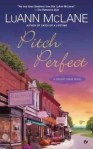
Staying with baseball, Pitch Perfect (A Cricket Creek Novel) by LuAnn McLane.  A hard-swinging baseball team and three hometown heroes try to revitalize the community.

Let Me Be The One by Bella Andre.  Part of The Sullivans – focusing on baseball pitcher Ryan Sullivan.

Pamela Britton has an exciting NASCAR series.  The first title is Slow Burn.  An action packed, sexy read.

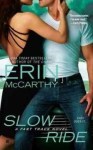
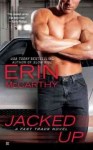
Also in the race car theme – Erin McCarthy’s series, Fast Track.  Try Slow Ride and Jacked UpFast paced, steamy with a touch of humor.

Some miscellaneous sports:

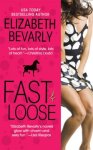
Fast & Loose by Elizabeth Bevarly and The Horsemaster’s Daughter by Susan Wiggs. – Equestrian

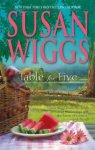
Table for Five by Susan Wiggs – Golf

On Thin Ice by Susan Andersen. – Ice Skating

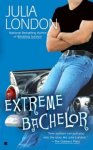
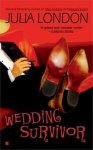
Extreme Bachelor and Wedding Survivor by Julia London – Extreme Sports

Crash Into Me by Jill Sorenson – Professional Surfing

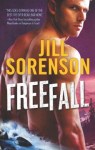
Freefall by Jill Sorenson – Rock Climbing/Kayaking

Match Me If You Can by Susan Elizabeth Phillips – Sports Agent

Causing Havoc by Lori Foster. Her series, SBC, is based on the Ultimate Championship fighting world of bad boys and the women they love.

What Kind of Reader is My Child? (Part 1)

The language dedicated to explaining reading development and skills can quickly become confusing. Part of the trouble is that there are a number of different systems available to measure reading skills, and they rarely translate to other systems very easily. I am going to do my best to explain some of the terms you are most likely to come across, and offer some resources to help you help your child master and enjoy reading.  Lets start with some of the basic terms that are almost universal about the developmental stages of reading. I will tackle the different systems for measuring the skills in a later post.tumblr_n04cig1apM1rmidh1o1_r1_500Aspiring readers, “Pseudo Readers”, or Pre-readers are just beginning to understand the basic ideas of book, print, and the joy of sharing of a book. They are gaining a command of the alphabet along with the ability to recognize and name letters. They are also developing many phonological awareness skills, such as recognizing phonemes, syllables, and rhyme.  They will often pretend reading and telling the story via the pictures on the pages. Reading picture books and board books to your child is a great way to help children in this stage develop their skills and learn to love books.

Early Emergent Readers are beginning to learn sound/symbol relationships,starting with consonants and short vowels,and are able to read consonant-vowel-consonant words, and a number of high-frequency words. Readers in this stage typically are in Preschool through Grade 1 and test to Guided Reading Levels (GRL) A-C, DRA Levels A-3. Picture books and some easy reader books are good choices to help continue your child’s reading development. Read to them and with them as often as you can.

Emergent Readers are developing a much better grasp of comprehension strategies and word-attack skills. They can recognize the difference between fiction and nonfiction, and recognize that reading has a variety of purposes. Readers in this stage have developed an understanding of the alphabet, phonological awareness, and early phonics. They have command of a significant number of high-frequency words. Readers in this stage typically are in Kindergarten through Grade 1 and test to GRLs D-G, DRA Levels 4-12.  It is time to really encourage your child to read to you and themselves, while continuing to read to them to help increase their vocabulary and comprehension.

For Early Fluent Readers or Transitional readers reading is more automatic, with more energy devoted to comprehension than word attack. Readers are approaching independence in comprehending text. These readers are experiencing a greater variety of text and are able to recognize different styles and genres. Independence often varies with the type of text being read. Readers in this stage typically are in Grade 1-2 and test to GRLs H-M, DRA Levels 14-28.  Your child can read to you and themselves more and more now. Encourage reading independence, but do not be afraid to keep reading to them.

Fluent Readers have successfully moved from “learning to read” to “reading to learn.” Their reading is more automatic and includes expression and proper pauses.  These readers read a wide range of text types and do so independently. For the most part, they are capable of improving their reading skills and selection of materials independently through increased practice. Readers in this stage typically are in Grade 3-4 and test to GRLs N-Z, DRA Levels 30 and higher. Keep encouraging them to read and let them explore a variety of books so that they can find the ones they enjoy in order to keep them interested in reading.


For more information about reading development and helping your child both enjoy and excel in reading check out some of these books: Silly Books to Read Aloud by Rob Reid, The New York Times Parent’s Guide to the Best Books for Children by Eden Ross Lipson, Read With Me: Best Books for Preschoolers by Stephanie Zvirin, How to Get Your Child to Love Reading by Esmé Raji Codell, Connecticut’s Blueprint for Reading Achievement: The Report of the Early Reading Success Panel by the State of Connecticut State Board of Education, Raising Confident Readers: How to Teach your Child to Read and Write by J. Richard Gentry, and Growing a Reader from Birth: Your Child’s Path from Language to Literacy by Diane McGuinness.

2014 Children’s and Young Adult Book Awards Announced

The 2014 Children’s and Young Adult book awards were announced Monday January 27 by the American Library Association. And the winners are…

Locomotive by Brian Floca

The Caldecott Award is for the most distinguished American picture book. This year’s Caldecott Medal went to Locomotive written and illustrated by Brian Floca. It is the summer of 1869, and trains, crews, and family are traveling together, riding America’s brand-new transcontinental railroad. These pages come alive with the details of the trip and the sounds, speed, and strength of the mighty locomotives; the work that keeps them moving; and the thrill of travel from plains to mountain to ocean.

Flora & Ulysses: The Illuminated Adventures by Kate DiCamillo

The Newbery Award is for the most outstanding contribution to children’s literature. This year’s Newbery Medal went to Flora & Ulysses: The Illuminated Adventures written by Kate DiCamillo, (who also won in 2004 for The Tale of Despereaux). The squirrel never saw the vacuum cleaner coming, but self-described cynic Flora Belle Buckman, who has read every issue of the comic book Terrible Things Can Happen to You!, is the just the right person to step in and save him. What neither can predict is that Ulysses (the squirrel) has been born anew, with powers of strength, flight, and misspelled poetry — and that Flora will be changed too, as she discovers the possibility of hope and the promise of a capacious heart.

The Watermelon Seed by Greg Pizzoli

The Theodor Seuss Geisel Award is for the most distinguished book for beginning readers. This year’s award went to The Watermelon Seed, written and illustrated by Greg Pizzoli. An endearing little crocodile accidentally swallows a watermelon seed and envisions worst-case scenarios, from vines sprouting from his ears to his crocodile skin turning pink.

Midwinterblood by Marcus Sedgwick

The Michael L. Printz Award is for excellence in literature written for young adults. This year’s award went to Midwinterblood by Marcus Sedgwick. An archaeologist who unearths a mysterious artifact, an airman who finds himself far from home, a painter, a ghost, a vampire, and a Viking: the seven stories in this compelling novel all take place on the remote Scandinavian island of Blessed where a curiously powerful plant that resembles a dragon grows. What binds these stories together? What secrets lurk beneath the surface of this idyllic countryside? And what might be powerful enough to break the cycle of midwinterblood?

For more information and to see the full list of this year’s winners, visit the ALA website.