Solar Punk/Lunar Punk

Blame Cyberpunk.

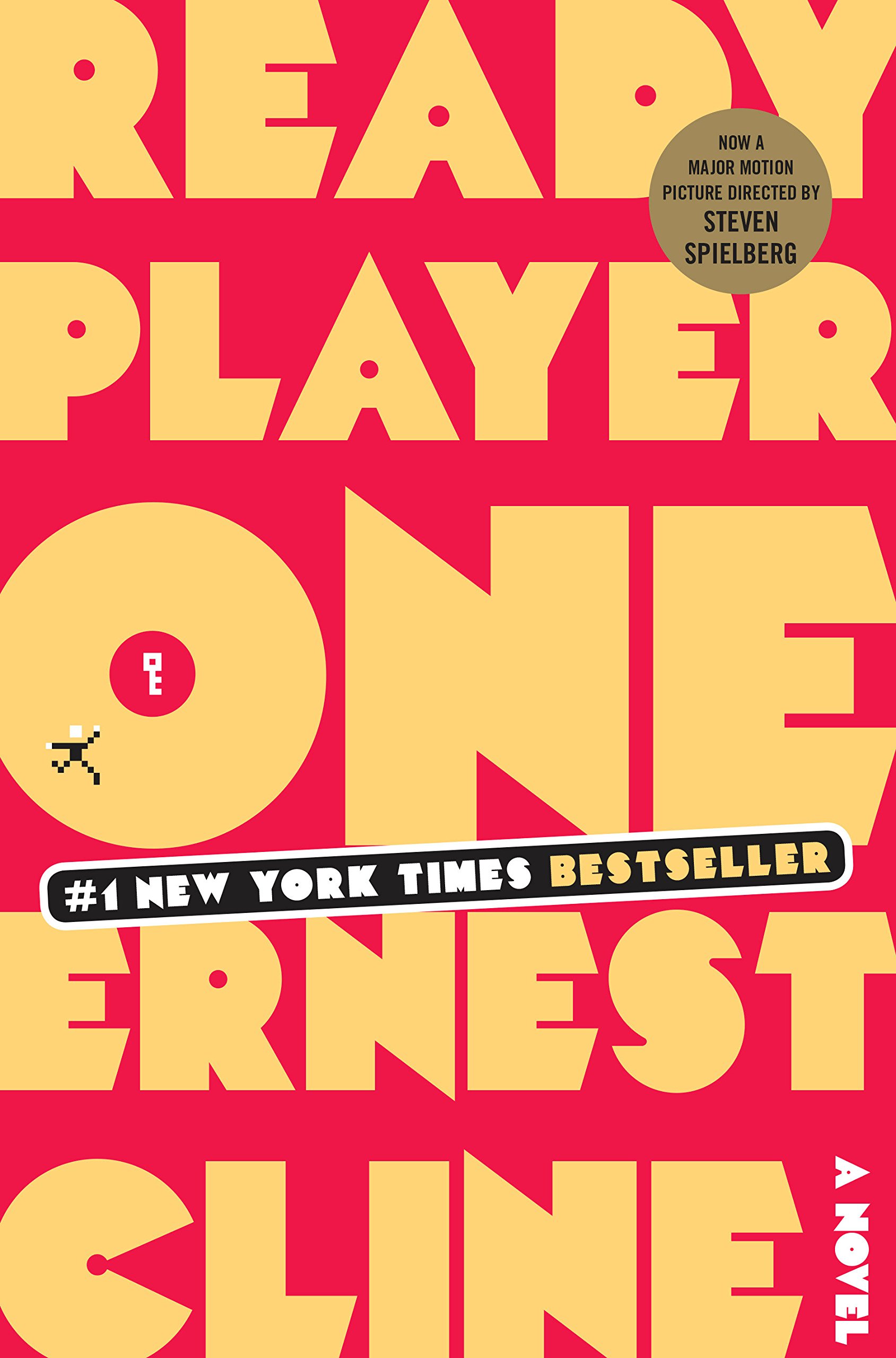
The novel Neuromancer is credited as kicking off the Cyberpunk genre. You may not have heard the term, but you probably know it  – a dark blend of high-tech in a crumbling dystopian world where the poor get poorer and the rich have all the technology – think Bladerunner, Ready Player One, Alita: Battle Angel, Real Steel, Elysium, Guardians of the Galaxy, even Hunger Games and Divergent (you could make a serious argument for Star Wars, as well). They’re gritty, dark, and sometimes disturbing, and paint a not-so-nice view of the future, with emphasis on classism, violence, famine, and a disturbing police state. 

Steampunk is also a well-established fantasy genre, carrying on as if the gasoline engine never materialized and the world was stuck in 1890 and using steam power and copper pipes for everything. They’re wildly imaginative and adventurous – check out Chris Wooding, Boneshaker by Cherie Priest, or Richard Preston Jr., or movies such as Chitty Chitty Bang Bang, League of Extraordinary Gentlemen, or The Golden Compass, among others.  

Since then, just like music has a thousand nitpicky subgenres (Simpsonwave, anyone?), fiction has also fractured into microgenres. Most are so nitpicky they’re pretty much covered under larger categories, but two more are becoming increasingly prominent: Solar Punk and Lunar Punk (Punk seems to be a word thrown in because someone is going against the establishment). Never heard of them? Neither have most people, but the genre is growing and defining itself.

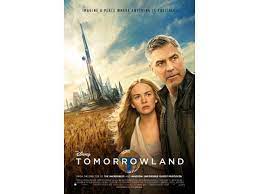
Solar Punk is a backlash against all that dreary doomsday cyberpunk. Solar Punk is full of hope and ecology. Everything is green spaces, clean power, civil rights, encompassing communities, anti-establishment, and personal choice. Renewable energy, harmony with nature, and spirituality are key themes. Solar punk is a view of the future where everything finally does work out, a world where everyone benefits from the progress of mankind, because they’re all in it together. If steampunk is Victorian, Solar Punk is art nouveau. Think Star Trek, The Disposessed by Ursula LeGuin, Ectopia, by Ernest Callenbach, Dune by Frank Herbert, Disney’s Tomorrowland, and Black Panther (is anything more Utopian than Wakanda?).

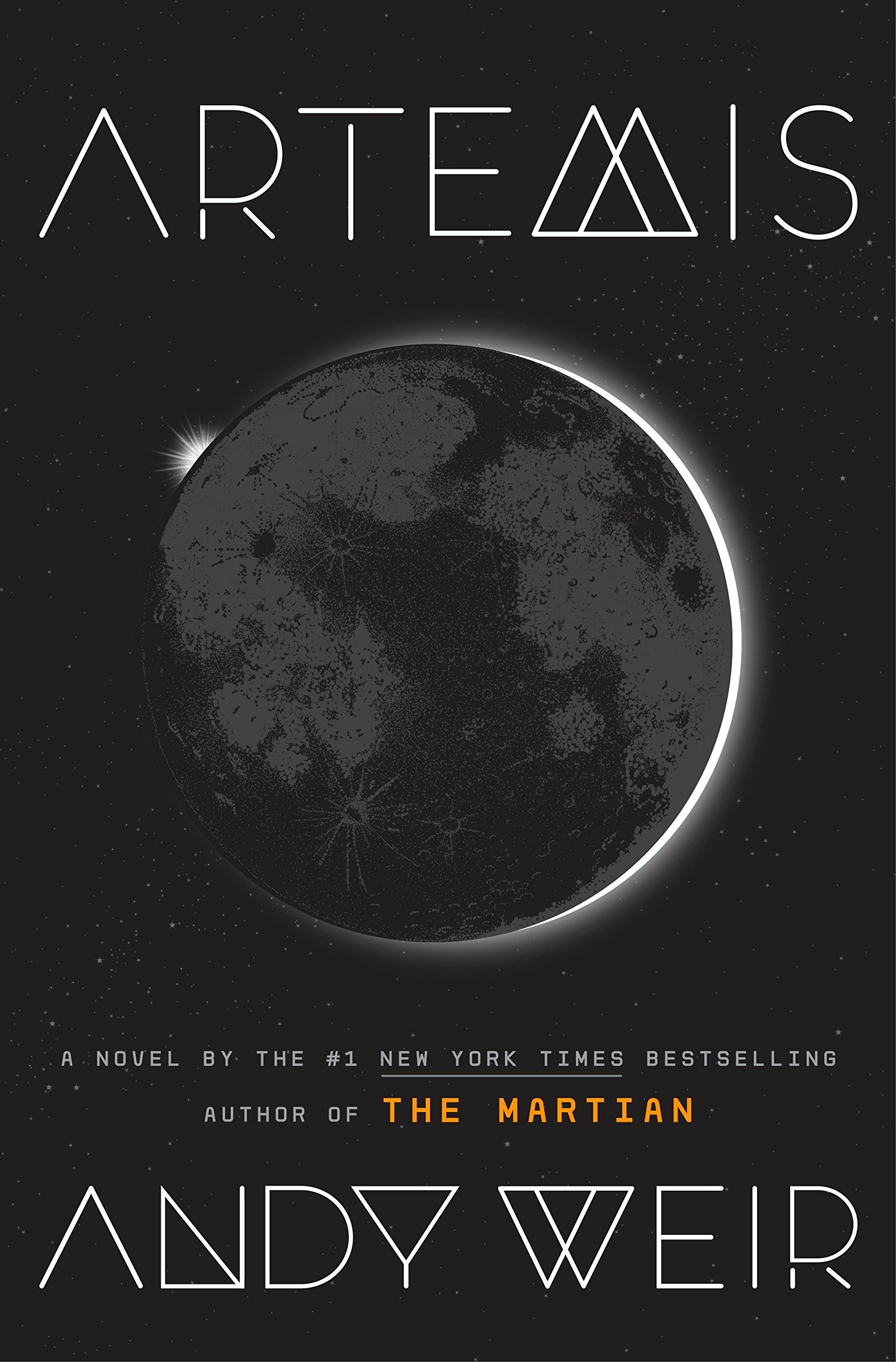
If Solar Punk is all bright lights and butterflies, Lunar Punk is Solar Punk when the sun goes down. It’s moths and the twinkling of fireflies. It’s night-blooming lilies instead of sunflowers. It may be dark but it’s not dreary, like your backyard party at night, with fairy lights everywhere. Lunar Punk often deals more in mysticism, spirituality, magic, and the occult. Their flowers are mushrooms, their light is moonlight, their colors are the blues and purples and silvers of twilight. They have no solar, so they use bioluminescence. Individuals are more important than the communities they live in. The movie Avatar – the world of the Na’vi – exemplifies Lunarpunk. Still utopian, still upbeat ecological fantasy, but out of the bright sunlight. Andy Weir’s Artemis can fall into this category. Many Anime series can fall into these categories.

Solar Punk and Lunar Punk are often categorized together, both supporting the same type of ecologically based, optimistic utopian fantasies, a genre that is growing to match our current promises of renewable energy and inclusive societies. Many of the new teen novels have been exploring the genre. They are the generation who has grown up with recycling, solar chargers, zero-emission footprints and Bald Eagles back in the wild. For them, Solar Punk could very well be the future. Check out some of it today!

What the Stars Read

Do you ever wonder what the movie and TV stars read?

After too long a break, I traveled once again to a multi-media convention in the Baltimore area as both a panelist and guest, giving me unique opportunities to learn about books, movies, television, actors, and other forms of popular media.

Among the topics discussed were the interactions of cyberpunk (tech-heavy stories) and the modern world, stories that cross genres and copyright laws (Is there anyone Scooby Doo didn’t meet? Why is there a Terminator in Wayne’s World?), trends in speculative fiction (Lunarpunk, anyone?), and more. And those were only the ones I was able to attend.

The best part of such gatherings is meeting the guests of honor. Guests can change at any time due to filming schedules or illness (Robert Duncan McNeill was replaced at the last second by John Billingsley, a phenomenally entertaining actor in person, due to McNeill testing positive for Covid), but there are always a number of interesting people making appearances. This year, among many outstanding actors, the guests included Adam Baldwin (Firefly, Chuck, The Last Ship) and Summer Glau (Firefly, Sarah Connor Chronicles, Sequestered, Arrow), and I was able to speak with both of them.

Summer Glau has put acting on the back burner for the moment as she home-schools her children. She herself was home schooled due to an overriding love of ballet, and thus was able to pursue dance more in depth with the flexibility of home schooling, though she admits there are gaps in her learning. I asked her who her favorite authors were, and what she likes to read. Glau is a fan of Steinbeck, especially East of Eden, as well as the classic Russian novelists like Tolstoy, and of course Jane Austen. She prefers her children have a more classical education, and that includes classical literature. She’s been reading books on farming, with daydreams of someday having a small farm (she is originally from Texas).

Adam Baldwin was a delight (No, he is no relation to Alec Baldwin and brothers). At 23, he appeared in the classic Kubrick film Full Metal Jacket, which is one of my favorites, and we discussed different war films we had each seen. He told me to watch The War Machine with Brad Pitt, I told him to watch 9th Company, an excellent Russian film about their 1980 invasion of Afghanistan. We talked about the WWI epic 1917. Baldwin admits he never made it to college, going into acting by the age of 18. His favorite authors? He likes reading Michael Crichton‘s best sellers such as Congo and Sphere, as well as Tom Clancy, and classic Stephen King, such as The Shining. By his own tale, he informed Stanley Kubrick that his film adaption of the The Shining was not as good as the book, which didn’t put him into Kubrick’s favor (Stephen King has been rather vocal on how much he himself disliked the film, despite it being ranked among the greatest horror films of all time).

In public, actors are always answering questions about their work, things they’ve done or would like to do, or nitpicky trivial questions about a single line of dialogue from decades ago that they can’t remember. Finding out what they like to read is a question they haven’t heard a thousand times, and brings out different aspects of the person behind the tabloid reports. Actors are more than just the roles they play, and finding something in common with them reminds us that off camera, they are people just like us!

Bridging the Gap

Bridge Books.

No, not books about bridges. Bridge Books are those that carry a child over from picture books to early chapter books.

Picture books are often beautifully illustrated and tell a story a young child can relate to. The picture holds their interest while they process the story about the picture. The elaborate illustrations can fire their imaginations and make them howl with laughter. No one expects a preschooler to read them by themselves.

But by the age of four or five, the simplicity of a picture book story may bore a child. They want more, but sitting and listening to a long story with no pictures is also not the solution. Enter the Bridge Books, short, easy-to-follow stories that are more involved, but still full of captivating drawings and pictures that keep a child’s attention. Like a picture book, no one expects an emergent or new reader to read these books on their own, but they provide a deeper and longer story than a picture book, and it’s no stretch to finish a chapter or two before bed every night.

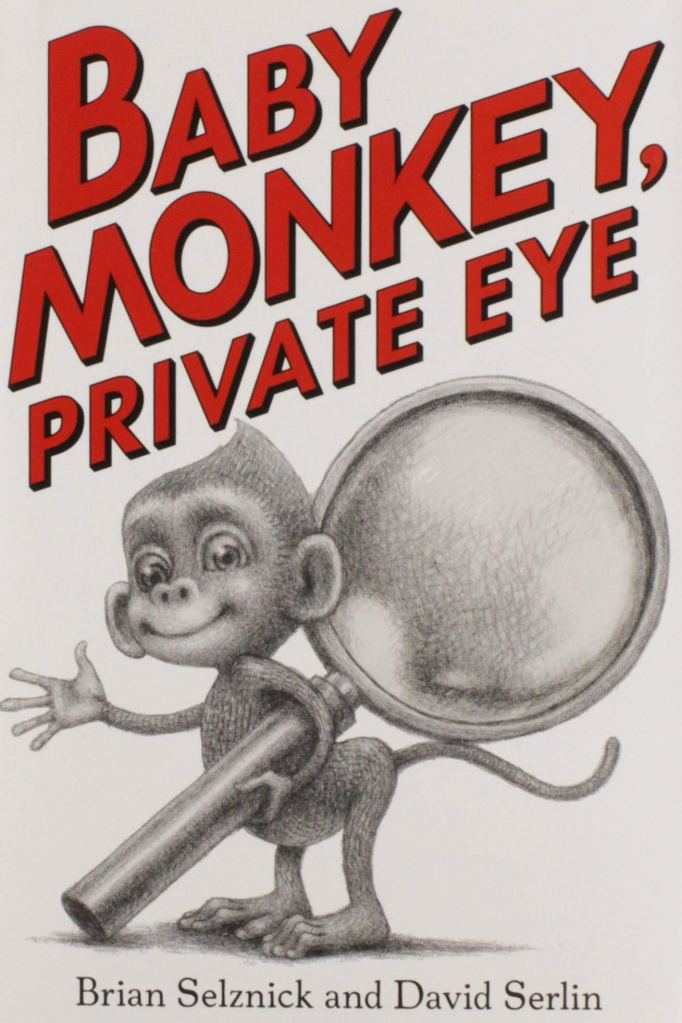
Bridge books come in a wide range of abilities for both the very beginning reader and the more advanced. Perhaps the very first one to start with is Baby Monkey, Private Eye, by Brian Selznick. My four year old couldn’t get enough of Baby Monkey, and still loves to carry the book around, even though she can now decode the words. Baby Monkey, though shelved in with the graphic novels, is the perfect first reader – simple repetitive words, very short sentences, and full illustrations which are loaded with easter eggs. From Baby Monkey we went right to Selznick’s more famous story, The Invention of Hugo Cabret, which is much longer but just as beautifully illustrated with pictures that capture the imagination – and ties into actual film history that you can find on YouTube for added bonus. The movie version of the book, Hugo, is just as wonderful.

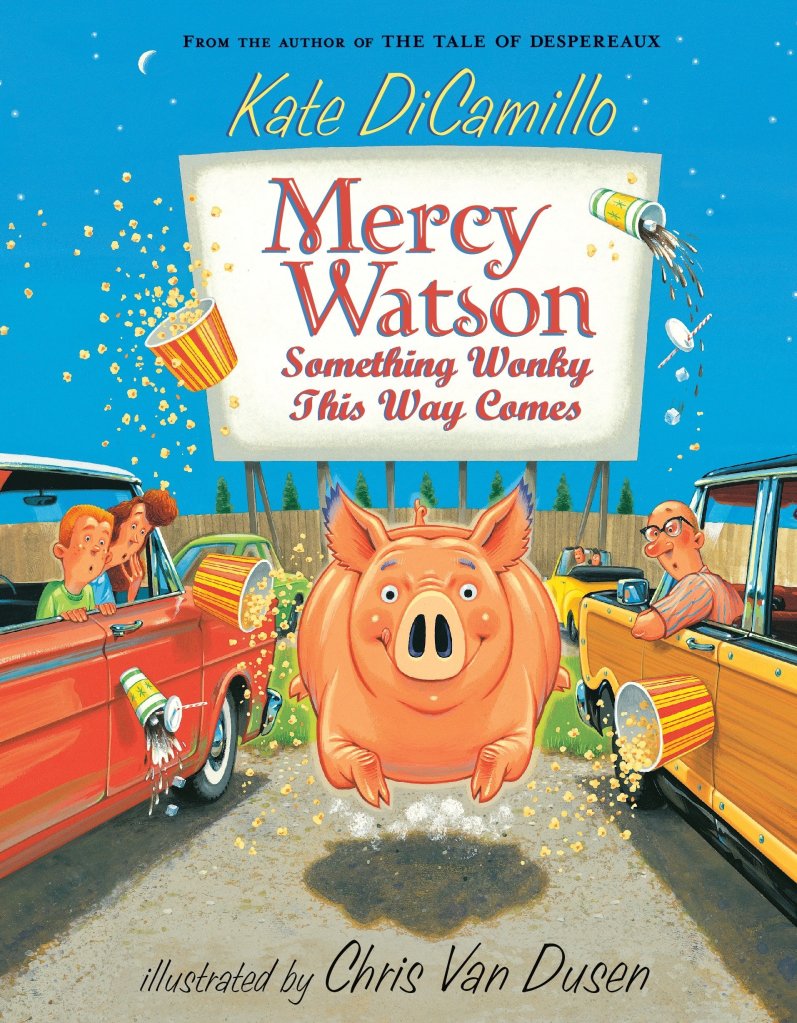
Every child learns and processes information differently, and there is a bridge book for almost every type of learner. Some have color illustrations as clear as a cartoon, others well-rendered pencil drawings, to simple outline drawings or comic-book style artwork. Some are in full-color, others just black and white. Some have illustrations on every page, others every 2-3 pages. If your child is bored by one, let them choose the style of illustration they prefer. As always, nudge your child to go a little deeper into the story – can they predict what will happen on the next page? What would they do instead? If they were best friends with the character, what would they tell them? Draw a picture about the story. Make some toast for Mercy.

For early reading practice, give your child easy readers such as Elephant and Piggie by Mo Willems, Dr. Seuss, or Pete the Cat, but for lengthening that attention span and jumping to the next level of story depth, check out these series of early Bridge Books to read with your child. The picture content is large and frequent, and unlike some of the more advanced bridge series, will not leave you weeping from unbearably painful story lines and prose (You know I’m talking about you, Purrmaids). You might just find yourself sneaking a read on your own!

Quick Reads for Your Fast Paced Life

Lots of people start the summer with impressive reading plans. But as we know, life is busy, and finding time to read can often be a challenge. If you think it’s hard to find something of quality to read that’s under 200 pages, you’re not alone, but guess what? There are a lot of quick reads at CPL that are also good books. You could read any of these in a weekend, keep a few on hand to read when you get a few minutes of downtime. Summer Reading for the win!

  1. The Grownup by Gillian Flynn (63 pages). No time for Gone Girl? This Edgar Award winning short story by the same author is creepy goodness, compacted.
  2. Train Dreams by Denis Johnson (116 pages). Suffused with the history and landscapes of the American West, this book captures the disappearance of a distinctly American way of life.
  3. The Buddha in the Attic by Julie Otsuka (129 pages). Follows the stories of six Japanese mail-order brides whose new lives in early twentieth-century San Francisco.
  4. Heather, the Totality by Matthew Weiner (138 pages.) The story of a collision course between a dangerous young man and a privileged couple who compete for their daughter’s attention.
  5. We Have Always Lived in the Castle by Shirley Jackson (146 pages). A deliciously unsettling novel about a perverse, isolated, and possibly murderous family and the struggle that ensues when a cousin arrives at their estate. A classic.
  6. Sisters by Lily Tuck (156 pages). A new wife struggles with her unrelenting obsession with her husband’s first wife.
  7. Convenience Store Woman by Sayaka Murata (163 pages). A Japanese woman who has been working at a convenience store for eighteen years finds friendship with an alienated, cynical, and bitter young man who becomes her coworker.
  8. Our Souls at Night by Kent Haruf (179 pages). A bittersweet yet inspiring story of a man and a woman who, in advanced age, come together to wrestle with the events of their lives and their hopes for the imminent future.
  9. The Vegetarian by Han Kang (188 pages). A darkly allegorical tale of a woman who decides to stop eating meat, is denounced a subversive, and becomes estranged from those closest to her.
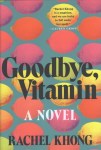
  10. Goodbye, Vitamin by Rachel Khong (196 pages). Newly dumped by her fiance, Ruth moves back in with her parents, whose decline is both comical and poignant.

Teen Book Reviews: Warcross & Call Down the Hawk

Teens: did you know that you can earn community service credit for writing a book review and submitting it to us? Today, we’ll hear from two teens who did just that. Find out more about how to earn community service hours from home at cheshirelibrary.org/teens/.

Warcross by Marie Lu. Reviewed by Ella K.

Warcross is a book perfect for teens and young adults who enjoy science fiction and future societies. The story is set in a world where a young fourteen-year-old boy, Hideo Tanaka invents a pair of highly sophisticated virtual reality glasses called the NeuroLink. The glasses work by tricking the brain into thinking what it is seeing is real. In order to market the product, Tanaka also creates a video game that can be played within the virtual reality construct. This game, called Warcross, involves two teams battling to steal the other’s gem, called an Artifact, while avoiding a series of obstacles and the other team.

Emika Chen, a struggling hacker makes money in the only way that she can with her criminal record, as a bounty hunter. After failing to get a $5000 bounty that would have saved her from eviction, Emika turns to that fake reality to escape her problems. In the process, she accidentally hacks her way into the Warcross international tournament and makes the news worldwide. After this display of talent in hacking into one of the world’s most secure systems, Emika is invited by Hideo Tanaka himself to visit his headquarters in Japan. He offers her a ten million dollar reward to discover the identity of a hacker, nicknamed Zero, who he believes is a threat to the entire NeuroLink system. Emika has to use her hacking abilities, wit, and deception skills in order to remain undercover and thwart Zero.

The creation of this science fiction world is a shift away from the dystopian works that most know Marie Lu for, specifically her work in the Legend series. In this story, Lu showcases her writing and world building abilities by creating a world that many video game players dream of. The book’s plot is enticing outside of the new society that the reader gets to experience. While the betrayals and spy work that the reader gets to experience is captivating, the addition of a romance seems cliche in the midst of the situation that Emika finds herself in. It is well written, but Emika has been a powerful and independent person for most of her life. Her troubled childhood ensured it. Her interest in a powerful man takes away from that aspect of her character in a way. Overall, this hardly takes away from the book, and some readers, particularly those interested in romance, will enjoy the addition.

4 stars.

Call Down the Hawk by Maggie Stiefvater. Reviewed by Mia V.
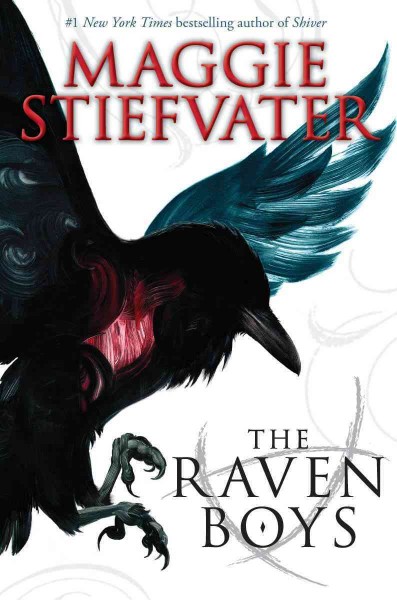
Call Down The Hawk, the first book in the Dreamer Trilogy by Maggie Stiefvater, is a spin-off from the Raven Cycle series, following Ronan Lynch. The original Raven gang has all been split apart due to college, with Adam studying at Harvard, Gansey and Blue taking a gap year to travel and Ronan going off on his own. In the second book of the Raven Cycle, we find out that Ronan can pull objects and creatures (such as his pet raven, Chainsaw) out of his dreams. This power is incredibly rare and powerful, which makes Ronan vulnerable to being killed by those who don’t approve of his power or captured in order to make use of this power.

In Call Down The Hawk, however, Ronan’s power seems to be acting strange. Ronan feels as if he is dying if he is not near the ley lines, or the Barn at all times. Ronan also finds he is being hunted again, as threats loom from all different directions. Ronan meets other people with similar dreaming issues as himself, such as Jordan Henessey, who battles her own fears and nightmares which manifest themselves in real life due to her powers. As Ronan runs from those who want him dead, he also tries to help Hennessey deal with her own issues with her power. Call Down The Hawk takes a break from the search for Glendower and instead dives deeper into Ronan’s power and his own personal struggles both with himself and with his family.

I would definitely recommend this book. I would especially recommend it to someone who has read the Raven Cycle and has loved Ronan. Ronan was one of my favorite characters in the Raven Cycle, so I was very excited when Maggie Steifvater’s new Dreamer Trilogy was released and was set to focus more on Ronan. Although I was expecting the book to take a different direction, I still found the plot interesting and exciting.

4 stars.