 Our first exposure to tornadoes is often watching The Wizard of Oz as a child, though no one but Dorothy has ever reported being transported to a magical land beyond the rainbow. I was 9 when I read the Reader’s Digest account of the April 3-4, 1974 Night of 100 tornadoes, a horrific Super Outbreak of 148 confirmed tornadoes in 24 hours – more than 30 F4/F5’s – which devastated the town of Xenia, Ohio, among others. That kind of thing leaves an impression, even in a magazine.
April is in the middle of tornado “season,” which runs from March to June, when the biggest outbreaks of tornadoes are likely to occur. The United States has more tornadoes, and more violent tornadoes, than any other place in the world – killing an average of eighty people a year, despite our best efforts at early warning. Can they occur in other months? Of course they can. It all depends on the weather, and the weather, as we are aware, has been kind of wacky lately, from extreme drought in California to paralyzing snow and ice in Texas.
 Why the US? When we talk of “tornado alley,” we usually mean a massive stretch of flat land in the center of the country, from Colorado to Pennsylvania, and from Texas to the Canadian border. This is where the majority of tornadoes are born. Can they occur anywhere? Of course they can – CT has had memorable destructive tornadoes (such as the EF1 that wiped out Sleeping Giant in 2018) as well as Florida, Nevada, and Portland, Oregon. Pennsylvania holds the record for the only F-5 tornado east of the Appalachians – that’s winds of 300 mph.
 Why do tornadoes form? Thunderstorms form when warm, moist air (such as from the Gulf) collides with cool dry air (such as comes down from Canada). When the two fronts meet, warm air rises up through the cold, creating storms. If the winds start to rotate in the process, a tornado is formed. Spring is when the warm air starts coming north from the Gulf of Mexico, colliding with the cold Canadian fronts, setting up a highway for storms until summer’s heat chases the cold air back north.
In modern times, with doppler radar, we know when a storm is likely to be powerful enough to cause a tornado (the Wallingford tornado of 1898 killed 34 people, but they had no warning system). If you’re faced with a severe storm, or a tornado warning, if the sky gets that sickly green, get to shelter. Go to a basement if you can, away from windows, under a staircase is a bonus. If you have no basement, go to a place away from windows – a large closet, or a bathroom – many people have survived in bathtubs. If you can, take shelter under a table or something sturdy. Cover yourself with a blanket, to avoid debris or flying glass. If you’re in a car, stop and get to shelter as fast as possible – don’t try to outrun a tornado; you can’t. And no, hiding under a bridge isn’t safe – those 200 mph winds will blow you right out from under there. Please don’t leave your animals chained outside. They’re scared, too.
Whether you’re an armchair weather-watcher, or like reading about disasters, here’s a number of tornado-related stories and films you might enjoy – with one eye out the window (No, there has never been an actual Sharknado. Frogs and fish, but no sharks. Sorry).
Books:
- The Stormchasers
- Trials of the Earth
- Promise
- Chasing the Storm
- 100 Greatest Disasters of All Time
- Storm Kings
- After the Storm
Videos:
 I’m no gardener. Sure, I have flowers all over my yard, I grow enough vegetables to bother canning, but I consider that a miracle of nature, not anything I do. I throw some plants in the ground, and if they’re lucky I remember to water them in the heat of summer. If they’re REALLY lucky, I may actually fertilize them. The only thing I try hard to remember to keep fertilized is my tulips, because my soil is two steps shy of toxic, and tulips like sunlight and fertilizer, and my tulips are spectacular (my soil is so bad that the only reason my flowers look good is because in our second year, we scraped away all the soil and replaced it with 5 cubic yards of new soil. Move away from the new soil, and the plants don’t do well).
 gardens will outdo themselves (Not likely. I planted 150 croci, and 8 survived). I pour over the catalogs and dream of a yard landscaped out of a high-end advertisement, wanting to buy 50 of those beautiful flowering plants, only to sigh when the ad says they cost $30. A plant.
 I prefer to purchase my seedlings from local nurseries – they have a much better shot at living – but I dutifully fill a tray or two of seeds with the kids in late winter, hoping to inspire a love of nature, and maybe a greener thumb. It doesn’t take much – a $2 packet of carrot seeds, a glass container, and you can watch roots grow as well as green leaves. Sadly, planting seeds and watching them grow doesn’t always inspire kids to eat that vegetable. Plants can be started in egg cartons, yogurt cups, red Solo cups, even eggshells – seeds, as you can tell from the cracks of pavement, aren’t fussy on where they sprout, though you may have to move them to a bigger cup if you’re using eggshells. If nothing else, it gives the kids something to do on a dreary day.
 cheapskate in me says plant seeds for the most expensive plants you want to grow, but that doesn’t mean the seeds will take. I’ve planted enough catnip seeds for a jungle, and just five plants finally grew – outside, not in a pot. I could mention morning glories, but morning glories are a lifetime commitment; they can be invasive, and even if you plant them only once, you might be yanking up sprouts for the next 10 years. These are some of the best seeds to grow with kids, and some books to help you once they’re past their leafy infancy. Give it a try!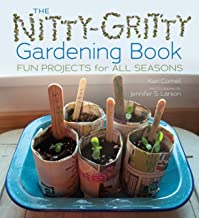
 High-Yield Vegetable Gardening
 atoes
atoes I used to enjoy cooking and baking once, but life happened (as it does), and over the years it evolved from a fun hobby into a chore. I’ve bounced back from my low point of lockdown-era frozen buffalo chicken strips, but cooking is still not something that brings me joy. Even when I try new recipes. No, especially when I try new recipes. There’s too much thinking, too many variables, not enough autopilot. I groan whenever my produce subscription boxes send me yet another unidentifiable root vegetable that requires a consultation with the internet. And if a new recipe starts going sideways – I’m looking at you, butternut squash gnocchi that I made for Christmas – I tend to season the cooking process with a heaping spoonful of expletives.
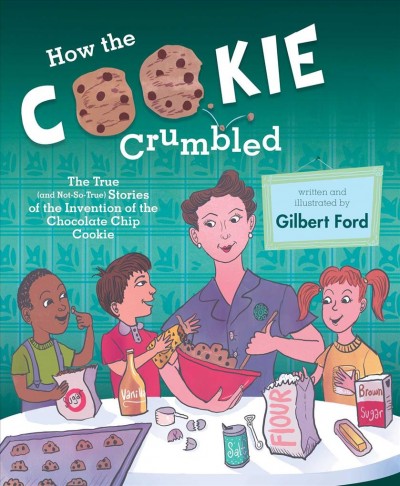



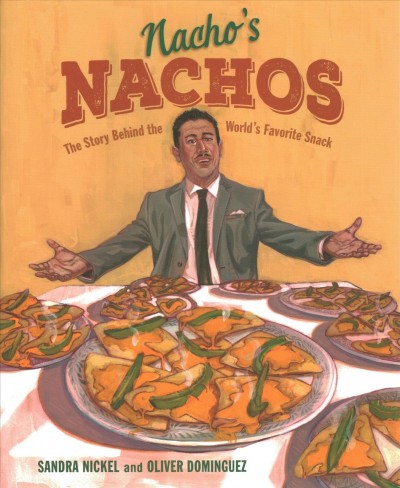 Celebrating 80 Years of Nachos, this book introduces young readers to Ignacio “Nacho” Anaya and tells the true story of how he invented the world’s most beloved snack in a moment of culinary inspiration.


 Were you glued to your screen on Feb. 18, 2021, when NASA’s Mars Perseverance rover made its final descent to the Mars? This is the first rover mission designed to seek signs of past microbial life. Earlier rovers first focused on and confirmed that Mars once had habitable conditions. The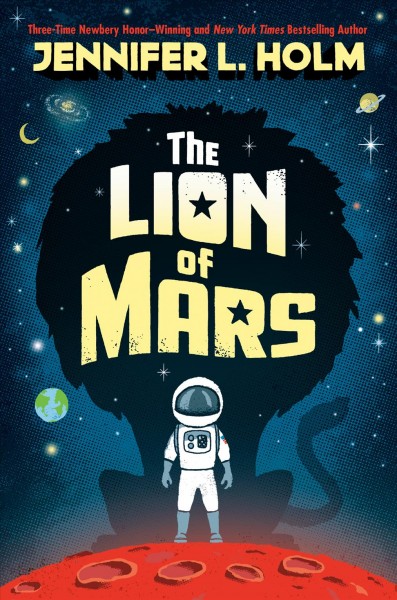




 4.
4. 



 10.
10. The Cheshire Library Blog