Our teen librarian, Kelley, has some book recommendations for those who like their fantasy with a dash of humor.
While most folks may not head to fantasy novels for the laughs, there are lots of fantastical books out there that provide some escapism and comic relief at the same time. Here are fifteen delightfully funny fantasy books that shake up the genre– there are high fantasy parodies, taking on tropes of faux-medieval fantasy worlds, sometimes with a meta-fictional twist. Then there are satirical takes on urban fantasy and the paranormal, tongue-in-cheek updates of myths and fables, and books that are just plain funny and/or weird. So if you need a break from the darker end of the fantasy spectrum, consider one of these triumphs of fantastical humor and get ready to fall down a rabbit hole of laughter and wonder!
The Amulet of Samarkand by Jonathan Stroud . If you somehow missed out on reading the Bartimaeus Sequence when you were younger, now is the time to read it. If you read it as a kid, now is the time to read it again (and pick up on all the historical jokes that whizzed over your head the first time around). It all begins when a magician’s apprentice decides to skip ahead in his studies and secretly summon a 5,000-year-old djinni for his own purposes. Unfortunately for him, this djinni happens to be the snarkiest magical being the world has ever known, and he is none too happy to be working for a bratty kid. A novel of alternate history, magic, and sarcasm which successfully bridges the divide between children’s and adult fiction.
The Big Over Easy : a Nursery Crime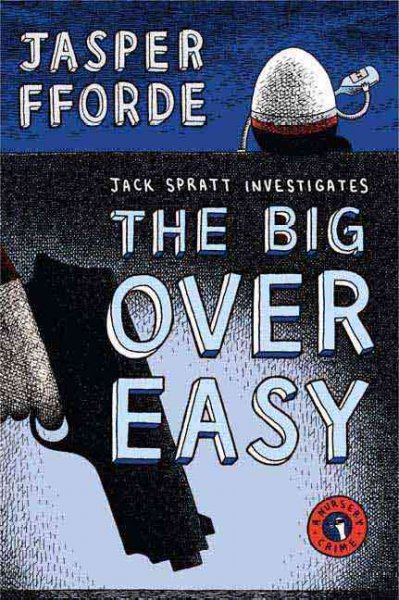 by Jasper Fforde. Humpty Dumpty, a known ladies’ man, has been found dead next to a wall. Did he fall… or was he pushed? It’s up to Inspector Jack Spratt, head of the Nursery Crime Division, and his partner, Mary Mary, to find out all the dirty details. The Big Over Easy is brimming with wit and word-play, as well as clever references to pretty much every fairy tale or fable out there (and also there are aliens, somehow?). It’s a smart, literary, pun-laden riot, with a genuine mystery at its heart.
 The Blacksmith Queen by G.A. Aiken. Keeley is a blacksmith who doesn’t pay much mind to the old king’s passing and a prophecy declaring that the new sovereign will be a queen to usurp the kingdom’s princes. War is good for her business. But she has to start caring when she discovers that the prophesied queen is her younger sister, and a band of mountain warriors are determined to see her on the throne. Powerful women, irreverent snark, and humor are layered into bloody battle scenes- it sounds unlikely but somehow the author pulls it off. Romance takes a back seat to the main storyline and the hilarious interactions between all of her characters- sit back and enjoy a sometimes gory, truly funny feminist romp that just screams girl power.
Carry On : the Rise and Fall of Simon Snow by Rainbow Rowell. Simon Snow and his roommate Baz are mortal enemies. Simon is the Chosen One, and Baz is evil, but they have their routines and when Baz goes missing, Simon is concerned. It’s their last year at the Watford School of Magicks, and Simon’s infuriating nemesis didn’t even bother to show up. Carry On is a ghost story, a love story and a mystery. It has just as much kissing and talking as you’d expect from a Rainbow Rowell story – but far, far more monsters.
Gideon the Ninth by Tamsyn Muir. Set on an abandoned space station, Gideon is a sword-fighting cavalier sworn to protect her worst enemy as she uses necromancy to figure out how to win the emperor’s competition. The winners get immortal life, but it’s not an easy prize to obtain, especially when the murders begin. Gideon the Ninth is too funny to be straight horror, it’s a mix of science fiction and fantasy, and is much more gory than your average romance. It is gothic and irreverent- brilliantly original, messy and weird straight through with surprising depth and appeal.
Good Omens by Neil Gaiman and Terry Pratchett. Someone has misplaced the Antichrist. But, according to “The Nice and Accurate Prophecies of Agnes Nutter, Witch” the world is to end next Saturday. And only Aziraphale, a finicky angel, and Crowley, a chilled out demon, seem to have any problem with that. Comedic fantasy great Terry Pratchett teamed up with Neil Gaiman, another all-time master of the genre, to create top-notch apocalyptic humor. This book is laugh-out-loud funny, and it doesn’t skimp on the plot, either. Plus, not only is the situation a hilarious, horrifying mess, but the characters are some of the most memorable in any genre. (Check out the BBC series once you’ve read the book!)
The Hike by Drew Magary. An epic fantasy adventure with a simple premise: a guy gets lost in the woods. But getting lost turns into a journey across a strange world populated with hungry giantesses, witheringly sarcastic crabs, dog-men, and dwarves. In short, things get very, very weird. One of the strangest and funniest fantasy sagas unlike any you’ve read before- weaving elements of folktales and video games into a riveting, unforgettable tale of what a man will endure to return to his family.
The House in the Cerulean Sea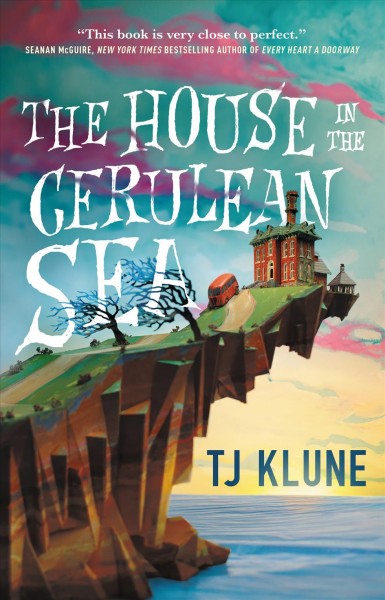 by TJ Klune. Linus Baker works in the Department in Charge of Magical Youth, and his latest assignment is rather odd: He must travel to Arthur Parnassus’s orphanage and evaluate six children to determine what the chances are that they’ll bring about the end of the world. But when Linus arrives, it’s clear that Arthur is safeguarding some pretty big secrets about these children, and will do whatever it takes to keep them safe. A balance of crazy humor, a keen sense of storytelling, and a gentle romance infuses this tale of found family, the importance of kindness and the courage to speak up for those who need it most.
Kings of the Wyld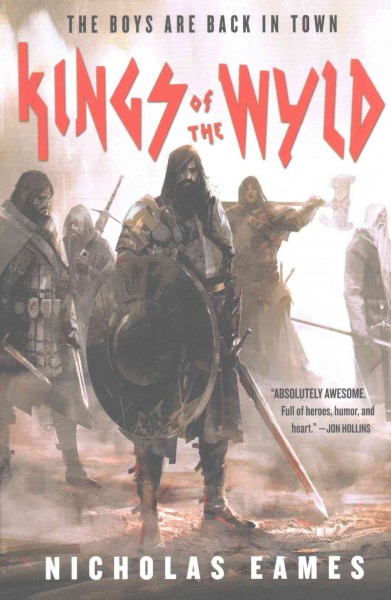 by Nicholas Eames. Clay Cooper and his band were once the best of the best, the most feared and renowned crew of mercenaries this side of the Heartwyld. Their glory days long past, the mercs have grown apart and grown old, fat, drunk, or a combination of the three. Then an ex-bandmate turns up at Clay’s door with a plea for help–the kind of mission that only the very brave or the very stupid would sign up for. It’s time to get the band back together! A comedy, an adventure tale, a consideration on growing older, and rock ‘n roll all rolled into a fantastically original romp of a book.
 The Princess Bride by William Goldman. Rich in character and satire, the novel is set in 1941 and framed cleverly as an “abridged” retelling of a centuries-old tale set in the fabled country of Florin that’s home to “Beasts of all natures and descriptions. Pain. Death. Brave men. Coward men. Strongest men. Chases. Escapes. Lies. Truths. Passions.” This is one of the most unique books you will ever read: a cynical, ironic, hysterical, and somehow stunningly romantic fantasy novel (and don’t miss out on watching the movie!).
Small Gods by Terry Pratchett. Terry Pratchett is the master of the fantasy humor genre, so it’s hard to go wrong with any book from his Discworld series. The Discworld is, of course, a flat disc balanced on the backs of four elephants which are standing on the back of a giant turtle, and it’s populated with some of the funniest oddballs that fantasy has to offer. Small Gods is not the first book in the series, but it’s a stand-alone novel set in the Discworld, and it’s got some of Pratchett’s absolute sharpest wit. The Great God Om has run into a bit of a problem: How do you go about being a god if no one believes in you?
Sorcerer to the Crown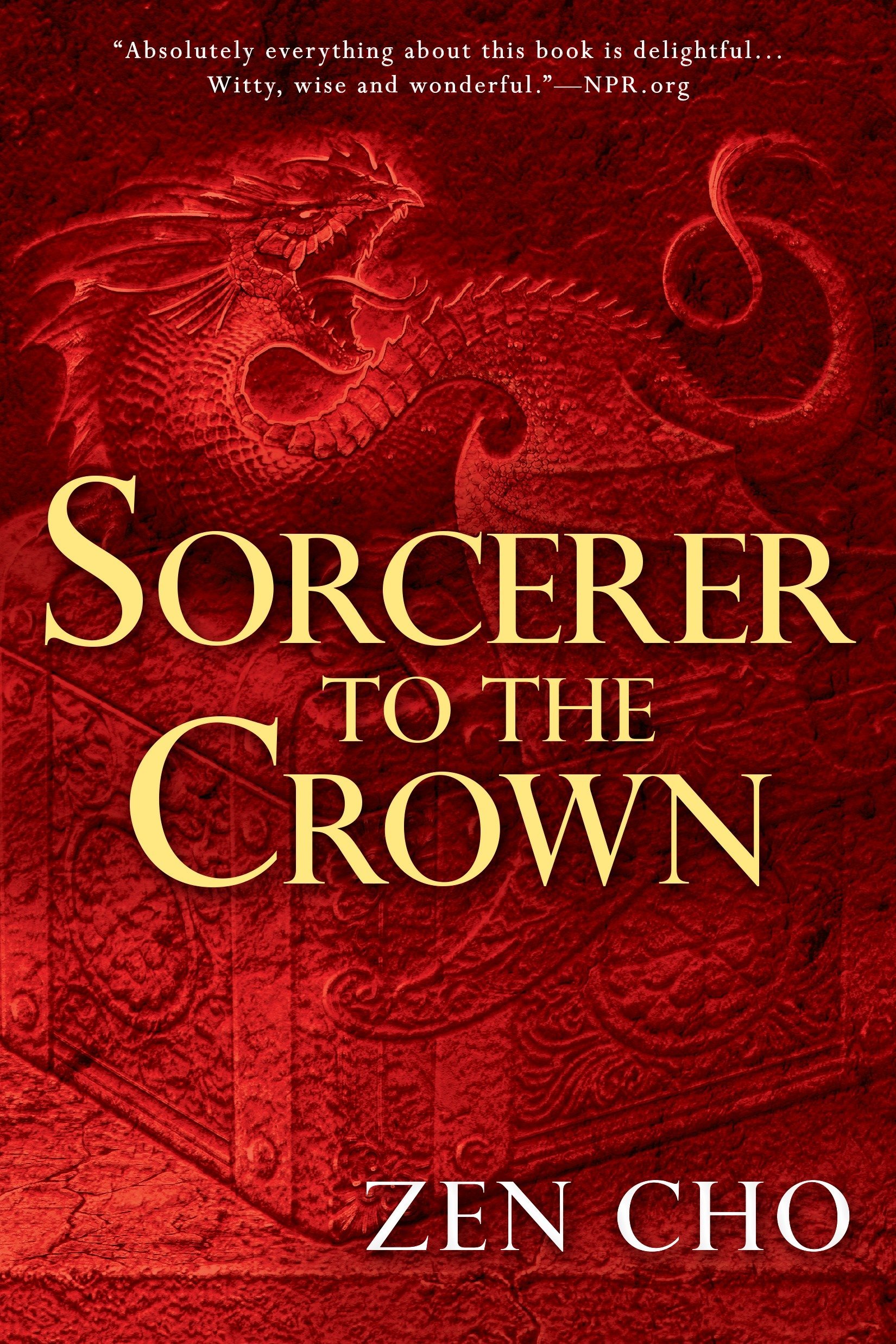 by Zen Cho. In Zen Cho’s witty debut novel, Zacharias Wythe is the Sorcerer Royal of the Unnatural Philosophers, tasked with overseeing that all magic in England is kept in balance. But when magic drains away, he goes to the edges of fairyland to discover the cause–and meets a young woman with formidable powers that he won’t soon forget. A wonderful and charming book that combines regency romance and fantasy while at the same time exploring some of the problematic aspects of those genres in regards to race and gender. It examines the relationship between politics and power all the while managing to remain light, delightful, endearing, and funny.
Soulless by Gail Carriger. All of Gail Carriger’s Victorian steampunk novels populated with vampires and werewolves are hysterically funny, but you might as well start out with her debut novel and the first in the Parasol Protectorate series. Lady Alexia Tarrabotti is a spinster, and she’s soulless- her touch renders an immortal mortal. For that reason she’s feared, but when someone tries to kill her, she must work with a brooding werewolf earl in order to get to the bottom of the mystery. Light-hearted and fast-paced, Soulless is a mix of historical fantasy and paranormal romance with a touch of screwball comedy you won’t want to put down.
To Say Nothing of the Dog : or How We Found the Bishop’s Bird Stump at Last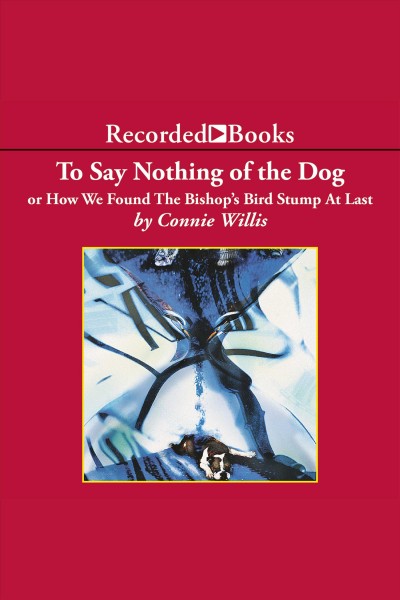 by Connie Willis. The invention of the time machine has opened up the past to historians in a way that their forebears could only dream of. There are rules, though: You aren’t supposed to bring anything back with you from the past- least of all a cat. Now an overworked Oxford Don has to return to the 19th century to set things right. A comedic frolic through an unpredictable world of mystery, love, and time travel.
Welcome to Night Vale : a Novel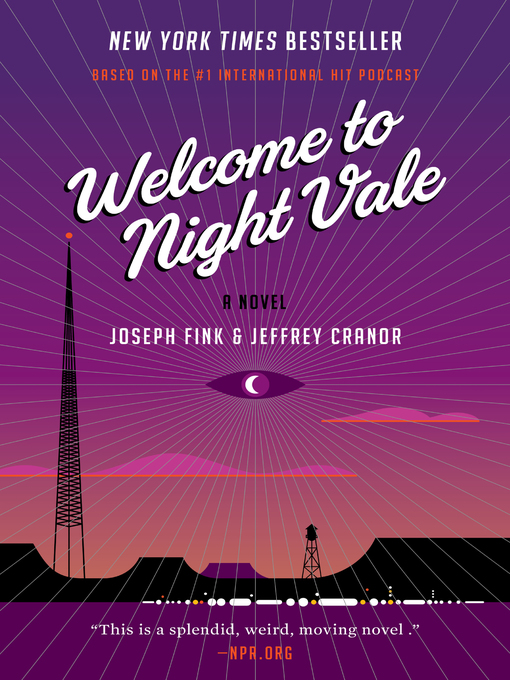 by Joseph Fink and Jeffrey Cranor. Located in a nameless desert somewhere in the great American Southwest, Night Vale is a small town where ghosts, angels, aliens, and government conspiracies are all commonplace parts of everyday life. Whether you’re a fan of the strange and upsetting Welcome to Night Vale podcast or you’re new to Night Vale and its quaint desert conspiracies, it’s never a bad time to visit Night Vale. As their tourism board says, “We’ll show you the fun in a handful of dust!” Night Vale is the hysterical, paranormal Gothic novel you never knew you were looking for (but it’s most certainly been looking for you).







 When the
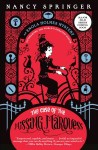
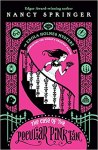
  Enola Holmes is the much younger sister of Mycroft and Sherlock Holmes, whom she admires but rarely sees. Raised by her mother in a very unconventional way, and often left to her own devices for extended periods of time, Enola has a skill set not normally found in young ladies of her era, with a particular talent for cryptology. In 1900, on her 14th birthday, her mother mysteriously disappears, leaving coded clues behind. Enola sets out to solve the mystery of her disappearance, much to the consternation of her brothers, who want to put her into boarding school and make a proper lady out of her. She is in hiding from them for most of the series, and it’s fun to watch Enola outsmart the brothers who think themselves so much smarter than her.
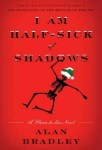
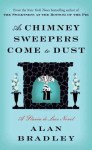
 Flavia de Luce is an 11-year-old girl in 1950 who lost her mother when she was a baby. She lives with her largely-absent father and two annoying older sisters on an English country estate that’s seen better days. Flavia’s upbringing is also quite unconventional, and she spends much of her time indulging her passion for chemistry, becoming quite an expert in poisons through the many experiments she conducts in her laboratory. Flavia’s obsession with the gruesome and deadly along with her need to get to figure out why things happen is a by-product of losing her mother at such an early age; indeed Harriet de Luce remains a presence in the sad little family throughout the series. While this could be maudlin, it is never overdone, and Flavia’s determination to make sense of events in the world around her drives everything she does. She is the definition of “pluck”.









 Ah, it’s October. We’re all reaching for our big thick cardigans (at least, that’s what we librarians are doing), admiring the mums and pumpkins at the local nurseries, and wondering why pie spices keep showing up in places they don’t belong. But if you’re anything like me, you’re more intent on finding something more than that chilly evening wind to send a shiver down your spine. Yep. I’m talking horror stories.
 Scary Stories to Tell in the Dark
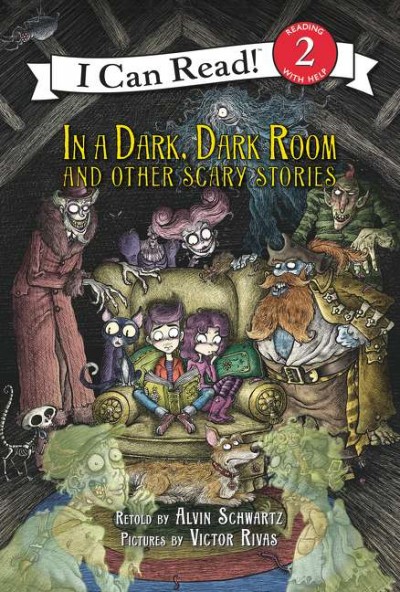 In a Dark, Dark Room
 Eerie Elementary
 The Jumbies
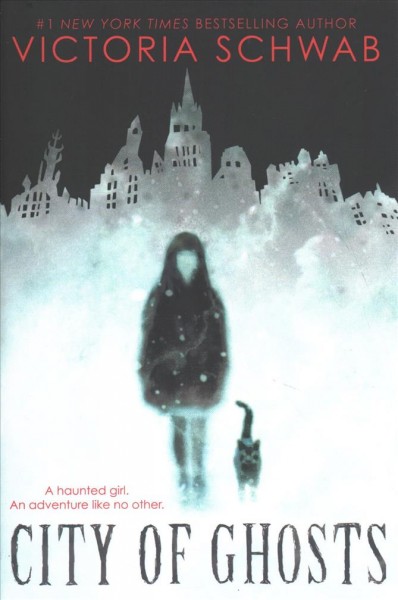 City of Ghosts
 The Girl in the Locked Room
 The Peculiar Incident on Shady Street
 Scary Stories for Young Foxes
 Ghosts
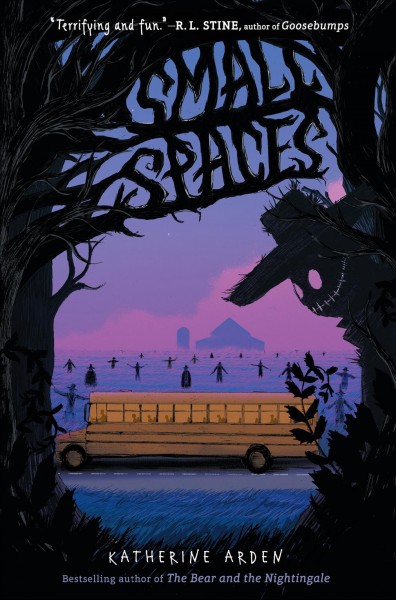 Small Spaces
 The Song from Somewhere Else


 Fake news, Propaganda, and Plain Old Lies : how to find trustworthy
  Merchants of Truth : the business of news and the fight for facts
 The Smear : how shady political operatives and
  21 Lessons for the 21st Century
  What’s Fake News?
