From our Deputy Director Deb, who is is also our gardening expert:
 Late last summer I visited the Charlotte Rhoades Park Butterfly Garden in Southwest Harbor, Maine. Full of color from both the flowers and the many butterflies it was designed to support, this garden was an inspiration. I thought of it often in the ensuring months but a major gardening project seemed like more than I would be able to manage at this point in my life.
The came the coronavirus. Remember March when the state shut down? Then there was April with empty shelves and Governors Cuomo and Lamont’s daily news briefings. May didn’t bring a lot of relief. It was starting to seem obvious that we would be in this situation for the long haul. I needed to do something positive and thought again about the Charlotte Rhoades garden. Maybe this would be the year to pull this off. To plan a garden is to plan for the future, a future that exists outside of the news cycle. The world was a mess and I couldn’t do anything about it, but I could create a garden that would support and nurture the wildlife in my small corner of the world.
Each night for weeks I fell asleep thinking about plants and butterflies and birds. If I started to worry about the coronavirus, I turned my thoughts instead to the Jersey Tea shrub I had just ordered. Or those beautiful fall-blooming asters that would be covered with bees and butterflies come September and October. Or the big clumps of Verbena bonariensis I planned to scatter throughout my garden.
 I read books and looked at websites about creating pollinator gardens and sketched out a plan for an irregularly shaped garden about 50 feet long and between 12 and 20 feet wide. There was an existing spruce and 2 shrubs from an earlier planting scheme. And I wanted to incorporate a number of plants from another garden. A 50-foot garden may sound large
  but it wasn’t nearly big enough for the dozens of plants that I wanted to include. I made list after list. And then crossed out most of the plants on the lists until I had a workable plan. At this point, it was late April and time to get busy.
There were challenges, as there are with any garden. My location was a sandy hillside next to our driveway  that turned out to have been a town dumping ground for road sand and hunks of old macadam from long–ago repaving projects. We had to remove the sand and junk from the planting area for each shrub or perennial (there were dozens) and replace it with decent topsoil. This was hard work! Luckily for me (though not for him), my 28-year-old son was stuck at home and was willing to help. He did mo
 st of the heavy excavating and moving of soil, alI I had to do was plant, mulch, weed and water. Months later, my garden is taking shape. It has been full of bees in all shapes and sizes as well as butterflies. As I write this, a flock of goldfinches is busy pulling the seeds out of the fading liatris and coneflowers. And I am busy thinking about how to improve the bloom sequence and plant variety in the garden. As any gardener knows, a garden is never completed.
Want to plant your own wildlife garden? There are many wonderful resources online. Check out the website for the Xerces Society for information and plant lists. American Beauties Native Plants, a wholesale nursery partially located in Connecticut, also has great plant lists.
Many of our area nurseries carry native plants such as coneflowers, liatris, asters and goldenrods. Some natives can be more difficult to find. Natureworks, the organic nursery in Northford, had a great selection of milkweeds and asters earlier in the season. Their website also offers lots of excellent information on gardening to support pollinators and butterflies. If you can’t find the plants you need locally, try Prairie Moon Nursery in Minnesota. They have been around for 40 years and supply over 700 North American species.
Consider joining a local gardening club. Members are knowledgeable and experienced gardeners who are happy to share their experience. Many clubs offer a wide range of educational programs. Cheshire has 2 garden clubs, the Cheshire Garden Club and the Suburban Garden Club.
Gardening has benefits beyond improving the beauty and utility of your yard. Check out this recent New Yorker article on the therapeutic power of gardening.
The library has numerous books on planning gardens for pollinators, butterflies and birds. Search the catalog using keywords such as “pollinators”, “native plants”, “xeriscaping”and “gardening for birds” .
Here are a few :
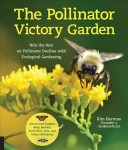




100 Plants to Feed the Bees : provide a healthy habitat to help pollinators thrive by the Xerces Society
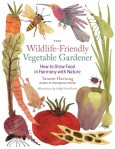
The Wildlife-friendly Vegetable Gardener : how to grow food in harmony with nature by Tammi Hartung
Native Plants for New England Gardens by Mark Richardson
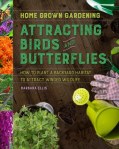
Attracting Birds and Butterflies : how to plant a backyard habitat to attract winged wildlife by Barbara Ellis
Garden Secrets for Attracting Birds : a bird-by-bird guide to favored plants by Rachael Lanicci
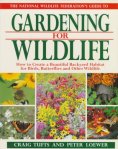
The National Wildlife Federation’s Guide to Gardening for Wildlife : how to create a beautiful backyard habitat for birds, butterflies, and other wildlife by Craig Tufts and Peter Loewer
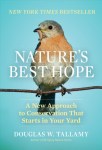
For inspiration and specific suggestions for what you can do in your own yard to support wildlife (hint: it involves planting more natives), read Douglas Tallamy’s books Bringing Nature Home and Nature’s Best Hope: A New Approach to Conservation That Starts in Your Yard.
 Beach Read
 Dance Away With Me
 Chasing Cassandra
 Party of Two
 Boyfriend Material
 Daring and the Duke
 Hideaway
 Something to Talk About
 mance
mance Undercover Bromance
 The Boyfriend Project
 It may have been delayed by a pandemic, but you can’t keep baseball down forever. The season officially kicked off at the end of July this year, with a few crucial changes. Most significantly, there will be no fans in the stands, and the season will be shortened to a mere 60 games. But in a time when any sense of normalcy is something to cling to, baseball is back!











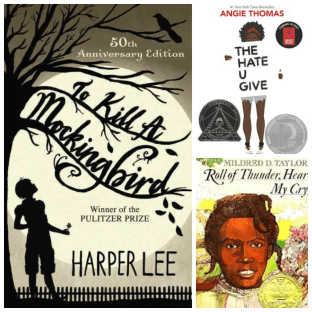
 Many of us have warm fuzzy feelings associated with classics that are deeply problematic. And listen: that is fine. Every reader has the right to read and enjoy the books of their choosing. And I’m certainly not advocating that we should ditch these items from our home collections or our public shelves. That would be censorship, and librarians aren’t cool with that. However, once we as readers become aware that something is potentially harmful, we then have the responsibility to remove or mitigate that harm. That’s why we have big bold warnings on cigarette packaging, and why our normal lives ground to a halt a few months ago in the face of a deadly pandemic. So, how do we handle problematic books? To read, or not to read? There are



 Many devoted mystery readers began with
 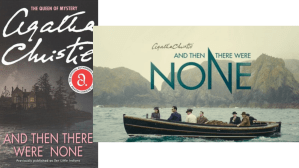 Hercule Poirot and Miss Marple are both well represented on Acorn TV and in our e-book and e-audiobook collections. Consider reading or listening to
 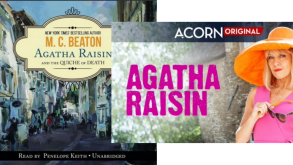 The
The  One of my favorite village cozy series, also by M.C. Beaton, features the unambitious and charming policeman
  The
The 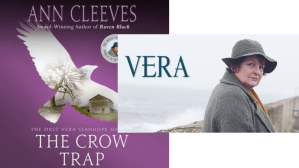 Ann Cleeves’ series featuring Detective Chief Inspector
  Set in Ireland, the long-running
  The Cheshire Library Blog