Emerging Genre Highlight: LitRPG

LitRPG stands for “literary role-playing game.” These are fantasy or science fiction stories that incorporate elements from tabletop role-playing games (e.g., Dungeons & Dragons) and role-playing video games (e.g., The Elder Scrolls or Fallout series). For those unaware, role playing games (RPGs for short) involve players taking on roles in a fictional environment and developing their character in unique ways as the story progresses. This character development and its associated game mechanics are the common threads you will find in all LitRPG titles.

But haven’t RPG-influenced fantasy and science fiction been around for a while? What makes LitRPG unique? It can be difficult to parse genres because there are already novels that borrow quite a bit from RPGs. Dozens of authors have been writing authorized Dungeons & Dragons stories since the 80s—R. A. Salvatore and Margaret Weis among the most popular of this group. What differentiates LitRPG is that characters are aware of the game mechanics.

In traditional fantasy, a character might defeat an enemy and take their battle-axe. Perhaps the battle-axe emanates warmth and pulses with a red glow. In LitRPG on the other hand, a level 5 character might defeat a level 8 boss and take their Fire-Enchanted Dwarven Battle-Axe. A screen pops up in front of them, floating in mid-air, with text that reads: “This is a unique weapon. Wielder is granted +3 fire damage to melee attacks. When an enemy is slain with this weapon, they erupt in a fiery explosion that deals 5 fire damage to all creatures in a 3 meter radius.”

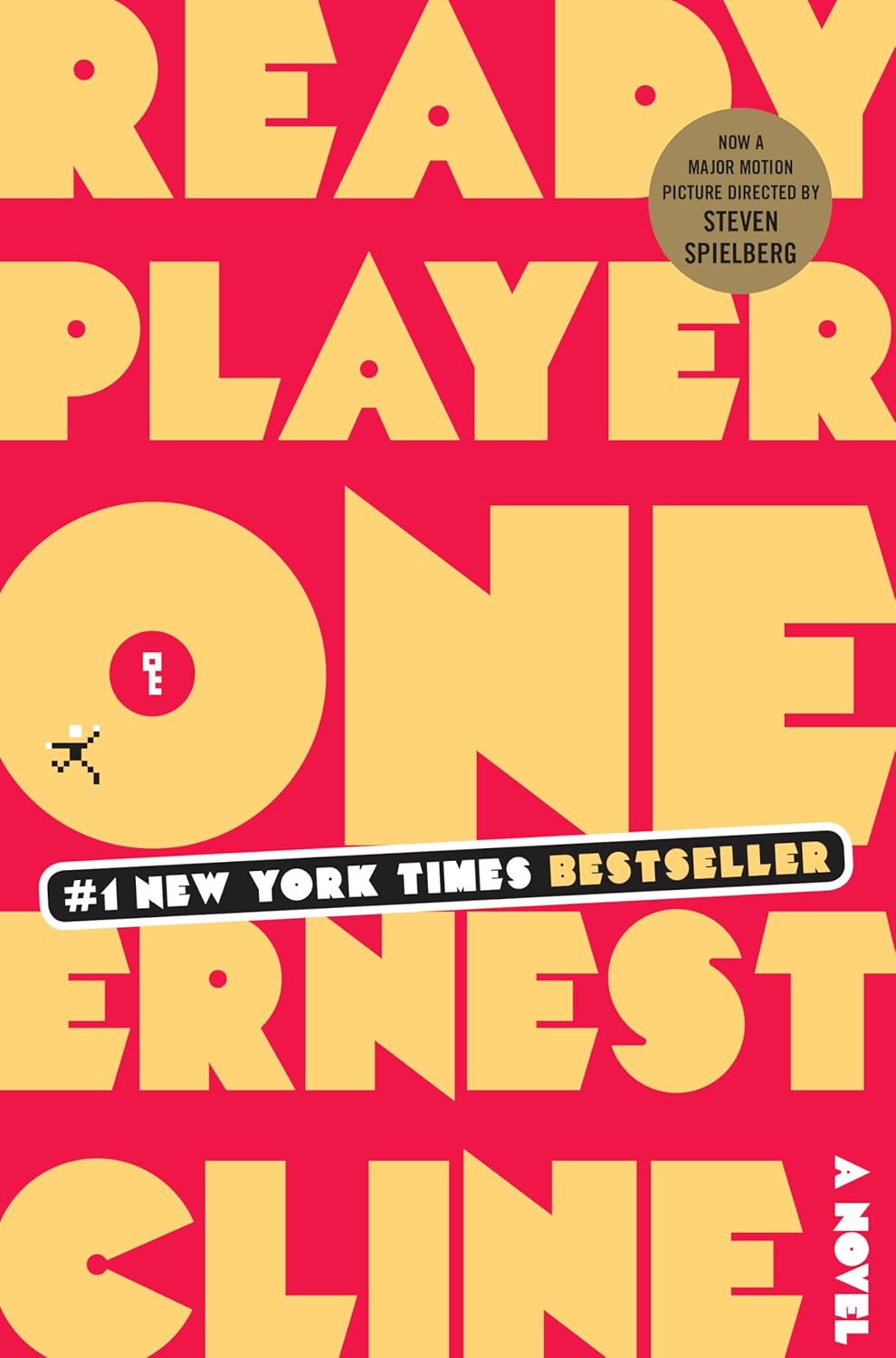
Ready Player One is a good touchstone when approaching this genre from a non-RPG background. Though some don’t consider it to be true LitRPG, it does feature a protagonist interacting in a video-game world and using game mechanics to become more powerful. There are passages like “This particular magic sword could only be used by an avatar who was tenth level or higher,” which is the kind of writing you would find in LitRPG.

Is this all sounding a little too video-gamey? Like Ready Player One, most LitRPG books can be read with no knowledge or interest in RPGs. I can attest that a number of my close friends are big fans and have never played an RPG in their life. As long as you find some thrill in cool loot, cool magic, and over-the-top action, there will be something for you in LitRPG.

“These books sound fun!” you say. “Where can I get my hands on one?” you ask. Well, LitRPG is still a relatively fledgling genre, and most books are self published. As such, you’ll only find a couple in our library system. More are sure to appear in the next year or two, but if you’re interested in diving into this genre now, you will find them online in eBook and eAudiobook formats. It’s also worth noting that, because of their emphasis on progression over time, many LitRPG series can be more than 10 books long. If you prefer short, self-contained stories, LitRPG is not for you.

So where is this genre headed? In May of this year, the author who brought LitRPG closer to the mainstream, Matt Dinniman, is releasing the next book in his Dungeon Crawler Carl series. It’s worth noting this will be the first new entry in the series published by a major publishing house (Ace, an imprint of Penguin Random House). This is a clear indication that there’s money to be found in LitRPG and I expect other publishing houses will follow suit.

Also important to note: In 2024, Universal International Studios announced they were developing a TV adaptation of Dungeon Crawler Carl. As far as I can tell, it’s too early to call this a done deal; projects like this fizzle into nothing all the time. But if the show comes to fruition, expect even more of a spotlight on LitRPG.

In the meantime, here are several books that serve as good introductions to the genre:

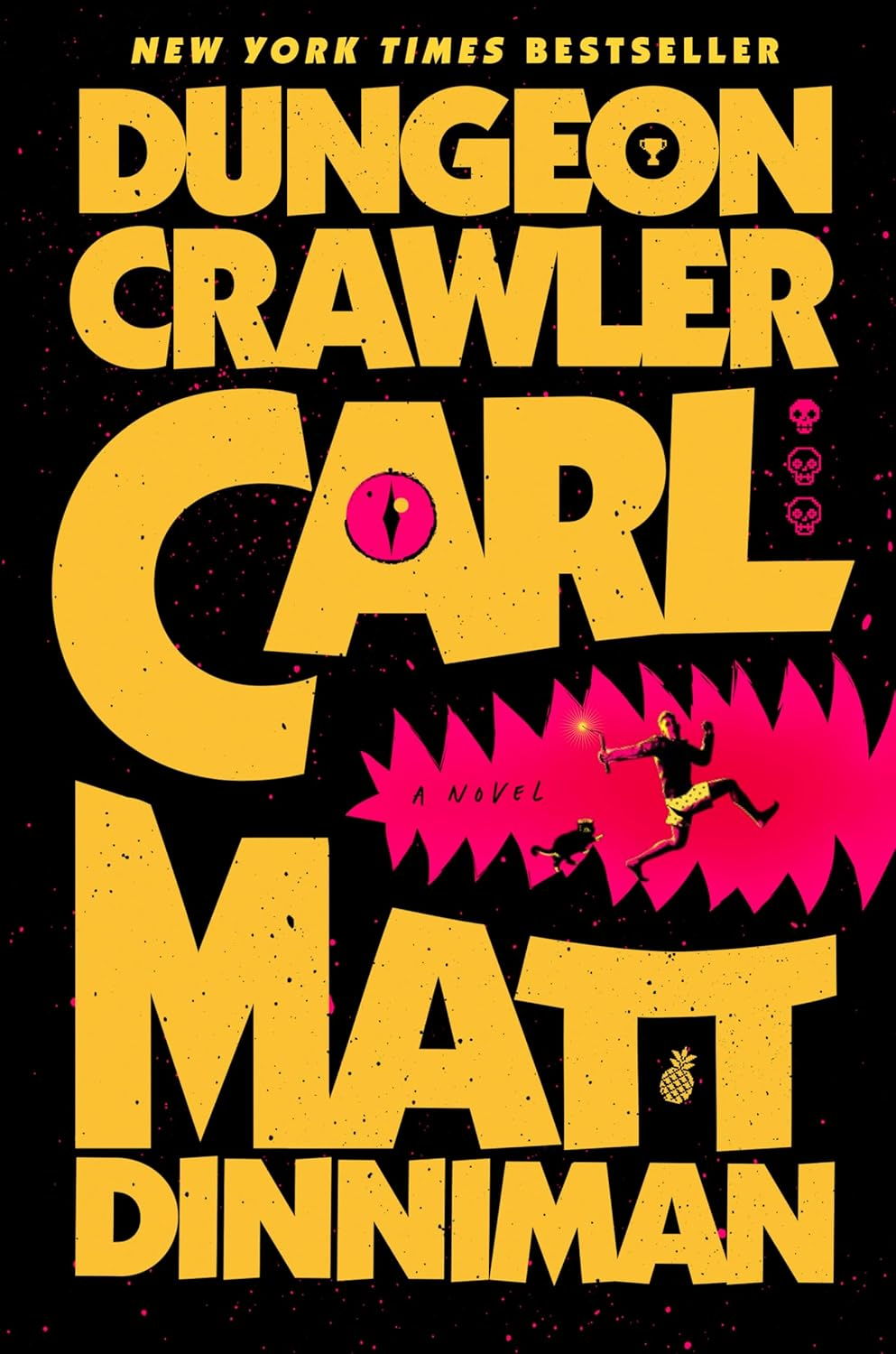
Dungeon Crawler Carl by Matt Dinniman

You know what’s worse than breaking up with your girlfriend? Being stuck with her prize-winning show cat. And you know what’s worse than that? An alien invasion, the destruction of all man-made structures on Earth, and the systematic exploitation of all the survivors for a sadistic intergalactic game show. That’s what.

Join Coast Guard vet Carl and his ex-girlfriend’s cat, Princess Donut, as they try to survive the end of the world—or just get to the next level—in a video game–like, trap-filled fantasy dungeon. A dungeon that’s actually the set of a reality television show with countless viewers across the galaxy. Exploding goblins. Magical potions. Deadly, drug-dealing llamas. This ain’t your ordinary game show.

Welcome, Crawler. Welcome to the Dungeon. Survival is optional. Keeping the viewers entertained is not.

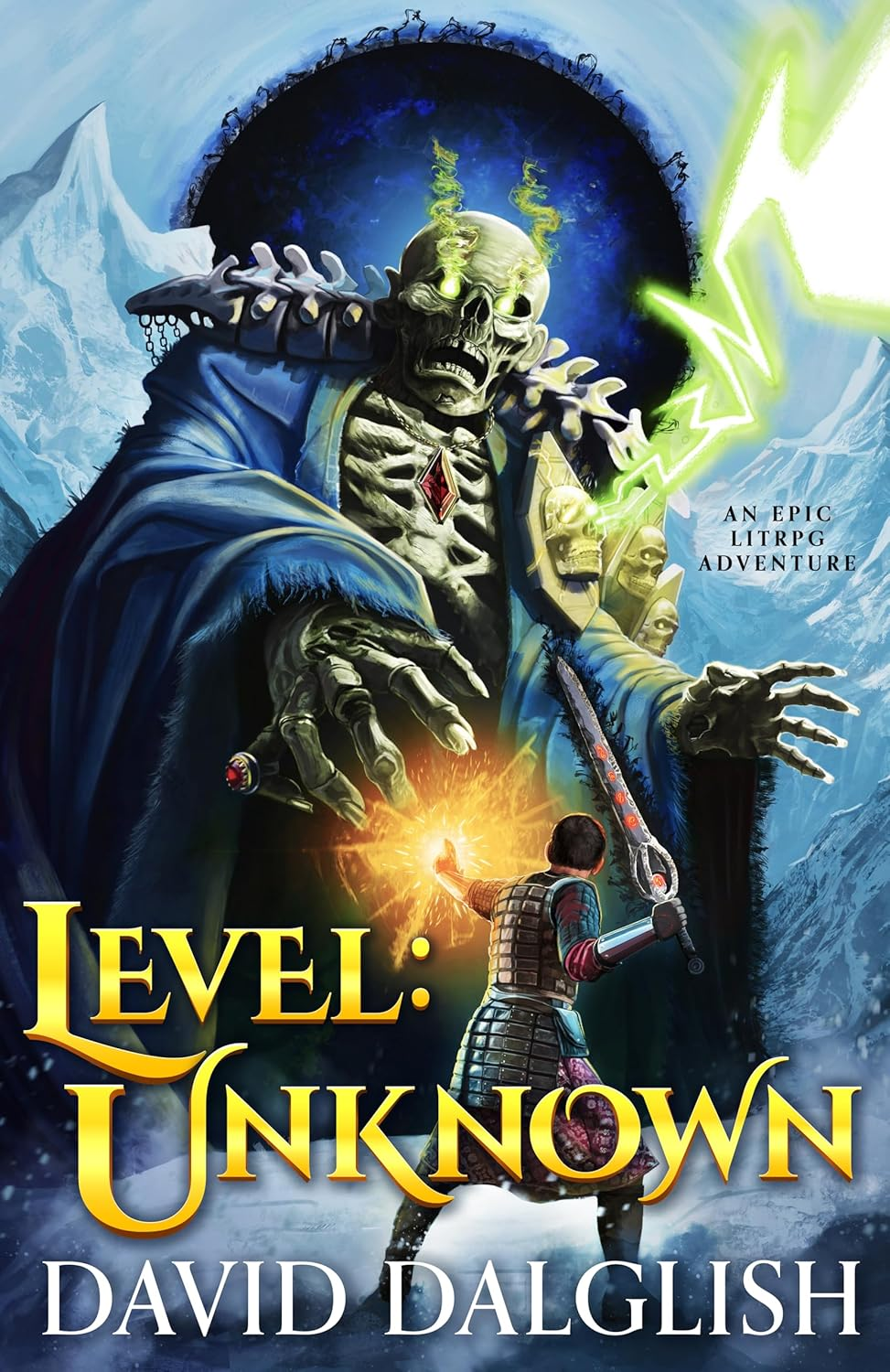
Level: Unknown by David Dalglish

When an ancient alien artifact chooses research cadet Nick to explore the world stored within it—a place full of forgotten empires, heroes with strange powers, and monstrous creatures that he is automatically transported to when he sleeps—he finds he has no choice but to grow stronger within the realm of Yensere to uncover its mysteries. 

But Yensere isn’t all fun exploration. In this land guided by statistics and levels, Nick is seen as a demonic threat by its diseased inhabitants and always killed on-sight. When he dies in Yensere, he awakens in his bed upon the research station, his body in a state of panic; when he sleeps again, Yensere drags him back for another life…and another death. 

Nick can only keep this up for so long before he dies for real. But there’s a good chance Yensere holds the key to saving humanity from a terrible fate, and so he ventures on, getting stronger and stronger with each new enemy defeated. And there are a LOT of enemies to defeat…

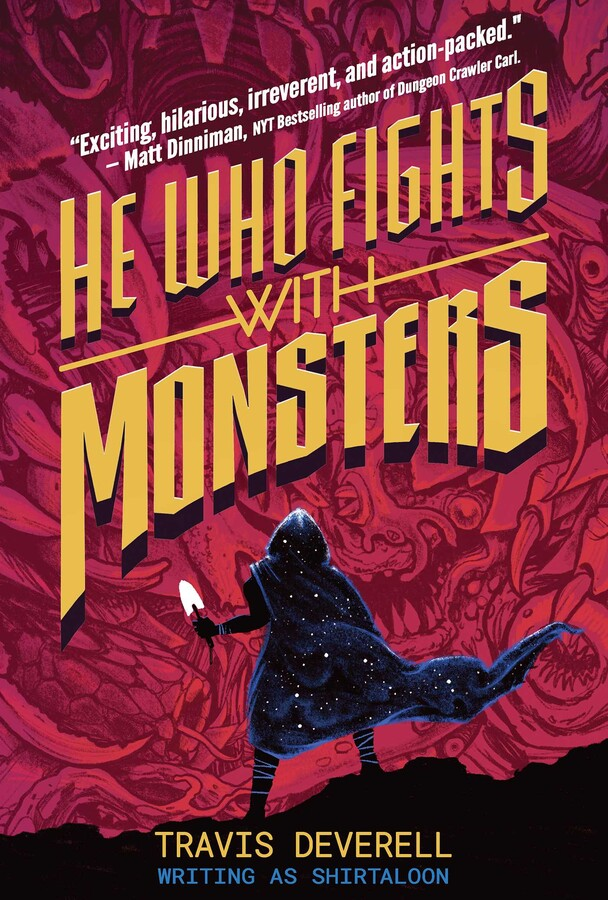
He Who Fights With Monsters by Shirtaloon (a.k.a. Travis Deverell)

It’s not easy making the career jump from office-supplies-store middle manager to heroic interdimensional adventurer. At least, Jason tries to be heroic, but it’s hard to be good when all your powers are evil.

He’ll face off against cannibals, cultists, wizards, monsters…and that’s just on the first day. He’s going to need courage, he’s going to need wit, and he’s going to need some magic powers of his own. But first, he’s going to need pants.

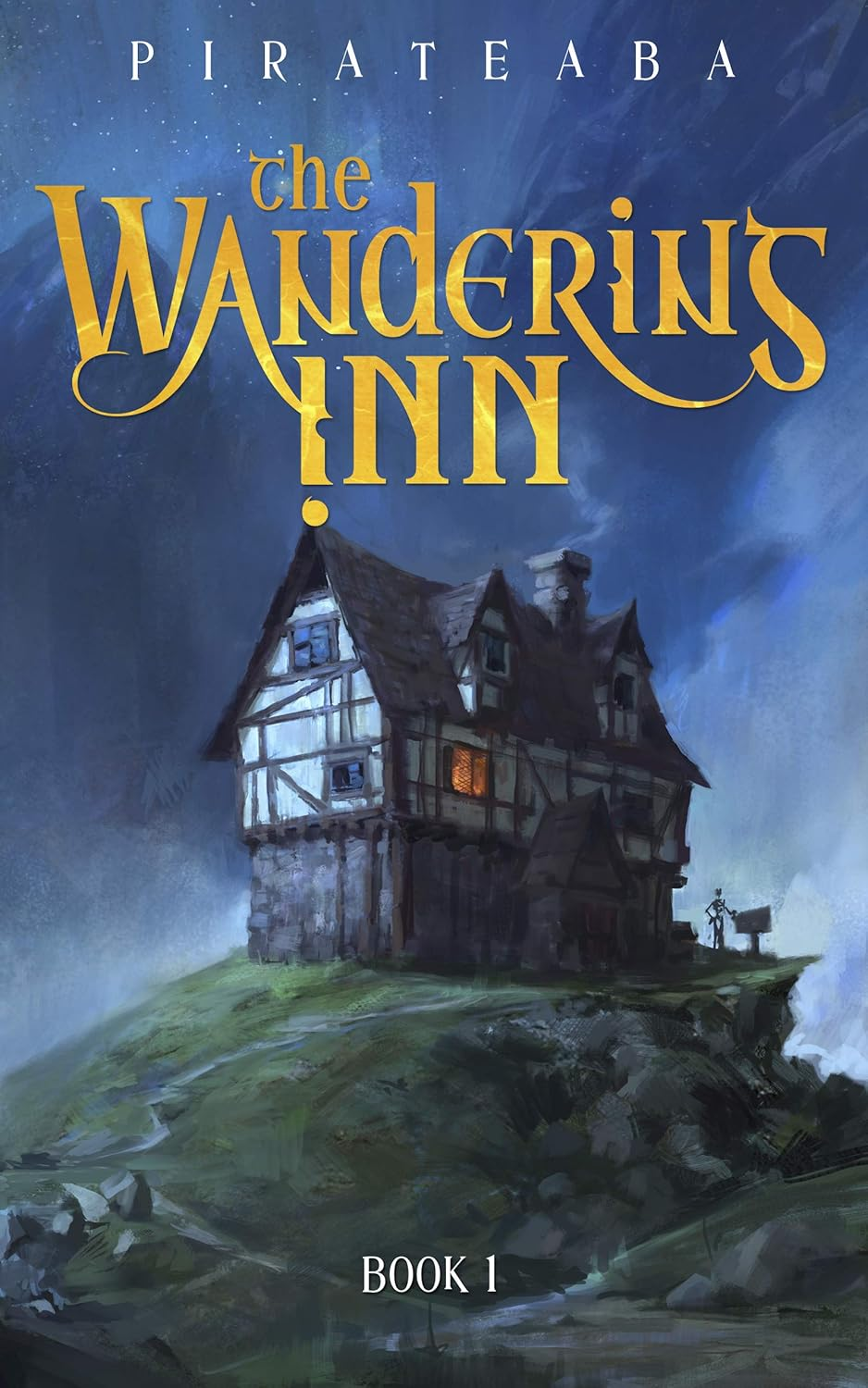
The Wandering Inn by Pirateaba

It’s a bad day when Erin finds herself transported to a fantastical world and nearly gets eaten by a Dragon. She doesn’t belong in a place where monster attacks are a fact of life, and where Humans are one species among many. But she must adapt to her new life. Or die.

In a dangerous world where magic is real and people can level up and gain classes, Erin Solstice must battle somewhat evil Goblins, deadly Rock Crabs, and hungry [Necromancers]. She is no warrior, no mage. Erin Solstice runs an inn.

She’s an [Innkeeper].

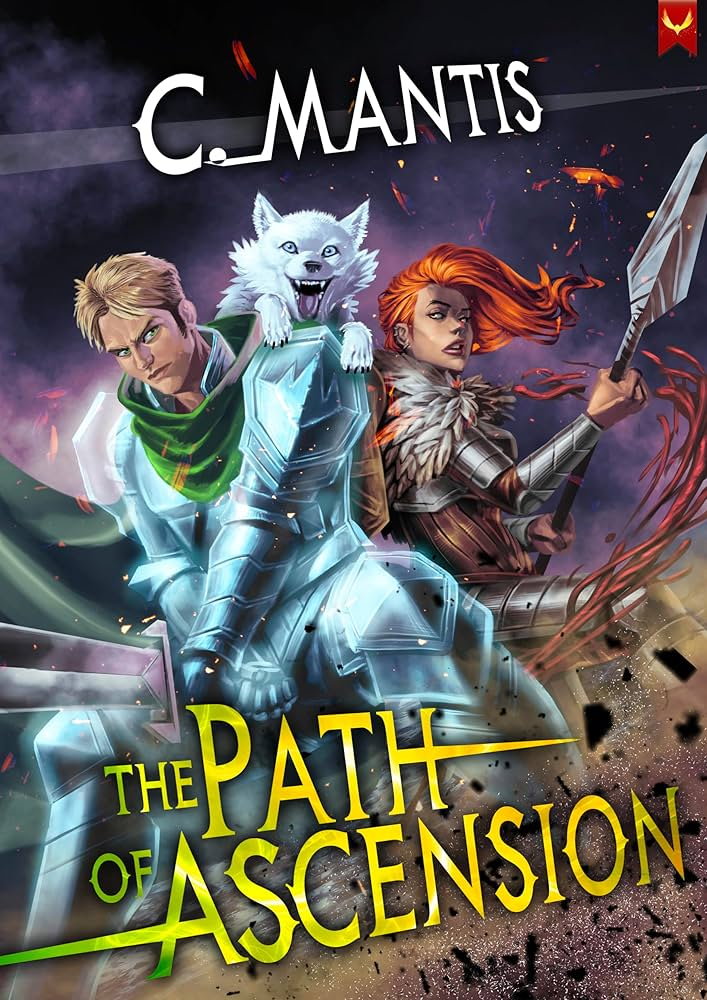
The Path of Ascension by C. Mantis

Matt plans to delve the rifts responsible for the monsters that destroyed his city and murdered his parents. But his dreams are crushed when his Tier 1 Talent is rated as detrimental and no guild or group will take him.

Working at a nearby inn, he meets a mysterious and powerful couple who give him a chance to join the Path of Ascension, an empire-wide race to ascend the Tiers and become living legends.

With their recommendation and a stolen Skill, Matt begins his journey to the peak of power. Maybe then, he can get vengeance he seeks…

Survival of the Fittest

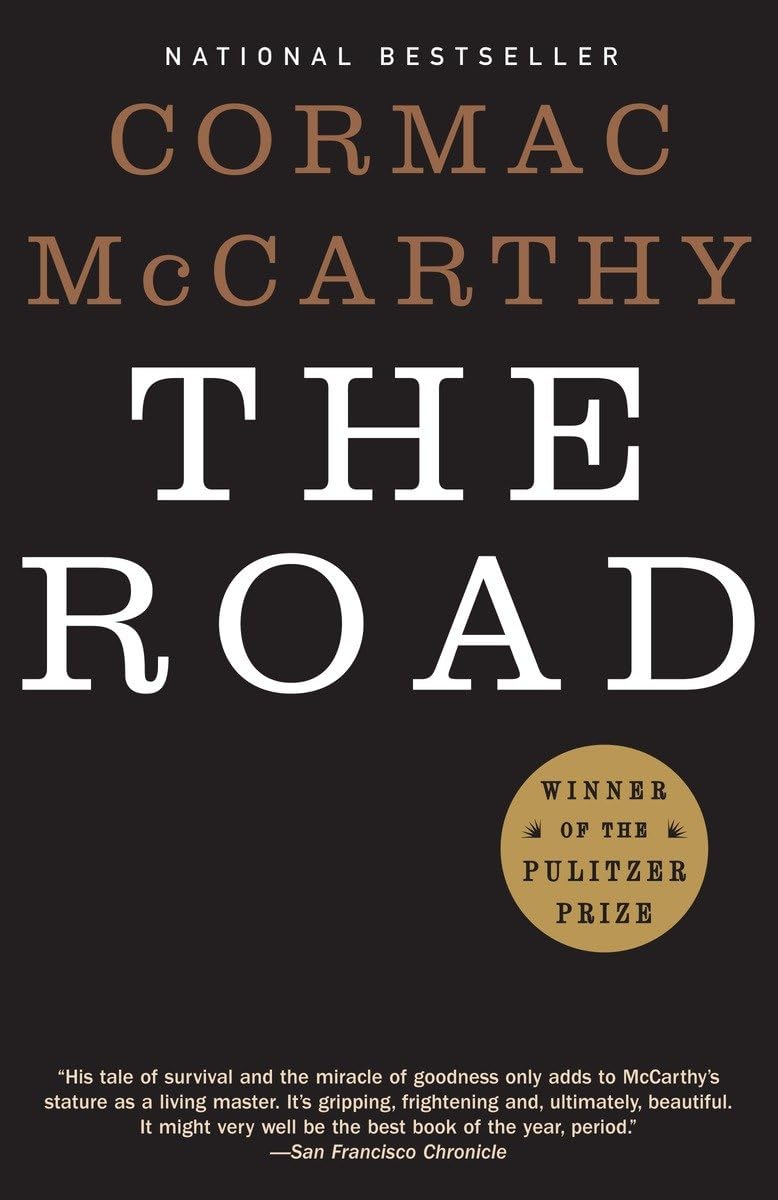
I finished reading my last book of the year on December 27 (Sugar, Salt, Fat: How the Food Giants Hooked Us, by Michael Moss, which was very good), and figured that was it for the year. I had too much going on to rush another book but I just couldn’t go without reading something, so I grabbed one off my To Be Read shelf – Cormac McCarthy’s The Road, which has so many recommendations the cover should be 14-carat gold.

Every review was correct. I read the book in a day and a half – I probably could have finished it in five hours, if I’d had uninterrupted time. I just could not put this book down. It’s a sparse novel about a father and son in a post-apocalyptic world – you don’t even find out what happened – as they try to survive travel on foot an unknown distance to the south shore to get out of the freezing winter weather. I’m guessing by the fact they crossed over high mountains they were heading to California, but no clues are given (in the movie, the map shows Florida). This book was beyond compelling, certainly worthy of every accolade. But I didn’t feel like writing an entire blog post about it. Nothing is worse than a review that gives a play by play recap of a book.

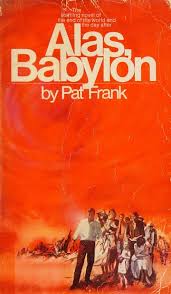
So I went and looked up books like The Road, because I’ve read enough post-apocalyptic fiction to have covered all the basics. What is it compared to? For decades (and arguably still) my favorite novel of all time, by number of rereads, is Alas, Babylon, by Pat Frank, a post-nuclear war novel from 1959. A little dated, but not much. In the chaos of 9/11, I sent my oldest friend a two-word text: Alas, Babylon, and he knew exactly what I meant.

But a couple of similar-to lists had the nerve to list Earth Abides, by George R. Stewart. My father was always after me to read this one, the Alas, Babylon of his youth, before the Cold War. Eventually I did, and honestly, it’s one of the worst apocalyptic books I’ve ever read. Okay, maybe they didn’t realize in 1949 that you should never dust pregnant women with DDT. The chemical world was still pretty much in denial that some things were deadly. But these “survivors,” instead of focusing on long-term survival, worry only about immediate needs and then go hungry when canned food runs out. They have no concept of gardening, let along farming and food storage. They think nothing about education, don’t teach their children even basic reading skills, and so that, although they have public libraries to learn survival skills from, in just one generation, no one can read the books. It’s difficult to root for their survival… After learning what to do and how to do it from Alas, Babylon, I truly hated this book. 

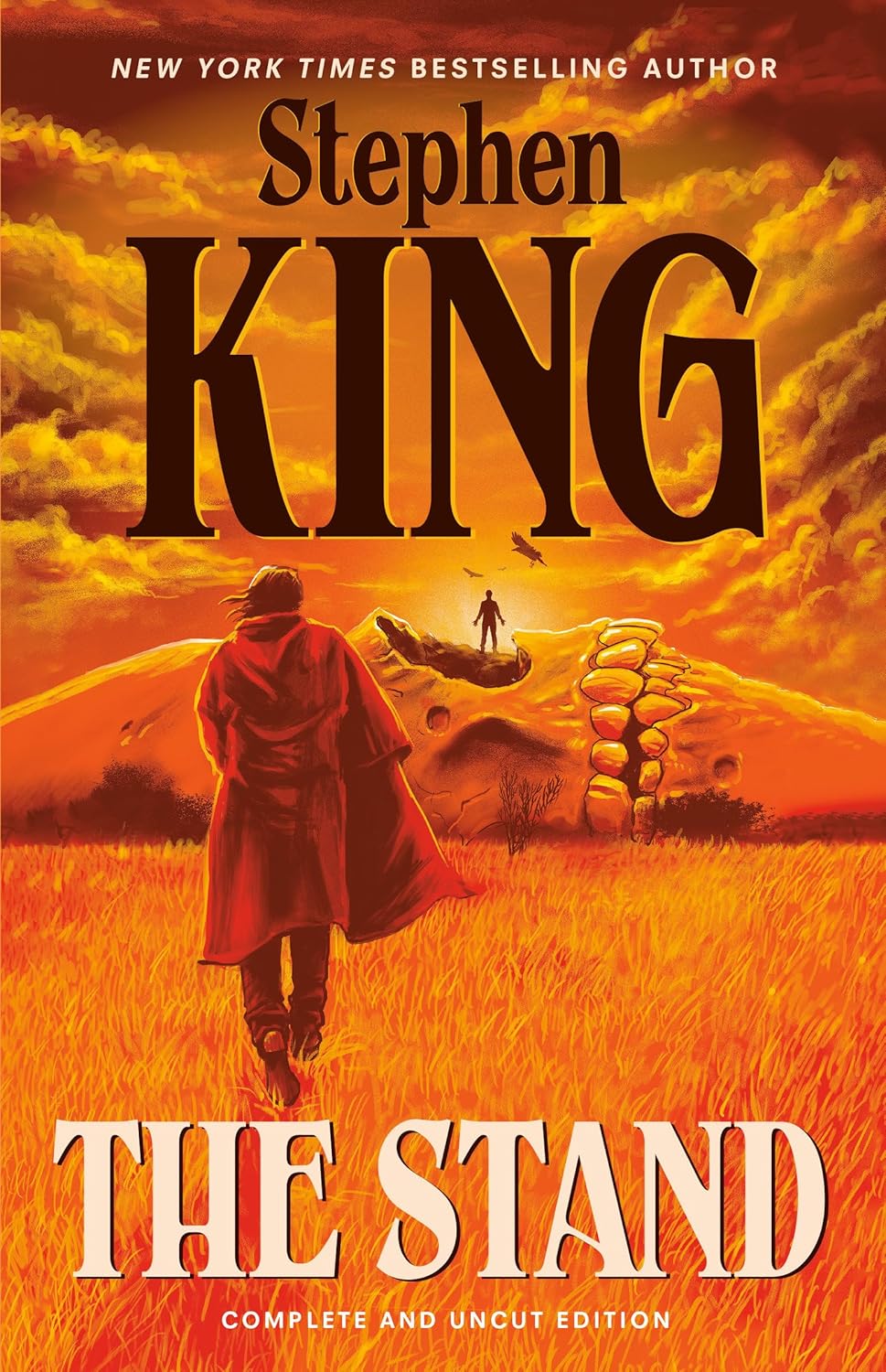
But that doesn’t mean there aren’t other really good books (and movies!) out there. And post-apocalyptic doesn’t necessarily mean science-fiction. Stephen King’s The Stand can be drama, horror, alternative history, Christian fiction, speculative fiction, or loosely science fiction, depending on how you want to interpret it. Same with The Road: It’s a story about father-son relationships, survival during hardship, and climate destruction.

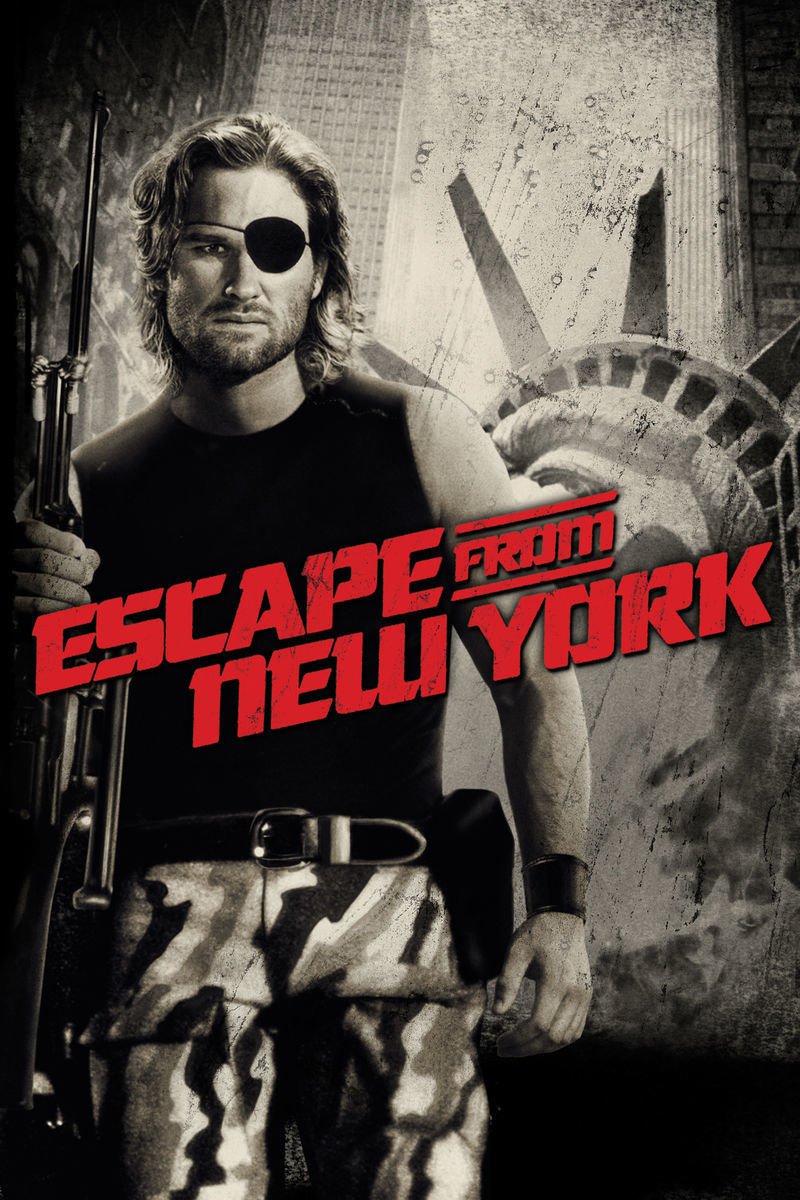
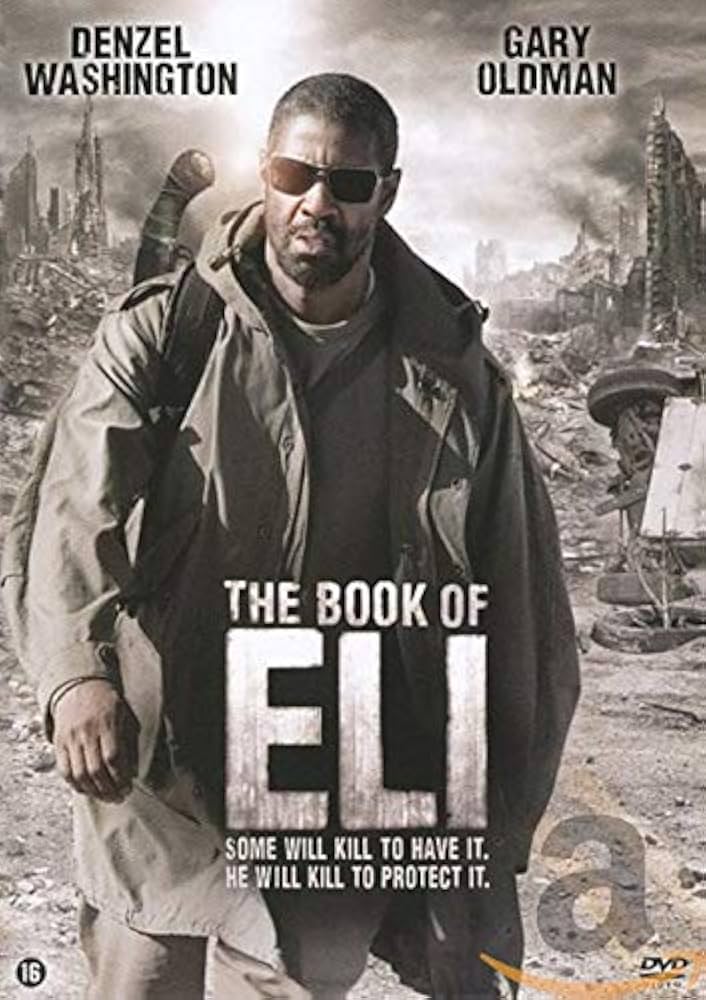
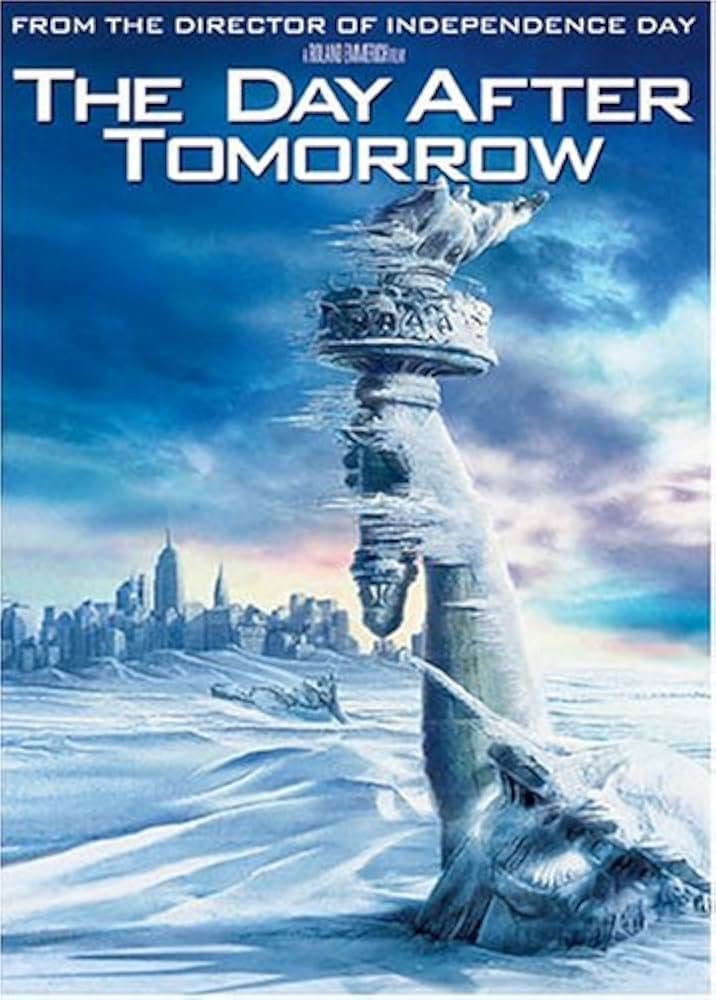
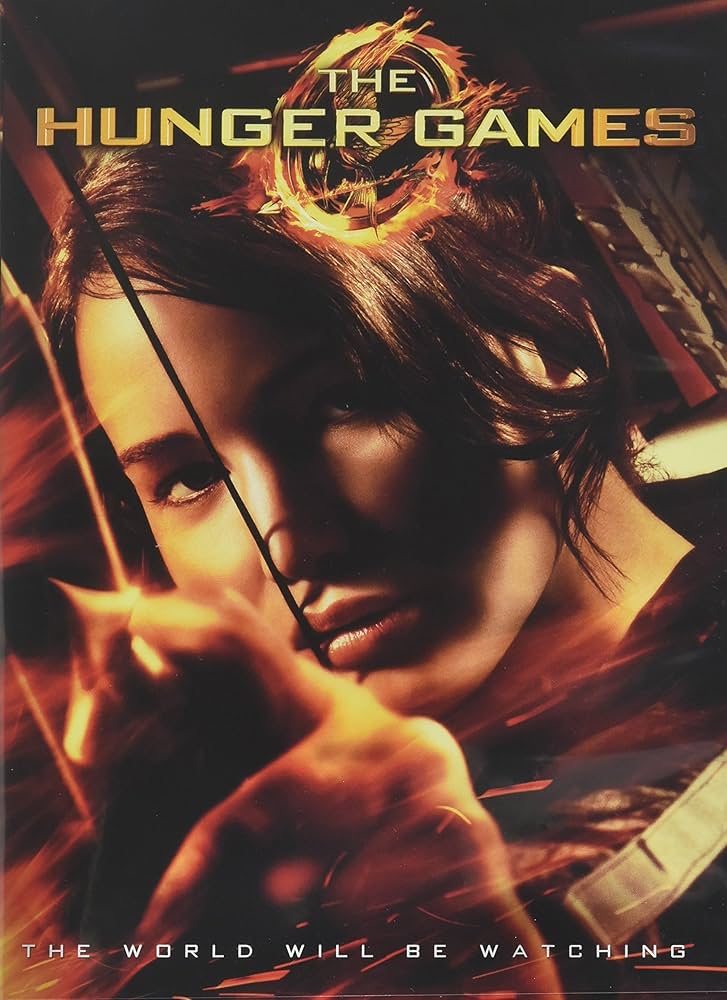
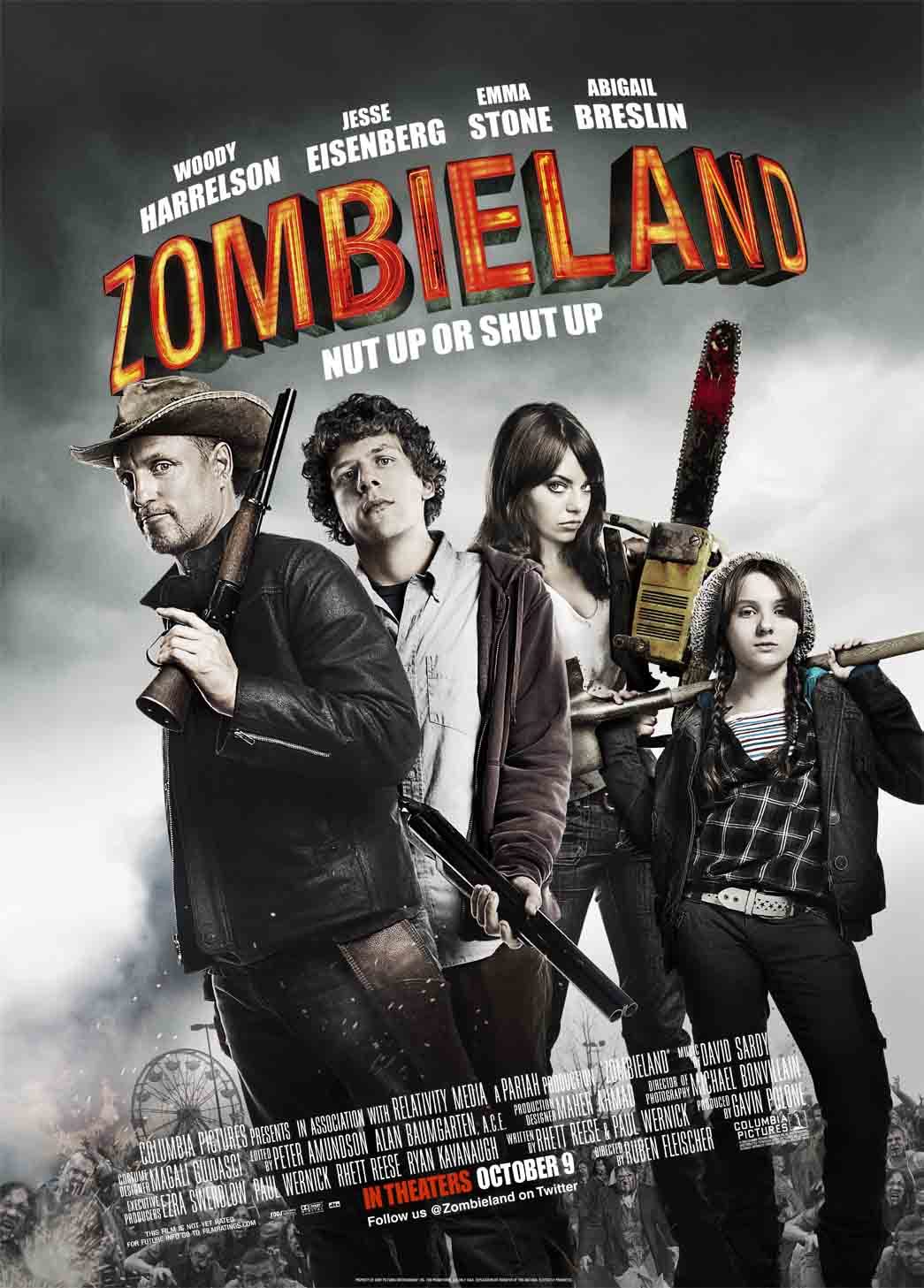
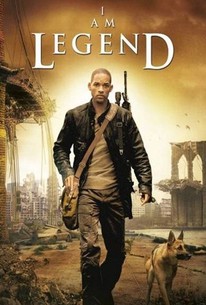
Post-apocalyptic fiction simply means that some calamity has befallen society, tearing apart what used to be normal. If a country – China, Turkey, Peru, Afghanistan, etc. – was utterly destroyed by earthquake and subsequent famine and plague, you could call their recovery post-apocalyptic, even though the rest of the world continued. How we formed trade networks and moved to online commerce during the Covid epidemic can be seen as apocalyptic in a way; we are in a post-apocalyptic society from Covid, as many of our bedrock companies folded, telehealth and working from home became a thing, and society as a whole changed. There are many, many excellent “post-apocalyptic” stories out there, some focusing on disease ( The Andromeda Strain), on climate (Day After Tomorrow), natural disasters (asteroids, etc.) (Solar), nuclear holocaust (Planet of the Apes), the death of oil (Road Warrior), electromagnetic pulse (One Second After), and more. How do people adapt? Can mankind survive? What determination does it take? How can you stay hopeful in the face of annihilation? What can we learn from these stories to avoid such scenarios, or how to survive them? Apocalyptic fiction can be quite imaginative (Hunger Games), and appeal to a wide range of readers (and viewers). Sometimes the book is meh, but the film is far better (Planet of the Apes, for one), sometimes the book is excellent but the movie is okay (Girl With All the Gifts), and sometimes there is more than one film version of the book, with differences between them (The Stand, Planet of the Apes, Day of the Triffids, War of the Worlds). All of them will question your morality and make you wonder about your ability to survive a serious disaster.

(Fun fact: the final battle in War of the Worlds was filmed at the old Uniroyal plant in Naugatuck, CT)

Here’s a wide array of post-apocalyptic novels and films sure to keep you engaged. Which do you like best?

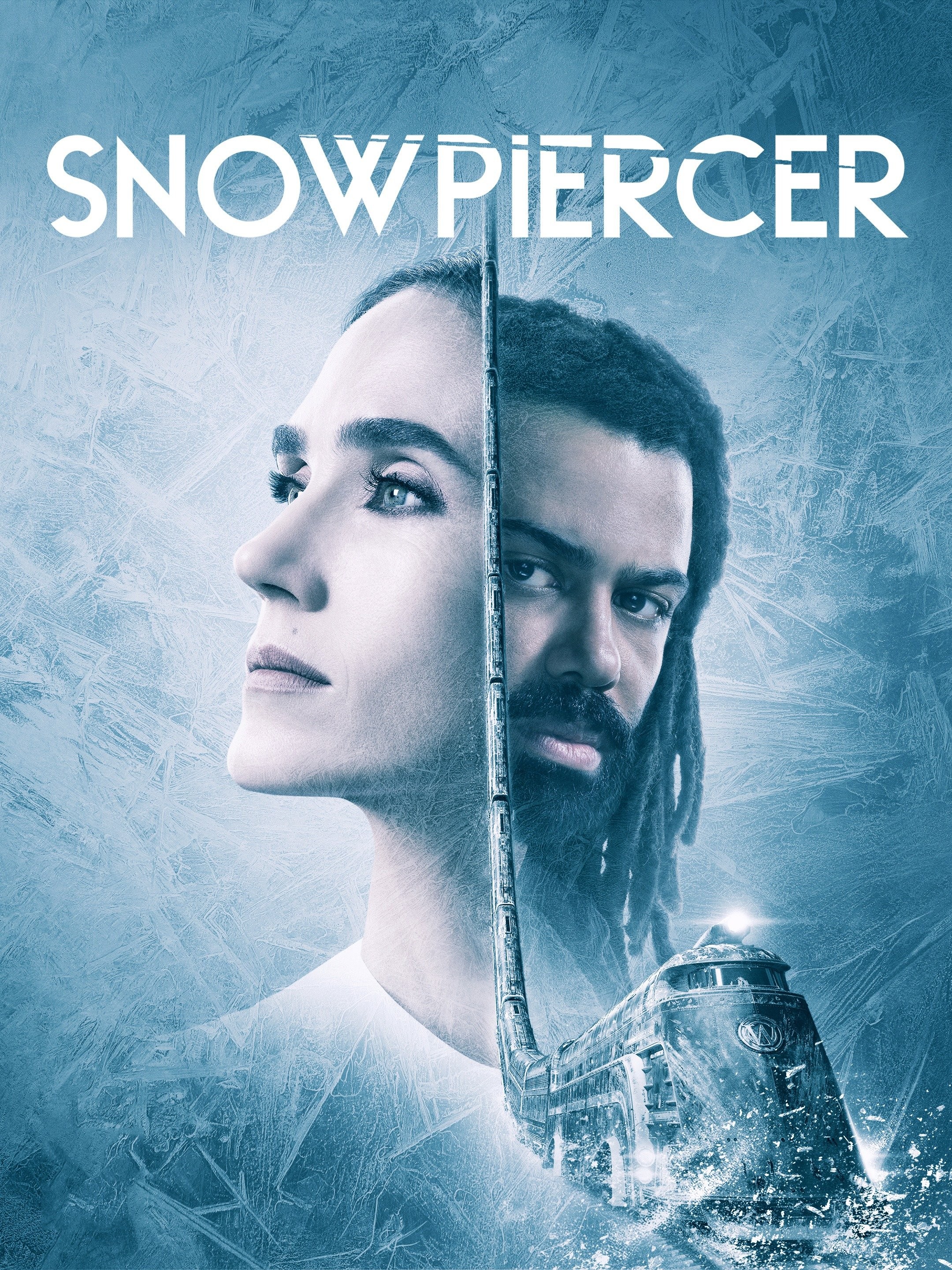
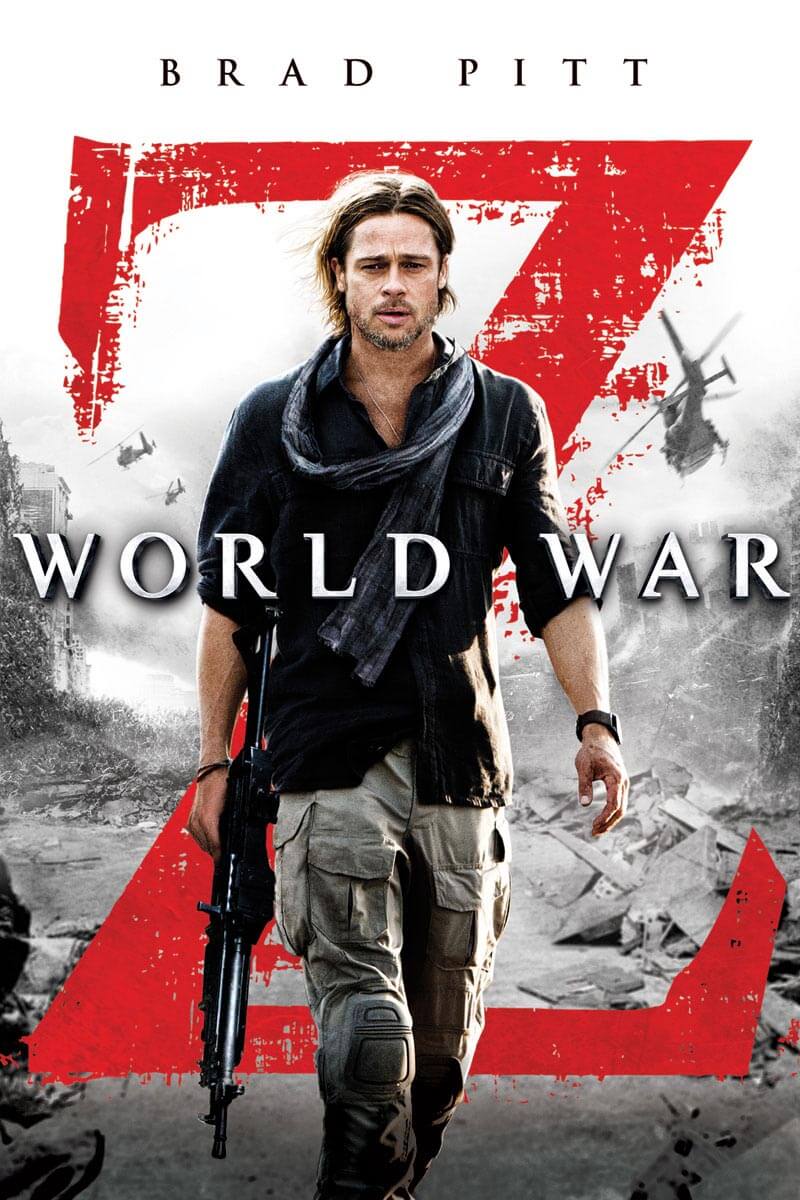
Films (some from novels):

Books (some with accompanying films):

Emerging Genre Highlight: Healing Fiction

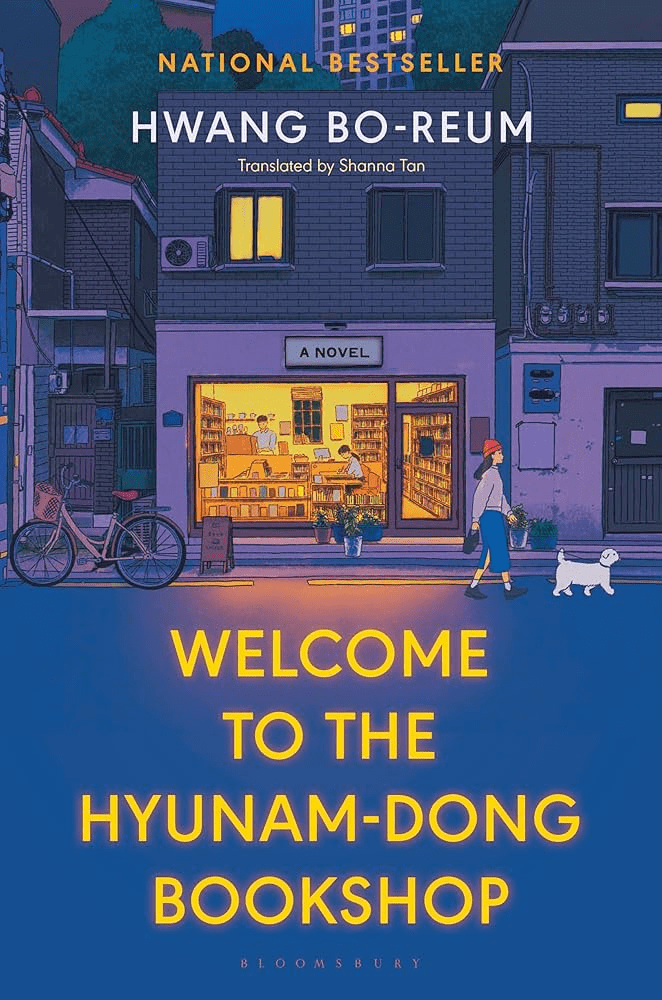
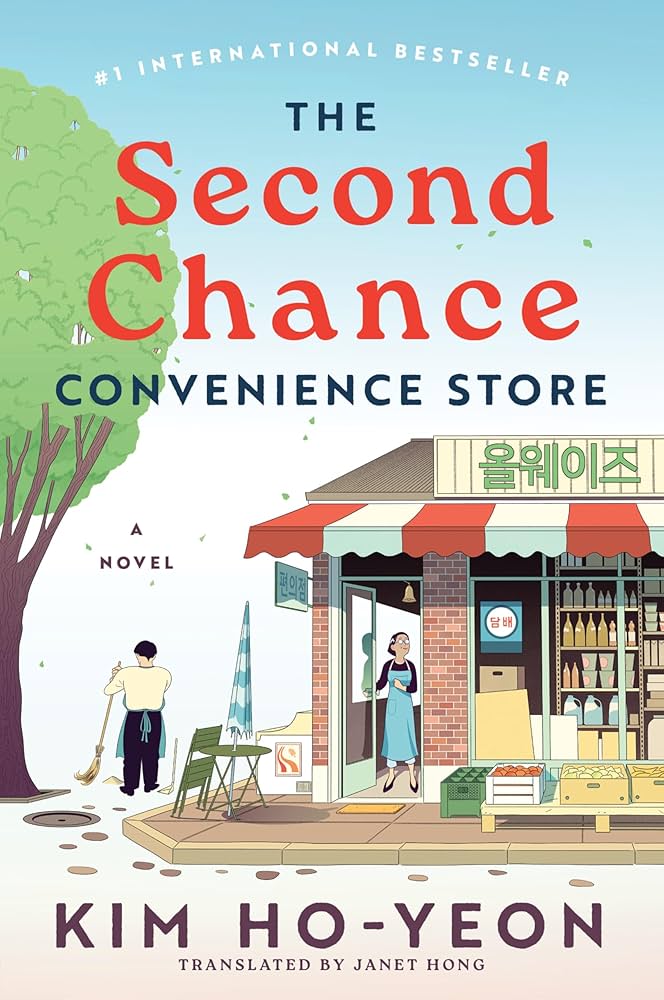
To call healing fiction an “emerging” genre is a bit of a misnomer. It’s emerging to us Americans, but it’s enjoyed decades long popularity in South Korea and Japan, where it has its roots. Only in the 2010s and (more so) the early 2020s has it made waves in the West. Many see the genre’s newfound success as a logical response to the heightened political, epidemiological, economic, societal, and (*checks notes*) general turmoil that many have been subjected to as of late. In times of strife, healing fiction offers solace. You see this in reviews:

It’s like a cup of cocoa in front of the fireplace,” says one reader about Welcome to the Hyunam-Dong Bookshop by Hwang Bo-Reum.

This book was all the hope you need and want to see in the world,” says another about The Second Chance Convenience Store by Ho-Yeon Kim.

These books are not propelled by conflict, narrative threads are not left dangling uncomfortably, and cynicism is verboten. In a world that (at times) seems designed to erode the soul, healing fiction offers escape.

These stories share a number of traits. Found family, cozy settings like coffee shops or book stores, a sprinkling of magical elements, depictions of physical and emotional sustenance, second chances, feline friends, and traumatized protagonist who ultimately, well, heal. But more important than any individual story element is the pervasive idea that change is possible, that there is hope no matter what.

Before sharing some great introductory examples of healing fiction, I want to add that it’s possible you’ve already come across a Western read-alike. One example is the immensely popular The Midnight Library by Matt Haig, where protagonist Nora is transported to a mystical library after attempting suicide, each book representing a life she could have led. Though lacking the warmth generally apparent in healing fiction, its optimism and magical atmosphere are in line with the genre. Legends & Lattes by Travis Baldree and A Psalm for the Wild-Built by Becky Chambers are cozy fantasy/science fiction that borrow healing fiction’s slice-of-life narratives and hopeful, feel-good tone. If you enjoyed any of these books, or are merely curious about the genre, here are a handful of healing fiction books to get you started.

Before the Coffee Gets Cold by Toshikazu Kawaguchi

In a small back alley of Tokyo, there is a café that has been serving carefully brewed coffee for more than one hundred years. Local legend says that this shop offers something else besides coffee—the chance to travel back in time. Over the course of one summer, four customers visit the café in the hopes of making that journey. But time travel isn’t so simple, and there are rules that must be followed. Most important, the trip can last only as long as it takes for the coffee to get cold.

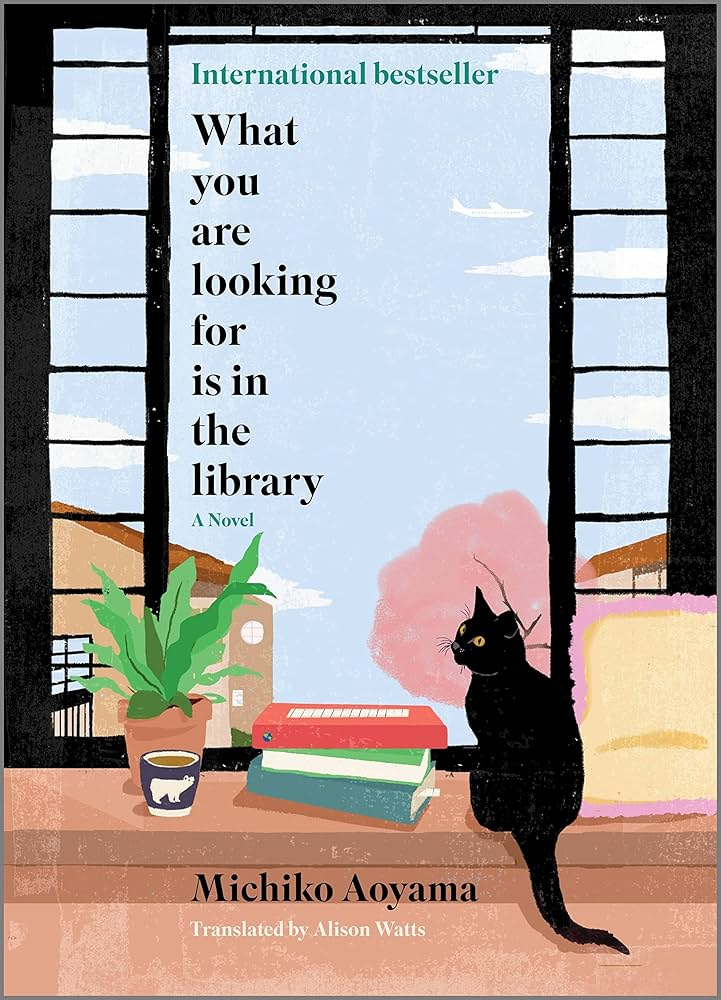
What You Are Looking For Is in the Library by Michiko Aoyama

What are you looking for? So asks Tokyo’s most enigmatic librarian. For Sayuri Komachi is able to sense exactly what each visitor to her library is searching for and provide just the book recommendation to help them find it. A restless retail assistant looks to gain new skills, a mother tries to overcome demotion at work after maternity leave, a conscientious accountant yearns to open an antique store, a recently retired salaryman searches for newfound purpose. In Komachi’s unique book recommendations they will find just what they need to achieve their dreams.

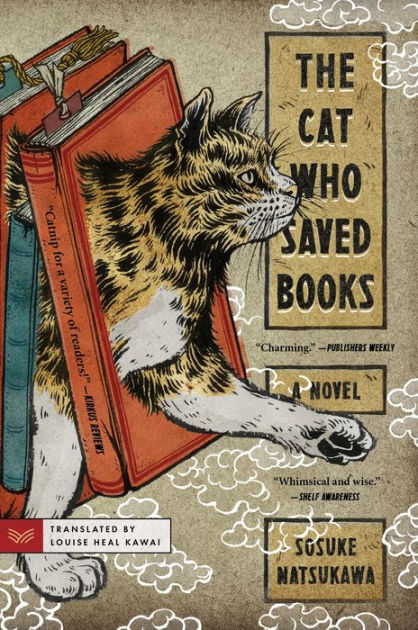
The Cat Who Saved Books by Sosuke Natsukawa

Bookish high school student Rintaro Natsuki is about to close the secondhand bookstore he inherited from his beloved bookworm grandfather. Then, a talking cat appears with an unusual request. The feline asks for—or rather, demands—the teenager’s help in saving books with him. The world is full of lonely books left unread and unloved, and the cat and Rintaro must liberate them from their neglectful owners. 

The Kamogawa Food Detectives by Hisashi Kashiwai

Down a quiet backstreet in Kyoto exists a very special restaurant. Run by Koishi Kamogawa and her father Nagare, the Kamogawa Diner serves up deliciously extravagant meals. But that’s not the main reason customers stop by… The father-daughter duo are ‘food detectives’. Through ingenious investigations, they are able to recreate dishes from a person’s treasured memories – dishes that may well hold the keys to their forgotten past and future happiness. The restaurant of lost recipes provides a link to vanished moments, creating a present full of possibility.

We’ll Prescribe You a Cat by Syou Ishida

Tucked away in an old building at the end of a narrow alley in Kyoto, the Kokoro Clinic for the Soul can only be found by people who are struggling in their lives and genuinely need help. The mysterious clinic offers a unique treatment to those who find their way there: it prescribes cats as medication. Patients are often puzzled by this unconventional prescription, but when they “take” their cat for the recommended duration, they witness profound transformations in their lives, guided by the playful, empathetic, occasionally challenging yet endearing cats.

This Must Be the Place: New Books and Documentaries to Stoke Your Musical Nostalgia

There’s this article from The Onion that my husband and I keep chuckling over. The joke headline is “Cool Dad Raising Daughter on Media That Will Put Her Entirely Out of Touch with Her Generation,” and it’s followed by a photo of a middle-aged man presenting a girl with a vinyl copy of the Talking Heads Remain in Light as she regards the album in her hands with utter skepticism. We may or may not have played that very album for our kids before heading to New Haven to watch former Talking Heads members—now septuagenarians—perform it live. That joke article is about us.

Anyone who’s interrupted a Disney playlist to subject their progeny to a few excruciating minutes of A Very Important Music Thing can relate. We want to share the things we love with the people we love. We want them to know who we are. It could be music or movies, hobbies, sports teams, longtime vacation spots. For me, it’s reggae and Joni Mitchell’s Blue and Neil Young’s Harvest, all of which I heard as a kid on weekend mornings. It’s hurtling down the interstate in a car full of teenagers scream-singing along to Jimmy Eat World’s “Sweetness” or Jay-Z’s “Dirt Off Your Shoulder” or Underworld’s “Born Slippy.” It’s the first two Decemberists albums, played as my future husband and I aimlessly wandered the backroads near the town we were so very desperate to leave. This music is as much me as the cells in my body. So now I sing “Heart of Gold” and “The Crane Wife” to my kids as bedtime lullabies, and for background noise I play Bob Marley and classic R&B songs that were sampled by rappers.

Until the kids are old enough for evening concerts, I’m passing my limited free time by reading and watching documentaries about music, especially the scenes and artists that have dimmed the stage lights for the last time. Did you know that emo was a product of the suburbs? (Thanks, Andy Greenwald!) Or that Carrie Brownstein, half of the hilarious duo on Portlandia, was part of Olympia’s feminist Riot Grrrl movement in the early 90’s? Here’s some recent media if you’re feeling nostalgic for the sounds of the past.

Night People: How to be a DJ in ’90s NYC by Mark Ronson (2025)

From the publisher: Organized around the venues that defined his experience of the downtown scene, Ronson evokes the specific rush of that decade and those spaces—where fashion folks and rappers on the rise danced alongside club kids and 9-to-5’ers—and invites us into the tribe of creatives and partiers who came alive when the sun went down. A heartfelt coming-of-age tale, Night People is the definitive account of ’90s New York nightlife and the making of a musical mastermind.

Tonight in Jungleland: The Making of Born to Run by Peter Ames Carlin (2025)

From the publisher: From the opening piano notes of “Thunder Road,” to the final outro of “Jungleland”—with American anthems like “Born to Run” and “Tenth Avenue Freeze Out” in between—Bruce Springsteen’s seminal album, Born to Run, established Springsteen as a creative force in rock and roll. With his back against the wall, he wrote what has been hailed as a perfect album, a defining moment, and a roadmap for what would become a legendary career. Peter Ames Carlin, whose bestselling biography, Bruce, gave him rare access to Springsteen’s inner circle, now returns with the full story of the making of this epic album. Released in August, 1975, Born to Run now celebrates its 50th anniversary.

Hip-Hop Is History by Questlove (2024)

From the publisher: Questlove traces the creative and cultural forces that made and shaped hip-hop, highlighting both the forgotten but influential gems and the undeniable chart-topping hits-and weaves it all together with the stories no one else knows. It is at once an intimate, sharply observed story and a sweeping theory of the evolution of the great artistic movement of our time. Questlove approaches it with both the encyclopedic fluency of an obsessive fan and the unique expertise of an innovative participant. Hip-hop is history, and also his history.

Psst: If you prefer to watch a documentary, Questlove’s Hip-Hop Evolution (2016) runs along similar lines. It’s available on Netflix.

Sharing in the Groove: The Untold Story of the ’90s Jam Band Explosion and the Scene that Followed by Mike Ayers (2025) 

From the publisher: Sharing in the Groove is a rich examination of an underdog genre that helped define the 1990s musical landscape―a scene that paved the way for modern-day cultural institutions such as the Bonnaroo Music Festival and kept the Grateful Dead ethos alive. It was also a world with its own values and its own unique interactions with fame, record labels, MTV, drugs, and success.

The Name of This band is R.E.M.: A Biography by Peter James Carlin (2024)

From the publisher: Deeply descriptive and remarkably poetic, steeped in 80s and 90s nostalgia, The Name of This Band is R.E.M. paints a cultural history of the commercial peak and near-total collapse of a great music era, and the story of the generation that came of age at the apotheosis of rock.

The Harder I Fight the More I Love You by Neko Case (2025)

From the publisher: Case brings her trademark candor and precision to a memoir that traces her evolution from an invisible girl “raised by two dogs and a space heater” in rural Washington state to her improbable emergence as an internationally-acclaimed talent. In luminous, sharp-edged prose, Case shows readers what it’s like to be left alone for hours and hours as a child, to take refuge in the woods around her home, and to channel the monotony and loneliness and joy that comes from music, camaraderie, and shared experience into art.

How Women Made Music: A Revolutionary History from NPR Music edited by Alison Fensterstock (2024)

From the publisher: Drawn from NPR Music’s acclaimed, groundbreaking series Turning the Tables, the definitive book on the vital role of Women in Music—from Beyoncé to Odetta, Taylor Swift to Joan Baez, Joan Jett to Dolly Parton—featuring archival interviews, essays, photographs, and illustrations.

The Jazzmen: How Duke Ellington, Louis Armstrong, and Count Basie Transformed America by Larry Tye (2024)

From the publisher: This is the story of three revolutionary American musicians, the maestro jazzmen who orchestrated the chords that throb at the soul of twentieth-century America… What is far less known about these groundbreakers is that they were bound not just by their music or even the discrimination that they, like nearly all Black performers of their day, routinely encountered. Each defied and ultimately overcame racial boundaries by opening America’s eyes and souls to the magnificence of their music. In the process they wrote the soundtrack for the civil rights movement.

Rebel Girl: My Life as a Feminist Punk by Kathleen Hanna (2024)

From the publisher: An electric, searing memoir by the original rebel girl and legendary front woman of Bikini Kill and Le Tigre… As Hanna makes clear, being in a “girl band,” especially a punk girl band, in those years was not a simple or safe prospect. Male violence and antagonism threatened at every turn, and surviving as a singer who was a lightning rod for controversy took limitless amounts of determination. But the relationships she developed during those years buoyed her–including with her bandmates, Tobi Vail, Kathi Wilcox, and Johanna Fateman; her friendships with Kurt Cobain and Ian MacKaye; and her introduction to Joan Jett- were all a testament to how the punk world could nurture and care for its own.

Music by John Williams (2024) Produced and directed by Laurent Bouzereau

My favorite music documentaries fill me to the brim with joy (see: Twenty Feet from Stardom)  and this journey through the most iconic music in cinema history does just that. Williams wrote the scores for Star Wars, Jurassic Park, Indiana Jones, E.T., Harry Potter, Jaws, and lots of other movies that are memorable in part due to Williams’ mastery. It’s only available on Disney+, but it’s worth a trial if you aren’t already a subscriber.

Summer of Soul: (…Or, When the Revolution Could Not Be Televised) (2022) Directed by Questlove

I’m cheating a little here when it comes to “recent” releases, but this is another piece of joy. It follows the 1969 Harlem Cultural Festival, which was overshadowed by Woodstock and hardly made a blip on the radar. You’ll get the context of the almost-forgotten festival, along with footage of Stevie Wonder, Nina Simone, the 5th Dimension, and Sly and the Family Stone (rest in peace) doing what they do best. If you don’t start moving to Gladys Knight and the Pips’ upbeat rendition of “I Heard It Through the Grapevine,” then I can’t help you. Borrow the DVD from the library or stream it from your preferred service.

The Write Stuff: 9 Books to Make You a Better Writer

Books require readers, but they also require writers. And not just books – writers are required for things you never think of, from greeting cards to the labels on your cough syrup and face cream jars. Writers put words in the comic book superhero’s mouth. Writers help K-Mart ship their pants, the Geico Cavemen get insurance, and made Downton Abbey so intriguing.

For a small town, Cheshire has a large number of published writers, and for every published author, we have at least four who are either dreaming of writing, or struggling with the actual task. Good writing – like acting, like music, like fine art, like athletics – starts with a natural talent. You have an ear for speech. You have a knack for conversation. Grammar was easy for you. This doesn’t mean that if you’re dyslexic, or can’t spell, or have no idea when to use a semicolon, that you can’t be a writer. That’s what an editor is for. What’s important is getting that idea out.

But how? How do you know what you need to do, when you haven’t had an English class in 20 years? You don’t remember a past perfect subjunctive case? And what do you mean by third person unreliable narrator? I just want to write a story – why is this so complicated?

Writing a story your mom loved is a good start, but to reach a larger audience, you will need grit, determination, skill, and a steel spine. But I don’t know any writers! you wail. Workshops are so expensive! I can’t take three weeks off my job for a retreat in Washington State!

Few people can, and that’s why libraries are so important! Ray Bradbury – Pulitzer winner, multiple Hugo-award winner, Emmy winner, and more – told the story of how he was too poor to afford college, so instead he read every book in his hometown library – every one – and got the education he needed that way. There are so many good books out there to help you with writing, depending on what level you’re at, what you want to know, and how you need to do it. Let’s explore a few of the best ones:

Writer’s Digest Magazine

This is a great resource if you’re just starting out. You’ll find helpful hints, articles by authors, agents, publishers, and vague contests (caution: most cost money to enter, which is how they get the prize money. They aren’t exactly a scam, but your chances of winning are low). You’ll learn about genres and what other authors are doing. This is great for a year, but after that, you realize they run the same information over and over again every year.

Sol Stein: Stein on Writing

To this day, my favorite book on writing. If you only have the patience to read one book on writing, read this one. Stein will walk you through every aspect of writing, from making the characters real to creating tension to love scenes, and he does it in everyday language you will understand. This is your college class on writing. If you’re starting out or still in school, this book will turn you into a writing powerhouse.

Ursula LeGuin: Steering the Craft  

This is probably the best book on the practice of writing I’ve ever read. LeGuin states this isn’t for beginners – she’s not going to give you the basics like Stein does; she digs a level deeper. This is your Writer’s Workshop in a box. LeGuin will walk you through the various aspects of writing, from multiple points of view, to tense, to use of adjectives and adverbs, dialogue, and the rest. She will assign you writing exercises, some easy, some not. Find a buddy, even online, and do the exercises. This is a full creative writing class for zero cost . I wound up buying myself a copy (a whopping $7).

Donald Maass: Writing the Breakout Novel 

I went into this one with a swagger, and landed on my butt. Donald Maass, owner of one of the premiere literary agencies in the country, sent me crawling back to my manuscript like it was fit for nothing but lining the litter box. Maass discusses the death of the mid-level writer, and takes you point by point illustrating what makes a novel not just good, but brilliant. I ran right back to my manuscript and dug deeper, and was so pleased with the result. This was far more useful than I’d ever hoped, and I read it with actual interest. This is a must-read, but, published in 2001, some of it is woefully dated: He says The Handmaid’s Tale is not believable, no one can follow more than one subplot (he obviously never read Game of Thrones), and to never submit by email, when that’s all agents and publishers accept today.

Annie Dillard: The Writing Life

Dillard’s another Pulitzer Prize winner, with lofty prose that requires a lot of thinking. If you are a beginner, just starting out, trying to see if this is the career you want, this is not the book for you. You’re not going to get the deeper story. If writing is burning your soul with a searing pain that keeps you awake night and day, if you can think tangentially and in leaps and in metaphors, then you will appreciate this book and take comfort in it. In short, writing is not a straight line, and the story you think you want to write will probably not be the one you wind up with as the story twists out of your control. It’s a book for the writer’s soul. 

Ray Bradbury: Zen in the Art of Writing

Bradbury, as a short story writer more than a novelist (he said the goal is to write one short story a week; going by the law of averages, at least 10 a year should be really good), isn’t going to bore you with “Do This.” Instead, this is a collection of essays delving into how he writes, and his thought processes. It’s painless and inspirational, will boost your creativity, and is one you should be reading.

Anne Lamont: Bird by Bird: Some Instructions on Writing and Life

This is another surprise book I wound up purchasing. Lamont frees you from the guilt of writer’s block by giving you permission to write one word at a time. That’s how books are written: one word at a time. She’ll drag you through all the pitfalls of writing while holding your hand, patting you on the back, and inspiring you all at the same time. 

John Mullan: What Matters in Jane Austen

Okay, this isn’t a book on writing – but if you ignore the fact that it’s Austen, and the fact some of it dates from the late 1700’s, and PBS has ground the stories into the dirt, there is a LOT of writing advice to be found in this book. Mullan picks apart Austen’s stories, discussing how she shows characterization, dialogue, even class in between the lines, describing things without ever coming out and saying them. Whether or not you’re an Austen fan (I’ve only read one, and that was 40 years ago), this is a treasure-trove of writing information if you don’t mind feeling like a total failure in her shadow.

Stephen King: On Writing

This is the first book everyone runs to, and then squeals about. I’m going to commit heresy here: Don’t bother. This book is not going to help you become a writer. It’s going to help you sympathize with King for having all the same highs and lows and writer’s blocks that you do, but primarily, this is a book on King’s journey into writing. It’s not a self-help guide. It’s a biography.

Want to improve your writing? Track down Sol Stein, Ursula LeGuinn, and Donald Maass. They will not fail you. Dean Koontz’s book, How to Write Best Selling Fiction is widely regarded as an excellent book, but is out of print and used copies go as high as $500(?!?). However, you CAN access the material (or other bits on Youtube and such) through a PDF here on Scribd.com (beware of frequent ads).