The Delights of Pop Culture

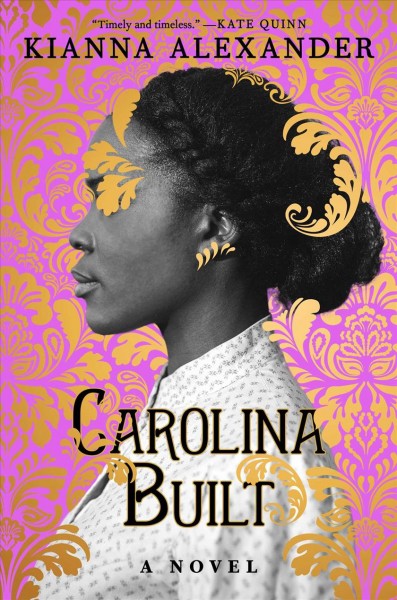
It’s an awesome time to be a fan of pop culture. You can listen to podcasters going episode-by-episode through the shows you binge-watched on DVD in college. You can read delightfully bizarre theories about the characters in your preschooler’s favorite TV show. You can gather with other fans at venues like ConnectiCon. And as the main orderer of nonfiction books, I know this is an excellent time to read about pop culture, too. Here are some new and recent books to both entertain you and deepen your appreciation for your show / movie / franchise du jour. 

Did Arya, Maximus, or Chandler have the biggest surge in popularity as a baby name? How many parents start off dead in Disney movies? Is Ash Ketchum a better GM or coach? Find the answers in this book, which is a fun mix of visualized data and writing which explores how mere “entertainment” affects politics, the economy, and even shark populations. Pulitzer Prize-winning author Hickley used to be the Chief Culture Writer at FiveThirtyEight, and it shows in his love of statistics. 

The Blues Brothers: An Epic Friendship, the Rise of Improv, and the Making of an American Film Classic by Daniel DeVisé (2024) 

The saga behind The Blues Brothers is epic, encompassing the colorful childhoods of Belushi and Aykroyd, the comedic revolution sparked by Harvard’s Lampoon and Chicago’s Second City, the early years of Saturday Night Live where the Blues Brothers were born, and the indelible behind-the-scenes narrative of how the film was made. Based on original research and interviews of principals from director John Landis and producer Bob Weiss to SNL creator Lorne Michaels and Aykroyd himself, The Blues Brothers vividly portrays the creative geniuses behind modern comedy. 

On Locations: Lessons Learned from My Life On Set with The Sopranos and in the Film Industry by Mark Kamine (2024) 

Married and with a child, the author takes unpaid gigs to get a foot in the door, and eventually ends up working on all seasons of The Sopranos. The show’s setting and its creator’s insistence on accuracy placed the native New Jersey author in the right place at the right time to become part of television history, and to witness the effects of sudden fame and acclaim on the show’s principal players. Includes many stories about guest stars, as well as the cast, including new tales of James Gandolfini. 

Opposable Thumbs: How Siskel & Ebert Changed Movies Forever by Matt Singer (2023) 

Award-winning editor and film critic Matt Singer eavesdrops on the iconic balcony set of Gene Siskel and Roger Ebert, detailing their rise from making a few hundred dollars a week on local Chicago PBS to securing multimillion-dollar contracts for a syndicated series. Their partnership was cut short when Gene Siskel passed away in February of 1999, but their influence on in the way we talk about (and think about) movies continues to this day. 

I Like to Watch: Arguing My Way Through the TV Revolution by Emily Nussbaum (2019) 

In this collection, New Yorker columnist and Pulitzer Prize winner Emily Nussbaum writes about her passion for television beginning with Buffy–as she writes, a show that was so much more than its critical assessment–the evolution of female protagonists over the last decade, the complex role of sexual violence on TV, and what to do about art when the artist is revealed to be a monster. And, she also explores the links between the television antihero and the rise of Trump. The book is an argument, not a collection of reviews. Through it all, Nussbaum recounts her fervent search, over fifteen years, for a new kind of criticism that resists the false hierarchy that places one kind of culture over another. It traces her own development as she has struggled to punch through stifling notions of ‘prestige television,’ searching for a wilder and freer and more varied idea of artistic ambition. 

Best. Movie. Year. Ever.: How 1999 Blew Up the Big Screen by Brian Raftery (2019) 
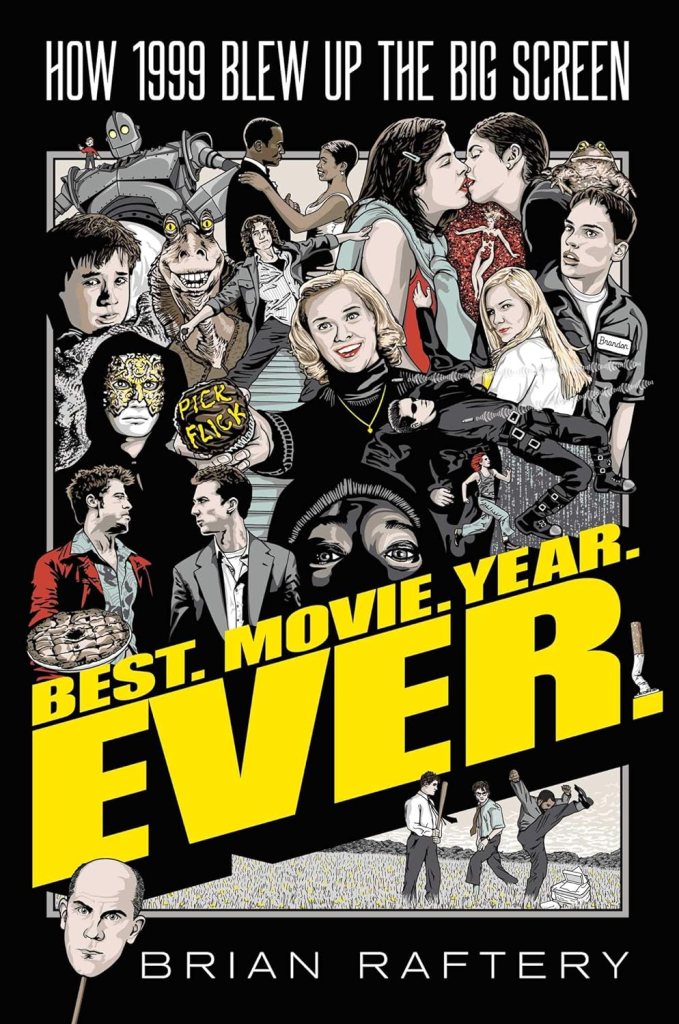
In 1999, Hollywood as we know it exploded: Fight Club. The Matrix. Office Space. The Blair Witch Project. The Sixth Sense. Being John Malkovich. Star Wars: The Phantom Menace.  Those are just some of the landmark titles released in a dizzying movie year, one in which a group of daring filmmakers and performers pushed cinema to new limits—and took audiences along for the ride. Freed from the restraints of budget, technology (or even taste), they produced a slew of classics that took on every topic imaginable, from sex to violence to the end of the world. The result was a highly unruly, deeply influential set of films that would not only change filmmaking, but also give us our first glimpse of the coming twenty-first century. 

Surely You Can’t Be Serious: The True Story of Airplane! by David Zucker, Jim Abrahams, and Jerry Zucker (2023) (downloadable audiobook) 

An in-depth and hysterical look at the making of 1980s comedy classic Airplane! by the legendary writers and directors of the hit film. With anecdotes, behind the scenes trivia, and never-before-revealed factoids, these titans of comedy filmmaking unpack everything from how they persuaded Peter Graves to be in the movie after he thought the script was a piece of garbage, how Lorna Patterson auditioned for the stewardess role in the back seat of Jerry’s Volvo, and how Leslie Nielsen’s pranks got the entire crew into trouble, to who really wrote the jive talk. It also features testimonials and personal anecdotes from well-known faces in the film, television, and comedy sphere, proving how influential Airplane! has been from day one. 

Titles we don’t have but you can borrow from other libraries in our consortium: 

No Crying in Baseball: The Inside Story of A League of Their Own by Erin Carlson (2023) 

The Coen Brothers: This Book Really Ties the Films Together by Adam Nayman (2018) 

Movies (And Other Things): A Collection of Questions Asked, Answered, Illustrated by Shea Serrano, illustrated by Arturo Torres (2019) 

What the Stars Read

Do you ever wonder what the movie and TV stars read?

After too long a break, I traveled once again to a multi-media convention in the Baltimore area as both a panelist and guest, giving me unique opportunities to learn about books, movies, television, actors, and other forms of popular media.

Among the topics discussed were the interactions of cyberpunk (tech-heavy stories) and the modern world, stories that cross genres and copyright laws (Is there anyone Scooby Doo didn’t meet? Why is there a Terminator in Wayne’s World?), trends in speculative fiction (Lunarpunk, anyone?), and more. And those were only the ones I was able to attend.

The best part of such gatherings is meeting the guests of honor. Guests can change at any time due to filming schedules or illness (Robert Duncan McNeill was replaced at the last second by John Billingsley, a phenomenally entertaining actor in person, due to McNeill testing positive for Covid), but there are always a number of interesting people making appearances. This year, among many outstanding actors, the guests included Adam Baldwin (Firefly, Chuck, The Last Ship) and Summer Glau (Firefly, Sarah Connor Chronicles, Sequestered, Arrow), and I was able to speak with both of them.

Summer Glau has put acting on the back burner for the moment as she home-schools her children. She herself was home schooled due to an overriding love of ballet, and thus was able to pursue dance more in depth with the flexibility of home schooling, though she admits there are gaps in her learning. I asked her who her favorite authors were, and what she likes to read. Glau is a fan of Steinbeck, especially East of Eden, as well as the classic Russian novelists like Tolstoy, and of course Jane Austen. She prefers her children have a more classical education, and that includes classical literature. She’s been reading books on farming, with daydreams of someday having a small farm (she is originally from Texas).

Adam Baldwin was a delight (No, he is no relation to Alec Baldwin and brothers). At 23, he appeared in the classic Kubrick film Full Metal Jacket, which is one of my favorites, and we discussed different war films we had each seen. He told me to watch The War Machine with Brad Pitt, I told him to watch 9th Company, an excellent Russian film about their 1980 invasion of Afghanistan. We talked about the WWI epic 1917. Baldwin admits he never made it to college, going into acting by the age of 18. His favorite authors? He likes reading Michael Crichton‘s best sellers such as Congo and Sphere, as well as Tom Clancy, and classic Stephen King, such as The Shining. By his own tale, he informed Stanley Kubrick that his film adaption of the The Shining was not as good as the book, which didn’t put him into Kubrick’s favor (Stephen King has been rather vocal on how much he himself disliked the film, despite it being ranked among the greatest horror films of all time).

In public, actors are always answering questions about their work, things they’ve done or would like to do, or nitpicky trivial questions about a single line of dialogue from decades ago that they can’t remember. Finding out what they like to read is a question they haven’t heard a thousand times, and brings out different aspects of the person behind the tabloid reports. Actors are more than just the roles they play, and finding something in common with them reminds us that off camera, they are people just like us!

When Art Imitates Life

Anne Perry is an accomplished mystery writer with more than forty novels to her name, including the Thomas Pitt series, the Daniel Pitt series, the William Monk series, and more. Many of her novels take place around World War I. 

She’s also a convicted murderer.

A friend from college – who is also a librarian – told me this while I was reading Death with a Double Edge, the fourth of her Daniel Pitt series. And thereby hangs a tale.

Perry (whose birth name was Juliet Hulme) was born in England but spent much of her childhood in the Bahamas, South Africa, and New Zealand. As a teen in New Zealand, she became fast friends with a girl named Pauline Parker. Their friendship was so tight it bordered on obsessive, with the girls creating rich fantasy worlds they pretended to live in, and throwing tantrums if they couldn’t be together.

When Perry was 15, her mother was caught in an affair, and her parents decided to divorce. Perry was going to be sent to South Africa to stay with relatives for a while. This sent the friends into a panic. They asked Pauline’s mother if Pauline could go with Anne/Juliet, and her mother said no. Pauline then, in the short-sighted way children have, decided to kill her mother, freeing Pauline to travel with Anne/Juliet. When Anne hesitated, Pauline threatened to kill herself if Anne didn’t help. Just three days later, while walking with Pauline’s mother, the girls beat her to death with a brick – a deed that took twenty savage blows.

Perry and Hulme were caught quickly. They were too young for the death penalty, and both wound up serving five years in prison. They didn’t speak to each other again. Perry eventually settled in the United Kingdom, where she lived a quiet, penitent life and took up writing mysteries that often had a theme of redemption. It wasn’t until 1994, when no one less than Peter Jackson made a movie about the crime (Heavenly Creatures), that a New Zealand journalist outed her as Juliet Hulme – three days before the release of the film. No one had spoken to her to get any actual facts about the crime, and the film remains highly fictionalized.

Is Perry the only author who has done hard time? Of course not. Mystery writer Dashiell Hammett did six months in jail for contempt of court. Nelson Algren, who wrote Man With the Golden Arm, spent five months in jail for stealing a typewriter. William S. Burroughs, author of The Naked Lunch, first spent time for forging a prescription, but later killed his common-law wife after a drunken argument while in Mexico. He escaped prosecution by fleeing back to the United States. Chester Himes was sent to jail for eight years at the age of 19 for armed robbery, where he began to write such novels as A Rage in Harlem and Cotton Comes to Harlem. In all cases, incarceration, even for a little while, made a huge impact on the writer and their view of the world.

Anne Perry’s latest book, Three Debts Paid, a fifth volume of the Daniel Pitt series, was released in April.

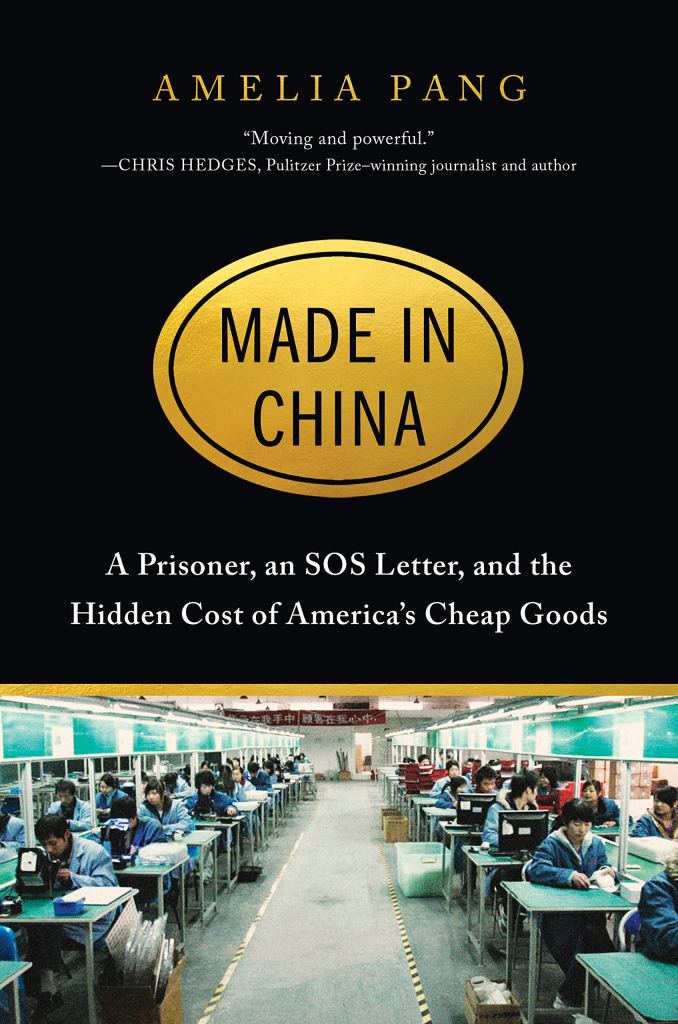
Made in China

Every now and then you read a book so disturbing you change your life because of it. That’s how I felt about Amelia Pang’s book, Made in China. I have not been so disturbed by a book since Road of Lost Innocence, by Somaly Mam. 

In 2012 Julie Keith opened up Halloween decorations, only to find a note in broken English, asking her to “kindly resend this letter to the World Human Right Organization. Thousands people here who are under the persecution of the Chinese Communist Party Government will thank and remember you forever.”

Julie did – contacting Amnesty International, Human Rights Watch, The United Nations Human Rights Council, and Anti-Slavery International.

None of them called her back.

Through her own research, she slowly learned the extent that America’s cheap consumer goods are, too often, being manufactured illegally by political prisoners in China, who work in concentration camp conditions amid torture and starvation.

 It wasn’t until she spoke to Immigration and Customs and Border Protection that she got anyone to listen – ICE and CBP are the agencies responsible for preventing forced-labor products from entering US markets. ICE made a formal request to visit the “reeducation center” where the product was made. China refused. Keith learned that China has never allowed inspection of their manufacturing facilities, and one piece of evidence isn’t enough to push further.

But Keith couldn’t stop thinking about the person who wrote the note. She wound up doing an interview for The Oregonian, and suddenly found herself in the spotlight of Chinese dissident news, CNN, Fox, and more. Through the group Human Rights Watch, Keith found out it’s almost impossible to prove human rights violations – Kmart insisted the factory had been audited every 6 to 12 months, absolutely within the law, but audits cost money and mostly check for cleanliness and quality control. They never check for the source of labor. When you have a hundred thousand subcontractors, and each audit is $1,000, the costs and time add up to impossible.

Sun Yi and his letter

Sun Yi was the man who wrote that note in 2009, three years before Julie Keith found it. He was imprisoned and tortured for belonging to a meditation group that fell into disfavor with the Party. After two years of  starvation, torture, and working sometimes 24 hours a day in inhumane conditions, he was released. CNN interviewed him, blocking his face so he could not be identified. Sun Yi decided that, while he could get the information out, he wanted to write a letter to Julie, thanking her. He included his email address. Sun realized if he was to live, he had to leave China, and slipped out to Indonesia before the Chinese authorities could stop him, since Indonesia didn’t require a visa for Chinese citizens. There, he had free communication with the world.

In March of 2017, Julie Keith flew 36 hours to Indonesia, to meet Sun Yi in person, something she always wanted to do. The meeting was bittersweet, and Keith learned much about Yi’s poor treatment.

In October of 2017, Sun Yi died mysteriously of a lung infection and kidney failure. He was said to have been befriended by a Chinese woman not long before. She wasn’t seen in Jakarta afterward. No autopsy was performed.

This book tore at my heart. It’s short, easy to read, and always engaging. As we flip past internet bargains and snap up dollar deals, think twice before buying cheap merchandise. Ask if the item was made in the USA, and try (oh yes, it’s difficult) to buy items made only in countries who pay fair wages and rely on fair trade. Does that pop-up ad on social media look beautiful, at a reasonable price? Google the company. If there’s little to no information on it, it may be because it’s fly-by-night. You might get a nice product, but the company may fold in one town and open up under a different name three blocks away in the same Chinese city, using the same illegal workers. 

I got suckered in by that myself: researched the company, found no red flags, ordered what I thought was a hand-made item by a small Mom & Pop company, until a few weeks later when I got an email telling me my package had just cleared customs from China.

Huh? 

The package arrived with a label that had a New York State company address – slapped directly over the label that was on the envelope that arrived from China.

Think when you purchase something. Without demand for cheap products, there will be less demand for labor. Ask yourself: Do I really need this? Is the price too good to be true? Where was it made? Who made it? Who is profiting from my buying it? Was someone harmed by my decision to purchase this item?

Sometimes, the answer might be yes.

Re-Covery

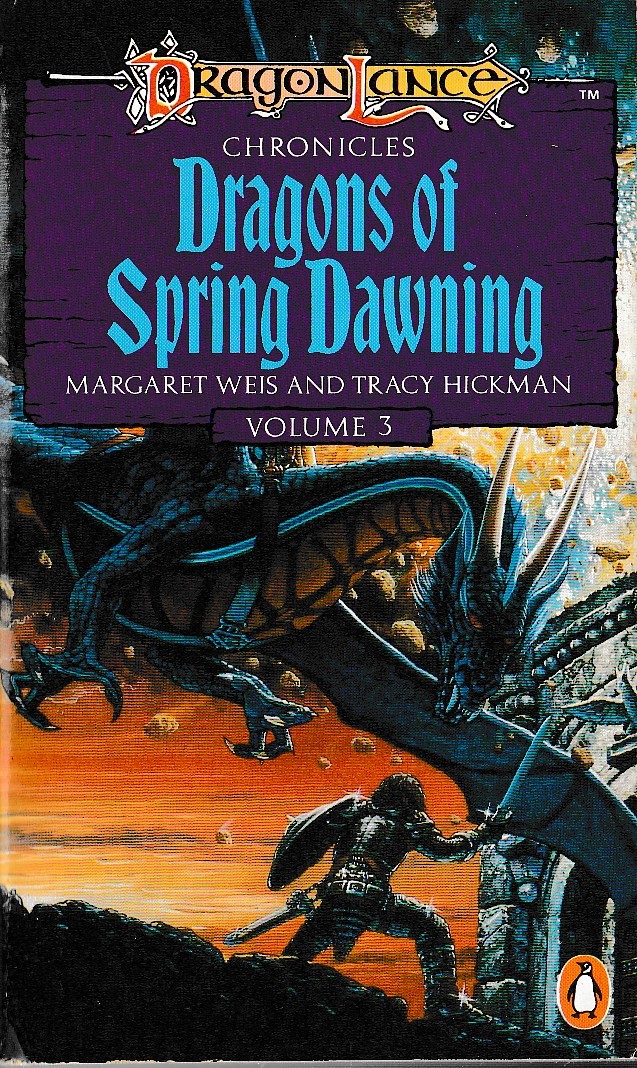
They tell you not to judge a book by its cover, but a book cover can make or break a book’s success. While browsing a used bookstore decades ago, I fell utterly in love with the covers of a book series I’d never heard of before – DragonLance, by Margaret Weiss and Tracy Hickman. I had to buy them, even just to look at the covers. The cover paintings were done by Larry Elmore, one of the premiere fantasy artists of the time. I’d never gotten too much into sword and sorcery books, but I devoured these. The second trilogy was still being written, and it was agony waiting for the next book in the series. I love those books to this day; they influence my own writing and imagination, and all because I had to have that book cover.

And nothing, of course, is more infuriating than when they change that book cover you know and love, and not usually for the better. Have you read this book? The title looks familiar, but not the cover … and then you start to read and find out yes, you’ve read it before, they changed the cover on you. Why?

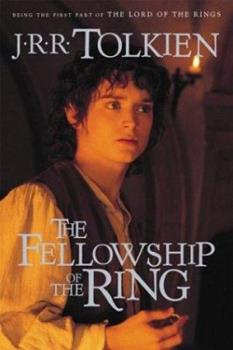
There are many reasons a book gets a new cover. It may have changed publishers. It may be the paperback edition of a hardcover, or a school edition, or an audiobook – and audiobook companies, who often have a middleman, don’t always get permission to use the same cover. It may be a new printing – if a book contract agrees to a run of 5,000 copies, and 6,000 are ordered, the book may get a new distribution run, resulting in a new cover. The book may have been sold to a new publisher – such as Bantam Books being sold to Random House. Random House will then reissue a strong seller with their own brand of cover. If a movie or TV series is made from the book, a new edition will be released with a cover that reflects the new media, as happened with Lord of the Rings and Ready Player One. Sometimes the publisher gets flack because the cover has absolutely nothing to do with the story, and they rework it.

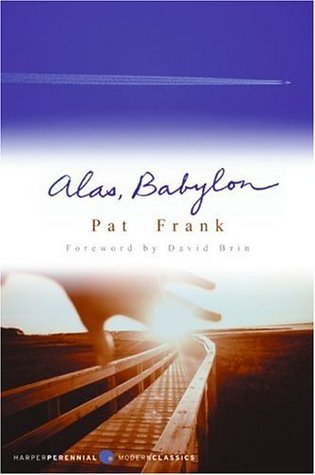
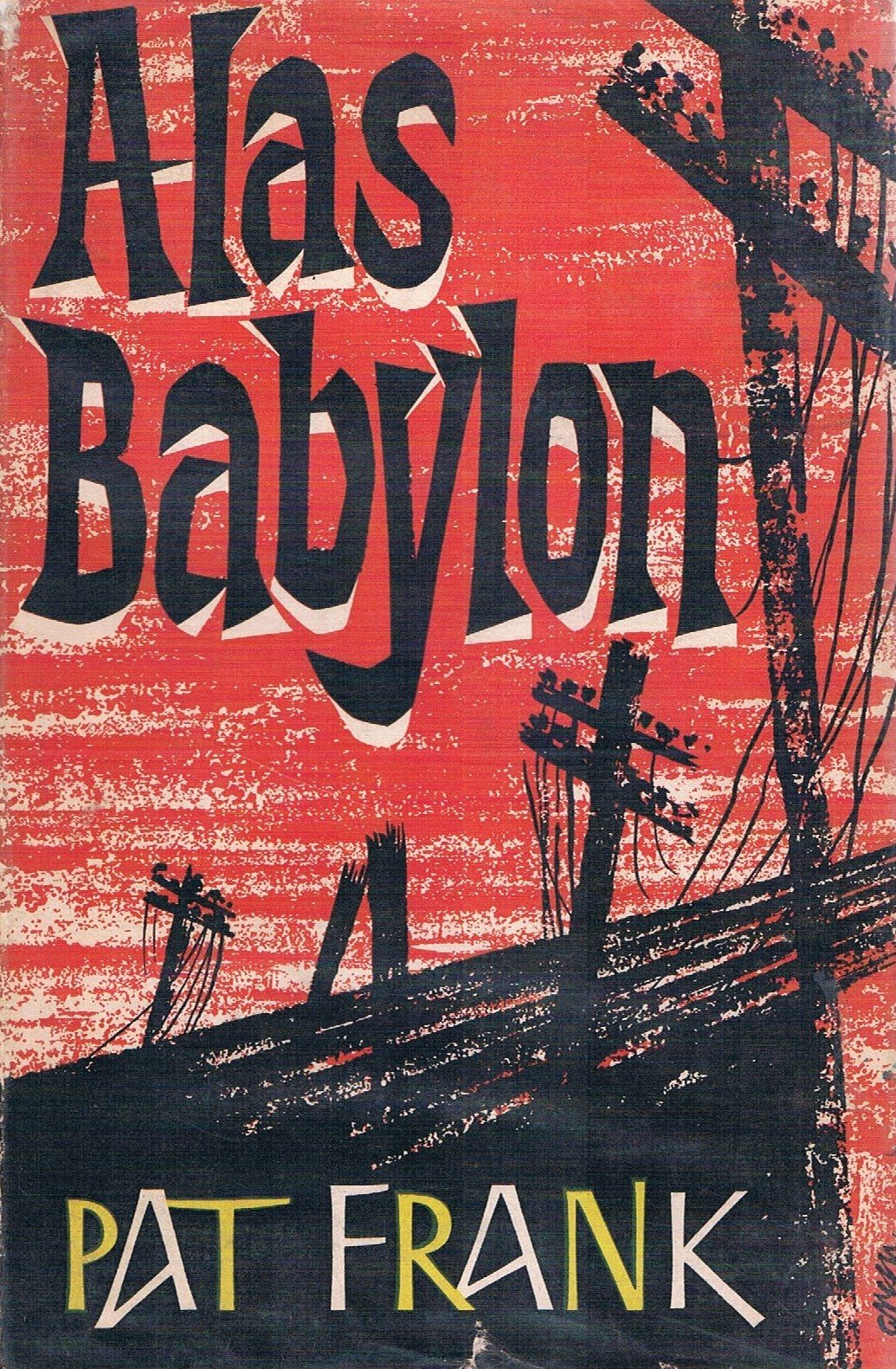
Sometimes, it’s hard to keep up, and sometimes, the cover art makes you scratch your head. Take, for example, the book Alas, Babylon, a 1959 novel of nuclear apocalypse that, if it’s not still my absolute favorite novel, it’s in my top three. First below is the cover I read it with – sensible, with the red/orange color of disaster and warning and nuclear fire, and people walking out of it. Compare that with the many covers it’s had since 1959:

The current one, number two above, a fourth edition by Harper Collins, to me, is puzzling – small font, an empty boardwalk, and a hand? This is not a cover that invites me to read, tells me a single thing about the story. Perhaps, after so many editions, they run out of ideas. Another fact: it’s very rare an author gets to choose the cover of their book – or have any input at all. You may submit your perfect dream cover along with your manuscript, and the publisher will toss it and give the work to one of their contracted artists. This is how you wind up with a blonde, blue-eyed heroine on the cover when the main character has short black hair.

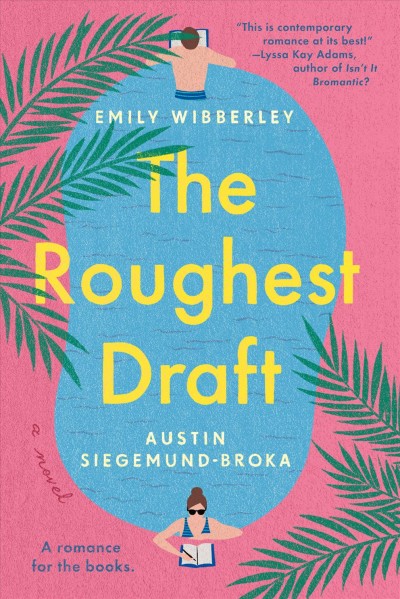
Book covers also reflect what seems to be popular – a few years ago it seemed every book had a girl rolling around on the ground. If one sells, then everyone wants to copy that success. The bottom half of a face? Those are popular. Romance novel covers were almost interchangeable – how many were based on the model Fabio?  This year, pink is supposed to be “in” for covers again, as well as layered graphics and bold lettering.

Don’t like a book cover? Let the publisher know! Editors read the books, not the artists, or the publisher. If they’ve missed the mark, tell them. Authors depend on good covers to grab readers; if the cover isn’t intriguing, it’s wasting money.

What book covers have hit the mark, reached out and grabbed you so you had to read it?

What types of covers make you walk away?

Has a book cover ever made you angry?

Let us know!