Disappearing Authors

Barbara Newhall Follett was a writer who disappeared. Not fell out of favor or faded out of print, but disappeared. Considered a child genius who published a successful novel at the age of 12, The House Without Windows (it helped, of course, that her father was an editor at Alfred Knopf publishers), Follett was emotionally destroyed by her father’s divorce when she was 14, and never did much more. In 1939, Follett had a fight with her husband, walked out her door in Boston, and was never seen again…

Some authors are known for being extremely reclusive – J. D. Salinger, for one. Salinger had numerous personal and family issues, many, his daughter believed, stemming from PTSD from serving in World War II, and he hid from the intense fame he acquired from Catcher in the Rye. He seldom gave interviews or made appearances.

Thomas Pynchon is another, not having given an interview or even having a photo published in more than fifty years. He has no media accounts. In his late 80’s, it’s believed he’s living in Mexico, but no one except perhaps his publisher knows for certain.

Some authors aren’t lost, they’re just taking forever on that next novel – sometimes 10 years or more (staring right at you, George R. R. Martin). There are only a handful who have actually disappeared, becoming their own mystery.

Agatha Christie is perhaps the most famous. The Queen of Mystery herself disappeared in 1926, after a fight with her husband over his request for a divorce. Her car was discovered, empty. More than 15,000 people turned out to look for her, with Sir Arthur Conan Doyle going so far as to hire mediums. Eleven days later, she turned up in a hotel, 185 miles away, with no memory of what happened. Some publicists called it revenge against her husband that backfired when so many people got involved, while doctors said she had a nervous breakdown from the strain.

Solomon Northup is a name you may be familiar with. His memoir was made into an Oscar-Winning film, Twelve Years a Slave. Northup, who was born free in upstate New York but kidnapped and sold into slavery, wrote and published his memoir in 1853. Then, in 1857, he seems to disappear from historical records. Some thought he may have been kidnapped again, but his age at the time (around 50) made it unlikely. A Methodist minister in Vermont claimed to have worked with him in the early 1860’s, and last saw him in 1863. It’s assumed he died sometime between 1863 and 1864.

Elena Ferrante is a well-known author of more than 30 books, some of which have been made into movies or TV series, such as My Brilliant Friend. It’s also a pseudonym. Her true identity is a secret and almost nothing is known about her, except that she was born in Naples. In interviews, she claims it’s from shyness and fear of coming out of her shell. Speculation claims the author is actually Anita Raja, or her husband. Both people, and Ferrante’s publisher, deny it emphatically.

Antoine de St. Exupery is most famous for the timeless classic, The Little Prince, which was partly based on an airplane crash he and his navigator survived in the Libyan Desert. St. Exupery became a pilot in the 1920’s, joining the French Army, and later the French Air Force. Much of his writing has an aviation theme. When France was pulled into World War II, St. Exupery was assigned to reconnaissance missions, as an experienced pilot. On July 31, 1944, he left the airbase on Corsica in a Lockheed P-38, and was never heard from again. It wasn’t until 1998 – 54 years later, that a fisherman found a bracelet with his name on it. No one believed it, as it was some distance away from his intended flight plan. In 2000, a diver near the same area discovered wreckage of a Lockheed P-38. In 2003, the pieces were recovered and tested, proving indeed it was St. Exupery’s plane, downed in the war, though the details remain a mystery.

Ambrose Bierce was a short story writer and Civil War veteran, most famous for the story An Occurrence at Owl Creek Bridge. His stories influenced Stephen Crane and Ernest Hemingway, and he is considered one of America’s best satirists. At the age of 71, he went on a trip to visit his old Civil War battlegrounds, crossed over into Mexico, and wound up joining Pancho Villa’s army, documenting the battles. His last letter is dated December 26, 1913. His secretary believed he threw himself into the Grand Canyon in a suicide move, but witnesses saw him in Chihuahua in January of 1914.  Mexican legend has it he was executed by a firing squad.  Either way, it’s a great story!

Jack Black is one rough figure- no, not the actor! A drifter and burglar born around 1871, his 1926 autobiography You Can’t Win described his life of crime on the road. Disenchanted with both “genteel” life and that of the judicial system, he spent 30 years as a traveling criminal (15 of which he spent in prison). The book was influential for William S. Burroughs, a pioneer of the Beat Generation. Another odd fact: The author who helped him with his autobiography was none other than Rose Wilder Lane, the daughter of Laura Ingalls Wilder. You Can’t Win was adapted into a movie starring Michael Pitt and Jeremy Allen White, but has been in a liminal post-production stage for years. Black himself disappeared in 1932, and is believed to have committed suicide.

Returning to Barbara Newhall Follett’s story, there is something of a conclusion. After her disappearance, her husband didn’t report her missing for two weeks. The police eventually put out a bulletin – four months later. They used her married name, not her maiden name. A body was found, then determined not to be hers but a woman who had been missing years before. Thirteen years later, her mother insisted the police look harder, but nothing new was found. In 2019 – eighty years later – writer Daniel Mills proposed a theory that her body had been found in 1948, just not properly identified. The body had been found in New Hampshire – just a half mile from where she had a rental property and not terribly far from her home in Boston. The possessions found with the body were things Follett was known to have. The cause of death was barbiturate overdose, a substance Follett had taken before. The police in New Hampshire had no idea she’d been missing.

Authors, even the most famous ones, are still people, with the same dramas as everyone else. Does art imitate life, or does life create the art?

For books on “prodigies” who turn away from their potential, check out Outliers by Malcolm Gladwell, or Off the Charts: The Hidden Lives and Lessons of American Child Prodigies by Ann Hulbert.

Able and Willing

Disability is a loaded word. 

I won’t debate the semantics of the term, what the current politically correct term is, or how to make your workplace more variant friendly.

Let’s talk about something far more inflammatory. The rights of the disabled to carry out adult relationships. At best, a disabled person is able to find a partner despite their difficulties, marry (or not), and live a happy adult life together, with or without kids (popular example: the TV show Little People, Big World). Sometimes, it’s disabled people fighting in court for the right to marry or raise their own children (the movie I Am Sam). At the very worst, it’s vulnerable people being preyed upon, taken advantage of, or controlled to the point of involuntary sterilization.

I grabbed the book Hunchback, partly because it was short, and partly because I’ve been in the field of disabilities for 40 years. Hunchback, a novella by Saou Ichikawa, was not the book I’d expected, despite winning multiple awards. Ichikawa’s character, Shaka, suffers from congenital myopathy (same as the author—write what you know), which has left her with progressively weak muscles. Her back is so hunched over she can’t breathe when holding a book, and she spends half the day using a ventilator. She can walk short distances, but her body is twisted and one leg is far shorter than the other. She has a tracheostomy, which makes talking difficult, so she uses a lot of alternative communication devices. Shaka spends her time writing erotica online, the money from which she spends on food for poor people and women. 

Winner of several Japanese awards, Hunchback calls out ableism on many levels. Ichikawa considers it political: Disabled people are hidden away by society, never considered because they’re never seen. People in wheelchairs are rarely mentioned in literature at all, unless they’re being “cured,” like in Heidi or A Secret Garden. Disabled people are portrayed as a drain on society, dependent on charity, so by making a wealthy disabled character (who generates income through pornography), she pokes a hornet’s nest.

Another book that touches on the subject of sexual autonomy is James Cole’s Not a Whole Boy. Cole was born in the 60’s with a severe case of exstrophy – most of his organs were born outside his body, and his pelvis malformed. Most babies with this condition do not survive. Due to Cole’s mother’s determination and a great team of doctors, Cole managed to thrive despite severe obstacles. While he seemed more or less normal to other kids, Cole hid the fact that he had double ostomies – all his waste was collected in bags, as he didn’t have the needed parts and couldn’t use a toilet. As he got older and puberty kicked in, it became necessary to undergo multiple surgeries just to have a sense of comfort, normalcy, and proper biological function. Cole’s book documents his struggles with medieval children’s hospitals, lack of pain management, and his eventual success with a career in art and film – certainly not hidden away.

A book that took me by complete surprise was Riva Lehrer’s Golem Girl, a golem being a creature formed from dirt or clay. Riva was born with Spina Bifida in 1958, a time when most afflicted infants did not survive, and almost certainly didn’t walk. She suffers dozens of painful surgeries to keep her mobility, most of which do nothing to ease her issues – she’s just a guinea pig for the surgeons. Although she attends a grade school for the disabled (disability laws hadn’t been written yet), she attends a mainstream high school, then university, where she gets a degree in fine art, all while dealing with surgeries and intense feelings of revulsion toward herself. Amplifying it is her mother’s overprotective codependency, spitting out helpful comments such as “You don’t need a nose job. No one wants to marry a cripple,” and “You shouldn’t have children; pregnancy will just mess up your spine worse,” – culminating in an involuntary hysterectomy at 15 on the mother’s order. 

Riva goes on to have multiple affairs with both men and women. While some relationships work out, many times she’s still hit with prejudice – “I can’t love a cripple.” Riva remains unstoppable. She becomes more comfortable with herself through meeting up with other people – often activists – with disabilities. As an artist, she gains renown (and awards) through her paintings of disabled people (and others) she has met. 

This book was so hard to put down, and read like you were in the middle of a conversation with her. Lehrer doesn’t go into detail on her disability or surgeries; she talks about herself, not her medical issues. After doing time as an anatomical artist, she sees people not so much as disabled, but as human variants – no one is “normal,” there is no “normal,” just human variations. But everyone has a right to love and happiness.

At the heart of it, people with physical disabilities are still people. It doesn’t mean they don’t have the same dreams, desires, or feelings as people who aren’t. All of these books will give you deep new insights into the strength of humanity.

The Legacy of MLK

It’s hard to live in America and not know who Martin Luther King Jr. was. If you’re reading this from out of the country, MLK was a black Baptist minister who became the driving force in the 1960’s fight for civil rights, and for the equal treatment of black citizens in America. His call was for peaceful protest and non-violence – always non-violence – and he was awarded the Nobel Peace Prize in 1964. For his outstanding efforts, Mr. King was assassinated on April 4, 1968. James Earl Ray was charged with the murder, a white troublemaker with a 7th grade education and a long rap sheet. Ray admitted to the crime, had a strong timeline leading up to the crime, had fingerprints on the weapon, but because he lied numerous times and changed pleas and facts all over the place, conspiracy theories abound.

Kings death no doubt played a major role in the passage of the 1968 Civil Rights Act, just a week later, in an effort to help quell the riots that followed his death. His examples reached into South Africa and Northern Ireland, areas of long hostilities, and a statue of him stands in Westminster Abbey in London.

King’s beliefs and activities created as many conflicts as they tried to solve. While the racially charged South saw him as too progressive, so far as to call him a communist, many in the black community, such as Malcolm X, thought he didn’t go far enough and demanded radical action, not peaceful protests. King alienated himself from the US government by opposing the war in Vietnam. Herbert Hoover, head of the FBI, considered King a radical and sent him threatening letters. It wasn’t until 1986 that Ronald Reagan enacted Martin Luther King Day as a Federally recognized holiday.

Biographies will give the standard information on Martin Luther King, and while White Trash (warning: FaceBook will jail you for discussing this book) and Caste are excellent books which will open your eyes to issues you never considered, they’re heavy on sociology and can be difficult to slog through at times. If you’d rather read about the issues he fought against, and where we stand today on Civil Rights in an easier fashion, check out these non-fiction books that will give you a good perspective of the issues. If non-fiction isn’t your thing, try these novels about modern issues as well, and realize we still have a long way to go. 

The Hate U Give

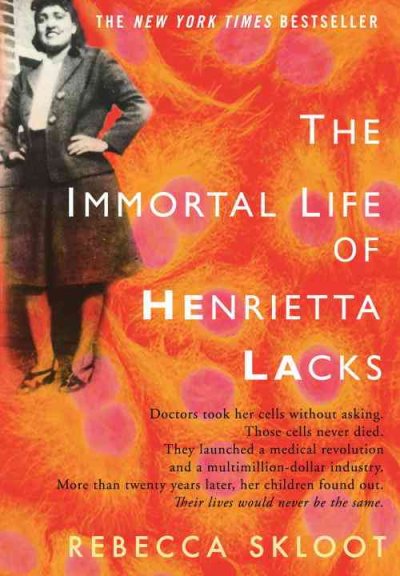
The Immortal Life of Henrietta Lacks

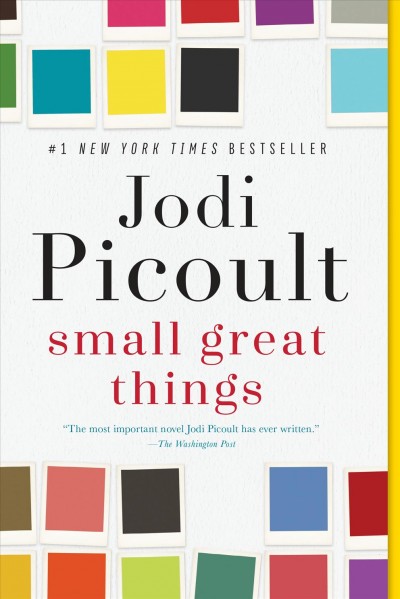
Small Great Things

My Brother Moochie

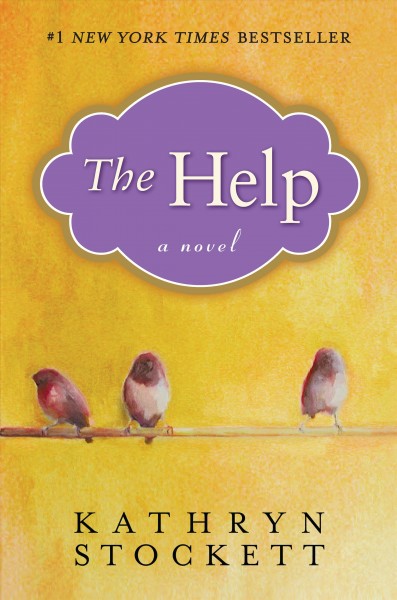
The Help

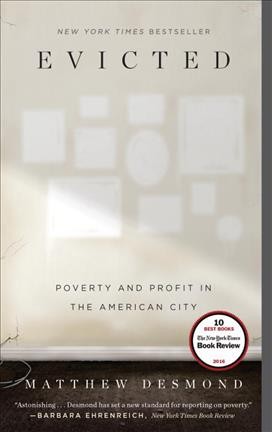
Evicted

Native Son

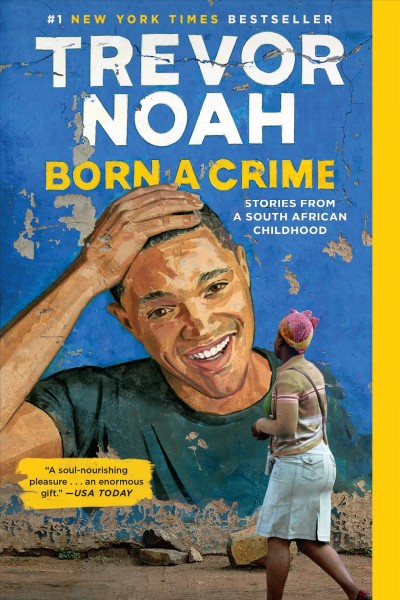
Born a Crime

Sing, Unburied, Sing

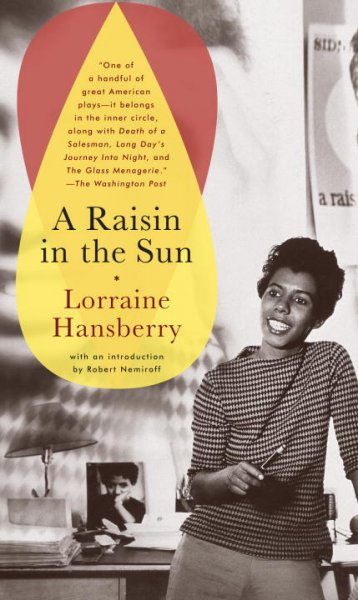
A Raisin in the Sun

Long Way Down

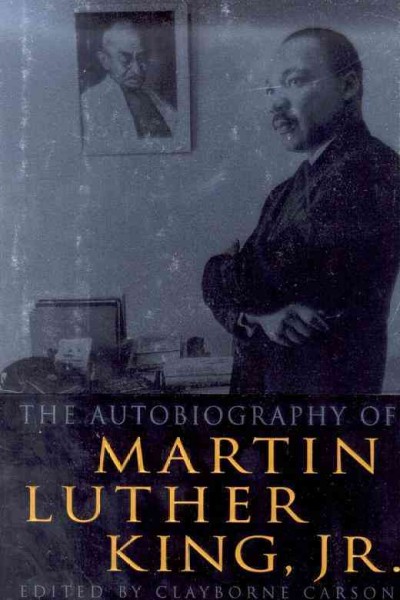
The Autobiography of Martin Luther King Jr.

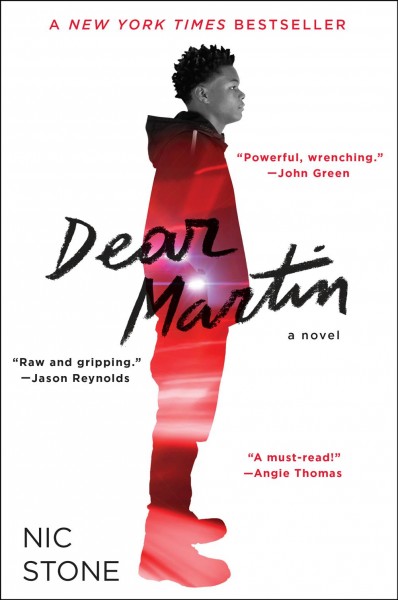
Dear Martin

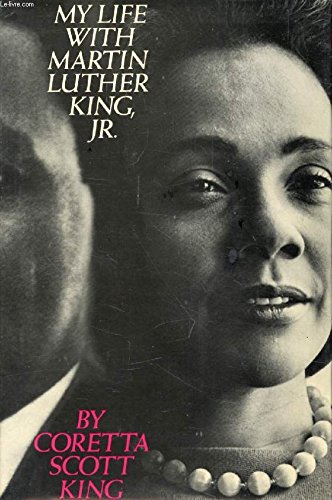
My Life With Martin Luther King Jr

Survival Math

How We Fight for Our Lives

Celebrities – They’re Just Like Us! The 10 Best Celebrity Memoirs of 2021

We seem to be in the midst of a celebrity memoir boom. Seems like every celeb with time on their hands during the height of the pandemic used that time to write their memoirs. Of course, not every famous person’s story is interesting enough to devote an entire book to, but we’ve picked out 10 from 2021 that we think are worth the page count. There is something really appealing about a candid celebrity memoir that reveals the real person behind the “persona”, be prepared to be entertained, and even inspired, by these celebrity stories.

The Beauty of Living Twice by Sharon Stone. She was one of the most renowned actresses in the world–until a massive stroke cost her not only her health, but her career, family, fortune, and global fame. Stone talks about her pivotal roles, her life-changing friendships, her worst disappointments, her greatest accomplishments, and ultimately, how she fought her way back after devastating illness.

Taste: My Life Through Food by Stanley Tucci. Tucci reflects on the intersection of food and life, filled with anecdotes about his growing up in Westchester, New York; preparing for and shooting the foodie films Big Night and Julie & Julia; falling in love over dinner; and teaming up with his wife to create meals for a multitude of children. A gastronomic journey through good times and bad, five-star meals and burned dishes.

Just As I Am by Cicely Tyson. Her memoir was released just days after the 96-year-old actress passed away this year. The Academy, Tony, and Emmy Award-winning actor and trailblazer tells her stunning story, looking back at her life and six-decade career. President Barack Obama said of her: “In her long and extraordinary career, Cicely Tyson has not only succeeded as an actor, she has shaped the course of history.”

Broken (in the best possible way) by Jenny Lawson. As Jenny Lawson’s hundreds of thousands of fans know, she suffers from depression. In Broken, she brings readers along on her mental and physical health journey, offering heartbreaking and hilarious anecdotes along the way. Jenny humanizes what we all face in an all-too-real way, reassuring us that we’re not alone and making us laugh while doing it.

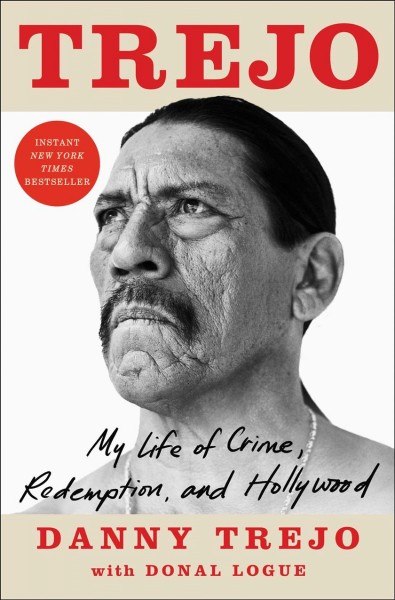
Trejo : My Life of Crime, Redemption, and Hollywood by Danny Trejo. You may not know him by name, but character actor Danny Trejo has one of the most recognizable faces in film and television. On screen, the actor played scores of bad guys, and has been killed at least a hundred times. This is an inspirational story of a journey from crime, prison, addiction, and loss to unexpected fame as Hollywood’s favorite bad guy with a heart of gold.

Forever Young by Hayley Mills. Under the wing of Walt Disney himself, Hayley Mills was transformed into one of the biggest child starlets of the 1960s through her iconic roles in Pollyanna, The Parent Trap, and many more. This memoir is a behind-the-scenes look at the drama of having a sky-rocketing career as a young teen, as well as the challenges of dealing with an industry that wanted her to remain to bound to a wholesome, youthful public image.

All In : An Autobiography by Billie Jean King. In this spirited account, Billie Jean King details her life’s journey to find her true self. She recounts her no only her groundbreaking tennis career–six years as the top-ranked woman in the world (twenty Wimbledon championships, thirty-nine grand-slam titles) , but also her activism as a feminist and social justice fighter in the wake of her coming out as gay at age 51.

Going There by Katie Couric. For more than forty years, Katie Couric has been an iconic presence in the media world. In her brutally honest, funny, and sometimes heartbreaking memoir, she pulls no punches as she reveals what was going on behind the scenes of her sometimes tumultuous personal and professional life.

The Storyteller : Tales of Life and Music by Dave Grohl. The legendary American musician, singer, songwriter and documentary filmmaker offers a collection of stories that focus on the memories of his life, from his childhood to today. With his reflections on touring with Scream, joining Nirvana and watching it all crumble, creating Foo Fighters when his life was at a crossroads, and now crisscrossing the world as a family man, Grohl offers an honest portrait of an extraordinary life made up of ordinary moments.

The Boys : A Memoir of Hollywood and Family by Ron Howard & Clint Howard. What was it like to grow up on TV? For Ron, playing Opie on The Andy Griffith Show and Richie Cunningham on Happy Days offered fame, joy, and opportunity, but also invited stress and bullying. For Clint, a fast start on such programs as Gentle Ben and Star Trek petered out in adolescence, with some tough consequences and lessons. By turns confessional, nostalgic, heartwarming, and harrowing, The Boys is a dual narrative that lifts the lid on the Howard brothers’ closely held lives.


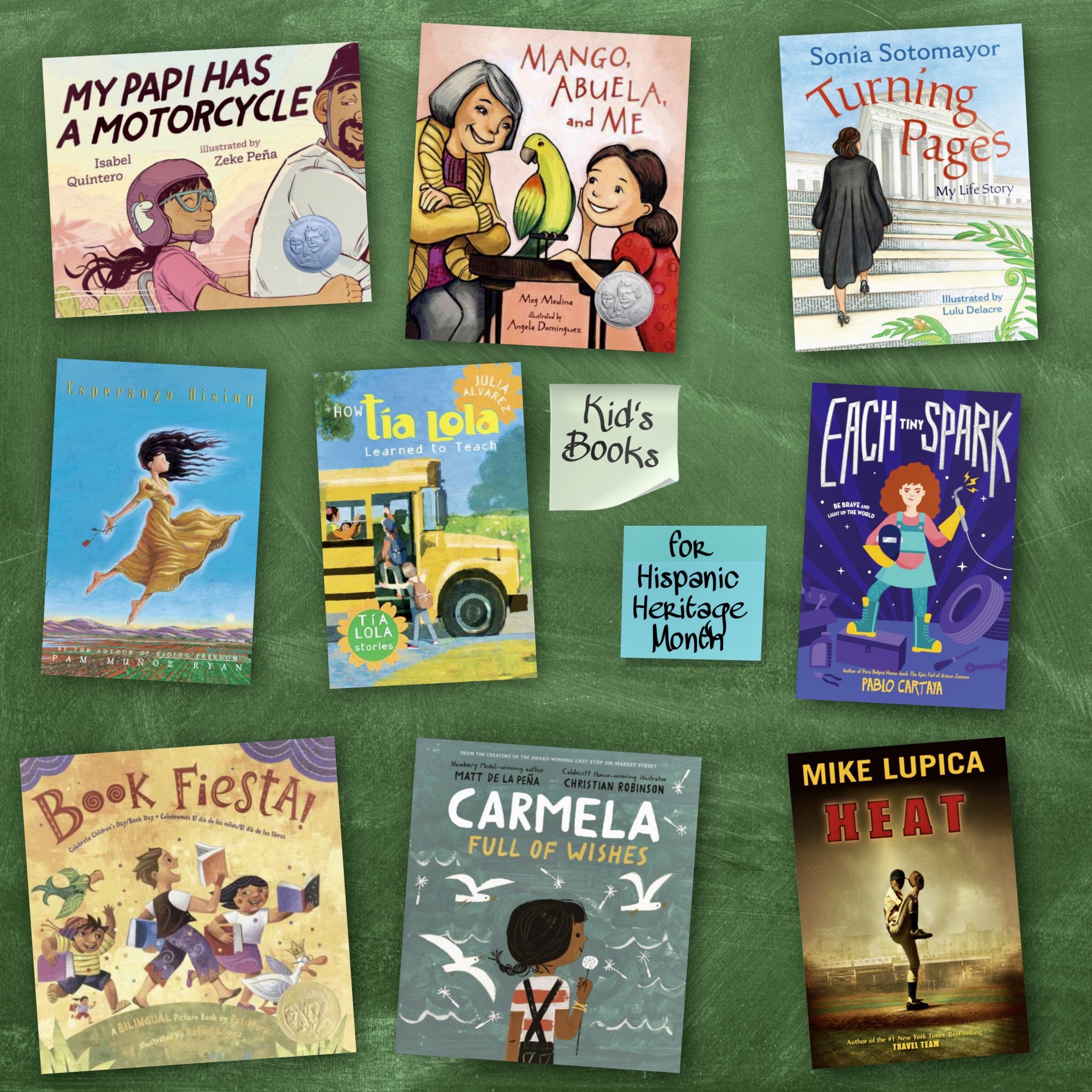
Celebrate Hispanic Heritage Month with books for all ages

Each year, Americans observe Hispanic Heritage Month from September 15 to October 15, by celebrating the histories, cultures and contributions of Americans  whose ancestors came from Spain, Mexico, the Caribbean and Central and South America. The observation started in 1968 as Hispanic Heritage Week under President Lyndon Johnson and was expanded by President Ronald Reagan in 1988 to cover a month long period starting on September 15 and ending on October 15.

The day of September 15 is significant because it is the anniversary of independence for Latin American countries Costa Rica, El Salvador, Guatemala, Honduras and Nicaragua. In addition, Mexico and Chile celebrate their independence days on September 16 and September 18, respectively.

Check out these books from Cheshire Library that celebrate Hispanic culture and authors!

For  Adults:

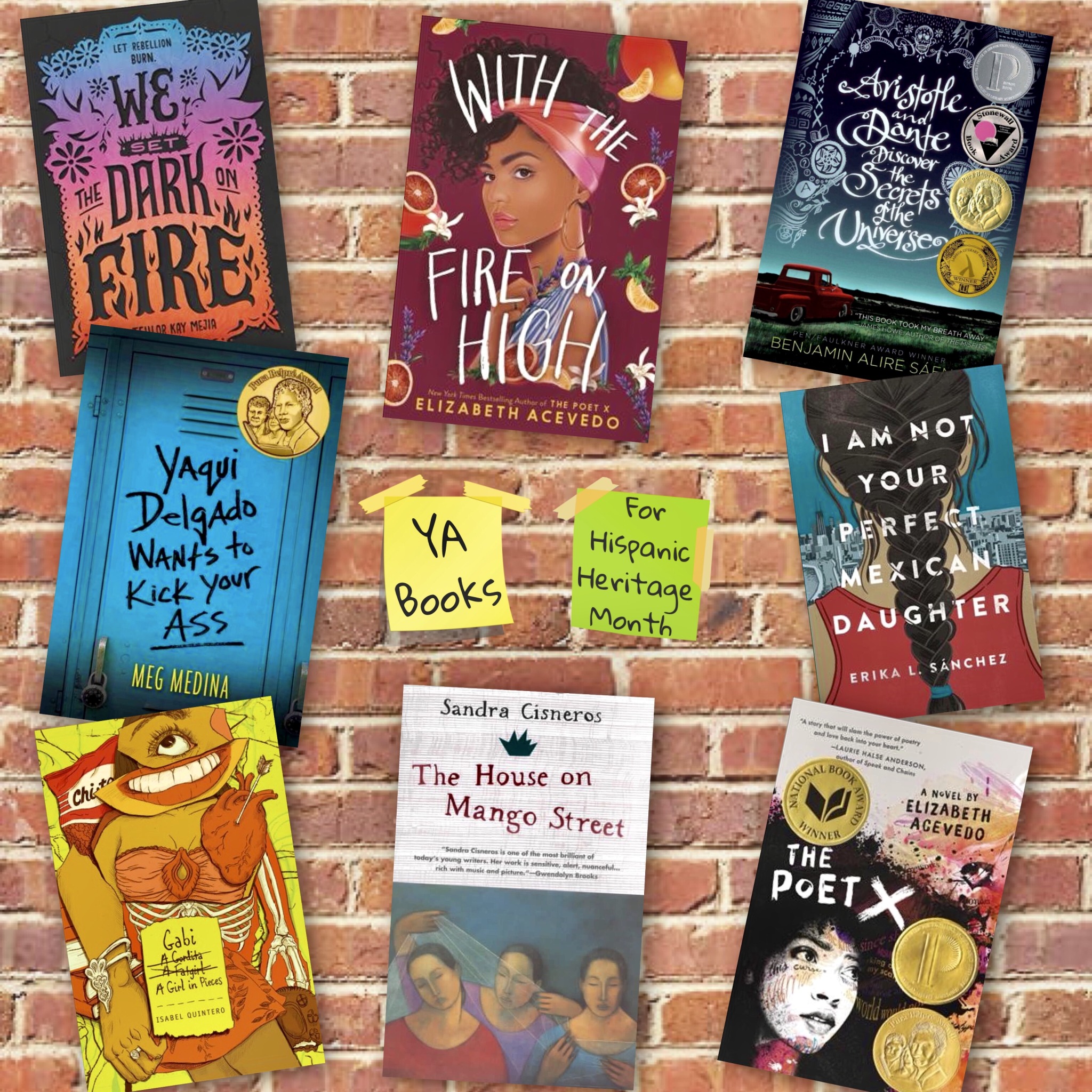
For Teens:

For Kids: