Disappearing Authors

Barbara Newhall Follett was a writer who disappeared. Not fell out of favor or faded out of print, but disappeared. Considered a child genius who published a successful novel at the age of 12, The House Without Windows (it helped, of course, that her father was an editor at Alfred Knopf publishers), Follett was emotionally destroyed by her father’s divorce when she was 14, and never did much more. In 1939, Follett had a fight with her husband, walked out her door in Boston, and was never seen again…

Some authors are known for being extremely reclusive – J. D. Salinger, for one. Salinger had numerous personal and family issues, many, his daughter believed, stemming from PTSD from serving in World War II, and he hid from the intense fame he acquired from Catcher in the Rye. He seldom gave interviews or made appearances.

Thomas Pynchon is another, not having given an interview or even having a photo published in more than fifty years. He has no media accounts. In his late 80’s, it’s believed he’s living in Mexico, but no one except perhaps his publisher knows for certain.

Some authors aren’t lost, they’re just taking forever on that next novel – sometimes 10 years or more (staring right at you, George R. R. Martin). There are only a handful who have actually disappeared, becoming their own mystery.

Agatha Christie is perhaps the most famous. The Queen of Mystery herself disappeared in 1926, after a fight with her husband over his request for a divorce. Her car was discovered, empty. More than 15,000 people turned out to look for her, with Sir Arthur Conan Doyle going so far as to hire mediums. Eleven days later, she turned up in a hotel, 185 miles away, with no memory of what happened. Some publicists called it revenge against her husband that backfired when so many people got involved, while doctors said she had a nervous breakdown from the strain.

Solomon Northup is a name you may be familiar with. His memoir was made into an Oscar-Winning film, Twelve Years a Slave. Northup, who was born free in upstate New York but kidnapped and sold into slavery, wrote and published his memoir in 1853. Then, in 1857, he seems to disappear from historical records. Some thought he may have been kidnapped again, but his age at the time (around 50) made it unlikely. A Methodist minister in Vermont claimed to have worked with him in the early 1860’s, and last saw him in 1863. It’s assumed he died sometime between 1863 and 1864.

Elena Ferrante is a well-known author of more than 30 books, some of which have been made into movies or TV series, such as My Brilliant Friend. It’s also a pseudonym. Her true identity is a secret and almost nothing is known about her, except that she was born in Naples. In interviews, she claims it’s from shyness and fear of coming out of her shell. Speculation claims the author is actually Anita Raja, or her husband. Both people, and Ferrante’s publisher, deny it emphatically.

Antoine de St. Exupery is most famous for the timeless classic, The Little Prince, which was partly based on an airplane crash he and his navigator survived in the Libyan Desert. St. Exupery became a pilot in the 1920’s, joining the French Army, and later the French Air Force. Much of his writing has an aviation theme. When France was pulled into World War II, St. Exupery was assigned to reconnaissance missions, as an experienced pilot. On July 31, 1944, he left the airbase on Corsica in a Lockheed P-38, and was never heard from again. It wasn’t until 1998 – 54 years later, that a fisherman found a bracelet with his name on it. No one believed it, as it was some distance away from his intended flight plan. In 2000, a diver near the same area discovered wreckage of a Lockheed P-38. In 2003, the pieces were recovered and tested, proving indeed it was St. Exupery’s plane, downed in the war, though the details remain a mystery.

Ambrose Bierce was a short story writer and Civil War veteran, most famous for the story An Occurrence at Owl Creek Bridge. His stories influenced Stephen Crane and Ernest Hemingway, and he is considered one of America’s best satirists. At the age of 71, he went on a trip to visit his old Civil War battlegrounds, crossed over into Mexico, and wound up joining Pancho Villa’s army, documenting the battles. His last letter is dated December 26, 1913. His secretary believed he threw himself into the Grand Canyon in a suicide move, but witnesses saw him in Chihuahua in January of 1914.  Mexican legend has it he was executed by a firing squad.  Either way, it’s a great story!

Jack Black is one rough figure- no, not the actor! A drifter and burglar born around 1871, his 1926 autobiography You Can’t Win described his life of crime on the road. Disenchanted with both “genteel” life and that of the judicial system, he spent 30 years as a traveling criminal (15 of which he spent in prison). The book was influential for William S. Burroughs, a pioneer of the Beat Generation. Another odd fact: The author who helped him with his autobiography was none other than Rose Wilder Lane, the daughter of Laura Ingalls Wilder. You Can’t Win was adapted into a movie starring Michael Pitt and Jeremy Allen White, but has been in a liminal post-production stage for years. Black himself disappeared in 1932, and is believed to have committed suicide.

Returning to Barbara Newhall Follett’s story, there is something of a conclusion. After her disappearance, her husband didn’t report her missing for two weeks. The police eventually put out a bulletin – four months later. They used her married name, not her maiden name. A body was found, then determined not to be hers but a woman who had been missing years before. Thirteen years later, her mother insisted the police look harder, but nothing new was found. In 2019 – eighty years later – writer Daniel Mills proposed a theory that her body had been found in 1948, just not properly identified. The body had been found in New Hampshire – just a half mile from where she had a rental property and not terribly far from her home in Boston. The possessions found with the body were things Follett was known to have. The cause of death was barbiturate overdose, a substance Follett had taken before. The police in New Hampshire had no idea she’d been missing.

Authors, even the most famous ones, are still people, with the same dramas as everyone else. Does art imitate life, or does life create the art?

For books on “prodigies” who turn away from their potential, check out Outliers by Malcolm Gladwell, or Off the Charts: The Hidden Lives and Lessons of American Child Prodigies by Ann Hulbert.

The Write Stuff: 9 Books to Make You a Better Writer

Books require readers, but they also require writers. And not just books – writers are required for things you never think of, from greeting cards to the labels on your cough syrup and face cream jars. Writers put words in the comic book superhero’s mouth. Writers help K-Mart ship their pants, the Geico Cavemen get insurance, and made Downton Abbey so intriguing.

For a small town, Cheshire has a large number of published writers, and for every published author, we have at least four who are either dreaming of writing, or struggling with the actual task. Good writing – like acting, like music, like fine art, like athletics – starts with a natural talent. You have an ear for speech. You have a knack for conversation. Grammar was easy for you. This doesn’t mean that if you’re dyslexic, or can’t spell, or have no idea when to use a semicolon, that you can’t be a writer. That’s what an editor is for. What’s important is getting that idea out.

But how? How do you know what you need to do, when you haven’t had an English class in 20 years? You don’t remember a past perfect subjunctive case? And what do you mean by third person unreliable narrator? I just want to write a story – why is this so complicated?

Writing a story your mom loved is a good start, but to reach a larger audience, you will need grit, determination, skill, and a steel spine. But I don’t know any writers! you wail. Workshops are so expensive! I can’t take three weeks off my job for a retreat in Washington State!

Few people can, and that’s why libraries are so important! Ray Bradbury – Pulitzer winner, multiple Hugo-award winner, Emmy winner, and more – told the story of how he was too poor to afford college, so instead he read every book in his hometown library – every one – and got the education he needed that way. There are so many good books out there to help you with writing, depending on what level you’re at, what you want to know, and how you need to do it. Let’s explore a few of the best ones:

Writer’s Digest Magazine

This is a great resource if you’re just starting out. You’ll find helpful hints, articles by authors, agents, publishers, and vague contests (caution: most cost money to enter, which is how they get the prize money. They aren’t exactly a scam, but your chances of winning are low). You’ll learn about genres and what other authors are doing. This is great for a year, but after that, you realize they run the same information over and over again every year.

Sol Stein: Stein on Writing

To this day, my favorite book on writing. If you only have the patience to read one book on writing, read this one. Stein will walk you through every aspect of writing, from making the characters real to creating tension to love scenes, and he does it in everyday language you will understand. This is your college class on writing. If you’re starting out or still in school, this book will turn you into a writing powerhouse.

Ursula LeGuin: Steering the Craft  

This is probably the best book on the practice of writing I’ve ever read. LeGuin states this isn’t for beginners – she’s not going to give you the basics like Stein does; she digs a level deeper. This is your Writer’s Workshop in a box. LeGuin will walk you through the various aspects of writing, from multiple points of view, to tense, to use of adjectives and adverbs, dialogue, and the rest. She will assign you writing exercises, some easy, some not. Find a buddy, even online, and do the exercises. This is a full creative writing class for zero cost . I wound up buying myself a copy (a whopping $7).

Donald Maass: Writing the Breakout Novel 

I went into this one with a swagger, and landed on my butt. Donald Maass, owner of one of the premiere literary agencies in the country, sent me crawling back to my manuscript like it was fit for nothing but lining the litter box. Maass discusses the death of the mid-level writer, and takes you point by point illustrating what makes a novel not just good, but brilliant. I ran right back to my manuscript and dug deeper, and was so pleased with the result. This was far more useful than I’d ever hoped, and I read it with actual interest. This is a must-read, but, published in 2001, some of it is woefully dated: He says The Handmaid’s Tale is not believable, no one can follow more than one subplot (he obviously never read Game of Thrones), and to never submit by email, when that’s all agents and publishers accept today.

Annie Dillard: The Writing Life

Dillard’s another Pulitzer Prize winner, with lofty prose that requires a lot of thinking. If you are a beginner, just starting out, trying to see if this is the career you want, this is not the book for you. You’re not going to get the deeper story. If writing is burning your soul with a searing pain that keeps you awake night and day, if you can think tangentially and in leaps and in metaphors, then you will appreciate this book and take comfort in it. In short, writing is not a straight line, and the story you think you want to write will probably not be the one you wind up with as the story twists out of your control. It’s a book for the writer’s soul. 

Ray Bradbury: Zen in the Art of Writing

Bradbury, as a short story writer more than a novelist (he said the goal is to write one short story a week; going by the law of averages, at least 10 a year should be really good), isn’t going to bore you with “Do This.” Instead, this is a collection of essays delving into how he writes, and his thought processes. It’s painless and inspirational, will boost your creativity, and is one you should be reading.

Anne Lamont: Bird by Bird: Some Instructions on Writing and Life

This is another surprise book I wound up purchasing. Lamont frees you from the guilt of writer’s block by giving you permission to write one word at a time. That’s how books are written: one word at a time. She’ll drag you through all the pitfalls of writing while holding your hand, patting you on the back, and inspiring you all at the same time. 

John Mullan: What Matters in Jane Austen

Okay, this isn’t a book on writing – but if you ignore the fact that it’s Austen, and the fact some of it dates from the late 1700’s, and PBS has ground the stories into the dirt, there is a LOT of writing advice to be found in this book. Mullan picks apart Austen’s stories, discussing how she shows characterization, dialogue, even class in between the lines, describing things without ever coming out and saying them. Whether or not you’re an Austen fan (I’ve only read one, and that was 40 years ago), this is a treasure-trove of writing information if you don’t mind feeling like a total failure in her shadow.

Stephen King: On Writing

This is the first book everyone runs to, and then squeals about. I’m going to commit heresy here: Don’t bother. This book is not going to help you become a writer. It’s going to help you sympathize with King for having all the same highs and lows and writer’s blocks that you do, but primarily, this is a book on King’s journey into writing. It’s not a self-help guide. It’s a biography.

Want to improve your writing? Track down Sol Stein, Ursula LeGuinn, and Donald Maass. They will not fail you. Dean Koontz’s book, How to Write Best Selling Fiction is widely regarded as an excellent book, but is out of print and used copies go as high as $500(?!?). However, you CAN access the material (or other bits on Youtube and such) through a PDF here on Scribd.com (beware of frequent ads).

Making Sense of Book Awards

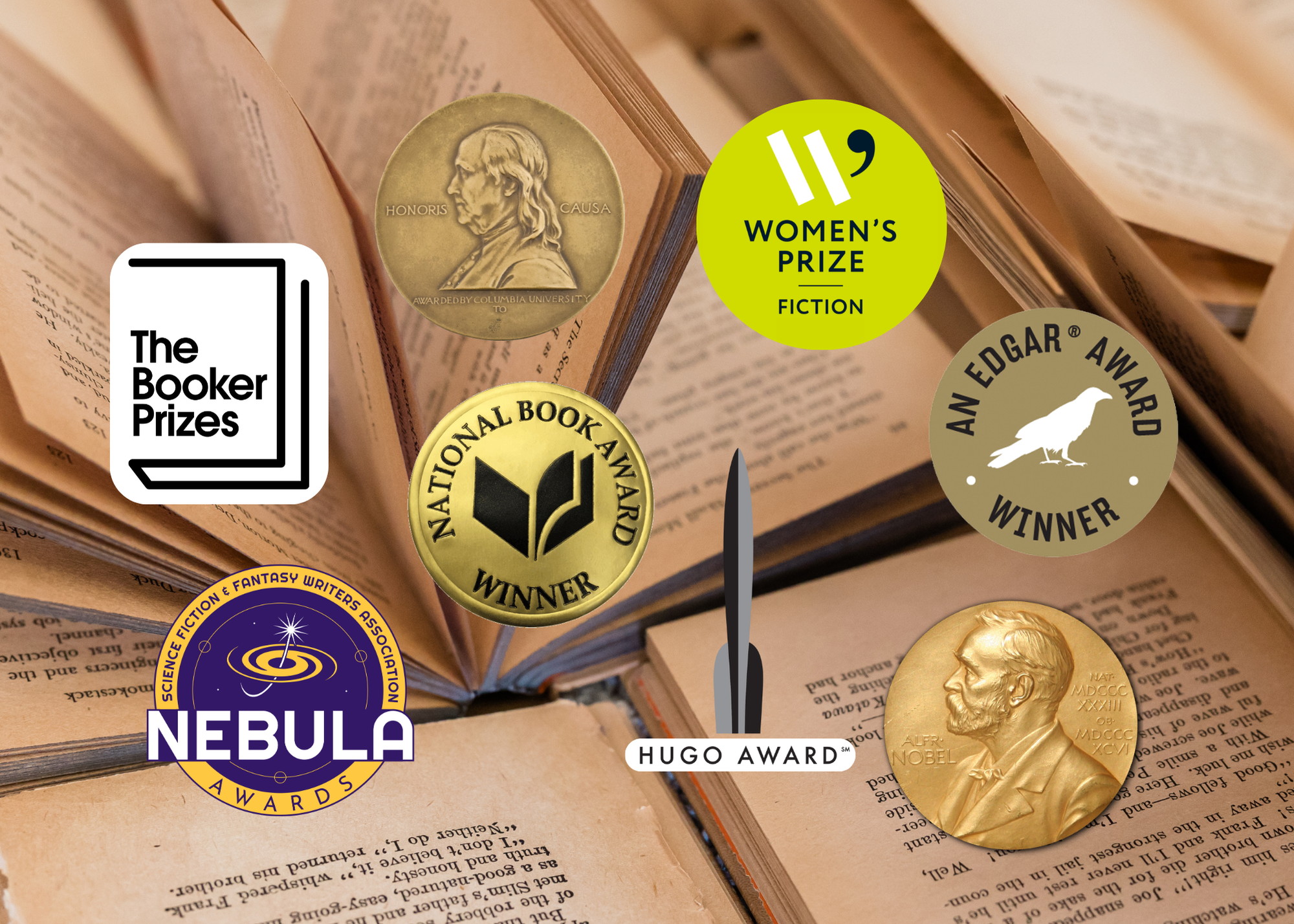
Has this ever happened to you? You’re in a library or book store, minding your own business, when a ray of light blinds you, stopping you in your tracks. You think, “Is this aliens? Is this the rapture? What is going on?” You catch your breath and realize it’s just the gleam of one of those shiny emblems that says, “Booker Prize.” You pick up the book and even more questions flood your mind: “Who’s this Booker fella and what right does he have to tell me what to read?!” I’ve been there, I get it. But there’s no need to dismay. Once you make sense of book awards, they can be helpful tools in the eternal search for your next book.

Booker Prize

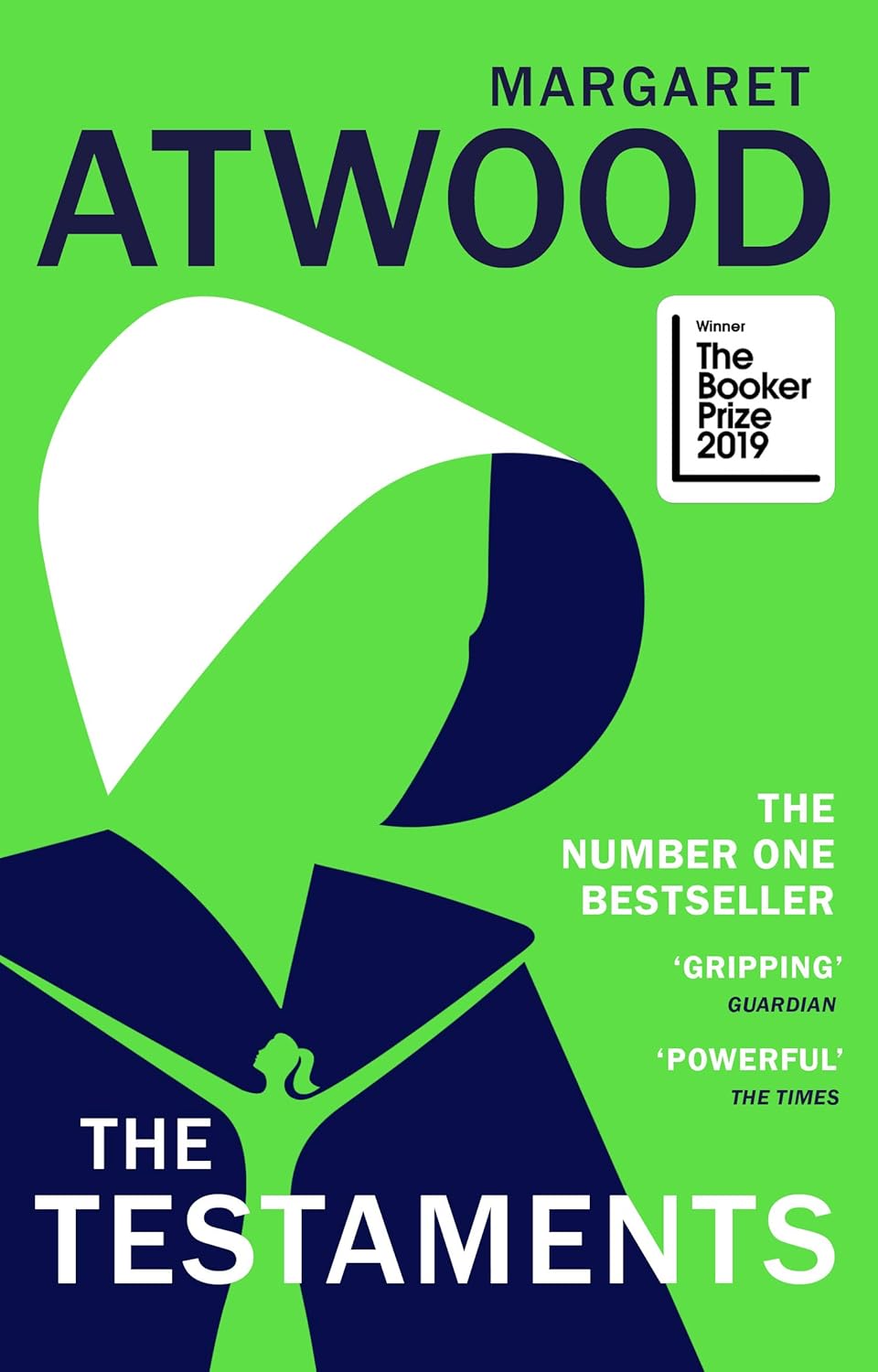
The Booker Prize (formerly the Man Booker Prize) is awarded to a book written in English and published in the United Kingdom or Ireland. A panel of five, made up of “creative peers,” choose the winning book. The award skews towards British and Irish authors, but winners hail from around the world, like Sri Lankan author Shehan Karunatilaka or Jamaican author Marlon James. These books land on the literary side side of things, and some recent winners include George Saunders’ Lincoln in the Bardo, Margaret Atwood’s The Testaments, and Bernadine Evaristo’s Girl, Woman, Other.

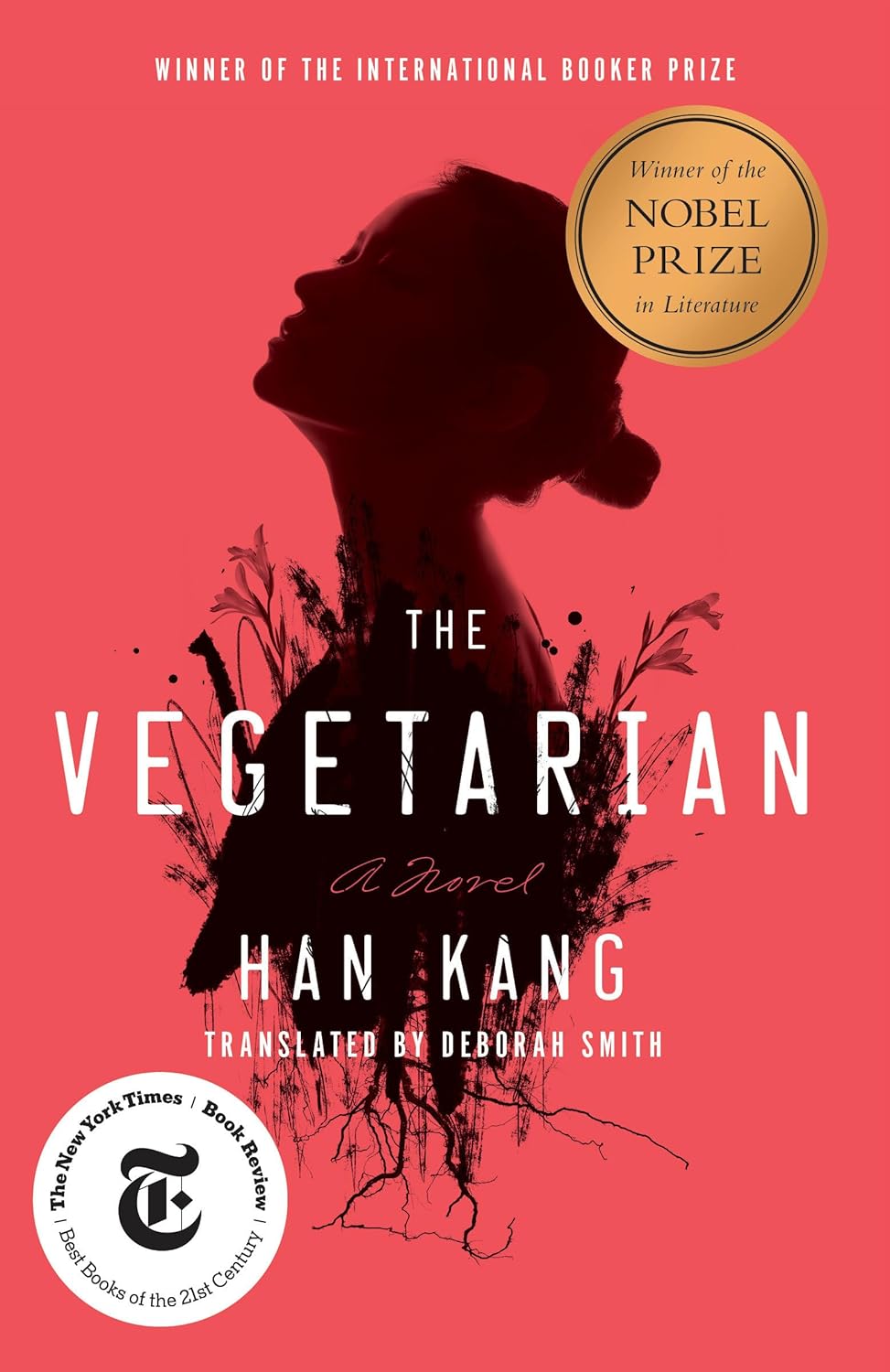
The International Booker Prize is also worth noting. These books are translated into English and must be published in the UK or Ireland. The Vegetarian by Han Kang, Flights by Olga Tokarczuk, and Time Shelter by Georgi Gospodinov won in 2016, 2018, and 2023 respectively.

Nebula and Hugo Awards

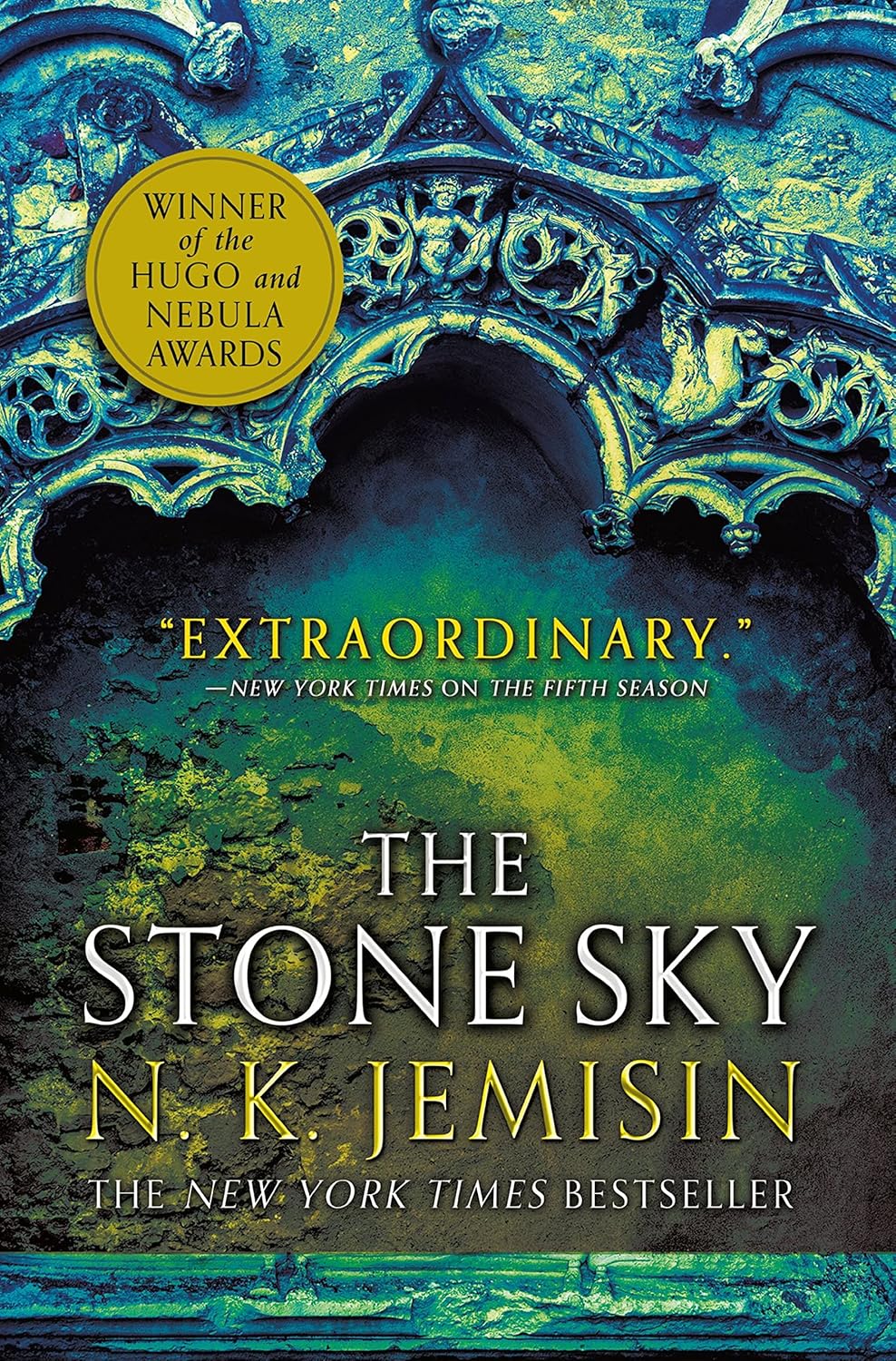
The Nebula and Hugo Awards are the two big names associated with science fiction and fantasy (SF/F) literature. The biggest difference between these awards is the voting body. To vote on the Nebula, you need to belong to the Science Fiction and Fantasy Writers Association. Essentially, you need to be a SF/F writer yourself. For the Hugo Award, all you need is a membership to the World Science Fiction Convention, which costs $50. Despite this difference, it’s not uncommon for a single title to win both awards. Some recent examples of this feat are Network Effect by Martha Wells, The Stone Sky by N. K. Jemisin, and This is How You Lose the Time War by Amal El-Mohtar and Max Gladstone.

Edgar Award

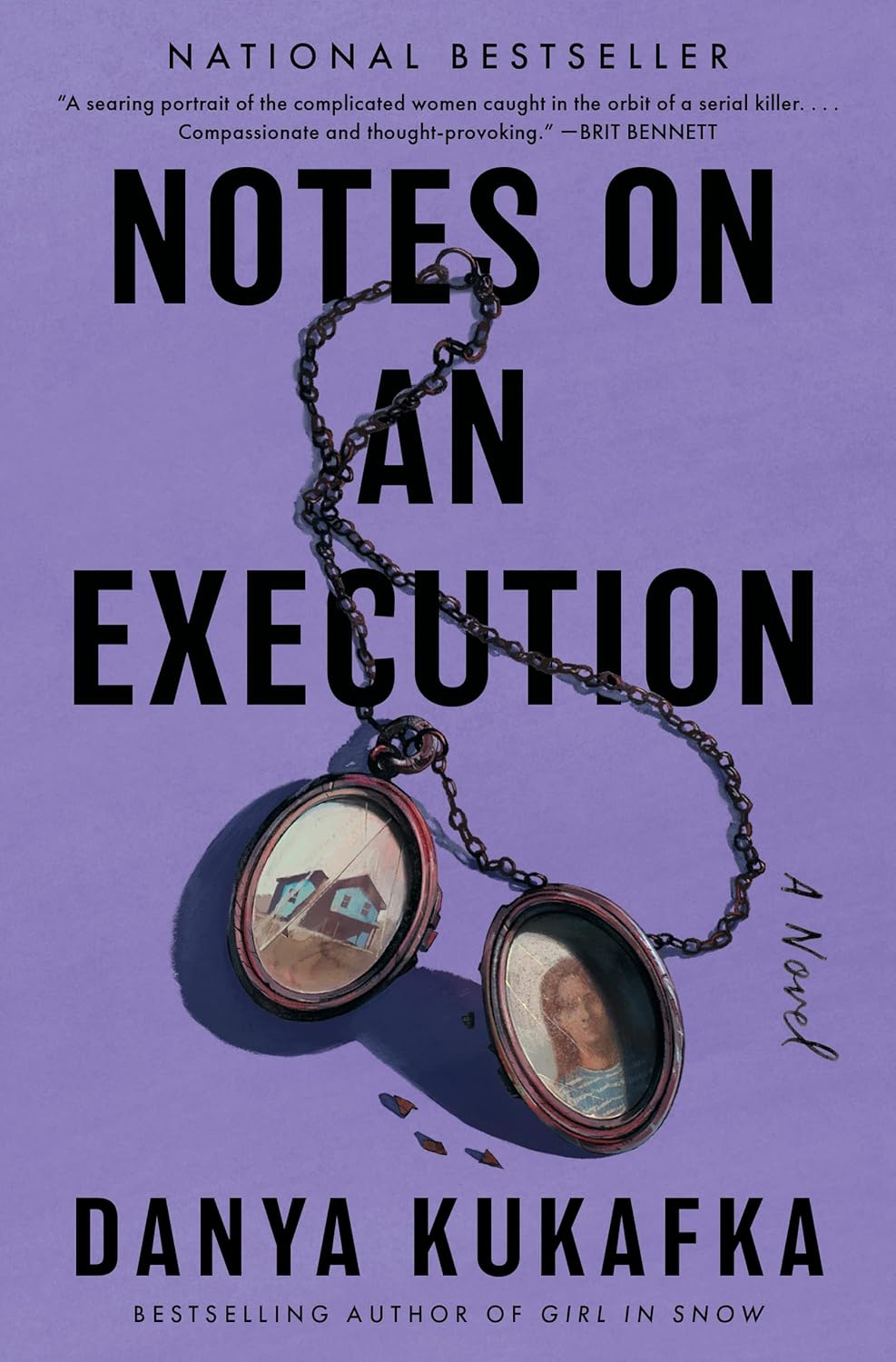
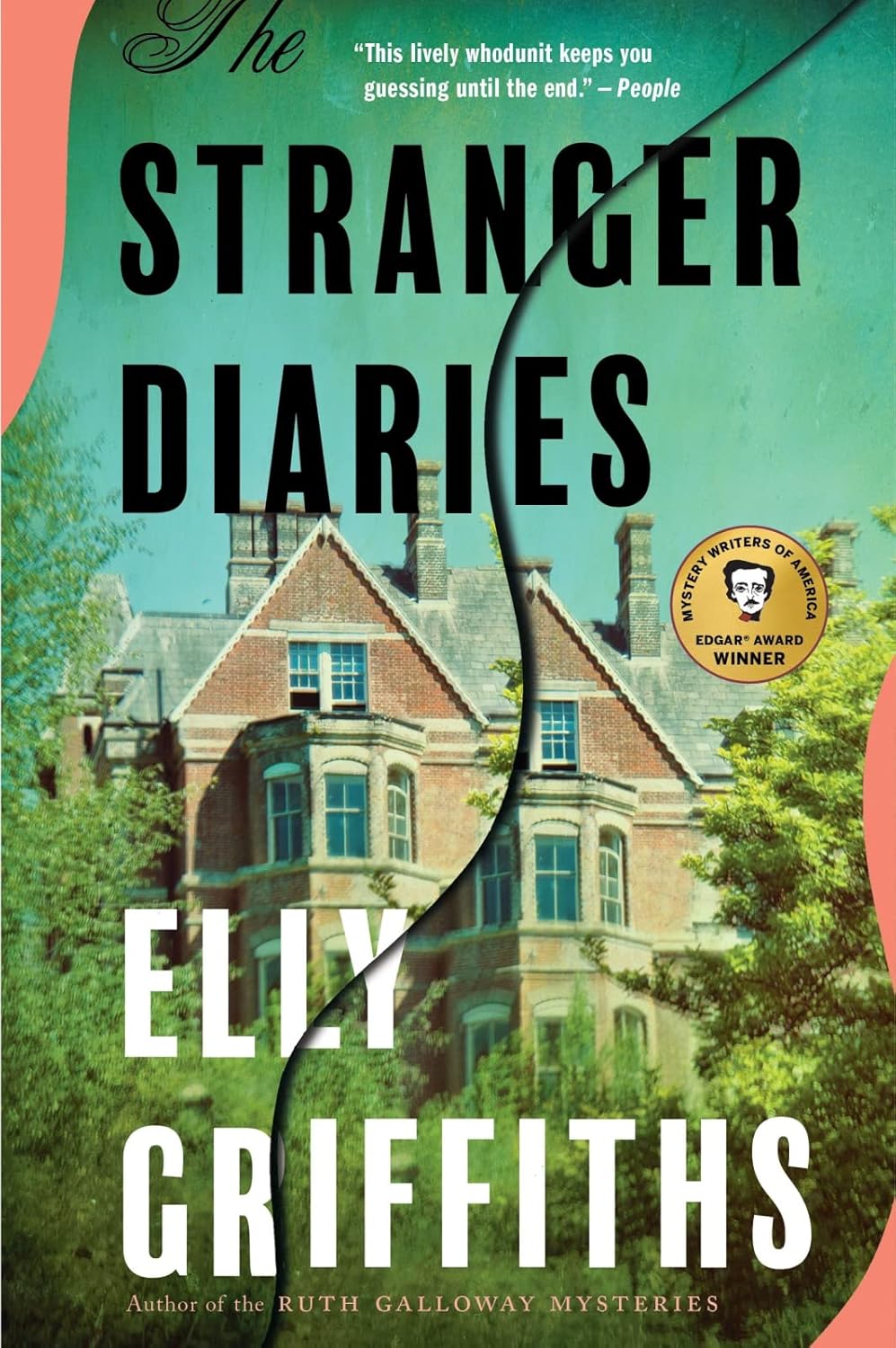
The Edgar Award is named after (who else but) Edgar Allen Poe to honor the best of the mystery genre, and chosen by the Mystery Writers of America. In the past, some familiar names have won: Stephen King for Mr. Mercedes and Noah Hawley (writer of the Fargo television series) for Before the Fall. But overall, The Edgar Award stands out to me because the winning books tend to be less well known; it’s a good way to find underappreciated gems. Some recent winners include Notes on an Execution by Danya Kukafka, Djinn Patrol on the Purple Line by Deepa Anappara, and The Stranger Diaries by Elly Griffiths.

National Book Award and Pulitzer Prize

The National Book Award (courtesy of the National Book Foundation) and the Pulitzer Prize for Fiction (courtesy of Columbia University) are both meant for American authors. The Pulitzer Prize is awarded to novels that “deal with American life” and tend to be fairly popular, often getting the television or movie treatment in the years after its win. The National Book Award has more lofty goals, and is designed to “ensure that books have a prominent place in our culture.” These winners don’t generate as much buzz, but they’re just as profound and moving.

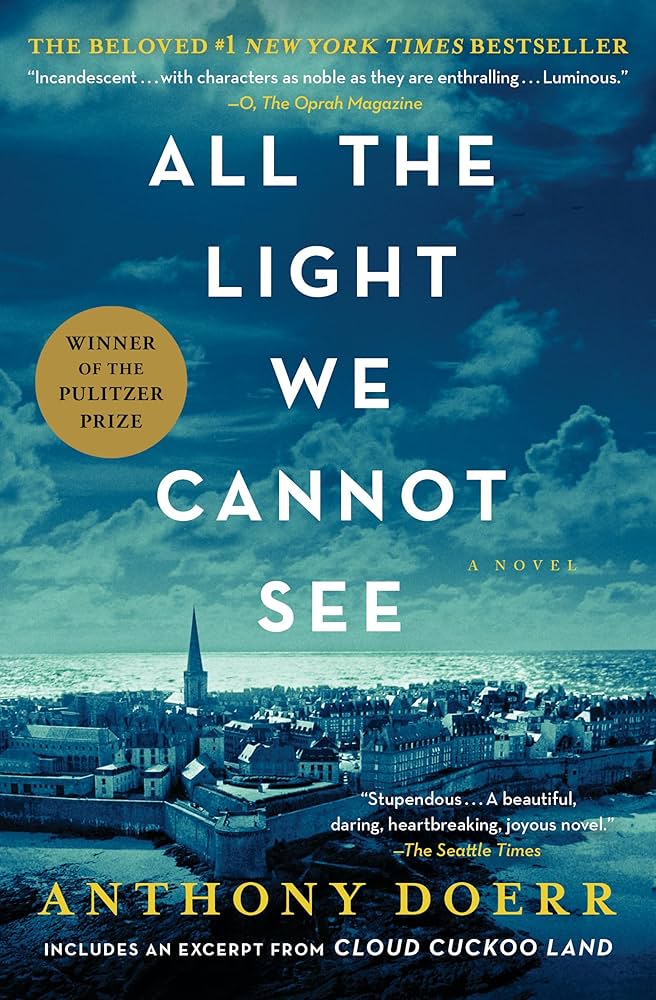
Winners of the Pulitzer Prize for Fiction include The Nickel Boys by Colson Whitehead, All the Light We Cannot See by Anthony Doerr, and The Goldfinch by Donna Tartt.

Winners of the National Book Award include Blackouts by Justin Torres, Sing, Unburied, Sing by Jesmyn Ward, and The Good Lord Bird by James McBride.

Nobel Prize in Literature

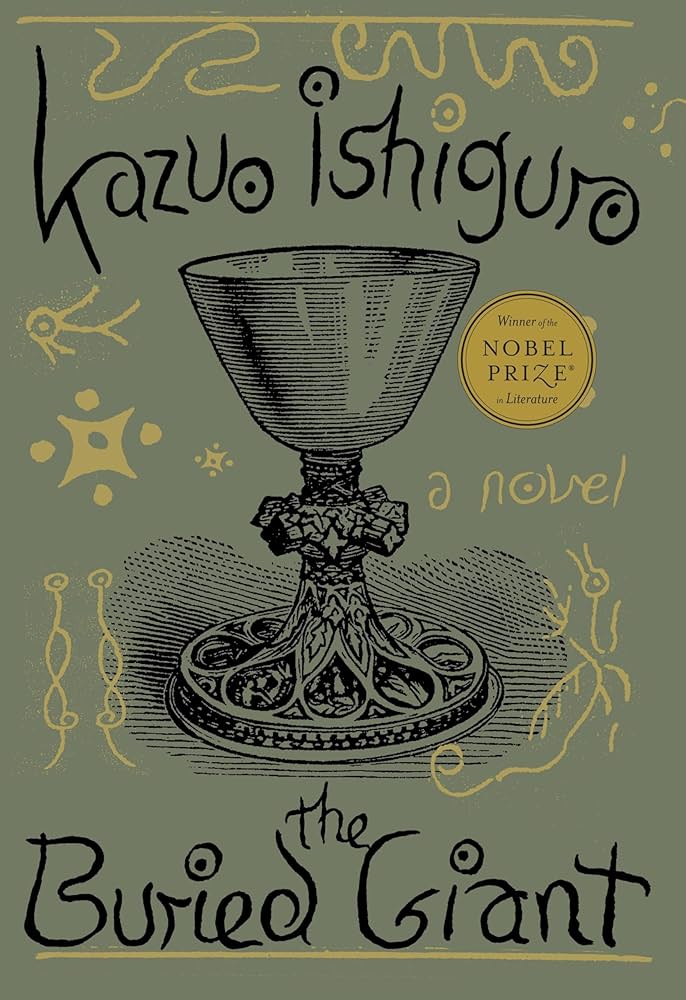
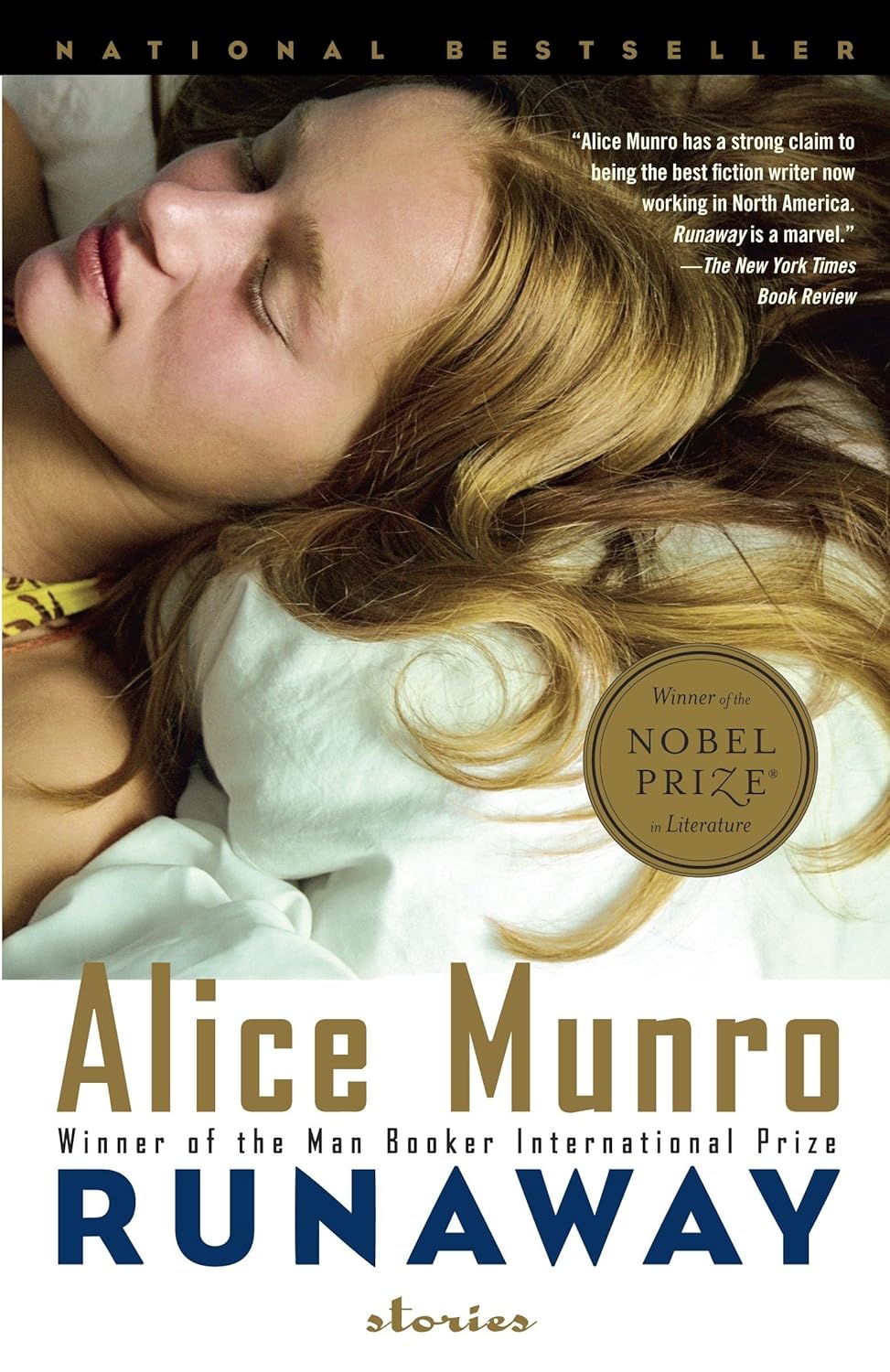
The Nobel Prize in Literature is voted for by the Swedish Academy and stands out in a couple ways: Authors from any country are eligible for the award, and awards are based on an author’s body of work as a whole. This means that the winning author can put the “Winner of the Nobel Prize in Literature” stamp on any book in their back catalogue and any future book they write. Sounds like a good deal to me! Past winners include Kazuo Ishiguro, Alice Munro, and Toni Morrison.

Women’s Prize for Fiction

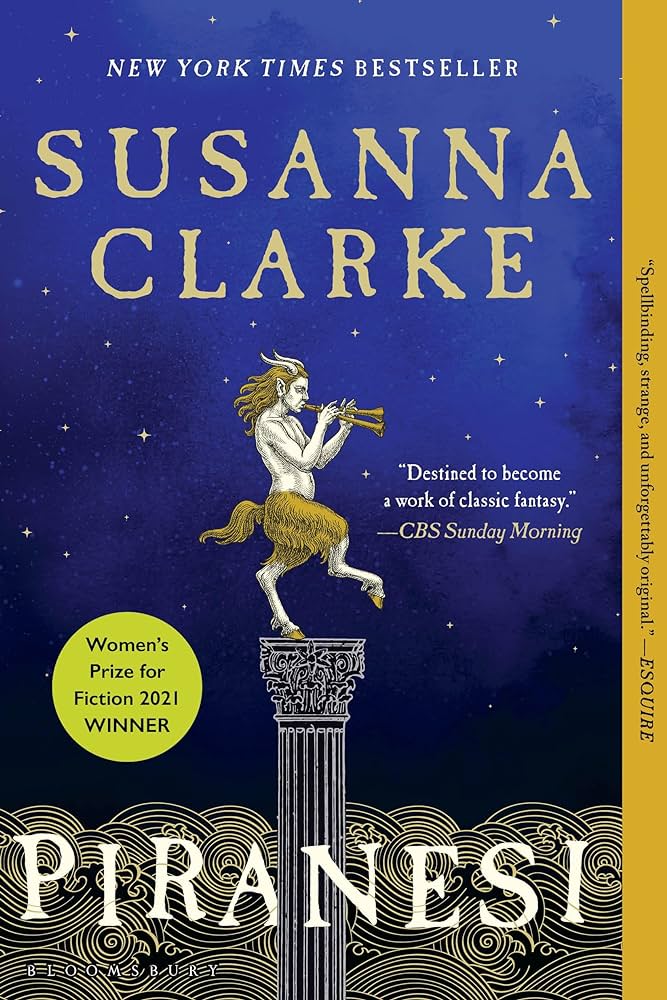
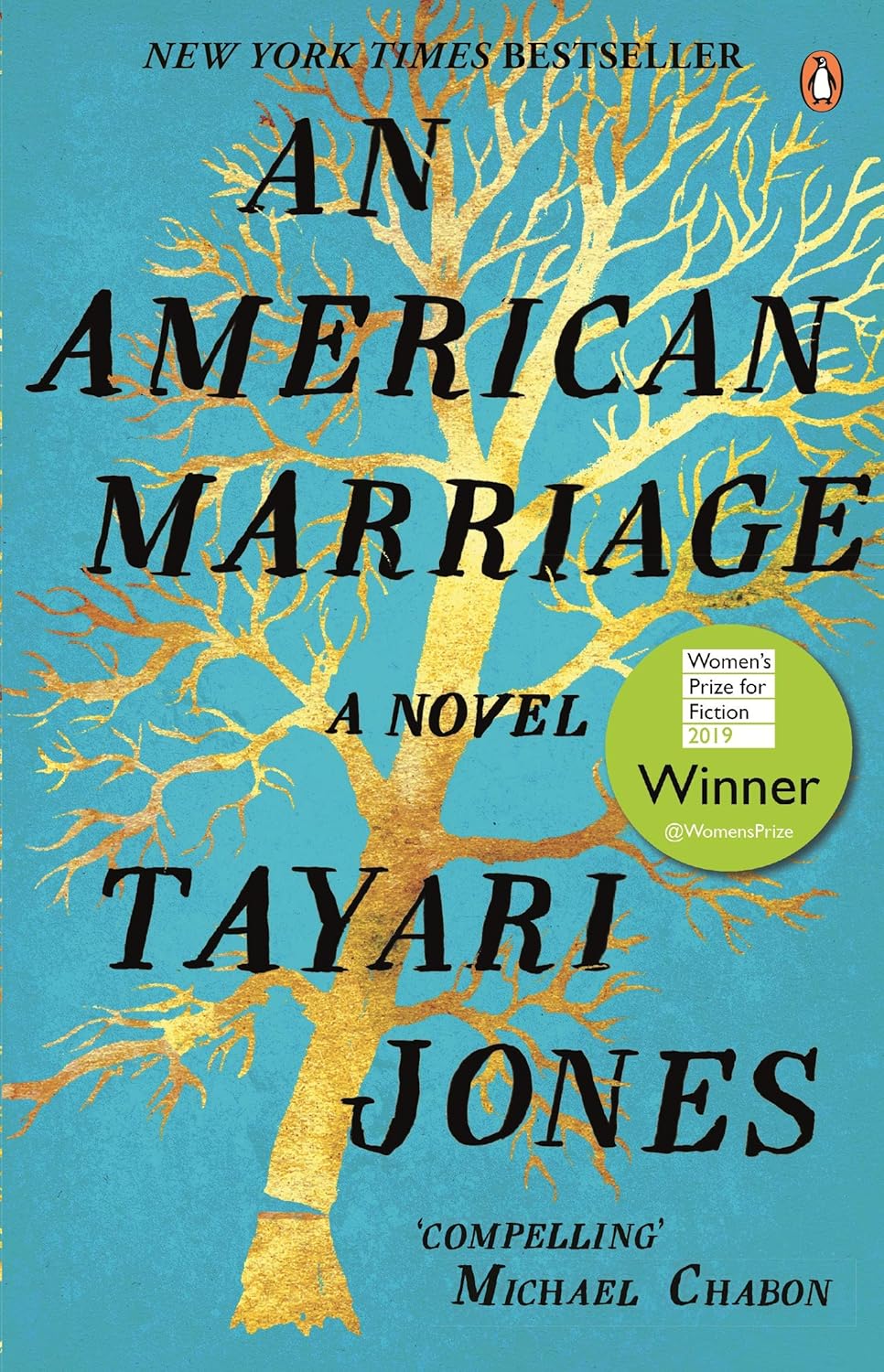
The last award I’ll touch upon is the Women’s Prize for Fiction which is voted on by a panel of five notable women. This award, along with the Booker Prize and the now defunct Costa Book Awards, at one point made up the “trinity” of UK’s literary prizes. Recent winners include Piranesi by Susanna Clarke, Hamnet by Maggie O’Farrell, and An American Marriage by Tayari Jones.

It can also be interesting to look at the notable awards of non-English speaking countries. Winners usually have an English translation available, and their relative obscurity makes it feel like you’ve uncovered some esoteric text. Compass by Mathias Énard was a great find of mine that won the French Prix Goncourt Award in 2015.

At the end of the day, it’s important to remember that these awards are all made up. They were all chosen by people, and people have their own tastes, their own mercurial and indecipherable preferences. There is no trait–not intelligence, success, nor clout–that makes one person a better “book judge” than another. If you find an award that speaks to you, great! But otherwise, take them all with a grain of salt and keep in mind the only book award that truly matters: The (insert your name here) Award.

P.S. If you really want to dive into the dramatic side of the book award world, there is always heated discussion about each year’s Booker Prize shortlist. This year, the six shortlisted books will be announced on September 23rd, and the more bookish parts of the internet will be a-buzz, defending their favorites and attacking the books they deem unworthy. It’s a bit messy, but good fun.

Serial Solving

I never know what I’ll read next. What ever sparks my interest, either by title, by book cover, or by subject. I have no special direction or particular interest, but if I found one book on a subject interesting, I’m far more likely to read another on the subject, or by the same author.  Hence I’ve read an inordinate amount of books on Ebola, fast fashion, tea, books on the making of various movies, and, well, serial killers.

We know the names. Son of Sam. Ted Bundy. Green River Killer. BTK Killer. Long Island Killer. 

I have no fascination with them, find most of them repellent and frightening beyond description, and did not shed a tear when Jeffery Dahmer died in prison, but I find the psychological processes and forensics involved in tracking them down utterly intriguing. The science end, not the murder end. And there is SO much to be fascinated about. 

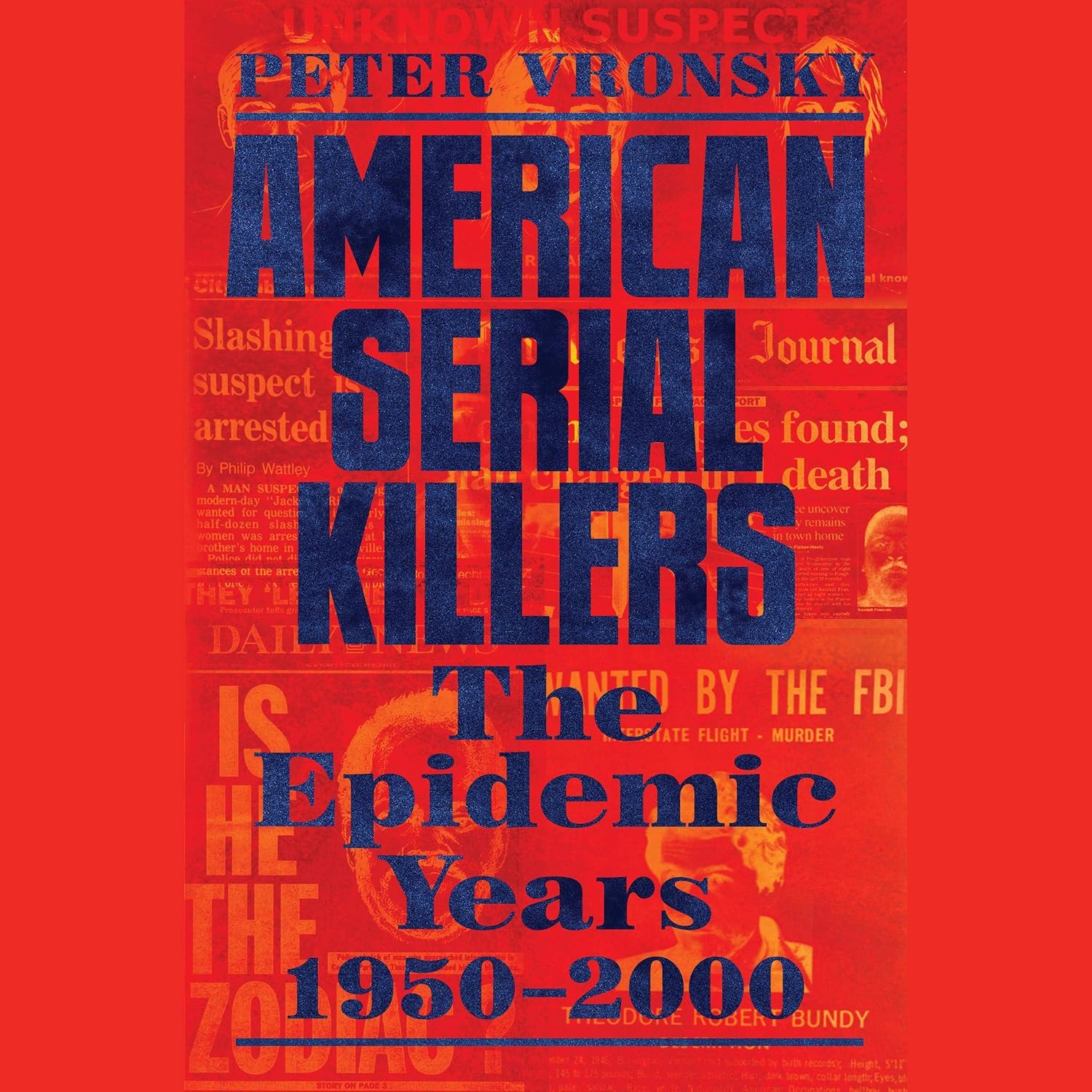
Most recently, I read the book American Serial Killers: The Epidemic Years, by Peter Vronsky, and I was blown away by the premise. America – which has more serial killers than any other country (well, that are reported and connected. Other countries have mass murders by corrupt governments, so maybe we’re better off) – had a major epidemic of serial killers (those that intermittently kill more than three people, as opposed to a spree all at once) from around 1970 to the mid 1990’s – more than 600 a year, and then it tapered off sharply. Why? Why did we have terrible trails of serial murders for 25 or 30 years, and then few?  Vronsky makes a very strong, documented  case for the fact that most of these killers were born in the late 40’s and early 50’s (25 or 30 by 1975) and their fathers fought in World War II. Vronsky documents that many of these fathers came back damaged from the war – PTSD, violent, depressed, alcoholic, received no help, and were unable to nurture their children. These boys – coming of age with violent sex images in men’s magazines, pulp fiction novels, and comics – grew up with attachment issues, poor self-image, and violent fantasies about sex, which they slowly began to work up the nerve to carry out. Why did things taper off? Most of those killers were either dead, in prison for other crimes, or had worn themselves out and were living a quiet life until something might trigger them again, unknown to their neighbors. Vietnam Vets received more services than soldiers in the 40’s, there was more public support, it wasn’t as big a deal to divorce a man, and those children did not have the same issues their grandfathers did. Those children of Vietnam vets would have been 25-30 in 1990-95 – years when serial killers were in decline.

Another utterly fascinating book – one that sent me down a long, long wormhole of research – is Barbara Rae-Venter’s I Know Who You Are: How an Amateur DNA Sleuth Unmasked the Golden State Killer and Changed Crime Fighting Forever. The Golden State Killer was alleged to have killed 13 people and committed more than 50 rapes across California between 1974-1986. Because police departments didn’t talk to each other or share information, no one was ever able to piece together all the information. Enter Rae-Venter. Rae-Venter spent her days helping people trace their genealogy and find their families using her home computer. Asked if she could do the same for a suspect, Rae-Venter needed 63 days and $200 to make a genetic profile of the killer from her dining room – something 30 years and $10 million of taxpayer money had never been able to do, leading directly to the apprehension of the killer. Since Rae-Venter, a huge number of backlogged, dead-end cases have been solved and cleared (like the Long Island Killer) due to the methods she used.

Spurred on by her methods, I fell down a rabbit-hole of genealogical research, aided by ancestry.com (free at the library), and in a week was able to trace my mother’s ancestry back 12 generations, connect some gaps, discover my grandmother had an older sister we never heard of (probably because she died at 5 months), and my grandmother’s younger sister was four when she died, not the two my grandmother remembered. Sometimes books are dangerous!

Through both of these books, several names kept popping up, and I realized I’d already read books by both men. John Douglas was the first real FBI criminal profiler, starting in the 1980’s, creating many of the procedures we use today. His book, Mindhunter, chronicles how he began, in a time where every department wanted the glory of solving the case, and thus no one ever shared information, and no one ever solved the cases. 

Unmasked: My Life Solving America’s Cold Cases by Paul Holes, is another. Holes learned the business under Douglas, pursuing cold-case investigations from the 1990’s into the 2000’s.  Some of the cold cases that perplexed them the most and they were never able to solve were later solved by Barbara Rae-Venter’s methods, like the Long Island Killer and the Golden State Killer.

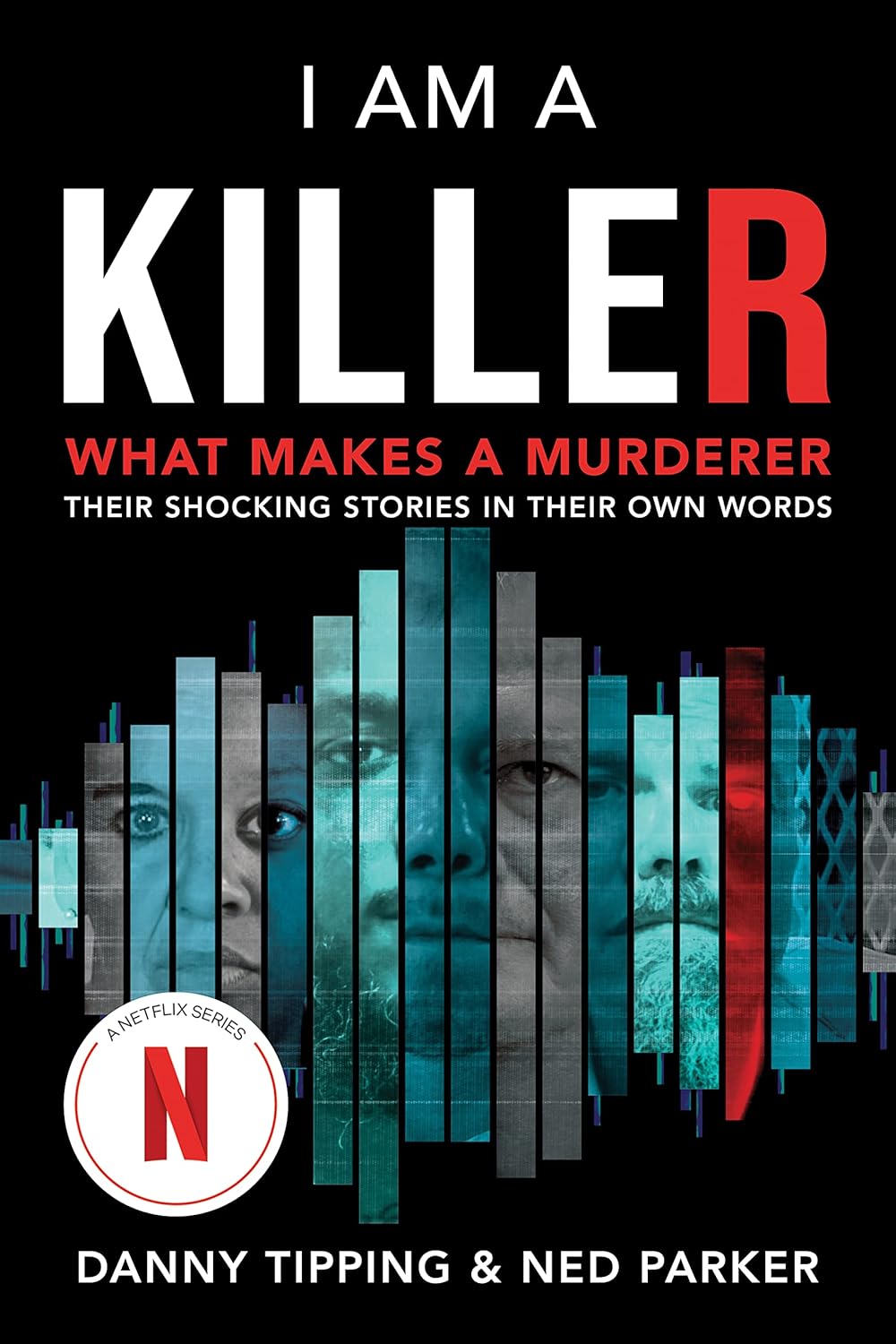
If you don’t care so much about crime but like psychology and sociology, and want to find out why people kill, try I Am a Killer, by Danny Tipping.  It’s a sad book that dwells on the murderers and not so much the crime. Time after time, the horrific backgrounds of these killers are revealed (one father, to hide the bruises and welts on his kid when Social Services was coming, tied him to a mattress, poured lighter fluid on him, and set his back on fire). Many did not deserve the sentences they received, responding to unimaginable abuse. There are no winners in this book. 

Though he technically didn’t kill anyone, if you want local flavor, read Incendiary: The Psychiatrist, The Mad Bomber, and the Invention of Criminal Profiling, by Michael Cannell. Many people claim to have invented criminal profiling, but this was an early case. In the 1940’s, a bomber went around exploding devices all over New York City, then teasing the police through letters. After twenty years, he was determined to be George Metesky – from Waterbury, Connecticut, and the criminal profiling was eerily correct.

If you like crime stories and investigations, these are excellent books. If you like psychology and deviant behavior, these are also excellent books. The difficult part is that they had to be written at all.

Holler Rat: Kentucky Meets Connecticut in Anya Liftig’s Memoir

Meet the author! Anya Liftig will come to the library on Thursday, August 1 at 6:30 pm for a conversation about her memoir. Cheshire residents can borrow the audiobook with Libby, and physical copies will be available for sale at the event. Reserve your spot for August 1st!

Anya Liftig grew up in Westport and graduated from Yale. She was an artist living in Brooklyn before it was cool. You wouldn’t expect her memoir to begin with a relative lying dead in a shack in rural Kentucky, cleaved in half by a piece of construction equipment. But as I learned from my recent reading (audiobook listening, really) of her memoir Holler Rat, Liftig defies expectations.

Liftig’s mother hails from that ramshackle home in Kentucky, and her father is from an upper-middle-class Jewish family in Connecticut. When school ends each year in Westport, the family drives down to the holler to spend summers with Mamaw, the family matriarch. The book initially caught my interest because it straddles the vastly different worlds of rural poverty and New England affluence. I’ve got my own history between those worlds, so I wondered how much of this book would resonate with me personally. Liftig’s narrative was so engrossing that from the first paragraph, I completely forgot about my search for parallels and just settled in to enjoy the ride.

She details medical traumas, cringeworthy adolescent romances, and her family’s quirks (her father plays the bagpipes and her grandmother won’t sell the old Studebaker that’s decaying in the middle of a potato field). Also, there was that time she made out with a dead fish in front of an audience and then put it in a blender and drank it. If it sounds both horrifying and hilarious, that’s a pretty good way to describe the memoir. Liftig moves from story to story with a masterful sense of pace, and her brilliant placement of her performance art pieces within the narrative helped me interpret and appreciate this art genre, which I knew only from parodies. The lead-up to the last chapter is heavy, and you don’t know how it’ll end until you reach the very last word. It’s the best memoir I’ve read recently, and I’m really looking forward to having a conversation with her at the library program on August 1!

It’s worth mentioning a book by another Yale alum and descendant of poor Kentuckians: Hillbilly Elegy, the 2016 memoir by J.D. Vance. This Ohio senator was announced as Donald Trump’s pick for VP candidate only a few days ago. Hillbilly Elegy was a bestseller upon release, but it was criticized for painting broad generalizations and reinforcing negative stereotypes about the rural poor. Now in 2024, it’s not hard to see Elegy as a calculated move from an aspiring politician. (It’s standard political playbook – Barack Obama made a similar move in 1995 when he released his memoir Dreams from My Father right before he ran for senate in Illinois.) Vance’s book is great if you want to better understand his politics, but if you’re looking for a more sympathetic and arguably more accurate portrayal of Appalachia, Holler Rat’s tight personal narrative from a longtime artist is a better pick.