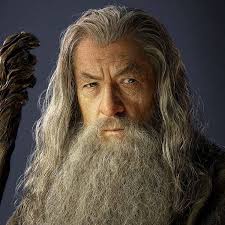
Emerging Genre Highlight: LitRPG

LitRPG stands for “literary role-playing game.” These are fantasy or science fiction stories that incorporate elements from tabletop role-playing games (e.g., Dungeons & Dragons) and role-playing video games (e.g., The Elder Scrolls or Fallout series). For those unaware, role playing games (RPGs for short) involve players taking on roles in a fictional environment and developing their character in unique ways as the story progresses. This character development and its associated game mechanics are the common threads you will find in all LitRPG titles.

But haven’t RPG-influenced fantasy and science fiction been around for a while? What makes LitRPG unique? It can be difficult to parse genres because there are already novels that borrow quite a bit from RPGs. Dozens of authors have been writing authorized Dungeons & Dragons stories since the 80s—R. A. Salvatore and Margaret Weis among the most popular of this group. What differentiates LitRPG is that characters are aware of the game mechanics.

In traditional fantasy, a character might defeat an enemy and take their battle-axe. Perhaps the battle-axe emanates warmth and pulses with a red glow. In LitRPG on the other hand, a level 5 character might defeat a level 8 boss and take their Fire-Enchanted Dwarven Battle-Axe. A screen pops up in front of them, floating in mid-air, with text that reads: “This is a unique weapon. Wielder is granted +3 fire damage to melee attacks. When an enemy is slain with this weapon, they erupt in a fiery explosion that deals 5 fire damage to all creatures in a 3 meter radius.”

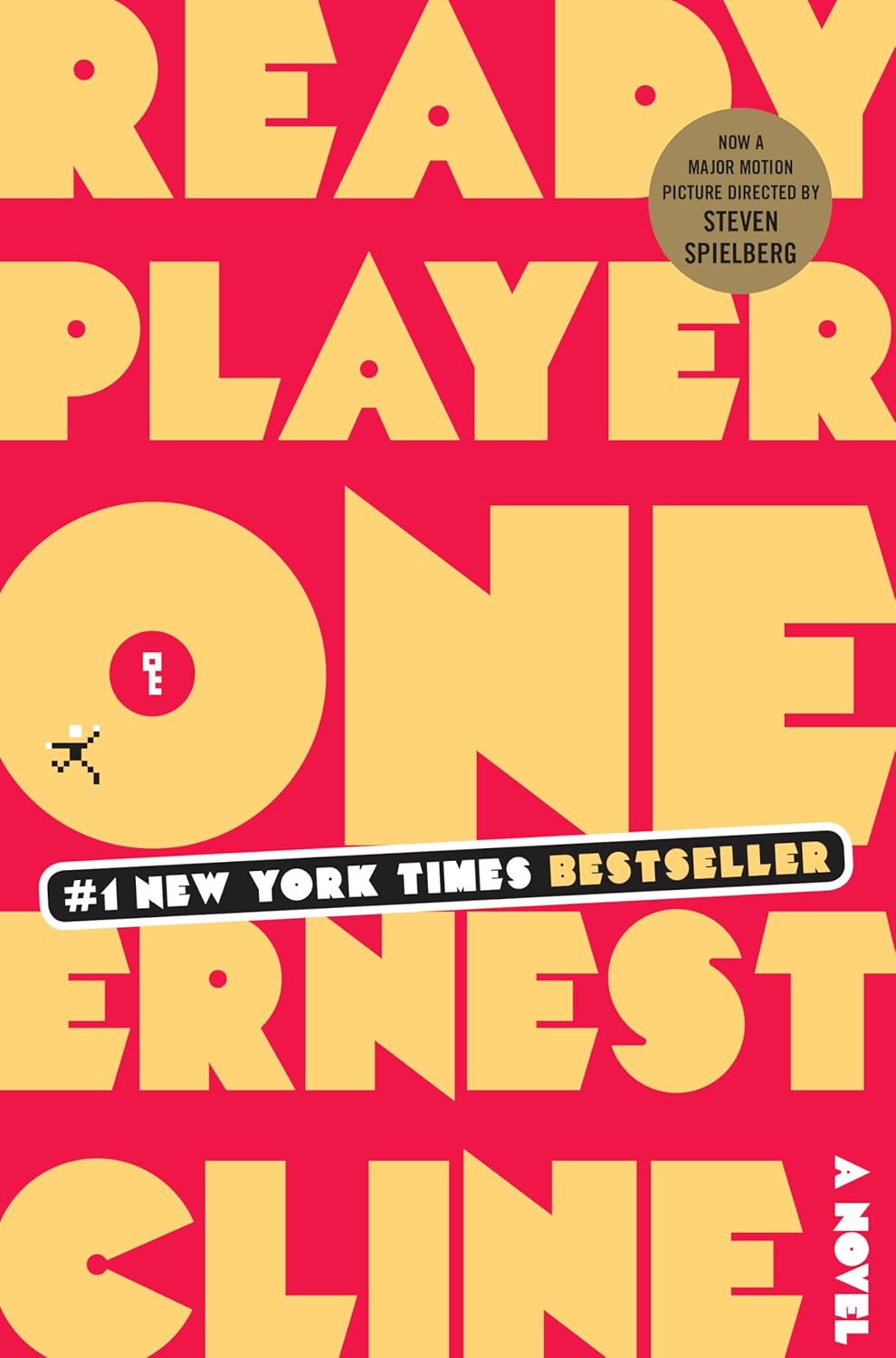
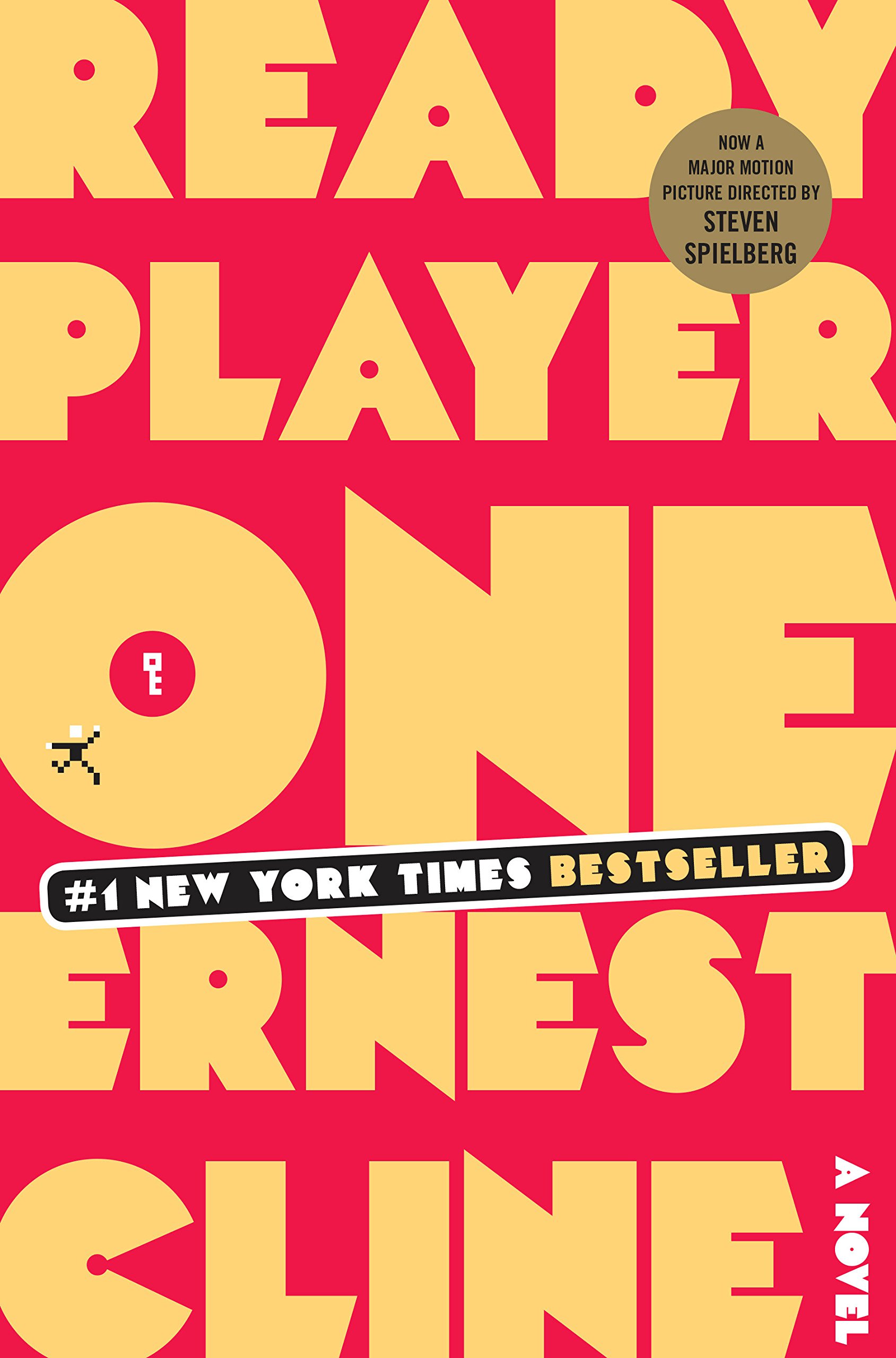
Ready Player One is a good touchstone when approaching this genre from a non-RPG background. Though some don’t consider it to be true LitRPG, it does feature a protagonist interacting in a video-game world and using game mechanics to become more powerful. There are passages like “This particular magic sword could only be used by an avatar who was tenth level or higher,” which is the kind of writing you would find in LitRPG.

Is this all sounding a little too video-gamey? Like Ready Player One, most LitRPG books can be read with no knowledge or interest in RPGs. I can attest that a number of my close friends are big fans and have never played an RPG in their life. As long as you find some thrill in cool loot, cool magic, and over-the-top action, there will be something for you in LitRPG.

“These books sound fun!” you say. “Where can I get my hands on one?” you ask. Well, LitRPG is still a relatively fledgling genre, and most books are self published. As such, you’ll only find a couple in our library system. More are sure to appear in the next year or two, but if you’re interested in diving into this genre now, you will find them online in eBook and eAudiobook formats. It’s also worth noting that, because of their emphasis on progression over time, many LitRPG series can be more than 10 books long. If you prefer short, self-contained stories, LitRPG is not for you.

So where is this genre headed? In May of this year, the author who brought LitRPG closer to the mainstream, Matt Dinniman, is releasing the next book in his Dungeon Crawler Carl series. It’s worth noting this will be the first new entry in the series published by a major publishing house (Ace, an imprint of Penguin Random House). This is a clear indication that there’s money to be found in LitRPG and I expect other publishing houses will follow suit.

Also important to note: In 2024, Universal International Studios announced they were developing a TV adaptation of Dungeon Crawler Carl. As far as I can tell, it’s too early to call this a done deal; projects like this fizzle into nothing all the time. But if the show comes to fruition, expect even more of a spotlight on LitRPG.

In the meantime, here are several books that serve as good introductions to the genre:

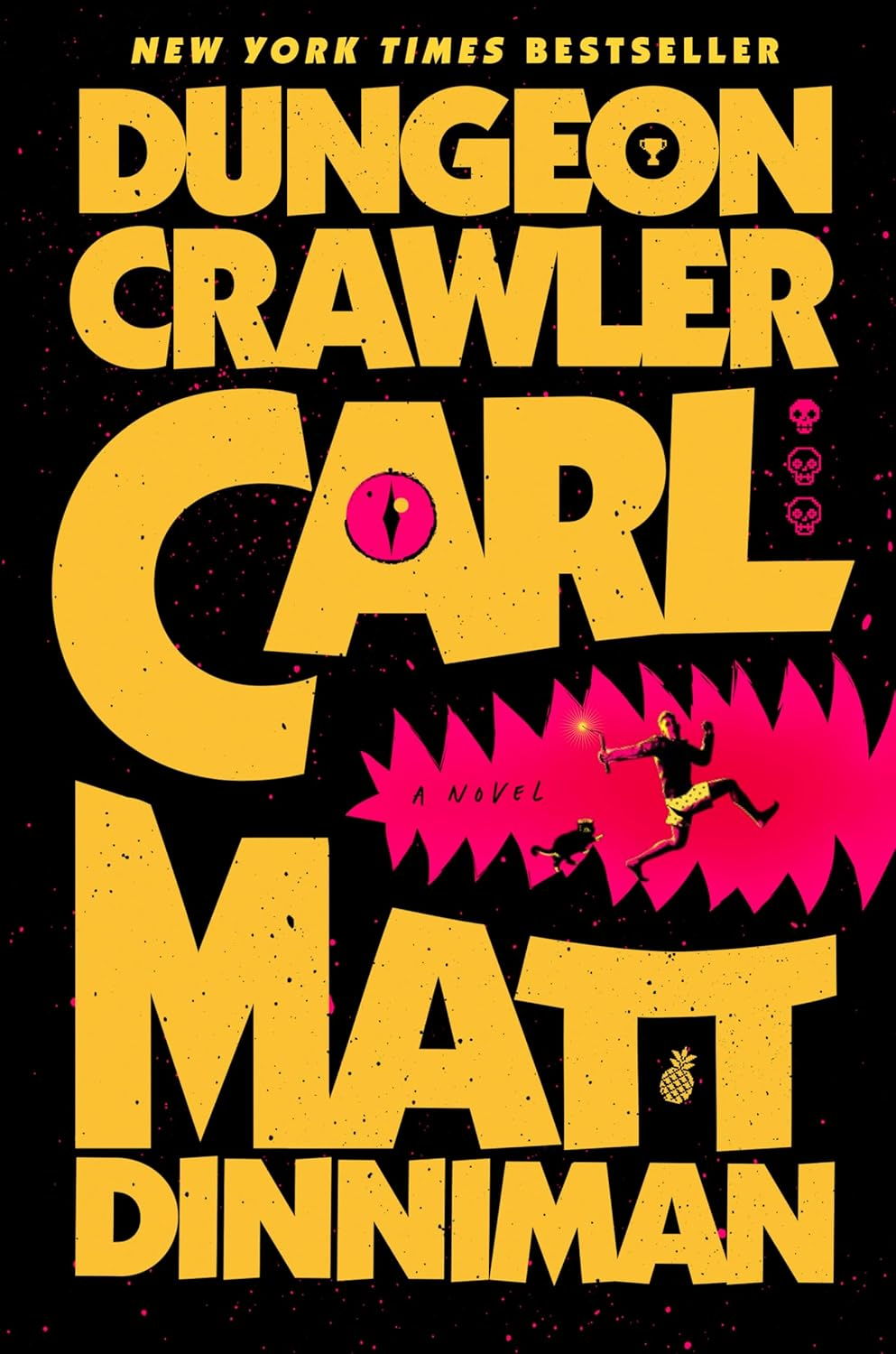
Dungeon Crawler Carl by Matt Dinniman

You know what’s worse than breaking up with your girlfriend? Being stuck with her prize-winning show cat. And you know what’s worse than that? An alien invasion, the destruction of all man-made structures on Earth, and the systematic exploitation of all the survivors for a sadistic intergalactic game show. That’s what.

Join Coast Guard vet Carl and his ex-girlfriend’s cat, Princess Donut, as they try to survive the end of the world—or just get to the next level—in a video game–like, trap-filled fantasy dungeon. A dungeon that’s actually the set of a reality television show with countless viewers across the galaxy. Exploding goblins. Magical potions. Deadly, drug-dealing llamas. This ain’t your ordinary game show.

Welcome, Crawler. Welcome to the Dungeon. Survival is optional. Keeping the viewers entertained is not.

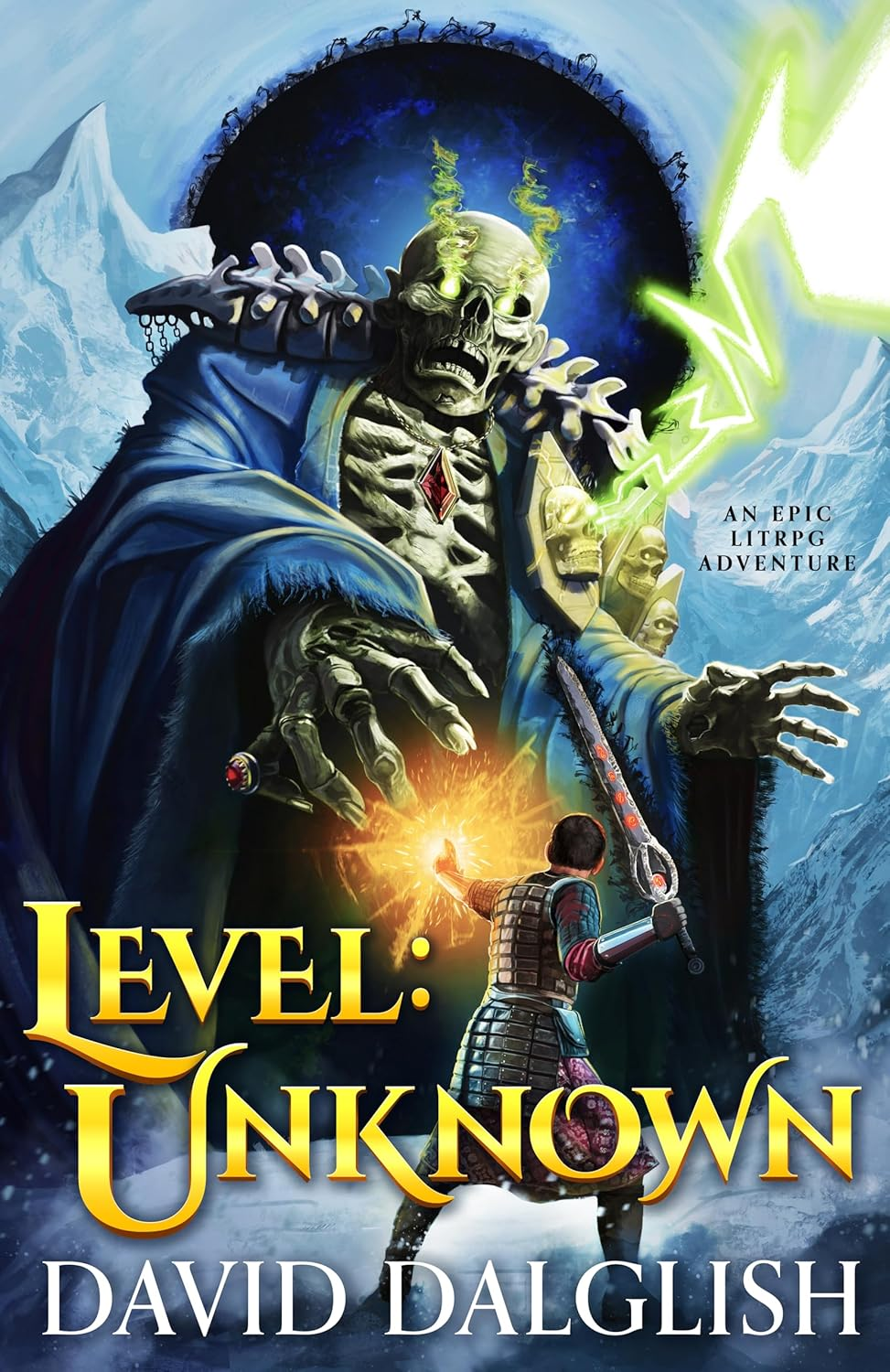
Level: Unknown by David Dalglish

When an ancient alien artifact chooses research cadet Nick to explore the world stored within it—a place full of forgotten empires, heroes with strange powers, and monstrous creatures that he is automatically transported to when he sleeps—he finds he has no choice but to grow stronger within the realm of Yensere to uncover its mysteries. 

But Yensere isn’t all fun exploration. In this land guided by statistics and levels, Nick is seen as a demonic threat by its diseased inhabitants and always killed on-sight. When he dies in Yensere, he awakens in his bed upon the research station, his body in a state of panic; when he sleeps again, Yensere drags him back for another life…and another death. 

Nick can only keep this up for so long before he dies for real. But there’s a good chance Yensere holds the key to saving humanity from a terrible fate, and so he ventures on, getting stronger and stronger with each new enemy defeated. And there are a LOT of enemies to defeat…

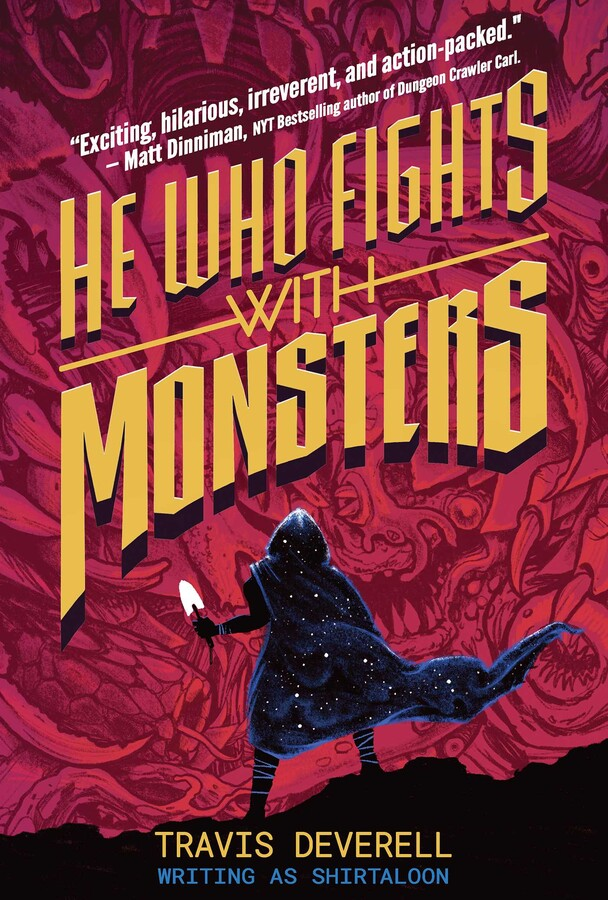
He Who Fights With Monsters by Shirtaloon (a.k.a. Travis Deverell)

It’s not easy making the career jump from office-supplies-store middle manager to heroic interdimensional adventurer. At least, Jason tries to be heroic, but it’s hard to be good when all your powers are evil.

He’ll face off against cannibals, cultists, wizards, monsters…and that’s just on the first day. He’s going to need courage, he’s going to need wit, and he’s going to need some magic powers of his own. But first, he’s going to need pants.

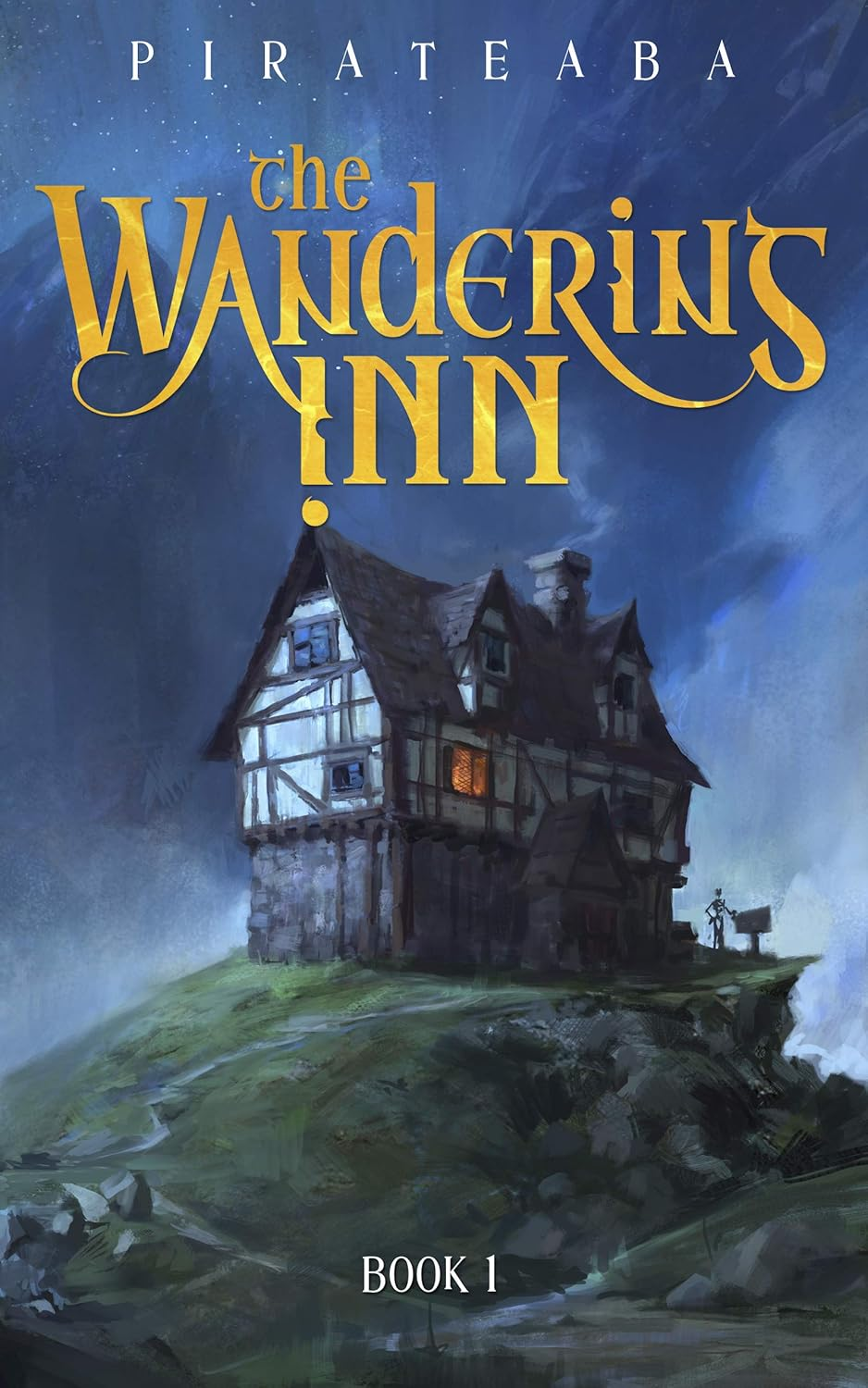
The Wandering Inn by Pirateaba

It’s a bad day when Erin finds herself transported to a fantastical world and nearly gets eaten by a Dragon. She doesn’t belong in a place where monster attacks are a fact of life, and where Humans are one species among many. But she must adapt to her new life. Or die.

In a dangerous world where magic is real and people can level up and gain classes, Erin Solstice must battle somewhat evil Goblins, deadly Rock Crabs, and hungry [Necromancers]. She is no warrior, no mage. Erin Solstice runs an inn.

She’s an [Innkeeper].

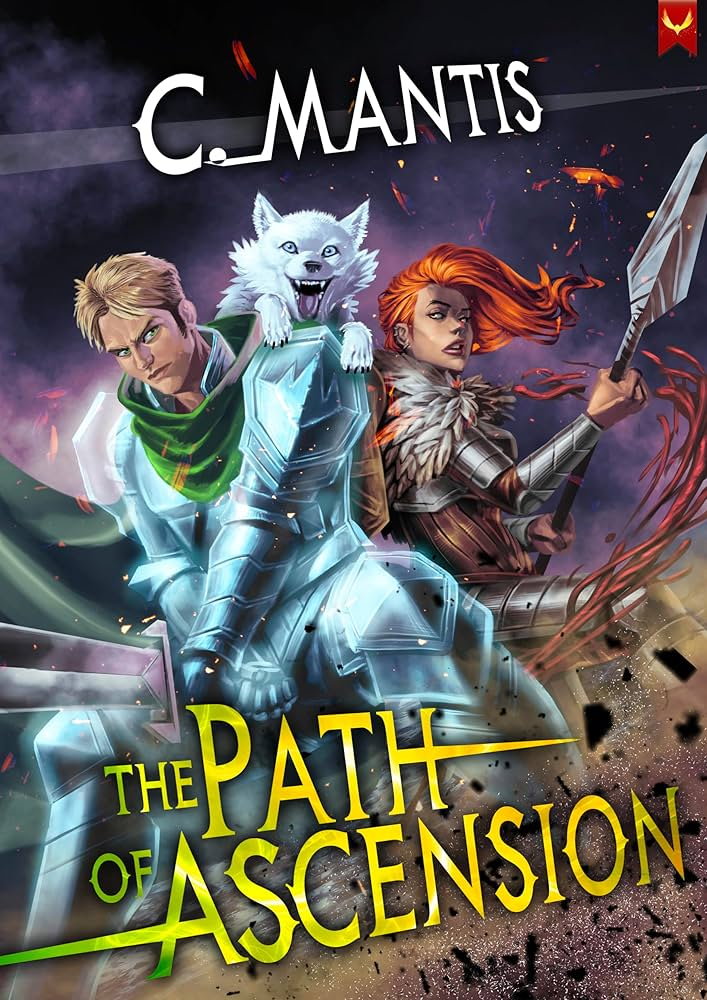
The Path of Ascension by C. Mantis

Matt plans to delve the rifts responsible for the monsters that destroyed his city and murdered his parents. But his dreams are crushed when his Tier 1 Talent is rated as detrimental and no guild or group will take him.

Working at a nearby inn, he meets a mysterious and powerful couple who give him a chance to join the Path of Ascension, an empire-wide race to ascend the Tiers and become living legends.

With their recommendation and a stolen Skill, Matt begins his journey to the peak of power. Maybe then, he can get vengeance he seeks…

Still using the OverDrive app? It’s time to switch to Libby!

On May 1, 2023, the OverDrive app will be discontinued. Now’s the time switch to Libby, OverDrive’s newer reading app. Libby is made by the same people, with the same goal of connecting you to your favorite books, audiobooks, and magazines, and is streamlined to make finding and downloading digital materials easier than ever!

Why is the original app going away? Libby has actually been around since 2017, and and for that period of time OverDrive offered both options. Since then, Libby has seen much more use than the older OverDrive app, and it no longer made sense to maintain both apps.

Making the switch is easy! Simply download the app on your mobile device to get started. Good news, once you add your library card to Libby, all your loans and holds will be waiting on your Shelf! You won’t lose your place in line for any items you have on hold. If you have a Wish List, you’ll be prompted to import it from OverDrive via an in-app notification. Your wish list items will become a tag that’s available on your Shelf.

After checking out a digital item with Libby, you can read/listen right through the app. Prefer to read ebooks on a Kindle? Check out your ebook through the Libby app, then send it to Kindle and read it there:

  1. Tap Shelf.
  2. Tap loans at the top of the screen.
  3. Tap Read With….
  4. Tap Kindle.
  5. You’ll be taken to Amazon’s website. If prompted, sign into your Amazon account.
  6. Verify the “Deliver to:” device and tap Get Library Book to finish getting the book.

If you use a Kindle Fire tablet, you can sideload the Libby app to your Kindle Fire by following these instructions. You can also use the OverDrive website or Libbyapp.com in your Fire’s browser. 

Finally, if you’re more comfortable using a computer instead of a mobile device to access our digital collection, don’t worry, Libby works on a computer, as well! Visit libbyapp.com to browse, search, read or listen and more on your computer.

Learn a Little, Live a Little

Do love learning? Do you dream of taking college classes, but the cost and the time is too much? Are you taking a high school or college class and struggling to understand the material?  Did you cut your cable, and can’t find anything decent to watch anymore?

Fear not! The Great Courses are here!

Cheshire Public Library has always had a handful of these delightful media, but through a generous donation, we’ve been able to greatly expand our holdings to more than 70 titles.

What are the Great Courses?  Professional college-level lectures on audiobook or DVD on a variety of topics, given by actual college professors and experts (like Neil DeGrasse Tyson!), that will give you the equivalent of an entire college class in the comfort of your car or living room. Some come with study guides and questions to think about, but you will never have a test or a grade at the end!

The Great Courses was the brainchild of Thomas M. Rollins, the former Chief Counsel of the US Senate Committee on Labor and Human Resources (1985-89). Inspired by a 10-hour video lecture series he watched as a student at Harvard Law, he set about creating his own video series under the business label The Teaching Company. He recruited professors to record lectures on topics people were interested in learning about. Because the lectures were chosen by customers, they caught on quickly. There are currently more than 900 lectures available in a wide variety of topics. Some are short – four hours – while others (like the Civil War) can run to 14 discs.

Great Courses are expensive – that Civil War set is more than $500 to purchase yourself, but in 2016 the company began a $20/month streaming service, and then in 2021 rebranded itself under the name Wondrium. Wondrium not only offers more than 280 of the Great Courses, but also content from Magellan TV, Craftsy, and Kino Lorber, which carries art films, documentaries, world cinema, and classic films (silent films like Metropolis, Charlie Chaplin, and more).

If you don’t feel like yet another subscription to a streaming service, check out the library’s offerings downstairs in the adult department. We have more than 30 titles on DVD, and more than 35 on audiobook for learning on the go. As Fat Albert used to say, “If you’re not careful, you may learn something!”

Did you know that if you’ve already studied the material, you can often exempt a college class? It’s called the CLEP program – College Level Examination Program.  Basically, if you can pass the exit exam for a class, you can get college credit for that class. Not every school offers it, not every class is covered, but if a Great Courses lecture can help, you can save several hundred dollars!

Check out these great titles and more!

Some of our Audiobook titles:

Ancient Greek Civilization

Beethoven’s Sonatas

Books that Have Made History

Broadway Musicals

The New Testament

Italian Renaissance

Native People of North America

Rise and Fall of the British Empire

Some of our DVD titles:

The American Civil War

Einstein’s Relativity

Monet to Van Gogh

When Rome Ruled

Photography

The Louvre

Geology

Human Language

The Vikings

Solar Punk/Lunar Punk

Blame Cyberpunk.

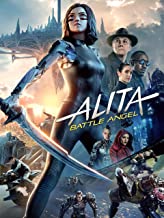
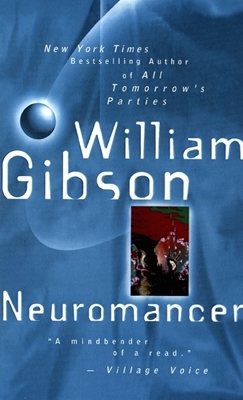
The novel Neuromancer is credited as kicking off the Cyberpunk genre. You may not have heard the term, but you probably know it  – a dark blend of high-tech in a crumbling dystopian world where the poor get poorer and the rich have all the technology – think Bladerunner, Ready Player One, Alita: Battle Angel, Real Steel, Elysium, Guardians of the Galaxy, even Hunger Games and Divergent (you could make a serious argument for Star Wars, as well). They’re gritty, dark, and sometimes disturbing, and paint a not-so-nice view of the future, with emphasis on classism, violence, famine, and a disturbing police state. 

Steampunk is also a well-established fantasy genre, carrying on as if the gasoline engine never materialized and the world was stuck in 1890 and using steam power and copper pipes for everything. They’re wildly imaginative and adventurous – check out Chris Wooding, Boneshaker by Cherie Priest, or Richard Preston Jr., or movies such as Chitty Chitty Bang Bang, League of Extraordinary Gentlemen, or The Golden Compass, among others.  

Since then, just like music has a thousand nitpicky subgenres (Simpsonwave, anyone?), fiction has also fractured into microgenres. Most are so nitpicky they’re pretty much covered under larger categories, but two more are becoming increasingly prominent: Solar Punk and Lunar Punk (Punk seems to be a word thrown in because someone is going against the establishment). Never heard of them? Neither have most people, but the genre is growing and defining itself.

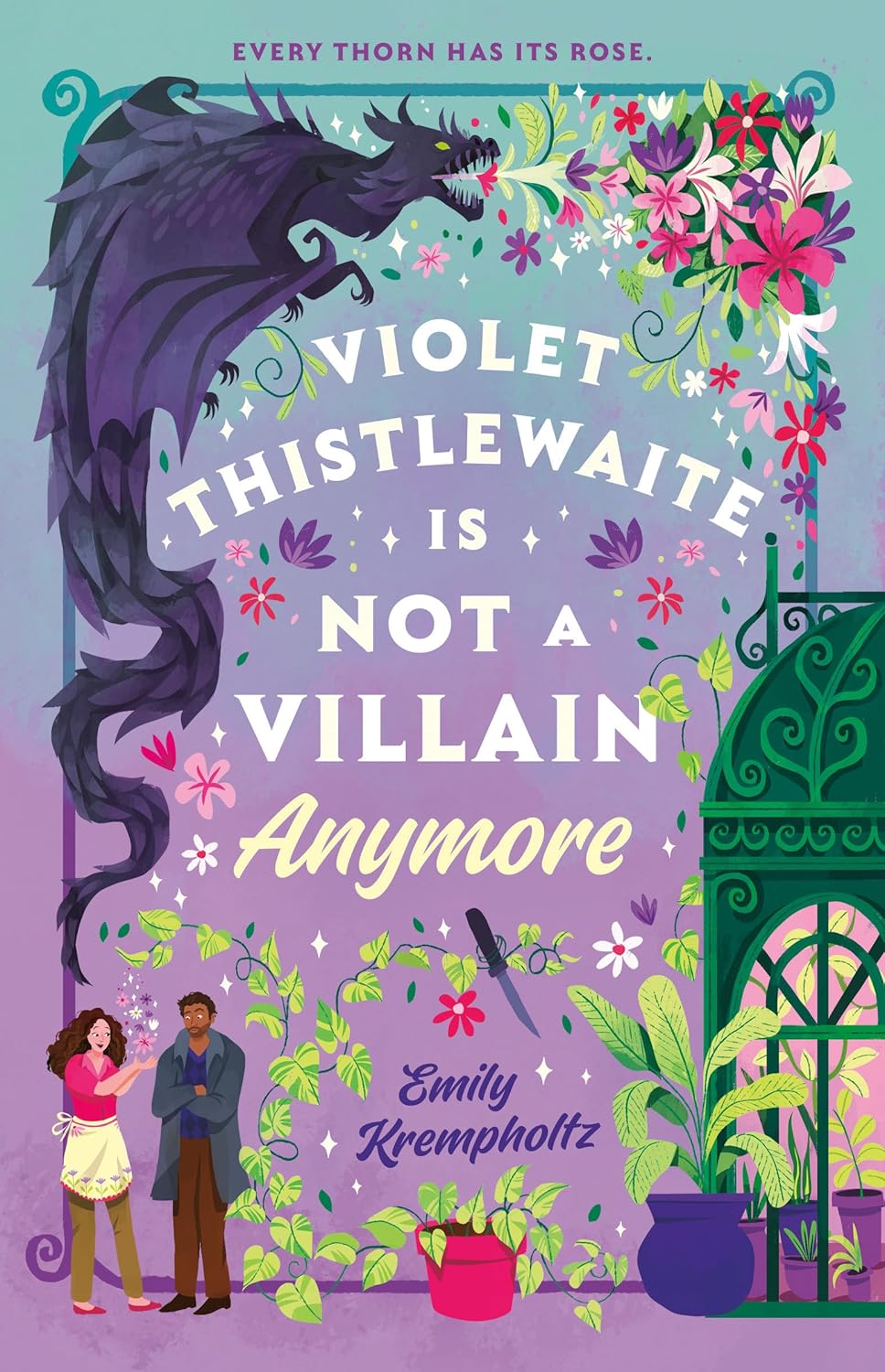
Solar Punk is a backlash against all that dreary doomsday cyberpunk. Solar Punk is full of hope and ecology. Everything is green spaces, clean power, civil rights, encompassing communities, anti-establishment, and personal choice. Renewable energy, harmony with nature, and spirituality are key themes. Solar punk is a view of the future where everything finally does work out, a world where everyone benefits from the progress of mankind, because they’re all in it together. If steampunk is Victorian, Solar Punk is art nouveau. Think Star Trek, The Disposessed by Ursula LeGuin, Ectopia, by Ernest Callenbach, Dune by Frank Herbert, Disney’s Tomorrowland, and Black Panther (is anything more Utopian than Wakanda?).

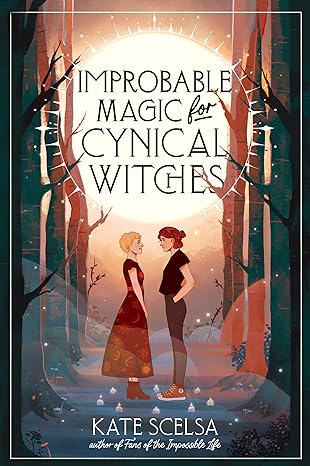
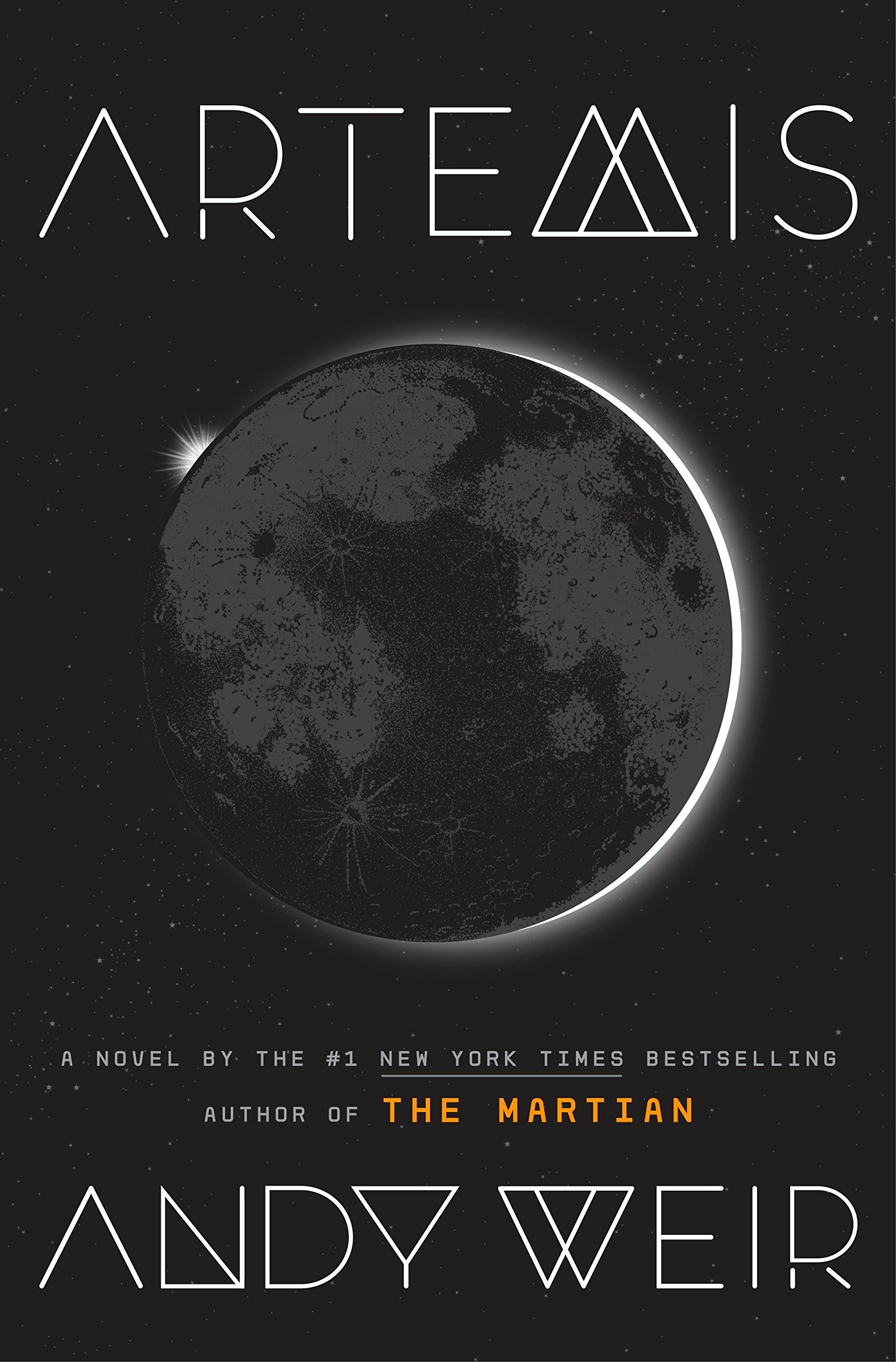
If Solar Punk is all bright lights and butterflies, Lunar Punk is Solar Punk when the sun goes down. It’s moths and the twinkling of fireflies. It’s night-blooming lilies instead of sunflowers. It may be dark but it’s not dreary, like your backyard party at night, with fairy lights everywhere. Lunar Punk often deals more in mysticism, spirituality, magic, and the occult. Their flowers are mushrooms, their light is moonlight, their colors are the blues and purples and silvers of twilight. They have no solar, so they use bioluminescence. Individuals are more important than the communities they live in. The movie Avatar – the world of the Na’vi – exemplifies Lunarpunk. Still utopian, still upbeat ecological fantasy, but out of the bright sunlight. Andy Weir’s Artemis can fall into this category. Many Anime series can fall into these categories.

Solar Punk and Lunar Punk are often categorized together, both supporting the same type of ecologically based, optimistic utopian fantasies, a genre that is growing to match our current promises of renewable energy and inclusive societies. Many of the new teen novels have been exploring the genre. They are the generation who has grown up with recycling, solar chargers, zero-emission footprints and Bald Eagles back in the wild. For them, Solar Punk could very well be the future. Check out some of it today!

Re-Covery

They tell you not to judge a book by its cover, but a book cover can make or break a book’s success. While browsing a used bookstore decades ago, I fell utterly in love with the covers of a book series I’d never heard of before – DragonLance, by Margaret Weiss and Tracy Hickman. I had to buy them, even just to look at the covers. The cover paintings were done by Larry Elmore, one of the premiere fantasy artists of the time. I’d never gotten too much into sword and sorcery books, but I devoured these. The second trilogy was still being written, and it was agony waiting for the next book in the series. I love those books to this day; they influence my own writing and imagination, and all because I had to have that book cover.

And nothing, of course, is more infuriating than when they change that book cover you know and love, and not usually for the better. Have you read this book? The title looks familiar, but not the cover … and then you start to read and find out yes, you’ve read it before, they changed the cover on you. Why?

There are many reasons a book gets a new cover. It may have changed publishers. It may be the paperback edition of a hardcover, or a school edition, or an audiobook – and audiobook companies, who often have a middleman, don’t always get permission to use the same cover. It may be a new printing – if a book contract agrees to a run of 5,000 copies, and 6,000 are ordered, the book may get a new distribution run, resulting in a new cover. The book may have been sold to a new publisher – such as Bantam Books being sold to Random House. Random House will then reissue a strong seller with their own brand of cover. If a movie or TV series is made from the book, a new edition will be released with a cover that reflects the new media, as happened with Lord of the Rings and Ready Player One. Sometimes the publisher gets flack because the cover has absolutely nothing to do with the story, and they rework it.

Sometimes, it’s hard to keep up, and sometimes, the cover art makes you scratch your head. Take, for example, the book Alas, Babylon, a 1959 novel of nuclear apocalypse that, if it’s not still my absolute favorite novel, it’s in my top three. First below is the cover I read it with – sensible, with the red/orange color of disaster and warning and nuclear fire, and people walking out of it. Compare that with the many covers it’s had since 1959:

The current one, number two above, a fourth edition by Harper Collins, to me, is puzzling – small font, an empty boardwalk, and a hand? This is not a cover that invites me to read, tells me a single thing about the story. Perhaps, after so many editions, they run out of ideas. Another fact: it’s very rare an author gets to choose the cover of their book – or have any input at all. You may submit your perfect dream cover along with your manuscript, and the publisher will toss it and give the work to one of their contracted artists. This is how you wind up with a blonde, blue-eyed heroine on the cover when the main character has short black hair.

Book covers also reflect what seems to be popular – a few years ago it seemed every book had a girl rolling around on the ground. If one sells, then everyone wants to copy that success. The bottom half of a face? Those are popular. Romance novel covers were almost interchangeable – how many were based on the model Fabio?  This year, pink is supposed to be “in” for covers again, as well as layered graphics and bold lettering.

Don’t like a book cover? Let the publisher know! Editors read the books, not the artists, or the publisher. If they’ve missed the mark, tell them. Authors depend on good covers to grab readers; if the cover isn’t intriguing, it’s wasting money.

What book covers have hit the mark, reached out and grabbed you so you had to read it?

What types of covers make you walk away?

Has a book cover ever made you angry?

Let us know!