The Legacy of MLK

It’s hard to live in America and not know who Martin Luther King Jr. was. If you’re reading this from out of the country, MLK was a black Baptist minister who became the driving force in the 1960’s fight for civil rights, and for the equal treatment of black citizens in America. His call was for peaceful protest and non-violence – always non-violence – and he was awarded the Nobel Peace Prize in 1964. For his outstanding efforts, Mr. King was assassinated on April 4, 1968. James Earl Ray was charged with the murder, a white troublemaker with a 7th grade education and a long rap sheet. Ray admitted to the crime, had a strong timeline leading up to the crime, had fingerprints on the weapon, but because he lied numerous times and changed pleas and facts all over the place, conspiracy theories abound.

Kings death no doubt played a major role in the passage of the 1968 Civil Rights Act, just a week later, in an effort to help quell the riots that followed his death. His examples reached into South Africa and Northern Ireland, areas of long hostilities, and a statue of him stands in Westminster Abbey in London.

King’s beliefs and activities created as many conflicts as they tried to solve. While the racially charged South saw him as too progressive, so far as to call him a communist, many in the black community, such as Malcolm X, thought he didn’t go far enough and demanded radical action, not peaceful protests. King alienated himself from the US government by opposing the war in Vietnam. Herbert Hoover, head of the FBI, considered King a radical and sent him threatening letters. It wasn’t until 1986 that Ronald Reagan enacted Martin Luther King Day as a Federally recognized holiday.

Biographies will give the standard information on Martin Luther King, and while White Trash (warning: FaceBook will jail you for discussing this book) and Caste are excellent books which will open your eyes to issues you never considered, they’re heavy on sociology and can be difficult to slog through at times. If you’d rather read about the issues he fought against, and where we stand today on Civil Rights in an easier fashion, check out these non-fiction books that will give you a good perspective of the issues. If non-fiction isn’t your thing, try these novels about modern issues as well, and realize we still have a long way to go. 

The Hate U Give

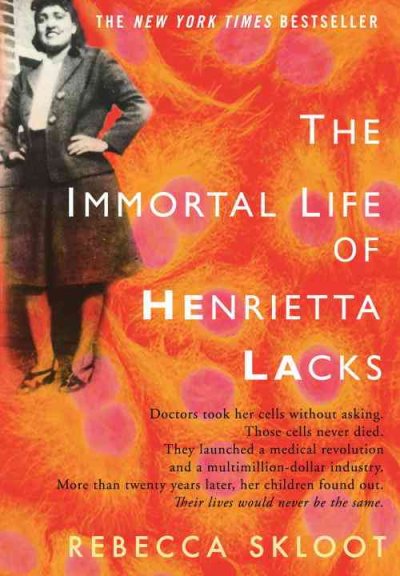
The Immortal Life of Henrietta Lacks

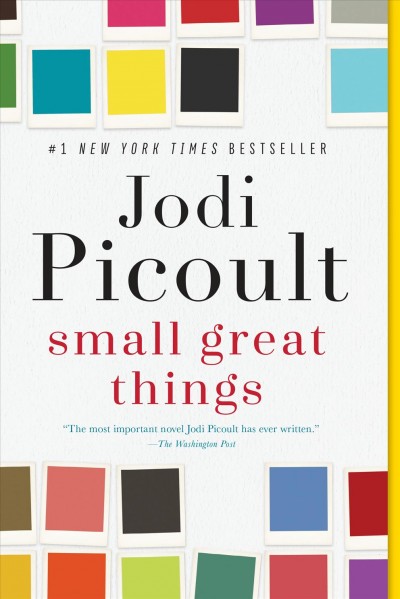
Small Great Things

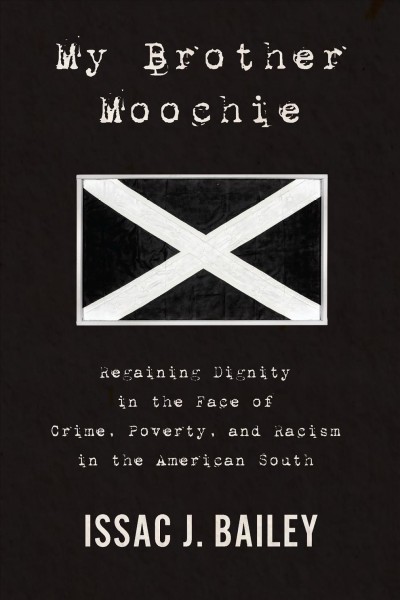
My Brother Moochie

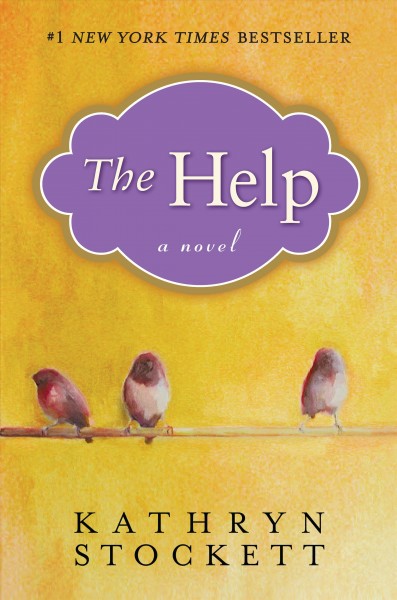
The Help

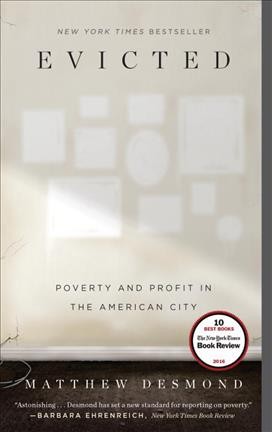
Evicted

Native Son

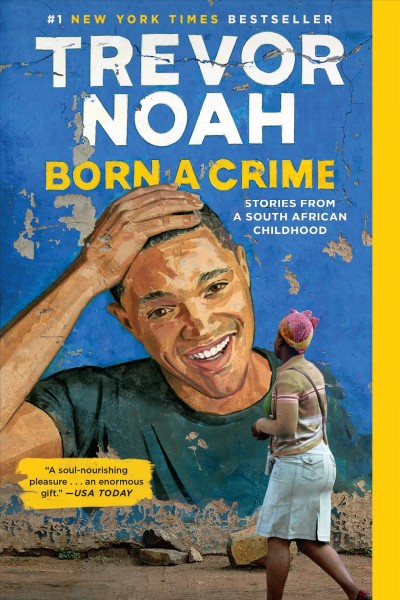
Born a Crime

Sing, Unburied, Sing

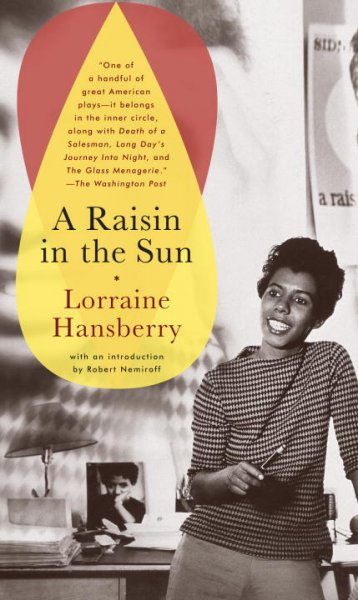
A Raisin in the Sun

Long Way Down

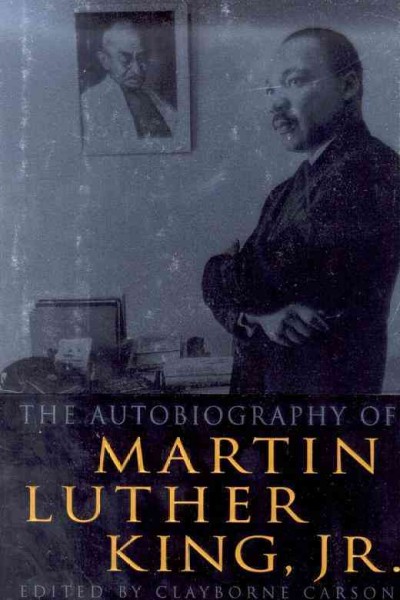
The Autobiography of Martin Luther King Jr.

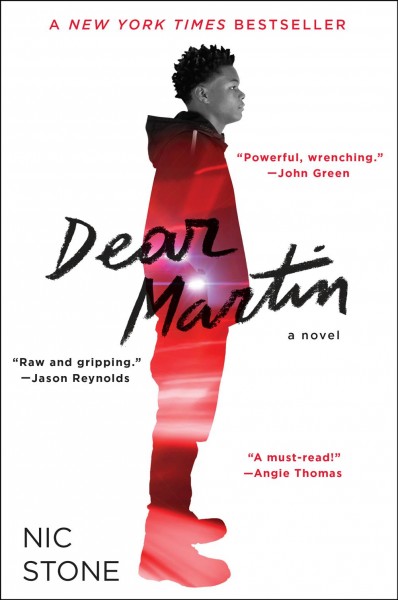
Dear Martin

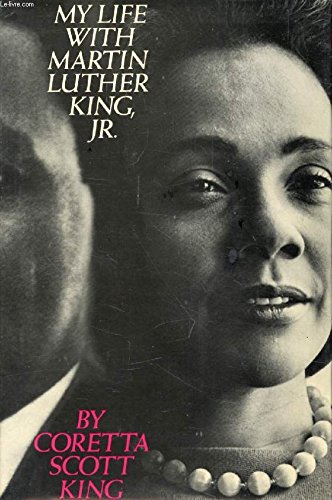
My Life With Martin Luther King Jr

Survival Math

How We Fight for Our Lives

Some of Your Favorite Authors Have New Books Coming Out This Month!

September’s got some great new releases heading to our shelves. Here are eight that we’ve been eagerly anticipating, put your name on the hold list for your favs, if you haven’t already!

The Night She Disappeared by Lisa Jewell. From the New York Times bestselling author of Then She Was Gone and The Family Upstairs comes another riveting work of psychological suspense. One year after a young woman and her boyfriend disappear on a massive country estate, a writer stumbles upon a mysterious note that could be the key to finding out what happened to the missing young couple.

Apples Never Fall by Liane Moriarty. A family of tennis stars debate whether or not to report their mother as missing because it would implicate their father in this new novel by the New York Times bestselling author of Big Little Lies and Nine Perfect Strangers.

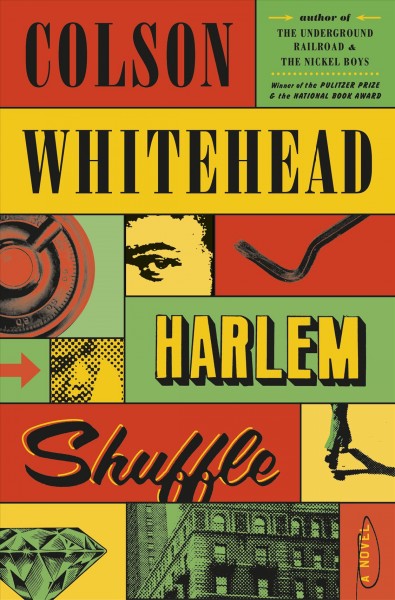
Harlem Shuffle by Colson Whitehead. A furniture salesman in 1960s Harlem becomes a fence for shady cops, local gangsters and low-life pornographers after his cousin involves him in a failed heist, in the new novel from the two-time Pulitzer Prize-winning author of The Underground Railroad and The Nickel Boys.

Bewilderment by Richard Powers. A widowed astrobiologist and single father to a troubled son contemplates an experimental neurofeedback treatment that trains the boy on the recorded patterns of his mother’s brain in the new novel from the Pulitzer Prize–winning author of The Overstory.

The Wish by Nicholas Sparks. From the author of The Longest Ride and The Return comes the story of successful travel photographer Maggie Dawes, struggling to come to terms with a sobering medical diagnosis, who is unexpectedly grounded over Christmas with her young assistant and begins to tell him the story of the love that set her on a course she never could have imagined.

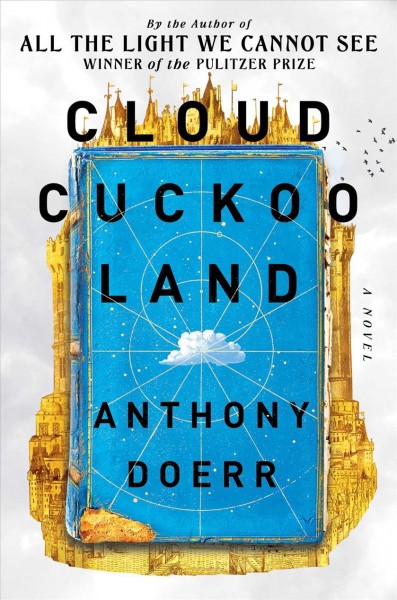
Cloud Cuckoo Land by Anthony Doerr. The novel follows four young dreamers and outcasts through time and space, from 1453 Constantinople to the future, as they discover resourcefulness and hope amidst peril in the new novel by the Pulitzer Prize–winning author of All the Light We Cannot See.

Matrix by Lauren Groff. Lauren Groff returns with her exhilarating first new novel since the groundbreaking Fates and Furies. Cast out of the royal court, 17-year-old Marie de France, born the last in a long line of women warriors, is sent to England to be the new prioress of an impoverished abbey where she vows to chart a bold new course for the women she now leads and protects.

Fuzz by Mary Roach. Join New York Times bestselling science author Mary Roach as she tags along with animal-attack forensics investigators, human-elephant conflict specialists, bear managers, and more. Combining little-known forensic science and conservation genetics with a motley cast of laser scarecrows, langur impersonators, and mugging macaques, Fuzz offers hope for compassionate coexistence in our ever-expanding human habitat.

Diverse Romance

People of all ethnicities, body types, sexual orientations, and interests fall in love every day in real life, but until pretty recently it hasn’t been easy to find romance books that reflect that reality. While straight white male/female protagonists are still the mainstay of the romance genre, more diverse authors and story-lines have been getting some attention lately, which is all for the good. Here are some recent examples of love stories with different perspectives.

Party of Two by Jasmine Guillory

The Trouble With Hating You by Sajni Patel

Spoiler Alert by Olivia Dade

Boyfriend Material by Alexis Hall

The Duke Who Didn’t by Courtney Milan

How to Catch a Queen by Alyssa Cole

Girl Gone Viral by Alisha Rai

You Had Me at Hola by Alexis Daria

The Marriage Game by Sara Desai

Something to Talk About by Meryl Wilsner

May is Mental Health Month

One in every five people in the US carry some sort of “mental Illness” diagnosis – 20% – making it almost twice as common as killer heart disease, yet people hear the term “mental illness” and pictures of unshaven, alcohol-soaked homeless men and babbling old women with uncombed hair and too many cats come to mind (Don’t judge me!).

In reality, that’s far from the common truth. The umbrella term of “mental illness” includes everyone from your depressed cousin, your churning anxiety over political situations, and Uncle Louie, who served in Iraq and spends most days with his friend Jack Daniels. It includes the teen with autism who works down at the laundromat (don’t jump on me; a strong majority of autism includes OCD and anxiety, with phobias topping the list at 30%), the hoarder you drive past on your way to work, that girl on the cheerleading team who wears a baggy size 0, and that guy at work who stays four hours later than anyone else and talks so fast you can’t follow him. It includes celebrities, like Robin Williams, Margot Kidder, Robert Downey Jr, Brittney Spears, Carrie Fisher, Brooke Shields, and so many more.

“Mental Illness” is more common than COVID.

While some introverts have fared well through the pandemic and quarantines, many people have not. Rates of depression in adults went from 8% pre-pandemic to 28% – almost one in three – after. For those who lived alone, the rates approach 40%. Isolation, job loss, poverty, loss of loved ones, anxiety, and long-haul COVID symptoms all play their part in feeling crushed by a microbe. Among children, who can’t always understand the details of what’s going on, rates of depression and anxiety straddled 40%.

Unfortunately, our image of “mental illness” is tainted by historic images of schizophrenia, the king of all mental illnesses, and often the most resistant to treatment. We watch movies such as One Flew Over the Cuckoo’s Nest and I Never Promised You a Rose Garden, while not remembering that these movies depict mental illness treatment from as much as 70 years ago, when diagnoses were vague, medications were ineffective and dangerous, people believed in insulin comas and the disaster of lobotomies, and there were no PET or MRI scans to show exactly what the problem was. There was a time not very long ago when the number one treatment for syphilis was mercury. Times have changed, and chances are there’s actual help for that now.

How can something affecting 30% of the population be abnormal? Here’s a fact: it’s not, but our refusal to admit it keeps people feeling ashamed and afraid to seek treatment. If you feel down, if the social distancing and anxieties are getting to you, if your child is fearful and withdrawn and having trouble sleeping, reach out! Help is just a phone call away. No insurance? No worries. There are places to help you get medical coverage, and places that work on a sliding scale. There IS help, for everyone. Don’t be afraid to ask.

If you feel like life is overwhelming you, if you are worried about a loved one, if you are struggling with just getting through your day, CALL the CT ACTION line (Adult Crisis Telephone Intervention and Options Network). It’s available 24 hours a day, because the worst thoughts usually happen during the night.  1-800-467-3135,  or just call 211, which is the general help line for state services.

Don’t want to feel like you’re the only one on the planet feeling down? Check out these popular books and films on people having difficulties. Chances are, yours aren’t that bad.