LitRPG stands for “literary role-playing game.” These are fantasy or science fiction stories that incorporate elements from tabletop role-playing games (e.g., Dungeons & Dragons) and role-playing video games (e.g., The Elder Scrolls or Fallout series). For those unaware, role playing games (RPGs for short) involve players taking on roles in a fictional environment and developing their character in unique ways as the story progresses. This character development and its associated game mechanics are the common threads you will find in all LitRPG titles.
But haven’t RPG-influenced fantasy and science fiction been around for a while? What makes LitRPG unique? It can be difficult to parse genres because there are already novels that borrow quite a bit from RPGs. Dozens of authors have been writing authorized Dungeons & Dragons stories since the 80s—R. A. Salvatore and Margaret Weis among the most popular of this group. What differentiates LitRPG is that characters are aware of the game mechanics.
In traditional fantasy, a character might defeat an enemy and take their battle-axe. Perhaps the battle-axe emanates warmth and pulses with a red glow. In LitRPG on the other hand, a level 5 character might defeat a level 8 boss and take their Fire-Enchanted Dwarven Battle-Axe. A screen pops up in front of them, floating in mid-air, with text that reads: “This is a unique weapon. Wielder is granted +3 fire damage to melee attacks. When an enemy is slain with this weapon, they erupt in a fiery explosion that deals 5 fire damage to all creatures in a 3 meter radius.”
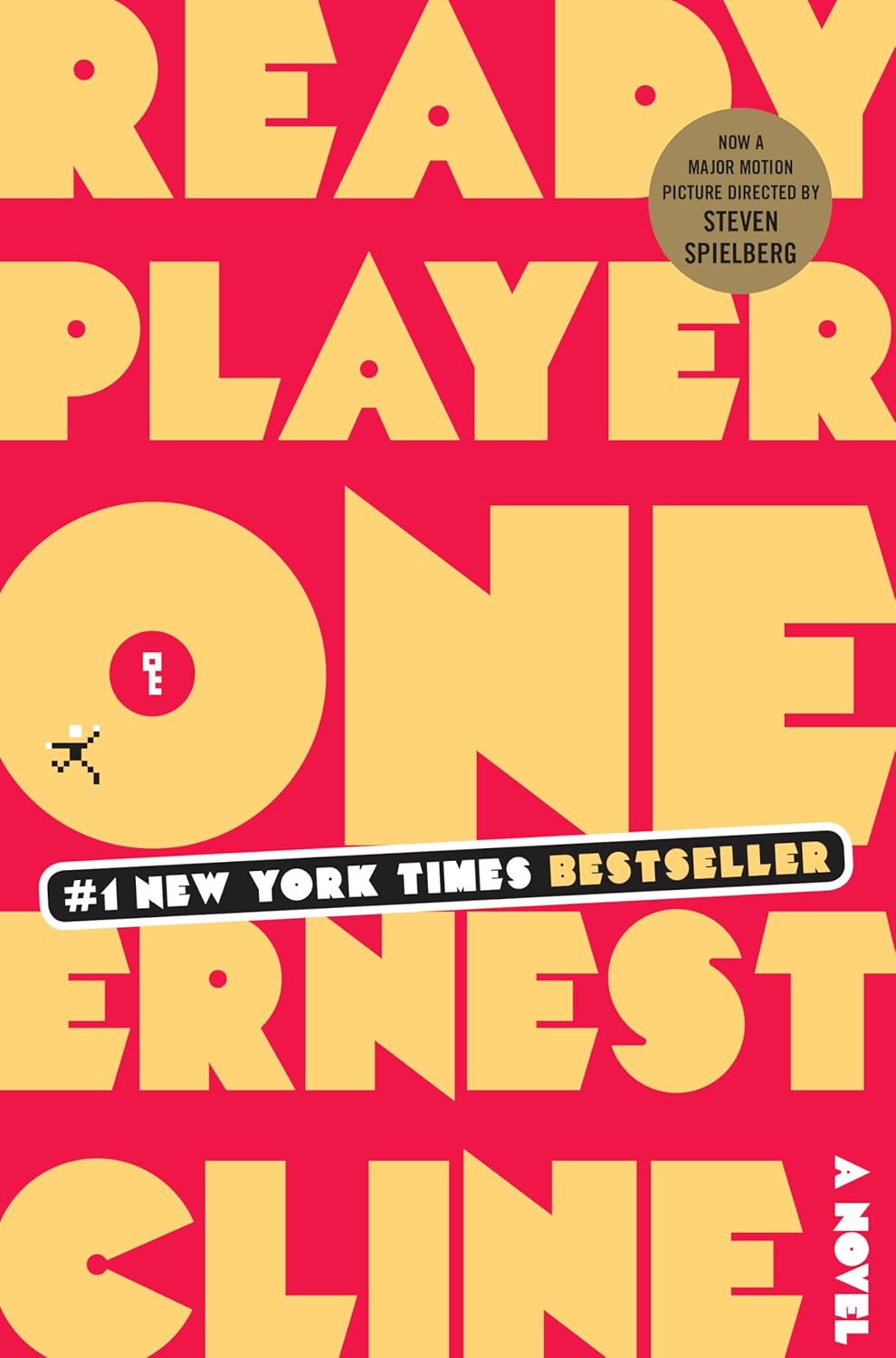
Ready Player One is a good touchstone when approaching this genre from a non-RPG background. Though some don’t consider it to be true LitRPG, it does feature a protagonist interacting in a video-game world and using game mechanics to become more powerful. There are passages like “This particular magic sword could only be used by an avatar who was tenth level or higher,” which is the kind of writing you would find in LitRPG.
Is this all sounding a little too video-gamey? Like Ready Player One, most LitRPG books can be read with no knowledge or interest in RPGs. I can attest that a number of my close friends are big fans and have never played an RPG in their life. As long as you find some thrill in cool loot, cool magic, and over-the-top action, there will be something for you in LitRPG.
“These books sound fun!” you say. “Where can I get my hands on one?” you ask. Well, LitRPG is still a relatively fledgling genre, and most books are self published. As such, you’ll only find a couple in our library system. More are sure to appear in the next year or two, but if you’re interested in diving into this genre now, you will find them online in eBook and eAudiobook formats. It’s also worth noting that, because of their emphasis on progression over time, many LitRPG series can be more than 10 books long. If you prefer short, self-contained stories, LitRPG is not for you.
So where is this genre headed? In May of this year, the author who brought LitRPG closer to the mainstream, Matt Dinniman, is releasing the next book in his Dungeon Crawler Carl series. It’s worth noting this will be the first new entry in the series published by a major publishing house (Ace, an imprint of Penguin Random House). This is a clear indication that there’s money to be found in LitRPG and I expect other publishing houses will follow suit.
Also important to note: In 2024, Universal International Studios announced they were developing a TV adaptation of Dungeon Crawler Carl. As far as I can tell, it’s too early to call this a done deal; projects like this fizzle into nothing all the time. But if the show comes to fruition, expect even more of a spotlight on LitRPG.
In the meantime, here are several books that serve as good introductions to the genre:
Dungeon Crawler Carl by Matt Dinniman
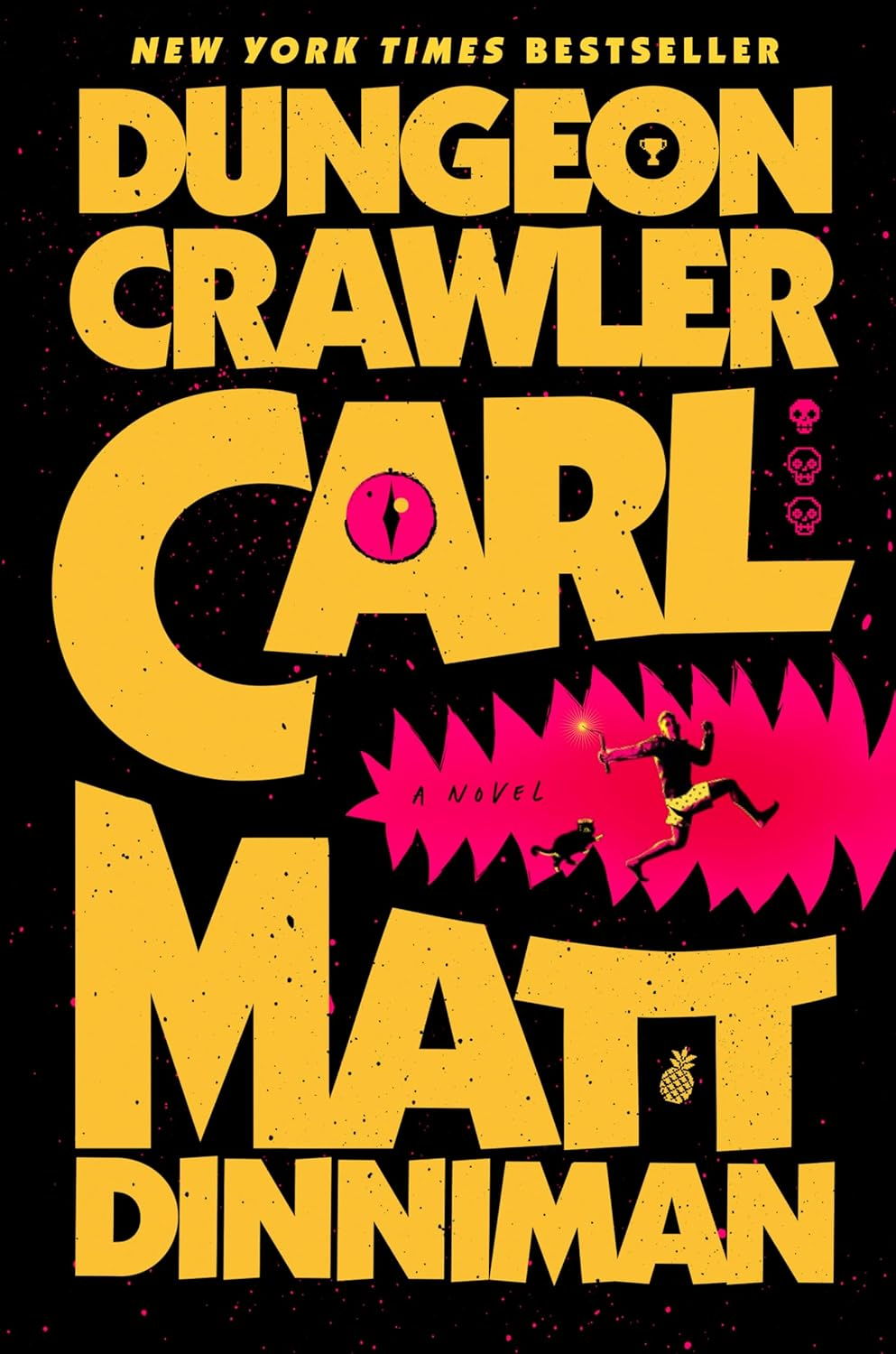
You know what’s worse than breaking up with your girlfriend? Being stuck with her prize-winning show cat. And you know what’s worse than that? An alien invasion, the destruction of all man-made structures on Earth, and the systematic exploitation of all the survivors for a sadistic intergalactic game show. That’s what.
Join Coast Guard vet Carl and his ex-girlfriend’s cat, Princess Donut, as they try to survive the end of the world—or just get to the next level—in a video game–like, trap-filled fantasy dungeon. A dungeon that’s actually the set of a reality television show with countless viewers across the galaxy. Exploding goblins. Magical potions. Deadly, drug-dealing llamas. This ain’t your ordinary game show.
Welcome, Crawler. Welcome to the Dungeon. Survival is optional. Keeping the viewers entertained is not.
Level: Unknown by David Dalglish
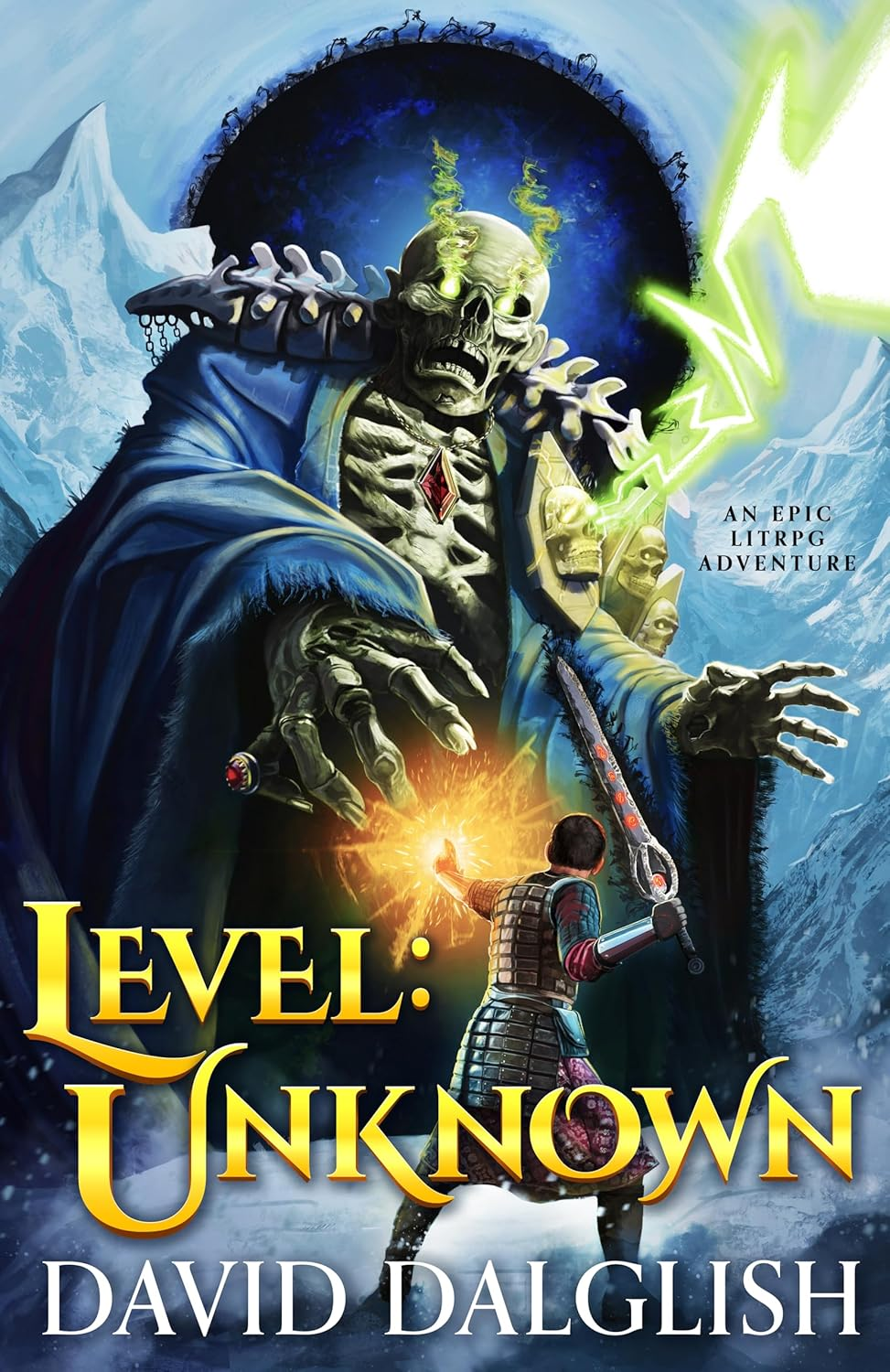
When an ancient alien artifact chooses research cadet Nick to explore the world stored within it—a place full of forgotten empires, heroes with strange powers, and monstrous creatures that he is automatically transported to when he sleeps—he finds he has no choice but to grow stronger within the realm of Yensere to uncover its mysteries.
But Yensere isn’t all fun exploration. In this land guided by statistics and levels, Nick is seen as a demonic threat by its diseased inhabitants and always killed on-sight. When he dies in Yensere, he awakens in his bed upon the research station, his body in a state of panic; when he sleeps again, Yensere drags him back for another life…and another death.
Nick can only keep this up for so long before he dies for real. But there’s a good chance Yensere holds the key to saving humanity from a terrible fate, and so he ventures on, getting stronger and stronger with each new enemy defeated. And there are a LOT of enemies to defeat…
He Who Fights With Monsters by Shirtaloon (a.k.a. Travis Deverell)
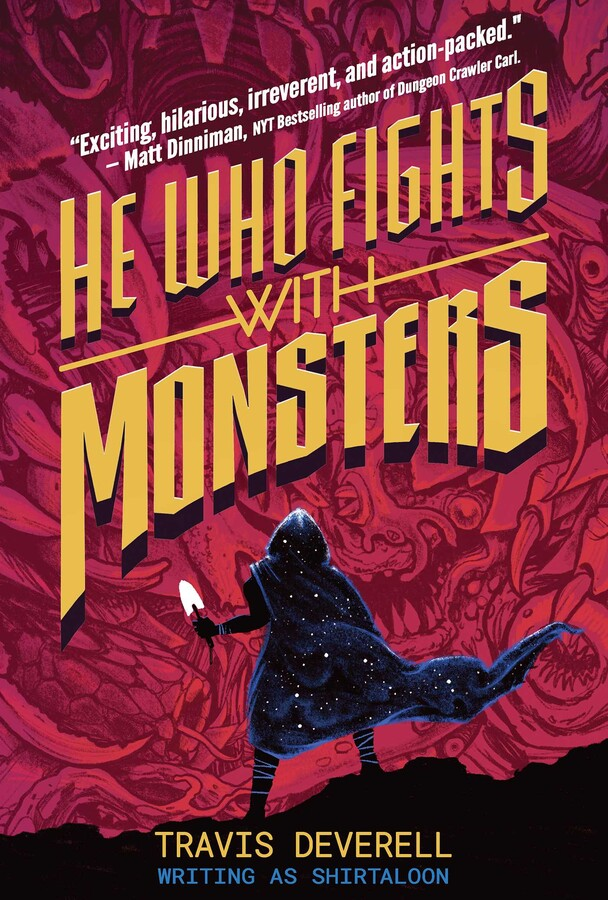
It’s not easy making the career jump from office-supplies-store middle manager to heroic interdimensional adventurer. At least, Jason tries to be heroic, but it’s hard to be good when all your powers are evil.
He’ll face off against cannibals, cultists, wizards, monsters…and that’s just on the first day. He’s going to need courage, he’s going to need wit, and he’s going to need some magic powers of his own. But first, he’s going to need pants.
The Wandering Inn by Pirateaba
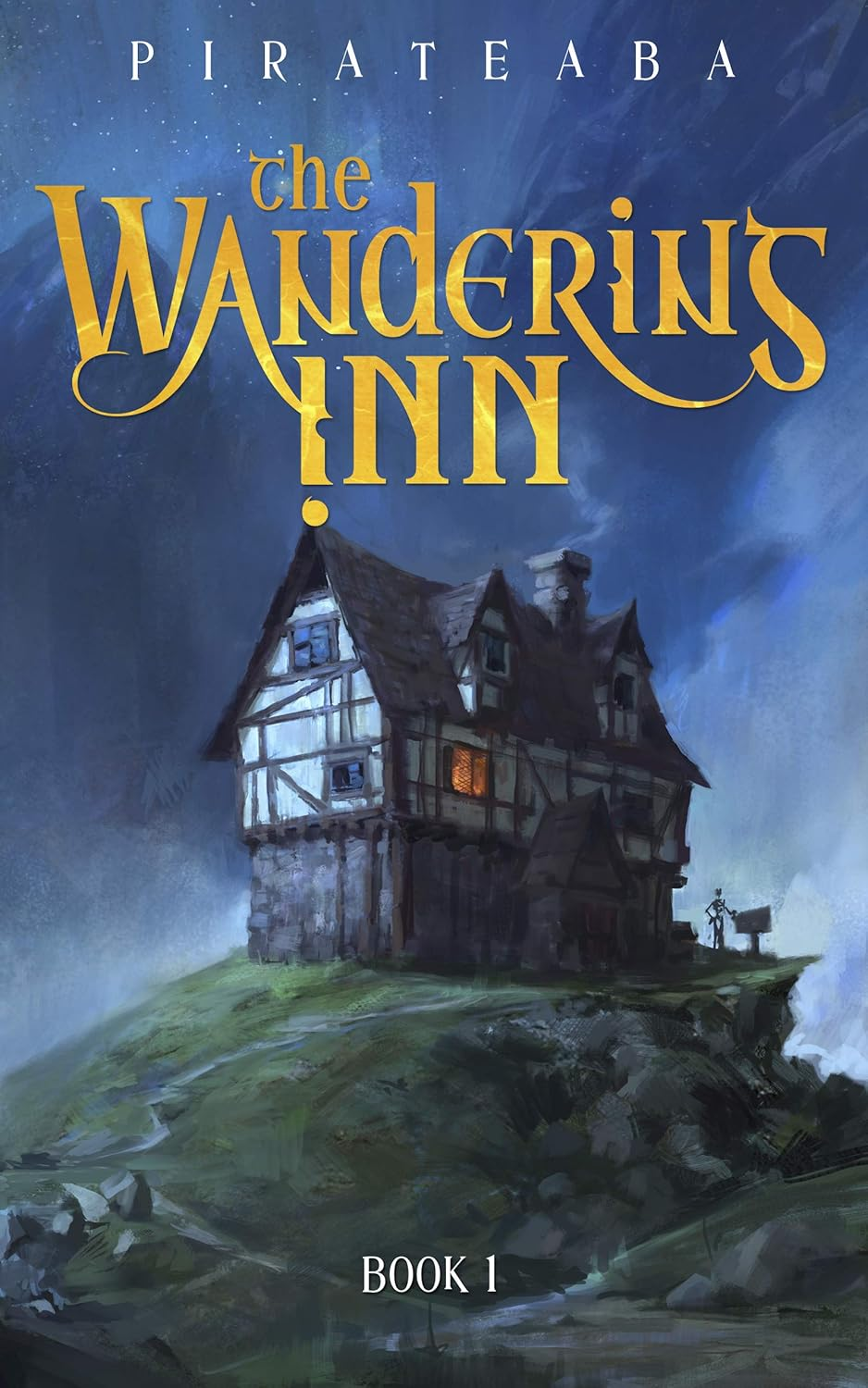
It’s a bad day when Erin finds herself transported to a fantastical world and nearly gets eaten by a Dragon. She doesn’t belong in a place where monster attacks are a fact of life, and where Humans are one species among many. But she must adapt to her new life. Or die.
In a dangerous world where magic is real and people can level up and gain classes, Erin Solstice must battle somewhat evil Goblins, deadly Rock Crabs, and hungry [Necromancers]. She is no warrior, no mage. Erin Solstice runs an inn.
She’s an [Innkeeper].
The Path of Ascension by C. Mantis
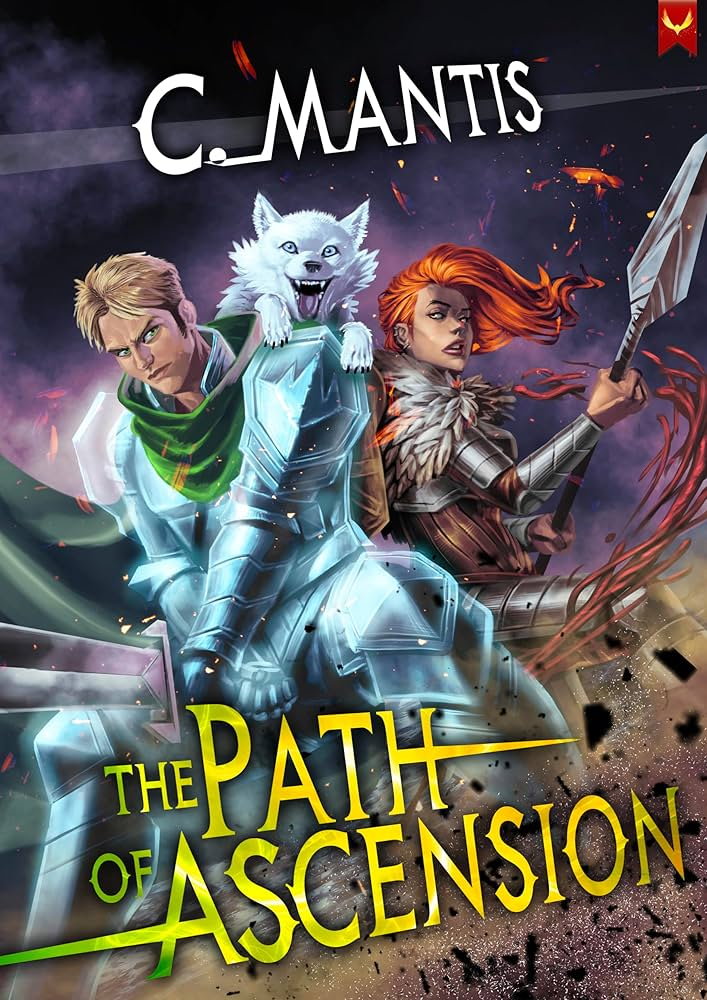
Matt plans to delve the rifts responsible for the monsters that destroyed his city and murdered his parents. But his dreams are crushed when his Tier 1 Talent is rated as detrimental and no guild or group will take him.
Working at a nearby inn, he meets a mysterious and powerful couple who give him a chance to join the Path of Ascension, an empire-wide race to ascend the Tiers and become living legends.
With their recommendation and a stolen Skill, Matt begins his journey to the peak of power. Maybe then, he can get vengeance he seeks…









 Westerns are not my bag. They cover a very short piece of history (usually post-Civil War to the early 1900’s), they’re often trite, and too many of them bore me. You can run down a checklist for almost every one: Horse? Check. Damsel? Check. Angry Indian? Check. Sheriff? Check. Big shootout? Check.
 never seen the entire

 The Cheshire Library Blog