May Is National Blood Pressure Education Month!

Who cares? You should.

High blood pressure, also known as Hypertension, is known as the silent killer. High blood pressure often gives no warning signs, but can result in stroke, heart failure, kidney damage, and blindness. Occasionally, there may be subtle signs like ringing or buzzing in the ears, or a pounding heart. Next time you’re in busy place – an elevator, or mall, or even the doctor’s office – start counting. One in every four people has raised blood pressure – 25% of the population. Out of 100 people with blood pressure issues, only 68 of them are aware of their problem, and only 18 of those 68 will have it under control. Scary, isn’t it?

.
Blood pressure is a measure of how hard the heart is working. You’re probably familiar with the two numbers – Systolic (the strength ofdial the heartbeat) over the Diastolic (how hard the heart squeezes at rest). Ideally, you want that number to be 120/80 millimeters of mercury (that mmHg you see on the dial). More than 130/85, and you’re getting into dangerous territory. More than 140, and you’ve got a problem.

.
Sometimes high blood pressure runs in families; sometimes it’s due to diet, to being overweight, to certain medications, to certain conditions like diabetes, stress, or panic attacks. Alcohol consumption can raise blood pressure; so can salty foods (especially Ramen, or anything in a can or a box), common antihistamines and cold medications such as Sudafed, any “health” powders, supplements, or drinks containing Ephedra, illegal drugs such as cocaine, and of course, colas, Monsters, energy drinks, coffee, and tea.

.
dm-wide-blood-pressure-20131115172644575592-620x349 One high reading is not a reason to panic. Blood pressure can fluctuate from day to day, even minute to minute. One false reading of high blood pressure is called “white coat hypertension” – people sometimes get nervous in a doctor’s office, or they’ve rushed on the way there and are stressed out. If your doctor takes a reading when he or she first comes into the office, ask to have it taken again just before you leave. Chances are, it will be lower the second time around. Another problem can be a blood pressure cuff that is too small – if you have big arms, whether due to fat or muscle, ask for the larger cuff. A cuff shouldn’t pop off while inflating – if it does, you’re not going to get a reliable reading. Blood pressure readings will also differ if someone is reading it by hand with a stethoscope or if a machine is doing it. Machines tend to read a higher score.

Sometimes blood pressure can be regulated by diet alone: low salt, lots of fruits and vegetables, and moderate exercise. Cut back on alcohol and caffeine (you’ll sleep better, too!). Get your stress under control. If all else fails, there are many good non-expensive medications with few side effects.

High blood pressure is one of those things you don’t want to fool around with, even if you feel perfectly fine. Someone you love is depending on you.


Easter Pets

They’re adorable, all fluff and big watery eyes, but if you’re thinking about getting or giving a live pet for Easter, think twice! According to the Humane Society, 30% of all Easter pets will die in the first few weeks after Easter. Another 60 to 70% will be turned in at shelters, and almost all will not live to see a single birthday. If you’re thinking about adding a pet to your family, take your time and do your research first.
        Rabbits come in all types and sizes, and they live an average of seven to ten years. Their health can be delicate, and simple diarrhea – most often from too many fresh veggies – can kill them. Inside a house, they will dig and chew at everything, so don’t feel bad when your couch gets a hole in it. If you choose a beautiful angora, with long fluffy hair, remember they need to be brushed and combed daily, or at least shaved down. Rabbits love to run and kick up their heels (which is very amusing to watch), so keeping them in a small cage all the time is just plain cruel. They are not hamsters; think of rabbits as your cat’s slow-witted little brother. You wouldn’t cage up a cat all the time, would you?


Ducks may live eight to fifteen years, and come in a huge variety of types and colors. Ducks are very social, and you may need more than one to keep your animal happy. Remember, ducks like water and are natural swimmers; keeping them in a dry environment like a dark basement does not result in a happy duck. Remember, ducks shed feathers everywhere, their water-proof feathers may leave grease on your carpets, and they will not be house-trained.


Baby chicks are one of the icons of spring, but they live five to eight years. It is their nature to hunt for bugs in the grass, and they will scratch and peck at whatever flooring is underneath them; they can crater dirt fairly quickly. Chickens (and ducks, too) may be subject to town ordinances, so check with your town first to see if you’re even allowed to keep them! Roosters can cause a ruckus; they don’t just crow at dawn, but any time they feel like it, which may not sit well with your neighbors. Both chicks and ducks have to be kept safe at all time from predators, including hawks.


If you’re not sure a live pet is right for your family, try sponsoring an animal instead. You can buy into a “share” of an animal at a zoo or refuge, and help keep it happy and healthy. You can also “donate” an animal through programs such as Heifer International, which helps people out of poverty by teaching them to raise and sell animals in developing nations.
If you do bring home that cute and fluffy new friend, check out these books to help you keep them around for a long time to come:

The Rabbit Handbook by Karen Parker

Keeping Chickens by Ashley English

Mini Encyclopedia of Chicken Breeds & Care by Frances Bassom

Barnyard in Your Backyard by Gail Damerow


An Easter Playlist

Every occasion needs a soundtrack. Check out this list of classical and contemporary music appropriate for Easter celebrations. Some of these you might remember from church, but not realize who actually wrote them. Others were written secularly, but adopted later as hymns. Did you know that Elvis Presley started out as a gospel singer?  He attended a Pentacostal church that encouraged modern music.
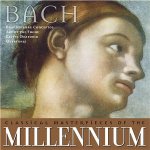
1) Cantata 147: Jesu, Joy of Man’s Desiring, by Johannes Sebastian Bach
You probably remember this one from church
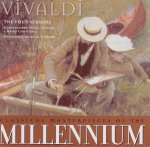
2) Concerto no. 1 in E (Spring)  by Antonio Vivaldi
You’ve heard this one in the movies and on TV
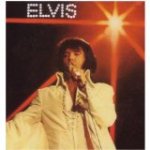
3) How Great Thou Art by Elvis Presley
One of his most-requested songs
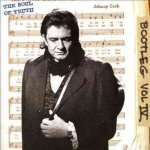
4) The Old Rugged Cross by Johnny Cash
5) The Lord’s Prayer
There are many beautiful instrumental songs on Windham Hill’s Prayer album, perfect for quiet meditation.
6) Amazing Grace  by Anne Murray
7) El Shaddai  by Amy Grant
According to Exodus 6:2, Shaddai is the name by which Abraham, Isaac, and Jacob knew God
8) You’ll Never Walk Alone by Elvis Presley
9) The Passions According to St. John and St. Matthew   by J. S. Bach
10) Ave Maria  by The Priests
11) Hallelujah Chorus from The Messiah   by G. Handel Baroque at its finest
12) Symphony No. 9 in D minor “Choral”   by Ludwig von Beethoven
You probably know this better as the “Ode to Joy,” or Hymn # 8, “Joyful, Joyful”
13) Judas Maccabeus by G. Handel
14) Russian Easter Liturgy A whole service on one disc!


Aliens in Your Back Yard – The Invasion of Non-Native Plants

You’ve seen them around, maybe even in your yard.  You may even think they look pretty. But they’re not. They are aliens, and they are taking over our world.

Oriental Bittersweet

Oriental Bittersweet

The “aliens” in this case are non-native plants, and their invasion is costing us billions – yes, billions with a B – just on golf courses alone, trying to stop them from overtaking and wiping out our natural species. They can choke out the normal wild plants of an area, wiping out the food that birds and wildlife depend on. They can wrap around your electrical wires, pulling them down and causing power outages. They can invade your vegetable gardens, growing faster than you can weed. Most of these plants were introduced as an ornamental addition to gardens, but with no natural insect enemies or animals to eat them, they quickly grew!

Kudzu in action

Kudzu in action

From Alabama to Canada, Japanese Kudzu is a fast-growing vine that forms a thick blanket over grass, trees, wires, and buildings.  It will grow over anything in its path, and it is voracious – growing up to a foot per day – the kind of thing bad science fiction movies are made of.  In Cheshire, especially on the West side near Darcey School, you’ve no doubt seen Oriental Bittersweet growing thick up telephone poles, hanging in sheets from overhead wires, and growing up trees in thick ropes faster than poison ivy. It’s a woody vine that’s almost impossible to break with your hands, and will wrap itself around wire fences until it’s easier to remove the fence than the vine. Even pulling it up doesn’t seem to stall it much.

Purple Loosestrife

Purple Loosestrife

Purple Loosestrife may trick you into thinking it’s just a pretty flower ( I once thought so), and you’re rather happy it chose your yard.  You don’t even have to water it, and it looks nice.  Until it takes over every inch of your lawn, and the more you weed, the more there seems to be. It was brought over from Japan in 1876 as a garden interest, and then spread out of control.

Garlic Mustard

Garlic Mustard sounds tasty – and it is.  It was brought over from Europe as a an herb in the 1860’s, and it quickly took off.  Garlic mustard is so determined, it can even fertilize its own seeds, which is part of the problem.  Deer won’t eat it, and thus will feast too much on other plants instead, endangering them from overgrazing.  Garlic mustard is on the Most Wanted list in more than nine states.

Different plants can require different methods of eradication. On April 7, Cheshire Public Library will be hosting a program called Root Out Non-Native Invasive Plants, where you can learn more about how to identify and eradicate non-native infiltrators without the widespread application of pesticides.. Help support your native plants – and the animals who depend on them – by helping to wipe out these alien invaders. If you don’t already have one in your neighborhood or yard, you will soon.

You can read up further on invasive plants in Invasive Plants: a guide to identification and the impacts and control of common North American species, by Sylvan Ramsey Kaufman.

On Our Shelves: New Music for March

Music comes in more flavors than Bernie Bott’s Beans. No matter what your taste or style, there’s always something new being released – even from musicians long-deceased.  Here are a few recent releases on our shelves:

Life, Love, & Hope  by Boston

    Boston’s been around forever, it seems – their first eponymous album debuted in 1976 and reached number 3 on the album charts, and subsequent albums only climbed higher.  With the untimely death of lead singer Brian Delp in 2007, Boston underwent some changes, and to be honest, hearing them live in concert, they didn’t seem to have it anymore.  However, with the release of Life, Love, & Hope, their sixth album, Boston seems to have recovered: not quite the same, but with enough of the old magic to bring back the spark that gave them their identity. The same driving beats, the same luscious harmonies, but a little lighter, a little crisper, a little fresher to attract a new generation.  For a band that’s been around almost 40 years, that’s a difficult – and truly wonderful – thing to do. If you want something new or are longing for some updated nostalgia, this is a great album to try.

High Hopes by Bruce Springsteen

        High Hopes bills itself as a rare, unreleased tracks album, which it may indeed be, but we’ve heard some of these before.  It’s wonderful to hear a non-live version of 41 Shots, but the album doesn’t add any real surprises. There’s not a bad track on it, but nothing particularly stands out. If you love Springsteen (and there’s a lot to love), then this album will give you exactly that – more. Not better, not bad, just more quality music, a long encore to a fabulous concert from a musician who’s as strong as ever.

The Bones of What You Believe by Chvrches

   They pronounce it “churches,” but I pronounce the V anyway.  A synth-pop band from Scotland, Chvrches is a group that bridges a number of different music styles.  Like light modern popular radio music?  This is a great album.  Like a techno electronic sound with actual understandable lyrics to go with it? This is a great album.  Miss some of the 80’s pop from bands like Human League or The Fixx, or the sweet sounds of Sixpence None the Richer?  Then you will love this album.  Light, joyful, and not overpowering, there’s a wide variety of song styles to keep you entertained.  It’s been  a long time since I found a new popular band that has caught my attention this much, and I hope to hear more from them in the future. Give them a try!

Croz by David Crosby

Like Springsteen’s High Hopes, if you like Crosby, Stills, & Nash, you will probably enjoy David Crosby’s new album. Harking back to the band’s late-60’s melodies, this is more of the style you remember, an open, wandering melody with a touch of Eastern feel that could almost be filed under Jazz. Nothing jumps out and grabs you, it’s just a solid continuation of the old-style catalog.