One Book, One Town, One Difficult Choice!

The Cheshire Public Library is planning on hosting a One Book, One Town program in 2025. For those unfamiliar with this concept, the idea is to select a book the whole town can read “together”. The library will host a kick-off party and plan programming based on the book’s narrative and themes. We are so excited for this chance to bring the community together under one book, and we’ve been giving the selection process a lot of thought. As a fun peek behind the curtains, I would like to talk a little about the books that we thought could be potential contenders and the reasons why they weren’t selected.

The first novel we considered for this program is Overstory by Richard Powers. This is a dense novel both in size (512 pages) and in content. The story follows 9 characters spanning from the 1950s through the early 2000s as their stories overlap. It’s difficult to say exactly what Overstory is about. It’s a novel about trees, but really, it’s a novel about people, nature and how closely these two worlds overlap. It’s a novel about the importance of paying attention to nature as well as tackling questions about what we can do, both as individuals and collectively, to protect nature and each other. It is beautifully written, each character given their own story and arc. It is also a powerful love letter to trees.

Ultimately, we decided not to choose this book for our program because of its length and concerns about being able to secure the author for an author talk. Powers will be busy with press for his new book titled Playground about oceans, which I am sure is as masterfully written as Overstory. If you can carve out time to read this novel, I highly recommend it.

The second novel in the running for this program was The Great Believers by Rebecca Makkai. Like Overstory, The Great Believers also made it onto the New York Times list of the best 100 books of the 21st century. The story jumps in time; one part is set in Chicago between 1985 and 1992 and the other in Paris in 2015. The novel is about a group of friends, predominantly gay men, navigating the AIDS crisis in its early days. This is the strongest part of the novel. Makkai captures the fear, loss, and grief from this era while still managing to tell a beautiful story about love and friendship. As the reader, it is easy to fall in love with these characters and feel tremendous sadness about the senselessness of their deaths.
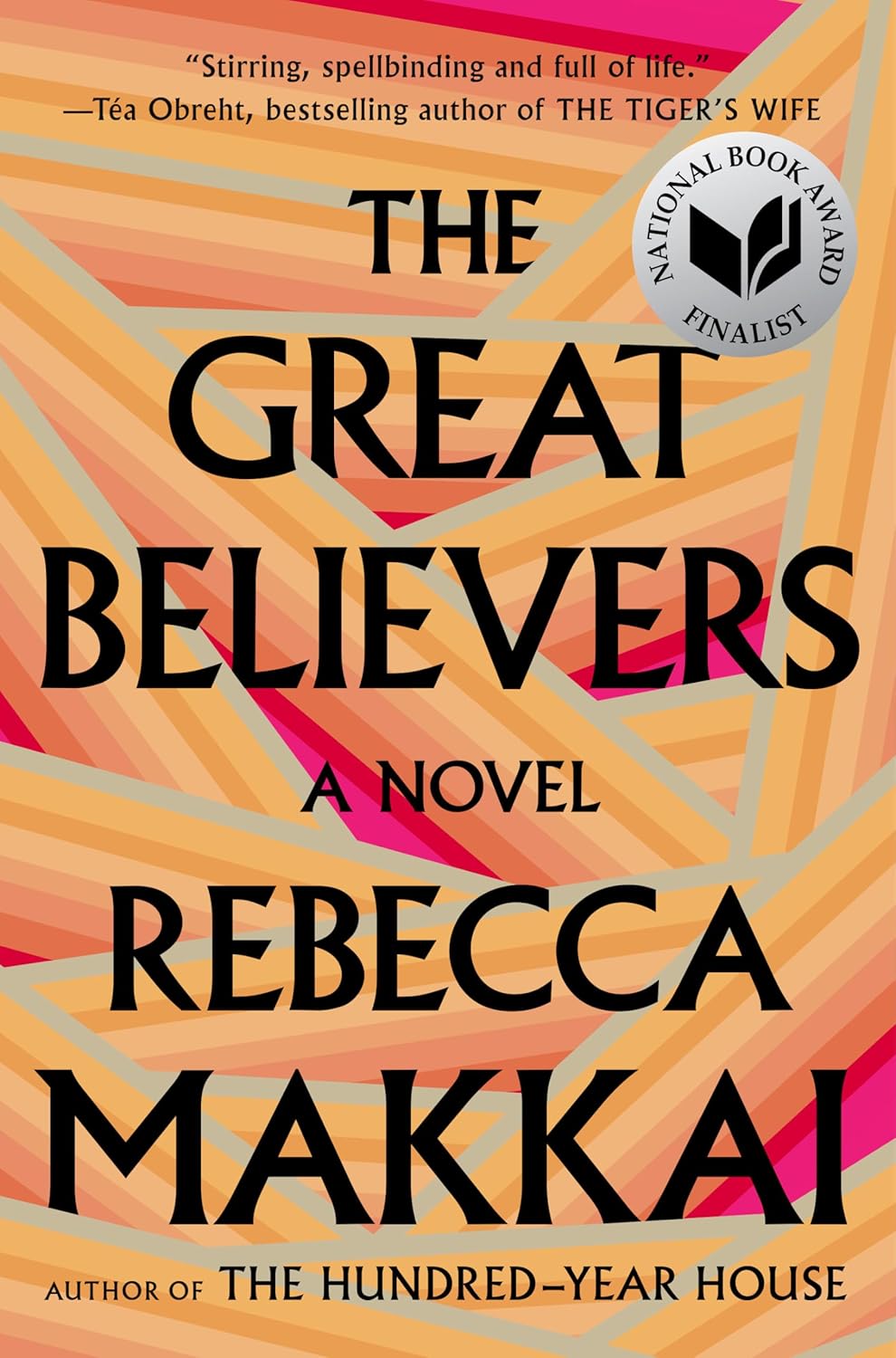
Unfortunately, the parts of the novel that take place in 2015 are less effective. Much of these chapters, which concern survivor’s guilt and lasting trauma, feel extraneous and only serve to distract from the gripping 80s narrative. We decided against this book partly because of these jarring time jumps, as well as concern about the overall heaviness of the subject matter. That being said, if you are looking for something on the power of love and friendship, please don’t hesitate to pick up this book.

The last novel strongly considered for our One Book program was The Women by Kristin Hannah. The hype around this novel has been almost as big as the number of patrons requesting it at the library. The story is about combat nurses in Vietnam and their lives after the war. It’s a difficult read, particularly in its depiction of post traumatic stress disorder. The resources for soldiers returning from the Vietnam war were abysmal and the resources for returning female combat nurses were non-existent. The novel deals with the struggles of settling back into civilian life while having your war experiences repeatedly minimized or even denied.  

This book would appeal to a wide audience, particularly those who lived during the Vietnam War, those who served in the war, or those who are interested in the history of that era. We decided against selecting this book because Kristin Hannah’s speaking fees are prohibitively expensive.

We are hoping to finalize the book selection for the program by the end of this month so be sure to keep an eye out early next year for the book unveiling as well as a list of programs. We can’t wait to read with you!
Behind the Scenes: The Mark Twain American Voice in Literature Award

I never really need an excuse to read. It is my favorite pastime. I typically have an expanding “to be read” list and my nightstand is always covered by an unwieldy pile of books. At the start of this year, however, I was in a reading funk and couldn’t seem to finish any book I started. It was right around that time that I received an email from someone at the Mark Twain House looking for readers to help create the long list for the Mark Twain American Voice in Literature Award. The Mark Twain House has been giving the award out since 2016 to works of fiction that “speak with an American voice about American experiences.” I signed up to be a judge, hoping that this commitment to judging at least three titles on the list would motivate me to start reading again.

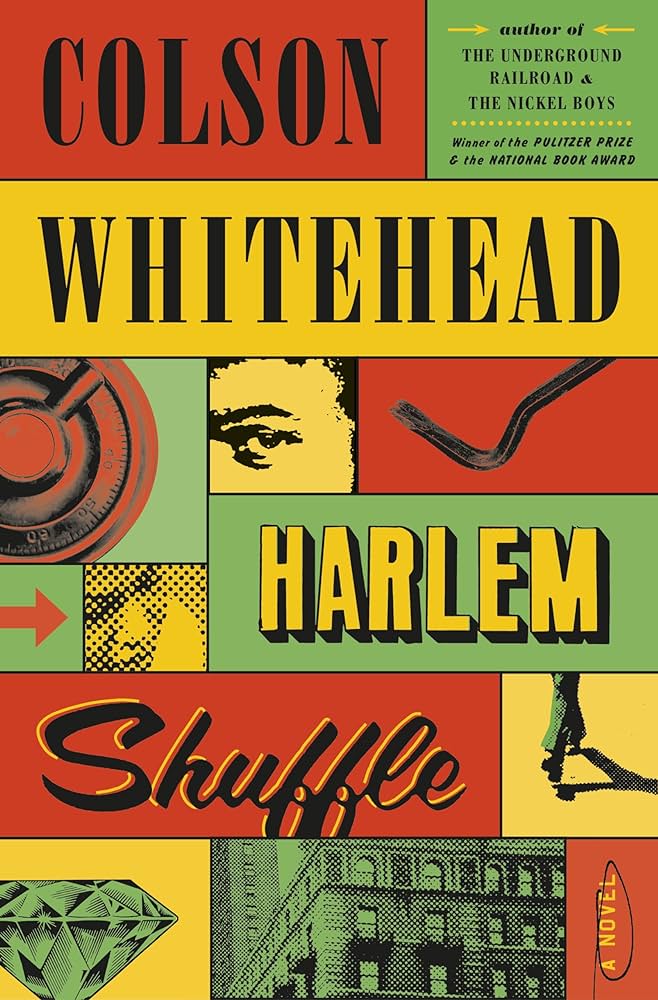
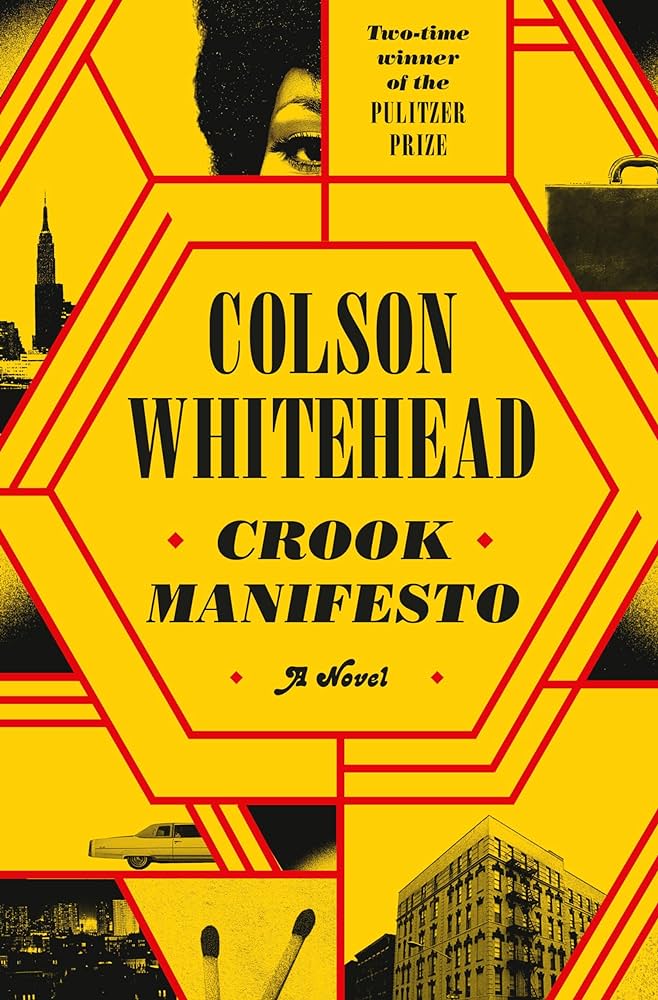
The list of titles to choose from was long and extensive so I decided to pick a variety of different genres. Crook Manifesto by Colson Whitehead was first on my list but to read that book, I needed to read the first in what will eventually be a three-part series, Harlem Shuffle.  Harlem Shuffle is set in Harlem from 1959-1964. For anyone who has read Colson Whitehead, it is a departure from his heavier works like The Nickel Boys. Harlem Shuffle follows the life of Ray Carney, a furniture salesman in Harlem with a dubious past, desperately trying to live a crime-free life. It is a funny, clever, and breezy crime novel, reminiscent of Chester Himes’s Harlem Detective Series.

The second in Whitehead’s series, Crook Manifesto takes place in the early 70s and the plot is centered around the protagonist, Ray Carney trying to score impossible to find Jackson 5 tickets for his daughter. Crime, violence, and comedy ensue. The two books in the series are both fun reads that give a great snapshot of New York City in the 60s and 70s. Whitehead still manages to portray issues of race, class, and police brutality, particularly during his description of the Harlem race riot of 1964 and the tension between the police and those active in the Black Power movement in the 1970s. There is no date set for the publication of the final book in the series, but I am awaiting its release to see if Ray Carney does eventually manage to stay on the straight and narrow.

The next book I read was a debut novel titled A Haunting in Hialeah Gardens, by Cuban American author Raul Palma. I was immediately intrigued by the title having grown up in Miami. The story follows Hugo Contreras who is mourning the sudden death of his wife as well as dealing with mountains of debt. Deeply immersed in the world of Santeria since he is a Babalawo, Hugo agrees to help the debt collector who has been tormenting him, who is in turn being tormented by a ghost, in exchange for clearing his debt. It is an absurd story, but also a very Miami story. The novel is a modern gothic tale, complete with hauntings, demonic possession, and highly accurate descriptions of the oppressive heat in Miami and endless rows of strip malls. It is scary at times with an ending easily left up to interpretation by the reader and a good read for anyone who wants a different kind of supernatural novel.

The last book I chose to read was Dearborn, a collection of short stories, also written by a debut author, Ghassan Zeineddine. I love short stories as a genre, so I was excited to dive into these ten stories chronicling the Arab American experience in Dearborn, Michigan. The stories were funny, sweet, poignant, and at times heartbreaking. Though focused on Arab American life, the stories often told a greater story about the immigrant experience more broadly. This was the book that I most enjoyed out of all the ones that I read and the one I chose to be considered for the prize’s long list. Zeinedine writes beautifully and I hope he chooses to publish more in the future.

The long list for the Mark Twain American Voice in Literature Award is up on their website. Unfortunately, Dearborn didn’t make the list but I am grateful for the experience of being a reader for this prize. I was able to discover novels I might not have read otherwise and it got me reading again.