Optimism for Earth Day

I’d say I think about death more than your average sub-40-year-old. I could blame my high school English teacher for introducing me to existentialist thinker Albert Camus, or childhood Don Bluth films, but I probably just came out this way. Saying somebody “passed” feels strange in my mouth, inaccurate, as if the total and unequivocal departure from this plane of existence is akin to expelling a kidney stone. When I was pregnant, instead of choosing color palettes for a nursery like many expectant mothers, I went shopping for life insurance and wrote detailed directions for the disposal of my body (with relevant phone numbers).

“This is a great start to a post about optimism,” you might be thinking. But my acute awareness of mortality isn’t a pool I sit and wallow in. Instead, it spurs me to use my brief time to make a positive impact in this world. That’s how I feel about climate change. We’re inundated with data on warming temperatures, declining wildlife populations, more frequent severe weather events. We could collectively sit and wallow in a pool of doom. Or, we can arm ourselves with hope, draw up an imperfect plan of action, and try our best to leave whatever mark we can in the time we have.

If you’re stuck in the doom-pool and need some help, let one of these books be a hand extended to pull you out.

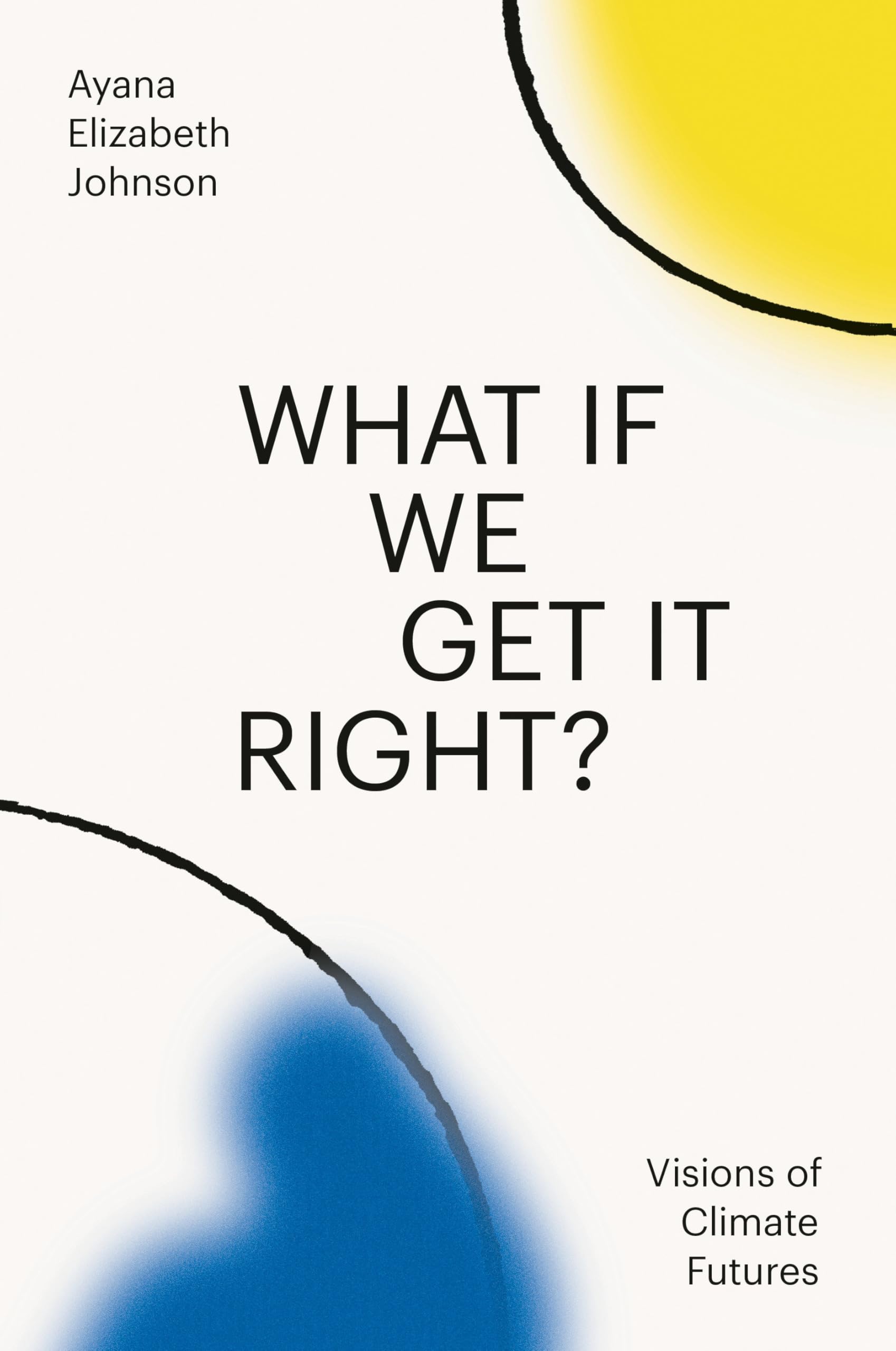
What If We Get It Right?: Visions of Climate Futures by Ayana Elizabeth Johnson (2024)


In the throes of the terrible summer of 2020, a tiny bright spot emerged: How to Save a Planet, a cheery podcast that discussed tangible solutions to the problem of climate change. The podcast and its parent company were swallowed up and digested by Spotify, but biologist and policy wonk Ayana Elizabeth Johnson continues to spread the gospel of actionable solutions, most recently in this book.

Saving Us: A Climate Scientist’s Case for Hope and Healing in a Divided World by Katharine Hayhoe (2021)


We all have a stake in the health of our planet. Instead of assailing you with facts about why you need to act on climate issues, Hayhoe gives you strategies to help you start conversations with almost anyone who isn’t on board (yet).

Cheaper, Faster, Better: How We’ll Win the Climate War by Tom Steyer (2024)


Streyer is excited about the future of clean energy, to the point where he left a lucrative job at an investment fund to start – well, another investment fund, but one dedicated to climate solutions. You’ll learn how investors, inventors, and entrepreneurs are harnessing the power of capitalism for the good of the planet.

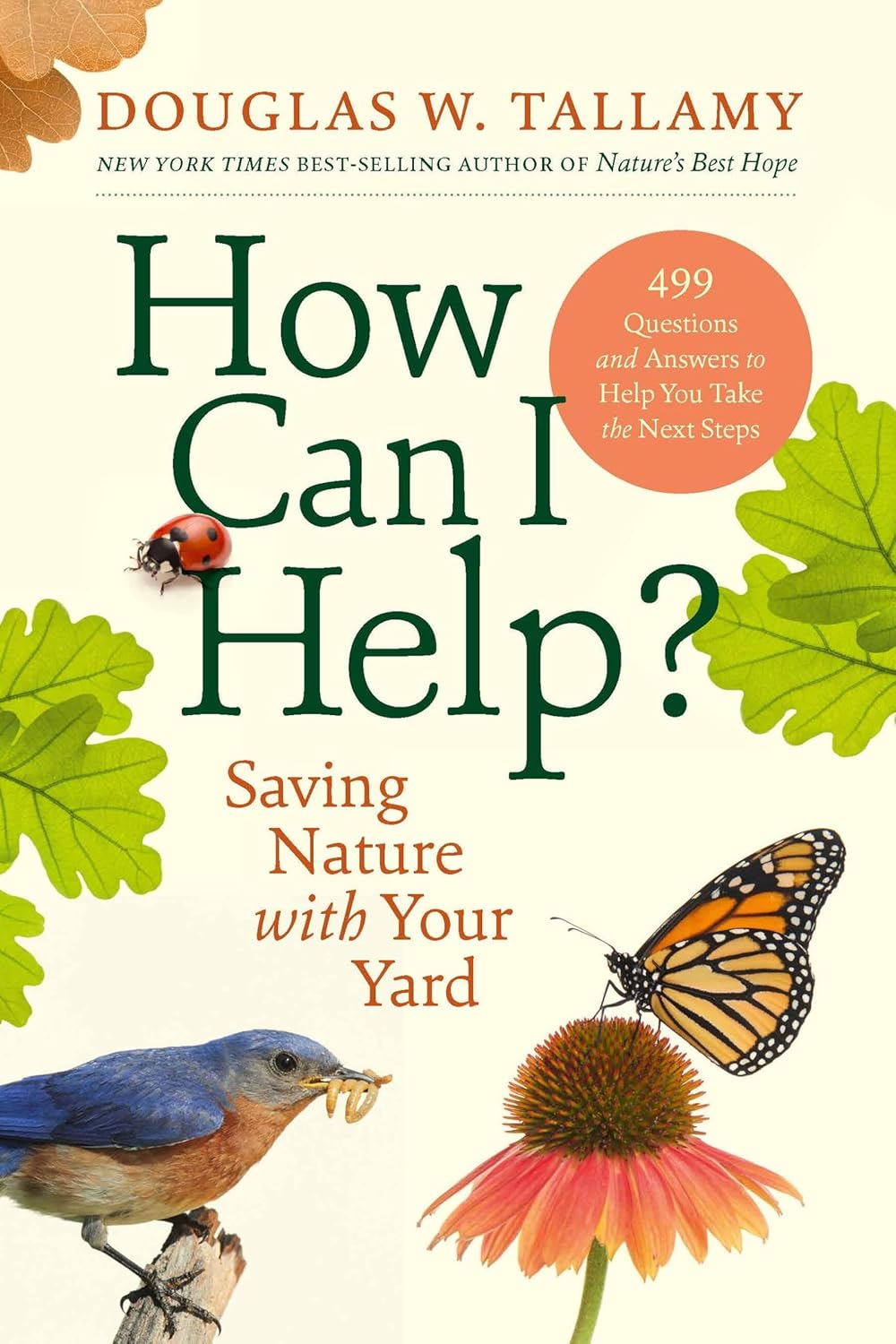
How Can I Help?: Saving Nature with Your Yard by Douglas Tallamy (2025)


Stand on the corner of gardening and conservation long enough, and you’ll run into Doug Tallamy. He’s published on the importance of native plants and the virtues of oak trees. His newest book gives property owners and gardeners a host of actions that they can take in their own yard to help the environment.

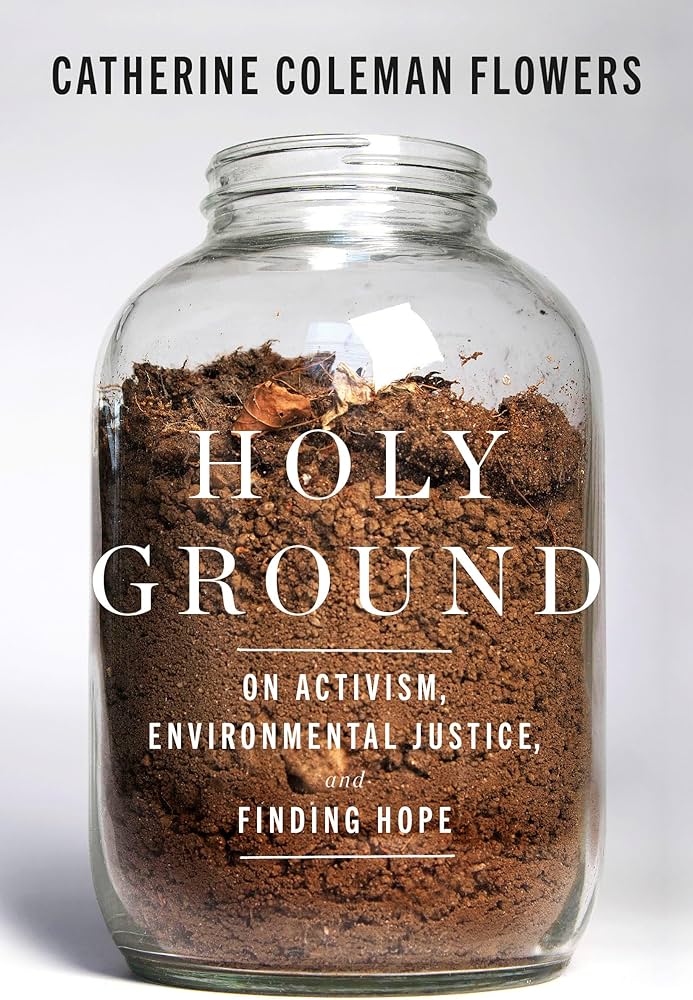
Holy Ground: On Activism, Environmental Justice, and Finding Hope by Catherine Coleman Flowers (2025)


Flowers advocates for the rural poor in areas where a lack of infrastructure, paired with climate change-related flooding, makes it difficult for families to access sanitary water. This book is a series of essays on her work and personal experiences with environmental and racial justice, and it’s an inspiration for others to join in the fight for a safer, healthier future for our neighbors.

Hope Dies Last: Visionary People Across the World, Fighting to Find Us a Future by Alan Weisman (2025)


Previous books in the list have looked at specific solutions and people, but Weisman’s upcoming book (which conveniently comes out right on Earth Day) takes a wider approach to see what the fight against climate change means for us as human beings. He talks with architects, scientists, artists, and religious leaders to ultimately paint a portrait of hope.

Islands of Abandonment: Nature Rebounding in the Post-Human Landscape by Cal Flyn (2021)


Years ago, in the middle of a long hike in the Sierra Nevada mountain range, I looked down at the rocks beneath my feet and realized I would be very happy if, many thousands or millions of years from now, the elements in my body were to become part of a rock underneath a foot as someone or something moved through a beautiful place. Everything alive is going to die. But nature and the processes of the physical world will go on. In Scotland, rare flowers grow on a heap of 19th century waste. Elk and wolves wander the irradiated exclusion zone around Chernobyl. With beautiful prose, this book travels to places ravaged by war, pollution, and human-made disaster to show how life continues in our absence. With or without us, Earth will eventually heal itself, and I find that deeply comforting.

Put Some Alto in Your Voice: New Books About Women Who Wouldn’t Be Quiet

Maybe I should have been a scientist.

I mean, setting aside that my library degree has the word “science” in it, I could have been very happy with the hard stuff like biology and physics. My recent reading of Adam Higginbotham’s Challenger has me considering a parallel life as an engineer designing parts for the aerospace industry. Hope Jahren’s Lab Girl brought me back to college anatomy and physiology, which I took for fun. What self-respecting English major memorizes squamous cells and zygomatic processes for fun? And why didn’t I pursue this thing that obviously called to me?

Answer: literature and the arts simply sat closer and sang louder. We had lots of books at home, but the mystery of a story’s meaning or a certain chord or color called to me more than the mystery of what existed in outer space or beneath the soil. By the time I was thinking about my future, I could more easily conceptualize myself creating worlds than uncovering the world that already existed. But, if I ever change my mind and decide to implode my professional life, it’s easy enough to channel Suzanne Simard and fill out an application for forestry school.

Many women in history never had the benefit of choice that I do, the ability to see a path beyond their sex. Their dreams – if they were even allowed to dream – were crushed because women weren’t supposed to be scientists, or run businesses, or be leaders and advocates. They were supposed to keep quiet. Well, for this Women’s History Month, I’m sharing some brand new books about women that put some alto in their voice and let themselves be heard.

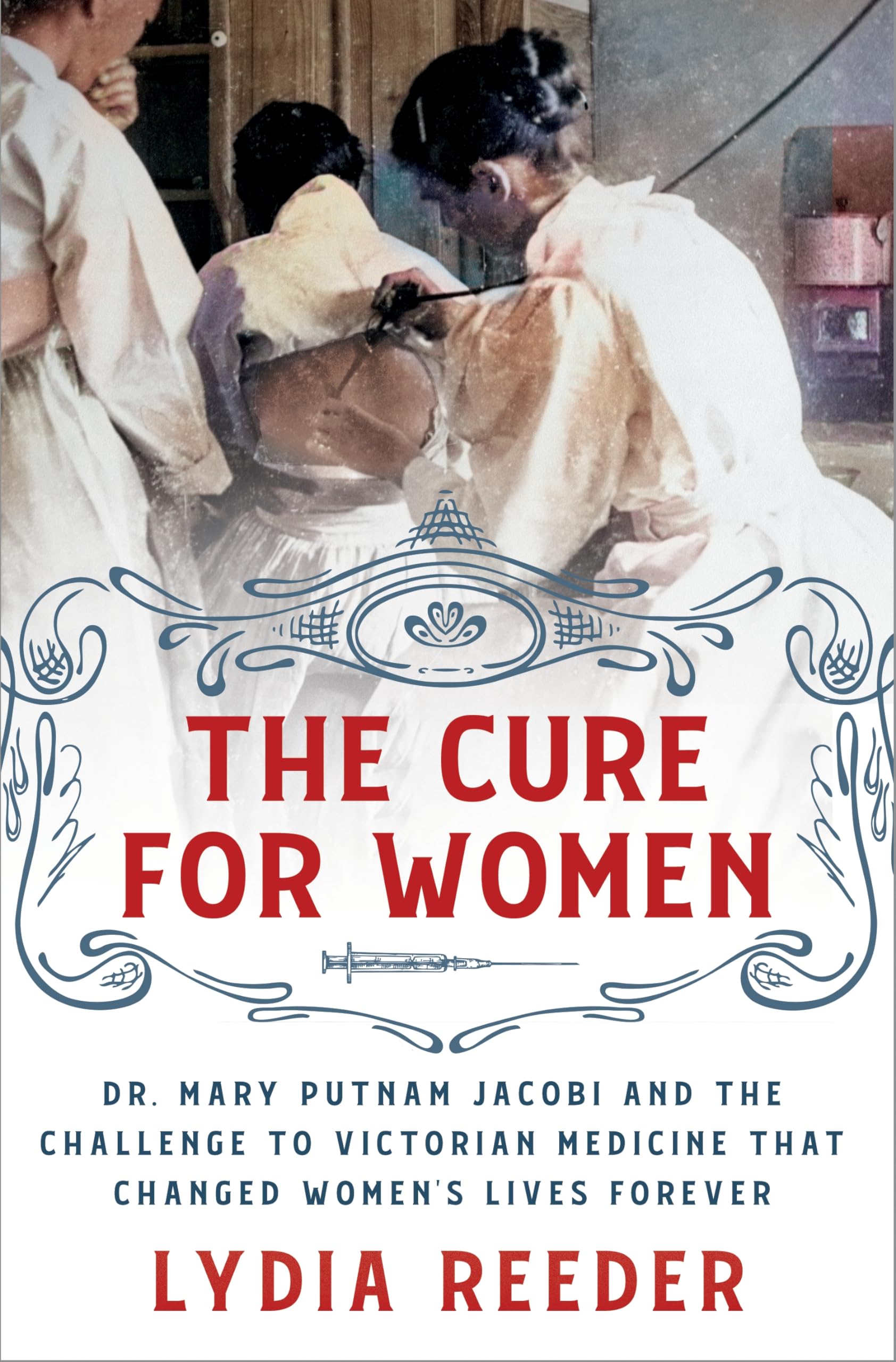
The Cure for Women: Dr. Mary Putnam Jacobi and the Challenge to Victorian Medicine That Changed Women’s Lives Forever by Lydia Reeder (2024)


After Elizabeth Blackwell became the first woman to graduate from medical school, more women demanded a chance to study medicine. Their success spurred a chilling backlash from male physicians who distorted Darwin’s evolution theory and proclaimed that women should never be allowed to attend college or enter a profession because their menstrual cycles made them perpetually sick. Into the midst of this turmoil marched Mary Putnam Jacobi, daughter of a New York publisher and the first woman to be accepted into the world-renowned Sorbonne medical school in Paris. Aided by other prominent women physicians and suffragists, Jacobi conducted the first-ever data-backed, scientific research on women’s reproductive biology. The results of her studies shook the foundations of medical science and higher education.

She-Wolves: The Untold History of Women on Wall Street by Paulina Bren (2024)


Award-winning historian Paulina Bren tells the story of the first generations of women who fought their way into the bad-boy culture and lavish opulence of the finance world. If the wolves of Wall Street made a show of their ferocity, the she-wolves did so with tough-as-nails persistence. Starting at a time when “No Ladies” signs hung across the doors of Wall Street’s clubs and unapologetic sexism and racism were the norm at top firms, Bren chronicles the remarkable women who demanded a seat at the table. She-Wolves is an engaging and enraging look at the collision of women, finance, and New York from the go-go years to ground zero.

American Poison: A Deadly Invention and the Woman Who Battled for Environmental Justice by Daniel Stone (2025)


The untold story of Alice Hamilton, a trailblazing doctor and public health activist who took on the booming auto industry—and the deadly invention of leaded gasoline, which would poison millions of people across America. Hamilton had New England connections, too – she attended Miss Porter’s Finishing School in Farmington, became the first woman faculty member of Harvard, and she retired to live out her days in Hadlyme, CT.

The Dragon from Chicago: The Untold Story of an American Reporter in Nazi Germany by Pamela D. Toler (2024)


Toler draws on extensive archival research to unearth the largely forgotten story of Sigrid Schultz’s years spent courageously reporting the news from Berlin, from the revolts of 1919 through the Nazi rise to power and Allied air raids over Berlin in 1941. At a time when women reporters rarely wrote front-page stories and her male colleagues saw a powerful unmarried woman as a “freak,” Schultz pulled back the curtain on how the Nazis misreported the news to their own people, and how they attempted to control the foreign press through bribery and threats.

Fearless and Free: A Memoir by Josephine Baker (2025)


Published in English for the first time, this is the memoir of the fabulous, rule-breaking, one-of-a-kind Josephine Baker. After stealing the spotlight as a teenaged Broadway performer during the height of the Harlem Renaissance, Josephine then took Paris by storm, dazzling audiences across the Roaring Twenties. When World War II broke out, Josephine became a decorated spy for the French Résistance. Her celebrity worked as her cover, as she hid spies in her entourage and secret messages in her costumes as she traveled. She later joined the Civil Rights movement in the US, boycotting segregated concert venues, and speaking at the March on Washington alongside Martin Luther King Jr.

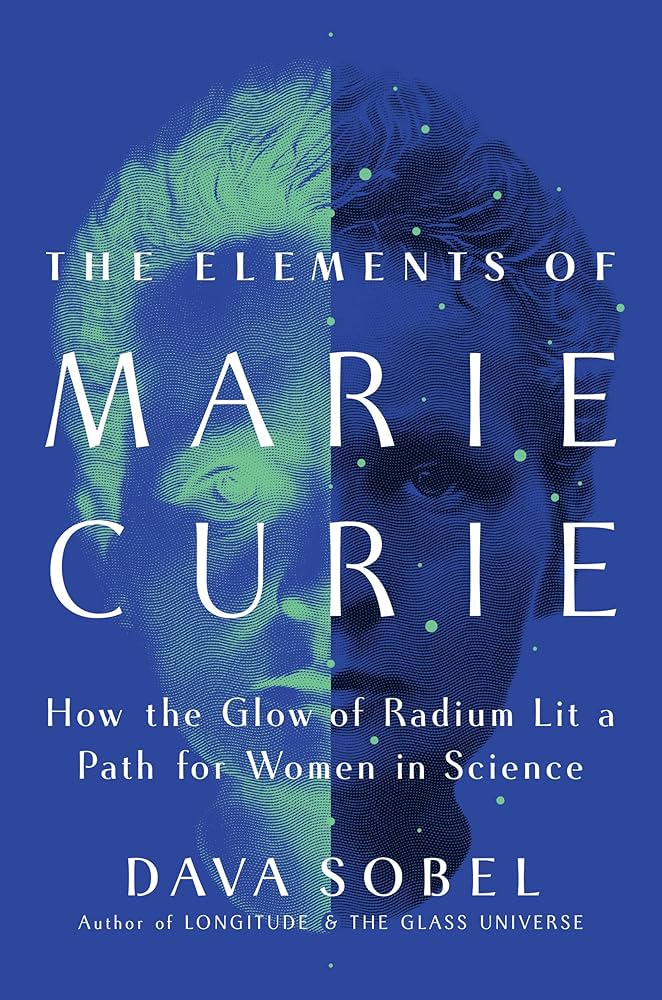
The Elements of Marie Curie: How the Glow of Radium Lit a Path for Women in Science by Dava Sobel (2024)


Dava Sobel approaches Marie Curie from a unique angle, narrating her remarkable life of discovery and fame alongside the women who became her legacy–from France’s Marguerite Perey and Norway’s Ellen Gleditsch to Mme. Curie’s elder daughter, Irène, winner of the 1935 Nobel Prize in Chemistry. For decades the only woman in the room at international scientific gatherings that probed new theories about the interior of the atom, Marie Curie traveled far and wide to share the secrets of radioactivity before her death at 66 from aplastic anemia.

Daughter of Daring: The Trick-riding, Train-leaping, Road-racing Life of Helen Gibson, Hollywood’s First Stuntwoman by Mallory O’Meara (2025)


Helen Gibson was a woman willing to do anything to give audiences a thrill. Advertised as “The Most Daring Actress in Pictures,” Helen emerged in the early days of the twentieth-century silent film scene as a rodeo rider, background actor, stunt double, and eventually one of the era’s biggest action stars. Her exploits on motorcycles, train cars, and horseback were as dangerous as they were glamorous, featured in hundreds of films and serials–yet her legacy was quickly overshadowed by the increasingly hypermasculine and male-dominated evolution of cinema in the decades that would follow her. Through the page-turning story of Helen’s pioneering legacy, Mallory O’Meara gives readers a glimpse of the Golden Age of Hollywood that could have been: an industry where women call the shots.

When Women Ran Fifth Avenue: Glamour and Power at the Dawn of American Fashion by Julie Satow (2024)


The twentieth century American department store: a palace of consumption where every wish could be met under one roof. It was a place where women, shopper and shopgirl alike, could stake out a newfound independence. In the 1930s, Hortense Odlum of Bonwit Teller came to her husband’s department store as a housewife tasked with attracting more shoppers like herself, and wound up running the company. Dorothy Shaver of Lord & Taylor championed American designers during World War II–before which US fashions were almost exclusively Parisian copies–becoming the first businesswoman to earn a $1 million salary. And in the 1960s Geraldine Stutz of Henri Bendel re-invented the look of the modern department store. This stylish account captures the department store in all its glitz, decadence, and fun, and showcases the women who made that beautifully curated world go round.

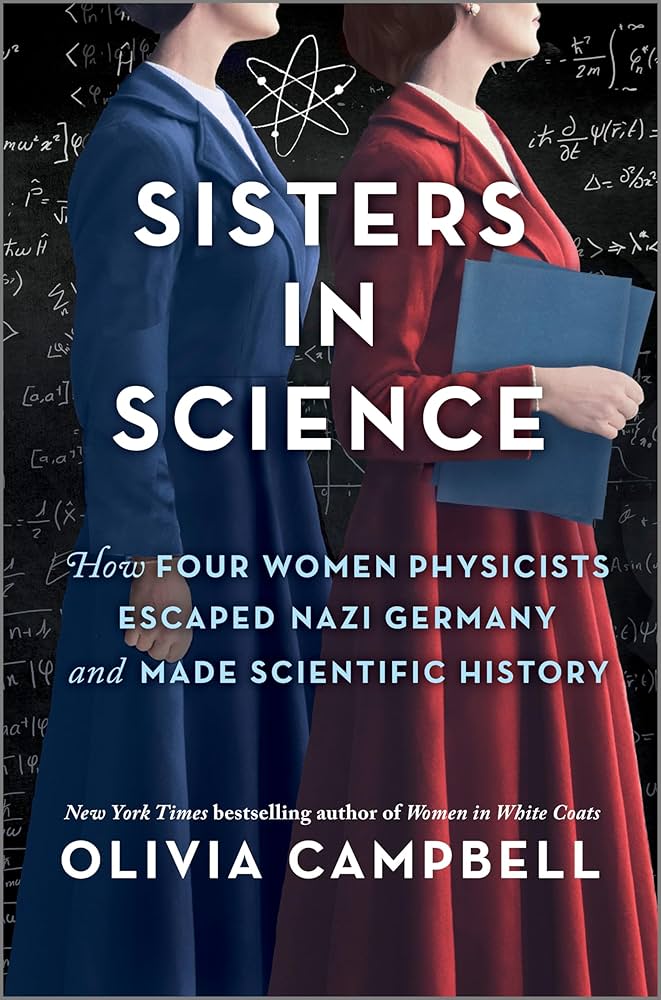
Sisters in Science: How Four Women Physicists Escaped Nazi Germany and Made Scientific History by Olivia Campbell (2024)


In the 1930s, Germany was a hotbed of scientific thought. But after the Nazis took power, physicists like Hedwig Kohn, Lise Meitner, Hertha Sponer, and Hildegard Stücklen had no choice but to flee due to their Jewish ancestry or anti-Nazi sentiments. Their harrowing journey out of Germany became a life-and-death situation that required herculean efforts of friends and other prominent scientists.

Recent Reads for Black History Month

February is a month of opposites. Love (Valentine’s Day) and hatred (New England winters) and apathy (NFL championships). There’s also the forgetting of the very recent past (last month’s resolutions) and the remembrance of our longer past: presidential birthdays and Black History Month. For the latter, we celebrate the contributions of members of the African diaspora to the culture and history of the United States. There’s been a recent flurry of books related to African American history, and I’m excited to share them with you this month.

But first, I’m gonna tell you about something that is 1) not a book 2) not about America. It is the excellent BBC documentary series, A History of Africa, which you can view for free on YouTube. The African continent has a diverse and fascinating history that deserves way more attention than it gets. This documentary is a great starting point to enrich your knowledge of Africa’s diasporic daughters and sons.

If you prefer to start your journey in print, though, first on our list is the book equivalent of the aforementioned documentary.

An African History of Africa: From the Dawn of Humanity to Independence by Zeinab Badawi (2025)

Badawi (the host of A History of Africa) is a Sudanese-British journalist who worked for Channel 4 and the BBC before her current gig as President of the prestigious SOAS University of London. Her sweeping historical survey traces Africa’s rich legacy from prehistory to the present, exploring ancient civilizations, medieval empires and colonialism’s impact, while highlighting African voices and perspectives to offer a long-overdue account of the continent’s global significance.

Somewhere Toward Freedom: Sherman’s March and the Story of America’s Largest Emancipation by Bennett Parten (2025)

A groundbreaking account of Sherman’s March to the Sea—the critical Civil War campaign that destroyed the Confederacy—told for the first time from the perspective of the tens of thousands of enslaved people who fled to the Union lines and transformed Sherman’s march into the biggest liberation event in American history.

Sharks Don’t Sink: Adventures of a Rogue Shark Scientist by Jasmin Graham (2024)

You never forget your first shark. For Jasmin Graham, it was a little bonnethead, a type of hammerhead shark. Jasmin fell in love with sharks and with science, but the traditional academic path wasn’t for her. So, she joined with three other Black women to form Minorities in Shark Sciences (MISS), an organization dedicated to providing support and opportunities for young women of color who were pursuing the fascinating and environmentally essential work of marine studies. Jasmin became an independent researcher: a rogue shark scientist, learning how to keep those endangered but precious sharks swimming free – just like her.

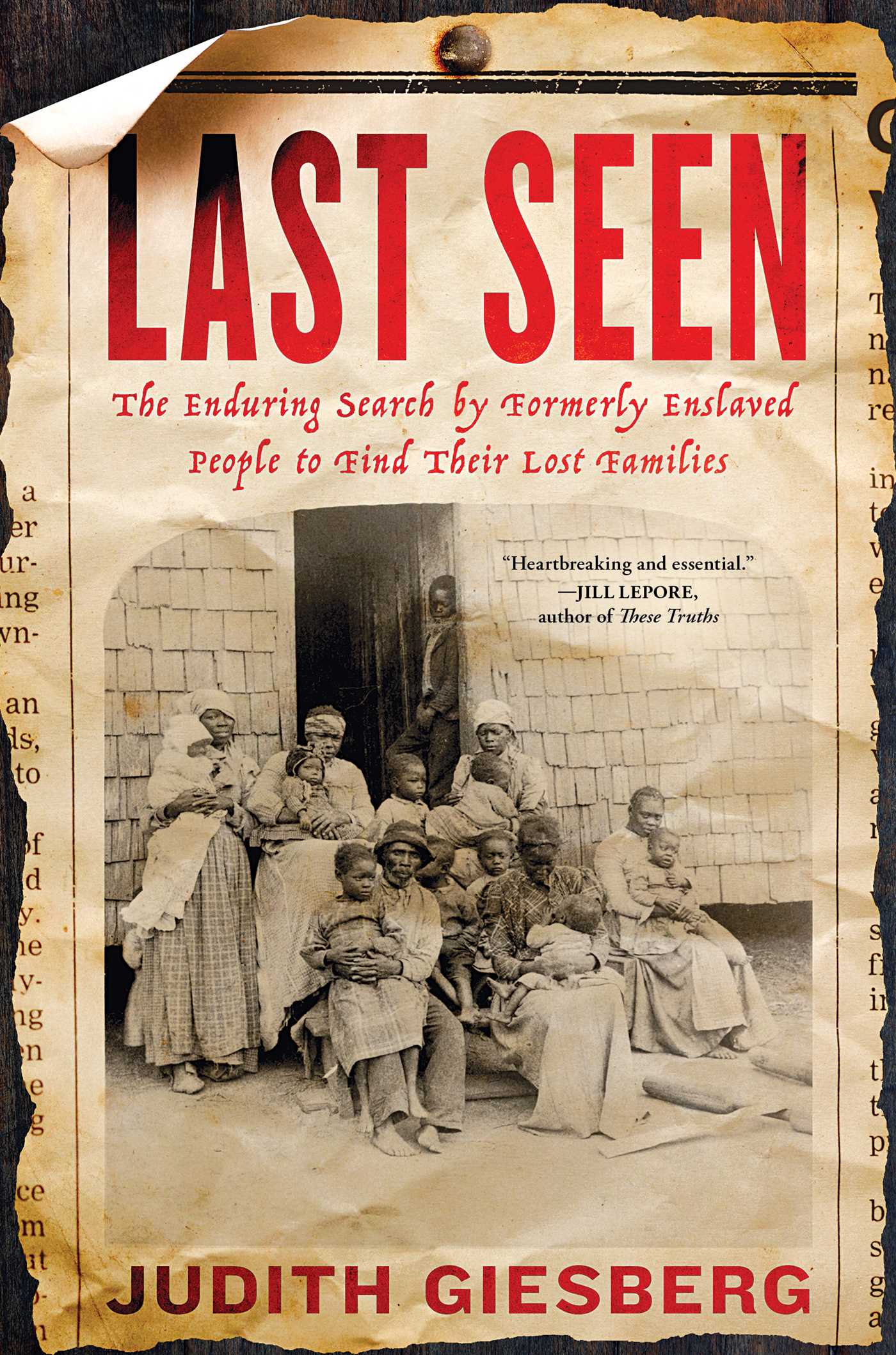
Last Seen: The Enduring Search by Formerly Enslaved People to Find Their Lost Families by Judith Giesberg (2025)

Drawing from an archive of nearly five thousand letters and advertisements, this is the riveting, dramatic story of formerly enslaved people who spent years searching for family members stolen away during slavery.

John Lewis: A Life by David Greenberg (2024)

Born into poverty in rural Alabama, John Lewis rose to prominence in the civil rights movement, becoming second only to Martin Luther King, Jr. in his contributions. Greenberg’s biography, a New York Times Book Review Top 100 Book of 2024, follows Lewis’s journey beyond the civil rights era, highlighting his leadership in the Voter Education Project and his ascent in politics.

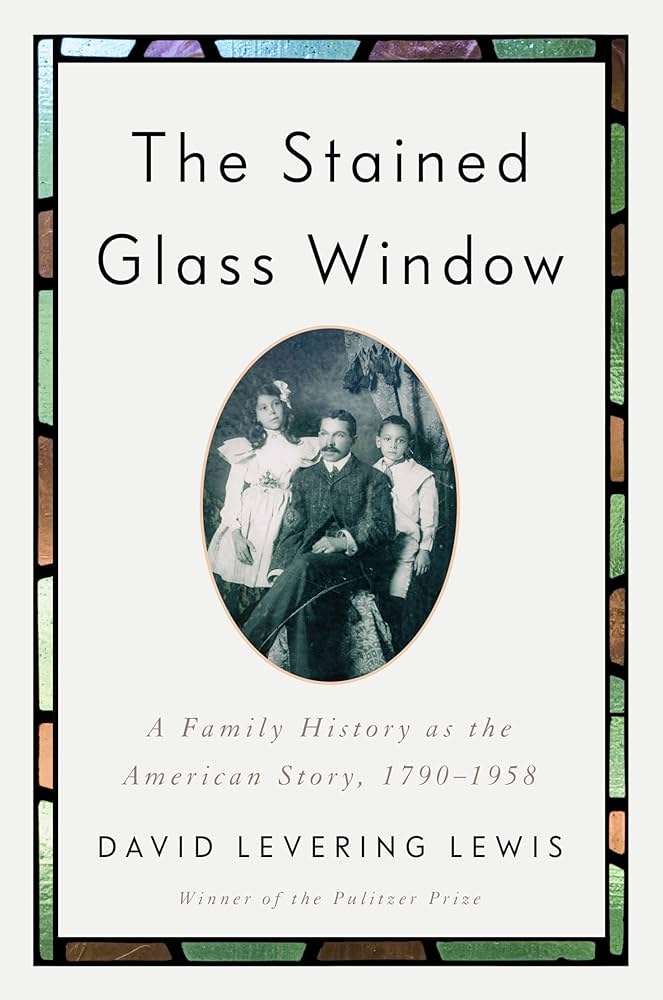
The Stained Glass Window: A Family History As the American Story, 1790-1958 by David Levering Lewis (2025)

Sitting beneath a stained-glass window dedicated to his grandmother in the Atlanta church where his family had prayed for generations, it struck Lewis that he knew very little about those ancestors. And so, in his mid-80s, the esteemed historian began to excavate their past and his own, from white slaveholding families to a mulatto slaveholding family to an up-from-slavery black family. Lewis previously won two Pulitzer Prizes, one for each volume of his biography of W.E.B. DuBois.

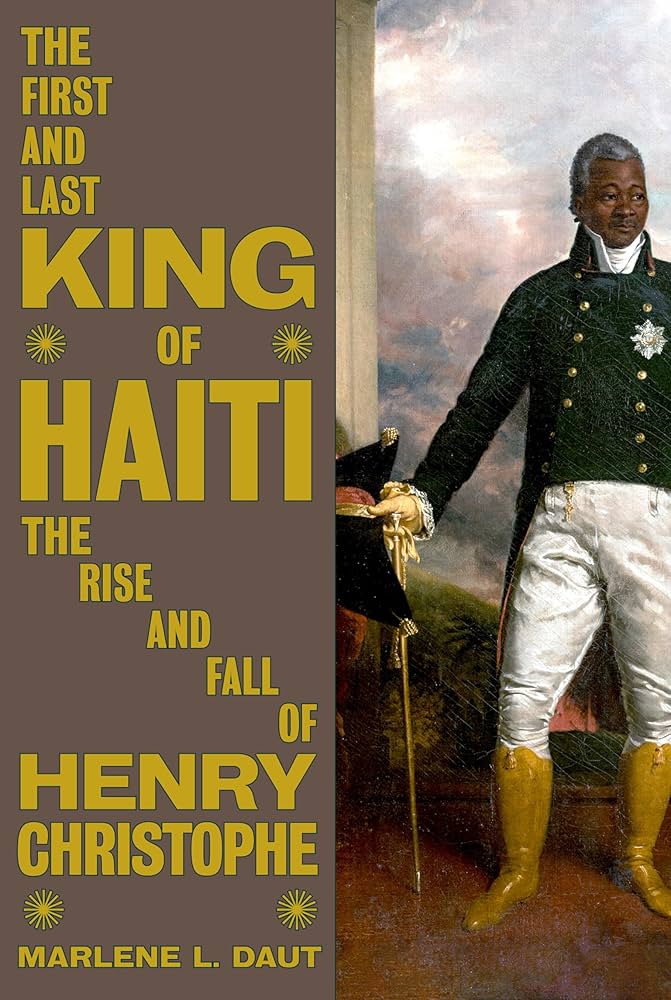
The First and Last King of Haiti: The Rise and Fall of Henry Christophe by Marlene Daut (2025)

Haiti has the amazing distinction of being home to history’s most successful slave revolt, which led to its independence from France in 1804 and its establishment as a sovereign republic. Its significance looms large in the consciousness of African American thinkers and writers, with figures like Langston Hughes spending time on its soil. This book is the essential biography of the controversial rebel, traitor, and only king of Haiti, Henry Christophe (1767-1820).

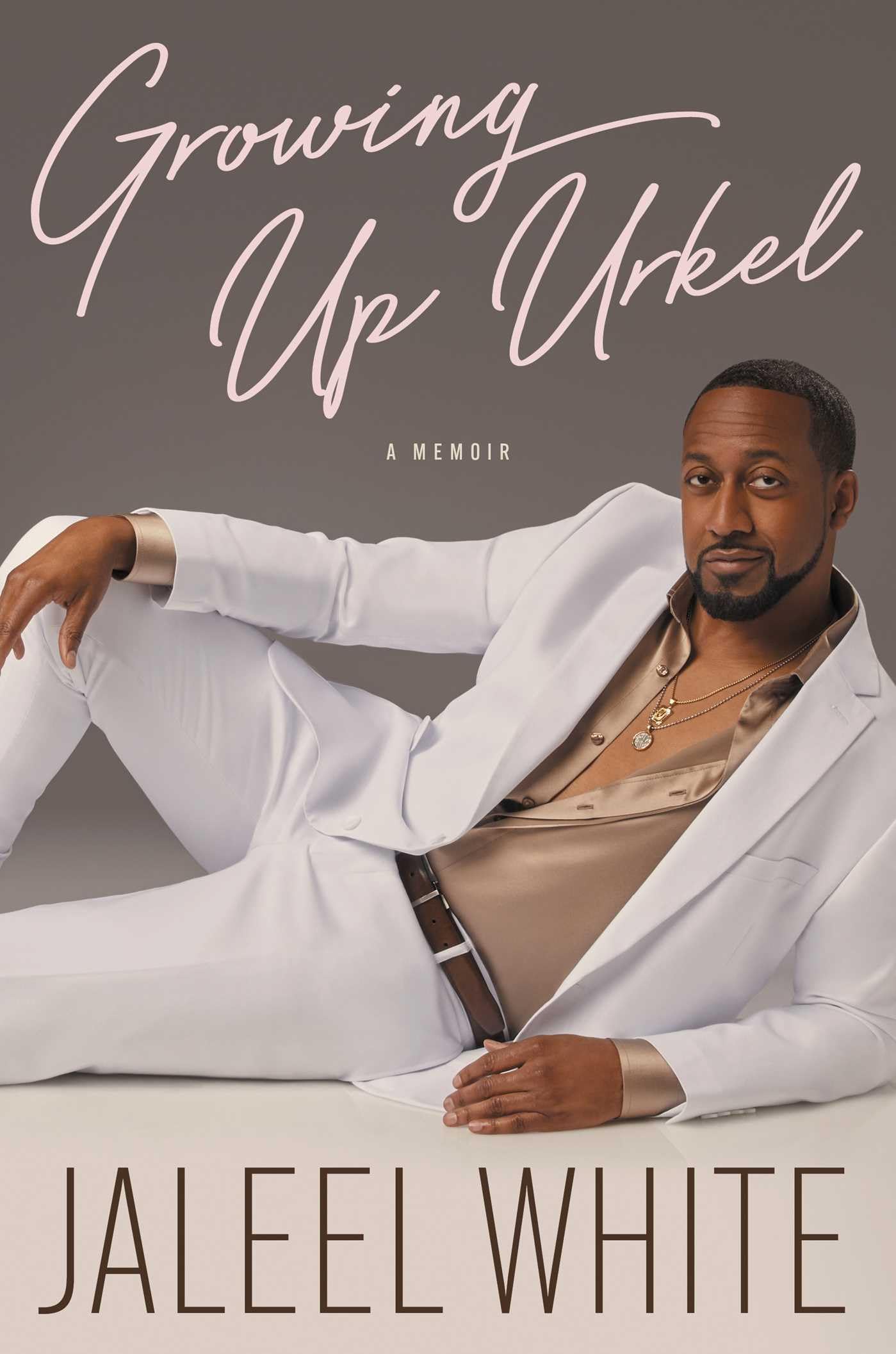
Growing Up Urkel by Jaleel White (2024)

An incisive and insightful memoir by Jaleel White, the actor who portrayed Steve Urkel on the hit sitcom Family Matters. You may wonder what place this has among serious history books, but Family Matters remains one of the longest-running live action sitcoms starring a mostly African American cast. Join Jaleel as he invites you to relive the unforgettable ride of nineties nostalgia, while uncovering the personal growth behind the iconic suspenders and the lasting impact of his journey as one of America’s favorite sitcom stars.

Further Reading

Who Better Than You?: The Art of Healthy Arrogance & Dreaming Big by Will Packer (2025)

In Open Contempt: Confronting White Supremacy in Art and Public Space by Irvin Weathersby Jr (2025)

Talk to Me: Lessons from a Family Forged by History by Rich Benjamin (2025)

Books and Shows to Confirm Your Growing Technological Anxiety

“Have I told you all about the time that I got sucked into a hole through a handheld device?” asks the narrator of a song from the Arctic Monkeys’ 2018 album Tranquility Base Hotel and Casino. Technological ambivalence (or perhaps anxiety?) is a recurring theme. I can relate. I spend too many nights sitting down to unwind for just a few minutes, and somehow two hours pass by, during which I’ve clicked link after link on my phone while the dirty dishes sit neglected in the sink and my toddler’s toys are still strewn across every floor. If you’ve ever lost an evening of your life to Wikipedia or Youtube, or ever looked up from staring at a screen to wonder if you still have long-distance vision, you can relate, too. 

While I can’t give you advice on how to stop the vicious cycle of passive consumption – every time I delete a time-sucking app, I seem to replace it with another one – what I can do is suggest some slightly more cerebral time-killers to add to your queues. 

To Read/Listen to:

The Shallows: What the Internet Is Doing to Our Brains by Nicholas Carr 

As we enjoy the Internet’s bounties, are we sacrificing our ability to read and think deeply? The printed book served to focus our attention, promoting deep and creative thought. In contrast, the Internet encourages rapid, distracted sampling of small bits of information. As we become ever more adept at scanning and skimming, are we losing our capacity for concentration, contemplation, and reflection? 

The Anxious Generation: How the Great Rewiring of Childhood Is Causing an Epidemic of Mental Illness by Jonathan Haidt 

Social psychologist Jonathan Haidt lays out the facts about the epidemic of teen mental illness, then investigates the nature of childhood, including why children need play and independent exploration to mature into competent, thriving adults. Haidt shows how the “play-based childhood” began to decline in the 1980s, and how it was finally wiped out by the arrival of the “phone-based childhood” in the early 2010s. He presents more than a dozen mechanisms by which this “great rewiring of childhood” has interfered with children’s social and neurological development. Most important, he describes steps that parents, teachers, schools, tech companies, and governments can take to end the epidemic of mental illness and restore a more humane childhood. 

Fahrenheit 451 by Ray Bradbury

Many folks would point to Aldous Huxley’s Brave New World as fitting in best with this post’s theme, but those screen-covered parlor walls in front of which Mildred parks herself in Bradbury’s book-burning dystopia come to my mind more often than the Shakespeare-quoting John. Plus, Bradbury’s foretold degradation of the human attention span has supposedly come true. 

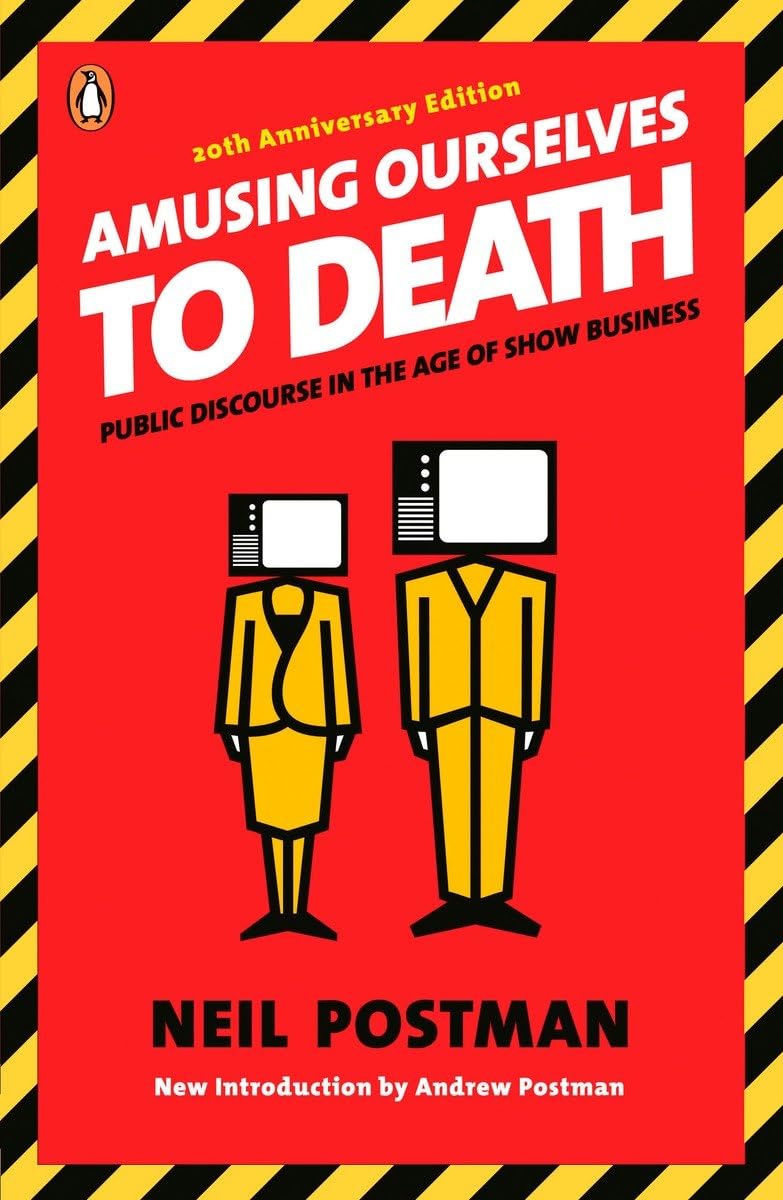
Amusing Ourselves to Death: Public Discourse in the Age of Show Business by Neil Postman 

It’s hard to believe this book is almost 40 years old, but the thesis is just as relevant now as it was back when Family Ties and 60 Minutes were among the top television shows. Postman posits that the visual medium of television has led to the decay of rational discourse by turning information into entertainment. On paper (or screen) it might sound like Postman is a technophobic curmudgeon, but one need only think back to how often misinformation under the guise of “news” has spread like wildfire via social media over the last ten years to see his point. 

Stolen Focus: Why You Can’t Pay Attention – And How to Think Deeply Again by Johann Hari 

Like so many of us, Johann Hari was finding that constantly switching from device to device and tab to tab was a diminishing and depressing way to live. So he went on an epic journey across the world to interview the leading experts on human attention – and he discovered that everything we think we know about this crisis is wrong. He introduces readers to Silicon Valley dissidents who learned to hack human attention, and veterinarians who diagnose dogs with ADHD. Crucially, Hari learned how we can reclaim our focus, if we are determined to fight for it. 

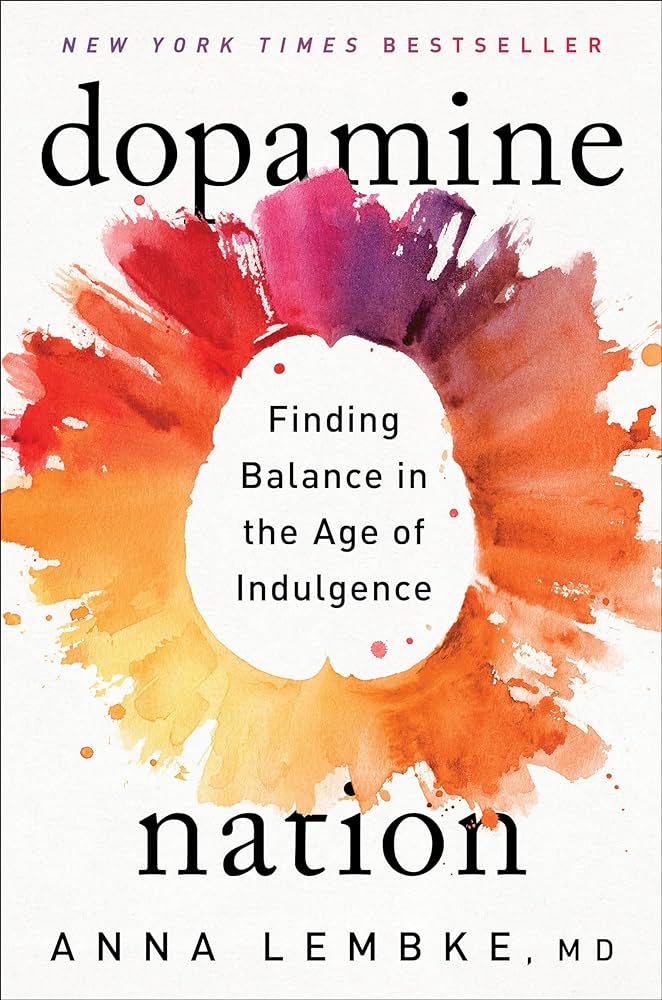
Dopamine Nation: Finding Balance in the Age of Indulgence by Anna Lembke 

This book is about pleasure. It’s also about pain. Most important, it’s about how to find the delicate balance between the two, and why now more than ever finding balance is essential. We’re living in a time of unprecedented access to high-reward, high-dopamine stimuli, and we’ve all become vulnerable to compulsive overconsumption. Dr. Anna Lembke, psychiatrist and author, explores the exciting new scientific discoveries that explain why the relentless pursuit of pleasure leads to pain . . . and what to do about it. 

To Watch:

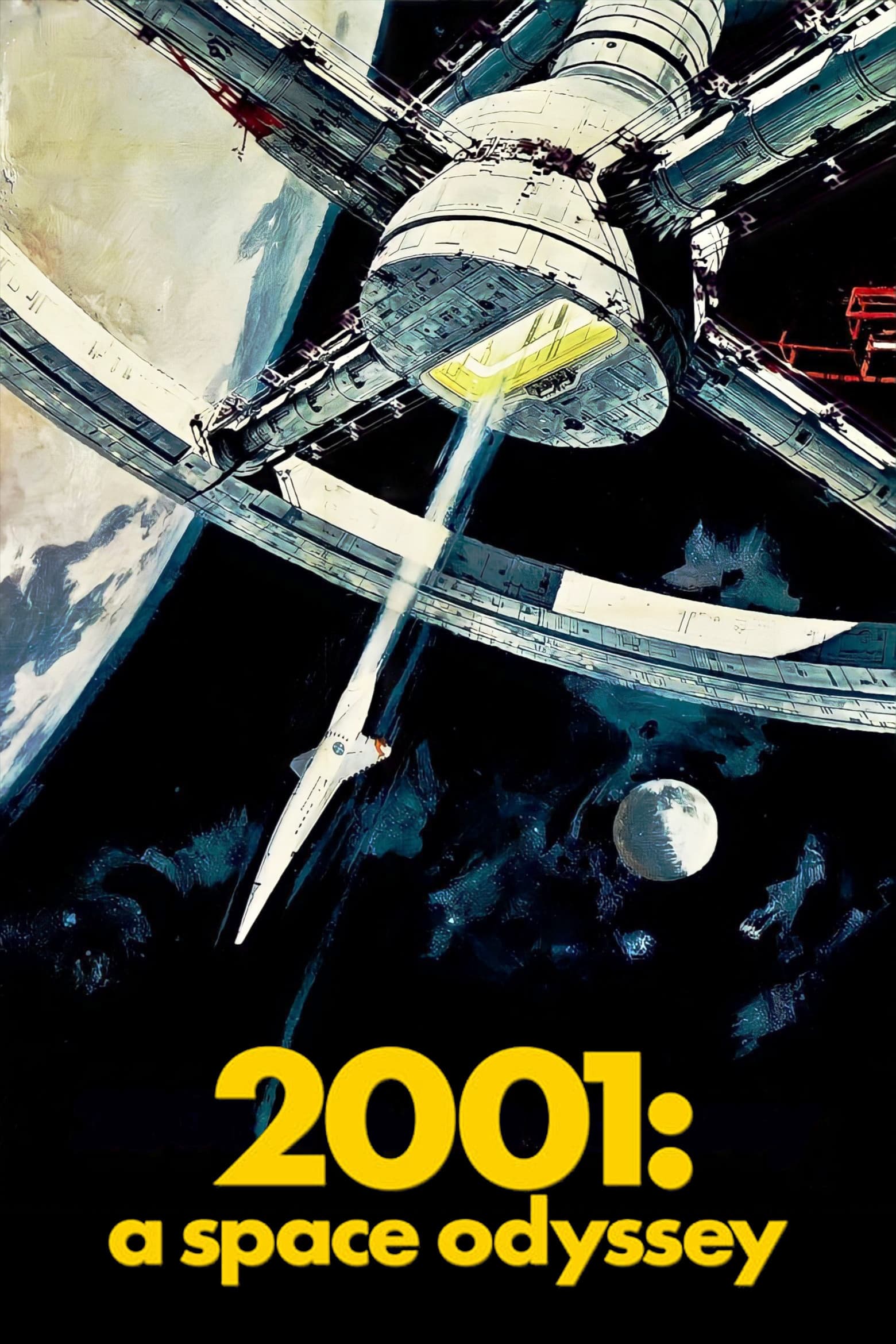
2001: A Space Odyssey 

Stanley Kubrick’s classic film, and its sentient computer that turns murderous, has been so influential that even AI voice assistants will often respond back with a knowing reply if you quote the film at them. This is a film that tells its story mostly through the visual medium with little dialogue, so you’ll have to put aside from time to watch this one without compulsively scrolling on your phone. 

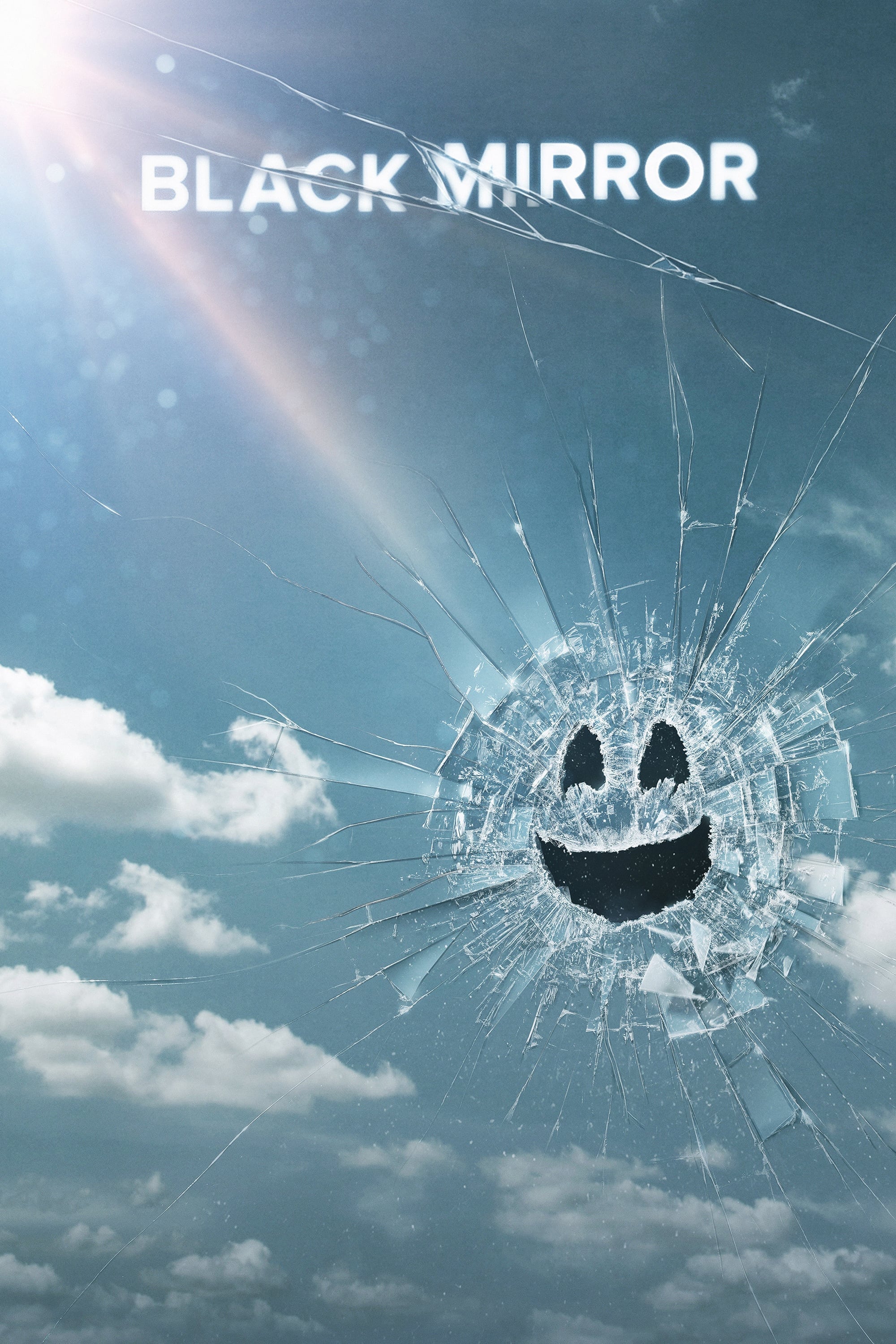
Black Mirror (available on Netflix) 

Twilight Zone for the information age. This Channel 4 / Netflix drama is composed of standalone episodes where technology complicates, or more likely completely destroy, the lives of the characters. In one story they can store, replay, and delete memories via an implanted device in their skin. In another, social interactions are given ratings, and they affect one’s socioeconomic status. Every once in a while you’ll have a happy ending, but you’re usually buckling in for a dystopian take on the computer-based tools we already use. Watch it via Netflix or purchase episodes through Amazon Prime. 

The Social Dilemma (available on Netflix) 

This docu-drama explores the dangerous human impact of social networking, with tech experts sounding the alarm on their own creations. It’s no mistake that Google’s own (former) design ethicist is a key narrator in this Emmy-winning documentary. Watch it via Netflix. 

Haunting Fiction: 10 Dark Tales to Chill You This Fall

My backyard is full of fallen leaves, and the home improvement stores are full of animatronic skeletons. It’s the time of year when I can unabashedly indulge in my love of horror. Gothic horror. Psychological horror. Cosmic horror. Anything that lets me experience tension and dread, at least within the safe little confines of fiction. Gore and gross-out horror doesn’t really do it for me. I prefer the supernatural, the otherworldly, stories that tap into the basic human fear of the unknown. There’s nothing like the existential terror that comes when you dare to look into the void – and you see it looking back at you. But it’s still fiction. You still get to put it back on the shelf and go about your life after you read that last page.

Or do you?

Here are the stories that have haunted me the most: tense and dark tales that unfurl like a beautiful piece of black silk.

The Turn of the Screw by Henry James (1898)

A governess is sent to an isolated country manor to care for a pair of young orphans, and she begins to believe that the children are being visited by spirits with malevolent intent. This is a classic ghost story whose ambiguity has provided more than a century’s worth of analysis and adaptation, most recently in the form of Netflix’s The Haunting of Bly Manor in 2020.

The Haunting of Hill House by Shirley Jackson (1959)

You may know Shirley Jackson from your 11th grade reading assignment of her short story The Lottery, but this novel set the bar for modern gothic horror. It’s a classic haunted house story that has influenced writers like Carmen Maria Machado, Stephen King, and Neil Gaiman.

Ghost Story by Peter Straub (1979)

A group of aging men gathers once a week to tell ghost stories – but one ghost from their shared past seems to be coming back for revenge. Straub hooks you in from the first scene and builds masterfully in one of the best-written horror stories you’ll ever read.

Everything’s Eventual by Stephen King (2002)

Some point to The Shining and The Stand as King’s best works, but I have always been a fan of his shorter fiction, such as the terrifying novella The Mist. Everything’s Eventual is a strong contender for my favorite of his short story collections. Its best tales are about a boy who meets the devil, a painting that keeps changing in disturbing ways, and a skeptic’s night in a supposedly haunted hotel room.

House of Leaves by Mark Z. Danielewski (2005)

The core story of House of Leaves involves a family who moves into their new house and discovers it’s bigger than they think. Their story is told in a documentary video, which is described and analyzed in an unfinished academic manuscript by another person, which itself is transcribed and footnoted by yet another person. It’s a structurally weird book that’s just as disorienting as the house itself.

The Hollow Places by T. Kingfisher (2020)

It’s no coincidence that the horror genre – that safe box of fiction where you can explore fear without real-life consequences – exploded in the wake of the very real global pandemic, and the last few years have borne plenty of new and terrible places to explore. This story revolves around a recently-divorced woman who discovers a hidden door in her uncle’s museum of curiosities. The door leads to an alternate reality that is not quite right. It’s thoroughly creepy in a Lovecraftian way, and the quirky characters inject some humor into this otherwise unsettling read.

The Only Good Indians by Stephen Graham Jones (2021)

Four Blackfeet men break a promise during elk hunting season, and now that promise is coming back to haunt them in a very real way, picking them off one by one. It’s pretty gory, but not gratuitously so, and the supernatural elements, the nuanced treatment of Native culture, and the quality of writing were compelling enough for me to overlook the more graphic parts. It’s also one of those stories that surprises you by ending with love and unexpected tears. (Yes – it’s okay to cry at horror.)

Summer Sons by Lee Mandelo (2021)

Andrew is haunted by the revenant of his best friend Eddie, who suddenly died right before Andrew was about to join him in Nashville. Andrew takes Eddie’s place in his house, his graduate program, and his circle of fast-living friends as he tries to uncover the truth of what happened. There’s a Southern gothic setting, romantic tension so thick you could slice it up and eat it, and a host of queer characters who are not punished for their queerness, but whose acceptance of themselves leads them to happiness. This slow burn is more moody than scary, and it’s a refreshing and thoroughly enjoyable read.

The Last House on Needless Street by Catriona Ward (2021)

In a boarded-up house on a dead-end street lives a family of three. A teenage girl who isn’t allowed outside, not after last time. A man who drinks alone in front of his TV, trying to ignore the gaps in his memory. And a house cat who loves napping and reading the Bible. An unspeakable secret binds them together, but when a new neighbor moves in next door, what is buried out among the birch trees may come back to haunt them all. The parent in me found some parts difficult to read, but I needed to keep going and find out what was going on – and the ending completely turned it upside-down.

Our Wives Under the Sea by Julia Armfield (2022)

Miri thinks she has got her wife back, when Leah finally returns after a deep sea mission that ended in catastrophe. It soon becomes clear, though, that Leah may have come back wrong. Whatever happened in that vessel, whatever it was they were supposed to be studying before they were stranded on the ocean floor, Leah has carried part of it with her, onto dry land and into their home. Remember how I said it’s okay to cry at horror? Get your tissues ready, because this is also a heartbreaking story about love and grief.