How to Keep Summer Reading From Being a War

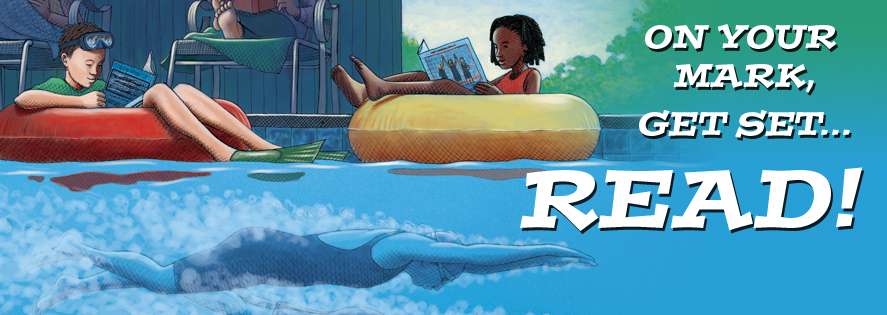
Summer, and in turn the dreaded summer reading list, is on the way. Even the most eager readers are rarely thrilled to be told what to read, and this seems to be especially true in the summer months. Kids are thinking about the fun they want to have over summer vacation, rather than checking off a to-read list.summer-reading-topMost schools offer suggested reading lists; usually vague offerings mentioning award winners, well known writers, and some nonfiction. Other schools require a certain number of books, a list of genres or subjects that need to be read, or particular books that need to be read. The more general the requirements the more likely parents and librarians are to keep everyone reading and enjoying it. However, sometimes trudging through a book that is not something your kids would pick on their own is necessary. I have some tips and tools to help make the  process more enjoyable for everyone.

summerread3My first suggestion is to start increasing the pleasure reading now and try to get a firmer grasp of which books will keep your readers happy over the summer. Check with the kids about how much they liked a certain book, or if they like a particular author or genre more than others and why. If there is an obsession in the house, Disney movies, superheroes, Minecraft, horses, Star Wars, or whatever, then start with books on those topics to spark interest. Perhaps a star or sticker chart to help figure out the pattern of what they enjoyed most will help your selections of reading materials hit the mark even more often. I need to start this myself, because even though my two children request certain books and proclaim that they love them, rarely do I see them actually reading the books in question.
summereadIt would also be a good idea to get a routine in place. Whether the whole family troops to the library together (one day a week, once a month, or what ever works for you), you bring a selection of materials home, or you browse the e-book offerings from home, it would be great to get a dependable routine in play. My children know that every Monday I bring whatever books they are done with or did not want to read back to the library and bring home a new batch of books and movies. I try to bring home a few fun or silly books that I know will capture their attention. However, I also bring home a few nonfiction books and books that I think they would enjoy while stretching their reading skills a little. I still strike out with some of my picks, but the regularity and wide variety of reading choices help to keep them reading.

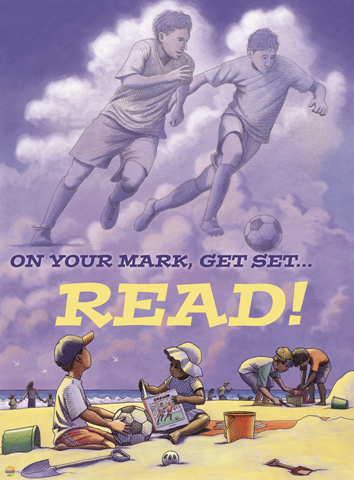
SUMMERREADGOVIt is very important that you don’t make reading a chore. I know there is pressure to get the reading done in a timely manner. I also know that you won’t like everything your child might want to read. However, putting pressure on anyone to do something is more likely to cause push back rather than happy reading. So lets keep reading fun. Join the library’s Summer Reading program so your kids have fun goals to reach and some rewards for their efforts. If there are particular reading requirements that need to be met, particularly if it includes books they aren’t looking forward to reading, alternate those with their favorites or light, silly reads. Don’t be afraid of letting them enjoy something a little easier than their current reading level, such as graphic novels, magazines, audio books, or a repeat read.

My final suggestion is to model the behavior you want to see in your children. In other words, if you want your children to see reading as something fun, valuable, and worth doing regularly then they need to see you treating reading the same way. This doesn’t mean that you need to start assigning yourself classic or acclaimed books to read. I suggest that parents do exactly what I suggest they let their children do. Read what interests you, what makes you happy. Whether that is enjoying graphic novels from Hoopla, magazines from Zinio, the newspaper, the latest New York Times best seller, the same books your children are reading, or something completely different, it really doesn’t matter. If your children see that you put some time into reading and get something out of it, they are going to be more willing to keep reading as well.summerread2
Books that Defy Genre Labels and Description

Part of my job in labeling and cataloging books includes deciding if it needs a genre label and which one(s). Some books are easy. With some books I know right away that it needs a mystery, fantasy, or science fiction sticker. Particularly if the publisher is nice enough to include that information in a subtitle or in the book description. Sometimes it takes a little more research, but the author or publisher often include the intended genre pretty clearly somewhere, if you know where to look. However, there are some books that are simply beyond categorizing. Sometimes this is because the book covers so much ground very well, sometimes it is because it simply defies description, and sometimes it is because it crosses so many genre lines that there is not enough room to defygenre1include all the relevant genre stickers.

Here are a few examples of fascinating reads that defy simple genre classifications:

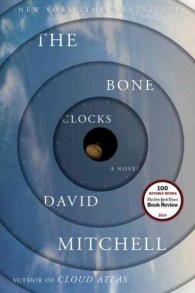
The Bone Clocks by David Mitchell
Interweaves six narratives spanning the period between 1984 and the 2030s to chronicle a secret war between a cult of soul-decanters and a small group of vigilantes who would take them down. By the award-winning author of Cloud Atlas.defygenre2

Flatland: a Romance of Many Dimensions by Edwin A. Abbott
A century-old classic of British letters that charmed and fascinated generations of readers with its witty satire of Victorian society and its unique insights, by analogy, into the fourth dimension.

Hard-boiled Wonderland and the End of the World by Haruki Murakami; translated by Alfred Birnbaumdefygenre3
Tracking one man’s descent into the Kafkaesque underworld of contemporary Tokyo, Murakami unites East and West, tragedy and farce, compassion and detachment, slang and philosophy.

2666 by Roberto Bolaño; translated from the Spanish by Natasha Wimmer
An American sportswriter, an elusive German novelist, and a teenage student interact in an urban community on the U.S.-Mexico border where hundreds of young factory defygenres4workers have disappeared.

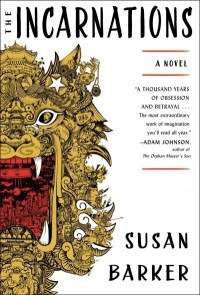
The Incarnations by Susan Barker
Receiving mysterious letters from someone claiming to be his soulmate, a Beijing taxi driver learns about their shared relationships in numerous past lives before becoming increasingly certain that someone is watching him.

defygenrebtmMore suggestions for indescribably interesting reads include: Cloud Atlas by David Mitchell, Geek Love by Katherine Dunn, Valis by Philip K. Dick, Canterbury Tales by Geoffrey Chaucer, Here, There be Dragons by James A. Owen, Frost in May by Antonia White, The Secret History by Donna Tartt, If on a Winter’s Night a Traveler by Italo Calvino,Gun, With Occasional Music by Jonathan Lethe,Jonathan Strange & Mr Norrell by Susanna Clarke,The Marvels by Brian Selznick, In the Shadow of Blackbirds by Cat Winters, and The Master and Margarita by Mikhail Bulgakov.

Have you ever read a book that left you changed but still somehow wondering what exactly it was that you just read? What is your favorite book that left you speechless when it came down to recommending it or describing it to someone else?

Join Us For An Evening with a Dog Listener on May 19th

Having a pet is a lot of work. The four legged members of every family are important, and while we love them dearly, sometime they can cause as as much stress and frustration and love and joy. If you have a dog, or are planning on adopting on in the near future, you might want to register for an upcoming program. On May 19, 2016 we are hosting An Evening with a Dog Listener, Pat Wright, from 6 to 8 pm.

The program will help teach how to bring your dog to peace and solve the problem of unwanted behaviors. Some of the many topics discussed are pulling on the lead, jumping up, aggression, separation anxiety, and excessive barking. You will also learn how to get willing cooperation with your dog to perform any task at hand. Participants should bring their questions and concerns about the canines in their life, but please do not bring along the dogs in question. Registration is required, which can be done online, or by calling 203-272-2245, and choosing extension 4.dogs

Pat Wright has studied in England with the original Dog Listener, Jan Fennell, and has graduated from all class levels offered. Pat has also worked as the highest ranking Dog Listener in the United States of the Jan Fennell International Team of Dog Listeners as well as a mentor to other Dog Listeners around the world. Pat has studied wolf behavior with some biologists in Yellowstone Park, Wyoming on three different occasions. Pat mixes in some very entertaining experiences from her many years of Dog Listening through out New England.

This slideshow requires JavaScript.

If you are eager to get started, need help now, or just want to do a little research on your own beforehand, here are some suggested titles on understanding and/or training your pooch; Dog Sense: How the New Science of Dog Behavior Can Make You a Better Friend to Your Pet by John Bradshaw, Don’t Dump the Dog: Outrageous Stories and Simple Solutions to your Worst Dog Behavior Problems by Randy Grim with Melinda Roth, Why Does my Dog Act That Way?: a Complete Guide to Your Dog’s Personality by Stanley Coren, The Loved Dog: the Playful, Nonaggressive Way to Teach your Dog Good Behavior by Tamar Geller, with Andrea Cagan, Decoding your Dog: the Ultimate Experts Explain Common Dog Behaviors and Reveal How to Prevent or Change Unwanted Ones from the American College of Veterinary Behaviorists, Cesar’s Way: the Natural, Everyday Guide to Understanding and Correcting Common Dog Problems by Cesar Millan with Melissa Jo Peltier, Citizen Canine: Ten Essential Skills Every Well-Mannered Dog Should Know by Mary R. Burch, or  Before & After Getting your Puppy: the positive Approach to Raising a Happy, Healthy, and Well-Behaved Dog by Ian Dunbar.

Homesteading and Sustainability Practices on the Rise

Prices for many necessities continue to rise, while pay and compensation for most people do not seem to be rising at the same rate. Homesteading, or making the attempt to live more self sufficiently, is becoming a major trend as people make an effort to save more and do more for themselves. Most of these things are things our parents or grandparents did as a matter of course, but more and more people are learning how to revive these methods of taking care of the environment and their families.

Some of the activities that are seeing a major come back for one reason or another that can be considered a step towards homesteading or sustainable living include, knitting or crocheting, sewing, canning, gardening, raising chickens or other livestock, and so much more.  I have done some of the traditional homesteading activities, but I will admit to cheating in some departments. While I might garden and crochet, I have not homesteading1started canning like my family did when I was growing up. Frankly, I still have nightmares of peeling steamed tomatoes from my childhood as we made sauce and stewed tomatoes among other things.  If you are interested in learning more about what exactly homesteading is, or you want to move towards living a more self sufficient lifestyle, here are some resources that can get you started and answer some questions.

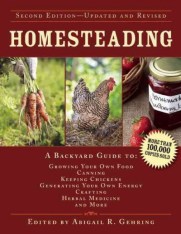
Homesteading: a Backyard Guide to Growing Your Own Food, Canning, Keeping Chickens, Generating Your Own Energy, Crafting, Herbal Medicine, and More edited by Abigail R. Gehring

Urban Homesteading: Heirloom Skills for Sustainable Living by Rachel Kaplan with K. Ruby Blume

Made from Scratch: Discovering the Pleasures of a Handmade Life by Jenna Woginrich

The Nourishing Homestead: One Back-to-the Land Family’s Plan for Cultivating Soil, Skills, and Spirit by Ben Hewitt with Penny Hewitt

The Urban Homestead: Your Guide to Self-Sufficient Living in the Heart of the City by Kelly Coyne & Erik Knutzen

You might also be interested in Homeward Bound: Why Women are Embracing the New Domesticity by Emily Matchar, Zero Cost Living: Explore Extreme Frugality by James R. Delcamp, Back to Basics: a Complete Guide to Traditional Skills edited by Abigail R. Gehring, The Complete Idiot’s Guide to Self-Sufficient Living by Jerome D. BelangerBarnyard in your Backyard: a Beginner’s Guide to Raising Chickens, Ducks, Geese, Rabbits, Goats, Sheep, and Cattle edited by Gail Damerow, The Backyard Homestead Book of Building Projects by Spike Carlsen, The Renewable Energy Handbook: a Guide to Rural Independence, Off-Grid and Sustainable Living by William H. Kemp, Mini Farming : Self Sufficiency on a 1/4 Acre by Brett L. Markham,  and Sustainably Delicious: Making the World a Better Place, One Recipe at a Time by Michel Nischan with Mary Goodbody.

Here are the 2017 Nutmeg Nominees!

NUTMEG-LOGOThe Nutmeg Children’s Book Award is the “Children’s Choice” Award for Connecticut. The goal of the committee is to encourage children in grades two through twelve to read quality literature. Here is a listing of the nominees, divided by the four grade based categories. The library has purchased and cataloged multiple copies of each book. There might be a waiting list for the book(s) you are interested in most, but if you place a hold on the item we will contact you when it is your turn.

The links that I have included for each title are for searches that include all formats of the material that we own, including the print copy, audiobooks, and digital formats. How many have you already read? Are there any that you loved, hated, or are surprised by?

High School (Grades 9-12)
Mosquitoland by David Arnold
The Queen of the Tearling by Erika Johansen
Those Who Wish Me Dead by Michael Koryta
A Death-Struck Year by Makiia Lucier
How It Went Down by Kekla Magoon
I’ll Give You the Sun by Jandy Nelson
Gabi, a Girl in Pieces by Isabel Quintero
Jackaby by William Ritter
Challenger Deep by Neal Shusterman
Sway by Kat Spears

Teen (Grades 7-8)
The Night Gardener by Jonathan Auxier
Turn Left at the Cow by Lisa Bullard
The Iron Trial by Holly Black and Cassandra Clare
Swagger by Carl Deuker
Memoirs of an Imaginary Friend by Matthew Dicks
Sure Signs of Crazy by Karen Harrington
The Mark of the Dragonfly by Jaleigh Johnson
Far Far Away by Tom McNeal
Endangered by Eliot Schrefer
A Time to Dance by Padma Venkatraman

This slideshow requires JavaScript.

Intermediate (Grades 4-6)
Gaby, Lost and Found by Angela Cervantes
Red Berries, White Clouds, Blue Sky by Sandra Dallas
Space Case by Stuart Gibbs
Escape from Mr. Lemoncello’s Library by Chris Grabenstein
Roller Girl by Victoria Jamieson
Masterminds by Gordon Korman
The Misadventures of the Family Fletcher by Dana Alison Levy
A Snicker of Magic by Natalie Lloyd
The Boundless by Kenneth Oppel
Eddie Red Undercover: Mystery on Museum Mile by Marcia Wells

Elementary (Grades 2-4)
Mr. Ferris and His Wheel by Kathryn Gibbs Davis & Gilbert Ford
Phineas L. MacGuire Gets Cooking by Frances O’Roark Dowell & Preston McDaniels
Skateboard Party (The Carver Chronicles) by Karen English & Laura Freeman
Queen of the Diamond: The Lizzie Murphy Story by Emily Arnold McCully
Grandma in Blue with Red Hat by Scott Menchin & Harry Bliss
Ranger in Time: Rescue on the Oregon Trail by Kate Messner
One Plastic Bag: Isatou Ceesay and the Recycling Women of the Gambia by Miranda Paul & Elizabeth Zunon
Quinny and Hopper by Adriana Brad Schanen & Greg Swearingen
Winter Bees and Other Poems of the Cold by Joyce Sidman and Rick Allen
Star Stuff: Carl Sagan and the Mysteries of the Cosmos by Stephanie Roth Sisson
Hana Hashimoto, Sixth VIolin by Chieri Uegaki & Qin Leng
In a Village By the Sea by Muon Van & April Chu
Hamster Princess: Harriet the Invincible by Ursula Vernon
Lulu’s Mysterious Mission by Judith Viorst & Kevin Cornell
Hilo: The Boy Who Crashed to Earth by Judd Winick

This slideshow requires JavaScript.

Who do you think will win?