Solving Cheshire Mysteries at the Library

A couple of months ago, I fielded a reference question about 1410 Highland Ave, the current location of The Butcher Bros Steakhouse. This patron wanted to know which restaurant was there about 35 years ago.

Questions like these are not uncommon, but there’s usually enough information online to find a quick answer. Searching online, I uncovered what many Cheshire-ites already know: 1410 Highland Ave became The Butcher Bros in 2023, Bone in Prime opened there in 2021, and Perfectly Prepared Catering had a run from 2018-2020, closing due to COVID-19. At some point before Perfectly Prepared, that location was Cugino’s Pizza (a fact some helpful staff members were able to help me out with). Everything before Cugino’s was a dead end, so I turned to our local history collection on the library’s lower level. It was time for some good old-fashioned research!

My reference resources of choice were the local directories. These directories were published yearly and our collection includes most editions from 1965 to 2020, covering Cheshire, Hamden, North Haven, and the entire New Haven County at various points in its publication history. These books, and our entire local history collection, are available for anyone to use in-library on the lower level.

The directories are filled with all kinds of fun information. Did you know Cheshire had 3,253 telephones in 1956? And 8,404 telephones by 1968?! Okay, maybe not the best example of how fun this information can be… Still though, quite a few telephones!

But back to the research question: What’s the history of 1410 Highland Ave? I flipped to the Cheshire section of these directories and searched by street name. I was thrown for a loop in 1984 and 1983, which is when that portion of Highland Ave was still called Milldale Rd. You’ve got to be on your toes with this kind of thing.

I narrowed my search between the years of 1983 and 1997 to get a comfortable range around the “35ish years ago” goal. Even within this 15 year period, there’s a lot of action!

I got in touch with the patron who requested this information and we decided the restaurant they remembered was likely Vigilio’s. The best kind of mysteries, however, only lead to further questions—this one is no different. What happened between 1991 and 1993 when there was no information submitted to the directory? What is Spindrift? Where is Michael Anthony now? And most importantly, what is Twilight Zone? A coworker vaguely remembers a club called Twilight Zone, but I can find no information to back that up. Whatever the case, this research shows that even the most unassuming of questions can be an adventure.

Blast from the Past: Cheshire Library Memorabilia

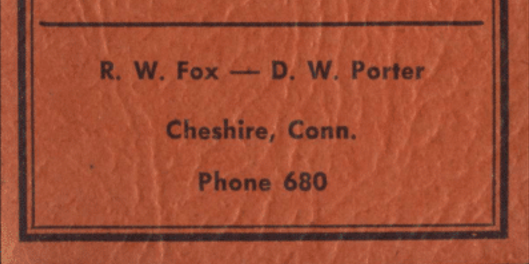
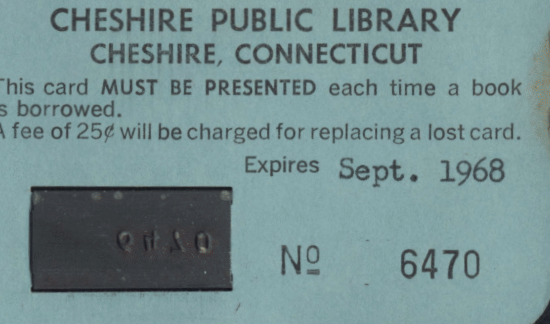
We recently uncovered some Cheshire Library memorabilia from at least 60 years ago. Though they’re regular objects you would find at any library—a bookmark, a checkout card holder, and a library card—they reveal a lot about the time they’re from and remind us of the dramatic changes that have taken place since.

First the bookmark: At the time the bookmark was printed, CPL’s hours were a bit different than they are now. They were open Monday through Friday, from 3:00 to 5:00 and 7:00 to 9:00 PM, presumably to allow for a dinner break. These days, we’re open from 9:00 AM to 8:30 PM Monday through Thursday, and 9:00 AM to 5:00 PM on Fridays. As a reminder, our summer Saturday hours for July and August are from 9:00 AM to 1:00 PM.

Maybe the most interesting part of the bookmark is the phone number for The Cheshire Insurance Agency: three digits!

The library checkout card holder is most notable for the quaint slogan of First Federal Savings and Loan Association: “You’ll find us most helpful.” The First Federal Savings and Loan Association isn’t around anymore. 218 Maple Ave changed hands several times in the late 20th century and became a branch of Naugatuck Savings Bank in 1999 (later renamed “Ion Bank” in 2013).

Lastly, the library card. Those who’ve been coming to the library for a while know our cards have gone through many iterations. I love when patrons come to the circulation desk with one of our old Cheshire Cat branded cards because it means they’ve been loyal patrons for some time. But I’ve never seen a card anywhere near as old as this one. In place of a barcode, there’s a stamped metal insert with only four digits.

Across the board, the United States has become a more expensive place to live in the last 57 years, but at least you don’t still have to pay 25¢ when you need to replace your card! (25¢ in 1968 is the equivalent of $2.32 today).

It can be easy to walk through today’s libraries and look at them as though they came into existence at that very moment. Historical artifacts like these remind us that we’re part of a long chain of library excellence—standing on the shoulders of giants, as they say.

Making Sense of Book Awards

Has this ever happened to you? You’re in a library or book store, minding your own business, when a ray of light blinds you, stopping you in your tracks. You think, “Is this aliens? Is this the rapture? What is going on?” You catch your breath and realize it’s just the gleam of one of those shiny emblems that says, “Booker Prize.” You pick up the book and even more questions flood your mind: “Who’s this Booker fella and what right does he have to tell me what to read?!” I’ve been there, I get it. But there’s no need to dismay. Once you make sense of book awards, they can be helpful tools in the eternal search for your next book.

Booker Prize

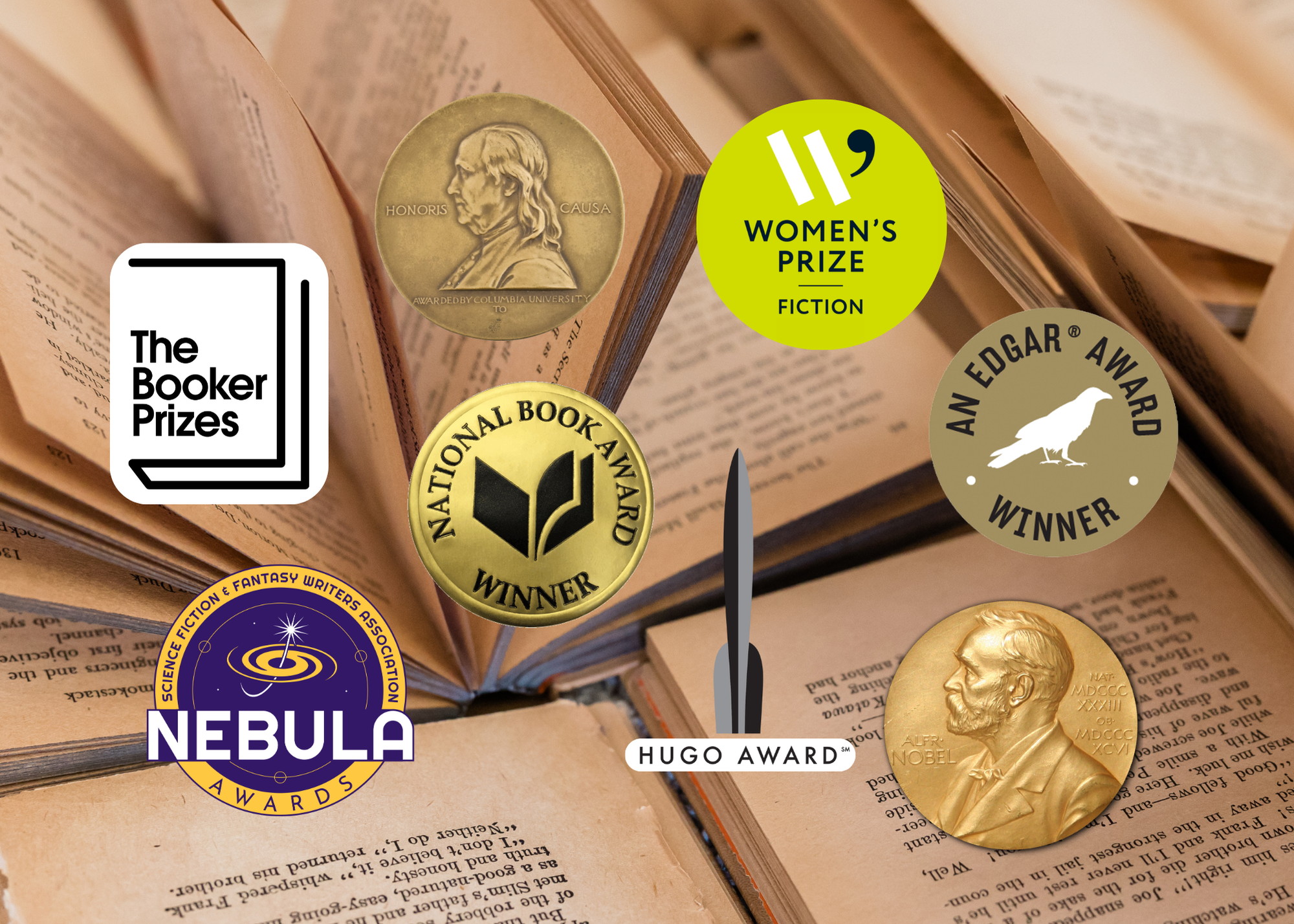
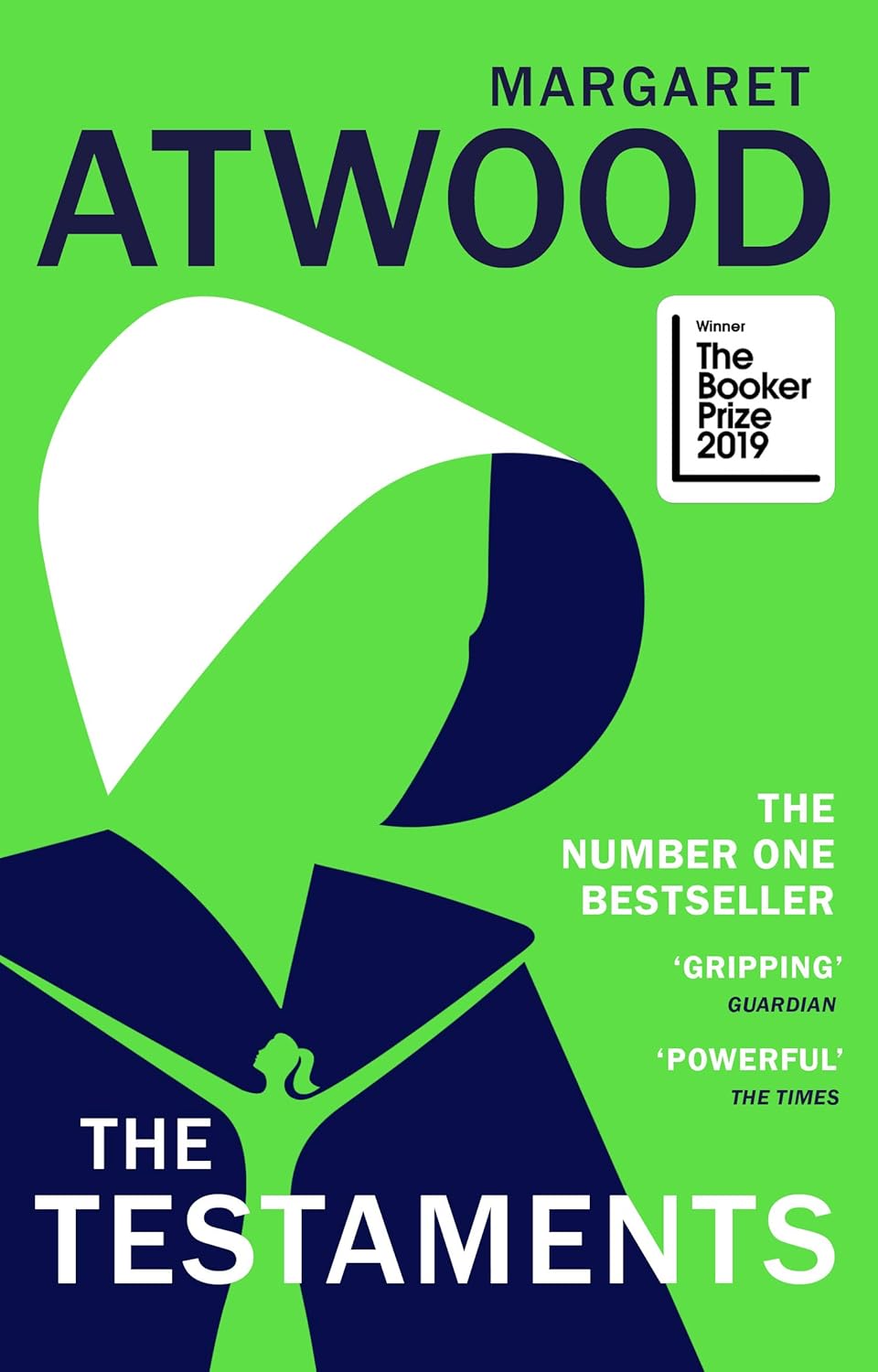
The Booker Prize (formerly the Man Booker Prize) is awarded to a book written in English and published in the United Kingdom or Ireland. A panel of five, made up of “creative peers,” choose the winning book. The award skews towards British and Irish authors, but winners hail from around the world, like Sri Lankan author Shehan Karunatilaka or Jamaican author Marlon James. These books land on the literary side side of things, and some recent winners include George Saunders’ Lincoln in the Bardo, Margaret Atwood’s The Testaments, and Bernadine Evaristo’s Girl, Woman, Other.

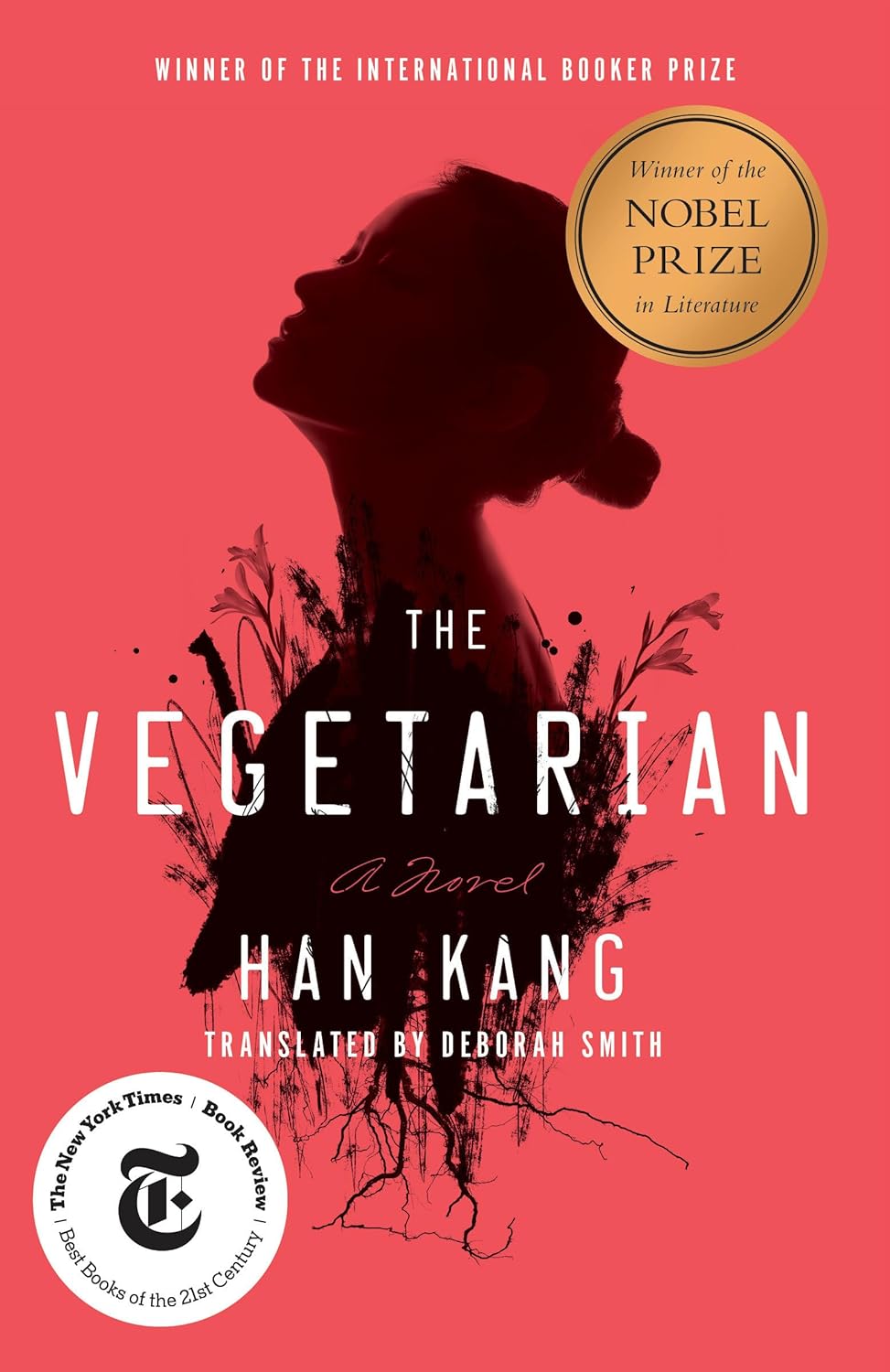
The International Booker Prize is also worth noting. These books are translated into English and must be published in the UK or Ireland. The Vegetarian by Han Kang, Flights by Olga Tokarczuk, and Time Shelter by Georgi Gospodinov won in 2016, 2018, and 2023 respectively.

Nebula and Hugo Awards

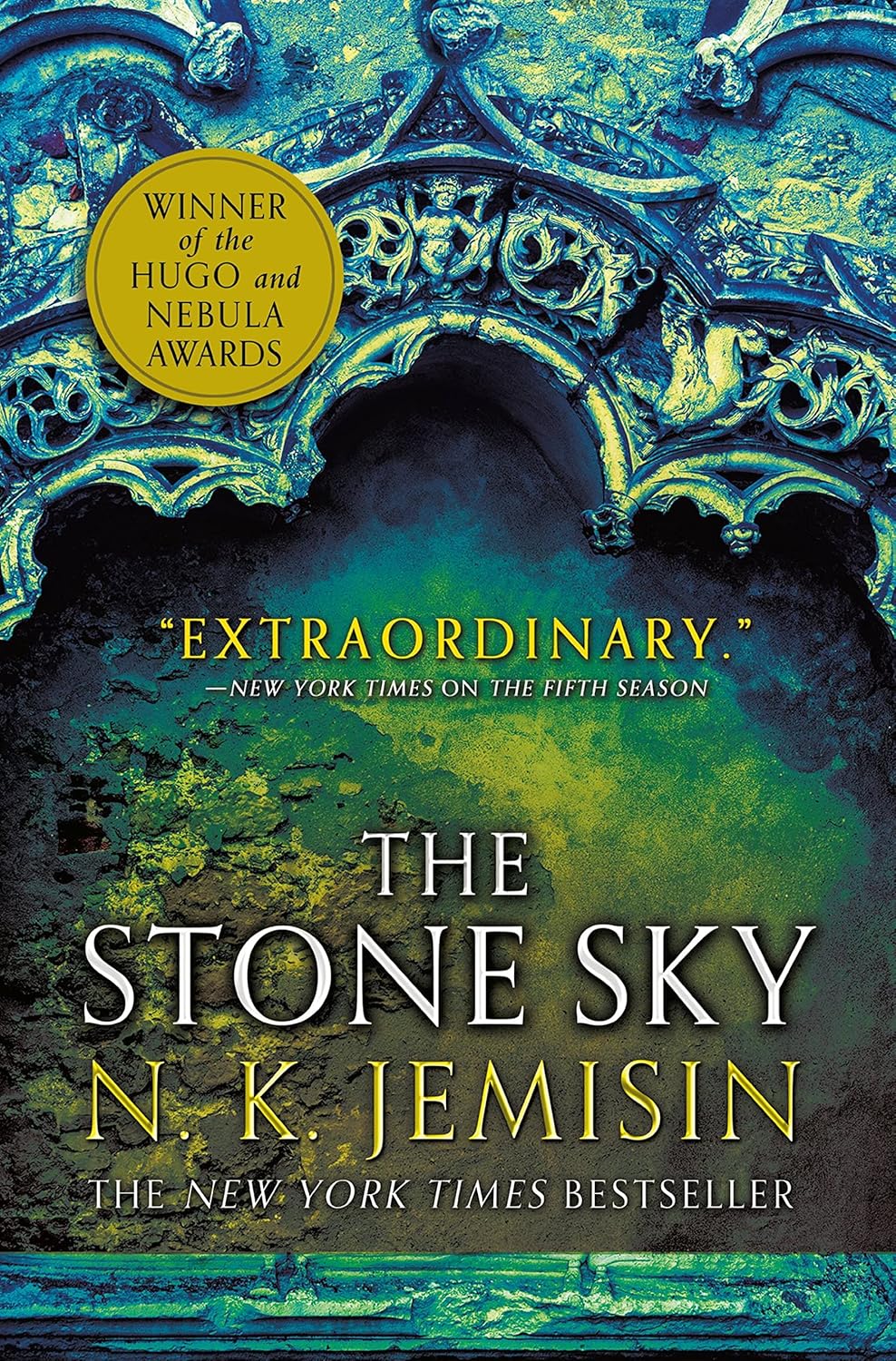
The Nebula and Hugo Awards are the two big names associated with science fiction and fantasy (SF/F) literature. The biggest difference between these awards is the voting body. To vote on the Nebula, you need to belong to the Science Fiction and Fantasy Writers Association. Essentially, you need to be a SF/F writer yourself. For the Hugo Award, all you need is a membership to the World Science Fiction Convention, which costs $50. Despite this difference, it’s not uncommon for a single title to win both awards. Some recent examples of this feat are Network Effect by Martha Wells, The Stone Sky by N. K. Jemisin, and This is How You Lose the Time War by Amal El-Mohtar and Max Gladstone.

Edgar Award

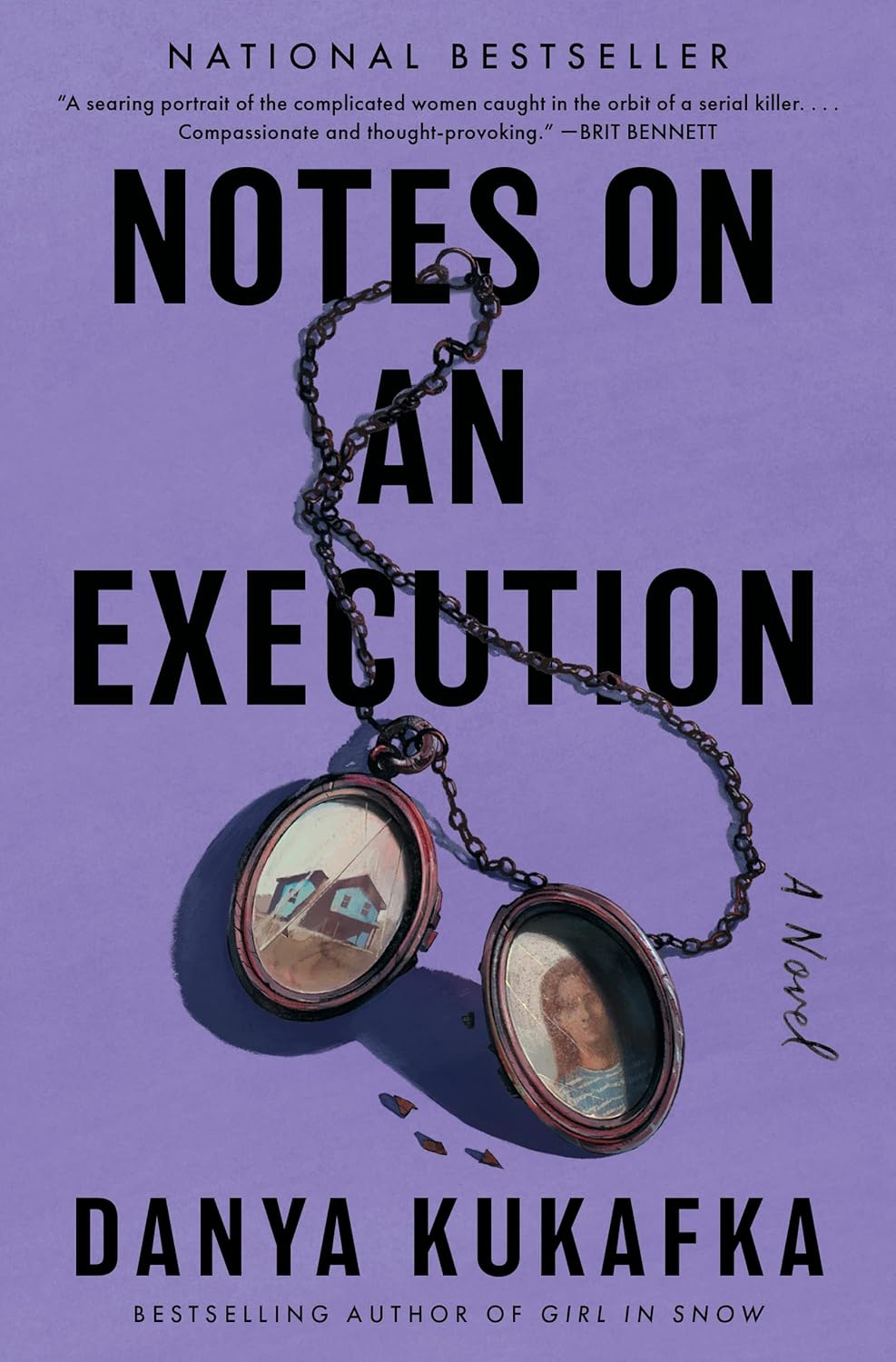
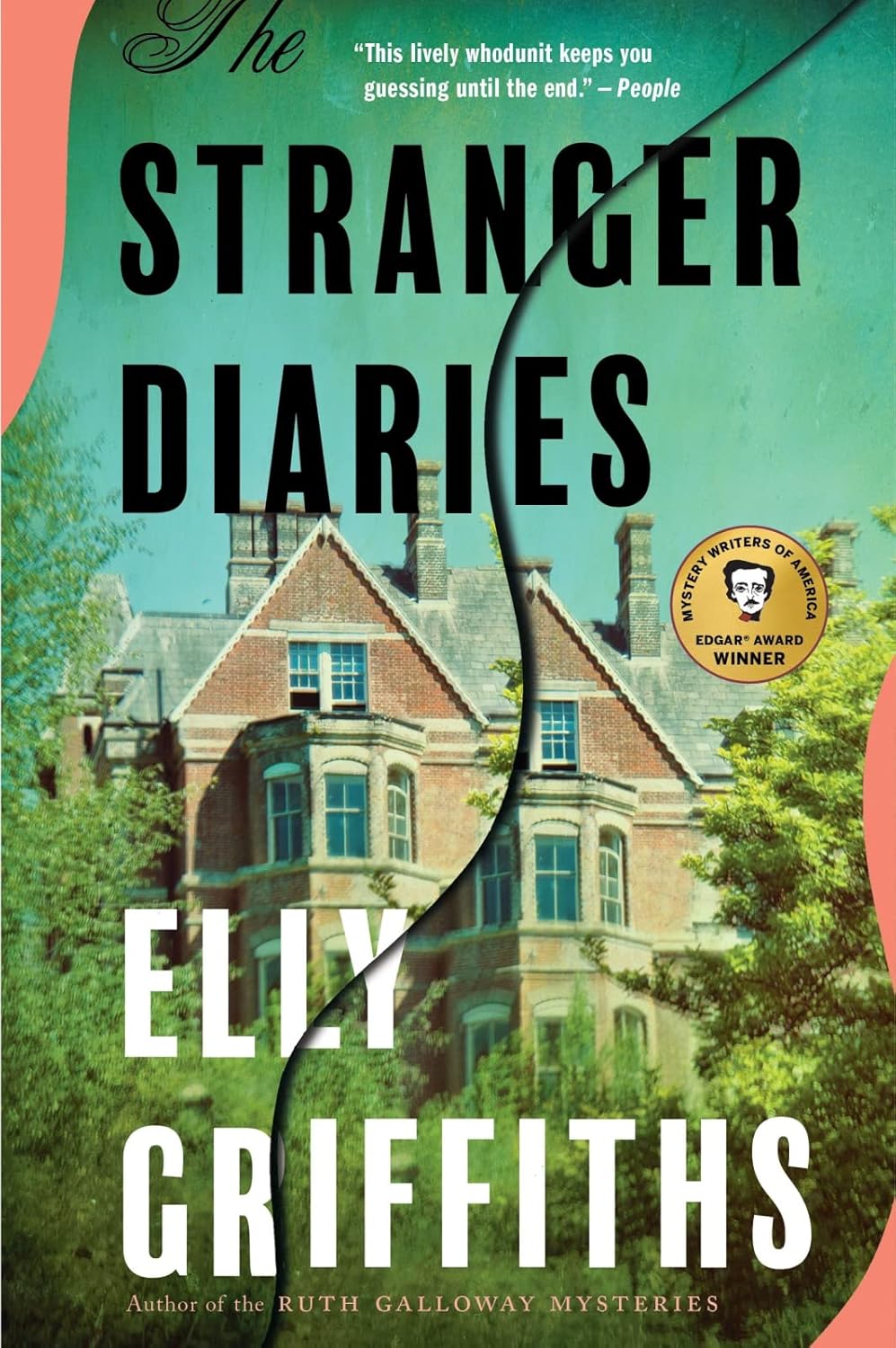
The Edgar Award is named after (who else but) Edgar Allen Poe to honor the best of the mystery genre, and chosen by the Mystery Writers of America. In the past, some familiar names have won: Stephen King for Mr. Mercedes and Noah Hawley (writer of the Fargo television series) for Before the Fall. But overall, The Edgar Award stands out to me because the winning books tend to be less well known; it’s a good way to find underappreciated gems. Some recent winners include Notes on an Execution by Danya Kukafka, Djinn Patrol on the Purple Line by Deepa Anappara, and The Stranger Diaries by Elly Griffiths.

National Book Award and Pulitzer Prize

The National Book Award (courtesy of the National Book Foundation) and the Pulitzer Prize for Fiction (courtesy of Columbia University) are both meant for American authors. The Pulitzer Prize is awarded to novels that “deal with American life” and tend to be fairly popular, often getting the television or movie treatment in the years after its win. The National Book Award has more lofty goals, and is designed to “ensure that books have a prominent place in our culture.” These winners don’t generate as much buzz, but they’re just as profound and moving.

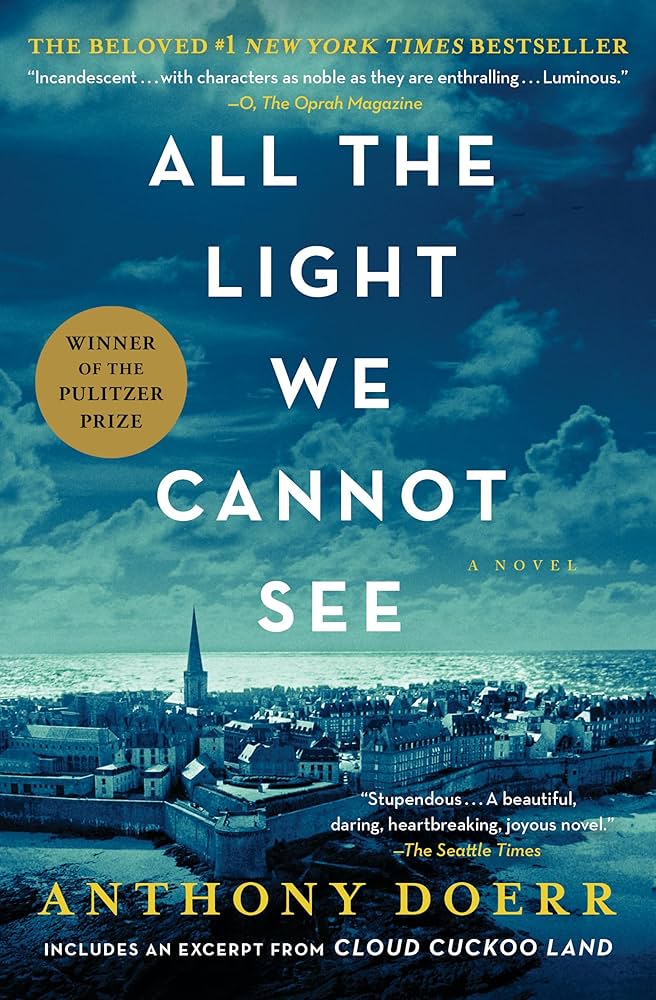
Winners of the Pulitzer Prize for Fiction include The Nickel Boys by Colson Whitehead, All the Light We Cannot See by Anthony Doerr, and The Goldfinch by Donna Tartt.

Winners of the National Book Award include Blackouts by Justin Torres, Sing, Unburied, Sing by Jesmyn Ward, and The Good Lord Bird by James McBride.

Nobel Prize in Literature

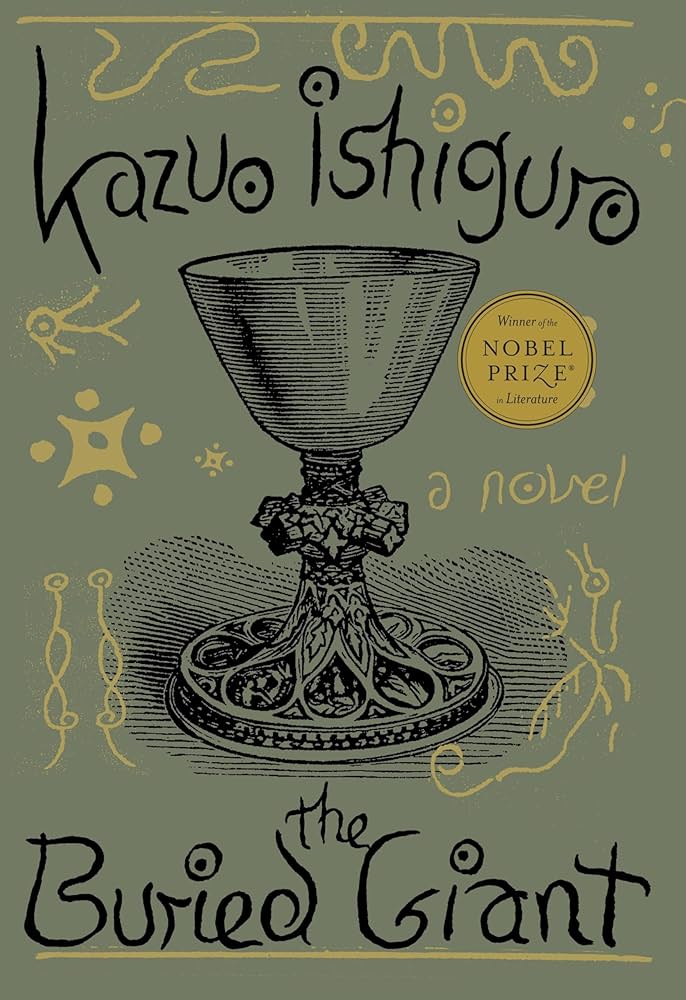
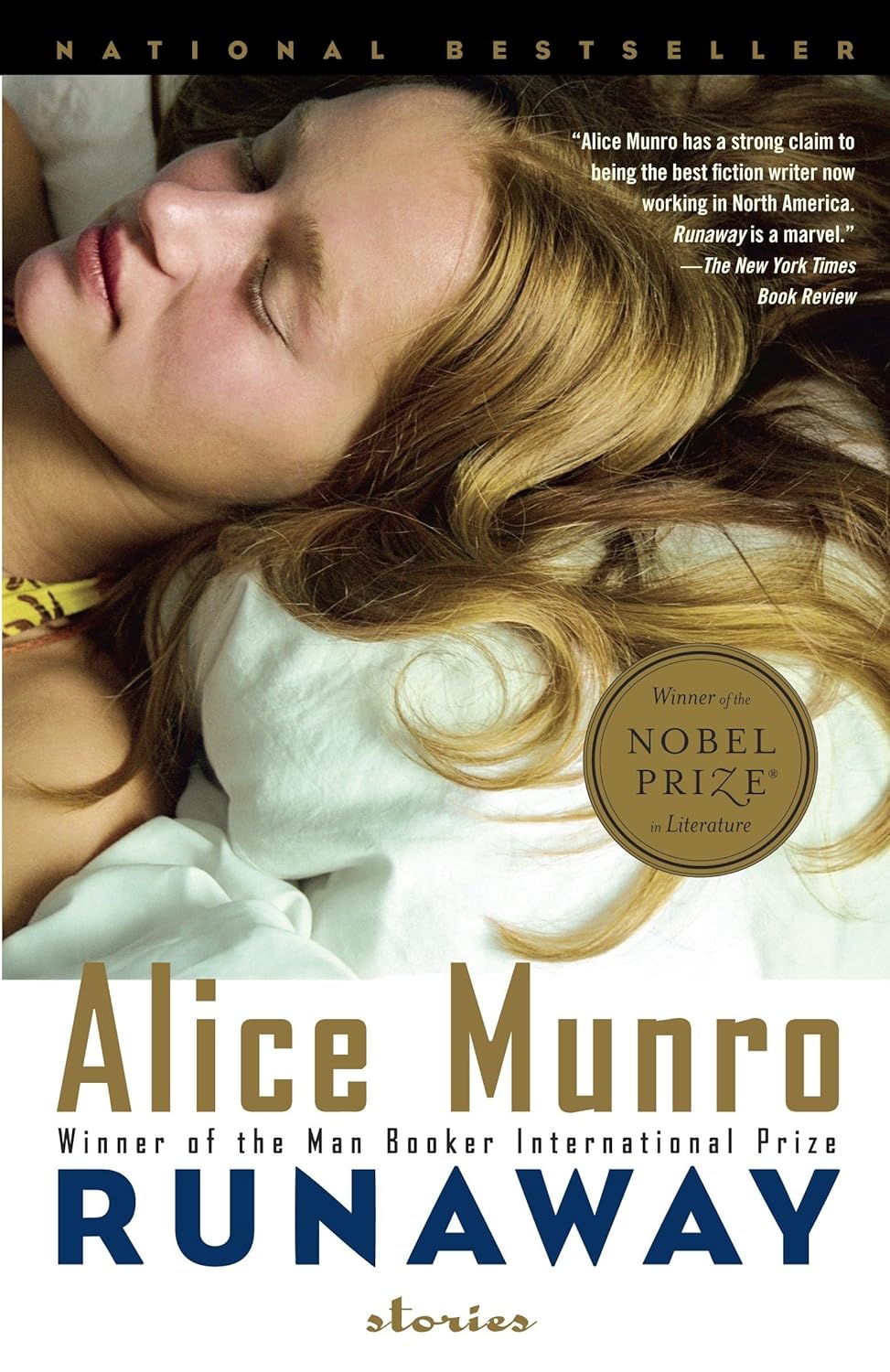
The Nobel Prize in Literature is voted for by the Swedish Academy and stands out in a couple ways: Authors from any country are eligible for the award, and awards are based on an author’s body of work as a whole. This means that the winning author can put the “Winner of the Nobel Prize in Literature” stamp on any book in their back catalogue and any future book they write. Sounds like a good deal to me! Past winners include Kazuo Ishiguro, Alice Munro, and Toni Morrison.

Women’s Prize for Fiction

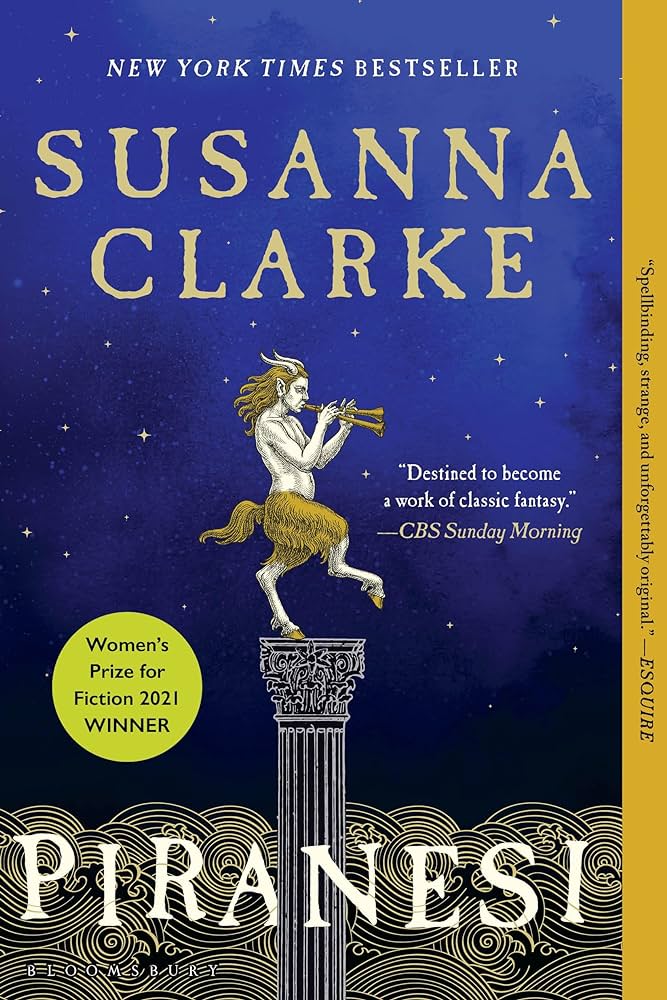
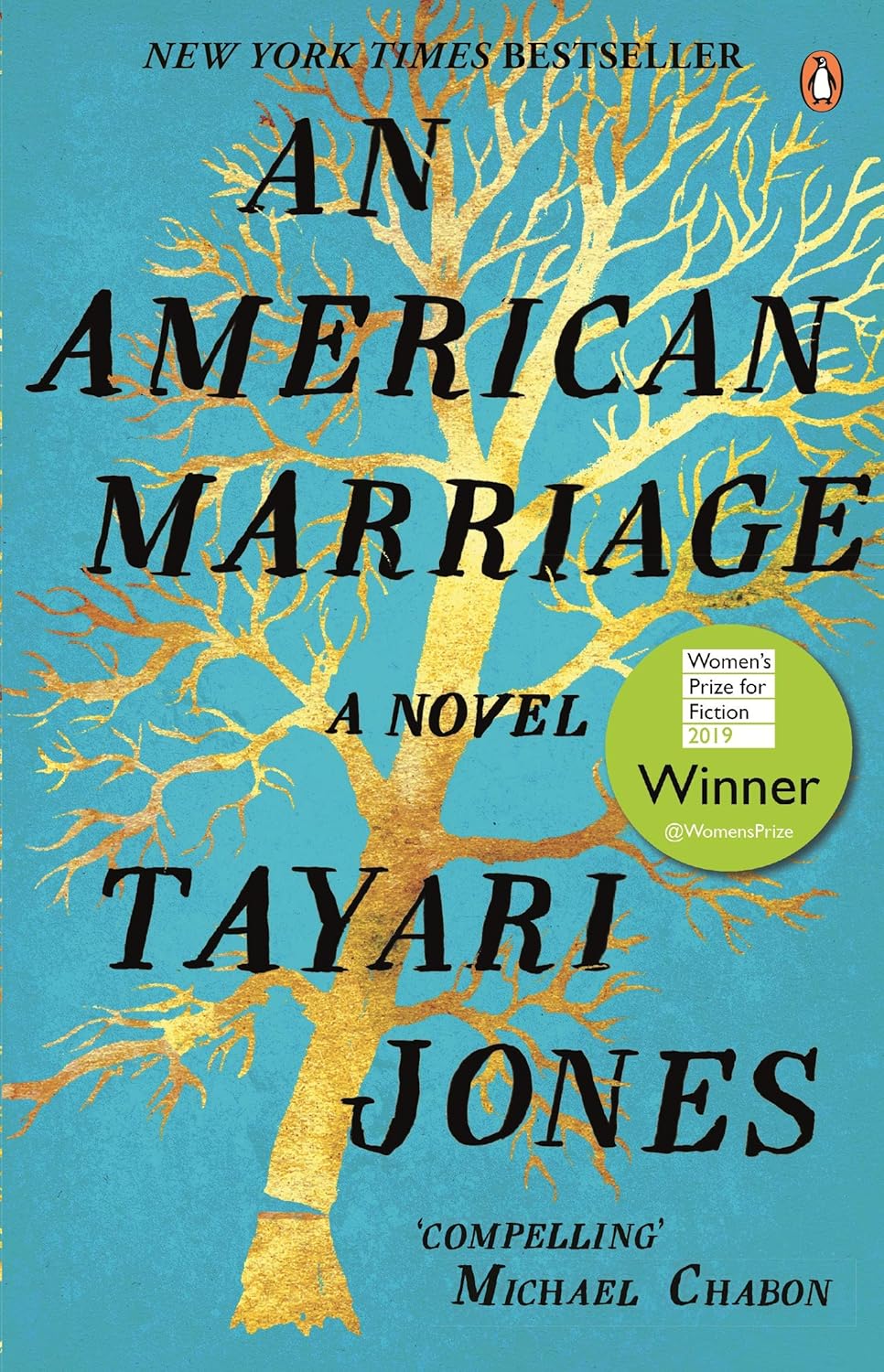
The last award I’ll touch upon is the Women’s Prize for Fiction which is voted on by a panel of five notable women. This award, along with the Booker Prize and the now defunct Costa Book Awards, at one point made up the “trinity” of UK’s literary prizes. Recent winners include Piranesi by Susanna Clarke, Hamnet by Maggie O’Farrell, and An American Marriage by Tayari Jones.

It can also be interesting to look at the notable awards of non-English speaking countries. Winners usually have an English translation available, and their relative obscurity makes it feel like you’ve uncovered some esoteric text. Compass by Mathias Énard was a great find of mine that won the French Prix Goncourt Award in 2015.

At the end of the day, it’s important to remember that these awards are all made up. They were all chosen by people, and people have their own tastes, their own mercurial and indecipherable preferences. There is no trait–not intelligence, success, nor clout–that makes one person a better “book judge” than another. If you find an award that speaks to you, great! But otherwise, take them all with a grain of salt and keep in mind the only book award that truly matters: The (insert your name here) Award.

P.S. If you really want to dive into the dramatic side of the book award world, there is always heated discussion about each year’s Booker Prize shortlist. This year, the six shortlisted books will be announced on September 23rd, and the more bookish parts of the internet will be a-buzz, defending their favorites and attacking the books they deem unworthy. It’s a bit messy, but good fun.

Save Money at the Library

There are several ways to save money at the Cheshire Public Library. If you want to learn budgeting, investment, and retirement skills, come browse our large collection of personal finance books, magazines, and e-books. For more immediate savings, check out our museum passes. We offer discounts and free admission to some of the best museums in the state.

But today, I’d like to zoom in on our Research page, where you can get free access to websites that normally require a paid subscription. A recent CNET study found that the average US adult spends $91(!) on subscription services each month. We can’t help with Costco or Netflix, but you may find something here that will come in handy…

The New York Times

Normally $24.99 per month, free from the library

You can access the digital version of The New York Times both inside and outside the library. This means access to articles, reviews, podcasts, recipes, and games (so you can impress your friends with a Wordle streak). If you’re more of a “print” kind of person, we have both The NYT newspaper and magazine available on the lower level of the library.

Click here for to access to the New York Times:

*Note: Only the “News” portion of the website is available outside the library

Consumer Reports

Normally $10.00 per month, free from the library

Consumer Reports is a nonprofit organization that helps consumers gauge the value, quality, and authenticity of goods and services. It’s a trusted resource for unbiased reviews of cars, appliances, electronics, and lots more. Like The NYT, we also have the print version of the Consumer Reports magazine on the lower level of the library.

Click here to access Consumer Reports

Ancestry

Normally $24.99 per month, free from the library

Ancestry allows users to access a massive database of genealogical and historical resources. Search through Census records; military records; court, land, and probate records; vital and church records; directories; petitions for naturalization… The list goes on and on. This service is only available at the library itself so make sure to visit our public computers on the lower level.

Mango Languages

Normally $19.99 per month, free from the library

Chances are you’ve heard of Duolingo. I use it myself and like that it keeps me responsible for learning every day. On the whole, though, it feels somewhat lacking in actual education. Duolingo’s focus is on gamification can make it feel more like Candy Crush than French 101. Mango Languages is a great alternative that provides structured lesson plans that cover vocabulary, grammar, and culture. What’s more, Mango Languages boasts 70+ world languages and courses for English learners as well.

Click here to access Mango Languages

Also available through our Research page are:

  • Free digital editions of local newspapers (Cheshire Herald, Meriden Record-Journal, New Haven Register)
  • Morningstar Investment Research Center
  • LearningExpress Library: College and career readiness tools
  • NoveList: A subscription only readers advisory tool

Unconventional Ghosts

I love ghosts. I’ve never met a ghost myself, so the best I can do is read about them. Why ghosts? Well, they don’t have to follow our rather tiresome rules of gravity and thermodynamics! They could do a loop-de-loop in the air, just for the fun of it. Maybe I’m a bit jealous…

There are many shades of ghost: vengeful ghosts, poltergeists, ghosts with the intent to improve the life of a living person à la A Christmas Carol… These are all fun in their own way, but I find it especially delightful when ghosts are given roles that betray their traditional raisons d’être–ghosts that are not strictly malicious, nor are just around to aid the protagonist. These ghosts are maybe just as complicated and multi-faceted as the humans who begat them.
It’s also interesting to see how authors answer fundamental ghost questions like: Why has the ghost come into existence? What makes the ghost different from a living person? What does the ghost want? The answers to these questions change dramatically from author to author and story to story. They also feel substantial, weighty. Making assumptions and declarations about ghosts is not so different from making assumptions and declarations about life. Like a Rubin vase, where the negative space around a subject becomes its own subject, writing about ghosts and death is a clever way of writing about life.

Anyway, here are some exciting and not-quite-traditional portrayals of ghosts.

Ghostwritten by David Mitchell

David Mitchell’s first novel is ghost-obsessed. “Ghost” is even in the title! But instead of offering a treatise on ghosts and ghostliness, Mitchell’s ghosts, or “noncorpora,” are hard to pin down. They come in many forms, sometimes existing independently and other times hopping from human to human, using bodies as a kind of macabre public transport. For part of the book, we follow one such noncorporum as it travels through rural Mongolia in the body of an American tourist. This particular noncorporum is a self-described “inhuman humanist” and provides some delightfully empathetic insights into the human condition.

Lincoln in the Bardo by George Saunders

Sometimes when driving home, I’ll hang out in the left lane even if the right lane is moving faster. In my head, I’m thinking, “I know the left lane is faster!” when that’s clearly not the case. People are stubborn, and George Saunders doesn’t see any reason why ghosts wouldn’t be stubborn as well. The ghosts in Lincoln in the Bardo are so stubborn, in fact, they cannot come to terms with the reality of death. Their “sick-forms” (read: corpses) lie in “sick-boxes” (read: coffins) and only need rest. With just a bit more rest, they’ll emerge in tip-top shape and be able to resume their prior lives (read: they won’t). These circumstances may seem hopeless and wretched, but Saunders is able to deliver one of the most affecting and life-affirming conclusions I’ve read. A jewel of a book.

Her Fearful Symmetry by Audrey Niffenegger

Her Fearful Symmetry is a hoot. Unlike some of the other books mentioned here that use the otherworldly to contrast comically with the mundane, Her Fearful Symmetry wholeheartedly commits to flights of fancy. Romance and death intertwine and are taken to their melodramatic extremes. There are envious ghosts, faked deaths, identical twins posing as one another: everything you could possibly want in a story. It’s often absurd and always sublimely entertaining.

100 Years of Solitude by Gabriel García Márquez

In 100 Years of Solitude, characters are haunted by their lineages. Decisions and dispositions repeat from generation to generation, entire lifetimes become ghostly echoes of the past. It is no surprise, then, that actual ghosts occasionally show up to haunt the residents of Macondo. Touchingly (and thematically), isolation is what brings several ghosts back from the dead. They return because they “could not bear the solitude,” or in another case, “the yearning for the living was so intense, the need for company was so pressing.” Human connection is so fundamental a force that not even death can stand in its way.

Welcome to the Monkey House by Kurt Vonnegut

Kurt Vonnegut is a famed humanist, but he has mixed feelings about human bodies. Take Breakfast of Champions for example: the protagonist’s rapidly declining mental health is due to an abundance of “bad chemicals” in the brain. Or both Slaughterhouse-Five and Sirens of Titan, where characters’ cannot even rely upon their bodies to stay rooted in space-time. It’s no surprise then that he was interested in a world where humans are not subservient to their oft-malfunctioning bodies. Such is the conceit of the short story, “Unready to Wear,” found in the collection, Welcome to the Monkey House. A mathematician discovers a technique that allows one’s soul to be separated from their physical being and float about unburdened by corporeal whims.

Beloved by Toni Morrison

Ghosts can represent trauma, guilt, love, regret, suffering, anger, dehumanization–really anything if an author can realize their vision. But since ghosts can mean so many things, they have the potential to become unwieldy, or conversely, underbaked. Toni Morrison does not have this problem. The ghost in Beloved is loaded with nuanced meaning, compelling but elusive. This is a literary balancing act and a depiction of ghostliness so unique that it stands alone. Brutal, beautiful, and haunting.